REVIEW · HIROSHIMA
Hiroshima and Miyajima 1 Day Cruise Tour
Book on Viator →Operated by H.I.S.Co., Ltd. · Bookable on Viator
That first ferry day feeling is real. You get World Heritage sites, big-water views, and Hiroshima’s history in one smooth, guided 7–8 hour outing. It’s a compact plan that actually makes sense if you want two heavy hitters without spending your whole trip in transit.
I especially like the mix of places: Miyajima’s deer-and-torii charm pairs with Hiroshima’s Peace Memorial Museum and Park. I also like that most key admissions are handled, so you’re not constantly stopping to figure out tickets while your day is already moving.
One thing to think about: this is mostly a ferry day, not a lounge-on-a-cruise-ship day. Also, the pace is built for seeing a lot, so if you want long, slow hangs at every stop, you’ll need to plan for that (or ask your guide to adjust).
In This Review
- Key Highlights You’ll Feel Immediately
- A Day That Links Torii Views with Atomic Memory
- Getting There: 8:45 Start and Ferry-First Travel
- Miyajima Island: Deer, Torii, and That Island-Short-Sentence Feeling
- Itsukushima Shrine by the Water: What You’ll See
- Hiroshima Peace Memorial Museum: Facts, Faces, and Timing
- Peace Memorial Park and the Atomic Bomb Dome: A Walk With Purpose
- The Pace Works in 7–8 Hours (and How to Adjust)
- The Real Value of $163.40: What You’re Buying
- Guide Quality Makes the Day: Rimona, Milky, Arki, Tom, Yuki, Kumi
- Who Should Book This Hiroshima and Miyajima Day
- Short FAQ for Your Planning
- FAQ
- How long is the Hiroshima and Miyajima cruise (ferry) tour?
- What time does the tour start?
- Where does the tour end?
- Is lunch included?
- What ferry and transport costs are covered?
- Which attractions have admission included?
- Do you visit Miyajima and Hiroshima in the same day?
- Is this a cruise ship experience?
- What if the weather is poor?
- Can I skip a stop or change the schedule during the tour?
- Should You Book This Tour?
Key Highlights You’ll Feel Immediately
- Ferry-first routing keeps transfers simple and gives you sea views between islands and landmarks
- World Heritage stops in one day: Itsukushima Shrine and Hiroshima’s Peace Memorial area
- Museum + shrine admissions included, while other major sights like the park and Atomic Bomb Dome are free
- English-speaking guide support, and the guidance often gets praised by name (Rimona, Milky, Arki, Tom, Yuki, Kumi, Momoko, Chikako, Tomo San)
- You can customize on the fly—skip a stop or swap it with your guide’s help (no refund if you skip)
A Day That Links Torii Views with Atomic Memory
This is one of those days where the geography does part of the storytelling. You start on Miyajima, famous for the torii gate that looks like it floats at high tide, then you shift to Hiroshima and walk through remembrance sites tied to the atomic bombing.
The beauty is how the day is structured around meaning, not just checklists. Miyajima gives you a slower rhythm—deer wandering around, shrine architecture over water, and that quiet island feeling—then Hiroshima asks you to slow down in a different way.
Other Miyajima Island tours in Hiroshima

Getting There: 8:45 Start and Ferry-First Travel
The tour begins at 8:45am and runs about 7–8 hours total, with travel time built into the schedule. You’ll meet near public transportation, and the tour ends back at the meeting point, so you don’t get stranded planning your return.
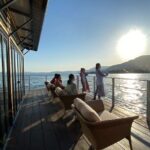
The big practical win is the water routing. You get a free local ferry from Hiroshima to Miyajima, then another ferry connection later toward Hiroshima’s Peace Memorial area. That means fewer transfers and less “where do we go next” stress.
Miyajima Island: Deer, Torii, and That Island-Short-Sentence Feeling
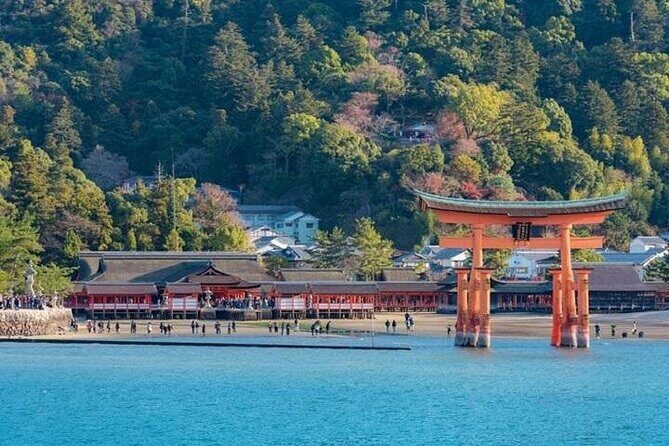
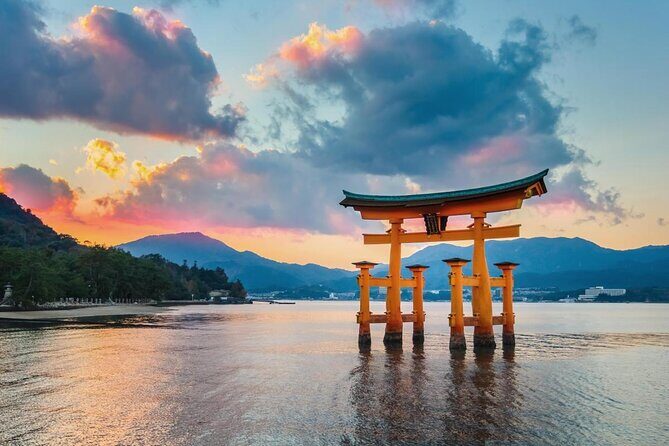
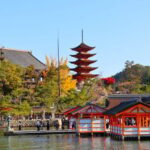
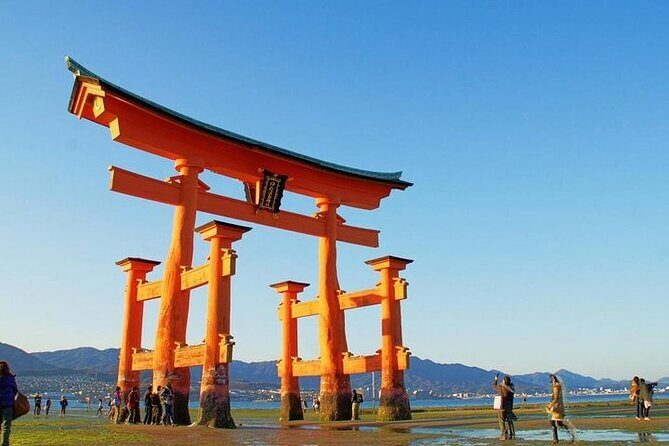
Miyajima is less than an hour outside Hiroshima, and it feels like a world onto itself once you’re off the mainland. The star attraction is the giant torii gate—at high tide it gives that floating-on-water effect—but even without the perfect timing, you’re still in a setting that’s visually unforgettable.
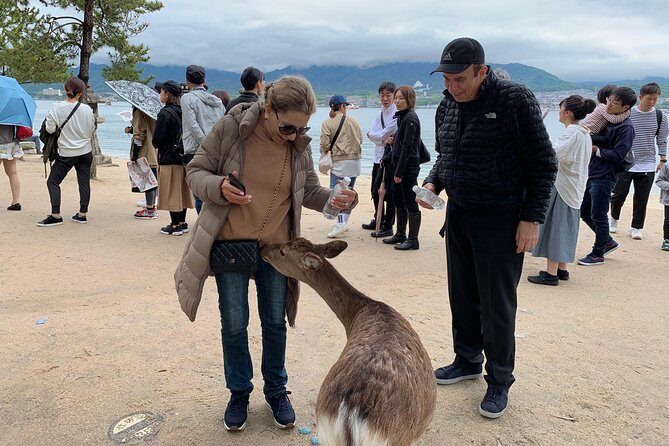
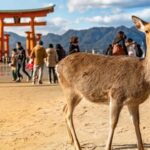
And then there are the deer. This island is known for an abundant deer population in its nature-rich areas. Expect to see them around as you move between sights, and keep a little awareness of where you step—these animals have the confidence of locals.
The stop on the island is about one hour, which is enough time to orient yourself and enjoy the atmosphere. If you’re a photographer, this is also where you’ll want to be ready—once you’re in the right spot, you’ll understand why the torii is always in postcards.
Itsukushima Shrine by the Water: What You’ll See
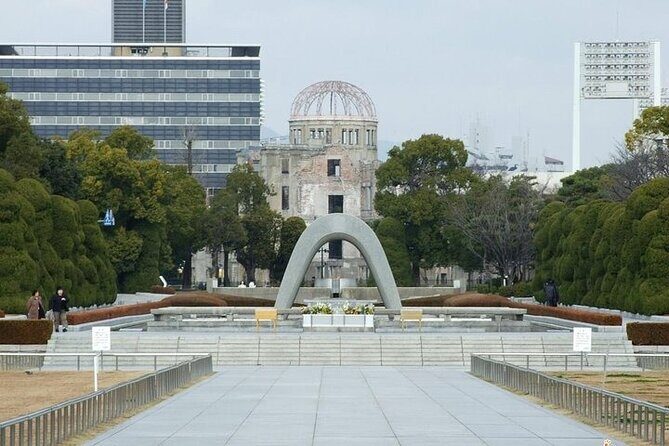
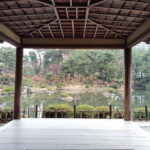
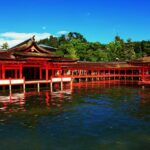
Itsukushima Shrine is one of the most recognizable shrine scenes in Japan because it sits right by the water. The water setting isn’t a background detail—it’s part of why the shrine is so famous. The guide will help connect the long history of the shrine with the island’s name and reputation.
Your time here is about one hour, and admission is included. That’s a good length for most people because it lets you see the main view, then take a moment to notice how the structures work with the shoreline.
If you’re sensitive to crowd levels, you’ll still likely see other visitors, especially around the most photographed angles. The workaround is simple: move a few steps off the busiest path and let the guide point out viewpoints that feel more natural than staged.
Hiroshima Peace Memorial Museum: Facts, Faces, and Timing
Then the day pivots from scenic calm to something heavier. The Hiroshima Peace Memorial Museum is the largest Hiroshima site connected to the atomic bombing, and it was designed by architect Tange Kenzo, opening in 1955.
You’ll spend about one hour here, and museum admission is included. That time window matters. One hour is long enough to grasp the story, but short enough that you won’t feel like you have to process everything at once.
A museum like this doesn’t treat the topic lightly. One reason people leave moved is the human scale: surviving families, the lingering effects, and why memory and education matter. If you know you tend to feel overwhelmed in intense spaces, plan for a few minutes of pause. You’re allowed to take breaks.
Other Hiroshima and Miyajima combo tours in Hiroshima
Peace Memorial Park and the Atomic Bomb Dome: A Walk With Purpose
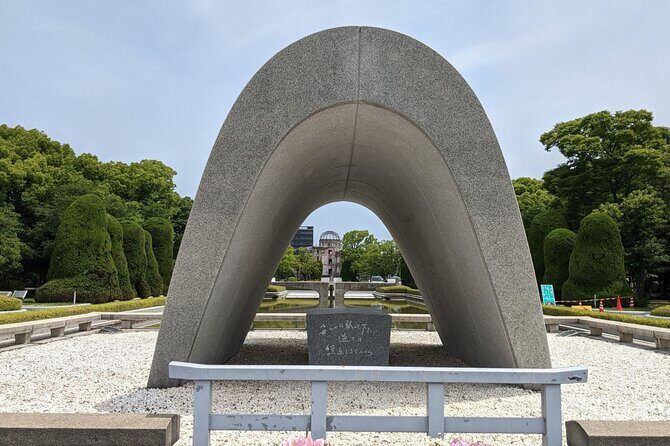
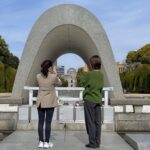
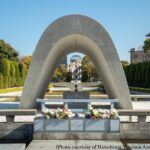
From the museum, the tour moves you into the Peace Memorial area, where the environment helps you slow down. Hiroshima’s Peace Memorial Park covers a large space, and the calm of the grounds can make the history feel even more present.
Your time in the park is about one hour, and admission is free. In this part of the day, you’ll likely feel how the park’s layout turns remembrance into something you experience on foot, not just read about.
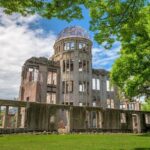
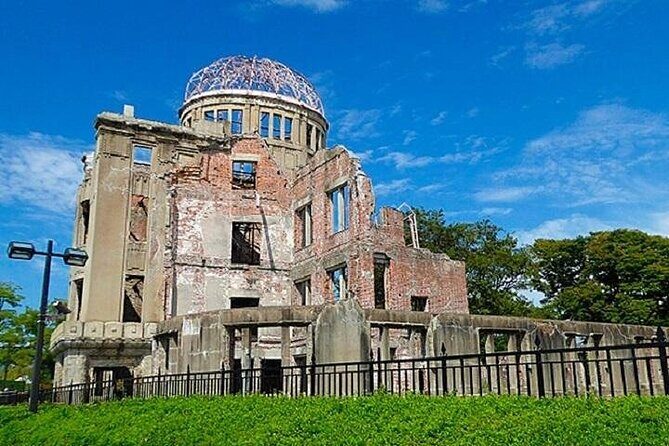
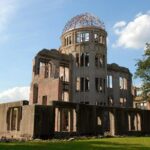
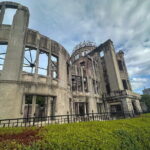
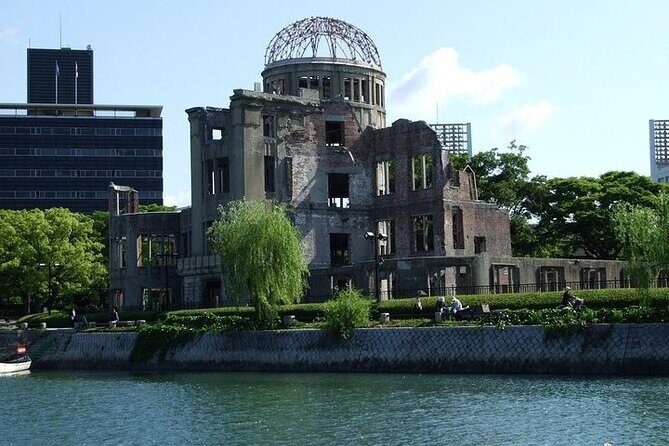
Then you reach the Atomic Bomb Dome, with about 30 minutes at the site and free admission. This building is a symbol of Hiroshima and a focus for prayers for world peace. It’s a short stop, but the dome’s impact doesn’t need long explanations—standing there, you’ll understand why people treat it as a must-see.
The Pace Works in 7–8 Hours (and How to Adjust)
This tour is built to do five major stops in one go: Miyajima, the Peace Memorial Museum, the Peace Memorial Park, Itsukushima Shrine, and finally the Atomic Bomb Dome. It’s not leisurely, and that’s not a flaw—it’s the trade-off that makes it possible.
Two smart ways to make it work for you:
- If you care more about one side of the day (Miyajima or Hiroshima), ask your guide to help you prioritize within the time blocks. Your guide can also help you change the schedule even on the tour day.
- If you decide you don’t want to spend time somewhere, you can skip a spot, but the tour notes there’s no refund for skipped entries.
Also keep in mind: lunch isn’t included. That means you’ll want to either eat on your own near whichever stop you’re at or plan ahead so you aren’t hunting under pressure. If you do want suggestions, your guide is usually the best source.
The Real Value of $163.40: What You’re Buying
At $163.40 per person, this isn’t the cheapest way to get around Hiroshima and Miyajima. But it’s also not just transport—it’s problem-solving for a difficult day plan.
You’re paying for:
- Ferry rides that connect key locations without extra hassle
- Local train fee support included
- An English-speaking guide to connect the dots and manage the timing
- Included admissions for the Peace Memorial Museum and Itsukushima Shrine
Add that up and the value starts to make sense. The admissions alone cover a chunk of the total, and the guide saves you time in interpretation, not just navigation.
One practical note from one solo experience: a solo traveler reported that solo pricing may not match the per-person expectation. If you’re traveling alone, it’s worth double-checking how the pricing applies to your booking so there are no surprises.
Guide Quality Makes the Day: Rimona, Milky, Arki, Tom, Yuki, Kumi
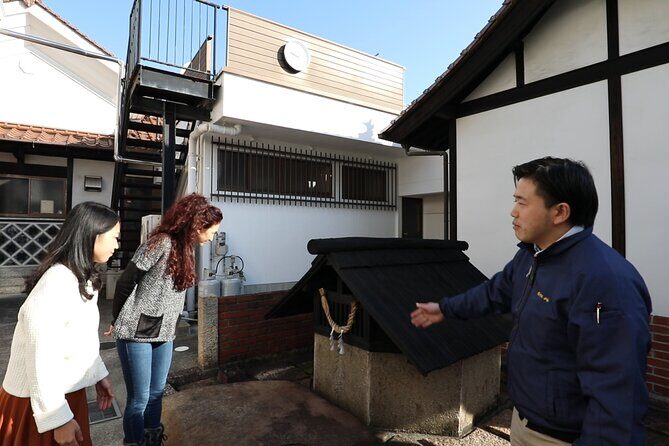
In tours like this, the guide can be the difference between seeing things and really understanding them. Here, the guide role gets praised again and again, often by name.
Some names people shared include Rimona, Milky, Arki, Tom, Yuki, Kumi, Momoko, Chikako, and Tomo San. While you won’t necessarily get the same person, the pattern is clear: guides are prepared, handle time well, and offer helpful recommendations—like where to eat.
If you’re the type who likes context (why a shrine is shaped that way, what the dome symbolizes, how to read the museum’s pacing), you’ll likely appreciate the explanations and route decisions.
Who Should Book This Hiroshima and Miyajima Day
This is a good fit if you:
- want a one-day plan that hits Miyajima and Hiroshima’s Peace Memorial area
- prefer guided navigation over figuring out transit connections on your own
- like mixing nature/culture with history, and you’re okay with a paced schedule
It’s also a solid choice if you want the day to feel efficient. Because the tour uses ferries to link the areas, you get sea views without spending your day zigzagging through too many transfer points.
Consider a different approach if you:
- want hours of free time at each stop instead of a guided sweep
- dislike group pacing and need lots of “no one moves until I’m ready” time
- are expecting a long cruise-ship style experience (this is ferry travel tied to sightseeing)
Short FAQ for Your Planning
FAQ
How long is the Hiroshima and Miyajima cruise (ferry) tour?
It runs about 7 to 8 hours, including travel time.
What time does the tour start?
The start time is 8:45am.
Where does the tour end?
It ends back at the meeting point.
Is lunch included?
No. Lunch isn’t included.
What ferry and transport costs are covered?
The tour includes a free local ferry from Hiroshima to Miyajima and a ferry from Miyajima to the Peace Memorial Park area, plus a local train fee.
Which attractions have admission included?
Admission is included for the Hiroshima Peace Memorial Museum and for Itsukushima Shrine. The Atomic Bomb Dome and the Peace Memorial Park are free admissions in the tour plan.
Do you visit Miyajima and Hiroshima in the same day?
Yes. The day covers Miyajima and multiple Hiroshima Peace Memorial sites.
Is this a cruise ship experience?
Based on how the day is described, it’s ferry travel between Hiroshima and Miyajima and onward to the Peace Memorial area, not a long leisure cruise.
What if the weather is poor?
The experience requires good weather. If it’s canceled due to poor weather, you’ll be offered a different date or a full refund.
Can I skip a stop or change the schedule during the tour?
You can skip a spot or request schedule changes. If you skip, the tour states there’s no refund for that stop.
Should You Book This Tour?
Yes, if you want a day that connects Miyajima’s signature island scenery with Hiroshima’s Peace Memorial sites without turning your schedule into a transit puzzle. The big advantage is how the ferries and included admissions help you spend your time on the important parts of the day.
If you’re hoping for a slow, floating luxury day, then manage expectations. This tour is more like a well-run guided day trip—busy in a good way, with time pressure kept under control by the guide. And if you like learning as you go, this is exactly the sort of outing where a strong guide can make the difference between seeing sights and understanding them.