REVIEW · HIROSHIMA
Full Day Hiroshima and Miyajima Bus Tour from Hiroshima
Book on Viator →Operated by JTB Global Marketing & Travel Inc. · Bookable on Viator
One day here hits two different kinds of Japan: postcard beauty and real remembrance. This bus tour sends you from Hotel Granvia Hiroshima to Miyajima’s Itsukushima Shrine, then across to Hiroshima Peace Memorial Park to see the Atomic Bomb Dome and museum exhibits that stay with you. I like that it bundles the big sights in one efficient day, with admissions and transport handled for you. I also like that the pace gives real time to look, not just speed-walk through. One thing to consider: it’s a full coach day, so in some groups the guide can be hard to hear during walking and radio quality can vary.
You’ll start at 10:10am and finish around 6:00pm–6:30pm back at Hiroshima Station. Think of it as a “greatest hits” day done respectfully: shrine first, then the solemn side of Hiroshima, with time built in for what matters at each stop. If you want to control every minute and linger longer at only one place, you’ll probably prefer going on your own. If you want the landmarks plus clear English guidance, this is a strong deal for the price.
In This Review
- Key takeaways before you go
- How the day runs from Hotel Granvia to Hiroshima Station
- Miyajima and Itsukushima Shrine: torii moments and an hour that moves
- Ferry ride, deer, and the mini-creature show you didn’t book
- Miyajima lunch time: how to eat well with only one hour
- The Atomic Bomb Dome stop: photos, but don’t rush the meaning
- Hiroshima Peace Memorial Museum and monuments: why the time is part of the respect
- Guide quality and group logistics: where experiences can vary
- Price and value check: what $152.54 really buys
- Comfort notes: heat, rain, and getting the photos you want
- Who this tour suits best (and who should skip it)
- Should you book this tour?
- FAQ
- Where do I meet the group, and where do we end?
- How long is the tour?
- Is lunch included?
- How much time do I get at Itsukushima Shrine and the Peace Memorial sites?
- Are admission fees included?
- Is the guide available in English?
- How big is the group?
- What if I’m arriving from Kyoto or Shin-Osaka using a Japan Rail Pass?
Key takeaways before you go
- Two UNESCO sites in one day: Miyajima’s shrine world and Hiroshima’s peace memorial grounds in a single outing
- Time matters: about 1 hour at Itsukushima Shrine, a separate 1-hour lunch/roam window on Miyajima, then museum time in Hiroshima
- The Atomic Bomb Dome stop is built in: you get a dedicated block of time for photos and reflection
- Licensed English guide support: the tour is built around an English interpreter/guide, so you don’t have to decode everything yourself
- Full-day pace: you’re on a bus and ferry, so bring what you need for heat or rain and plan for a long day
How the day runs from Hotel Granvia to Hiroshima Station
This tour is designed to be simple on your end. You meet at Hotel Granvia Hiroshima at the start time (10:10am). The pickup is at a central hotel location, then you move on by air-conditioned coach and ferry to get to Miyajima and back.
The total duration is about 8 hours 20 minutes. You end at Hiroshima Station (the listing specifies bus bay 1–2, stop 37). That matters because it shapes your evening plans: you’ll likely be done by dinner time, but you’ll want to keep your next reservation flexible in case traffic or ferry schedules shift.
One practical detail: the guide can change the order a bit depending on road conditions and congestion. That’s normal in Japan and it’s better than pretending the city will always run on perfect timing.
Also note this for comfort: seats may not be designated. On a full coach, your view and hearing can depend on where you end up. If you’re sensitive to sound, aim for a spot where you can face the guide during brief talks.
Other Miyajima Island tours in Hiroshima
Miyajima and Itsukushima Shrine: torii moments and an hour that moves
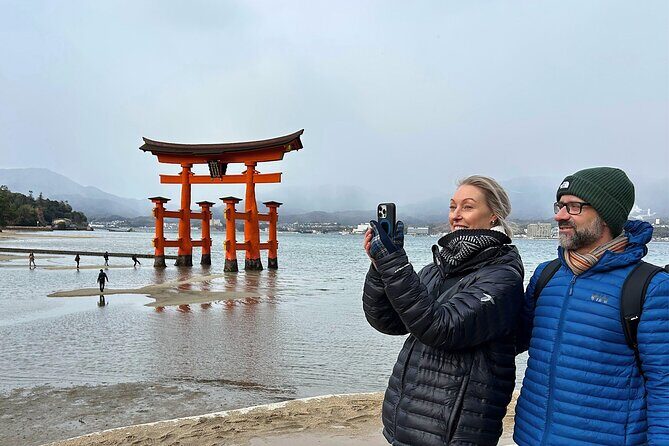
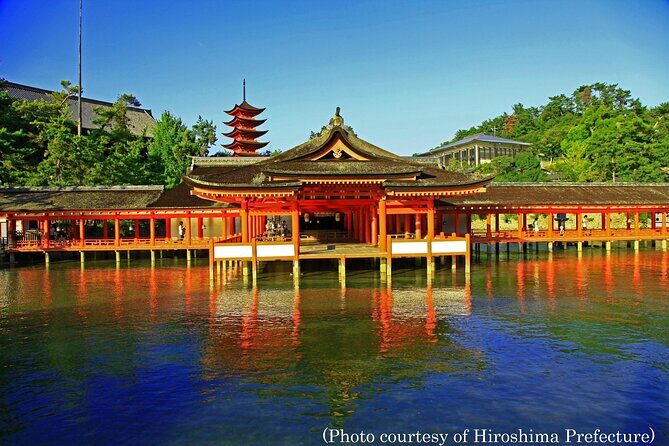
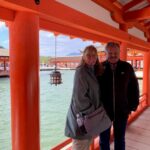
Miyajima (often called Shrine Island) is where the day turns cinematic. You’ll ride to the island, then take the ferry route and arrive ready for one of Japan’s most photographed icons.
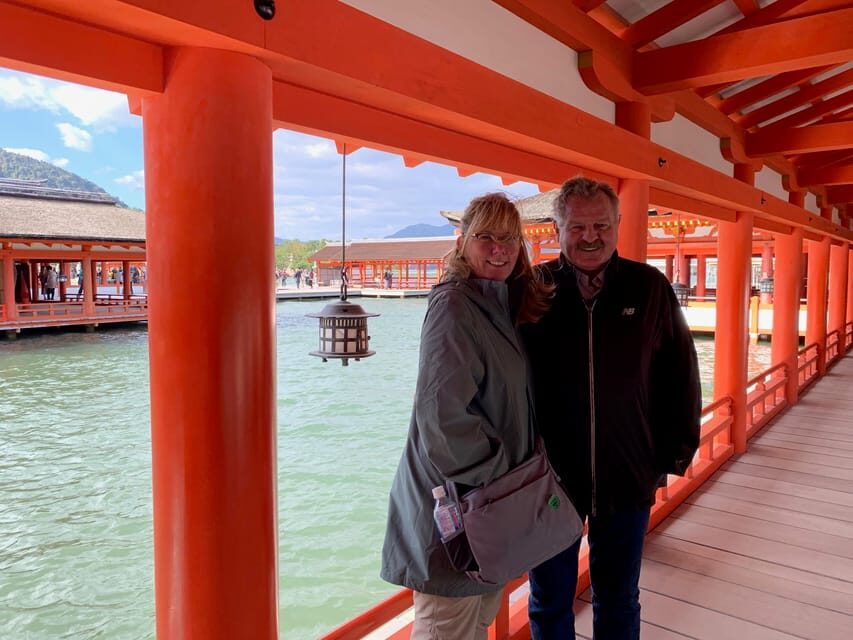
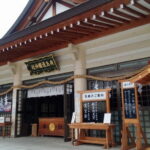
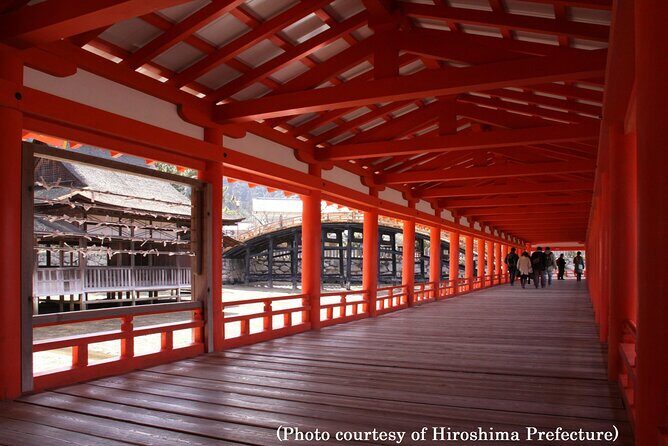
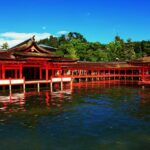
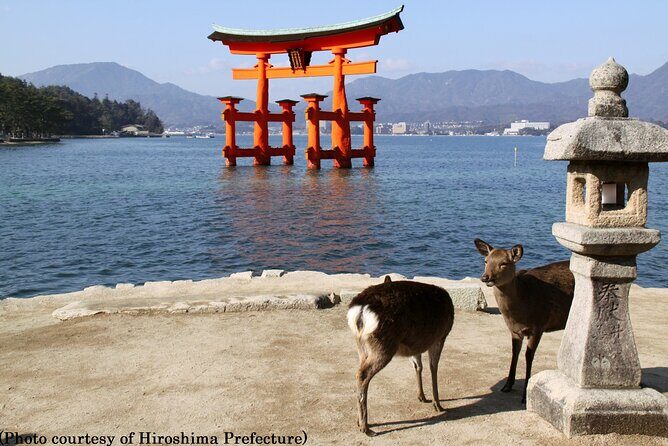
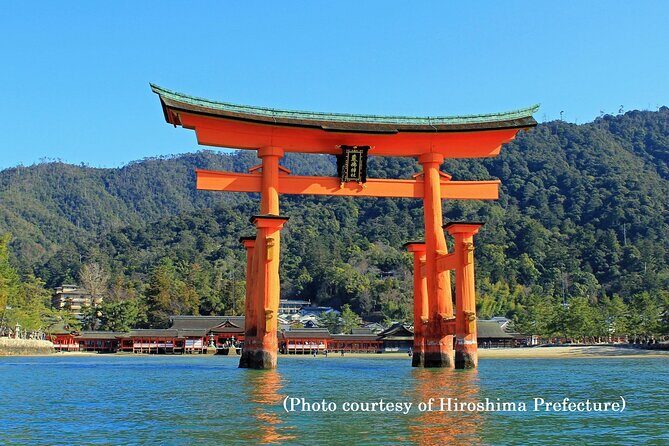
The big anchor here is Itsukushima Shrine (World Heritage site). You get about 1 hour there, and that hour is not just for standing in front of the torii gate. The guide’s job is to point out what you’d miss if you only knew the famous image: the shrine architecture and the idea behind why this place is treated as sacred.
Here’s what makes this stop genuinely fun, even if you’ve seen photos before: the shrine area looks different depending on tides and light. The tour description emphasizes the torii gate appearing to protrude from the sea during high tide. Even if you don’t arrive at the exact same tidal moment, the setting still feels like a living postcard rather than a museum display.
The best use of your hour is this:
- Walk first, then pause for photos.
- Don’t block the walkway around viewpoints—people will be trying to get their own angles.
- Use your guide’s explanation to connect the sights to the place’s purpose, not just the structures.
You’ll also likely hear about the shrine’s history going back centuries. And because the day is guided, you don’t waste time Googling what you’re standing next to.
Ferry ride, deer, and the mini-creature show you didn’t book
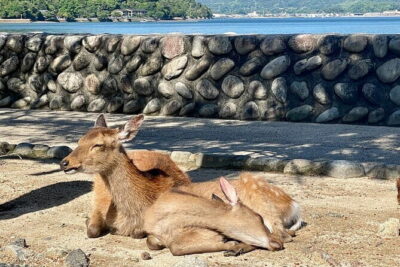
Miyajima is famous for wildlife that behaves like it has a schedule. The tour includes stops or moments where you can see monkeys and wild deer around the island area.
This sounds minor, but it’s a real part of the Miyajima experience. The animals create that “you’re here, not just visiting” feeling. They also give you a natural break between the shrine walk and your free time.
Just keep your expectations realistic: this is not a wildlife park. If an animal is nearby, watch your footing and keep distance. The tour flow is planned around sightseeing, not close encounters.
Miyajima lunch time: how to eat well with only one hour
You’ll get about 1 hour on Miyajima for lunch and roaming. Lunch is not included, and the tour explicitly tells you to handle it on your own.
With only an hour, you need a plan. Miyajima is known for foods like oysters, Hiroshima-style okonomiyaki, and conger eel rice bowls. Those are widely available there, so you don’t have to hunt for a specific restaurant to get a classic bite.
My practical advice: pick a place close to where you’ll naturally be walking back. Don’t set yourself up for a long detour because you’ll feel rushed by the ferry timing. If you want a sit-down meal, keep it simple and fast.
If you’re traveling with a group and you want to stay with your food choices, do it quickly. This stop is long enough for lunch and a little wandering, but not long enough to turn into a full-on food quest.
The Atomic Bomb Dome stop: photos, but don’t rush the meaning
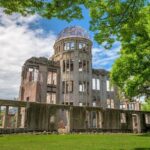
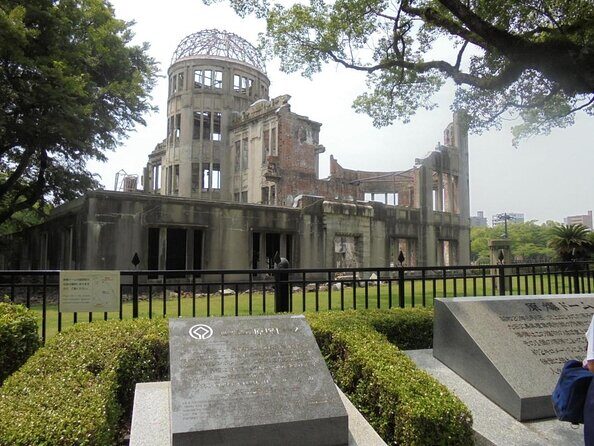
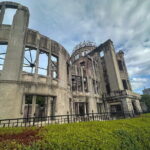
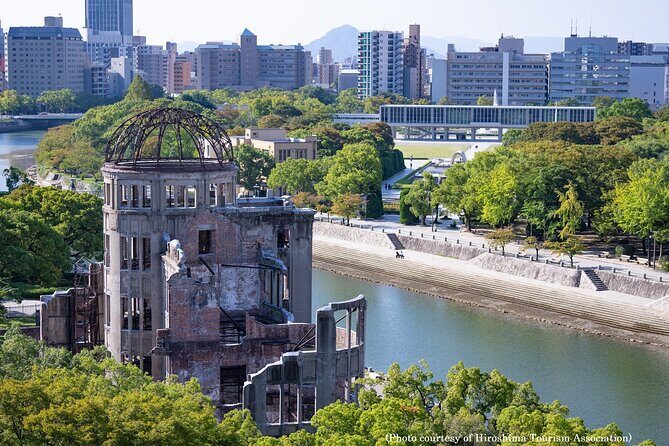
Then the day makes a hard turn. You head to Hiroshima Peace Memorial Park area and make a stop at the Atomic Bomb Dome.
You get about 40 minutes here, and that’s the right amount of time. It’s not just a photo stop. The Dome is preserved as a symbol of the disaster from World War II, and it’s preserved in the condition that partially survived the blast.
What I’d tell you to do with those 40 minutes:
- Take a few photos early, then spend the middle of the time quietly looking.
- Read the context signs. Even if you only catch parts in English, the meaning is clear.
- Don’t treat this like a quick checkmark. It’s the kind of site where rushing feels disrespectful.
Also, be ready for emotion. Hiroshima can hit fast, especially after you’ve been enjoying the scenic island. That contrast is part of why a guided day like this can feel powerful—your mind has time to shift gears with a guide’s explanations.
Other Hiroshima and Miyajima combo tours in Hiroshima
Hiroshima Peace Memorial Museum and monuments: why the time is part of the respect
The tour includes Peace Memorial Museum time inside Hiroshima Peace Memorial Park. You’ll have about 1 hour here. The museum admission is included on this tour, so you’re not negotiating ticket lines or counting out cash right then.
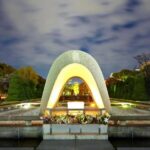
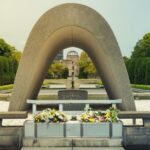
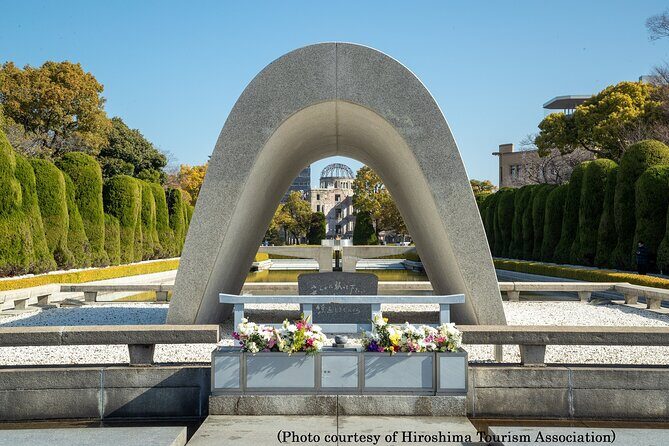
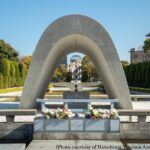
The park itself is built to commemorate the atomic bombing and to promote peace around the world. You’ll also see multiple monuments. The tour description specifically mentions stopping at the Memorial Cenotaph for Atomic Bomb Victims and also a cenotaph for Korean Victims.
This is where the guide matters. The museum and memorials are designed to be understood in layers. Without explanation, you can still grasp the outline, but you’ll miss some of the smaller details that make the story complete.
Inside the museum, plan to slow down. One hour is enough to see major sections, but you can’t read every panel deeply and still catch the rest of the tour with your energy intact. So I suggest you prioritize what draws you in: personal stories, timelines, and the ways the tragedy is documented.
Guide quality and group logistics: where experiences can vary
This tour is built around a licensed English guide interpreter. That’s a big deal in Hiroshima and Miyajima because both places have context that’s hard to pull from signage alone.
The strongest praise in guide comments centers on three things:
- Clear explanations that help you connect the sights to the bigger meaning
- Enthusiastic, thoughtful handling of the group
- Practical support, like water on hot days and help with photos
You’ll also notice a pattern in names mentioned by guests: guides like Masako, Tomoko, Azusa, Akko Watanabe, Mitsui, Hikari, Nob, Takeshi, and Kyoko come up in guide feedback. That’s encouraging because it suggests the company has multiple guides who can handle both the beauty of Miyajima and the emotional weight of Hiroshima.
Still, be aware of a real consideration: some groups have reported that during walking segments, it can be hard to hear the guide—especially on a full coach. If you know you struggle with audio, sit closer to where the guide talks and bring patience. A long day + big group can make even good commentary harder to catch at moments.
Also, children under 5 can join free, but they won’t be provided with bus seats. If you need a seat, the tour advises booking the child rate instead.
Price and value check: what $152.54 really buys
At $152.54 per person, this isn’t the cheapest way to do Hiroshima and Miyajima. But it also isn’t paying for fluff.
Here’s what’s included:
- A licensed English guide interpreter
- Miyajima visitor tax
- Admission fees and transportation costs covered as part of the tour
- Tickets are handled via a mobile ticket
What’s not included:
- Lunch, which you’ll handle on Miyajima
So the value comes from the package deal: you’re paying to save time and decision-making. Miyajima alone can take some planning (ferry timing, shrine area routing, and food choices). Hiroshima Peace Park is also easier with context, especially when you’re trying to understand what you’re seeing without turning the day into a self-study project.
If you’re the kind of traveler who enjoys learning while walking, the guide time is the real “worth it” factor. If you’d rather control everything and linger longer at just one site, then the per-person price can feel heavy compared with a DIY plan.
Comfort notes: heat, rain, and getting the photos you want
You’re on an all-day schedule with bus time, ferry time, and multiple walking sections. Even in good weather, it’s a lot.
Some reviews mentioned the driver providing water bottles on muggy days. That’s a good sign for comfort. Still, bring your own extras when you can: a small fan, a light umbrella, and anything you normally use to stay comfortable in humid weather.
For photos: Miyajima is full of viewpoints, and Hiroshima has iconic framing. The tour is timed so you can take pictures at the key stops. The trick is not waiting until the last minute at each site. If you’re chasing a particular shot, do it early, then shift your focus to the explanation and the atmosphere.
Who this tour suits best (and who should skip it)
This tour is a great fit if:
- You want to see Miyajima and Hiroshima in one day without planning ferry logistics
- You prefer learning with a guide rather than reading everything on your own
- You’re okay with a full-day pace and walking during transfers
It may not be the best fit if:
- You want lots of unscheduled time on Miyajima (you only get about an hour for lunch/roaming)
- You’re hard to please with audio and you need quiet, uninterrupted explanations
- You’d rather spend longer in Hiroshima’s museum sections than the guided block allows
Should you book this tour?
Book it if you like the idea of a guided “two-world” day: shrine beauty in Miyajima, then Hiroshima Peace Park with real context and time to absorb what you’re seeing. The included admissions, licensed English guide interpreter, and transport add up, and the schedule is built to hit the major landmarks without turning your day into logistics.
Don’t book it if you’re traveling slowly, hate group pacing, or want to customize time at the expense of depth. In that case, a DIY Hiroshima + Miyajima plan can work, but you’ll have to do the planning and you’ll likely spend more effort figuring out what to focus on.
If you do book, my one tip is simple: pack for a full day and arrive at the meeting point on time. This tour depends on everyone making the same connection chain, and the guide can’t wait if you miss the start.
FAQ
Where do I meet the group, and where do we end?
You meet at Hotel Granvia Hiroshima in the lobby area at 10:10am. The tour ends at Hiroshima Station (bus bay 1–2, stop 37) around 6:00pm–6:30pm.
How long is the tour?
The duration is about 8 hours 20 minutes (approx.).
Is lunch included?
No. Lunch is not included, and the tour notes that you should eat on your own during the Miyajima time.
How much time do I get at Itsukushima Shrine and the Peace Memorial sites?
You get about 1 hour at Itsukushima Shrine, about 40 minutes at the Atomic Bomb Dome, and about 1 hour at the Hiroshima Peace Memorial Museum.
Are admission fees included?
Yes. Admission is included for Itsukushima Shrine and the Hiroshima Peace Memorial Museum, and the tour indicates the Atomic Bomb Dome stop is free entry as part of the plan.
Is the guide available in English?
Yes. The tour includes a National Government Licensed English Guide Interpreter.
How big is the group?
The tour lists a maximum of 40 travelers.
What if I’m arriving from Kyoto or Shin-Osaka using a Japan Rail Pass?
If you’re coming from Kyoto or Shin-Osaka, you’ll need to take a Shinkansen that leaves early enough to reach Hiroshima Station and arrive by the meeting time at the Hotel Granvia Hiroshima lobby. If you arrive late, you can’t join the tour.