REVIEW · HIROSHIMA
Hiroshima and Miyajima by Bike and Boat
Book on Viator →Operated by In Kansai Experiences · Bookable on Viator
Two wheels turn Hiroshima into a story you can feel. I love the small-group vibe, and I love the way the day blends city biking with boat and train so you see a lot without feeling rushed. You also get a built-in lunch of local Hiroshima favorites and a guide who explains what you’re looking at instead of leaving you to guess.
One thing to plan for: this is a packed day, and you should expect some walking on Miyajima. Also, the Atomic Bomb Museum is not part of the included stops, so if that’s your must-see, you’ll want to add it separately.
In This Review
- Key points worth knowing
- Why biking Hiroshima feels like the best kind of sightseeing
- Peace Memorial Park and the Cenotaph: the heavy part, with room to breathe
- Hiroshima Castle: feudal Japan without turning it into a blur
- The Miyajima ferry and train ride: the smooth transition between worlds
- Miyajima island streets: orange views, deer encounters, and guided flow
- Itsukushima Shrine: the big photo moment plus a real meal break
- The pace, bikes, and heat: what the 7 to 8 hours actually feels like
- Meeting point logistics and luggage: make the start painless
- Value at $142.05: paying for time, transport, and guidance
- Who this Hiroshima by bike and boat day suits best
- Should you book this Hiroshima and Miyajima by Bike and Boat tour?
- FAQ
- How long is the Hiroshima and Miyajima bike and boat tour?
- Where does the tour start and where does it end?
- What time does the tour start?
- What is included in the price?
- Is lunch included, and are vegetarian options available?
- How big is the group?
- Is it mostly biking, or does it involve walking too?
- Is the ferry included?
- Does the tour include visiting the Atomic Bomb Museum?
- What happens if the weather is bad?
- What is the cancellation policy?
Key points worth knowing
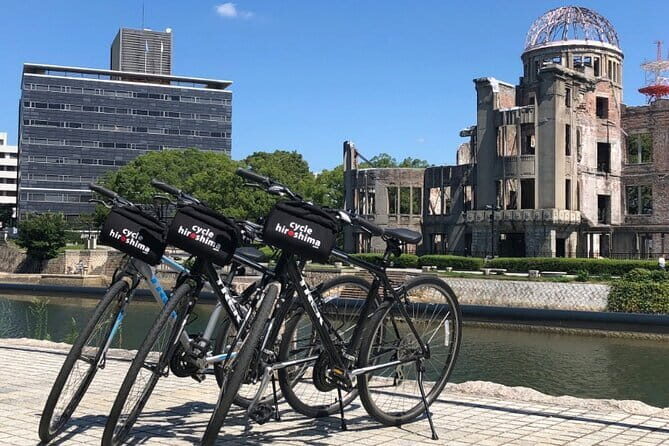
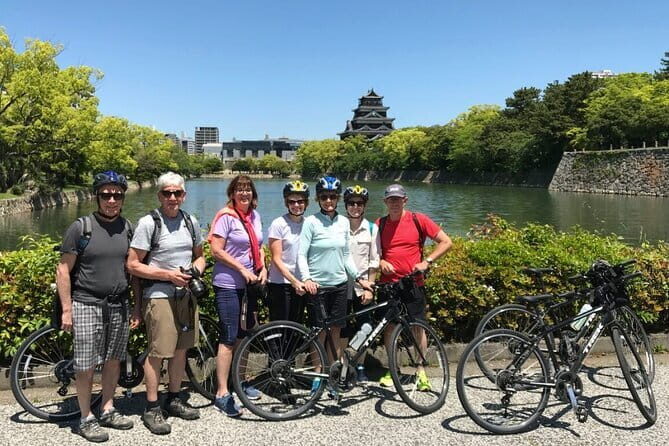
- Max 8 people means you’re not stuck in a crowd, and the guide can adjust the pace.
- Peace Memorial Park + Cenotaph are handled with care, with time to reflect.
- Bike + ferry + train is a smart combo for covering both Hiroshima city and Miyajima.
- Hiroshima lunch is included, with vegetarian options available.
- Miyajima deer and Itsukushima Shrine are a big visual payoff for photographers and first-timers.
Why biking Hiroshima feels like the best kind of sightseeing
Hiroshima is a city where you can waste a lot of time just figuring out how to get between sights. This tour fixes that with a bike-first approach, so you glide along rivers, through parks, and across neighborhoods. You end up seeing the in-between parts of town, not just the headline monuments.
The bike time also makes the day feel more human. You can stop for photos, regroup quickly, and keep moving at a steady rhythm when the route is spread out. If you prefer active travel (but not the grueling kind), this is a good match.
Other Miyajima Island tours in Hiroshima
Peace Memorial Park and the Cenotaph: the heavy part, with room to breathe
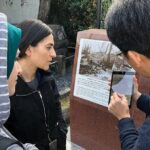
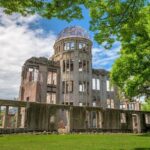
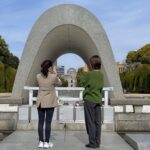
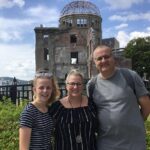
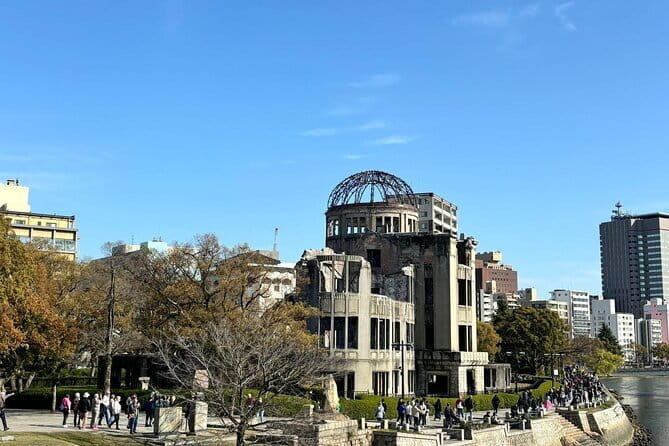
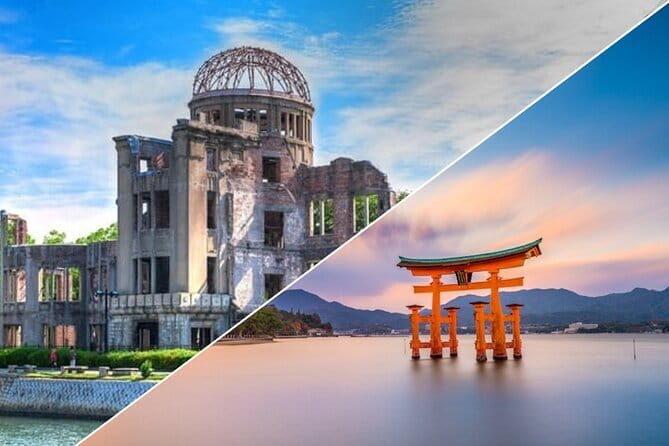
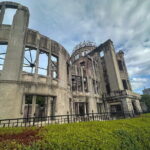
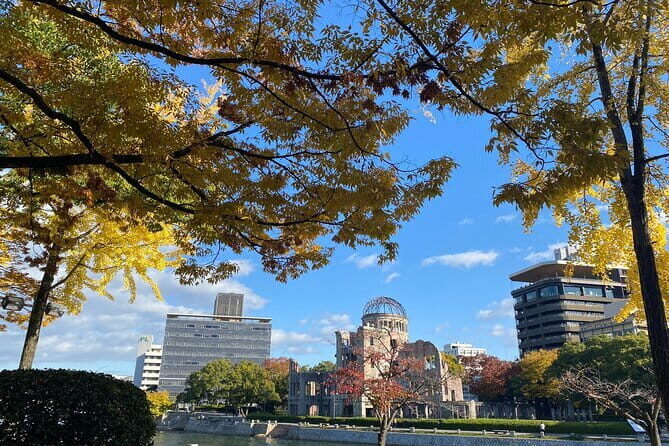
If you come to Hiroshima, you’re going to face the WWII story head-on. This tour’s most important section is Peace Memorial Park, where you spend about an hour moving through the thought-provoking sites and hearing sensitive commentary from your guide.
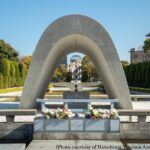
You also stop at the Peace City Monument Cenotaph for the Atomic Bomb Victims, with a short pause built in for reflection. That small block of time matters. It keeps the experience from turning into a checklist.
Practical tip: bring your emotions with you. This is not a fast, upbeat stop, even if your guide may add light touches. Take the pacing as your cue to slow down and read carefully.
Hiroshima Castle: feudal Japan without turning it into a blur
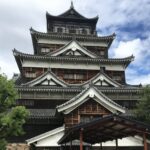
After the solemn Peace Park area, the Hiroshima Castle stop gives your brain a different channel. The castle is beautifully restored, and you get time to enter the grounds, see the moats, and take your picture at the main tower.
The value here is context. A lot of people visit Hiroshima and only think of the modern era. Spending time in the castle area reminds you the city’s identity runs deeper than one event, and you get that explanation while you’re actually there.
Time-wise, you should think of this as a meaningful photo-and-walk stop rather than a long exploration. If you want to linger, you’ll have to manage your own pace and still keep up with the group.
The Miyajima ferry and train ride: the smooth transition between worlds
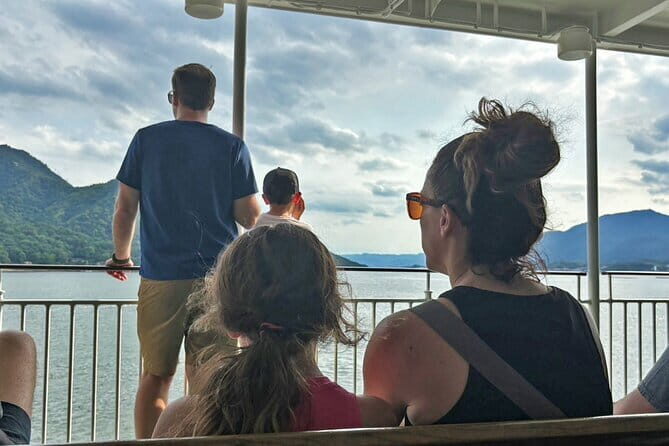
One of the smart things about this day is that the move from Hiroshima to Miyajima isn’t just a hard transfer. You take the JR Miyajima ferry with the fare included, and later you retrace your route using train and ferry as part of the return.
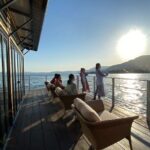
This matters because it breaks up the day. You get a change of scenery, a chance to reset, and a more relaxed sense of movement between city and island. Even if you’re not a huge fan of transit, the boat portion is the kind of travel moment you actually remember.
Miyajima island streets: orange views, deer encounters, and guided flow
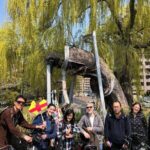
Miyajima is famous for Itsukushima Shrine, but the island itself is where you feel the charm. With your guide, you explore the streets for about 1.5 hours, learning the island’s story as you walk.
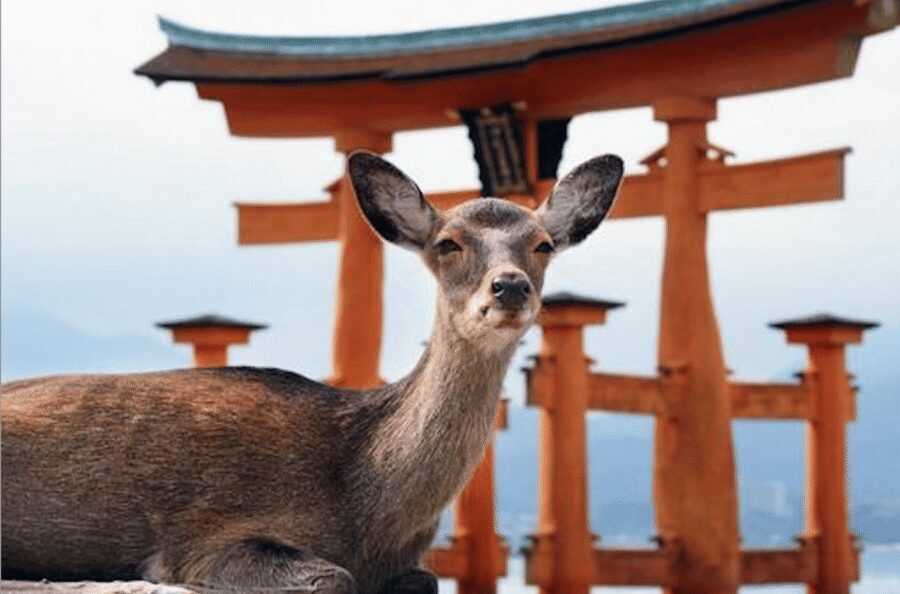
You’ll also get the classic Miyajima “deer moment.” The tour is designed to help you interact with the local wildlife respectfully while still keeping things safe and enjoyable.
One practical heads-up: Miyajima can feel like more walking than biking. Some people ended up doing a good bit of walking while the bike portion felt less dominant than expected. If your goal is maximum cycling, go in with flexible expectations and plan comfortable shoes.
Other Hiroshima and Miyajima combo tours in Hiroshima
Itsukushima Shrine: the big photo moment plus a real meal break
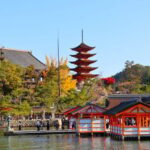
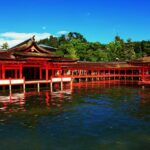
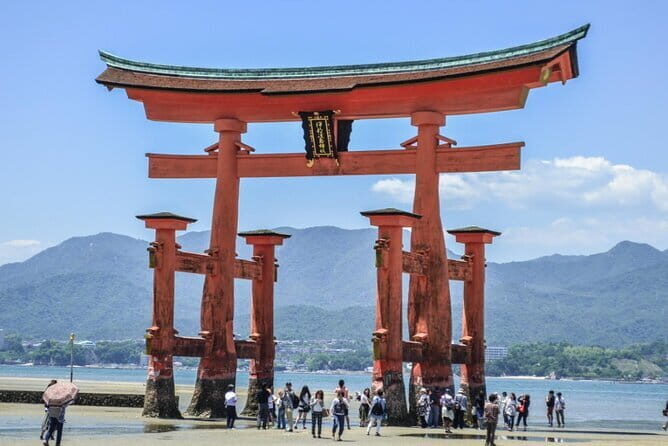
The Itsukushima Shrine area is the headline stop, and the time slot gives you room to navigate the monuments and landmarks around it for about an hour. It’s also a naturally rewarding area for photos, especially with the shrine’s well-known look against greenery.
This is also where the lunch fits in. The tour includes a local sit-down lunch near the shrine, and the menu is part of the experience, not just a quick snack. From what I’ve seen in the details people mention, Hiroshima-style comfort food often shows up during the day, including favorites like okonomiyaki and ramen depending on the day’s plan.
If you’re visiting in warm weather, treat lunch as your recharge moment. Build in a pause for water, shade, and cooling before you continue moving around the shrine area.
The pace, bikes, and heat: what the 7 to 8 hours actually feels like
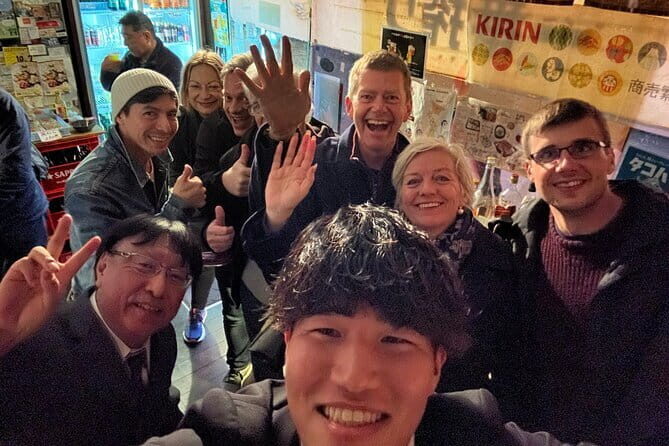
This is a full-day itinerary that runs about 7 to 8 hours, starting at 9:30am and ending back at the meeting point. That’s long enough that the quality of the pacing really matters, and the best guides on this tour seem to adjust on the fly when it’s hot.
In the feedback I saw, guides often keep the group hydrated and manage comfort breaks during heat and humidity. One person even mentioned cooling items and extra water being provided, which tells you the organizers take weather seriously.
Bike fitting is another real-world factor. People have described getting a properly sized bike (including size adjustments for shorter riders) and having good bike condition. Still, if you’re between sizes or unsure, ask early for fit so you can ride comfortably through the city portion.
Meeting point logistics and luggage: make the start painless
You meet at Cycle Hiroshima at 4-chōme-5-4 Ōtemachi, Naka Ward, Hiroshima, and the tour ends back at the same spot. The location is near public transportation, which helps if your morning plan is arriving from a hotel or station.
If you have luggage, there’s a practical note built into the day: you can store your bags and then pick them up at the end during the final bike return. That’s useful if you’re traveling light in the morning and don’t want to drag suitcases onto trains and ferries.
Value at $142.05: paying for time, transport, and guidance
At $142.05 per person, this tour isn’t bargain-basement cheap, but it’s also not just you and a rental bike. You’re paying for a guided loop that stitches together key areas of Hiroshima with Miyajima, plus the ride components that are hard to stitch yourself without extra planning.
What you get included:
- bicycle use
- train and ferry rides
- all fees and taxes
- lunch (with vegetarian options available)
- admission tickets for the included sights listed on the day
That bundle is where the value shows. Your time savings are real: you’re not figuring out routes, you’re not buying every ticket one by one, and you’re not losing momentum waiting at each transfer point. For a one-trip visit to Hiroshima where you want both city history and Miyajima’s shrine payoff, this kind of guided transportation package often feels like the efficient route.
What you should add yourself: if the Atomic Bomb Museum is a top priority, plan extra time outside this tour. The day focuses on the Peace Park area and other major stops, not the museum visit.
Who this Hiroshima by bike and boat day suits best
I think this tour fits best if you want:
- a small-group experience (max 8)
- an active day that still stays social and guided
- a balance of Hiroshima’s WWII memory sites and feudal Japan history
- a realistic way to reach Miyajima without turning your day into transit math
It’s also a solid choice for people traveling solo or as a couple who want the comfort of a guide plus enough structure that you’re not standing around guessing what’s next.
If you’re someone who wants lots of unstructured free time, you may find the schedule a bit full. And if your dream is a long museum session, you’ll need to supplement.
Should you book this Hiroshima and Miyajima by Bike and Boat tour?
Yes, if you want the most efficient and meaningful way to connect Hiroshima’s major sites with Miyajima in one day. The bike-and-transport plan helps you cover ground, the Peace Park section gives the topic the respect it deserves, and the Itsukushima Shrine stop delivers that immediate sense of place that photographs can’t fully explain.
I’d book it with clear expectations: it’s a packed day, Miyajima includes walking, and the Atomic Bomb Museum isn’t included. If that works for your priorities, this is strong value for your time in Hiroshima.
FAQ
How long is the Hiroshima and Miyajima bike and boat tour?
The tour runs about 7 to 8 hours.
Where does the tour start and where does it end?
It starts at Cycle Hiroshima, 4-chōme-5-4 Ōtemachi, Naka Ward, Hiroshima, and it ends back at the same meeting point.
What time does the tour start?
The start time is 9:30am.
What is included in the price?
The price includes bicycle use, train and ferry rides, lunch, and all fees and taxes.
Is lunch included, and are vegetarian options available?
Yes, lunch is included, and vegetarian options are available. If you have other dietary restrictions, you need to contact the operator before the tour.
How big is the group?
The tour has a maximum of 8 travelers.
Is it mostly biking, or does it involve walking too?
You will cycle in Hiroshima, and you will explore Miyajima on foot with the guide. So expect some walking on the island.
Is the ferry included?
Yes. The JR Miyajima ferry fare is included.
Does the tour include visiting the Atomic Bomb Museum?
The tour does not include a visit to the museum, so if you want it, you’ll need to add it separately.
What happens if the weather is bad?
This experience requires good weather. If it’s canceled due to poor weather, you’ll be offered a different date or a full refund.
What is the cancellation policy?
You can cancel for a full refund up to 24 hours in advance of the experience start time. If you cancel less than 24 hours before, you won’t receive a refund.