REVIEW · HIROSHIMA
Hiroshima: Acupuncture and Japanese unique massage treatment
Book on GetYourGuide →Operated by 鍼灸院・整体院kondoh · Bookable on GetYourGuide
Hiroshima has a way of tightening your body.
This is a quiet, private Hiroshima acupuncture and Japanese chiropractic-style treatment, close to the Atomic Bomb Dome, built for travelers who want their legs, neck, and back to feel human again.
I especially like two things: the one-on-one private room setup, and the fact that the staff are nationally qualified acupuncturists and moxibustion practitioners (plus judo-therapy qualifications). That combination matters when you’re away from home and you just want the session to feel safe and straightforward.
One thing to consider: the clinic lists Japanese as the language, so if you don’t speak Japanese, you may want to be ready with a simple list of symptoms and what you want addressed.
In This Review
- Key things to know before you go
- A quiet, practical reset after Hiroshima sightseeing
- What Kondoh combines: acupuncture, moxibustion, and nerve chiropractic
- Inside the 90 minutes to 2 hours: the step-by-step flow
- 1) Medical questionnaire and counseling
- 2) Physical condition examination
- 3) Explanation of the treatment policy
- 4) The treatment itself: acupuncture and chiropractic-style work
- 5) Post-treatment confirmation and daily-life precautions
- 6) End of treatment
- The location detail: why near the Atomic Bomb Dome can be a smart plan
- Private room care: what “one-on-one” really changes
- Price and time: does 90–120 minutes make sense here?
- What to expect for your body: common feelings and how to manage them
- Who this Hiroshima treatment is best for (and who should pause)
- My take: book it when your body needs care, not when you need entertainment
- Should you book Hiroshima: Acupuncture and Japanese unique massage?
- FAQ
- How long is the treatment?
- Is the treatment in a private room?
- Do they use disposable needles for acupuncture?
- What techniques are included?
- What language is used during the appointment?
- Can I choose my appointment time?
- Is there free cancellation?
Key things to know before you go
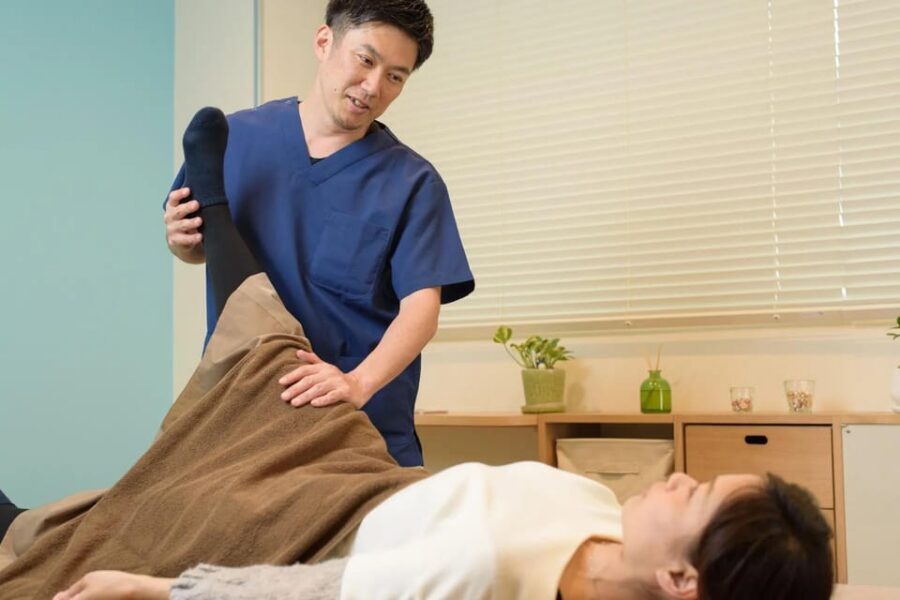
- Fully private, one-on-one room so you can relax without feeling like you’re on display
- Disposable needles used during the acupuncture portion
- Moxibustion plus acupuncture with heat adjusted for comfort on acupoints
- Nerve chiropractic (Japanese chiropractic-style) described as gentle, aiming for a weightless feel
- Near the Atomic Bomb Dome, handy after sightseeing when your body is worn out
- Optional add-ons for companions like machine-assisted leg massage in a waiting room
A quiet, practical reset after Hiroshima sightseeing
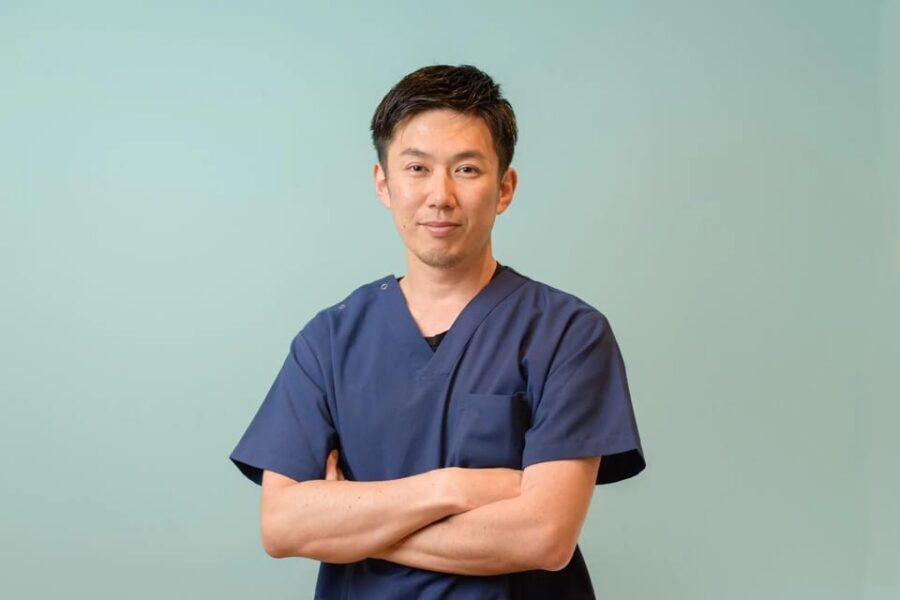
If your Hiroshima day includes a lot of walking, stairs, and museum time, your body often responds in the same way: tight back, sore neck, heavy legs. This experience is built for that reality. It’s not a show, not a big group class. You get a private treatment room and focused attention.
I like that the clinic frames the visit around real comfort. You fill out a medical questionnaire, you get an exam, and then the therapist explains what they’re going to do and what you should watch for afterward. That structure helps you feel less guesswork and more care—especially when you’re dealing with chronic aches or travel fatigue.
Other Hiroshima wellness and spa tours in Hiroshima
What Kondoh combines: acupuncture, moxibustion, and nerve chiropractic
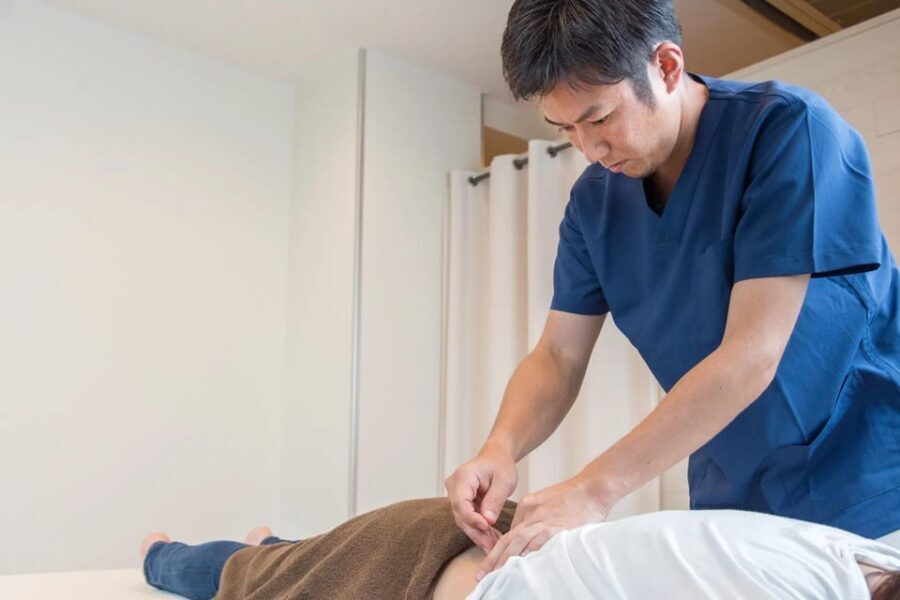
This is a blend session. You’re not just getting needles, and you’re not just getting hands-on work. The clinic combines:
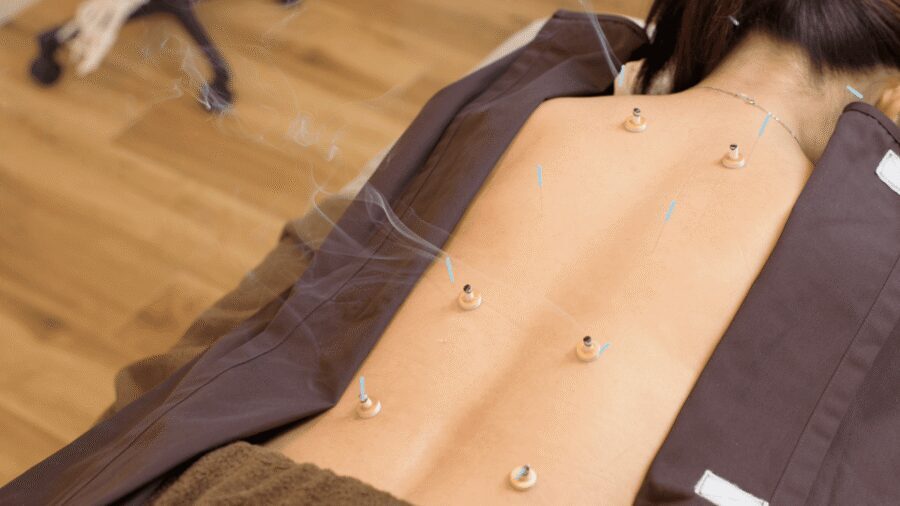
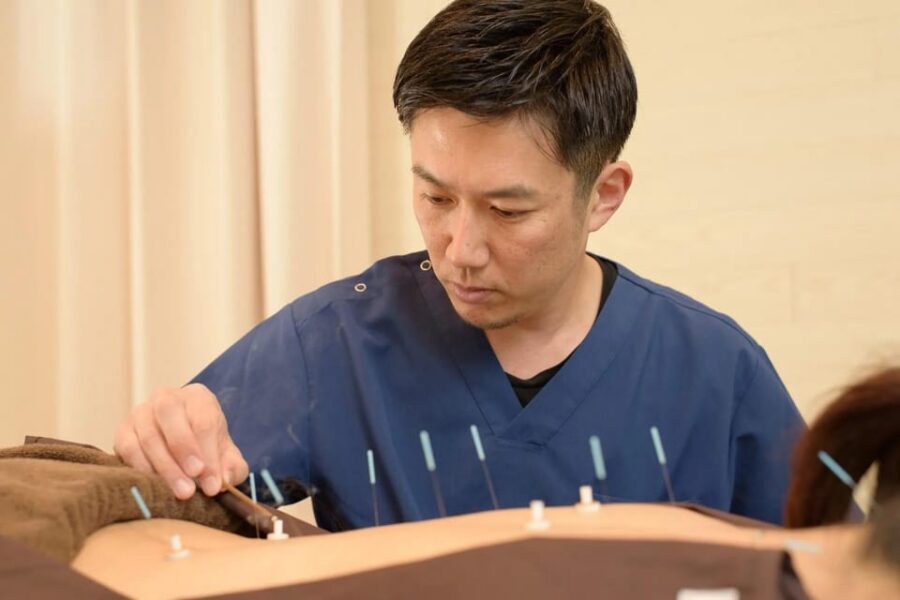
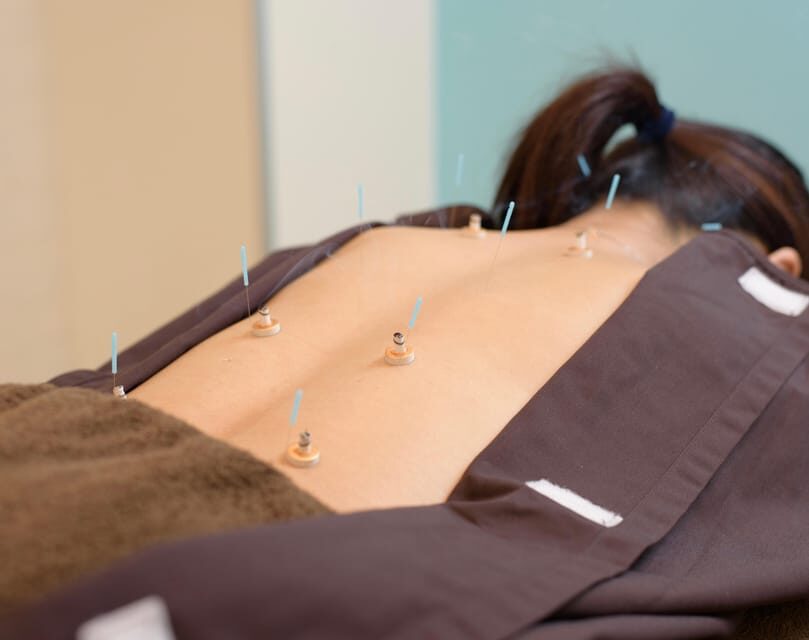
- Acupuncture, using needles placed on acupoints
- Moxibustion, using a comfortable heat at those points
- A Japanese-style chiropractic approach called nerve chiropractic, also described as gentle and comfortable
The acupuncture part is set up as both treatment and relaxation. The clinic specifically says the moxibustion heat is adjusted to be comfortable, and that you can receive acupuncture across points all over the body depending on your condition. They even share an internal stat: 70–80% of repeat customers who get acupuncture report satisfaction. Treat that as their claim, not a guarantee—but it does suggest they’re not trying to sell you a one-size-fits-all experience.
Then there’s the chiropractic-style portion. It’s mainly called nerve chiropractic, and the clinic describes it as comfortable enough regardless of age, gender, or chronic illness (with the usual caveat: always follow medical advice and tell them what you’re dealing with). The idea is to restore normal nerve function and muscle movement. They also describe the feeling as close to zero gravity, which is one of those details that’s worth paying attention to: it suggests they’re aiming for gentle positioning and low-stress movement rather than aggressive cracking.
One more practical detail: the German-language review I saw mentioned an additional relaxation element—pressure-drainage in special compression socks—alongside acupuncture for one person. That’s not listed as a separate menu item in the core description, but it’s a good sign that the therapist may use supportive tools if they fit your situation.
Inside the 90 minutes to 2 hours: the step-by-step flow
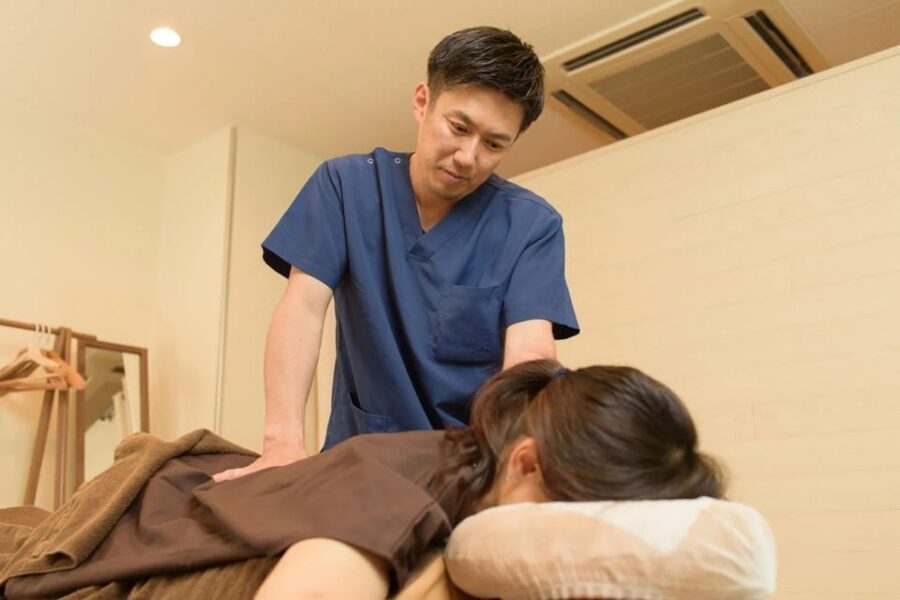
This treatment is organized like a medical-style appointment, just in a calmer, less clinical environment. Expect it to follow this sequence.
1) Medical questionnaire and counseling
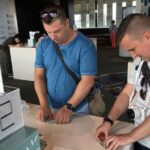
You start with a form to map out your health and discomfort. Then you talk with the therapist to connect the dots—what hurts, how it started, what makes it better or worse, and what you want the session to focus on.
Why this matters: acupuncture and chiropractic-style work can target different patterns depending on your symptoms. A short conversation helps the therapist choose points and pressure approach that match your needs rather than just running the same routine every time.
2) Physical condition examination
Next comes a hands-on or observation-based check of your body condition. The clinic calls out a physical condition examination, so this isn’t just a quick setup and then straight to needles. It’s part of building a treatment plan around what’s actually going on with you that day.

3) Explanation of the treatment policy
Before starting, the therapist explains the treatment policy. You’re looking for clarity here: what the session will include, what they’ll do for your comfort, and how you should behave afterward.
If you’re nervous about needles or unsure about heat from moxibustion, this is the moment to ask. Even with Japanese-only communication, you can usually communicate preferences like gentleness, heat sensitivity, and pain tolerance.
4) The treatment itself: acupuncture and chiropractic-style work
Now you get the main event.
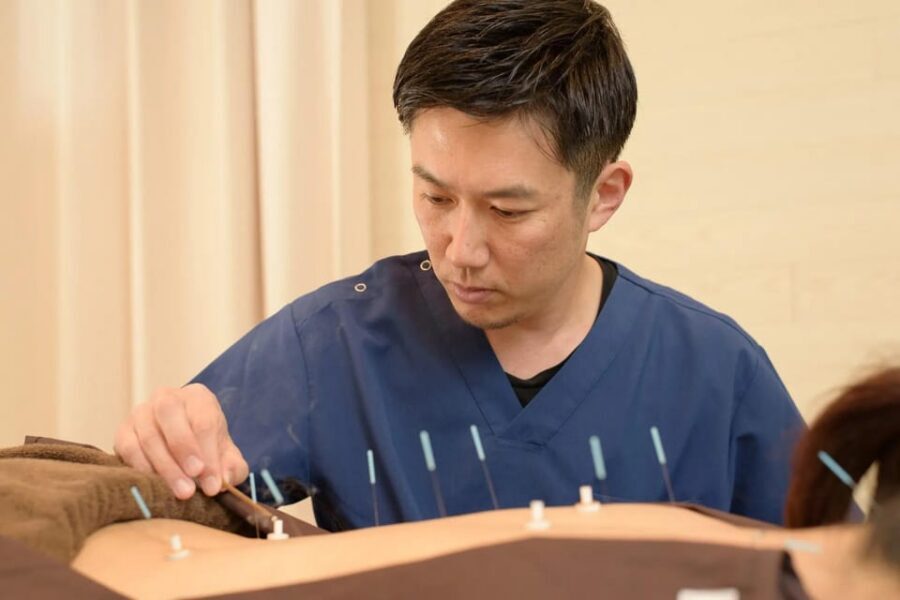
Acupuncture + moxibustion
- Needles are used in a private room
- The clinic specifies disposable needles
- Moxibustion heat is adjusted for comfort at the acupoints
The clinic says you may feel a sense of qi circulating. I’d treat that as traditional framing. Your real takeaway is simpler: acupuncture here is approached as a full-body comfort practice, not just spot treatment.
Nerve chiropractic-style work
This is described as a gentle chiropractic method aimed at restoring normal nerve function and muscle movement. The clinic says you can receive it with confidence regardless of chronic illness, and it aims for that zero gravity feeling—suggesting slow, supportive handling rather than rough manipulation.
In the private setting, you’ll likely feel more at ease saying where something feels too intense or not intense enough. That one-on-one environment is a big deal.
5) Post-treatment confirmation and daily-life precautions
After the active work, you confirm how you feel. Then you get precautions and advice for daily life. This part is quietly important. If you only care about the session itself, you might miss why it sticks. The clinic is positioning this as “treatment plus what to do after.”
6) End of treatment
You’re finished with clear guidance on what to do next, rather than being ushered out with no context.
The location detail: why near the Atomic Bomb Dome can be a smart plan
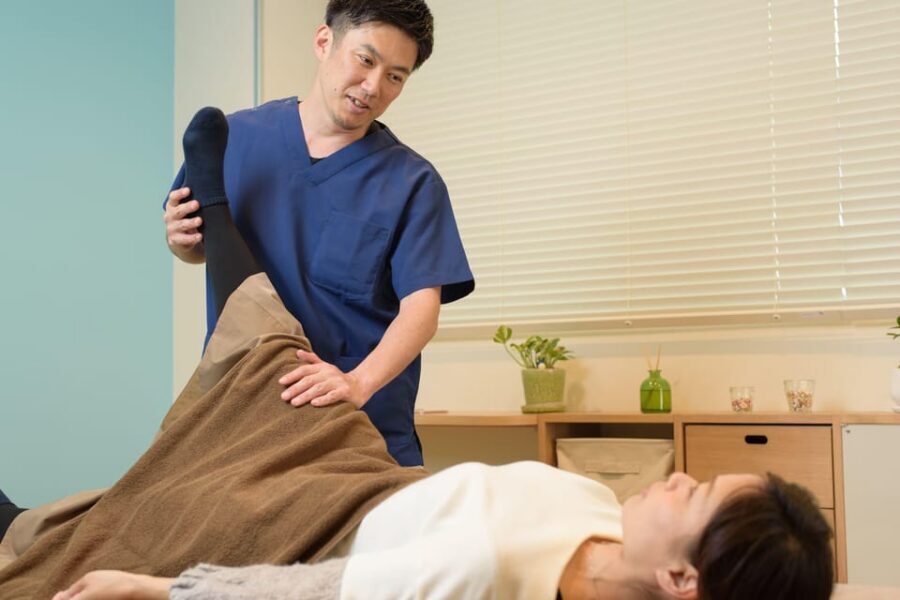
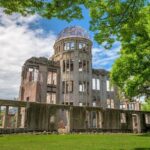
The clinic is described as a place where you can relax with treatment near the Atomic Bomb Dome. That positioning can actually change how enjoyable the whole day is.
If you’re doing Hiroshima the classic way—memorial sites, museums, lots of walking—you often hit that late-day body wall. A treatment near a major sightseeing area means you can plan your appointment for when you’re already in the right neighborhood, then return to your hotel afterward without a long transit penalty.
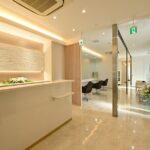
The clinic also has a comfort-forward vibe: a quiet private room, with no need to feel aware of other people. If you bring someone, the description says an accompanying person can receive a machine-assisted leg massage in a dedicated waiting room. So you’re not choosing between “I get care” and “someone is stuck waiting with nothing to do.”
Private room care: what “one-on-one” really changes
Lots of wellness activities promise personalization. This one gives you the conditions for it.
Because the room is fully private and the support is one-on-one, you should feel more comfortable with:
- asking direct questions about what’s happening
- explaining what you don’t like (needle sensation, heat level, pressure intensity)
- discussing chronic pain patterns without worrying how it sounds
In the German review example I saw, the therapist was friendly from the start, and the appointment opened with a filled-out intake form. The cleanliness of the practice also came up. Those are small signals, but they add up to a session where you can relax instead of bracing for awkwardness.
One more detail from what I read: one person received acupuncture while the other did a different relaxation option, and both felt the flow was caring. That suggests the staff understand how to adapt within a short appointment, even when the two people have different needs.
Price and time: does 90–120 minutes make sense here?
The price is listed as $95 per person in your summary, and the clinic also shows yen options:
- 50 minutes: 13,200 yen
- 90 minutes: 17,800 yen
- 120 minutes: 24,800 yen
If you’re choosing between durations, here’s the practical way to think about value.
- If your issue is mainly general travel fatigue (tight neck/back, heavy legs), 90 minutes is usually the sweet spot. You get enough time for counseling/exam plus a meaningful treatment, without paying for a full extra hour.
- If you have chronic body pain or you want a longer, more thorough session, 120 minutes can be worth it because your therapist has more time to balance acupuncture with nerve chiropractic work and still do the aftercare steps.
You’re paying for a private setting, qualified practitioners, and a structured flow that includes counseling and post-treatment guidance. That’s different from cheap “massage time” where you might get less individualized care.
Also: the appointment is reservation-based and performed at your chosen time, which can reduce the waiting-around feeling that kills momentum. When you’re sore, time matters.
What to expect for your body: common feelings and how to manage them
I can’t promise how your body will react. But Japanese acupuncture and gentle chiropractic-style work often comes with a few predictable experiences.
Right after a session, some people feel:
- relaxed and looser in the treated areas
- slightly sore in the muscles that were worked
- “lighter” or more movable, especially if the nerve chiropractic portion truly feels weightless
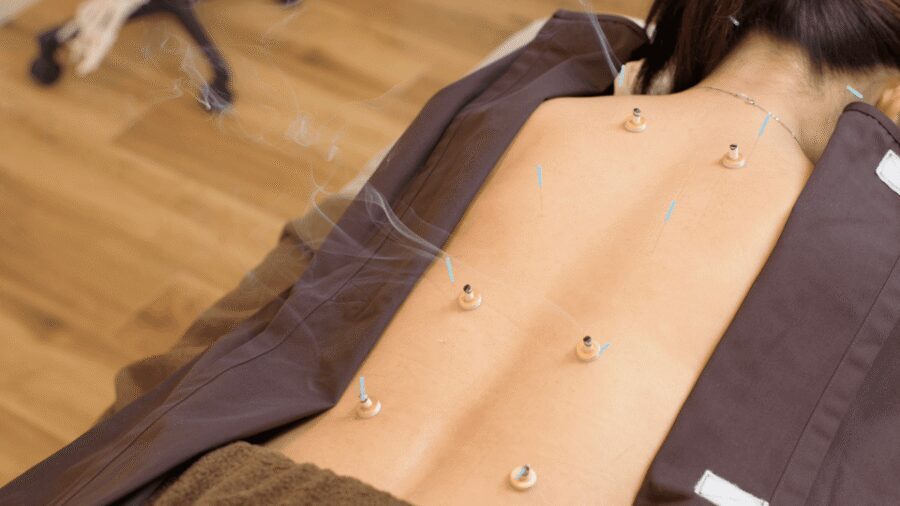
If moxibustion is included, you might notice a warm sensation at acupoints. The clinic says heat is adjusted for comfort, which is a good sign. Still, it helps to speak up if you feel the heat too strong or not strong enough.
Your best strategy is simple: tell them early what feels okay and what doesn’t. In a private room, you won’t be competing with anyone else for attention.
Who this Hiroshima treatment is best for (and who should pause)
This is a strong match if:
- you want traditional Japanese acupuncture plus a Japanese chiropractic-style method in one visit
- your travel day left you with neck/back tightness or overall fatigue
- you prefer a private, calm setting rather than a group therapy vibe
- you want care from practitioners who are described as nationally qualified (acupuncturists, moxibustion practitioners, and judo therapists)
It might be less ideal if:
- you’re not comfortable with needles or heat-based moxibustion
- you can’t manage the appointment in Japanese, since the clinic lists Japanese as the language
- you expect an English-speaking, heavily explained session at every moment (the clinic does explain treatment policy, but you should be ready for language limits)
If language is your main barrier, you can still make it work by arriving with a short, written list of symptoms and goals. You can also point to the general areas: neck, shoulders, lower back, knees. Nonverbal communication goes farther than people think.
My take: book it when your body needs care, not when you need entertainment
This appointment is a good choice when Hiroshima has done its job—tired your legs, tightened your back, and made you feel “compressed.” You come here to decompress.
What makes it stand out is the combination of private room comfort, nationally qualified practitioner credentials, and the blend of acupuncture/moxibustion with gentle nerve chiropractic-style work. You get a real sequence: questionnaire, exam, explanation, treatment, and post-care guidance.
The one caution is language. If you’re depending on fluent communication, you’ll want a plan. Otherwise, you’ll likely appreciate the calm room, the structured attention, and the focus on treating discomfort rather than just passing time.
Should you book Hiroshima: Acupuncture and Japanese unique massage?
Yes, if you want a quiet, private reset for travel aches and you’re comfortable with acupuncture-style treatment. The 90-minute option is usually the best value for most visitors because it includes the key steps without dragging on.
Pause and think first if you’re strongly sensitive to needles or heat, or if you need an English-first explanation. In those cases, you can still try to make it work, but go in with realistic expectations about the language environment.
If your goal is to leave Hiroshima feeling looser and more functional—especially after lots of walking—this is the kind of practical self-care stop that pays off immediately.
FAQ
How long is the treatment?
The experience is listed as 90 minutes to 2 hours. Pricing is also shown for 50 minutes, 90 minutes, and 120 minutes.
Is the treatment in a private room?
Yes. It’s described as a fully private room with one-on-one support.
Do they use disposable needles for acupuncture?
Yes. The description specifies disposable needles.
What techniques are included?
The treatment includes Japanese acupuncture and moxibustion, plus Japanese chiropractic-style treatment described as nerve chiropractic (Seitai).
What language is used during the appointment?
The clinic lists Japanese.
Can I choose my appointment time?
Yes. It’s reservation-based, and you can come at a time that is convenient for you.
Is there free cancellation?
Yes. Free cancellation is listed up to 24 hours in advance for a full refund.