REVIEW · HIROSHIMA
Hiroshima and Miyajima Day Trip with Itsukushima Shrine & Ferry
Book on Viator →Operated by Amigo Tours Japan · Bookable on Viator
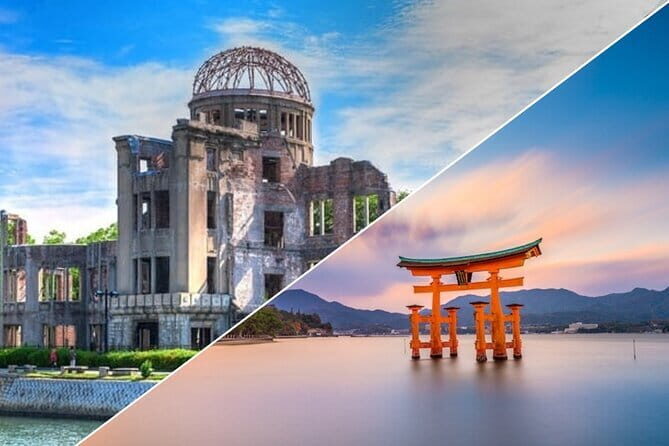
One day, two worlds, zero transit stress. This Hiroshima and Miyajima day trip mixes the easy magic of the floating torii gate with a guided look at what happened in 1945. You’ll be moved around on a bus and ferry so you can focus on the sights, not ticket math and train transfers.
What I like most is the combo of ferry + Itsukushima Shrine entrance built into the price, plus a guide who explains the story in two languages. I also appreciate the flexibility to do Miyajima only if you want the island without adding the Peace Memorial Park portion.
The main thing to consider is that bilingual guiding can be tricky in a crowd, and a couple of people noted audio and pacing issues (especially if you’re not near the front). If you hate sound getting swallowed by movement and noise, you’ll want to stay close and arrive ready to focus.
In This Review
- Key things that make this trip worth your time
- Getting to Miyajima from Hiroshima Station without the stress
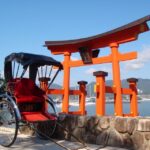
- The ferry ride and Itsukushima Shrine’s floating torii magic
- Miyajima island streets, deer, and how to use your free time
- Hiroshima Peace Memorial Park: what you’ll see and the time tradeoff
- Price and value: what $45 really buys you
- Guide style, bilingual Spanish-English, and how to avoid missing details
- Timing, group size, and why being on time pays off
- Who should book this Hiroshima and Miyajima day trip?
- Should you book it or plan it on your own?
- FAQ
- How long is the Hiroshima and Miyajima day trip?
- How much does the tour cost?
- What’s included in the ticket price?
- Can I choose to visit only Miyajima and skip Hiroshima?
- Where do I meet the guide?
- Is food included?
- Does the tour depend on weather?
Key things that make this trip worth your time
- Ferry ticket and Itsukushima Shrine admission are included, so you skip the hardest logistics.
- English and Spanish guiding is a real highlight when the translation flow is clear (Alan and Astrid got named in feedback).
- You can choose Miyajima only if you’d rather keep the day lighter.
- A small group size (max 30) helps with meeting points and keeping everyone together.
- The day is paced for two moods: scenic island time first, then Hiroshima’s heavy memorial sites.
- Crowds happen, so being early and sticking close to the guide matters.
Getting to Miyajima from Hiroshima Station without the stress
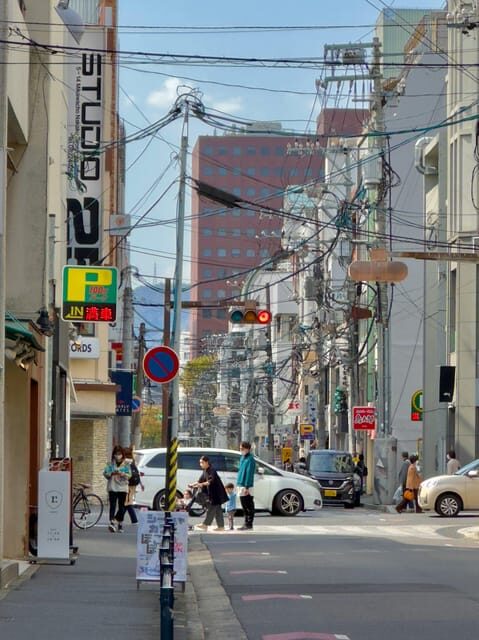
Your day typically starts at Hiroshima Station, where you meet the guide and group and then head out by bus. If you’re doing both Hiroshima and Miyajima, the meeting point is outside Hiroshima Station’s Shinkansenguchi Hiroba Bus Berth, specifically between bus stops 8 and 9. If you’re doing Miyajima only, the meet-up shifts to the area outside Hiroden-Miyajimaguchi Station (look for an Amigo Tours sign).
From there, the bus handles the in-city logistics and gets you to the coast area in about 50 minutes. Once you’re near the water, there’s a short transition before you board for the ferry. I like this setup because it removes the two things that usually derail day trips: figuring out which stop is the right one and then coordinating re-meet times after a restroom run.
If you prefer a calm start, it also helps that the first big visual payoff comes quickly—Miyajima is not a “wait around and admire a map” kind of place. The ferry ride then becomes your gentle off-ramp from the city. Even when the schedule is tight, having transport organized means you spend your energy on walking and looking, not problem-solving.
Other Miyajima Island tours in Hiroshima
The ferry ride and Itsukushima Shrine’s floating torii magic
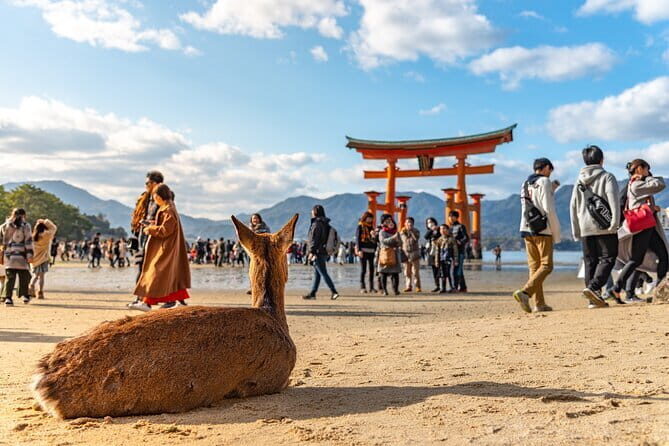
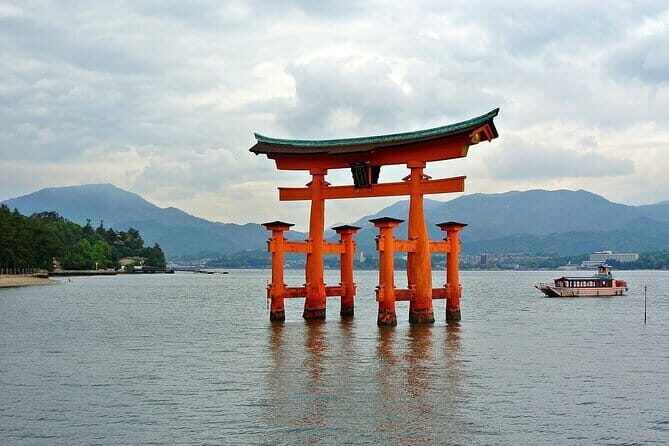
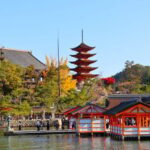
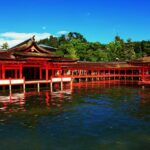
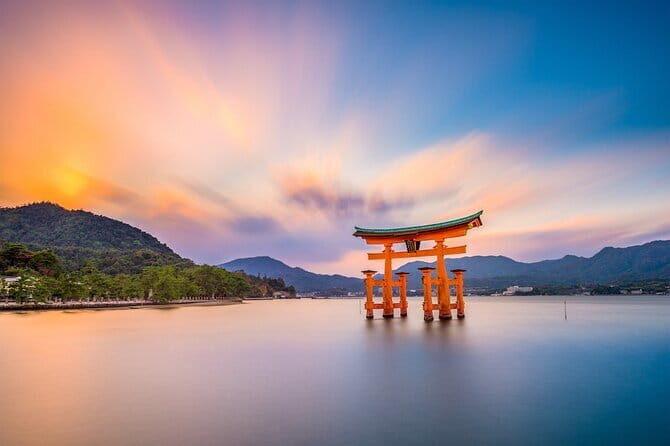
Miyajima’s big moment is the approach to Itsukushima Shrine and the view of the torii gate that looks like it’s floating. The shrine sits in a special kind of setting—part architecture, part shoreline—and that’s why the torii is such a famous photo. You get a guided visit time here (about 3 hours), which is enough to slow down for photos and still move with the group.
This is also one of those places where a guide makes sense, even if you’re not a shrine-nerd. The explanation helps you notice details beyond the obvious. For instance, you’ll hear why this shrine is historically important and how the island’s culture shaped the way people visit and treat the space.
One more practical point: Miyajima can feel like it’s one big walking corridor when crowds build up. So having a group plan for where to start and what to see first keeps you from wandering into side streets that are interesting, but not the ones you’re trying to prioritize. And because this tour includes shrine entrance, you won’t be stuck at the gate checking your phone or figuring out which line is correct.
A couple of people wished for small audio improvements, so if you’re sensitive to noise, position yourself well. When the guide walks ahead or your group stretches out, it gets harder to catch details. The easiest fix is simple: stay closer to the front and don’t let yourself drift behind when the road gets busy.
Miyajima island streets, deer, and how to use your free time
Outside the shrine proper, Miyajima is known for the blend of old-feeling streets and the famous free-roaming deer. That matters because Miyajima isn’t just about a single “wow” view—it’s about wandering in a place that feels like it’s still operating on its own rhythm.
Your tour time gives you room to walk around the area, not just stand in one point for photos. I like that. It’s the difference between checking a box and actually feeling the island. You’ll likely notice how the crowd flow works: people funnel toward the shrine and torii viewpoints, then spill into the lanes for snacks, souvenirs, and quick detours.
Do plan for crowds. One of the stronger pieces of feedback called out Golden Week crowds and praised guides for managing the logistics anyway. That’s a good sign, because Miyajima isn’t a quiet museum stroll. If it’s peak season when you go, you’ll want to keep your pace steady and expect people to move slower than you do.
Also, food and drinks are not included, so keep that in mind. You can absolutely find options on the island, but your tour won’t hand you lunch. If you’re the type who hates making decisions under pressure, consider carrying a light snack so your energy stays steady for the shrine time and the walk afterward.
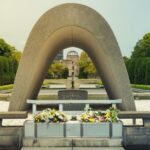
Hiroshima Peace Memorial Park: what you’ll see and the time tradeoff
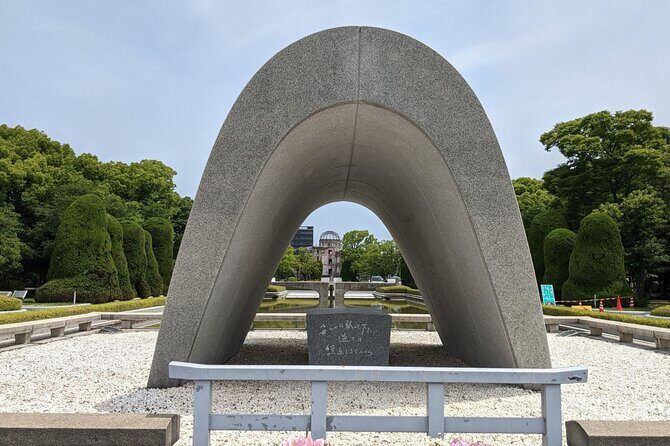
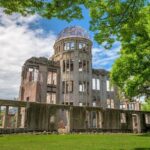
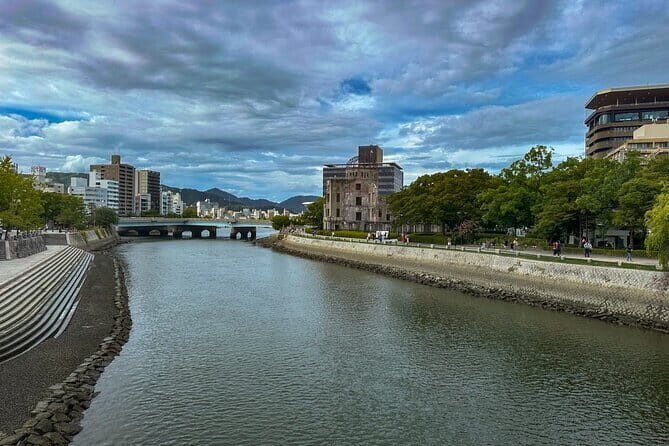
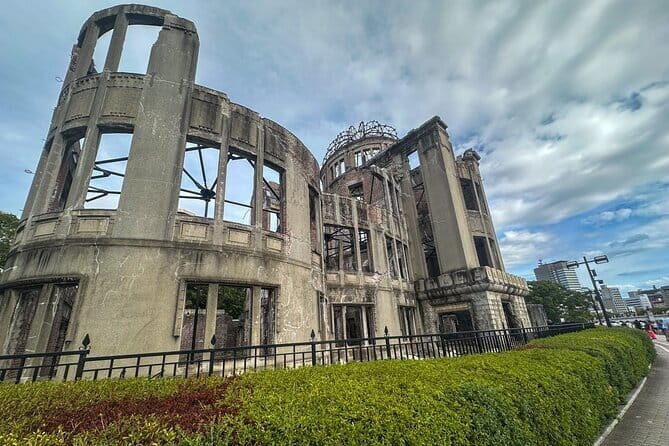
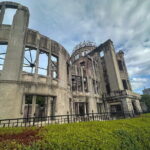
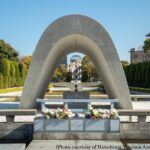
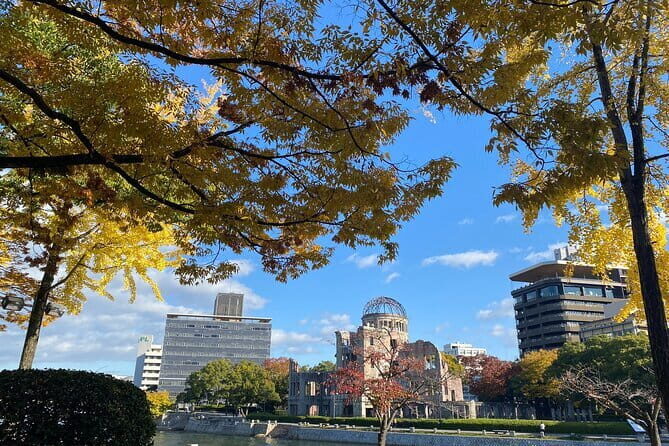
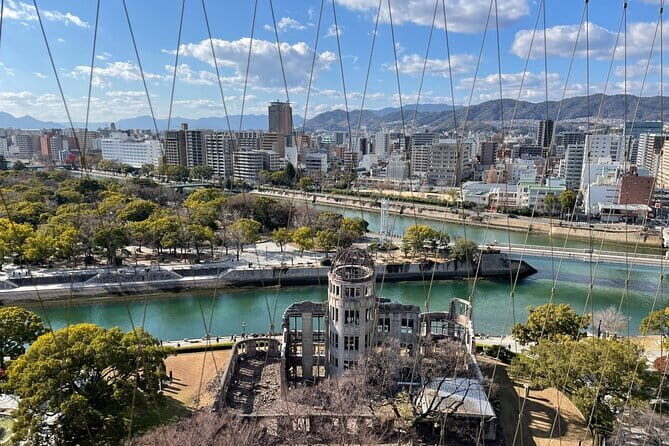
After Miyajima, the tour shifts into Hiroshima’s more solemn mode. You’ll return to the city and spend about 3 hours at Hiroshima Peace Memorial Park, where the monuments and museum focus on the 1945 nuclear bombing and its impact. Even if you’ve read about Hiroshima before, being in the park tends to hit differently because the setting is real and immediate.
This is the moment where pacing becomes personal. A few people felt the museum time was tighter than they wanted, and at least one comment specifically mentioned that museum entry wasn’t included even though it appeared in the itinerary. So here’s the practical takeaway: if you want deep museum time, don’t assume the visit duration will satisfy a long, slow read.
Still, the park visit is the core reason many people do this day trip instead of only going to Miyajima. Miyajima gives you the beauty and calm. Hiroshima gives you the context—what happened, why it matters, and how the memorial space tries to keep the lesson from fading.
If you’re traveling with someone who wants to move fast, try to agree early on expectations. Otherwise, you can end up split: one person may want to take in the main monuments and sights quickly, while the other wants more time to sit and read. The best strategy is to set a “minimum must-see” list for both the monuments and whatever museum parts you care about most.
And yes, crowds can show up here too, especially around popular sightseeing hours. If you get sensory overload, take advantage of the fact that this is a park setting—you can step aside to reset your breathing and then come back. The tour schedule gives you a block of time, so you don’t need to race yourself.
Price and value: what $45 really buys you
This tour runs about $45 per person and is described as mobile-ticket friendly. The key value isn’t just “you get a ride.” It’s that the ferry ticket and Itsukushima Shrine entrance are included, and you also get transportation from the meeting point.
To me, that’s the sweet spot for a day trip like this. Miyajima is not hard to reach if you already know the transit flow, but it is easy to get stressed by it—especially when you’re coordinating timing between ferry departures, shrine entry, and re-grouping. When the ferry and shrine are handled, your day turns from logistics into sightseeing.
What’s not included is food and drinks, which is normal for tours. Also, while you’ll be spending time at Hiroshima Peace Memorial Park, the data provided notes that admission at that point isn’t included. Based on feedback about the museum portion, you should expect you may need additional cash for specific entries depending on what you want to see inside.
So the best way to think about the price: you’re paying to reduce decision fatigue and avoid ticket friction at the two most time-sensitive parts of the day (ferry + shrine). If you’re okay managing transit and buying tickets yourself, you can do it independently. But if you want a structured day with less mental load, this price is easier to justify.
Other Hiroshima and Miyajima combo tours in Hiroshima
Guide style, bilingual Spanish-English, and how to avoid missing details
This tour uses a bilingual guide in English and Spanish. That’s a plus for inclusion, and it also can be a minus if the language delivery makes it hard to follow. In the feedback, people praised guides like Alan and Allen for handling both languages clearly and managing group flow even during busy periods. Others said the bilingual format was tough at times when English and Spanish were spoken too close together.
Here’s what you can do to make it work for you:
- Stay near the guide so you can hear clearly even when the group moves.
- Don’t expect perfect audio if the guide is walking ahead—crowds and motion make it harder.
- If you care about one language more than the other, try to tune in for the key explanation moments rather than every single sentence while moving.
One comment suggested that an earpiece would improve the experience. Even if this tour doesn’t mention personal audio gear, the point is useful: the “best” listening spot is not at the back. If you go, plan to be part of the front group early and keep your attention there.
Also, because the day includes a somber historical section, the guide’s pacing matters. When guides handle the story with care and keep the group moving at a respectful pace, it lands better. When timing feels rushed, it can make the park visit feel more like a checklist than a meaningful stop.
Timing, group size, and why being on time pays off
The trip runs about 8 hours. That’s long enough to see two major destinations without feeling like you’re stuck on a single bus all day, but short enough that you can’t treat it like two separate half-day vacations.
Group size is capped at 30 travelers, which is a big deal for day trips. Smaller groups generally move faster, find each other more easily, and make it less likely you’ll miss the meeting moment. It’s also why the meeting instructions are specific. The tour starts and ends at Hiroshima Station, so you really don’t want to be late and then spend your limited time trying to locate the group.
If you’re the kind of person who likes breathing room, arrive early. A few feedback notes emphasized the importance of being on time. When crowds hit, delays compound: ferry lines, shrine lanes, and park entry all slow down in peak hours.
Who should book this Hiroshima and Miyajima day trip?
This tour is a good fit if you want:
- A low-stress day plan with bus and ferry handling the big logistics
- Miyajima highlights plus Hiroshima Peace Memorial Park in one go
- A bilingual guide who explains cultural context along the way
It’s also ideal if you’re visiting Hiroshima for the first time and don’t want to build your own schedule. Miyajima plus Hiroshima can be a lot to coordinate, and the tour gives you structure.
If you should skip the Hiroshima portion, the option to do Miyajima only is exactly what you need. This makes sense for travelers who want the island’s calm, scenic streets, and torii viewpoints without adding the museum time pressure that some people found short.
If you’re very sensitive to crowd noise or you struggle to hear a guide while moving, you’ll want to position yourself well from the start. This tour can work great, but the audio quality depends on where you stand and how tightly you stay grouped.
Should you book it or plan it on your own?
If your priority is convenience and a guided, ticket-supported day, I think this is a strong booking. For about $45, you get real value from the included ferry and Itsukushima Shrine admission, plus transport that keeps your day from turning into a scavenger hunt.
Book it if you:
- want a ready-made plan that connects Miyajima and Hiroshima
- like learning from explanations while you walk
- appreciate the structure of a max-30 group
Consider other options if you:
- are very picky about museum time and want to linger without a group schedule
- know you often miss bilingual explanations when languages overlap
- prefer total independence and don’t mind managing transit and tickets yourself
Bottom line: This is a practical, well-structured way to pair Miyajima’s famous shrine setting with Hiroshima’s memorial focus. Just go in ready for crowds, and stay close so the guide’s story lands clearly.
FAQ
How long is the Hiroshima and Miyajima day trip?
The tour lasts about 8 hours.
How much does the tour cost?
It costs $45.00 per person.
What’s included in the ticket price?
The tour includes entrance to Itsukushima Shrine, a bilingual guide in English and Spanish, a ferry ticket, and transportation from the meeting point.
Can I choose to visit only Miyajima and skip Hiroshima?
Yes. There’s an option to only visit Miyajima and skip the Peace Park.
Where do I meet the guide?
If your option includes Hiroshima and Miyajima, meet outside Hiroshima Station Shinkansenguchi Hiroba Bus Berth between bus stops 8 and 9 (look for a sign for Amigo Tours). If your option is Miyajima only, meet outside Hiroden-Miyajimaguchi Station with an Amigo Tours sign.
Is food included?
No. Food and drinks are not included.
Does the tour depend on weather?
Yes. This experience requires good weather. If it’s canceled due to poor weather, you’ll be offered a different date or a full refund.