REVIEW · HIROSHIMA
Private Hiroshima Early Morning Tour with English-Speaking Guide
Book on Viator →Operated by GuideMe Japan · Bookable on Viator
Hiroshima feels different before the crowds. This private early-morning walk through the city pairs Peace Memorial Park impact with calm sightseeing time, and I really liked the English-speaking guide who keeps everything clear and easy to follow. I especially love that you get the quieter atmosphere for photos and reflection, and that the stops connect into a single, understandable route. The one thing to consider is the Peace Memorial Museum is emotionally heavy, so go in with some mental room.
You’ll also get a practical bonus: learn how to use Hiroshima’s public transit as you move between sights. And because you start early, you still keep a big chunk of your afternoon for your own plans once the tour ends near SOGO Hiroshima Store.
In This Review
- Key Highlights
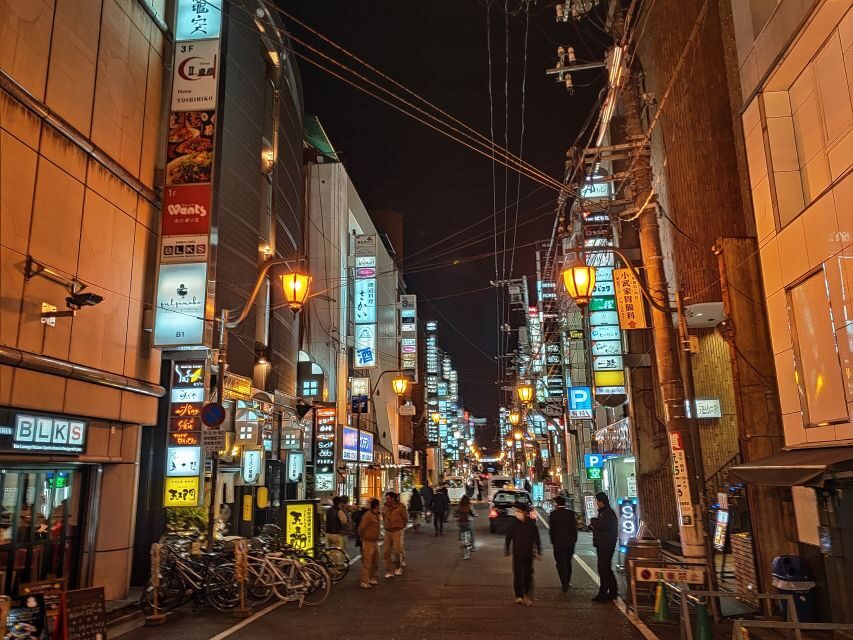
- Early Morning Hiroshima: Quiet Streets and Better Photos
- Small-Group Private Tour with an English Guide Who Moves With You
- Peace Memorial Museum: Survivor Testimonies That Change How You See the City
- Children’s Peace Monument and Peace Park: Small Stops With Big Meaning
- Atomic Bomb Dome: A UNESCO-Listed Relic You’ll Feel in Your Chest
- Hiroshima Castle: Views, Moat Walks, and a Change of Tone
- Using Public Transit With Your Guide (So You’re Not Guessing Later)
- Price and Value: What You Actually Get for $49.52
- Where the Tour Starts and Ends (And How That Affects Your Afternoon)
- Who This Tour Fits Best
- Should You Book This Private Hiroshima Early Morning Tour?
- FAQ
- How long is the private Hiroshima early morning tour?
- Is this tour private or shared with others?
- What are the main stops on the tour?
- Are admission tickets included?
- Does the tour include public transportation?
- Is food included?
- Where does the tour start and end?
- What is the cancellation policy?
Key Highlights
- Beat crowds with an early start so photos have fewer pedestrians in the frame
- Small private group (max 8) with time to ask questions and slow down when needed
- Peace Memorial Museum admission included for survivor testimony, objects, and historical context
- Children’s Peace Monument with the Sadako Sasaki and paper cranes story and a global peace symbol
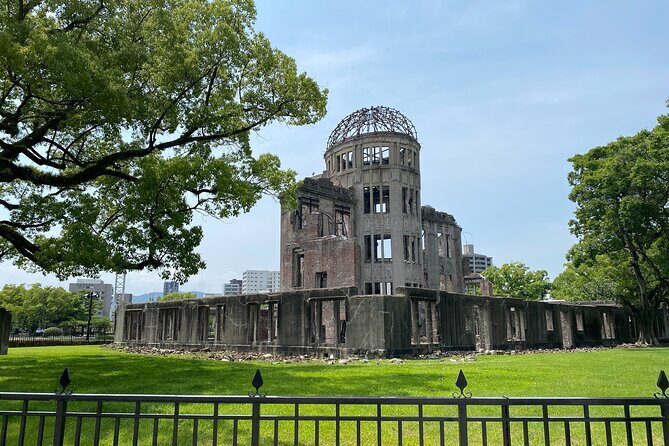
- Atomic Bomb Dome stop at a preserved UNESCO World Heritage–listed site near the hypocenter area
- Hiroshima Castle admission included plus scenic grounds and panoramic views from inside
Early Morning Hiroshima: Quiet Streets and Better Photos
The best reason to book an early start is simple: Hiroshima is already powerful and meaningful on its own. When you arrive before the day ramps up, the whole experience feels more human. You’re not fighting dense crowds at the biggest landmarks, and you’re less likely to have people constantly crossing in front of you while you try to frame photos.
There’s also a practical side to going early. If you’re only spending a short amount of time in Hiroshima, this format helps you see the big hitters without stealing your entire day. The tour runs about 5 hours, and once you finish, you still have the afternoon and evening to explore at your own pace—coffee stops, museums that interest you, or just wandering neighborhoods that feel right.
I also like that the tour is built around a calmer rhythm. Some group tours can feel like a sprint. Here, the plan mixes longer and shorter stops, so you get a moment to actually take things in before the next location.
Other guided tours in Hiroshima
Small-Group Private Tour with an English Guide Who Moves With You
This is a private tour, so it’s only your group. At the same time, the experience is designed to stay small—up to 8 people—which matters more than it sounds. In Hiroshima, the Peace Memorial sites aren’t the kind of place where you want to be rushed. A small group means your guide can adjust the pacing, answer questions, and keep the route sensible.
The guide also isn’t just reading facts. In one standout experience, the guide Ranma made the tour feel personal. With just a couple on the tour, the conversation went beyond checklists—questions were easy to ask, and the guide helped connect the museum and castle visit to what you might want to do next. That kind of guidance is gold when you’re trying to plan the rest of the afternoon without guessing.
It’s also a good fit if you’re the type of traveler who likes context. The route isn’t random. The guide helps you understand how the places relate, and that makes your time feel more meaningful rather than like you’re ticking off locations.
Peace Memorial Museum: Survivor Testimonies That Change How You See the City
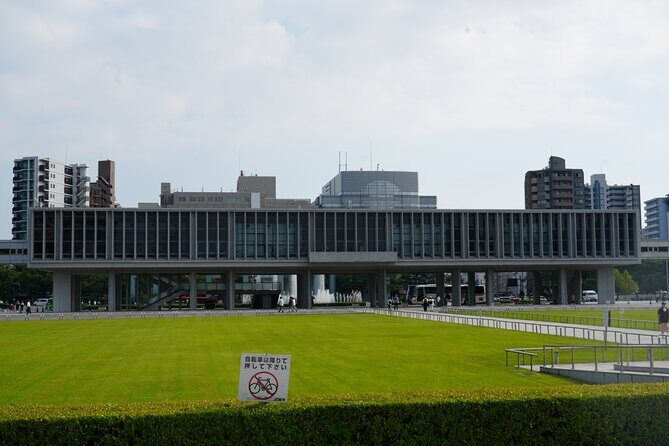
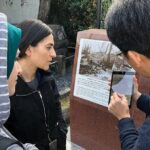
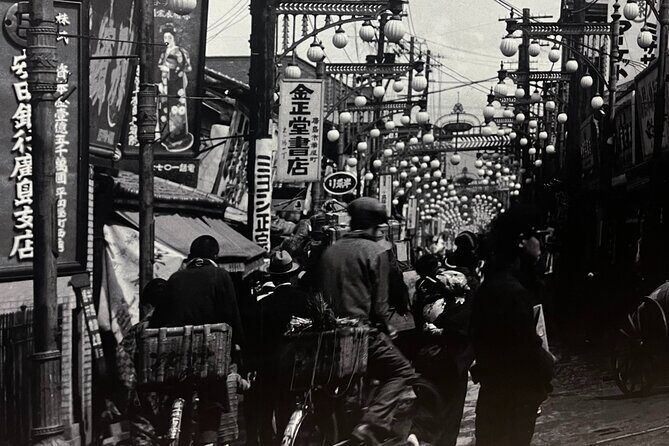
Your first major stop is the Hiroshima Peace Memorial Museum, and it’s allotted about 1 hour 30 minutes with the admission included. This is the heart of the whole experience. The museum documents the atomic bombing through survivor testimonies, personal belongings, and historical artifacts.
What I like about starting here (rather than leaving it for later) is that it sets the emotional and historical frame for everything else you’ll see. The Atomic Bomb Dome and the memorial park will hit harder when you’ve already understood the human side and the lived impact.
Also, plan your approach. The museum is powerful and heavy. You’ll likely want to slow down and absorb details, not just read quickly. If you’re the type who likes to take notes or re-read signage, this is the part of the tour where that works best. If you’re more visual, focus on the personal objects and the survivor stories—those are the elements that make the information feel real.
One consideration: if you’re traveling with anyone sensitive to difficult topics, this is the moment to decide together how much time you want to spend inside. The tour gives you a solid time block, but your comfort level matters.
Children’s Peace Monument and Peace Park: Small Stops With Big Meaning
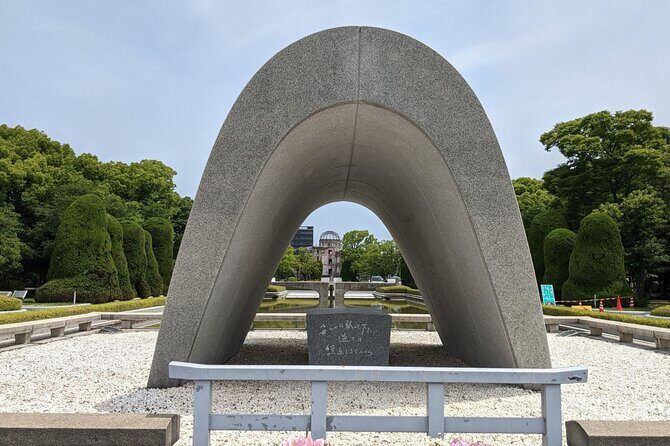
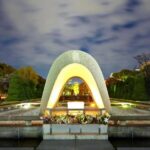
After the museum, you’ll move to the Children’s Peace Monument for about 10 minutes. This isn’t a long stop, but it’s memorable because it’s specifically tied to the story of Sadako Sasaki and the idea of paper cranes as a symbol. The monument connects personal grief with a message that’s been carried forward internationally.
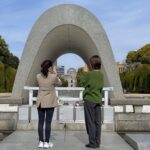
Then you’ll spend another 10 minutes at Hiroshima Peace Memorial Park. Even though it’s part of the memorial landscape, the feel here is different from the museum. The park is designed for reflection, with memorials and sculptures along with green space. It’s the kind of setting where you can stand, look around, and let the information settle.
These short stops work well because they’re not trying to overload you. You get a moment to move from museum materials to open-air remembrance, and that shift can be helpful after an intense indoor visit.
If you want the most out of these stops, take the time to notice surroundings, not just signage. The park layout encourages that. You’ll feel it as you walk between memorial elements rather than rushing through them like a checklist.
Atomic Bomb Dome: A UNESCO-Listed Relic You’ll Feel in Your Chest
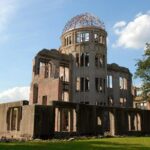
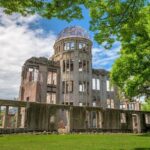
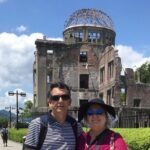
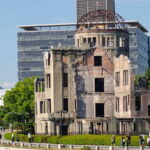
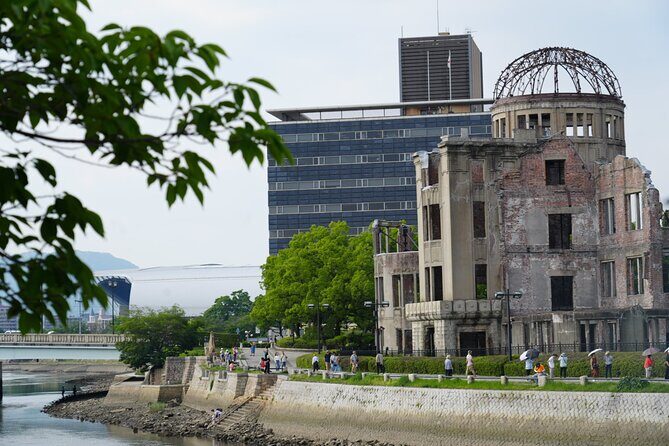
Next comes the Atomic Bomb Dome for about 20 minutes. This is one of the few structures left standing near the bombing’s hypocenter area, and it has been preserved as a UNESCO World Heritage Site.
It’s also one of those places where your reaction might be immediate and physical. The dome is iconic because it’s both specific and unresolved in meaning—it doesn’t let you treat the topic as distant history. In a route like this, you’ll likely feel the continuity between the museum (what happened) and the dome (what remains).
Photo tip: since this is an early tour with fewer crowds, you should have a better shot at taking photos with less pedestrian clutter blocking your frame. Still, be respectful. Many people come here to reflect, not to pose endlessly, so keep your timing short and your space tidy.
Other private tours in Hiroshima

Hiroshima Castle: Views, Moat Walks, and a Change of Tone
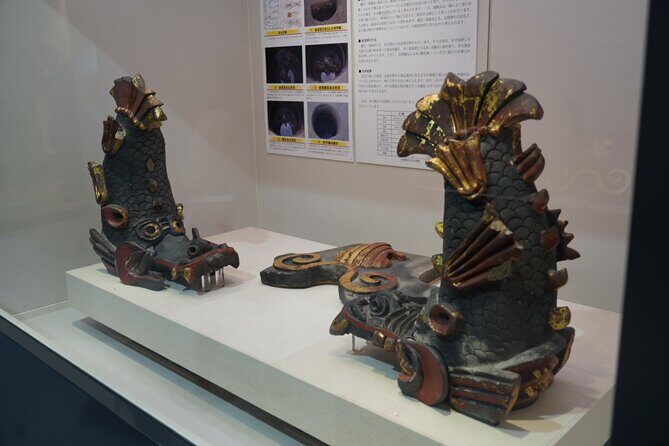
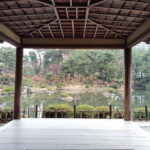
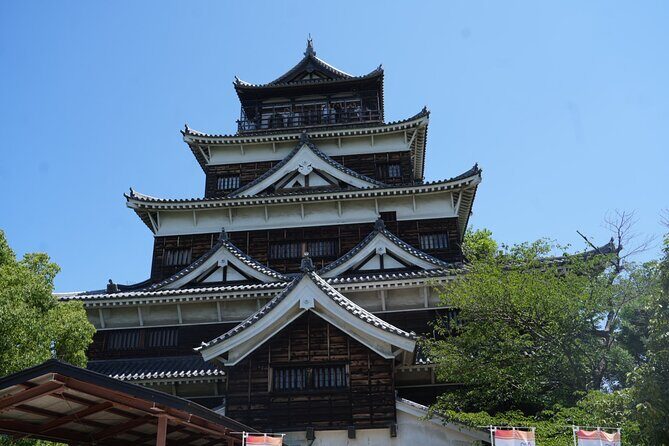
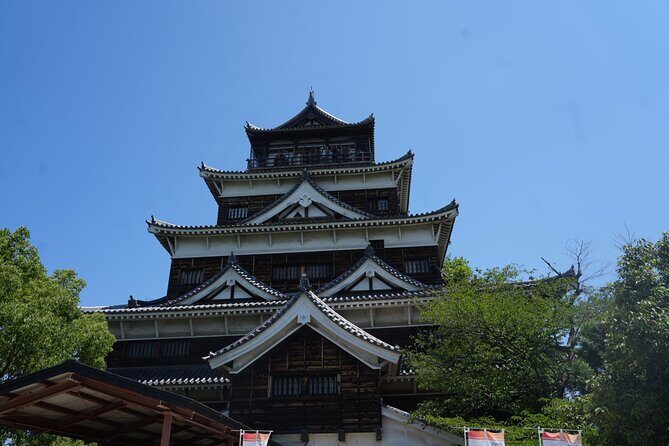
For a shift in mood, the tour includes Hiroshima Castle with admission included and about 1 hour onsite. This stop is described as a beautifully reconstructed samurai castle surrounded by a moat and scenic grounds. Inside, you can explore exhibits related to Hiroshima’s history and samurai culture, and you can enjoy panoramic views from the top floor.
I like that this is the later major stop. After the emotional intensity of the memorial sites, the castle gives you a different kind of connection to the city—one rooted in heritage, architecture, and the way Hiroshima rebuilds its identity.
You don’t have to treat this stop like a lecture. Use the time to:
- Walk the grounds and take in the moat setting
- Look through the exhibits at a pace you can handle
- Spend extra time on the views, because that’s where your morning “work” pays off visually
One small drawback to consider: castle visits can be weather-sensitive. If the morning is rainy or windy, the viewpoints might be less enjoyable. It won’t ruin the day, but it can change how much you enjoy that final hour.
Using Public Transit With Your Guide (So You’re Not Guessing Later)
A useful bonus is learning how to use Hiroshima’s public transit from your guide. Because the tour includes public transportation, you don’t need to worry about figuring out routes mid-visit.
Even better, the guide approach means you’re not just carried from stop to stop. You learn the practical method for getting around. That helps a lot if you plan to continue exploring on your own after the tour ends.
This is especially valuable in a new city when station names and bus lines can feel opaque. Getting your bearings fast here tends to make the rest of your day smoother—and reduces the chances you waste time backtracking.
Price and Value: What You Actually Get for $49.52
At $49.52 per person, this tour can be a very reasonable way to see Hiroshima’s top sites without building your own transport puzzle.
Here’s what’s included:
- Admission fee for the Peace Memorial Museum
- Admission fee for Hiroshima Castle
- English-speaking guide
- Public transportation
And what’s not included:
- Food and drinks
When you compare value, the big win is admissions plus guide plus transit bundled into one price. If you were planning your own route, you’d still need transportation between these key locations and you’d probably have to spend time figuring out the order. The tour compresses all that work into one morning, with the guide handling the flow and adding context.
Also, remember the timing value. The early start means you keep your afternoon. That’s hard to price, but it matters if you’re trying to fit Hiroshima into a tight itinerary.
Where the Tour Starts and Ends (And How That Affects Your Afternoon)
The meeting point is 2 Chome-8 Minamimachi, Minami Ward, Hiroshima. The tour ends near SOGO Hiroshima Store, 6-27 Motomachi, Naka Ward, Hiroshima. The exact ending point may shift depending on preferences or your afternoon plans.
I like this kind of ending because a major department store area usually means options: you can grab snacks, continue with sightseeing, or hop onto transit easily. Still, if you have a pre-booked afternoon reservation in a specific neighborhood, check your timing and allow a little buffer.
Who This Tour Fits Best
This experience suits you if:
- You want a calmer Hiroshima morning with less crowd friction
- You care about an English guide that explains the places clearly
- You want the biggest Hiroshima memorial and heritage stops in about 5 hours
- You want help with public transit so you can move confidently afterward
It may not be the best fit if you prefer to go completely at your own pace without any structure, because the tour does have a set flow. And if you’re very sensitive to heavy historical content, you’ll want to mentally prepare for the museum portion.
Should You Book This Private Hiroshima Early Morning Tour?
Yes, I’d book it if you want to see Hiroshima’s most important sights in a way that feels respectful, organized, and not exhausting. The early start is the differentiator: quieter streets, easier photos, and more time left for your own plans.
The other reason I’d feel comfortable recommending it is the human factor. A guide like Ranma (with an ability to answer questions and help you plan what comes next) turns the tour from a route into a real morning in Hiroshima—one where you understand what you’re looking at, not just where to stand.
If your schedule is flexible and you’re ready for an emotionally serious museum visit, this is strong value for your time.
FAQ
How long is the private Hiroshima early morning tour?
The tour is approximately 5 hours.
Is this tour private or shared with others?
It’s a private tour, and only your group participates. Groups are kept small, up to 8 people.
What are the main stops on the tour?
The stops are the Hiroshima Peace Memorial Museum, Children’s Peace Monument, Hiroshima Peace Memorial Park, Atomic Bomb Dome, and Hiroshima Castle.
Are admission tickets included?
Yes. Admission for the Peace Memorial Museum and Hiroshima Castle is included.
Does the tour include public transportation?
Yes. Public transportation is included, and your guide helps you understand how to use it.
Is food included?
No. Food and drinks are not included.
Where does the tour start and end?
It starts at 2 Chome-8 Minamimachi, Minami Ward, Hiroshima and ends around SOGO Hiroshima Store, 6-27 Motomachi, Naka Ward, Hiroshima. The exact end may vary based on guest preferences.
What is the cancellation policy?
You can cancel for a full refund if you cancel at least 24 hours before the experience starts. If you cancel less than 24 hours before, the amount paid is not refunded.