REVIEW · HIROSHIMA
Hiroshima Path to Peace Private Walking Tour
Book on Viator →Operated by Ghani Explorer · Bookable on Viator
Hiroshima peace has a clear trail. This private walking tour threads together the city’s most meaningful landmarks, from the Atomic Bomb Dome to the quieter memorial spaces that put human faces on history. You’ll walk with a guide who connects the symbols you see—bells, flames, clocks, cranes—to the lives behind them.
I really like how the route stays focused on meaning, not just photos. The Peace Memorial Museum stop brings the story into personal detail, and the chance to ring the Peace Bell makes the experience feel active, not passive. The guide approach matters here, and one review specifically praised Sheraz for knowing Hiroshima history in depth and even tying in facts about the Netherlands.
One thing to consider: this is a dense 3-hour walk in a solemn area. You’ll spend a lot of time outdoors around the Peace Memorial Park, then add museum time—so plan for both walking pace and emotional weight.
In This Review
- Key highlights worth your time
- Following the Path to Peace: what this tour is really about
- How the timing and pacing usually feel on a 3-hour private walk
- Ground Zero first: Atomic Bomb Dome and Aioi Bridge
- The Peace Clock Tower and Peace Bell: symbols you can feel
- Remembering more than one story: Korean Victims and Children’s Peace Monument
- The Rest House story and Prayer Fountain: quieter stops with strong meaning
- Hiroshima’s underground remembrance: Peace Memorial Hall for Atomic Bomb Victims
- The Cenotaph alignment and the Gates of Peace finish
- Flame of Peace and Peace Park rituals: why 1964 still matters
- Peace Memorial Museum: where the story becomes human
- Food planning after your walk: okonomiyaki and oysters
- Price and value: is $55.77 for 3 hours fair?
- Who this tour is best for
- Should you book the Hiroshima Path to Peace Private Walking Tour?
- FAQ
- How long is the Hiroshima Path to Peace Private Walking Tour?
- What is the price per person?
- Is the tour private?
- Do I need to print anything, or is there a mobile ticket?
- Where does the tour start and end?
- Is the Peace Memorial Museum admission included?
- Is the Atomic Bomb Dome admission included?
- Are there any entrance fees at other stops?
- What about food during the tour?
- Can I cancel for a full refund?
Key highlights worth your time
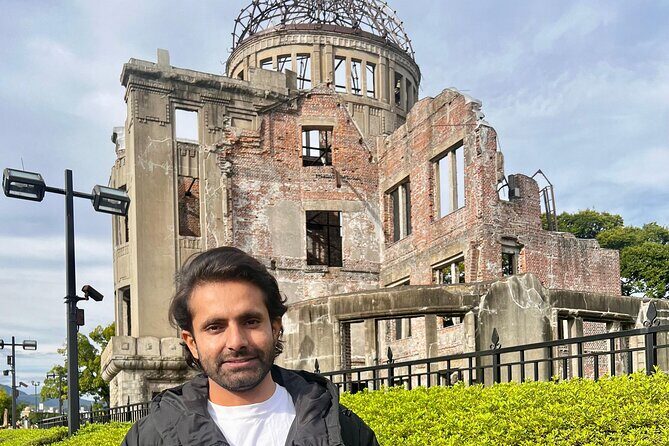
- Atomic Bomb Dome first, with context so the UNESCO landmark lands with full meaning
- 8:15 reminders at the Peace Clock Tower and the broader symbols tied to that moment
- Peace Bell participation—you’re invited to strike the bell and hear the resonance
- Every major memorial included including the Korean Victims Memorial, Children’s Peace Monument, and the Cenotaph
- A less obvious survivor story at the Rest House tied to Eizo Nomura
- Peace Memorial Museum + underground hall for contrast between outdoor remembrance and indoor testimony
Following the Path to Peace: what this tour is really about
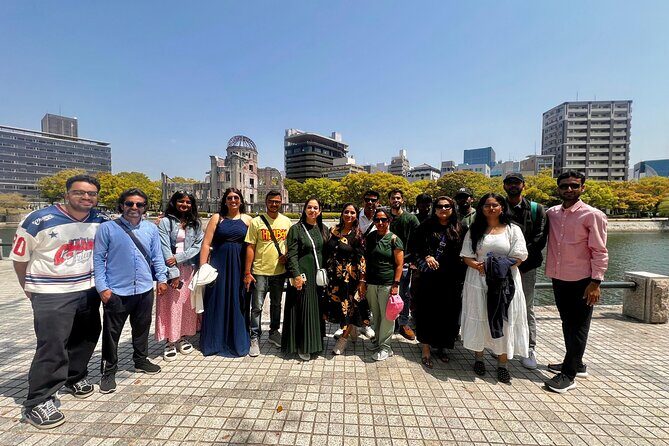
Hiroshima can overwhelm you fast—big sights, big emotions, and lots of signage. This tour helps you put order to it all. You move station to station across the Peace Memorial Park area, and each stop answers a simple question: what does this place mean, and what is it asking of us?
The biggest strength is the way the route links physical landmarks to human stories. You’re not just seeing monuments; you’re learning why the city chose specific shapes and rituals to remember the bombing. That’s why symbols like the Peace Bell, Flame of Peace, and Peace Clock Tower matter so much here.
Other private guided tours in Hiroshima
How the timing and pacing usually feel on a 3-hour private walk
This experience runs about 3 hours and works as a private tour, meaning it’s only your group. That matters in a place like this. You can pause when something hits you. You can ask questions without feeling rushed or lost in a crowd.
The stop durations also give you a clue about pacing: quick checkpoints around the park (often around 10 minutes), plus longer time for the Peace Memorial Museum (about 1 hour). So expect a brisk-but-not-harried rhythm—enough time to read what’s in front of you, and still time to keep moving with your guide’s explanations.
Also note the tour uses a mobile ticket, and the meeting spot is near a well-known central landmark area. The start is at the Cenotaph erected by volunteers of former executives and employees of Hiroshima Prefecture Chiho Lumber Co., Ltd. (1-chōme-10-1 Ōtemachi, Naka Ward, Hiroshima), and you end at the Gates of Peace (4-15 Nakajimachō, Naka Ward, Hiroshima).
Ground Zero first: Atomic Bomb Dome and Aioi Bridge
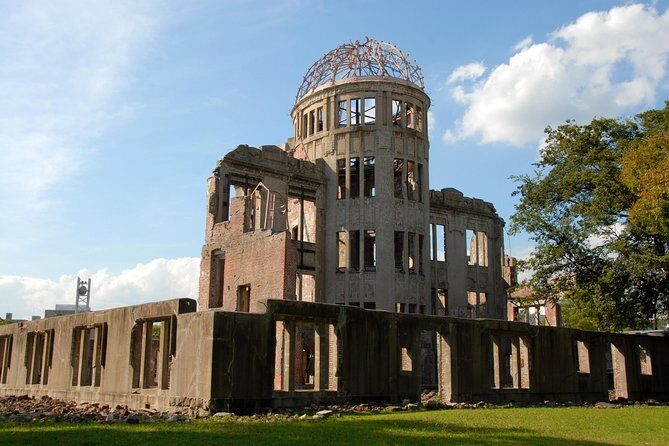
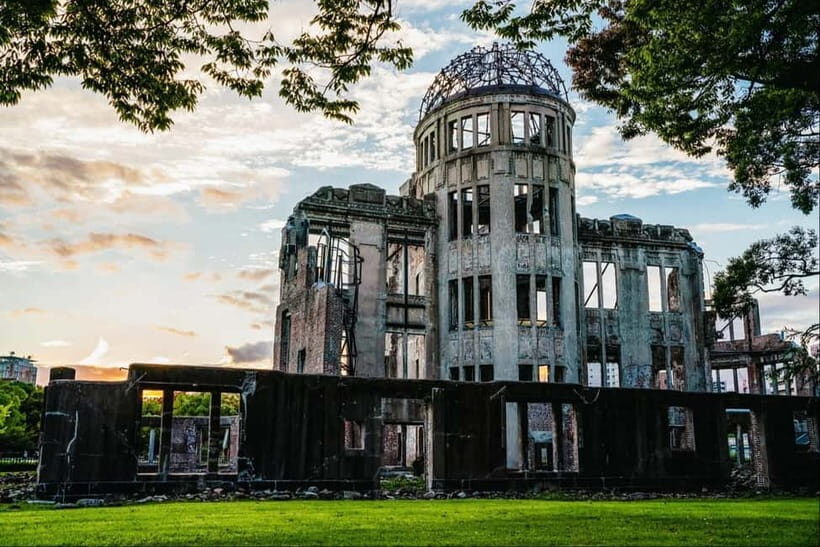
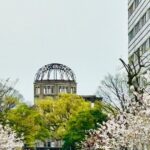
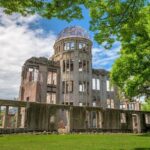
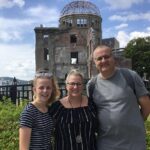
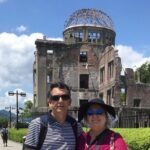
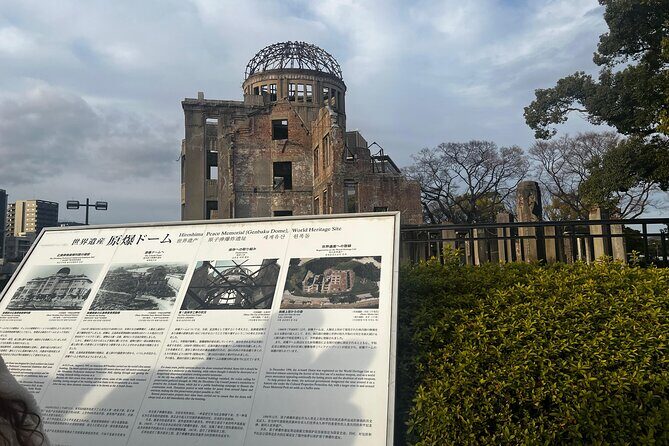
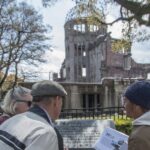
The tour kicks off at the Atomic Bomb Dome, Hiroshima’s most iconic landmark and a UNESCO World Heritage Site. You’ll stand close to what’s often called ground zero, and the key point is simple: this structure was left standing after the 1945 blast, and today it functions as a permanent witness.
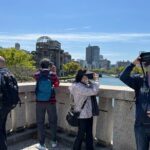
Right after that, you look toward the Aioi Bridge. The bridge is famous for its shape, a T-like profile that was the intended target from the air. What I appreciate about stopping here is that it shows how the city is remembered not only through ruins, but through the geometry of a moment—how planning, aiming, and impact became part of Hiroshima’s lasting map.
The Peace Clock Tower and Peace Bell: symbols you can feel
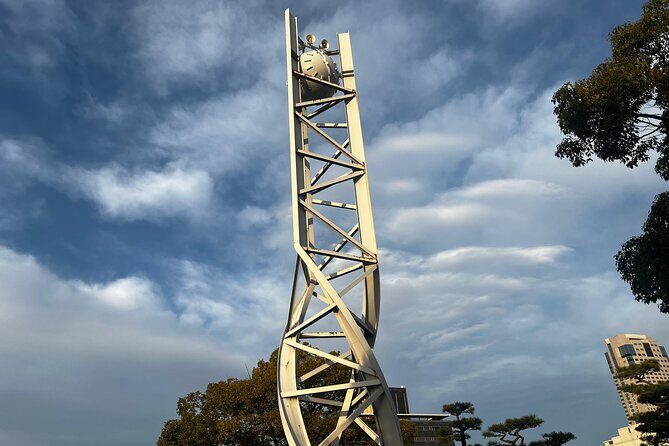
Next comes the Peace Clock Tower, tied to the exact time of the bombing—8:15 AM. The clock chimes at that time each day, and your guide’s job is to translate that into something more than trivia. It becomes a daily reminder that the world still hasn’t solved the problem the bombing exposed.
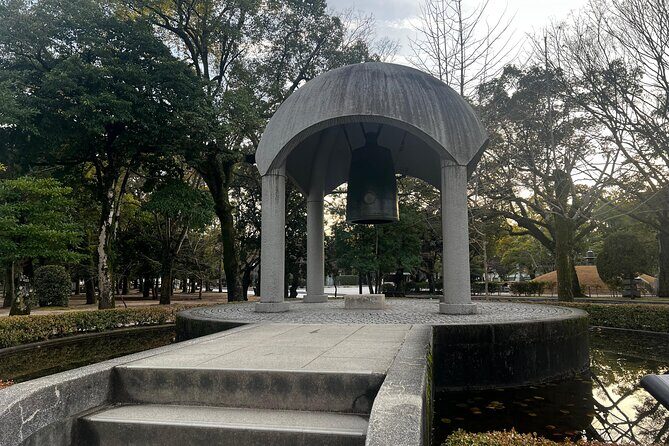
Then you move to the Peace Bell. This is one of the few places where visitors are invited to participate: you can strike the bell and let the sound roll out. It’s not loud-for-the-sake-of-it; it’s meant to carry the message of a world without war. If you’ve ever wondered how a memorial turns into action, this is the moment.
Practical note: since you’re invited to ring it, you’ll want to stand where the site indicates you should—just so you don’t block others or miss the sound experience.
Remembering more than one story: Korean Victims and Children’s Peace Monument
Hiroshima’s memory work includes different victim groups, not only the broad headline story. You’ll visit the Monument to Korean Victims and Survivors, honoring over 20,000 Koreans who lost their lives during the bombing. The monument’s turtle shape and eternal flame symbolism are designed to hold grief alongside hope.
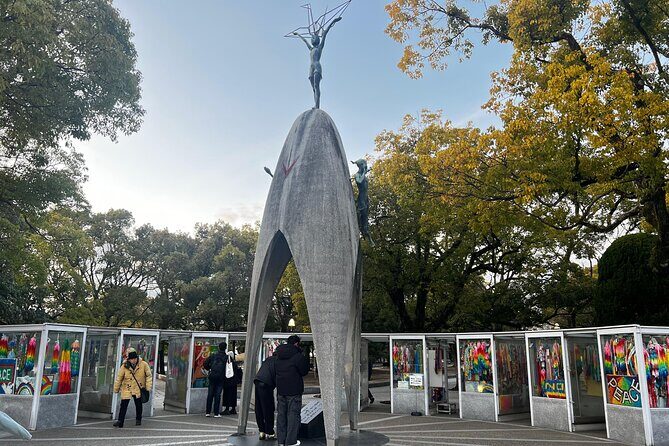
After that, you reach the Children’s Peace Monument, inspired by Sadako Sasaki. The story here is personal and specific: Sadako folded paper cranes while battling leukemia after the bombing, and today you’ll see thousands of colorful cranes from around the world. This is where Hiroshima’s peace culture connects to everyday actions travelers can understand—folding paper, leaving cranes, keeping memory alive.
Other Peace Memorial Park tours in Hiroshima

The Rest House story and Prayer Fountain: quieter stops with strong meaning
The Rest House of Hiroshima Peace Park is described as a more tucked-away survivor story near ground zero. You’ll hear about Eizo Nomura, who was in the basement during the bombing and survived. For me, what makes this stop powerful is that it doesn’t let the story float in the abstract. It returns it to a single person’s survival, which makes the surrounding landscape feel even more real.
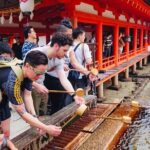
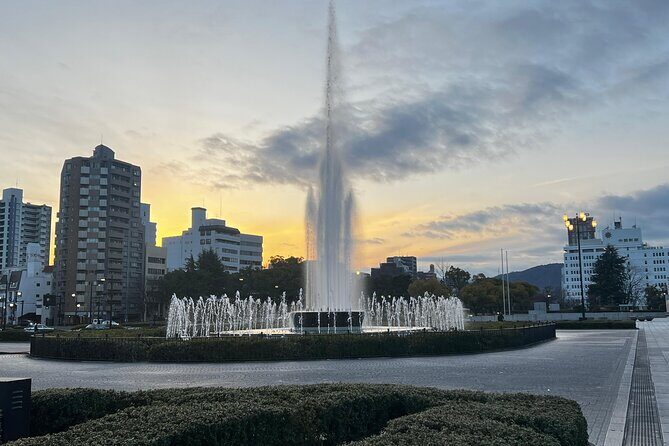
Then comes the Prayer Fountain. It’s dedicated to the memory of those who longed for water in their final moments. The simple design—gentle streams and a circular form—matters because it turns an awful detail into a concrete act of remembrance. If you’re the type who needs a moment to breathe, this is one of those.
Hiroshima’s underground remembrance: Peace Memorial Hall for Atomic Bomb Victims
The tour includes the Hiroshima National Peace Memorial Hall for the Atomic Bomb Victims, where the design does something smart: it shifts you from outdoor memorial space to a controlled, quiet interior. The hall is underground, and it’s laid out to support contemplation, including a circular Hall of Remembrance area.
This stop is longer than most (about 20 minutes). That extra time matters. You can actually absorb what you’re seeing rather than treating it like a quick photo stop. The hall helps connect the emotional impact you’ve been carrying outdoors to a more reflective pace.
The Cenotaph alignment and the Gates of Peace finish
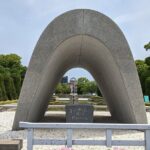
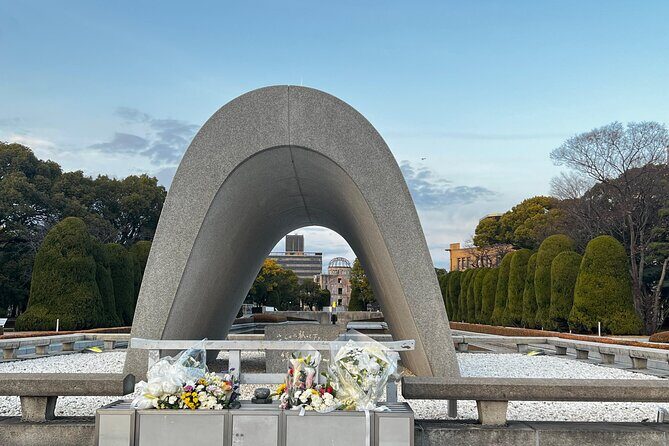
You’ll stand before the Hiroshima Peace City Monument Cenotaph for the Atomic Bomb Victims, a stone arch that holds the names of all known victims of the atomic bomb. The design frames key elements—especially the Peace Flame and the Atomic Bomb Dome—so your view becomes part of the memorial.
Then you move to the Gates of Peace. Ten tall glass arches are inscribed with the word Peace in 49 different languages, aligned to form a straight path toward the Cenotaph and Atomic Bomb Dome. This is a great reminder that Hiroshima’s message isn’t local only. It’s intended to travel.
Flame of Peace and Peace Park rituals: why 1964 still matters
A major stop on the tour is the Flame of Peace, burning continuously since 1964 in Hiroshima’s Peace Memorial Park. The symbolism is heavy and direct: it will remain lit until the world is free from nuclear weapons.
If you’re thinking, Okay, that’s a lot to ask of one flame—yeah. That’s the point. The city created a physical symbol that keeps the question alive, year after year, long after witnesses are gone.
Peace Memorial Museum: where the story becomes human
The tour’s most time-intensive stop is the Hiroshima Peace Memorial Museum, with admission included and about 1 hour on-site. This is the place that turns broad history into specific people: survivors’ belongings, testimonies, and the personal meaning of August 6, 1945.
One practical benefit of having a guide here: you’re not just reading captions at random speed. You’ll get cues on what to notice and how to connect exhibits to the symbols you saw outside—clock, bell, cenotaph, cranes. The result is a museum visit that feels like it has a spine.
Food planning after your walk: okonomiyaki and oysters
By the time you reach the Gates of Peace, you’ll likely be ready to eat. The tour includes cultural and food recommendations, including ideas like Hiroshima’s beloved okonomiyaki and fresh local oysters.
That pairing makes sense. After a heavy, reflective walk, you want something local and satisfying. Okonomiyaki is comfort food with a regional identity, and oysters bring you back to Hiroshima’s coastal side.
Price and value: is $55.77 for 3 hours fair?
At $55.77 per person, this isn’t a budget-only activity, but it also isn’t overpriced for what you get. You’re paying for a private guided experience that covers a tight route of major memorial stops plus the Peace Memorial Museum time.
Two value points stand out:
- Many stops are free to visit, so your money goes mostly toward interpretation and guidance.
- The Peace Memorial Museum admission is included, which helps you avoid ticket-hunting while you’re busy absorbing the story.
Also, the fact that it’s typically booked around 44 days in advance suggests there’s demand for a guided route through a very popular area. If your trip dates are set, booking sooner can help you lock in the time you want.
Who this tour is best for
This tour fits best if you want more than a checklist of sites. If you care about understanding symbolism—why a flame burns, why a bell is struck, why the gates show Peace in many languages—this will feel purposeful.
It’s also ideal if you want a guide who can answer your questions on the spot. One review highlighted Sheraz for deep Hiroshima and atomic-bomb history, and even for connecting ideas back to the Netherlands—proof that a good guide can make the information feel personal without losing respect.
Should you book the Hiroshima Path to Peace Private Walking Tour?
If you’re going to Hiroshima only once, I’d lean yes—this is one of the easiest ways to turn the Peace Memorial Park into a coherent story. The private format makes the emotional pace workable, and the included museum time is a big practical win.
Skip it only if you feel you want total independence, or if you prefer slower, longer museum-only visits without a structured route. Otherwise, this guided walk is a smart, meaningful way to spend your time in Hiroshima—and the kind of experience that sticks.
FAQ
How long is the Hiroshima Path to Peace Private Walking Tour?
The tour lasts about 3 hours.
What is the price per person?
The price is $55.77 per person.
Is the tour private?
Yes. It’s a private tour, so only your group participates.
Do I need to print anything, or is there a mobile ticket?
It uses a mobile ticket.
Where does the tour start and end?
It starts at the Cenotaph area at 1-chōme-10-1 Ōtemachi, Naka Ward, Hiroshima, and ends at the Gates of Peace at 4-15 Nakajimachō, Naka Ward, Hiroshima.
Is the Peace Memorial Museum admission included?
Yes. Admission to the Hiroshima Peace Memorial Museum is included, and you spend about 1 hour there.
Is the Atomic Bomb Dome admission included?
The stop at the Atomic Bomb Dome lists admission as free.
Are there any entrance fees at other stops?
Most other listed stops show admission as free.
What about food during the tour?
The experience includes cultural and food recommendations, including ideas for okonomiyaki and fresh local oysters. Coffee or tea is not included.
Can I cancel for a full refund?
Yes, you can cancel for a full refund if you cancel at least 24 hours before the experience’s start time.