REVIEW · HIROSHIMA
Hiroshima & Miyajima: Full-Day Private Tour & Licensed Guide
Book on GetYourGuide →Operated by JGA Inc. · Bookable on GetYourGuide
Two islands, one heavy day.
This private tour is compelling because you get a licensed local guide and you can shape the day to your interests instead of following a rigid bus-style script. I like the mix of Hiroshima’s Memorial Park and Museum—where the history lands hard but clearly—and Miyajima’s Itsukushima Shrine, with that iconic red torii in the water. One drawback to plan for: entrance fees and the in-town transportation during the tour are not included, and you’ll also want cash for the Miyajima visitor tax.
You’ll meet your guide at your hotel (on foot pickup if it’s within a reasonable distance), then spend a full day walking, ferrying, and hopping between key stops. Expect a thoughtful rhythm: first you slow down for Hiroshima, then you switch gears to Miyajima’s breezy island atmosphere. And yes, it runs rain or shine, because Japan loves weather on its own schedule.
In This Review
- Key points worth noting
- Hiroshima and Miyajima in one day: why this pairing hits
- Private guide setup: meeting at your hotel and staying on track
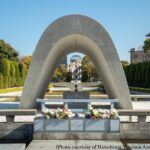
- Hiroshima Peace Memorial Park: how to focus without getting lost in the emotions
- Atomic Bomb Dome (Hiroshima Prefectural Industrial Promotion Hall): the stop that stops time
- Hiroshima Peace Memorial Museum: what you’ll get from a guided walk-through
- The ferry to Miyajima: switching gears without losing the day’s meaning
- Miyajima Island walking tour: Itsukushima Shrine and the famous floating torii
- Transportation and timing: public transit support vs. using a taxi
- Price and real value: what $196 covers and where extra costs show up
- Personalizing your route: ask for what you care about
- Who should book this tour, and who should reconsider it
- Should you book this Hiroshima and Miyajima private tour?
- FAQ
- How long is the Hiroshima and Miyajima private tour?
- Can I customize the route and start time?
- Where do we meet the guide?
- Is the tour walk-based?
- What languages are the guides?
- Is the tour wheelchair accessible?
- How do we get around during the tour?
- Are entrance fees and transportation included?
- Is there any tax to pay on Miyajima?
- Do I get a refund if I cancel?
- Is the booking confirmed right away?
Key points worth noting
- Licensed, English/Japanese guide: you’re not just seeing sights; you’re decoding them as you go
- Fully customizable route + start time: ask for what you care about and adjust when needed
- Hiroshima Peace Park and Museum included: the atomic story is handled with care and context
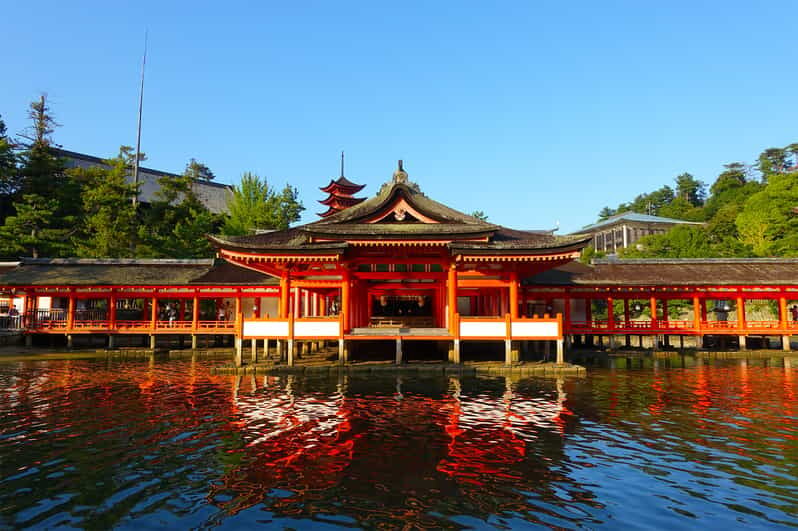
- Miyajima ferry + Itsukushima Shrine walk: scenic walking with one of Japan’s most famous views
- Public transit or taxi at your choice: your guide helps you avoid wasted time
Hiroshima and Miyajima in one day: why this pairing hits
Hiroshima and Miyajima can feel like two different worlds. Hiroshima is about remembrance—space, silence, and the exact details that help you understand what happened and why it still matters. Miyajima is spiritual and scenic, with shrine architecture, salt air, and views that make you look twice.
That contrast is the point. When you pair them under a single plan, your brain gets a full arc: destruction and recovery, grief and hope, history and daily life. It also helps you travel efficiently. With a single guide handling transit and timing, you’re less likely to spend half your day figuring out trains and ferries.
The best part is that this tour is designed as a walking day. Walking slows you down at the right places. In Hiroshima, that matters. On Miyajima, it’s how you find the best shrine angles and keep your photos from turning into a sprint.
Other Miyajima Island tours in Hiroshima
Private guide setup: meeting at your hotel and staying on track
This is a private group walking tour, so you’re not squeezed into a larger crowd or forced to keep pace with strangers. Your guide’s job starts before you even leave the lobby. Many guides contact you in advance to confirm logistics, and most will reach out within about a week.
Pickup is usually simple: your guide waits in your hotel lobby at the requested spot about 10 minutes before pickup time, and pickup is arranged on foot if you’re within a reasonable distance. Once you’re moving, the value shows up fast—your guide handles route choices and keeps you from wandering.
You’ll also appreciate the guide language options: English or Japanese. In the reviews, names like Minori, Yuji, and Sei show up again and again, and the common theme is clear: guides explain what you’re seeing in real terms, not just listing facts.
Hiroshima Peace Memorial Park: how to focus without getting lost in the emotions
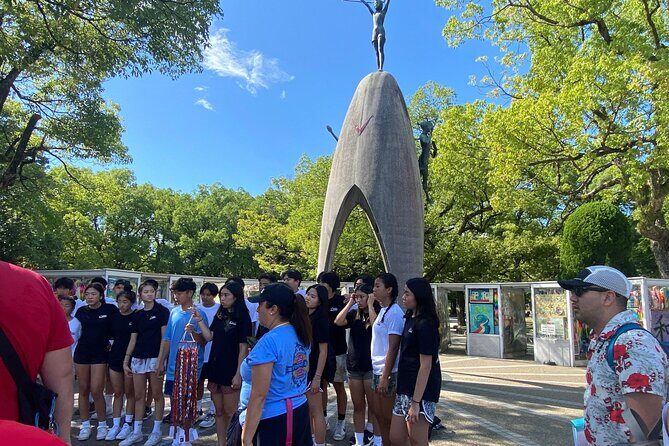
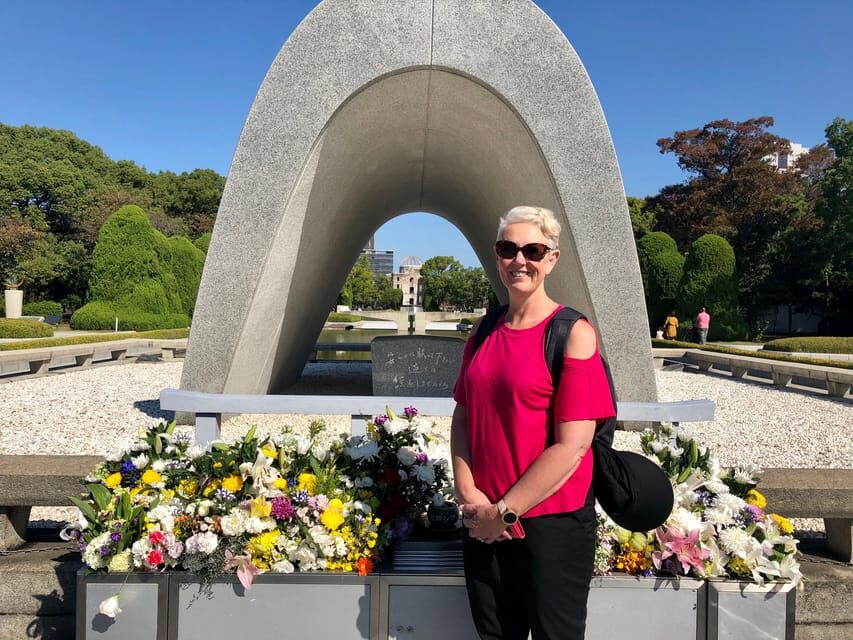
Your Hiroshima portion typically starts at the Peace Memorial Park area. This is where the day turns serious quickly, so it helps when someone sets the scene before you enter the most intense parts. Guides like Sei (noted for setting a somber tone before the park) help you understand what you’re about to see, and that setup changes your experience.
In a park this large, the challenge isn’t finding landmarks. The challenge is pacing—so you don’t rush past the places that deserve attention. A private guide makes that easier. If you’re the type who reads plaques slowly and wants context, you can spend time where your eyes stick. If you want a quicker route, your guide can tighten the loop.
One practical tip: wear comfortable shoes. Hiroshima isn’t a one-stop photo spree. It’s a walking memorial zone, and you’ll move between multiple points in one continuous flow.
Atomic Bomb Dome (Hiroshima Prefectural Industrial Promotion Hall): the stop that stops time
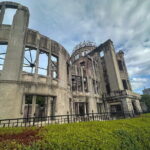
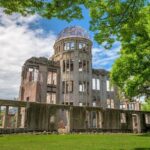
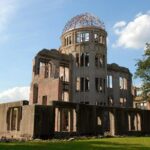
One of the most important stops is the Atomic Bomb Dome, which is today known as the Hiroshima Prefectural Industrial Promotion Hall. This is one of the very few surviving buildings from August 6, 1945, and it’s hard to describe properly until you see it with your own eyes.
This part is powerful because it’s concrete proof. You’re not imagining the scale. You’re standing in front of a structure that became a symbol—one that functions as both memorial and warning.
Guides often tie the Dome back to the wider story of the bombing and Hiroshima’s rebuilding. Reviews mention guides bringing extra context, including moving talks before you enter key areas. If you’d like that kind of framing, ask your guide to share their suggested order for the most meaningful stops.
Hiroshima Peace Memorial Museum: what you’ll get from a guided walk-through
After the Dome area, you’ll typically visit the Hiroshima Peace Memorial Museum. The museum doesn’t try to shock you with vague statements. It presents artifacts and exhibits that turn an event from a date into something specific: objects, documents, and stories.
The museum can feel overwhelming if you treat it like a checklist. With a guide, you’re more likely to notice what matters most in each room, and you’ll understand the purpose of each exhibit.
One review detail that sticks: guides sometimes provide extra materials and even tailored media before you enter key sections. If your guide offers a short documentary or printed background, say yes. It can be the difference between seeing displays and understanding why they were preserved.
If you’re traveling with kids or teens, this part can still work. The key is a guide who can explain the meaning in language that fits their age, without watering it down.
Other private guided tours in Hiroshima


The ferry to Miyajima: switching gears without losing the day’s meaning
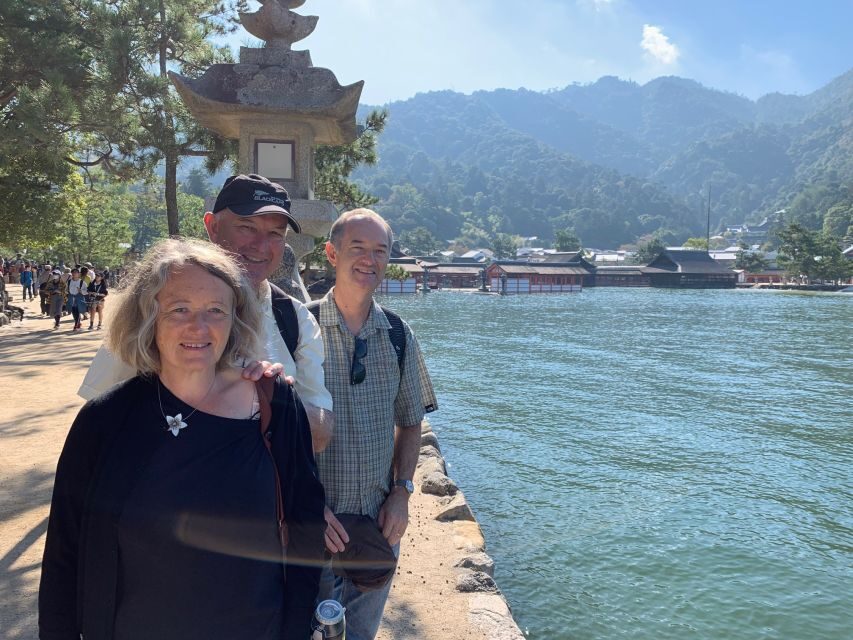
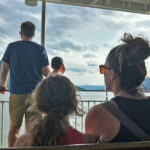
Once you leave Hiroshima’s memorial sites, the ferry to Miyajima is like a reset button. You’re still on the same trip, but the sensory vibe changes—water views, island breezes, and an entirely different pace.
This is also where your guide’s timing matters. Ferries and connections can make you feel rushed if you’re doing it alone. With a private guide, you’re far more likely to arrive when lines are manageable and you can start your island walk without stress.
Think of the ferry as a transition zone. By the time you step onto Miyajima, you’ll be ready to see beauty again, but you’ll carry Hiroshima’s weight with you. That’s what makes Miyajima feel more than just scenic.
Miyajima Island walking tour: Itsukushima Shrine and the famous floating torii
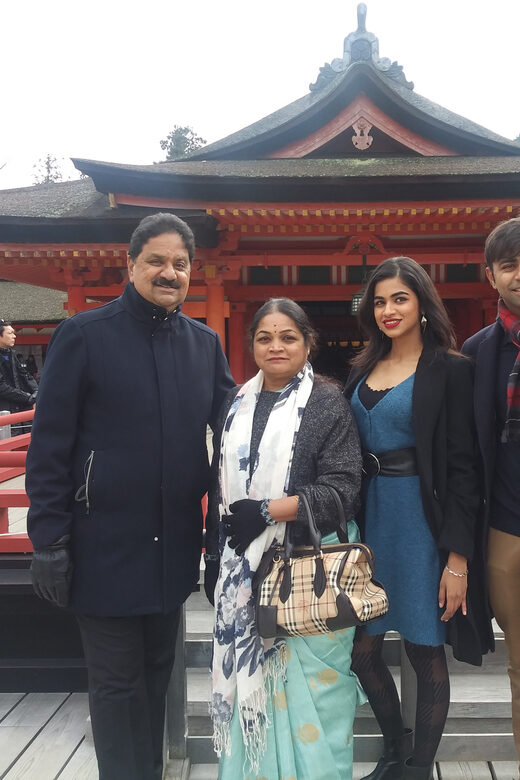
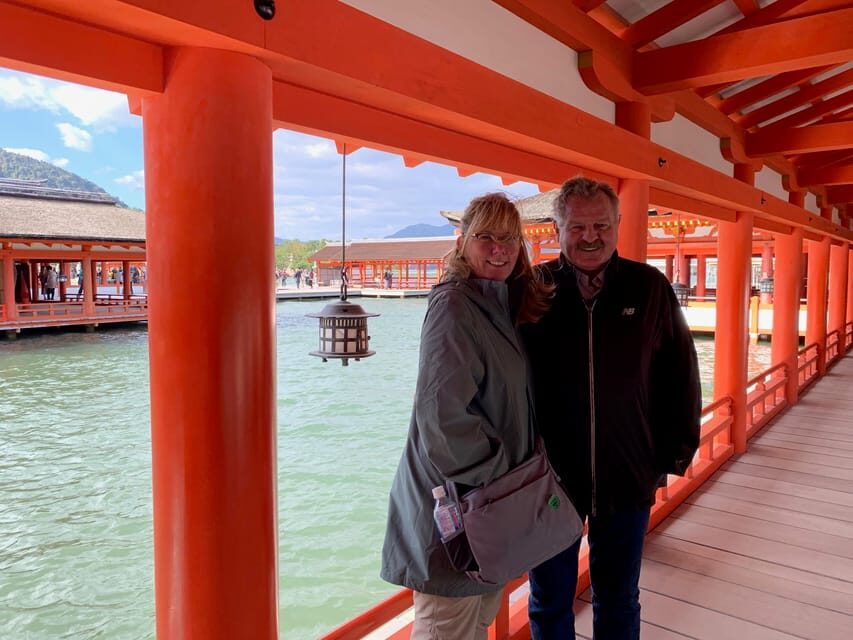
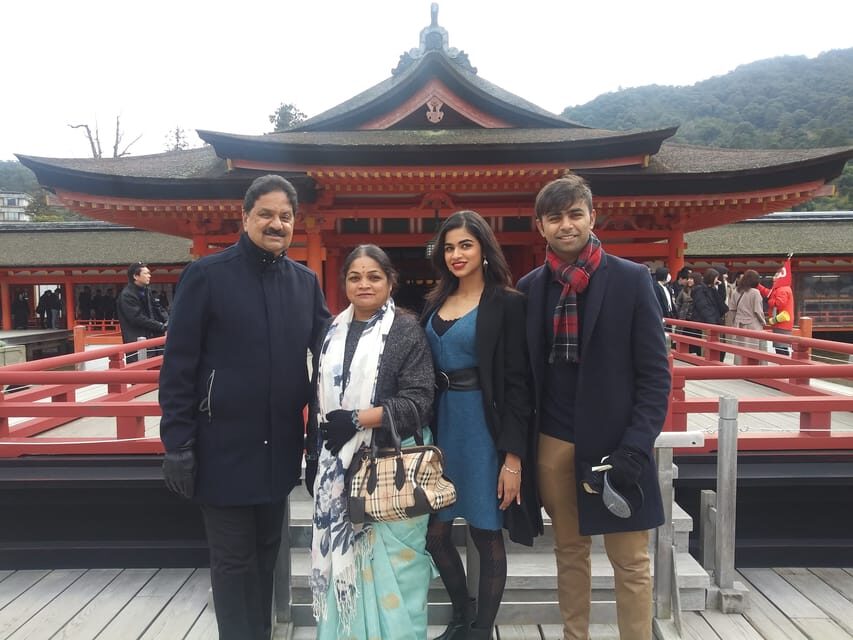
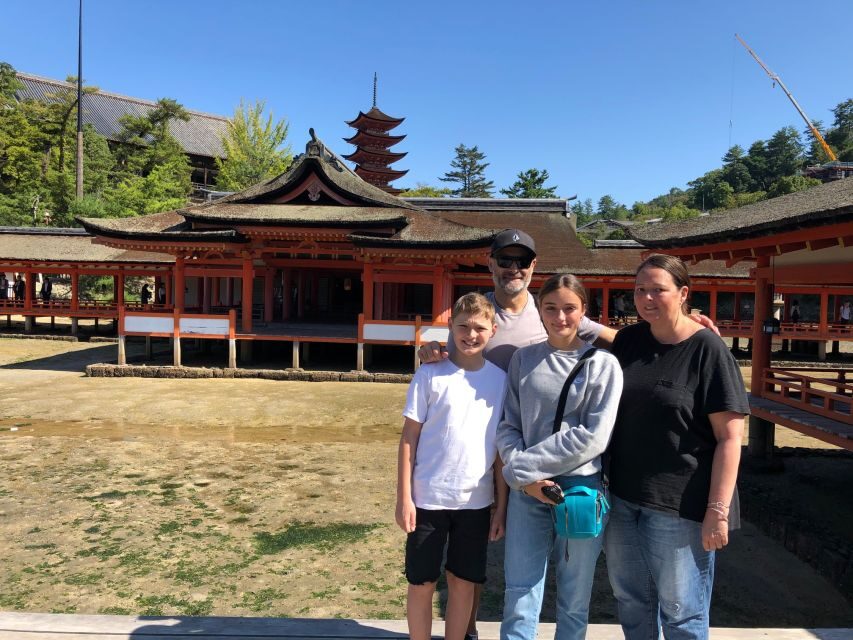
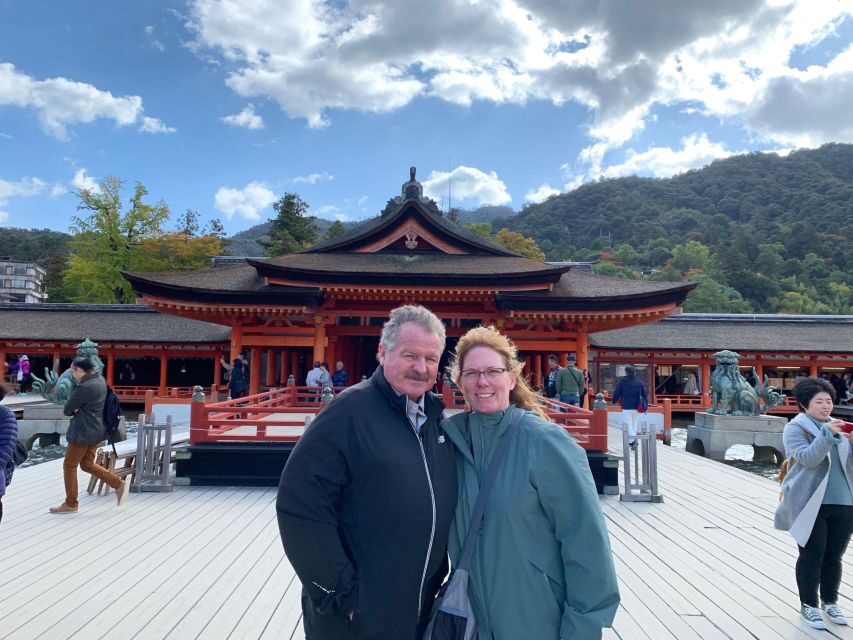
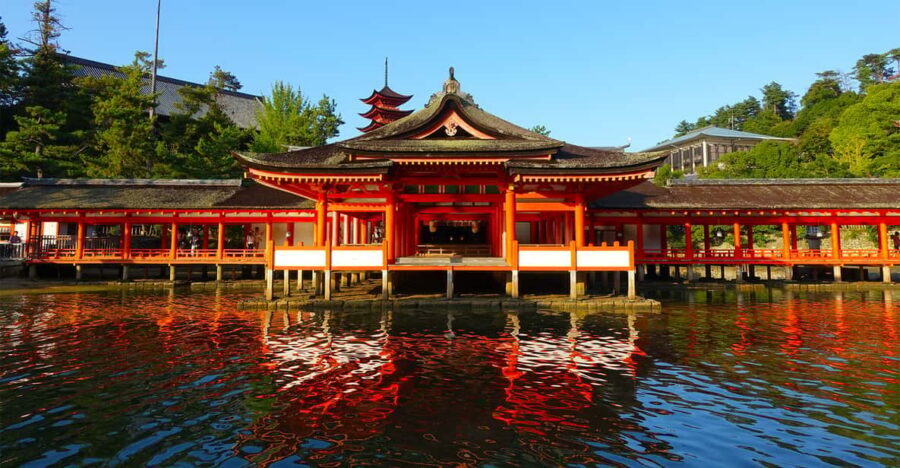
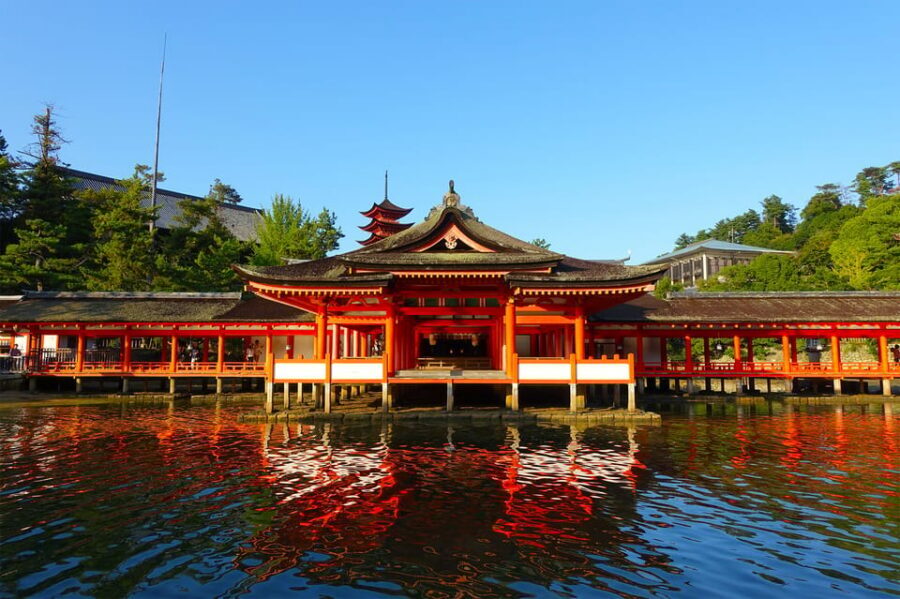
Miyajima’s centerpiece is Itsukushima Shrine, famous for the red torii gate that appears to float in the sea. This is the kind of view that looks simple in photos—until you’re there and realize how the structure interacts with the water and the shoreline.
A guided walking tour helps because you’re not only going to the shrine. You’re also getting guidance on where to stand for the best angles. Reviews mention guides pointing out ideal photo spots, and that kind of practical help is gold when your time on the island is limited.
Also, expect the walking to be real. Even when it feels scenic, you’ll be moving. If you’re traveling with mobility limits, the tour is listed as wheelchair accessible, and your guide can adjust your route where possible.
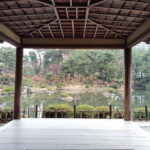
Quick mindset adjustment: treat this as a slow walk. Yes, you’ll want photos, but the shrine experience is also about noticing the details—woodwork, the calm water setting, and how the island’s mood shapes the visit.
Transportation and timing: public transit support vs. using a taxi
The tour runs using public transportation or taxi if you wish. This matters more than it sounds. Hiroshima and Miyajima involve moving between neighborhoods, stations, and ferry schedules. If you don’t know the system well, small delays can become big delays.
One value of having a guide is that you avoid transit brain-work. Reviews include examples of guides helping with elevators and escalators, handling transit decisions smoothly, and generally keeping the day moving without you feeling lost.
If you’re short on energy, ask your guide about taxi options for the toughest segments. It might cost extra (transport isn’t included in the price), but it can buy you comfort and time.
Price and real value: what $196 covers and where extra costs show up
At $196 per person for an 8-hour private tour, the value depends on what you’re trying to get out of the day. If you want peace-and-quiet walking time, the exact order of key sites, and someone explaining the meaning behind what you see, this price is easier to justify.
Here’s what’s included: private tour, a licensed local guide, pickup from your accommodation on foot if within reasonable distance, and walking. That’s the core value—time saved and context added.
Here’s what’s not included: food and drinks, any entrance fees, transportation to/from the meeting point, public/private transit fees during the tour, and the Miyajima visitor tax (100 yen per person, cash only). Translation: you should plan to bring some cash and budget for transit/entry costs once you’re in the field.
In a day like this, those extra costs are normal. The real question is whether you get a guide who makes the stops more meaningful. The reviews score big on exactly that: guides like Kazuhisa, Yuji, Minori, and Sei are described as attentive, organized, and careful in how they talk about Hiroshima.
Personalizing your route: ask for what you care about
This tour is designed to be customizable. You choose what you want to experience and what time you’d like to start. If you don’t want every single stop, your guide can help shape an itinerary that still hits the essential highlights.
If you love photography, ask your guide for viewpoint timing around Miyajima and shrine angles. If you’re a history-first traveler, focus your Hiroshima time on the Peace Memorial Museum and key memorial structures, and ask your guide to explain the story behind each area you walk through.
If you care about local food, note that food isn’t included—but many guides do their best to help with lunch ideas. Reviews mention guides steering people toward Hiroshima-style okonomiyaki experiences, including okonomiyaki pancakes, and even specific restaurant recommendations. Use that as inspiration, then ask your guide where you can eat something local that fits your tastes.
Who should book this tour, and who should reconsider it
This private format is a strong fit if you want a day that feels intentional. You’ll like it if you prefer walking with guidance, want someone to handle the planning and transit, and value explanations over reading everything alone.
It’s also a good match if you’re visiting Hiroshima for a short time. People who only have one day in the region often find this pairing practical because it bundles the major Hiroshima Peace stops and Miyajima’s main shrine highlight.
Consider reconsidering if you dislike guided structure. This tour still supports route changes, but it’s still a full-day plan with walking. If you want a total free-roam day with no schedule, you might prefer building your own DIY route.
Should you book this Hiroshima and Miyajima private tour?
I’d book it if you want the heavy parts handled with care and the scenic parts handled with efficiency. The biggest reason is the licensed local guide plus the fact that the itinerary can be tailored to your pace and interests.
The second reason: you’re not just ticking boxes. You’re walking through places that benefit from context—Atomic Bomb Dome, the museum, and the shrine’s setting at Miyajima. Guides like Sei are singled out for setting the right emotional tone, helping with timing, and making sure you don’t miss key moments such as the Peace Bell area.
Just go in with realistic expectations. Bring comfortable shoes, plan on paying for entrance fees and transit during the day, and have cash ready for the Miyajima visitor tax. If you do those things, the day tends to feel meaningful, well organized, and deeply memorable.
FAQ
How long is the Hiroshima and Miyajima private tour?
The duration is 8 hours.
Can I customize the route and start time?
Yes. You can choose what you want to experience and what time you would like to start, and the local partner arranges a route to fit.
Where do we meet the guide?
You meet your guide at your hotel in Hiroshima. Pickup is included on foot if your accommodation is within a reasonable distance. The guide will wait in the hotel lobby about 10 minutes before the scheduled pickup time.
Is the tour walk-based?
Yes. It includes a walking tour.
What languages are the guides?
The live tour guide is available in English and Japanese.
Is the tour wheelchair accessible?
The tour is listed as wheelchair accessible.
How do we get around during the tour?
The tour is conducted by public transportation or by taking a taxi if you wish.
Are entrance fees and transportation included?
No. Entrance fees and transportation fees during the tour are not included.
Is there any tax to pay on Miyajima?
Yes. The Miyajima visitor tax is 100 yen per person and is cash only.
Do I get a refund if I cancel?
Free cancellation is available up to 24 hours in advance for a full refund.
Is the booking confirmed right away?
The tour is not confirmed until the guide contacts you regarding your tour, and most guides contact you within 7 days.