REVIEW · HIROSHIMA
Hiroshima: Hiroshima and Miyajima UNESCO Sites 1-Day Tour
Book on GetYourGuide →Operated by Japan Panoramic Tours · Bookable on GetYourGuide
That first sight hits hard. This one-day tour pairs Hiroshima’s Peace Memorial with the postcard mood of Miyajima Island. You get an English-speaking guide (many groups are led by guides like Marin or Tomo), plus a bus multilingual audio guide so you can follow along without straining.
I especially like how the day has structure without feeling like a race. You see the Atomic Bomb Dome and the key park monuments, then you get real free time at the museum before heading to Miyajima for Itsukushima Shrine and a temple viewpoint.
The one drawback to consider: the morning is emotionally intense, and the schedule is tight enough that you might wish for a bit more time in Hiroshima city if you’re the type who wants to roam on your own.
In This Review
- Key things that make this tour work
- Hiroshima Station to Peace Memorial Park: a guided morning with real purpose
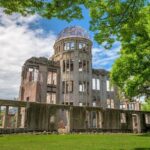
- Atomic Bomb Dome: UNESCO on the edge of your seat
- Hiroshima Peace Memorial Park: the monuments that tell a human story
- Hiroshima Peace Memorial Museum: your best chance to understand the aftermath
- The Seto Inland Sea ferry to Miyajima: a mental reset with scenery
- Hiroshima-style okonomiyaki lunch: local comfort food between UNESCO stops
- Itsukushima Shrine: the “floating” torii gate and the slow beauty of Miyajima
- Daishoin Temple on Mount Misen: calmer views and stone-statue charm
- Omotesando Street free time: snacks, souvenirs, and people-watching
- Back to Hiroshima Station: wrap up with a clear head
- Price and value: what $122 really buys you
- Who this tour suits (and who should pick something else)
- Should you book the Hiroshima and Miyajima UNESCO 1-day tour?
- FAQ
- Where do I meet the tour?
- What languages are included?
- Does the tour include lunch?
- How long is the tour?
- Do you include ferry tickets to Miyajima?
- Is Hiroshima Peace Memorial Museum always visited?
- Is the tour wheelchair-friendly?
Key things that make this tour work
- English-speaking guide with on-the-ground context that helps the places make sense
- Atomic Bomb Dome + Peace Memorial Park + Museum in one efficient morning block
- Ferry to Miyajima with Seto Inland Sea views instead of a stressful logistics day
- Itsukushima Shrine and Daisho-in give you both UNESCO and quieter temple atmosphere
- Hiroshima-style okonomiyaki lunch (optional) for a very local food stop
- Time to breathe on Miyajima with free wandering around Omotesando Street
Hiroshima Station to Peace Memorial Park: a guided morning with real purpose
The meeting is easy: you gather in front of the Shinkansen Ticket Gate on 2F of Hiroshima Station (North Gate). Look for staff holding a green and white flag, then board the air-conditioned coach.
Before you even reach the memorial sights, the bus ride helps you get your bearings fast. The tour includes a multilingual audio guide (Spanish, French, Italian, German, Portuguese, Ukrainian), so even if your Japanese is zero, you’re not left guessing.
You also pass Hiroshima Castle by coach. You won’t tour it on this day, but it’s a nice visual reminder that Hiroshima is more than the bombing history—there’s a full city story here.
Other Miyajima Island tours in Hiroshima
Atomic Bomb Dome: UNESCO on the edge of your seat
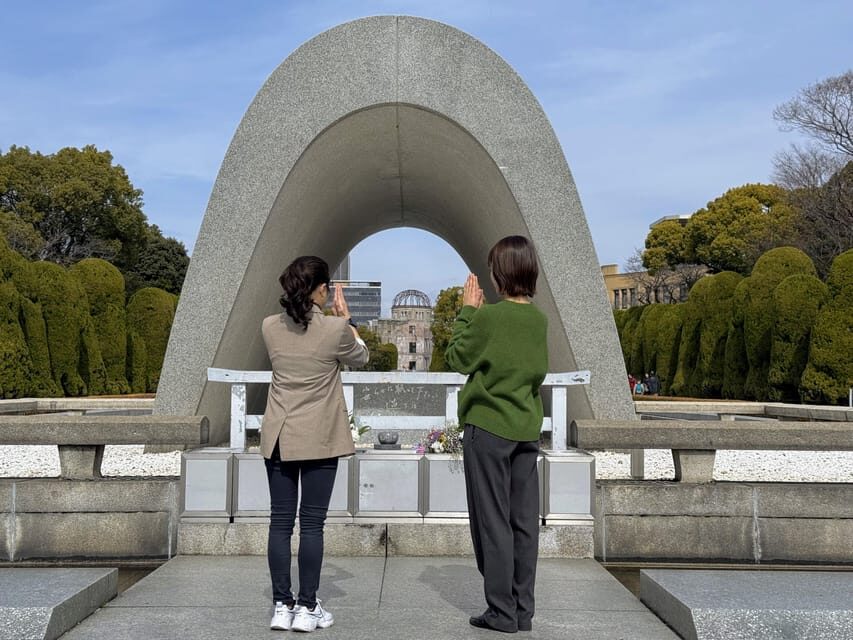
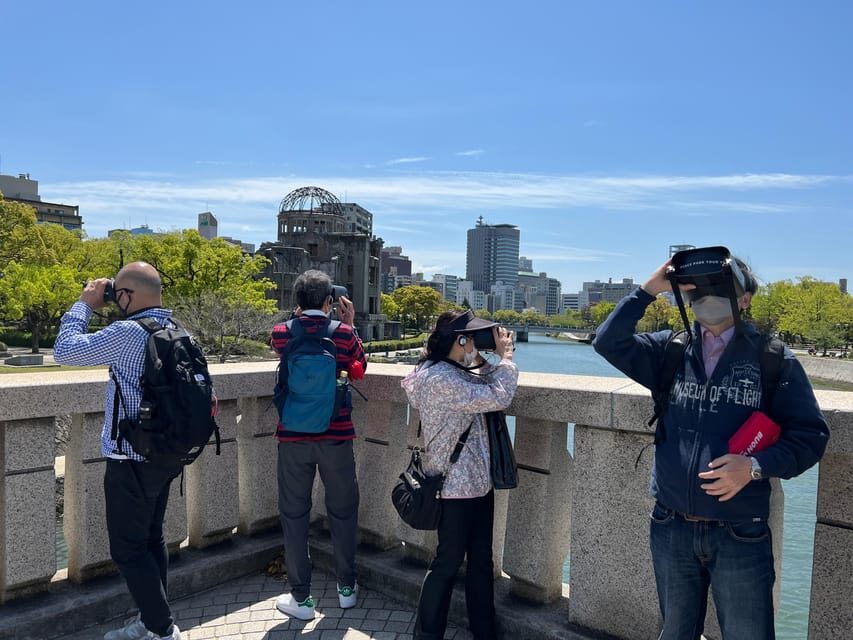
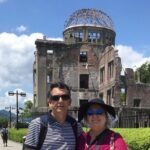
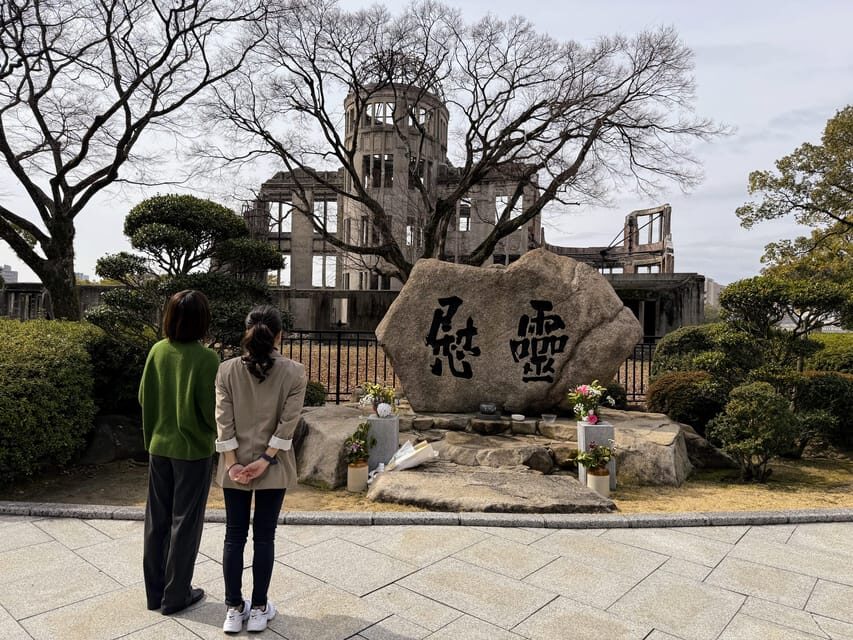
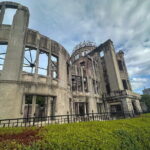
The day’s first major stop is the Hiroshima Peace Memorial, commonly known as the Atomic Bomb Dome. It’s UNESCO-listed, and the preserved structure makes it feel immediate rather than abstract.
What I like is that the guided portion keeps things grounded. A good guide won’t just point and move on; they explain what you’re looking at and why it matters, and that matters a lot here.
This is the kind of site where your brain goes quiet. You’ll likely notice people lowering their voices and slowing down. Give yourself a moment to look up—this isn’t a “snap a photo and move on” stop.
Hiroshima Peace Memorial Park: the monuments that tell a human story
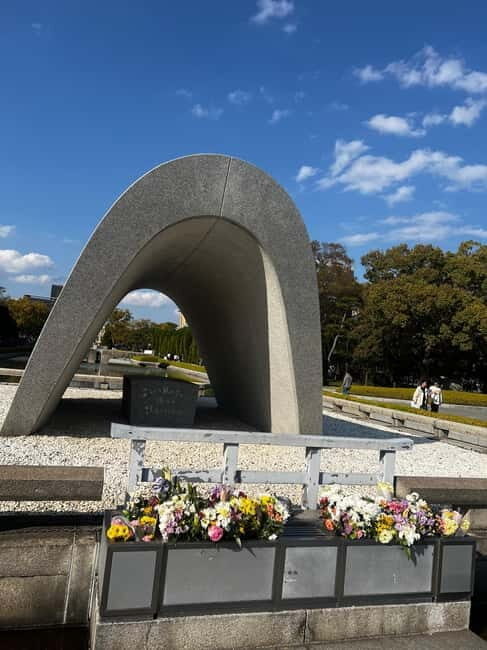
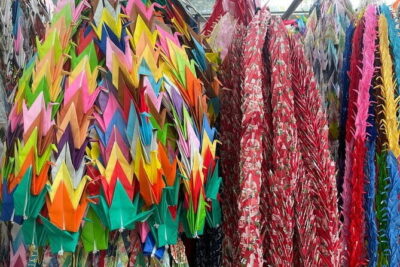
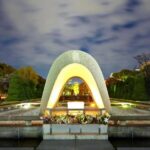
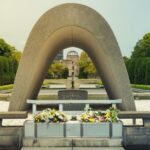
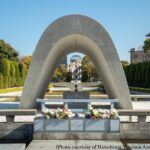
Next comes Hiroshima Peace Memorial Park, including the Cenotaph for the A-bomb Victims and the Children’s Peace Monument (linked to Sadako Sasaki). The park layout makes it easy to follow a route that feels like a narrative, not a checklist.
A lot of tours say they handle the topic with care. This one’s built that way: the schedule gives you guided context first, then time to take it in. That matters because the meaning can’t be rushed.
You’ll have a lot of “standing and reading” energy here. I recommend bringing a notepad or notes app, even if you only write a few words. Later, you’ll be glad you captured the ideas while they’re still fresh.
Hiroshima Peace Memorial Museum: your best chance to understand the aftermath
After the park, you get free time at the Hiroshima Peace Memorial Museum. The museum is where the day gets even more detailed and emotional, with exhibits explaining what happened and what followed.
Here’s a practical tip: don’t try to see everything. Pick the sections that connect to what you just learned—this is how the information becomes coherent instead of overwhelming.
One schedule note for future dates: from February 16 to 21, 2026, the museum closes due to exhibit replacement. During that window, the tour visits an alternative site, the Hiroshima National Peace Memorial Hall for the Atomic Bomb Victims, and there are no refunds due to this change.
The Seto Inland Sea ferry to Miyajima: a mental reset with scenery
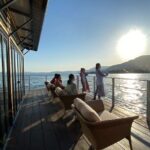
Once the museum time is done, you switch gears and head to the ferry. The ride itself is included, and it’s genuinely useful: it moves you off the mainland while giving you a view of the Seto Inland Sea and the surrounding islands.
I like this shift. After a heavy historical morning, you need a change of pace that doesn’t feel like a “reward at the expense of meaning.” The ferry does that job quietly—fresh air, water views, and time to regroup.
You also get to transition before the main Miyajima crowds lock in. That timing helps a lot.
Other Hiroshima and Miyajima combo tours in Hiroshima
Hiroshima-style okonomiyaki lunch: local comfort food between UNESCO stops
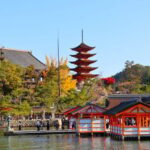
Lunch is included if you select it. On Miyajima, the tour offers Hiroshima-style okonomiyaki, made with layers that include cabbage, pork, noodles, and egg.
If you’re vegetarian, a vegetarian okonomiyaki option is available—just request it when booking. The tour data also flags that no vegan, no halal, and no gluten-free options are available under the lunch menu, so if that affects you, choose the option with no lunch.
If you’re wondering whether lunch is worth the slot, here’s my take: okonomiyaki is fast, filling, and very local. It also gives you a chance to keep the day’s pacing smooth so you don’t burn time hunting for food with everyone else.
Itsukushima Shrine: the “floating” torii gate and the slow beauty of Miyajima
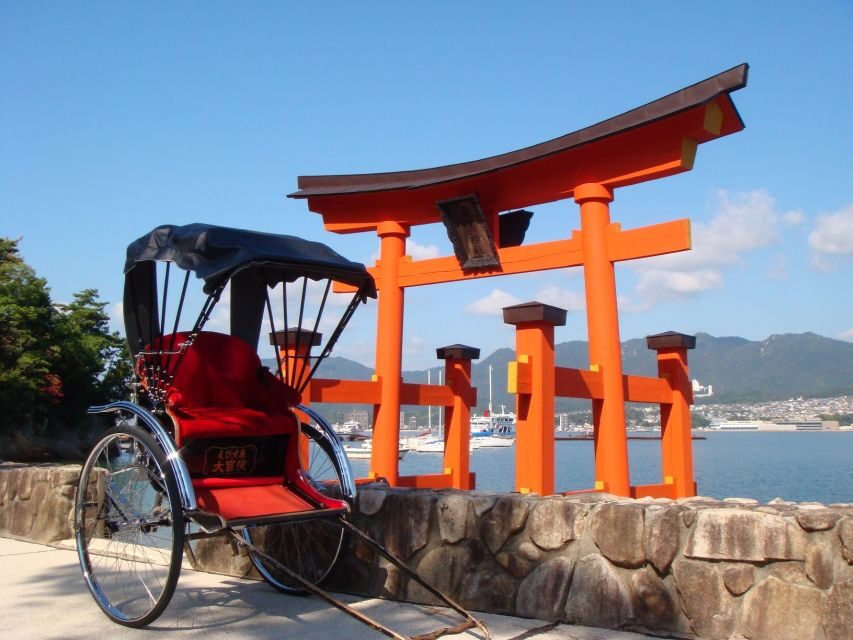
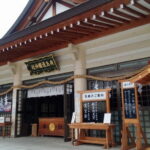
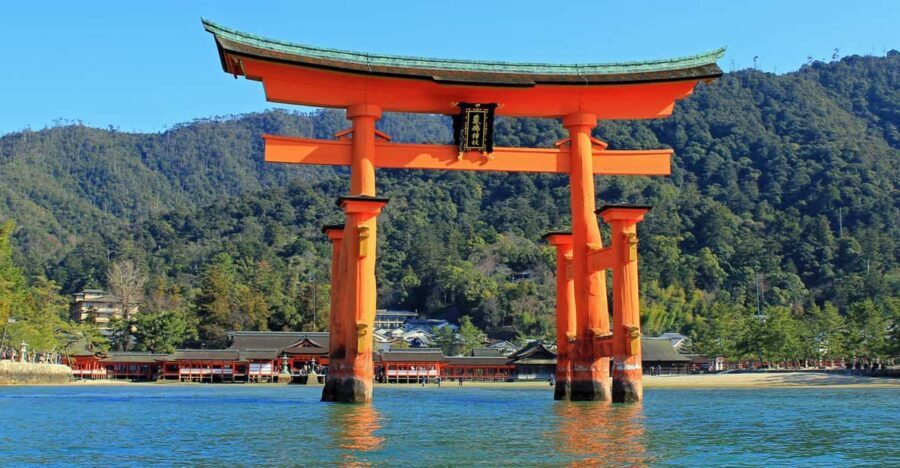
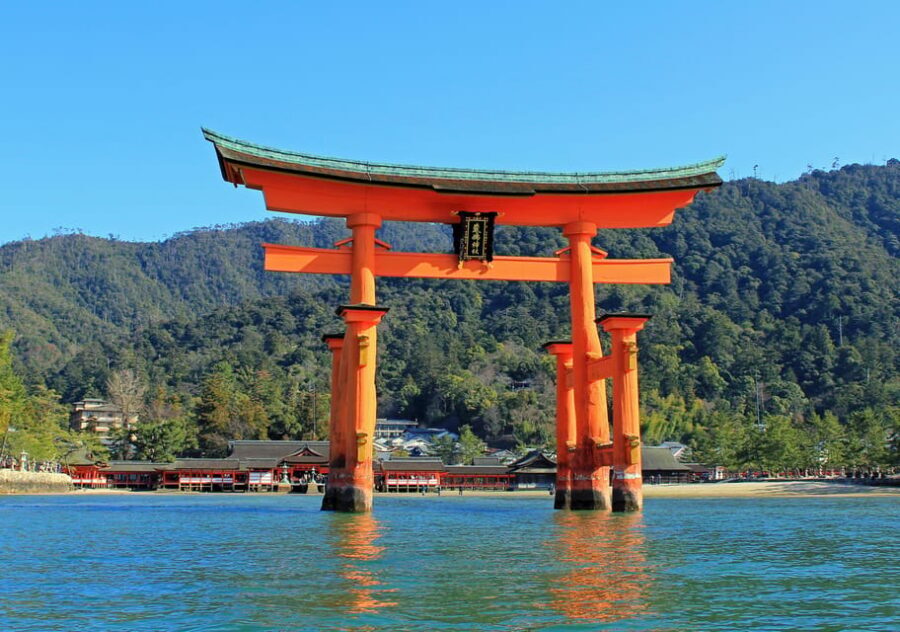
Then it’s time for the star of the island: Itsukushima Shrine. You’ll see the famous torii gate that appears to stand over the water at high tide, which is why the shrine looks so unreal on postcards.
This is one of those places where the atmosphere does half the explaining. You’re surrounded by water, shrine buildings, and mountain backdrops, so the whole site feels staged by nature.
You get a guided visit plus free time, and that mix is smart. The guide helps you understand what you’re seeing, then you can wander at your own speed.
If you’re thinking about photos, focus on the waterline perspectives and the shrine angles from different paths. A few extra minutes can change the whole look.
Daishoin Temple on Mount Misen: calmer views and stone-statue charm
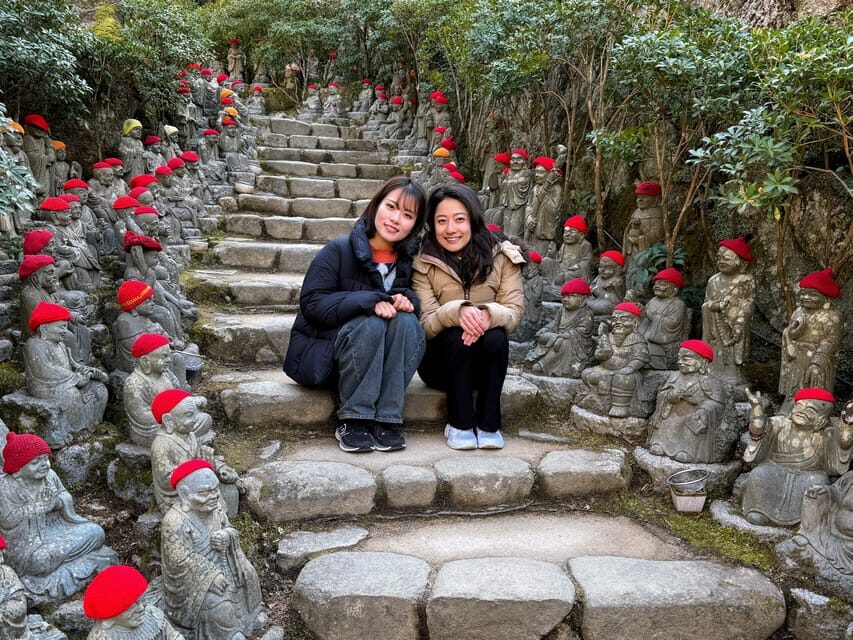
After Itsukushima, the tour continues to Daishoin Temple, a historic Buddhist temple on Mount Misen. You’ll have guided time and then a chance to slow down and take in the gardens and the many stone statues.
Daishoin feels less “everyone pose now” than the shrine area. You still get iconic views over Miyajima and the Seto Inland Sea, but with a quieter rhythm that helps you digest the day.
I also like this stop because it balances the Shinto major landmark. You see the island’s spiritual landscape in more than one form.
Omotesando Street free time: snacks, souvenirs, and people-watching
Once Daishoin is done, you get free time at Omotesando Street, Miyajima’s main shopping area. This is where you can grab local snacks, browse for souvenirs, and soak up the island vibe between big moments.
I’d treat this as your “use it or lose it” window. If you want a specific item or a particular food, this is when you do it—don’t save it for the very end when you’re thinking about ferries and the ride back.
It’s also a great place to take a breath. After shrine and temple walking, the street energy gives you a lighter pace.
Back to Hiroshima Station: wrap up with a clear head
You’ll head back to the mainland by ferry and then board the bus for the return ride to Hiroshima Station. The total day is about 8 hours, so it’s long enough to feel fulfilling, but not long enough to drain you into autopilot.
On the way back, the earlier content comes back into focus. That’s when the Hiroshima Peace Memorial portion really lands: not as a history lesson you crammed, but as a set of human choices and consequences you can carry forward.
Price and value: what $122 really buys you
At $122 per person for an 8-hour day, the value is mostly about logistics and inclusions.
You’re paying for:
- an English-speaking tour guide
- entrance fees for the Atomic Bomb Museum and Miyajima sights
- round-trip ferry to Miyajima
- a coach with air-conditioning and bus Wi-Fi
- a bus multilingual audio guide
- and lunch if you choose the lunch option
If you tried to do this on your own, the hardest part wouldn’t be the attractions. It would be stitching together timing: getting to Hiroshima’s memorials in the right order, managing the ferry schedule, and coordinating enough time at each stop.
The tour also helps if you’re traveling as a group or you just want less decision fatigue. Many guests also highlight how the day stays organized and well-paced—key when one half of the day is very emotional.
Who this tour suits (and who should pick something else)
This tour fits best if you:
- want a guided UNESCO day without spending your day on transportation puzzles
- care about understanding Hiroshima’s bombing history with care and structure
- want Miyajima’s iconic shrine sights and temples in the same day
It might feel less perfect if you:
- want a lot of unstructured roaming in Hiroshima city itself (the focus is memorial + Miyajima)
- need wheelchair-friendly access, since it isn’t suitable for wheelchair users
Should you book the Hiroshima and Miyajima UNESCO 1-day tour?
Yes—if you want one day that covers the essentials of Hiroshima’s memorial story and then gives you Miyajima’s spiritual and scenic contrast. The biggest reason to book is the balance: a guided, respectful morning paired with a smooth ferry-and-shrine afternoon.
If you’re on the fence, decide based on two questions:
1) Can you handle an emotional first half of the day?
2) Do you want your Miyajima time guided enough to save effort, but free enough to wander?
If the answer is yes, this is a strong choice. And if you get a guide like Marin or Tomo—based on past experiences with English delivery and on-the-ground organization—you’ll likely feel like the day was handled with both heart and timing.
FAQ
Where do I meet the tour?
Meet in front of the Shinkansen Ticket Gate on 2F of Hiroshima Station (North Gate). Staff will be holding a green and white flag.
What languages are included?
The live tour guide offers English and Japanese. The bus includes a multilingual audio guide in Spanish, French, Italian, German, Portuguese, and Ukrainian.
Does the tour include lunch?
Lunch is included only if you select it. Hiroshima-style okonomiyaki is offered, with a vegetarian option available if requested. No vegan, halal, or gluten-free options are available, so choose the no-lunch option if you need those.
How long is the tour?
It’s about 8 hours in total.
Do you include ferry tickets to Miyajima?
Yes. Round-trip ferry service to Miyajima is included.
Is Hiroshima Peace Memorial Museum always visited?
Mostly yes, but from February 16 to 21, 2026, the museum is closed and the tour visits the Hiroshima National Peace Memorial Hall for the Atomic Bomb Victims instead.
Is the tour wheelchair-friendly?
No. It’s not suitable for wheelchair users.