REVIEW · HIROSHIMA
Hiroshima: Itsukushima Shrine and Miyajima Summit Tour
Book on GetYourGuide →Operated by DeepExperience, Inc. · Bookable on GetYourGuide
Torii on stilts, then a mountain climb. That mix is why Miyajima feels so special. This guided outing pairs the famous Itsukushima Shrine with the island’s summit viewpoints, all explained through the sea-and-mountain faiths of Miyajima.
I especially like that you get expert context, not just photo stops. The guide’s storytelling connects what you see—shrines, paths, and sacred spaces—to Shugendo and mountain worship. I also like the pacing of the experience: you ride up by ropeway/cable car, then do a manageable walk to reach the summit areas for wider views.
One thing to consider: it’s not an easy stroll. Expect a moderate amount of walking and a short climb on foot, and the tour isn’t suitable for wheelchair users or people with mobility impairments.
In This Review
- Key things you’ll notice on this Miyajima tour
- Miyajima and Itsukushima: Sea, Shrine, and UNESCO Moments
- From Torii to the Ropeway: How the day moves upward
- Shugendo on the mountain: What the guide actually helps you understand
- Senjokaku and the five-story pagoda: Spiritual stops that also photograph well
- Timing, pace, and what to wear (so you can enjoy the summit)
- Price and value: Is $179 worth it for Miyajima?
- Who this tour fits best (and who should skip it)
- Should you book this Hiroshima: Itsukushima Shrine and Miyajima Summit Tour?
- FAQ
- How long is the Hiroshima: Itsukushima Shrine and Miyajima Summit Tour?
- Where is the meeting point?
- Is the tour guided in English?
- What’s included in the price?
- Are meals included?
- Is this tour private?
- How much walking is involved, and is it wheelchair-friendly?
- What should I bring?
- Can I cancel after booking?
Key things you’ll notice on this Miyajima tour
- UNESCO Itsukushima Shrine over the water, with a guided walk through the iconic sacred setting
- Ropeway/cable car up the island, saving time while keeping the day’s rhythm
- A summit visit, plus viewpoints where the sea-and-mountain vibe clicks into place
- Shugendo and mountain worship themes, explained in plain English by your guide
- Senjokaku Pavilion and the five-story pagoda area, good for photos and spiritual atmosphere
- Private English guidance, including help if you need it for walking difficulty
Miyajima and Itsukushima: Sea, Shrine, and UNESCO Moments
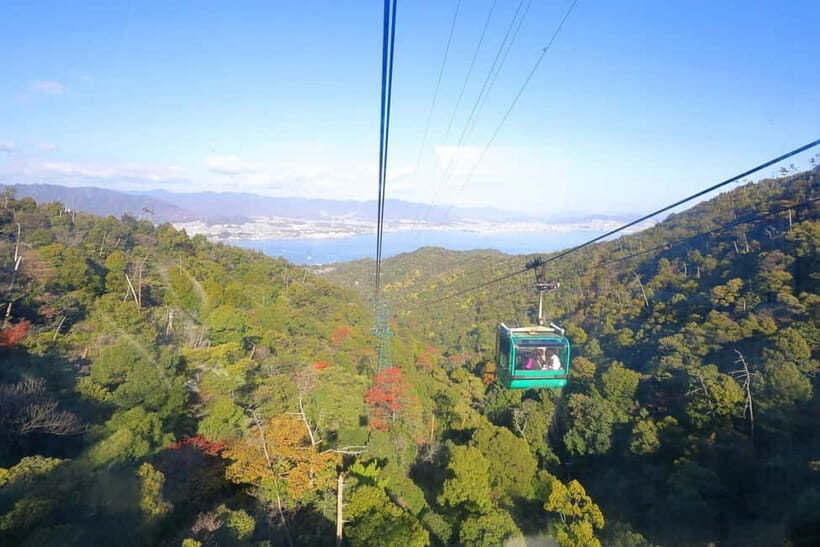
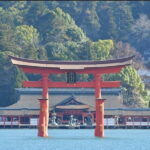
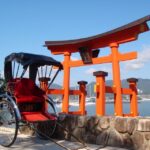
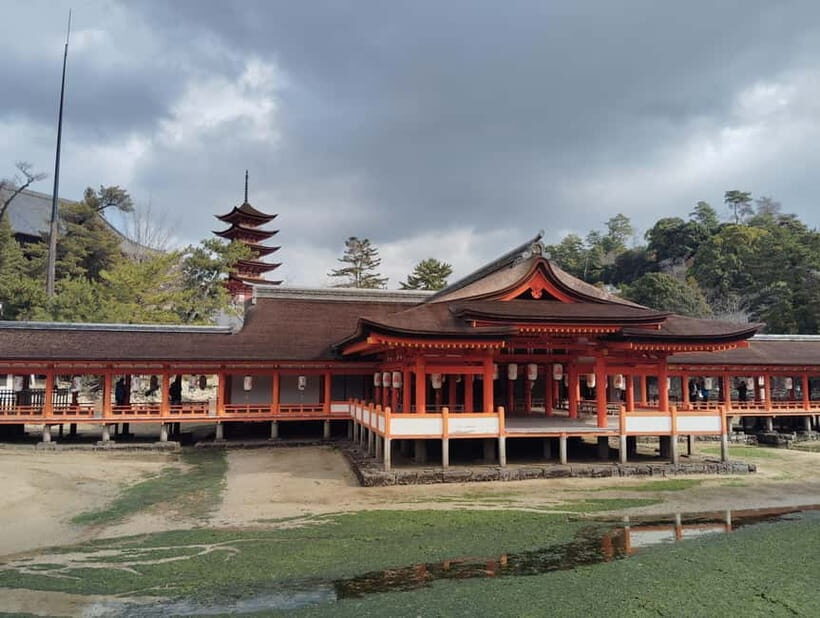
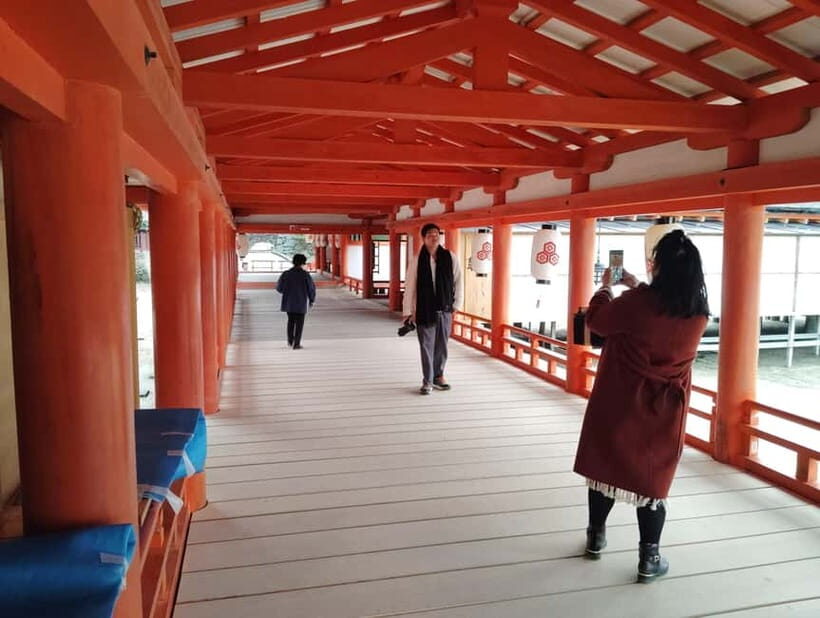
Miyajima (also called Itsukushima) isn’t just scenic. It’s one of Japan’s best examples of a place designed around belief, with nature treated like part of the spiritual framework. You’ll see that right away around Itsukushima Shrine, known for its dramatic architecture over the water.
The tour starts at the Miyajima-guchi Tourist Information Center, where your guide holds a yellow DeepExperience sign. From there, the experience focuses on giving you bearings quickly so the shrine doesn’t feel like a fast blur of buildings and gates. You’ll get a guided visit of the shrine area first, then the day expands upward toward the mountain side.
What I like most here is the way your guide keeps tying visuals to meaning. The shrine’s setting—water, island, and sacred routes—sets up the rest of the day. You’re not only seeing a UNESCO site. You’re learning how people have long treated the coast and the heights as connected spiritual spaces.
Other Miyajima Island tours in Hiroshima
From Torii to the Ropeway: How the day moves upward
After the shrine stop, you’ll take the cable car/ropeway for a lift that makes the summit visit realistic within the time window. The ride itself is part of the experience because it reduces the heavy climbing while still getting you into the higher, cooler-feeling zones of the island.
Next comes the walking segment. You’ll head on foot for about 20 minutes, which is short enough for most people with decent stamina, but long enough to matter if you wear poor shoes. This is exactly why the tour’s “moderate amount of walking” note is worth taking seriously. Comfortable footwear isn’t optional on a day like this.
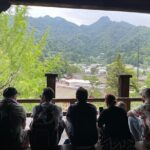
As you go higher, the views tend to change the mood fast. Even when the sky is just average, the feeling is different from the waterfront: more air, more slope, and more of that mountain-worship atmosphere. And if the weather is clear, the summit area is where you understand why people kept returning to Miyajima for spiritual practice instead of just sightseeing.
Shugendo on the mountain: What the guide actually helps you understand
Miyajima is famous for more than Shinto shrine buildings. The sacred story includes mountain worship and Shugendo, a tradition that blends elements of Buddhism, Shinto, and ascetic mountain practice. This tour is built to explain that connection, so the summit isn’t just a viewpoint. It’s a place with a purpose.
Your guide’s job here is to connect the dots between the sea and the mountain. Miyajima is often described as a harmony of beliefs: water rituals, island spirituality, and then the climb toward spiritual heights. When you hear those ideas at the right moment—while you’re moving from shrine settings toward higher paths—you start to “feel” the theme instead of memorizing it.
The best tours don’t lecture. They use what’s in front of you. Here, your guide does that by weaving the meaning of sacred spaces into the routes you walk and the sites you stop at. It helps a lot if you’ve never heard of Shugendo before, because the explanations stay practical and tied to the physical places you’re standing in.
If you get Gordon as your guide (his name came up for more than one group), you’ll likely appreciate the way he shares broader context about Japanese culture and customs—not just facts about Miyajima. One guest described it as like taking a tour with a very informed friend, and that matches what works best on an experience like this: you come away understanding the why, not only the what.
Senjokaku and the five-story pagoda: Spiritual stops that also photograph well
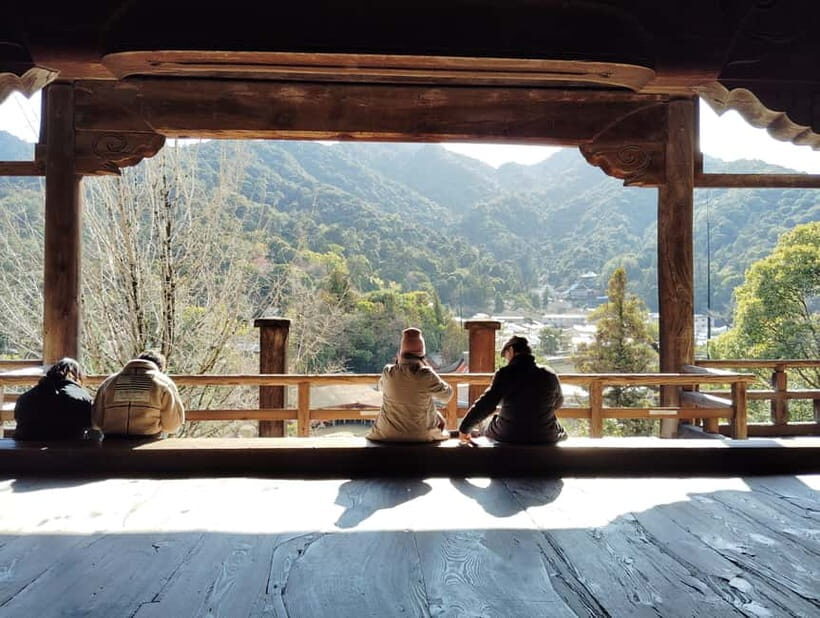
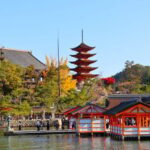
Once you’re up and feeling oriented, the tour shifts to additional sacred landmarks, including Senjokaku Pavilion and the area of Itsukushima Jinja Gojunoto (the five-story pagoda). These stops don’t always get the same crowd attention as the main torii-and-shrine photos, but they fit the story of Miyajima perfectly.
Senjokaku has a different energy than the main shrine area. It feels more open and towering, which helps you imagine the space as a training ground for faith and ritual practice. Even if you’re not chasing religious detail, it’s a great change of pace from the water-edge views.
Then you’ll visit the Gojunoto area with guidance. A pagoda is never just a structure here—it’s part of the island’s spiritual visual language. Your guide helps you see those relationships: how each site supports the bigger idea that sea and mountain are not separate stories on Miyajima.
You’ll also get a short window of free time, which matters on days with changing crowds and shifting light. Use it to take photos slowly, step back from the busiest spots, and revisit anything you want to re-check after your guide’s explanations.
Timing, pace, and what to wear (so you can enjoy the summit)
This is a half-day experience at 330 minutes, so you’re signing up for a steady flow of movement: shrine viewing, ropeway/cable car, a short climb on foot, then more guided stops and a bit of free time. That works well if you like structured days and clear “what matters most” guidance.
Here’s how I’d think about the pace:
- The shrine time is guided and focused, so you get the big picture fast.
- The climb is short but real, about 20 minutes on foot.
- The rest is a mix of guidance and your own breathing room.
What to wear is the difference between a good day and a miserable one. Bring comfortable shoes with solid grip. Add a hat and sunscreen, and pack water even if you think you won’t need it. You’ll be walking enough to get warm, and Miyajima rewards you for not rushing.
Also note the basics: no smoking. It’s a simple rule, but it’s better to know than to get surprised.
Finally, keep your expectations realistic if you have mobility limits. This tour is not suitable for wheelchair users and is listed as not suitable for people with mobility impairments, so choose an alternate plan if walking is difficult for you.
Other Itsukushima Shrine tours in Hiroshima
Price and value: Is $179 worth it for Miyajima?
At $179 per person, you’re paying for a guided structure that includes several key costs. Your ticket includes a professional English guide, admission to Itsukushima Shrine, ropeway fee, and time for the summit visit. Meals are not included.
That inclusion matters. Miyajima isn’t hard to reach on your own, but the value here is how the guide turns the day from sightseeing into understanding. For example, if you’ve never heard of Shugendo, you’d likely spend time Googling or reading while you walk. Here, the explanations are built into the route, and the guide can answer questions on the spot.
Also consider this: private group guiding means you’re not stuck in a large scramble. The day is still time-bound, but having a guide who can adjust pacing for your questions (and, in at least one case, help when someone needed support due to a fall) is a real part of the value.
If you want a checklist tour, DIY can be cheaper. But if you want Miyajima to make sense—sea faith, mountain faith, and why the sites are where they are—this format often feels like better value than trying to figure it out alone while fighting crowds.
Who this tour fits best (and who should skip it)
This experience is ideal if you want the highlights without guessing. It suits you best if you:
- Want Itsukushima Shrine plus a summit viewpoint in one day
- Like guided context about Japanese religious traditions, especially Shugendo
- Prefer a private English experience over large-group navigation
You might skip it if:
- You use a wheelchair or have significant mobility limitations (the tour isn’t suitable)
- You hate any uphill walking at all, even short segments
- You want total freedom to wander without any guided stops
A small practical tip: plan for the summit weather. Even when the sea area is comfortable, higher spots can feel different. Bring what’s listed—hat, sunscreen, water—and you’ll handle most conditions better.
Should you book this Hiroshima: Itsukushima Shrine and Miyajima Summit Tour?
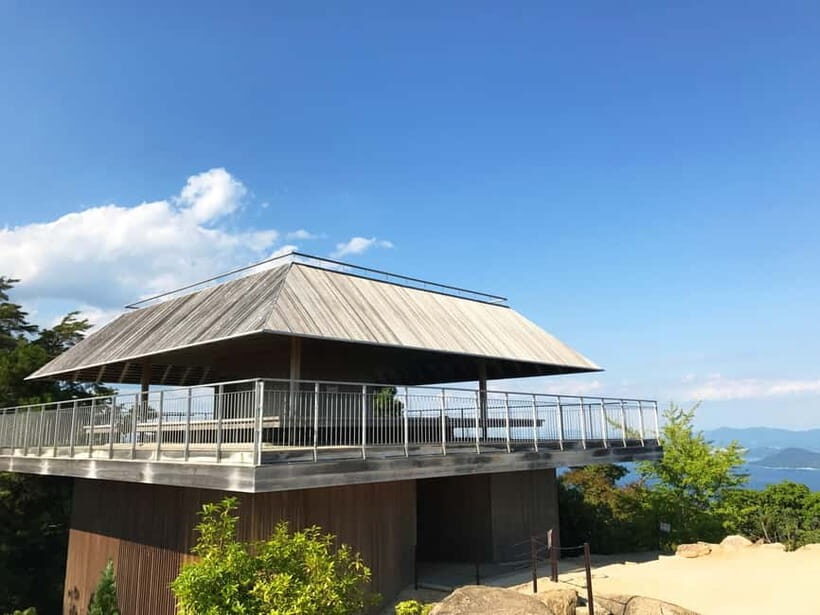
Book it if you want Miyajima to feel like a connected story—torii over water, then the climb toward sacred heights, with Shugendo explained in a way that makes the scenery click. The combination of included shrine admission, ropeway fee, and summit visit means you’re not constantly recalculating costs mid-day.
Pass or look for an alternative if walking is a problem for you, or if your ideal day is slow, casual, and flat. This is a meaningful climb-and-walk day, not a gentle stroll.
If you do book, set yourself up for success: wear supportive shoes, bring water, and let your guide do the heavy lifting on the cultural meaning. That’s where the experience shines—not only in what you see, but in how quickly you understand why Miyajima has drawn pilgrims for centuries.
FAQ
How long is the Hiroshima: Itsukushima Shrine and Miyajima Summit Tour?
The total duration is 330 minutes.
Where is the meeting point?
Meet in front of the Miyajima-guchi Tourist Information Center. The guide will be holding a yellow DeepExperience logo sign.
Is the tour guided in English?
Yes. It has a live English tour guide.
What’s included in the price?
The tour includes a professional guide, admission to Itsukushima Shrine, a visit to the summit of Miyajima, and the ropeway fee.
Are meals included?
No. Meals are not included.
Is this tour private?
Yes. The group type is listed as a private group.
How much walking is involved, and is it wheelchair-friendly?
You should expect a moderate amount of walking. It is not suitable for people with mobility impairments and not suitable for wheelchair users.
What should I bring?
Bring comfortable shoes, a hat, camera, sunscreen, and water.
Can I cancel after booking?
You can cancel up to 24 hours in advance for a full refund.