REVIEW · HIROSHIMA
Peaceful Hiroshima & Miyajima UNESCO 1 Day Bus Tour
Book on Viator →Operated by Japan Panoramic Tours · Bookable on Viator
Two worlds in one day. This Peaceful Hiroshima & Miyajima UNESCO tour pairs moving WWII sites with the famous red torii at Itsukushima Shrine.
I love how the day is structured so you see the big hitters without turning it into a logistics project. The second half shifts gears to Miyajima’s gentler island rhythm.
My favorite part is the value: entrance fees are included at key stops, and the round-trip ferry to Miyajima is handled for you. Add an English-speaking guide plus in-bus audio in several languages, and you get context fast without hunting for explanations.
One possible drawback: it’s still a set route with fixed departure/return, and the Hiroshima memorial sites can feel crowded at peak times. If you need lots of solitude, you may want to mentally plan for group flow.
In This Review
- Key things to know before you go
- Why this Hiroshima and Miyajima day trip works when time is tight
- Price and what you really get for $129.25
- Getting oriented: 10:00 departure, max 45 riders, and bus comforts
- The castle stop built in 1589: a quick pause before heavy history
- Hiroshima’s Atomic Bomb Dome, Peace Memorial Park, and Museum
- Atomic Bomb Dome: 15 minutes that you’ll feel longer
- Peace Memorial Park: a free walk through remembrance
- Peace Memorial Museum: the one-hour reality check
- A real contrast day: ferry crossing and Miyajima’s slower pace
- Miyajima Island time and the okonomiyaki lunch option
- Itsukushima Shrine: the torii-in-the-water view and what to watch for
- Daishoin Temple: rainbow Jizo statues and a calmer second act
- What the guides do that makes the day feel easy
- Practical tips so the schedule doesn’t beat you
- Should you book this tour or plan your own day?
- FAQ
- What is the duration of the Peaceful Hiroshima & Miyajima UNESCO 1 Day Bus Tour?
- How much does the tour cost per person?
- What’s included in the ticket price?
- Is the ferry to Miyajima included?
- What time does the tour start, and where does it begin?
- Are there any food options besides lunch?
- Do I need to pay admission for the Hiroshima Peace Memorial Museum and Miyajima sites?
- Is there audio in English during the bus ride?
- What happens if the Peace Memorial Museum is closed during my travel dates?
- How big is the group size?
Key things to know before you go
- Admissions are covered for the Peace Memorial Museum, Miyajima Island, and Itsukushima Shrine.
- Ferry tickets are included, so you’re not scrambling for boats once you’re on the mainland.
- English-speaking guides vary, but you’ll likely hear from guides such as Rino, Marin, Momiji, or Mo—each praised for energy and clear explanations.
- The bus ride includes multilingual audio (EN, FR, ES, IT, DE, PT, UA) plus free Wi‑Fi.
- Your Hiroshima morning is heavier, then Miyajima brings a calmer contrast with shrine views and temple stops.
Why this Hiroshima and Miyajima day trip works when time is tight
If your Hiroshima stay is short, this kind of day tour can be the smartest choice you make. You’re covering Hiroshima City’s most important WWII-related memorials in the morning, then you cross to Miyajima for Itsukushima Shrine and temple scenery later. It’s a one-day “greatest hits” route, but it’s not random. There’s an emotional arc.
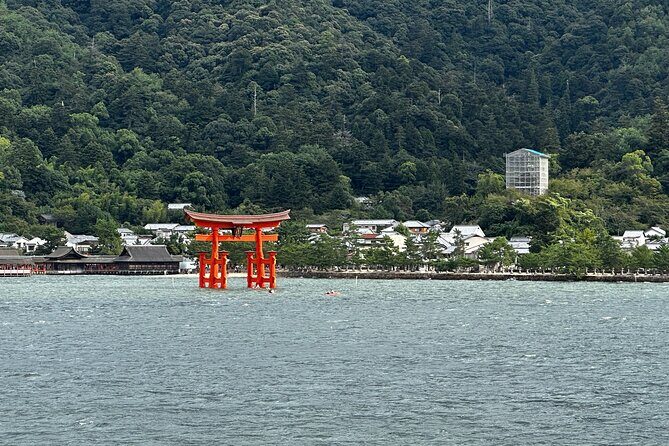
The Hiroshima portion is not about sightseeing. It’s about remembering, learning, and staying respectful while you walk through places tied to Aug 6, 1945. Then Miyajima gives you a totally different mood: sea air, shrine architecture, and that iconic torii that looks like it belongs to the water.
And yes, you do it by comfortable air-conditioned coach. After a day with trains, walking, and transfers, that matters more than you’d think.
Other Miyajima Island tours in Hiroshima
Price and what you really get for $129.25
At $129.25 per person, you’re paying for more than transportation. The tour includes several items that add up quickly if you plan them yourself:
- Admission for the Hiroshima Peace Memorial Museum
- Ferry access between JR Nishinihon Miyajima Ferry routes (round trip)
- Admissions for Miyajima Island and Itsukushima Shrine
- Entrance fees are included for the listed major stops
When a tour includes museum entry and ferry logistics, it reduces your risk of wasted time. You don’t have to map “where do I buy tickets, where do I queue, what do I need to reserve” while you’re already in a busy sightseeing day. You just show up, meet the group, and go.
Is it the cheapest option in Hiroshima? Probably not. But it’s one of the most time-efficient ways to see both UNESCO areas in the same day without turning the trip into a checklist marathon.
Getting oriented: 10:00 departure, max 45 riders, and bus comforts
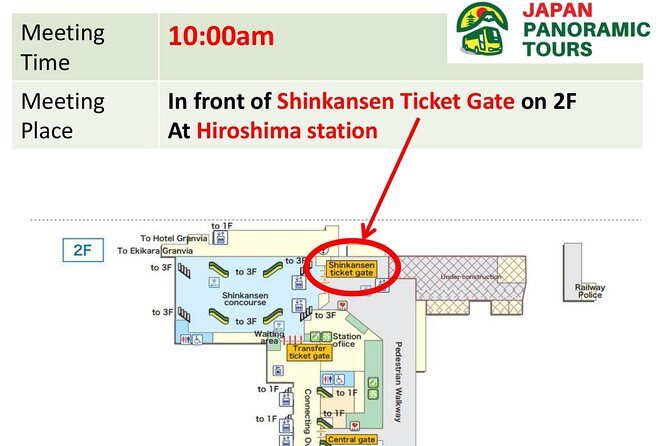
This tour starts at 10:00 am and runs for about 8 hours. It ends back at the meeting point, and there’s no hotel pickup or drop-off. The good news is the meeting spot is near public transportation, so it’s workable if you’re already using trams or local trains.
The group size is capped at 45 travelers, which is large enough to keep it lively but small enough that you’re usually not lost in a crowd of hundreds. In practice, that’s what helps the pacing stay manageable.
On the bus, you get multilingual audio guidance (English plus French, Spanish, Italian, German, Portuguese, Ukrainian) and free Wi‑Fi. That’s helpful when you’re tired. You can focus on listening and looking out the window instead of trying to read your phone while traffic rattles the ride.
Also, the itinerary order can shift based on traffic, weather, and operations. That means you’ll want to keep a flexible attitude. One traveler noted that their group visited the Peace Memorial Museum later in the day, which can feel better if you’d rather warm up mentally before you go heavy.
The castle stop built in 1589: a quick pause before heavy history
Before the memorials, you’ll stop at a castle site tied to 1589. The way it’s explained is simple: you can see the main building, while smaller defensive houses aren’t part of what you’ll access here. The note is that the world had moved toward peace by then, so the castle wasn’t purely a fortress.
Think of this as a mental warm-up. You’re moving from layers of Japanese history into WWII memory. That transition can be smoother when there’s at least one “ordinary history” moment in the middle of a long day.
Keep your expectations realistic: this is a short stop. It’s not a full deep dive into Sengoku-era architecture. But it sets context for how long Hiroshima had a life before 1945.
Hiroshima’s Atomic Bomb Dome, Peace Memorial Park, and Museum
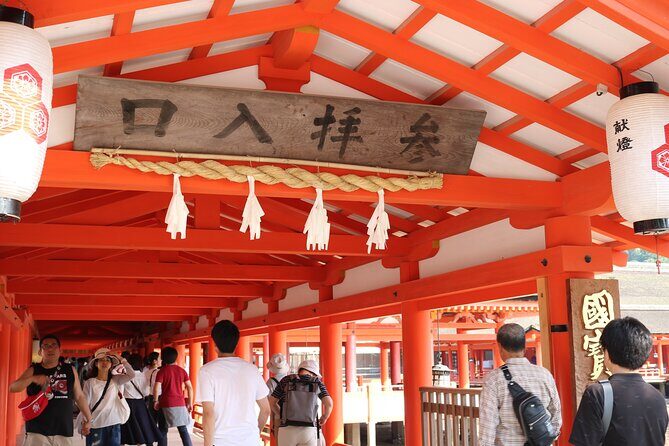
The Hiroshima schedule hits you in the morning—then it doesn’t let you forget why.
Other Hiroshima and Miyajima combo tours in Hiroshima
Atomic Bomb Dome: 15 minutes that you’ll feel longer
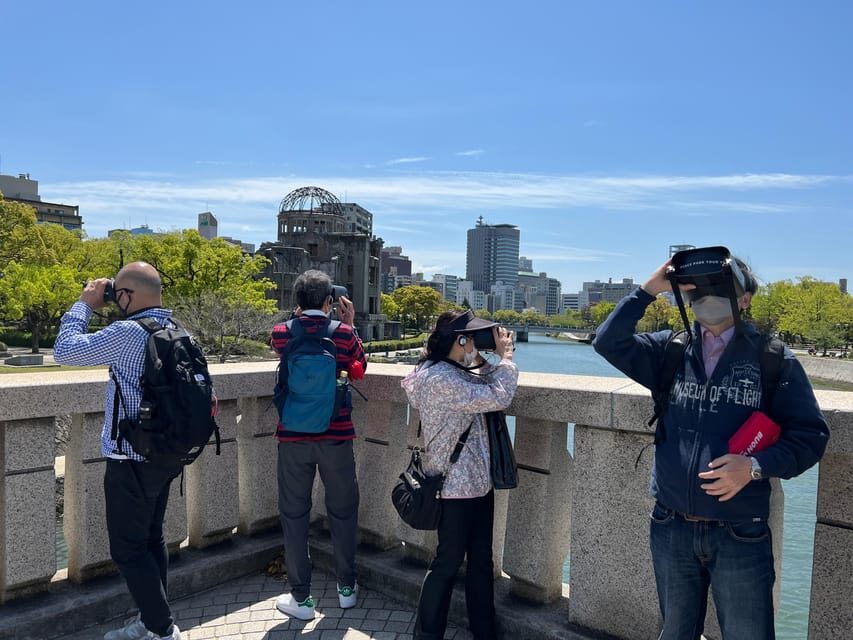
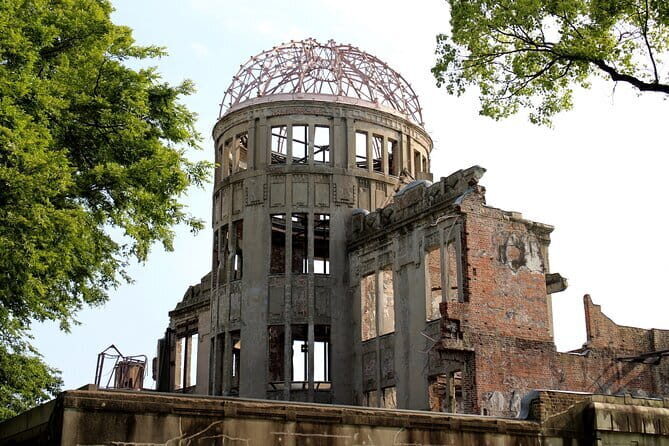
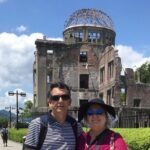
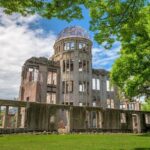
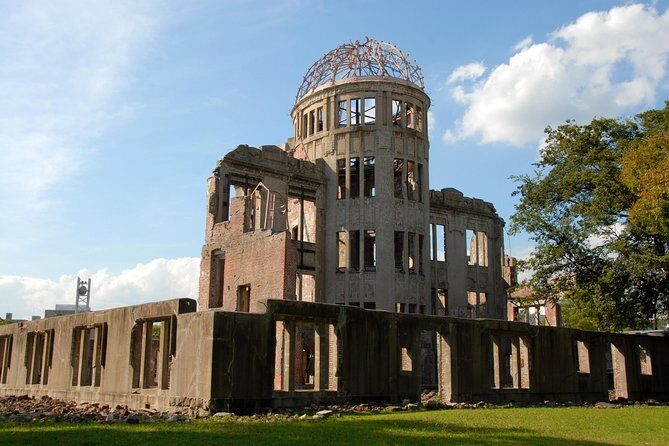
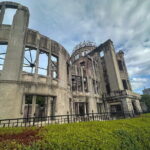
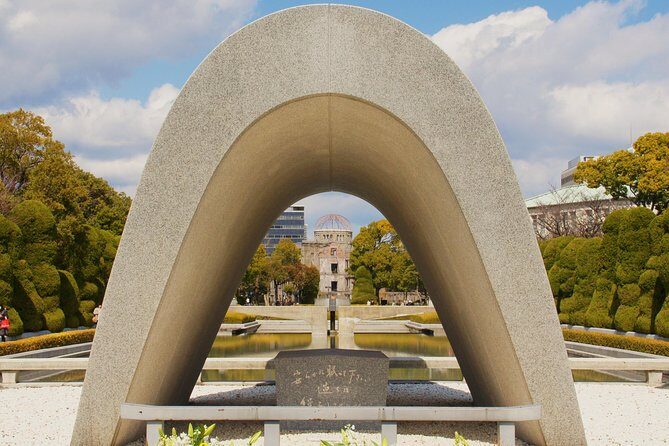
Your first big stop is the Atomic Bomb Dome. It’s a preserved ruin of the Hiroshima Prefectural Industrial Promotion Hall, located close to the bomb’s epicenter on Aug 6, 1945. The dome is brief to visit, but it’s visually unforgettable: the bones of a building left standing as a marker of what happened.
Fifteen minutes goes fast. The trick is to use those minutes actively: look from different angles, then stand still and let the scene sink in. If you’re photographing, do it slowly. This isn’t a place where you want to rush the moment.
Peace Memorial Park: a free walk through remembrance
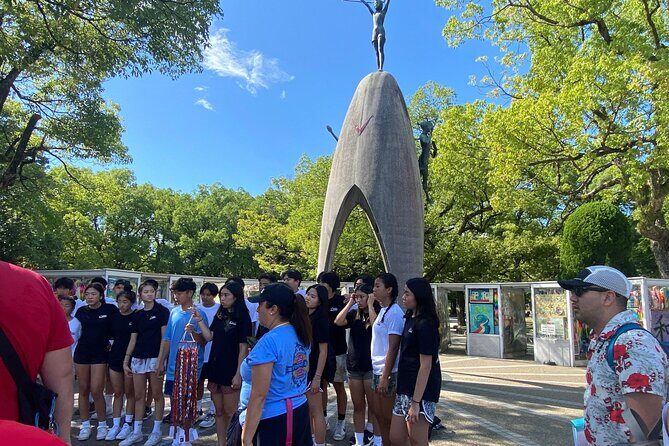
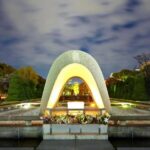
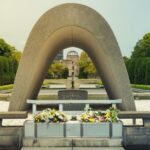
Next is Hiroshima Peace Memorial Park, where the most important monuments cluster—starting with the Atomic Bomb Dome. Admission is free for the park, which makes it easy to move at your own pace.
The park is designed for walking and thinking. If your group moves on quickly, you can still slow down for 30 seconds at a time at key points. Even small pauses help you absorb what you’re seeing.
Peace Memorial Museum: the one-hour reality check
The Hiroshima Peace Memorial Museum is where your visit becomes more personal. It opened to the public in 1954 and includes over 50 peaceful monuments, along with exhibits built around personal stories, photographs, and artifacts.
This stop runs about 1 hour and includes museum admission. It can be emotionally intense. The best approach is not to force yourself to understand everything at once. Let the exhibits do what they’re designed to do: explain, remember, and show the cost of violence.
A practical note: the Peace Memorial Museum is included in the tour price. So if you’re tempted to skip it to “save time,” don’t. This tour’s value is really tied to getting you through this part efficiently and respectfully.
Museum closure window to watch for
If you’re traveling in the window Feb 16–21, 2026, the Peace Memorial Museum is closed for exhibit replacement. In that case, the tour visits an alternative: the Hiroshima National Peace Memorial Hall for the Atomic Bomb Victims. The tour warns that no refunds will be issued due to this change, so check dates before you book.
A real contrast day: ferry crossing and Miyajima’s slower pace
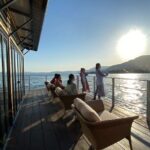
After the memorial morning, the day shifts. You take the JR Nishinihon Miyajima Ferry on the tour’s schedule. The ferry ride is short—about 20 minutes each way in the itinerary plan—but it’s long enough to change your brain.
This is where you get the contrast the route is famous for. One half is about human loss and survival after 1945. The other half is about a scenic island with shrines built on the sea.
If you’re feeling emotionally drained after the museum, this ferry pause can be a relief. It doesn’t erase anything. It just helps you reset so the rest of the day doesn’t feel like one long museum hallway.
Miyajima Island time and the okonomiyaki lunch option
Once you arrive on Miyajima, you get about 50 minutes of island time. If you chose the lunch option, the plan includes okonomiyaki—Hiroshima-style savory pancake. The tour notes the key difference vs Osaka-style: Hiroshima’s variation tends to be cooked and served with its own local method and ingredients.
If you didn’t pick lunch, you’re free during that block to explore and snack on your own. One important caution: Miyajima days often attract crowds, and your time is limited. So treat this as your “move, look, and pick one thing” window rather than a wandering day.
Also, remember Miyajima isn’t flat like a museum floor. If you’re planning photos, bring a steady walking pace. Shoes matter more here than in Hiroshima City.
Itsukushima Shrine: the torii-in-the-water view and what to watch for
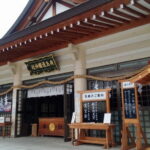
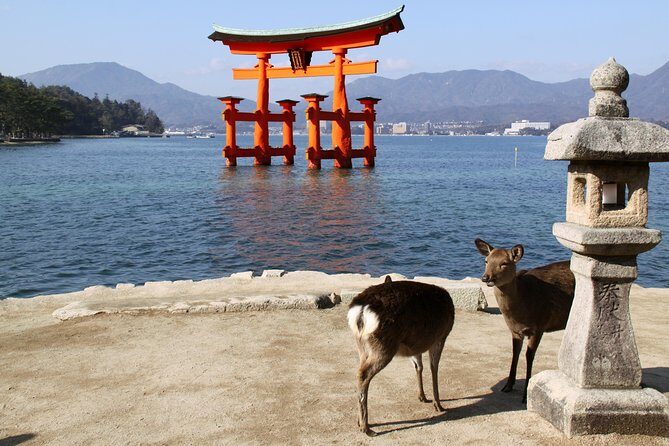
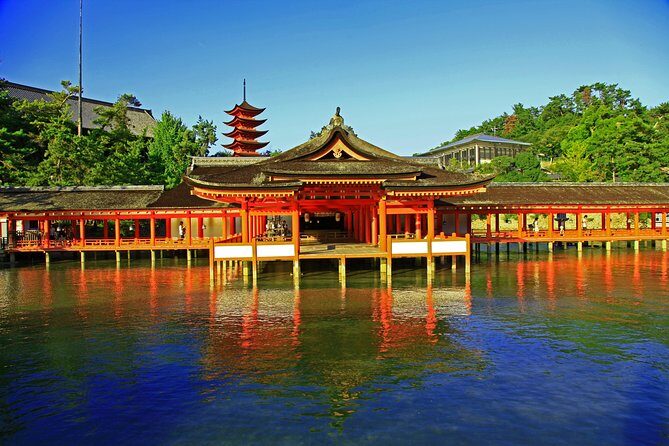
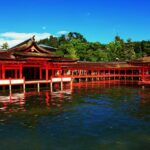
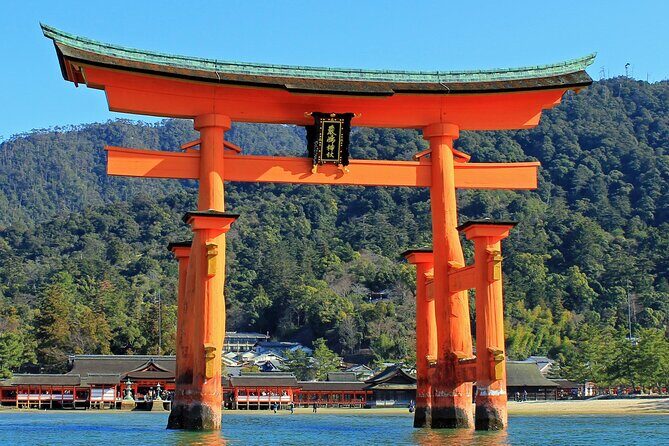
The highlight on Miyajima is Itsukushima Shrine. Your visit is about 50 minutes, and admission is included.
The tour explanation connects several facts that make the place click:
- The shrine was built in 593 by imperial authority, with major rebuilding in 1168 by Kiyomori Taira.
- It was built on the sea, based on the belief that Miyajima island was sacred to a goddess.
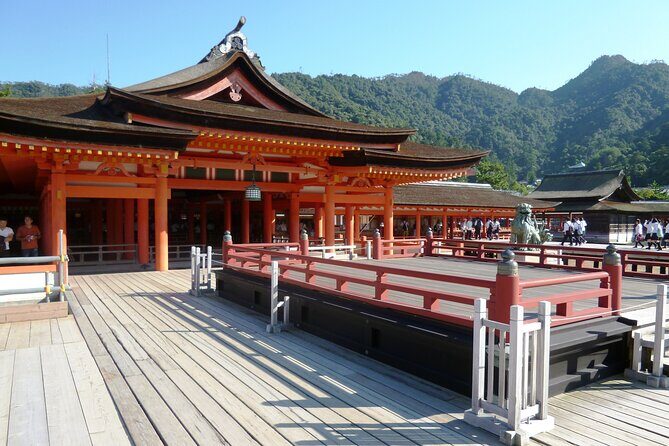
- The signature torii gates create the famous floating-on-water effect (even though the view depends on tide and timing).
You’ll get to see it, but you also need to watch your timing. If you arrive when the view lines up well, it feels like the torii is hovering. If not, it still matters—it’s just different. Plan to look for the way the shrine structure frames the water.
This stop is where many guides shine. In multiple accounts, guides like Marin and Rino are praised for keeping the group moving at a comfortable pace while still giving you enough time to look, not just take a quick snapshot and go.
Daishoin Temple: rainbow Jizo statues and a calmer second act
After Itsukushima, you’ll visit Daishoin Temple for about 30 minutes. Admission is free here.
Daishoin is popular partly because it’s photogenic, but it also feels more personal than some of the main shrine areas. The tour notes the presence of many Jizo guardian statues dressed in rainbow-colored costumes, plus a relaxing Buddha statue and lanterns you can spot as you move through the grounds.
If Itsukushima is your “icon moment,” Daishoin can be your “breathing moment.” It’s still on the same island, but it’s a different visual language—more statues, paths, and smaller details to notice.
And yes, Miyajima has deer. One traveler pointed out they can be bold. Nothing suggests you can avoid them entirely, so the best plan is simple: watch your step, keep food secured, and don’t assume they’ll behave like cute postcards.
What the guides do that makes the day feel easy
The biggest theme across guides’ names—Rino, Marin, Momiji, and Mo—is not just information. It’s energy plus control.
You’ll likely notice:
- The guide keeps people organized without feeling bossy.
- Explanations stay clear enough that you don’t need to decode everything alone.
- Some guides add humor and small extra context that makes the long day go smoother.
- At least one account mentions a guide helping with personal suggestions and even teaching a few Japanese phrases.
That may sound small, but for a day trip, it changes the whole experience. You’re not just “seeing stops.” You’re understanding what you’re seeing, then moving on at the right time.
Practical tips so the schedule doesn’t beat you
This is an all-in-one day. Here’s how to make it feel good instead of stressful.
- Plan for crowds at the memorial sites. Even with a good tour, you may experience crowd flow. Keep your focus on the content, not the bottleneck.
- Wear comfortable shoes. You’re walking at several locations—plus Miyajima’s island terrain.
- If you chose lunch, remember your lunch is listed as vegetarian (no pork, no seafood; yes eggs and yes gluten). If you have severe allergies, the tour states there’s no allergy-free lunch, so choose the no-lunch option and bring your own.
- Bring a charger plan. Wi‑Fi is on the bus, but you still want power for navigation and photos.
- Keep your expectations flexible: the order can change depending on traffic and weather, and the tour specifically notes that if a place is closed, they’ll try to attend an alternative.
Should you book this tour or plan your own day?
Book this tour if you want the highest value use of your time in the Hiroshima area. It’s built for people who want both UNESCO experiences—Hiroshima memorial sites and Miyajima’s famous shrine—without piecing together ferry tickets, museum entry, and multiple transit steps.
Don’t book it if you’re the type who needs total control over pacing. You’re on a schedule. If that makes you anxious, you might prefer a more flexible plan. Also, if you’re very sensitive to crowded spaces, Hiroshima’s memorial areas may feel intense.
FAQ
What is the duration of the Peaceful Hiroshima & Miyajima UNESCO 1 Day Bus Tour?
It runs for about 8 hours.
How much does the tour cost per person?
The price listed is $129.25 per person.
What’s included in the ticket price?
The tour includes an English-speaking local guide, air-conditioned vehicle, multilingual audio guidance on the bus, entrance fees for Hiroshima Peace Memorial Museum, Miyajima Island, and Itsukushima Shrine, and a round-trip ferry ride. Lunch is included only if you select the lunch option.
Is the ferry to Miyajima included?
Yes. Round-trip ferry tickets are included.
What time does the tour start, and where does it begin?
The tour starts at 10:00 am. It begins at Currency ExchangeJapan, Hiroshima, Minami Ward, Matsubarachō, 2 (Unnamed Road, 1 松原町南), and it ends back at the meeting point.
Are there any food options besides lunch?
Food and drinks are not included unless specified. If you select lunch, the tour includes a vegetarian lunch (no pork, no seafood; eggs and gluten are included). There is no allergy-free lunch.
Do I need to pay admission for the Hiroshima Peace Memorial Museum and Miyajima sites?
No. Admission for the Hiroshima Peace Memorial Museum, Miyajima Island, and Itsukushima Shrine is included.
Is there audio in English during the bus ride?
Yes. Audio guidance is available inside the bus in English and also in French, Spanish, Italian, German, Portuguese, and Ukrainian.
What happens if the Peace Memorial Museum is closed during my travel dates?
From Feb 16 to Feb 21, 2026, Hiroshima Peace Memorial Museum will be closed for exhibit replacement. The tour will visit an alternative site, Hiroshima National Peace Memorial Hall for the Atomic Bomb Victims, and no refunds are issued due to this change.
How big is the group size?
The tour has a maximum of 45 travelers.