REVIEW · HIROSHIMA
Walking Through History: Hiroshima’s Path to Peace
Book on Viator →Operated by Ghani Explorer · Bookable on Viator
Hiroshima has a way of sticking with you. This 2-hour walking tour takes you through the city’s most important peace sites with a PhD scholar guide, turning monuments into context you can actually use. I especially love the small group size (max 8), which keeps the pace thoughtful and the questions coming. One consideration: the topic is heavy, and one stop is a museum where guides can’t speak inside, so you’ll experience part of it on your own.
What made it feel worthwhile to me is the smart time-saving at the museum. The experience includes getting your Peace Memorial Museum entrance ticket in advance so you can skip the long line, and then you still come away with the big-picture meaning behind the exhibits and names you’ll see around the park.
In This Review
- Key Things You’ll Like About This Hiroshima Peace Walk
- Why This 2-Hour Walk Works in Hiroshima
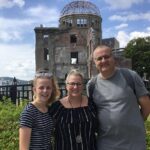
- Atomic Bomb Dome: Start With the UNESCO Landmark
- Peace Bell, Children’s Monument, and Peace Flame: Symbols With a Purpose
- Peace Memorial Hall and Museum: Quiet Reflection Meets Self-Guided Time
- Cenotaph, Gates of Peace, and Expanding the Message Beyond One Day
- Pace, Price, and What You Should Wear
- Who This Tour Is Best For (and Who Might Want Another Option)
- Should You Book This Hiroshima Peace Walking Tour?
- FAQ
- What is the duration of the Walking Through History Hiroshima tour?
- How much does the tour cost?
- Where do I meet, and where does the tour end?
- How big is the group?
- Is the museum ticket included, and will I be able to skip the line?
- Will the guide speak during the museum visit?
- Are admission fees included for the other stops?
- What format is the ticket?
- Can I cancel for free?
Key Things You’ll Like About This Hiroshima Peace Walk
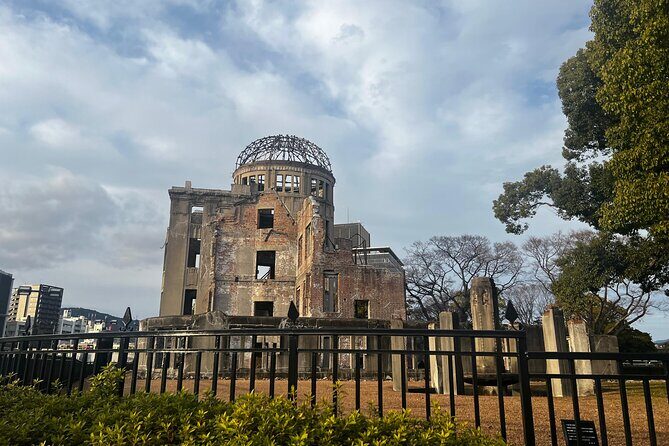
- Atomic Bomb Dome first: start at the UNESCO-listed remains so the rest of the park lands with impact
- Peace Bell and Peace Flame: symbolic spots that help you connect the message to world nuclear disarmament
- Multiple victim memorials: including a monument for Korean victims and a children’s memorial inspired by Sadako Sasaki
- Peace Memorial Hall + Museum access: quiet reflection paired with pre-purchased museum entry
- A practical 2-hour route: designed around short stops you can handle comfortably without racing
- Guides who manage the pace: people describe guides slowing down when needed and answering questions
Why This 2-Hour Walk Works in Hiroshima
If your time in Hiroshima is tight, this tour is built for focus. You spend about 2 hours moving through the Peace Memorial Park area and nearby memorials, with short visits that don’t turn into a marathon of standing still.
The best part is that the tour doesn’t just point at sights. It frames what you’re seeing—why each structure exists, what message it’s trying to carry forward, and how the story of Aug. 6 connects to the idea of peace today. The small group (up to 8) helps a lot, because you can actually ask questions and get answers that aren’t rushed.
You’ll also like the practical setup. It uses a mobile ticket, it’s near public transportation, and it ends at the Gates of Peace, so you’re not stuck walking back through the park when you’re emotionally done for the day.
Other Peace Memorial Park tours in Hiroshima

Atomic Bomb Dome: Start With the UNESCO Landmark
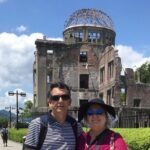
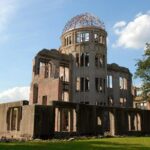
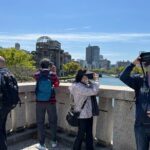
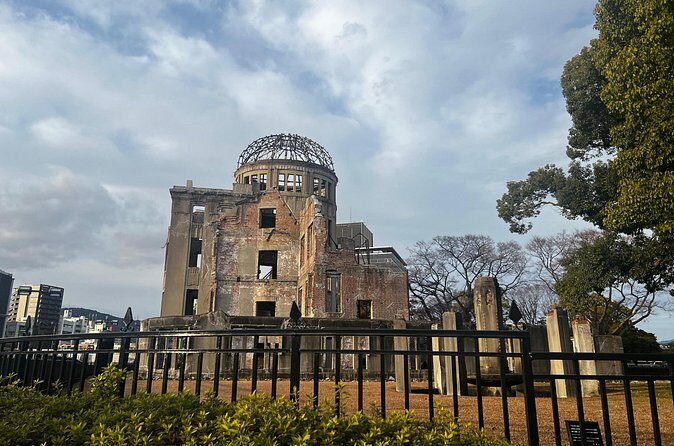
Your first stop is the Atomic Bomb Dome, a UNESCO World Heritage Site. Seeing it at the beginning matters because it anchors everything else you’ll learn afterward. You’re not starting with concepts; you’re starting with a place.
Plan for the emotional weight here. This is a ruined building preserved as a warning and a record, and it doesn’t try to soften the reality. You’ll get context about the events surrounding Aug. 6, and that early framing makes the later memorials feel less symbolic and more personal.
The good news: this stop is timed at about 20 minutes, with admission listed as free. That means you get enough time to look, read, and take a few photos without the tour constantly yanking you forward.
Peace Bell, Children’s Monument, and Peace Flame: Symbols With a Purpose
Next you move through a sequence of memorial symbols that are easy to overlook on your own. A walking tour helps because it gives you a reason to pause—and a way to understand what each pause means.
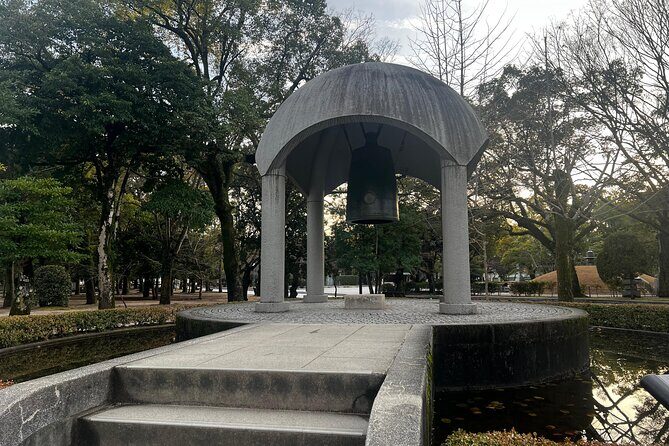
The Peace Bell is brief (about 10 minutes), but it’s powerful. It’s dedicated to harmony and a world without nuclear weapons, and the deep, echoing sound is meant to make you stop thinking only about history and start thinking about what comes next.
Then there’s the Monument to Korean Victims and Survivors. It’s about remembrance and recognition, honoring Korean people affected by the bombing and acknowledging their suffering and contributions to Hiroshima’s history. This is one of the spots I think most first-timers appreciate, because it broadens the story beyond the most famous headline.
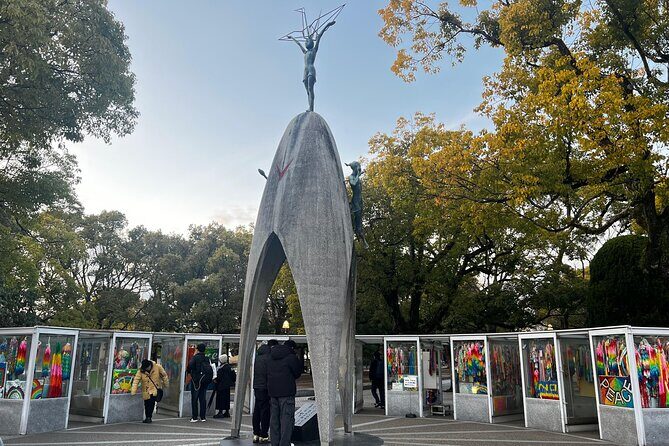
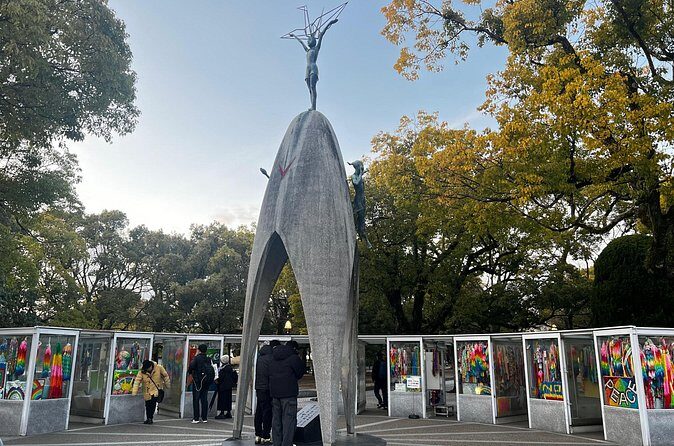
The Children’s Peace Monument adds another layer. It’s inspired by Sadako Sasaki, the young girl who folded paper cranes in hope of survival. When you’re standing there, you can understand why this isn’t just a tribute to children—it’s also about the human insistence on hope even when hope is hard.
Finally, you reach the Peace Flame, burning continuously since 1964. It stays lit as a commitment to a world without nuclear weapons and is meant to remain on until nuclear arms are abolished. The flame is a simple thing to look at, but the message is not. It pushes the tour from remembrance into responsibility.
All of these stops are listed with free admission, and each is given a focused time window (often around 10 minutes). That keeps the pacing respectful without leaving you numb from too much at once.
Peace Memorial Hall and Museum: Quiet Reflection Meets Self-Guided Time
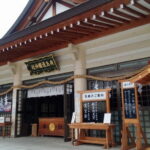
After the outdoor monuments, you’ll get a change of pace at the Hiroshima National Peace Memorial Hall for the Atomic Bomb Victims. It’s designed for quiet reflection, and it highlights victims through personal stories, photographs, and survivor testimonies. The building’s design encourages you to contemplate rather than rush.
You’ll spend about 20 minutes here. That’s enough time to read what you can and to sit with the parts that hit hardest. If you’re the kind of traveler who likes to stand back and absorb a room, this stop rewards you.
Then comes the Hiroshima Peace Memorial Museum experience. Here’s the key practical detail: the tour includes getting your entrance ticket in advance so you can skip the long line. But the guide isn’t allowed to speak inside the museum, so you’ll visit on your own during that time.
That setup can actually be a plus. It gives you space to read and watch without commentary competing with the exhibits. Just know what you’re walking into: the museum is structured so that the names, photos, and accounts do the talking.
If you’re visiting during hot weather, I’d plan to take breaks where you can. The outdoor stops are shaded only in spots, and one guide accommodation mentioned that they slow down in the shade when it’s oppressively hot—worth keeping in mind if you’re sensitive to heat.
Cenotaph, Gates of Peace, and Expanding the Message Beyond One Day
As the tour wraps, you’ll reach two memorial stops that help widen the message.
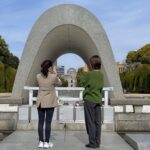
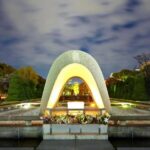
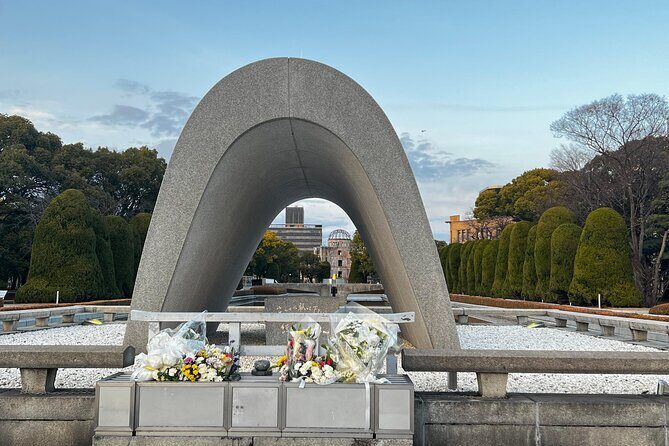
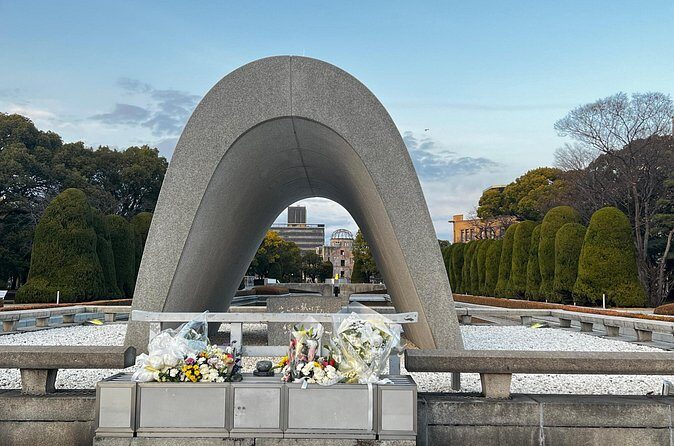
The Hiroshima Peace City Monument Cenotaph for the Atomic Bomb Victims is about remembrance and accountability. It’s an arched monument inscribed with the words Let all the souls here rest in peace, for we shall not repeat the evil. It also holds the names of all known victims of the atomic bombing, which makes it feel less like a general statement and more like a roll call you can’t ignore.
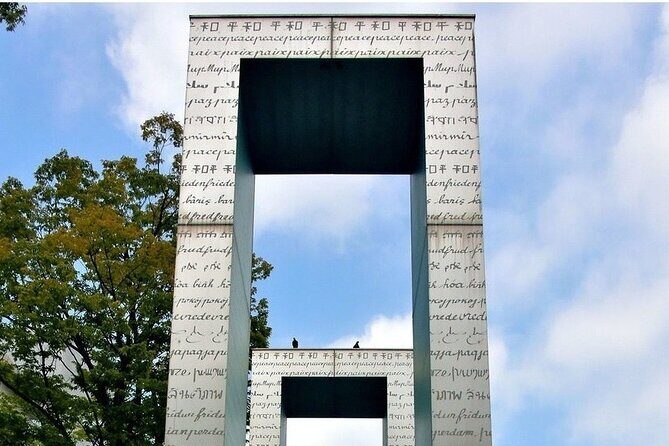
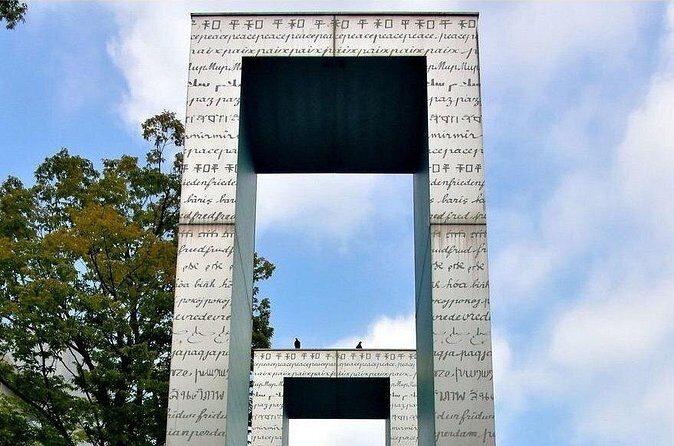
Next are the Gates of Peace. These glass gates are inscribed with the word peace in multiple languages, emphasizing Hiroshima’s message of harmony as a universal one. You also end the tour here, which is a smart finish: it feels like a transition from grief into shared hope.
You’ll spend about 10 to 20 minutes at each of these, and the general theme is the same—this city is still talking, even when you’ve moved on from the buildings.
Other walking tours we've reviewed in Hiroshima

Pace, Price, and What You Should Wear
This tour costs $31.63 per person and is typically booked about 14 days in advance. For that price, you’re paying for more than entry tickets. The value is in interpretation, timing, and the fact that the museum ticket is handled so you don’t lose your energy to waiting.
It also helps that the group max is 8 travelers. That usually means fewer people blocking your view, more chances to ask questions, and a pace that doesn’t feel like you’re being herded.
Duration is about 2 hours, and you’re doing multiple short stops rather than one long attraction. That’s ideal if you’re also planning to see Hiroshima on your own before or after. One detail I’d take seriously: wear comfortable shoes. People describe the walk as easy on the flat, but it’s still walking and you’ll likely stop for photos and reading.
You don’t have to worry about paid admissions at most stops. The tour lists free admission for the outdoor memorial sites, and it includes the museum ticket arrangement. So your money goes into the guided structure and context—not into a long menu of separate purchases.
Who This Tour Is Best For (and Who Might Want Another Option)
This experience fits best if you want a guided route through Hiroshima’s Peace Memorial Park without spending your precious time figuring out what to prioritize. It’s also a good choice for first-timers who don’t want to miss the major memorial themes: the Atomic Bomb Dome, children’s remembrance, victims from different backgrounds, and the symbolism of peace efforts.
It’s also a strong pick if you like asking questions. In the tour style described, guides actively involve you and answer questions in real time, with time built into the schedule to ask and process.
If you’re someone who gets overwhelmed easily by intense topics, you might want to mentally pace yourself. This is about nuclear destruction and human loss, and no tour can fully soften that. The good news is that the schedule is broken into stops and reflection moments, so you can control your pace a little better than if you attempted everything independently in one long day.
If you need a super quiet, fully self-paced experience, the museum rule (no guide speaking inside) might feel like a mismatch. But if you’re okay reading on your own for a portion of the visit, it can actually feel grounding.
Should You Book This Hiroshima Peace Walking Tour?
If you’re going to Hiroshima and you care about understanding what you’re seeing, I’d book this. The combination of a PhD scholar guide, a compact route, and smart museum timing makes it a strong value at $31.63.
I’d especially recommend it if:
- you have limited time and want an organized path through the most important memorials
- you want context for the symbols like the Peace Bell, Children’s Peace Monument, and Peace Flame
- you’d like a small-group setting where questions and pacing actually matter
Book it if you can handle emotional sites and you’re comfortable doing a few hours of walking and standing in and around the park.
FAQ
What is the duration of the Walking Through History Hiroshima tour?
It lasts about 2 hours.
How much does the tour cost?
The price is $31.63 per person.
Where do I meet, and where does the tour end?
The start is at 1-chōme-10-1 Ōtemachi, Naka Ward, Hiroshima. The tour ends at Gates of Peace, 4-15 Nakajimachō, Naka Ward, Hiroshima.
How big is the group?
The tour has a maximum of 8 travelers.
Is the museum ticket included, and will I be able to skip the line?
Yes. The Hiroshima Peace Memorial Museum entrance ticket is purchased in advance so you can skip the long line.
Will the guide speak during the museum visit?
No. The guide is not allowed to speak inside the museum, so you’ll visit that part on your own.
Are admission fees included for the other stops?
Admission is listed as free for the other memorial stops on the route.
What format is the ticket?
You receive a mobile ticket.
Can I cancel for free?
Free cancellation is offered. You can cancel up to 24 hours in advance for a full refund. If you cancel less than 24 hours before the start time, the amount paid is not refunded.