Saijo turns sake into something you can actually understand fast. In about 90 minutes, you’ll hit three breweries near Saijo Station, with an English guide explaining what makes each producer’s styles different.
What I like most is how this tour gives you real tasting variety: daiginjo, junmai-shu, and plum wine (umeshu-style). You also get a short video and brewery-focused explanations, so the samples make sense instead of feeling random. One thing to consider: this is a tasting tour, so you won’t be able to watch the brewing process.
In This Review
- Key points before you go
- Why Saijo is the best quick stop for Hiroshima sake
- Saijo Station meeting and the 90-minute walking rhythm
- Stop 1: Saijo at the station, where the guide sets the tasting frame
- Stop 2 Kamotsuru: the Daiginjo Gold starting point
- Stop 3 Fukubijin: Junmai-shu and a seasonal warm-sake moment
- Stop 4 Hakubotan: Hiroshima Gensyu and plum wine soaked in daiginjo-shu
- What you’re really learning from 5 tastings in 90 minutes
- Price and value: $35.93 for three breweries and a guided tasting
- Timing tips so you get the most out of each short stop
- Who this tour is best for (and who might not love it)
- A simple checklist: what to know about alcohol age and participation
- FAQ
- FAQ
- How long is the Hiroshima Saijo sake tasting tour?
- Where do I meet for the tour?
- How many breweries does the tour visit?
- What do we taste during the tour?
- Can I observe the sake brewing process?
- Is there an age limit?
- Is the tour in English?
- Can I try warm sake?
- What happens if plans change and I need to cancel?
- Should you book this Hiroshima Saijo sake tasting tour with 3 breweries?
Key points before you go
- Three breweries, one tight route: walkable stops around Saijo Station make the schedule work in about 1.5 hours.
- A focused tasting lineup: you sample 5 different types of sake (plus plum wine) tied to each brewery’s signature.
- English guide included: you’ll get clear context for what you’re tasting and why each style exists.
- Winter-friendly option: one stop includes the chance to try warm sake during winter season.
- Weekday tasting can be tricky elsewhere: this tour is designed so you can still sample at breweries that don’t always do weekday tastings.
- No brewing viewing: you get the taste and explanation, not the tank-and-mash visuals.
Why Saijo is the best quick stop for Hiroshima sake
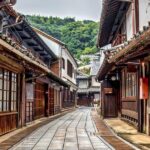
Saijo is one of Japan’s three major sake-producing regions, and that matters because you’re not just trying random bottles. You’re tasting a regional approach: how local producers handle rice polishing, fermentation choices, and flavor targets to build clean, precise sake styles that Hiroshima is known for.
The practical advantage is geography. There are seven sake breweries within walking distance of Saijo Station, which is why this tour can cover three of them without turning your day into a transportation project. In other words, you get breadth without losing time.
Other sake tours in Hiroshima
Saijo Station meeting and the 90-minute walking rhythm
The tour starts at Saijo Station at the tourist information center right outside the ticketing gate. The listed start address for the activity is the Higashihiroshimashi Information Centre, but the schedule itself points you to the Saijo Station tourist info as your meeting point, with the tour beginning around 10:30 am.
Plan for a short, guided walking flow where each stop is timed. You’re not hanging around for long shopping breaks, so if you want photos, go quickly and don’t drift. Also note that the order of the breweries can change depending on group numbers, so follow the guide’s lead.
One more thing: the group max is 10 people, which usually means you’ll have enough room to ask questions and not feel like you’re trapped in a crowd.
Stop 1: Saijo at the station, where the guide sets the tasting frame
Stop 1 is basically your anchor point: you meet and get oriented. Even though the listed time here is short, it’s a useful moment because the guide’s job is to help you taste with purpose later.
This matters because sake styles can feel similar when you’re just grabbing glasses. A good orientation helps you notice differences like dryness, aroma, and how “smooth” or “sharp” the finish feels, especially once you move into premium categories.
Stop 2 Kamotsuru: the Daiginjo Gold starting point
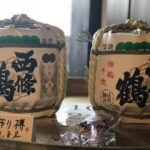
At Kamotsuru Sake Brewery, the tour begins with a 10-minute video introduction to sake making and a tasting focus on a daiginjo-type sample.
Kamotsuru is known as a pioneer in ginjo sake brewing, and the stop is built around that identity. You’ll taste Daiginjo Gold Kamotsuru in the visitor room, and this is your first real chance to compare what a more refined style tastes like.
What to listen for from the guide: the explanation won’t be just “this is good.” It’ll frame the style so you can link the aroma and texture to what ginjo/daiginjo styles aim for. If you like wine, think of this like the first glass that sets your palate for the rest of the flight.
Practical note: this stop is listed at 20 minutes and is marked with admission ticket free, which helps the tour feel straightforward.
Stop 3 Fukubijin: Junmai-shu and a seasonal warm-sake moment
Fukubijin is one of the stops that adds variety beyond “just another tasting.” The brewery is described as having been called the Saijo Brewing School, and it’s credited with producing many outstanding master brewers. Even if you don’t know the names of the people behind that legacy, the point is the same: Fukubijin is framed as an education-and-craft kind of producer.
During this stop, you taste Fukubijin Junmai-shu. The tour also notes something practical and genuinely fun: you can try warm sake during winter season. That matters because warm sake can change aroma and soften the perception of sharp edges, so your tasting experience won’t just be about reading labels.
One drawback to keep in mind: the visit time here is listed at 15 minutes, so you’ll need to slow down while you taste. If you rush, you might miss how junmai can feel more rounded or earthy compared to more polished styles.
Also, this stop is listed with admission ticket not included, so double-check what’s covered on the day. The tour does include the sake tastings, but the fine print can vary by stop.
Other Saijo sake brewery tours in Hiroshima
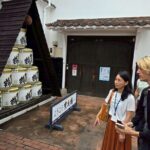
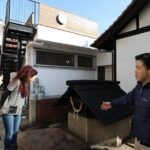
Stop 4 Hakubotan: Hiroshima Gensyu and plum wine soaked in daiginjo-shu
Hakubotan is one of the more historic stops. It’s described as one of the oldest sake breweries in Hiroshima Prefecture, founded in 1675. When you taste at a place with that kind of timeline, the point isn’t that “old is better.” The point is that the brewery has had a long time to refine what it does well.
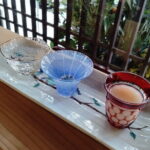
Here you’ll taste Hiroshima Gensyu and also plum wine soaked in daiginjo-shu. That plum wine angle is a big deal because it expands the tasting beyond straight sake. It gives you something sweet-fruity that still has that sake backbone, which is great if you want a palate break or you’re not sure you’ll like dry sake.
This stop is also 15 minutes and marked with admission ticket not included. The tour’s included tasting portion should cover what you’re there for, but it’s worth keeping an eye on any extra local charges.
What you’re really learning from 5 tastings in 90 minutes
This tour includes sampling 5 different types of sake. You’ll also likely encounter at least one fruit-based alcoholic drink via the plum wine soaked in daiginjo-shu. That mix makes the lesson practical: it trains your palate without requiring you to become a sake scholar.
Here’s the tasting learning arc you can expect:
- Daiginjo-type first (Kamotsuru): typically more about aroma and a refined feel.
- Junmai (Fukubijin): tends to come off with more body and a more “classic” sake profile.
- Plum wine component (Hakubotan): gives you sweetness and fruit lift while still staying in the sake ecosystem.
The guide’s explanations are key because they help you understand what you like. When you can match what you tasted to the style categories you hear, you’re more likely to buy bottles you’ll actually enjoy later.
A good bonus: the tour is designed so you can sample even at breweries that don’t always offer tastings on weekdays. That’s a real value, because sake tourism can be frustrating if a place is closed to tastings when you visit.
Price and value: $35.93 for three breweries and a guided tasting
Let’s talk value in a real-world way.
At $35.93 per person, you’re paying for three things that are hard to replicate on your own without planning:
1) a tight schedule across multiple breweries,
2) an English guide who explains what each brewery produces, and
3) a tasting lineup that includes 5 different types of sake.
If you tried to do this independently, you’d spend time coordinating brewery visits, checking weekday tasting availability, and deciding what to try at each stop. Even if you only like one or two styles, the tour still earns its keep because it helps you identify your favorites quickly.
Also, group size is small (max 10), which improves the experience without pushing the price way up.
One more note: the tour fee doesn’t change if you choose not to drink alcohol, since it’s set as a tasting tour with included beverages. If you’re not drinking, bring patience and curiosity anyway—you’ll still get the explanations and the tasting context.
Timing tips so you get the most out of each short stop
This experience runs about 1 hour 30 minutes total. That’s short enough that every minute matters, so here are practical ways to get more out of it:
- Take a small sip, then pause. Your first reaction can be misleading.
- When the guide explains a style, link it immediately to the taste you’re holding.
- If you want warm sake, pay attention when the stop mentions winter warm-sake options.
- Keep an eye on the group flow. If you wander for photos, you’ll miss the explanation that makes the tasting click.
Because the tour can change the order of breweries depending on group size, don’t plan your day as if the sequence is fixed.
Who this tour is best for (and who might not love it)
This tour is a strong match if you want:
- an easy intro to Hiroshima Saijo sake,
- a guided, tasting-first path instead of a self-guided crawl,
- and a mix of styles including daiginjo-type, junmai, and plum wine.
It’s also ideal for people who are visiting on a weekday, because the tour is designed to overcome the reality that some breweries don’t always do tastings every day.
You might want to choose a different option if you specifically want to see the brewing process. This one explicitly notes you won’t be able to observe brewing, so you’re coming for sampling and explanation, not production-room access.
A simple checklist: what to know about alcohol age and participation
Japan’s legal drinking age is 20. Participants under 20, including infants, are not allowed to join. So plan accordingly if you’re traveling with younger people.
If you’re traveling with a group, also keep in mind the tour is only 10 travelers maximum, so it’s not a huge open party.
The tour uses a mobile ticket, which usually makes check-in easier, and you’ll have an English guide on board. Spanish-speaking guides can also be arranged if you inquire in advance.
FAQ
FAQ
How long is the Hiroshima Saijo sake tasting tour?
The tour duration is about 1 hour 30 minutes.
Where do I meet for the tour?
You meet at the tourist information center at Saijo Station, located right outside the ticketing gate. The activity listing also shows a start address at the Higashihiroshimashi Information Centre.
How many breweries does the tour visit?
You visit three sake breweries: Kamotsuru, Fukubijin, and Hakubotan.
What do we taste during the tour?
The tour includes 5 different types of sake tasting, and the Hakubotan stop includes plum wine soaked in daiginjo-shu.
Can I observe the sake brewing process?
No. This is a tasting tour, and you will not be able to observe the brewing process.
Is there an age limit?
Yes. The legal drinking age in Japan is 20. Participants under 20, including infants, are not allowed to join.
Is the tour in English?
Yes, it includes an English guide. Spanish-speaking guides can also be arranged if you inquire in advance.
Can I try warm sake?
During the winter season, the Fukubijin stop indicates you can try warm sake.
What happens if plans change and I need to cancel?
You can cancel for a full refund if you cancel at least 24 hours before the experience’s start time. Free cancellation is offered.
Should you book this Hiroshima Saijo sake tasting tour with 3 breweries?
If you’re here for Hiroshima sake and you want fast, focused answers, I’d book it. Three breweries, a small group, and five tastings in about 90 minutes is exactly the kind of structure that helps you go home knowing what you like instead of guessing.
Skip it only if your main goal is watching sake production. This tour trades production-room access for tasting variety and clear explanation, and that trade is worth it for most first-timers. If you can be at Saijo Station by the start time and you’re at least 20, this is a very efficient way to understand the Saijo style—and pick a couple bottles to hunt down after.