REVIEW · HIROSHIMA
The Peace Memorial to Miyajima : Icons of Peace and Beauty
Book on Viator →Operated by Pinpoint Traveler, Inc · Bookable on Viator
Hiroshima and Miyajima in one long day. This small-group tour strings together Hiroshima’s WWII remembrance sites—Peace Park, Atomic Bomb Dome, and the Peace Memorial Museum—with the calm beauty of Miyajima Island and Itsukushima Shrine. It runs about 8 hours with local tram, bus, and ferry connections, and ends back in central Hiroshima for an easy follow-up day plan.
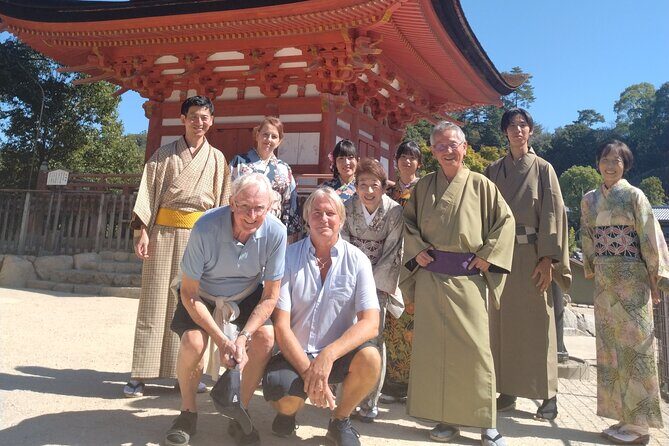
I love the max of eight people. That size makes it easier to move at a human pace through the park and museum, and ask questions without a whole crowd shouting back at the guide. I also like that the English-friendly local guides—names like Kensuke Ohguchi or Yuka Yoshida show up in feedback—tend to keep the day organized and on-time while still explaining what you’re seeing. One possible drawback: the itinerary leans on public transportation, so if connections feel slow that can make the $167.44 price tag feel heavy for the commute time.
In This Review
- Key points before you go
- How this Hiroshima–Miyajima tour really feels in a single day
- Hiroshima Peace Memorial Park: where the morning sets the tone
- Atomic Bomb Dome and the tight 20 minutes that still matter
- Peace Memorial Museum: how to use your 1 hour without feeling rushed
- Miyajima Island: a 2-hour reset after Hiroshima’s gravity
- Itsukushima Shrine: 1.5 hours that turn the scenery into the story
- Getting there and moving around: public transport is part of the deal
- Guide quality: why names like Kensuke and Yuka matter
- Price and value: what $167.44 includes (and what it doesn’t)
- Practical tips to make the day feel easier
- Should you book this Hiroshima Peace Memorial to Miyajima tour?
- FAQ
- What is the duration of the tour?
- How many people are in the group?
- Where do I meet the guide?
- Where does the tour end?
- Which stops are included during the day?
- Are attraction tickets included?
- Is lunch included?
- What transportation costs are included?
- Is the tour canceled if the weather is bad?
- Can I get a refund if I cancel?
Key points before you go
- Max of 8 people means a calmer Peace Memorial Park and museum experience.
- Tickets are included for Hiroshima Peace Memorial Park, Peace Memorial Museum, and Itsukushima Shrine (Atomic Bomb Dome is free).
- Public tram, bus, and ferry fares are included, but you’re still riding the real system.
- A full Miyajima block (about 2 hours on the island) plus 1.5 hours at Itsukushima Shrine.
- Optional professional photographer-guide upgrade if you want more help with photos.
- English-speaking local guides are a major plus, with Kensuke and Yuka mentioned often in feedback.
How this Hiroshima–Miyajima tour really feels in a single day
This is one of those days with two moods. Morning goes solemn, with time around Hiroshima’s WWII remembrance sites. Later, you shift to Miyajima’s softer rhythm—walking streets, seasonal color like red maples, and the famous red gate atmosphere.
You start at 8:30am at a very local meeting point: the 7-Eleven Hiroshima Motoyasubashi East Store near Ōtemachi. You end at Hiroshima Station, which is handy because it keeps your evening flexible. The tour runs about 8 hours, and the route includes a fair bit of walking—enough that the moderate fitness note matters.
The biggest value for me is the pairing: you don’t just see one side of Hiroshima. You see the memorial work and then you see why people also travel here for nature and culture. That contrast lands emotionally, and it also helps you remember the day as more than a list of stops.
Other Miyajima Island tours in Hiroshima
Hiroshima Peace Memorial Park: where the morning sets the tone
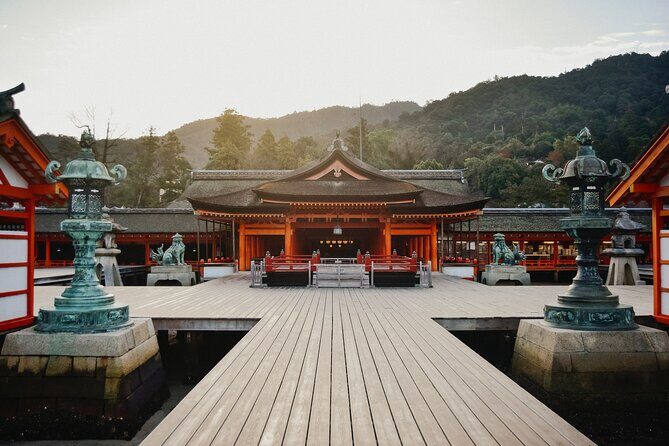
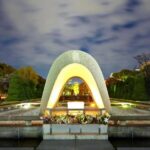
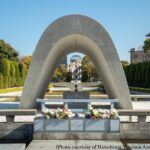
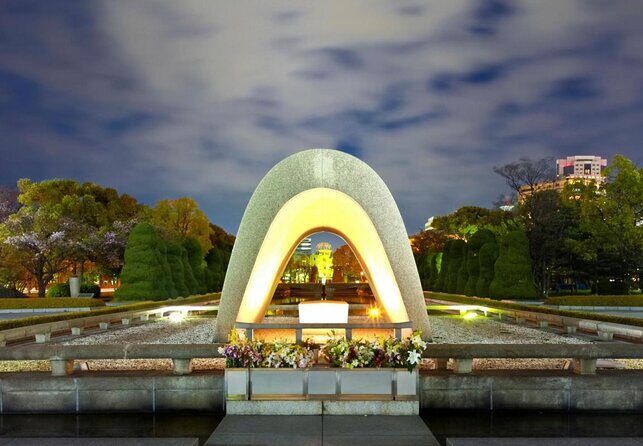
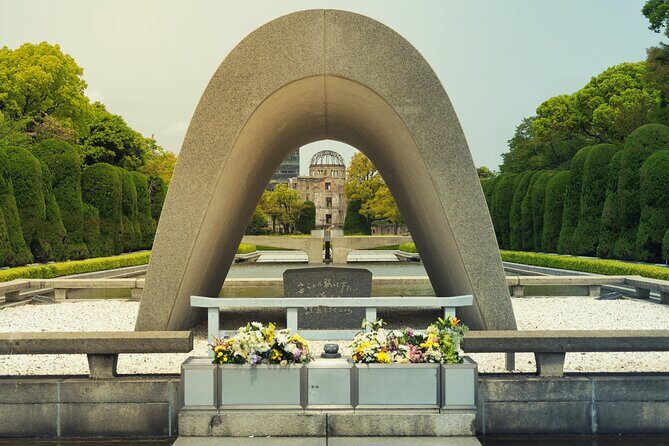
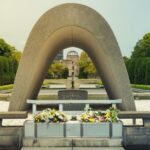
Your first stop is Hiroshima Peace Memorial Park, with about 2 hours there and admission included. The setting is peaceful in a physical sense—green areas and quiet water nearby—yet the content you’re absorbing is heavy. I like that the timing gives you room to slow down rather than sprint past things.
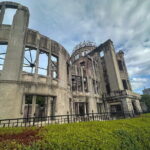
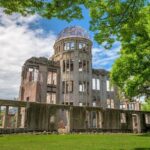
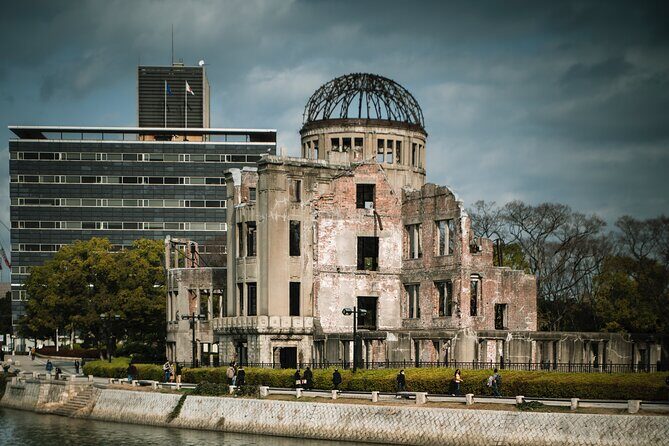
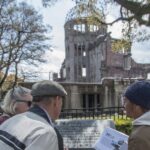
At this park, you’ll encounter the Atomic Bomb Dome (UNESCO World Heritage Site). Even when you know the story ahead of time, it tends to hit harder in person because the site preserves the memory of August 6, 1945. Your guide’s job here is usually twofold: explain the history in clear language and help you pace your time so you don’t miss key moments.
A practical note: for sites like these, I plan my photos and my attention. I keep my phone away until I’ve read what I can, then I take a few careful pictures. It makes the time feel intentional rather than distracted.
Atomic Bomb Dome and the tight 20 minutes that still matter
Right after the park time, you get a 20-minute stop at the Atomic Bomb Dome. The ticket note says free admission, so this is more about observation than entry logistics.
Twenty minutes is short, but it’s not nothing. If you use the time well, you can do three things:
- Look at the dome as a structure first
- Read the context you’re given
- Take a breath and let it register
If your mind wants to race ahead, this is where a calm guide explanation helps you stay present. The dome is a known landmark, but the point isn’t the photo. It’s the memory preserved by the building’s survival.
Peace Memorial Museum: how to use your 1 hour without feeling rushed
Next comes the Hiroshima Peace Memorial Museum for about 1 hour, with admission included. One hour sounds tight until you remember museum time can expand instantly if you read everything in detail. The smartest approach is to go in with a plan—pick what you want to understand most.
Here’s what works for me:
- Start by listening to your guide’s framing
- Then choose one theme to focus on for the hour (how events unfolded, human impact, or peace messaging)
- Leave yourself a last few minutes to re-check anything that made you stop
Feedback on this tour commonly praises guide timing—especially the way the day is structured so you can see what matters in the museum without feeling panicked at the end. That small-group pacing is the quiet hero here.
Miyajima Island: a 2-hour reset after Hiroshima’s gravity
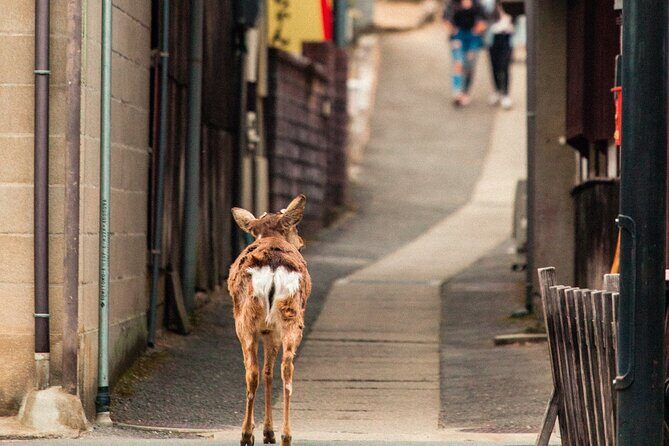
After Hiroshima’s memorial sites, the tour heads to Miyajima. You get about 2 hours on the island, and the ticket entry is free for this portion.
This is your reset. Miyajima is known for traditional settings and the natural scenery that makes people linger. You’ll walk past streets and architecture, and you’ll likely notice seasonal red maples mentioned in descriptions of the area. Even if the day already feels long, Miyajima’s pace helps you mentally transition.
One thing I appreciate: you’re not expected to cram everything in two hours. You get enough time to enjoy the atmosphere and still make it to the next stop without cutting the emotional thread.
Other Peace Memorial Park tours in Hiroshima

Itsukushima Shrine: 1.5 hours that turn the scenery into the story

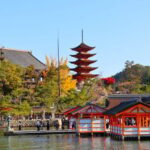
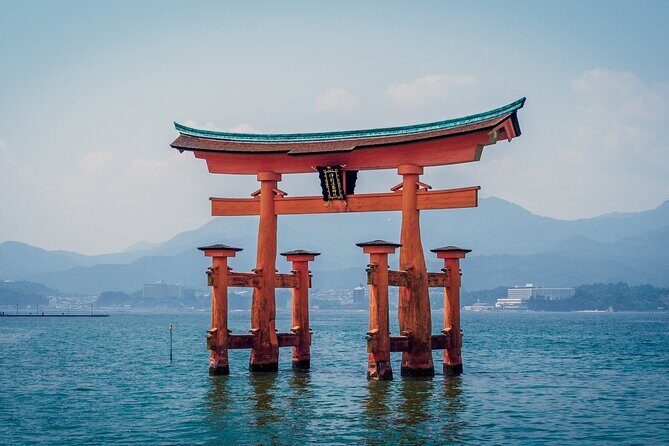
Your final major site on Miyajima is Itsukushima Shrine, with about 1 hour 30 minutes and admission included. This shrine is famous for how it looks in its setting, and it’s tied to the idea of the floating red gate that many people come to see.
That timing is generous enough to do more than a quick circuit. You can slow down, look around, and let the shrine’s layout sink in as you move through the area. With a small group, you also tend to have more flexibility to adjust your pace if you’re stopping for a view or stepping aside for photos.
A good strategy is to treat the shrine time as two halves: one for orientation (understand where you are and how the area is arranged), and one for lingering where the views feel best. The guide helps you avoid wandering in circles.
Getting there and moving around: public transport is part of the deal
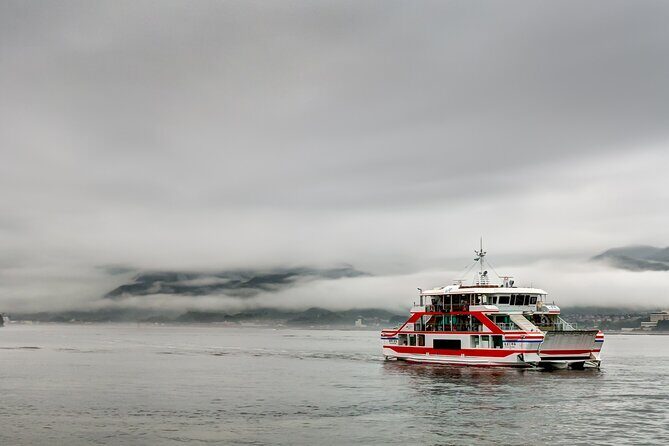
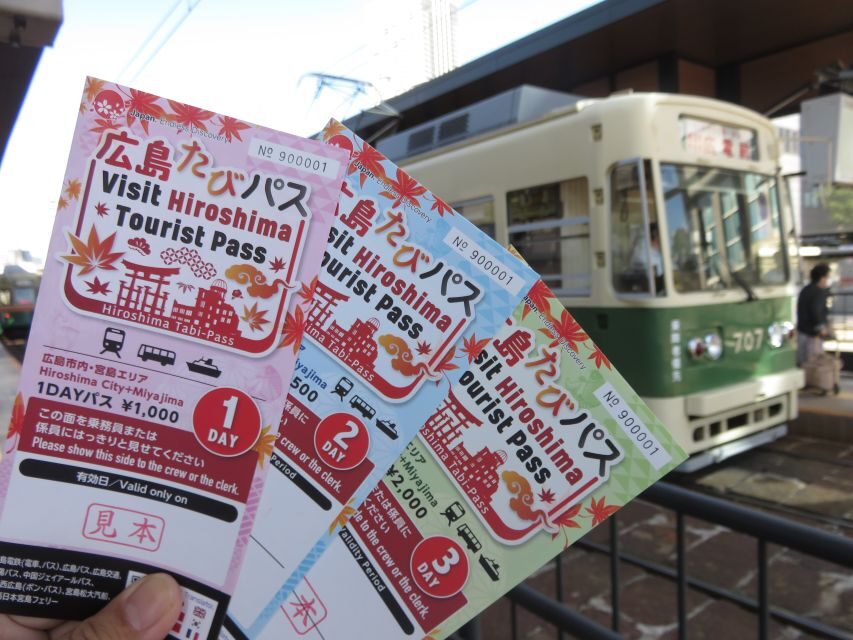
The tour includes public transportation fares—tram, bus, and ferry. That means you’re not paying each leg separately, which is a real cost-saver.
But you should still expect a commute day. Public routes depend on schedule and conditions. And Miyajima in particular is a place where ferry timing can change with the day’s real-world factors. If you’re the type who needs a perfectly predictable timeline, public transport can feel stressful.
I’ll be blunt: you’re not on a private car-and-driver day. You’re on a shared transport day where the guide’s skill is partly about reading the system—knowing which connections work and helping your group stay together.
If you’re worried about time, build buffer into your expectations. This tour is designed to fit the big sights into one run. That means you’ll trade some spontaneity for coverage.
Guide quality: why names like Kensuke and Yuka matter
The best part of this experience is usually the person holding the day together. In feedback, Kensuke Ohguchi is repeatedly praised for clear English, strong local context, and good timing around the Peace Memorial sites. Another name that comes up is Yuka Yoshida, also noted for clear explanations and an excellent Miyajima portion.
What I look for in a guide on a day like this:
- They can explain history in a way that helps you connect dots
- They manage time so the museum isn’t rushed and the shrine visit isn’t cut short
- They keep the group together without turning the day into a drill
Small groups help here. When there are up to eight people, guides can answer questions more directly and adjust the pace for your group’s needs. If someone in your group asks something that matters, you’re less likely to get shut down by the schedule.
Price and value: what $167.44 includes (and what it doesn’t)
At $167.44 per person, this tour isn’t cheap. The key question is what you get for the money.
Here’s the value math I’d do:
- You get admission included for Hiroshima Peace Memorial Park, Peace Memorial Museum, and Itsukushima Shrine
- You also get public transport fares covered (tram, bus, ferry)
- The group size is max eight, not a huge bus load
- The day is structured to cover the major Hiroshima memorial sites plus Miyajima’s standout shrine
What’s not included is lunch. So you’ll need to budget for food and plan your timing if you’re picky about meals.
If you were trying to do this combo on your own, you’d be paying for tickets, figuring out train and ferry routes, and losing time to planning. For many people, that planning time is the hidden cost. This tour trades some flexibility for smooth coverage and fewer moving parts.
Also worth noting: there’s an option to book with a professional photographer-guide. If that upgrade is important to you, it can justify the price further. If you’re happy with basic smartphone photos, you might keep it simple.
Practical tips to make the day feel easier
A long day is still a long day. These are the kinds of choices that keep the day pleasant rather than exhausting:
- Wear shoes you can trust for uneven pavement and steady walking. The tour calls for moderate physical fitness for a reason.
- Bring a small water bottle and something light to snack on, even though lunch isn’t included. When you’re moving, hunger can ruin your attention.
- Set your expectation that the day is emotional in the morning. The museum and dome are not places for skimming.
- On Miyajima, slow down. After Hiroshima, you’ll enjoy the scenery more if you don’t treat it like a checklist.
And one more thing: the day starts early and ends at Hiroshima Station, so plan your evening accordingly. If you’re chasing a Shinkansen or a dinner reservation right after, make sure you’ve left time to get off the tour comfortably.
Should you book this Hiroshima Peace Memorial to Miyajima tour?
I’d book it if you want one organized day that covers the major Hiroshima memorial sites and then gives you a meaningful break in Miyajima. The small-group size plus included transport and most admissions is the reason it tends to work well for people with limited time.
Skip it or think twice if you hate public-transport pacing and need a fully private, car-based day. Since the day uses tram, bus, and ferry connections, you’ll feel the rhythm of the transit system.
If you’re curious about a guide with excellent English and strong local context—people often mention Kensuke Ohguchi and Yuka Yoshida—this is one of the better ways to experience both Hiroshima remembrance and Miyajima beauty without turning your trip into logistical stress.
FAQ
What is the duration of the tour?
The tour duration is approximately 8 hours, including travel time.
How many people are in the group?
This is a small-group tour with a maximum of 8 travelers.
Where do I meet the guide?
The start is at 7-Eleven Hiroshima Motoyasubashi East Store, 1-chōme-5-20 Ōtemachi, Naka Ward, Hiroshima, 730-0051, Japan. Start time is 8:30 am.
Where does the tour end?
The tour ends at Hiroshima Station (drop-off in central Hiroshima). The listed end address is Hiroshima Station, 1-2番37号 Matsubarachō, Minami Ward, Hiroshima, 732-0822, Japan.
Which stops are included during the day?
The tour includes Hiroshima Peace Memorial Park, Atomic Bomb Dome, Hiroshima Peace Memorial Museum, Miyajima, and Itsukushima Shrine.
Are attraction tickets included?
Yes. Admission is included for Hiroshima Peace Memorial Park, Hiroshima Peace Memorial Museum, and Itsukushima Shrine. Atomic Bomb Dome and the Miyajima island portion are listed as free.
Is lunch included?
No. Lunch is not included.
What transportation costs are included?
Public transportation fares are included, including tram, bus, and ferry.
Is the tour canceled if the weather is bad?
The experience requires good weather. If it is canceled due to poor weather, you’ll be offered a different date or a full refund.
Can I get a refund if I cancel?
Yes. Free cancellation is available up to 24 hours in advance of the experience start time for a full refund.