REVIEW · HIROSHIMA
Hiroshima Historical Walking Tour – Why A-Bomb was Dropped
Book on GetYourGuide →Operated by Localized Walking & Food Tours · Bookable on GetYourGuide
Hiroshima makes more sense with a guide. I like how this tour builds a story step by step, starting at Gokoku Shrine and moving toward Peace Memorial Park, so the bombing event lands with context, not just shock. I also love the pacing and photo-ready stops at Hiroshima Castle and the Atomic Bomb Dome. One consideration: this is a heavy, emotional theme, so if you prefer light sightseeing, you may feel the weight of it.
You’ll cover multiple landmarks in about 2.5 hours and finish at the Hiroshima Peace Memorial Museum, which makes the museum visit feel less random and more connected. The live English guide is a big part of the value at $35 per person for this route. You’ll want comfortable shoes and the mindset to ask questions, because the best parts of the tour come from answering the why, not only watching the sights.
In This Review
- Key highlights worth your time
- Gokoku Shrine: starting with Hiroshima’s wartime identity
- Hiroshima Castle and the Gate Park photo stop: learning the city map
- Hiroshima’s strategic link: why this city was chosen
- Atomic Bomb Dome: what to notice before you look away
- Peace Memorial Park: the aftermath, and the call for peace
- Finishing at the Peace Memorial Museum: making the visit feel connected
- Price and time: is $35 good value for 150 minutes?
- Who should book this tour (and who might want a different style)
- Should you book this Hiroshima historical walking tour?
- FAQ
- Is the Hiroshima Historical Walking Tour offered in English?
- What sites are included on the tour?
- How long is the tour?
- How much does it cost?
- Where do I meet the guide?
- What is included in the price?
- Is tipping the guide included?
- Can I cancel and get a refund?
- Is the tour wheelchair accessible?
Key highlights worth your time
- Why the A-bomb target was Hiroshima: you get the strategic framing before you reach the memorial sites
- Gokoku Shrine context: you start with Hiroshima’s wartime identity, not straight into the tragedy
- Short, efficient walking route: major sights are grouped so you can see a lot without a full-day commitment
- Atomic Bomb Dome stop with guided interpretation: you learn what to notice before you take photos
- Peace Memorial Park to the museum flow: you’ll be better prepared for what the museum explains
- Guides who answer real questions: many guests highlight guides who stay patient and explain clearly in English
Gokoku Shrine: starting with Hiroshima’s wartime identity
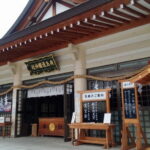
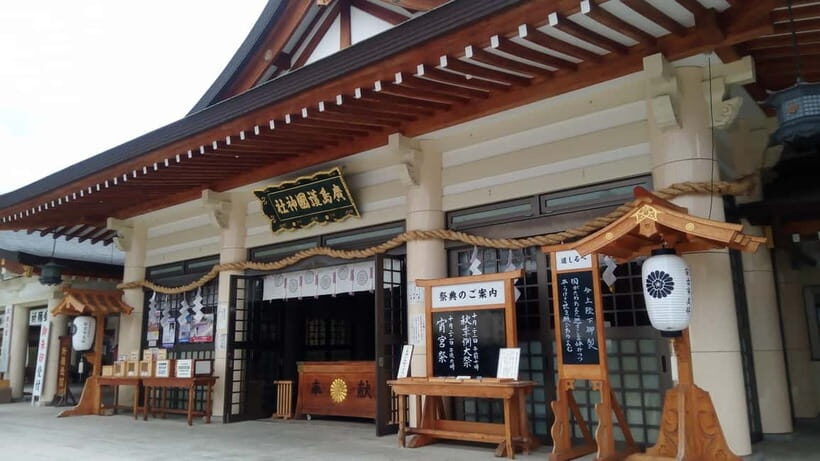
Most Hiroshima tours jump straight to the aftermath. This one starts at Hiroshima Gokoku-jinja, at the torii gate near the main hall, which changes the feel right away. You’re not only visiting a memorial. You’re meeting the city first—its rituals, its sense of duty, and the kind of society that existed before the world caught up to the scale of what came next.
I like this approach because it keeps the story from feeling one-dimensional. Standing in the shrine area, you can hear how Hiroshima was understood through a wartime lens. That matters, because the bombing wasn’t just a random event—it was tied to military geography, planning, and the way cities were treated as strategic assets.
Also, you’re starting early enough that the rest of the route makes sense. As you walk onward, you’ll notice that the guide’s explanations keep pointing back to earlier choices and earlier roles. It’s the kind of structure that helps you connect the dots without turning the subject into a lecture you can’t follow.
Other Hiroshima walking tours in Hiroshima
Hiroshima Castle and the Gate Park photo stop: learning the city map
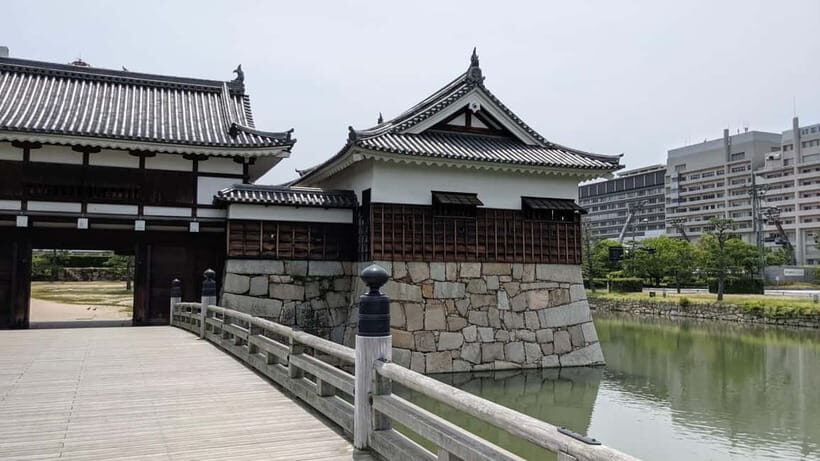
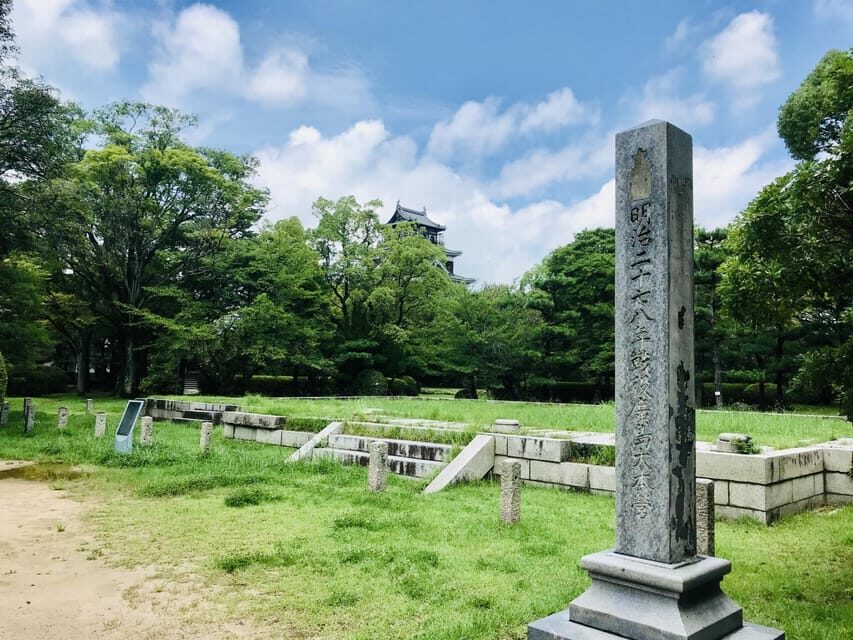
From the shrine, the tour moves to Hiroshima Castle. Expect a photo stop, a brief visit, and a guided explanation around a 20-minute window. The castle area gives you a clear visual anchor: it’s hard to absorb Hiroshima’s history if you don’t first get a sense of where power sat and how the city presented itself.
Then you head toward Hiroshima Gate Park for another guided stop (around 30 minutes). This part works well for people who love context. You’re not just walking between big name sights—you’re being guided through how different locations relate to the story. Even if you’ve never studied Japanese history, you’ll get a way to read the city like a map.
Here’s a practical tip: take a moment at each stop to ask one question that bothers you. The best guides handle side questions with patience, and several guests have singled out that kind of back-and-forth. If you’re the type who likes to understand the logic, this is where you’ll feel it pay off.
Hiroshima’s strategic link: why this city was chosen
At some point, the tour turns toward the central question on the title: why the atomic bomb was dropped on Hiroshima. This is where the earlier context starts doing real work. The guide isn’t only telling you what happened. They’re explaining the build-up—how Hiroshima functioned within the war, and why it was picked as a target.
I find this balance important. If you only get the final moment, it can feel like history happened in a vacuum. If you only get general World War II context, you might miss why Hiroshima in particular became part of the plan.
The guided format helps because it keeps you from drifting into vague assumptions. You’ll get a structured explanation that sets up the bombing event so that when you reach the next stops, you understand what you’re looking at and why it matters.
Also: don’t expect the tour to feel like entertainment. It’s educational, but it’s also emotional. The best outcome is that you leave with clearer thinking, not just more facts.
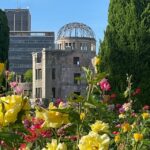
Atomic Bomb Dome: what to notice before you look away
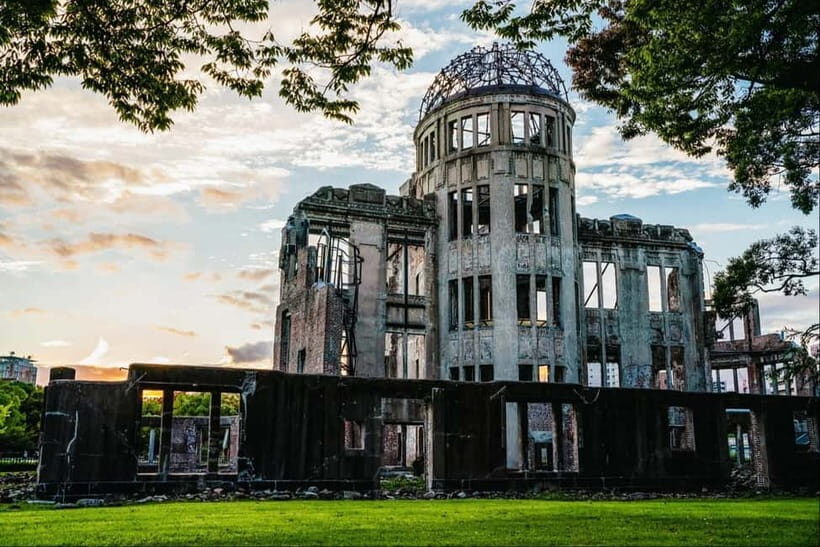
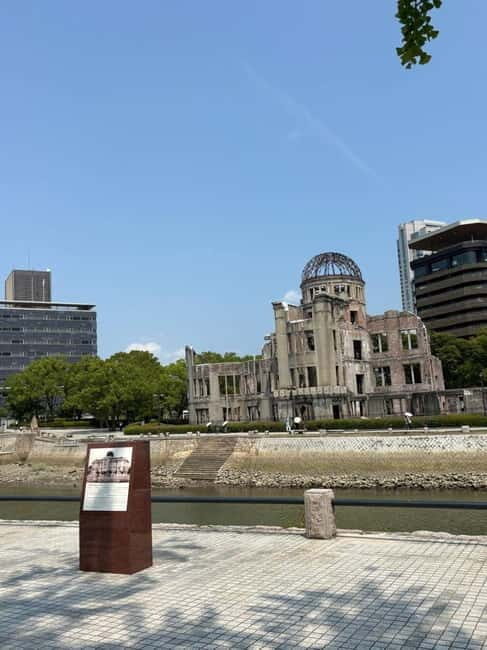
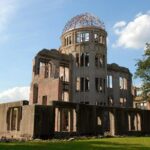
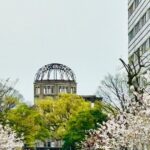
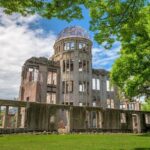
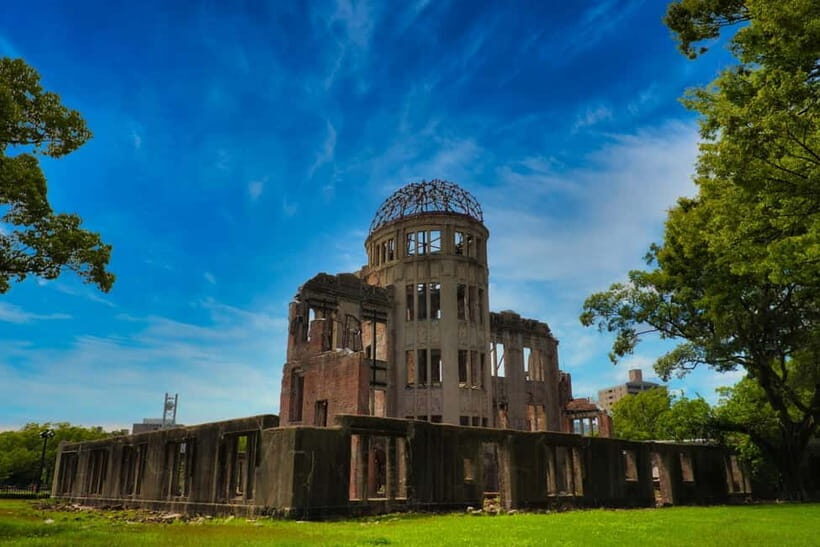
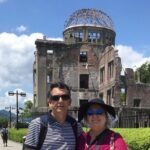
One of the most powerful stops is the Atomic Bomb Dome (visited with guided time of about 20 minutes). This is the kind of place where your first instinct may be to take photos quickly. Try a different approach first.
Before you photograph, pause and let the guide frame what you’re seeing—what survived, what it represents, and how people in Hiroshima talk about memory. The Dome is iconic, but the power of the stop comes from learning how it’s used as a living reminder rather than a static postcard.
Several guests have said the guide makes the reasons for the bombing clearer and builds the story toward the event itself. That matters here. When you already know the setup, the Dome stop doesn’t just shock you—it explains you.
One drawback to consider: if you’re sensitive to heavy themes, this is where feelings can hit. Give yourself a little mental space. You don’t need to force a reaction. Just let the moment land and then keep walking.
Peace Memorial Park: the aftermath, and the call for peace
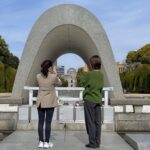
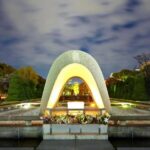
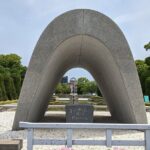
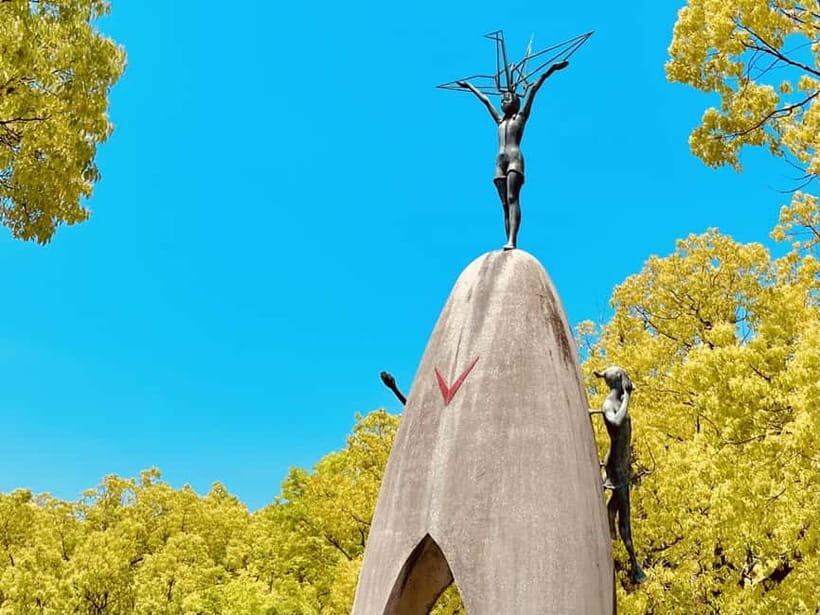
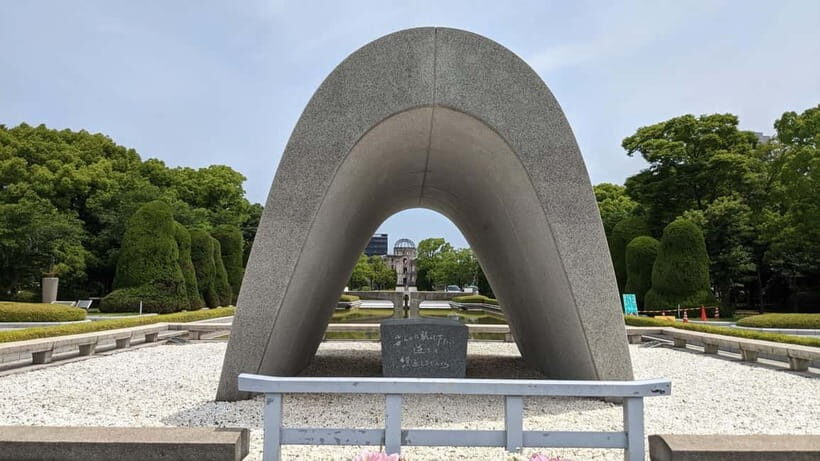
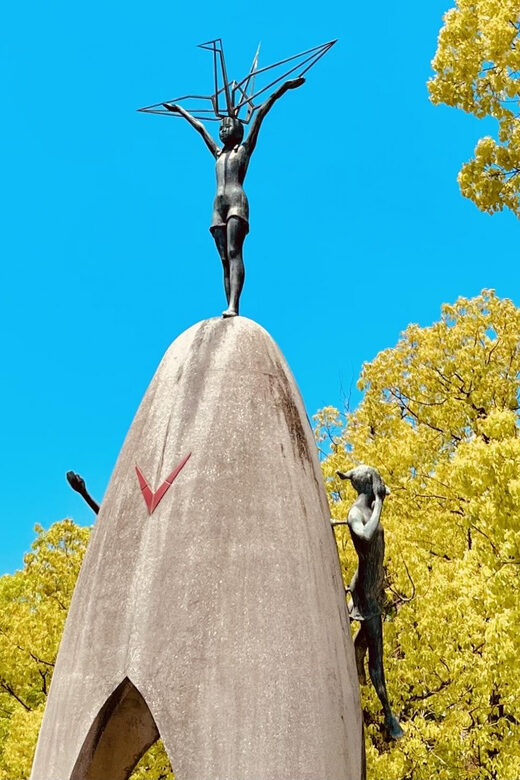
Next comes Hiroshima Peace Memorial Park, with about 30 minutes of guided time. If the Atomic Bomb Dome is about what remains, the park is about what people built afterward: remembrance, education, and a long, steady push toward peace.
I like how this stop shifts from explaining the past to focusing on the meaning of the message. The guide’s role here is crucial because the park can feel overwhelming on your own. You’ll likely see multiple memorial elements, but you might not know where to place your attention first. With a guide, the experience becomes organized: you learn what different pieces communicate and how they connect back to the goal of reconciliation.
This is also a good spot to slow down. Take your time reading what’s in front of you. If you’re traveling with family or friends, it’s the point where conversations often happen naturally, because the content asks real questions about humanity, not just warfare.
Other Atomic Bomb Dome tours in Hiroshima


Finishing at the Peace Memorial Museum: making the visit feel connected
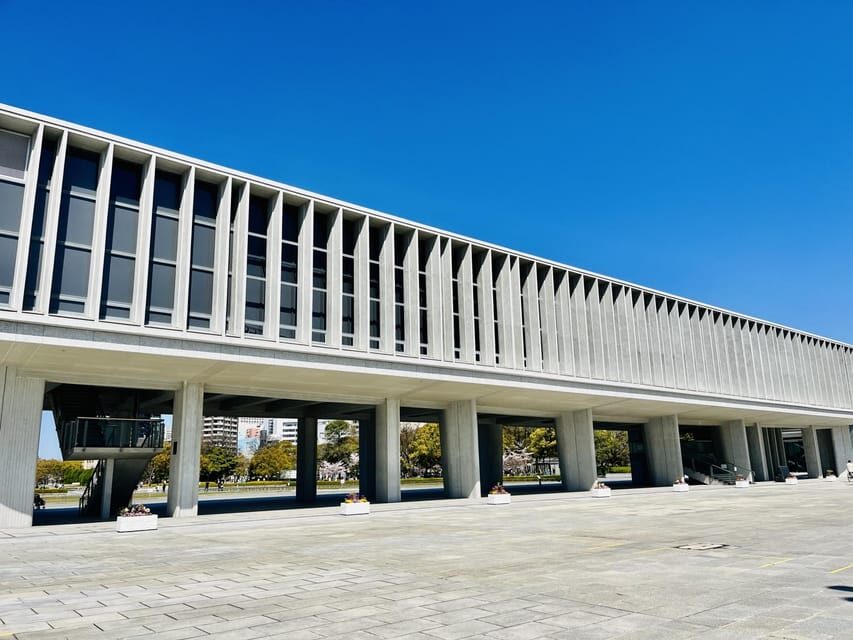
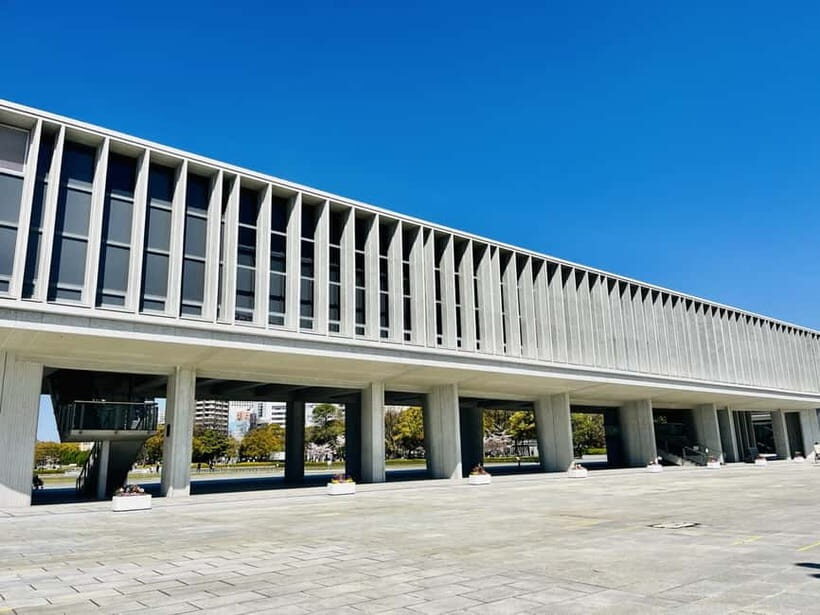
The tour ends at the Hiroshima Peace Memorial Museum. That finish is smart. Walking into the museum with background from the earlier sites helps you follow what you’re seeing instead of treating exhibits like separate stories.
Think of the tour as a guided thread. The shrine helps you understand Hiroshima’s wartime setting. The castle and city stops give you orientation. The Dome and Peace Memorial Park bring you to the emotional core. Then the museum provides the deeper explanation, with objects, timelines, and accounts that you’ll be ready for.
This is where you’ll likely feel the biggest value if you’re the kind of traveler who wants to understand before you consume. You won’t only leave with photos. You’ll leave with a reasoned understanding of why the bombing was carried out and how Hiroshima has shaped its remembrance into a peace message for the world.
Price and time: is $35 good value for 150 minutes?
For $35 per person and about 150 minutes, this tour is strong value if you care about context. You’re paying for live English guidance plus a route that hits multiple major landmarks in a tight window. That’s a better deal than trying to piece together meaning across stops using only signs, especially at places where the details matter.
At the same time, check your expectations. This is not a long private history seminar, and it’s not a casual stroll. It’s a focused walking tour with guided explanation, built for people who want a clear story arc.
I also like that it’s designed for a before-and-after flow with the museum. If you plan to visit the Peace Memorial Museum anyway, the tour becomes even more worth it because it sets up what the museum covers.
Who should book this tour (and who might want a different style)
This tour fits you if you:
- want the key question answered clearly—why Hiroshima—while still getting human context
- prefer a guided route that makes multiple stops connect
- plan to visit the museum and want it to feel more coherent
You might want a different kind of experience if you:
- prefer lighter sightseeing
- don’t want any guided interpretation at memorial sites
- would rather read independently with minimal conversation
One more note on the human factor: many guests specifically praise guides such as Chihiro and Thomas, and others like Emi and Emmi for patient answering and strong English. You won’t be guaranteed a particular person, but the consistency of that feedback is a good sign.
Should you book this Hiroshima historical walking tour?
I’d book it if you’re visiting Hiroshima for more than the headlines. The route does something valuable: it links the why, the where, and the aftermath into one walkable story. The finish at the Peace Memorial Museum seals the deal, because you’re not just arriving at tragedy—you’re arriving with a map for understanding.
If you go, come ready for heavy material and bring comfortable shoes. Then let the guide’s explanations do what they’re set up to do: help you see Hiroshima with clarity, not just emotion.
FAQ
Is the Hiroshima Historical Walking Tour offered in English?
Yes. The tour includes a live guide who speaks English.
What sites are included on the tour?
The tour covers Hiroshima Gokoku Shrine, Hiroshima Castle, Hiroshima Gate Park, the Atomic Bomb Dome, Hiroshima Peace Memorial Park, and it finishes at the Hiroshima Peace Memorial Museum.
How long is the tour?
The duration is 150 minutes.
How much does it cost?
The price is $35 per person.
Where do I meet the guide?
Meet in front of the Hiroshima Gokoku-jinja Torii Gate near the main hall.
What is included in the price?
The guided tour is included.
Is tipping the guide included?
No. Tips are not included.
Can I cancel and get a refund?
Yes. You can cancel up to 24 hours in advance for a full refund.
Is the tour wheelchair accessible?
Yes. The tour is wheelchair accessible.