REVIEW · HIROSHIMA
Hiroshima in a Nutshell: Morning Bike Adventure
Book on Viator →Operated by In Kansai Experiences · Bookable on Viator
Four landmarks, one smooth morning ride. This Hiroshima bike tour is a smart way to orient yourself fast, because it links the city’s must-sees in a single route: Peace Memorial Park, the Atomic Bomb Dome, Hiroshima Castle, and Shukkei-en Garden. I like that the day is built around walking-free movement, so you cover more ground without feeling like you’re sprinting.
Two things I really appreciate: you get a guided flow with time to reflect at the emotional stops, and you also get a lighter “Hiroshima today” stop with the castle and gardens. One consideration: the subject matter at the Peace area is serious, and the tour includes quiet reflection time, so it’s not the type of morning that feels like a casual sightseeing stroll.
Setup is low-stress. You don’t bring a bike; you get a helmet, bike rental, and bottled water, and the English-speaking guide helps keep everyone safe and moving.
In This Review
- Key highlights at a glance
- A 10:00 a.m. bike route that hits Hiroshima’s strongest anchors
- Where to meet and how the setup keeps the morning stress-free
- Stop 1: Peace Memorial Park, calm cycling with before-the-bomb context
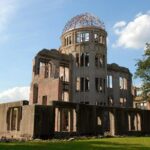
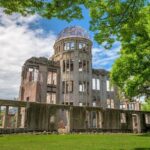
- Stop 2: The Atomic Bomb Dome for pictures and a pause that feels real
- Stop 3: Hiroshima Castle by bike, where photos actually come out better
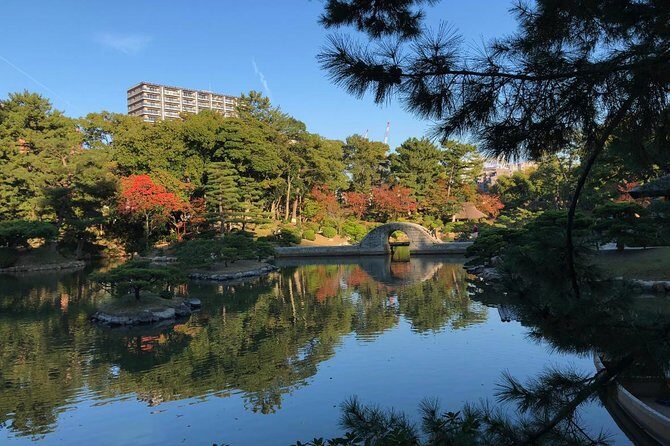
- Stop 4: Shukkei-en Garden for admission-included calm and design talk
- Bikes, pace, and safety: what I think you should plan for
- How much value you’re really getting for $72.96
- Who this tour suits best (and who should rethink it)
- What makes the guides matter in this experience
- Should you book this Hiroshima morning bike adventure?
- FAQ
- How long is the bike tour?
- What time does the tour start, and where does it end?
- What’s included in the price?
- Is the e-bike option available?
- What stops are included?
- Is it suitable for kids?
Key highlights at a glance
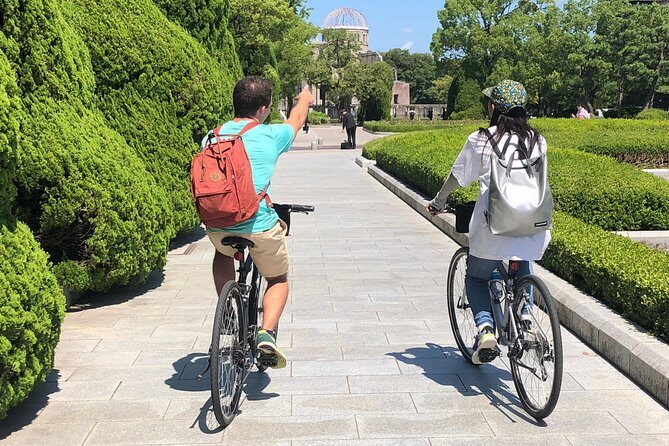
- Small-group feel (max 8 riders) that makes it easier to hear the guide and ask questions
- Peace Memorial Park with context via short commentary and old pre-war photos
- Photo-friendly pacing at the Atomic Bomb Dome with time to pause
- Hiroshima Castle access by bike through landscaped grounds for great sight lines
- Shukkei-en Garden included with admission and garden-making explanations
- Bikes + helmet included (and a possible electric-bike upgrade for an extra fee)
A 10:00 a.m. bike route that hits Hiroshima’s strongest anchors
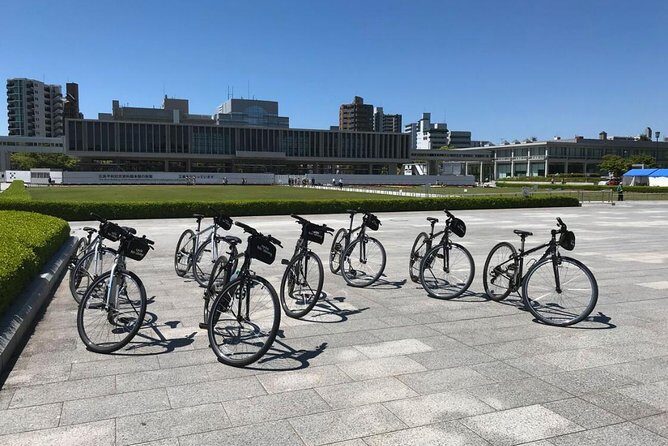
This tour is designed for people with limited time in Hiroshima or for anyone who wants to stop guessing and start seeing. You’re out for about 3 to 4 hours, starting at 10:00 a.m., and you’ll cycle between four landmark areas that most first-time visitors want to prioritize.
The big value here is order. Instead of bouncing around on your own, you get a morning route that makes thematic sense: start in the Peace Memorial area, then move to the Atomic Bomb Dome, shift to Hiroshima’s history through the castle, and finish with garden calm at Shukkei-en.
And yes, cycling matters in Hiroshima. The city is mostly flat, so the bike time feels manageable, but the route still helps you reach places that you’d fight for on foot or wait for by bus. You also get a steady stream of “oh wow” moments—then you can actually stop at them.
Other Hiroshima cycling and bike tours in Hiroshima

Where to meet and how the setup keeps the morning stress-free
You meet at Cycle Hiroshima, 4-chōme-5-4 Ōtemachi, Naka Ward. The tour ends back at the same meeting point, so you don’t have to plan a second rendezvous later.
Once you arrive, the staff and guide handle bike distribution and safety basics. You’ll get a helmet and bottled water as part of the experience. In several guide-led rides, I’ve seen a pattern that’s worth noting: guides tend to start by explaining how they’ll signal for safety and how your small group should handle starts, stops, and turns. That kind of simple coaching makes a big difference, especially if you’re not used to riding in busy city zones.
Also, the tour runs on a mobile ticket, so you’re not hunting for paper at the last second.
Stop 1: Peace Memorial Park, calm cycling with before-the-bomb context
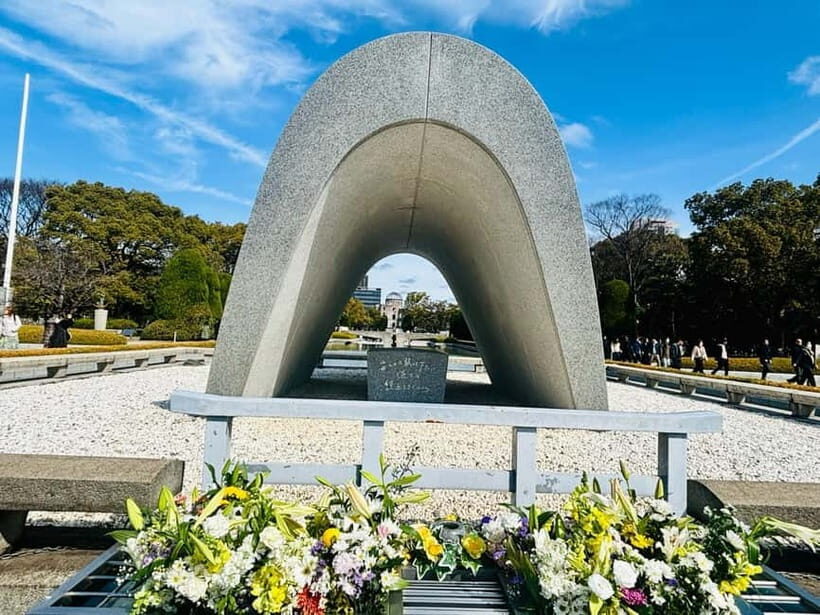
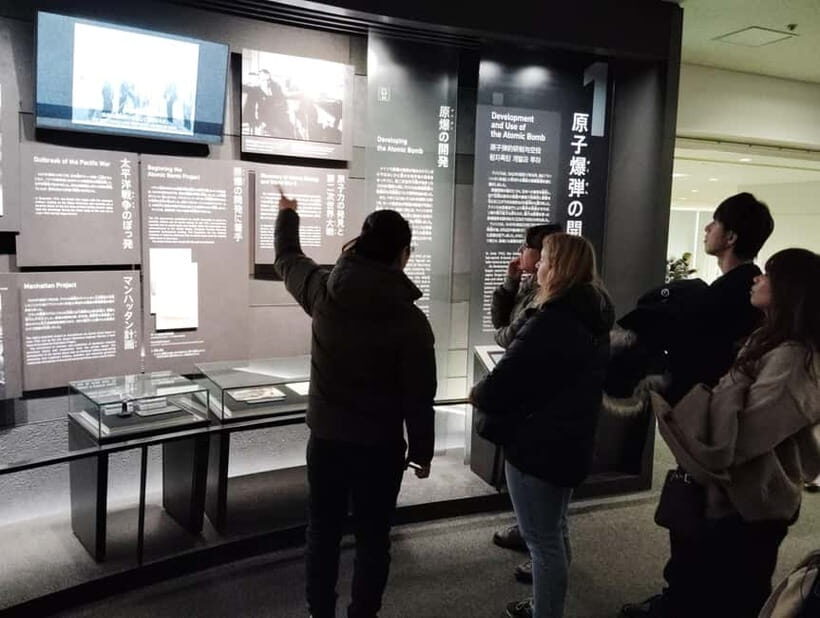
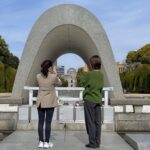
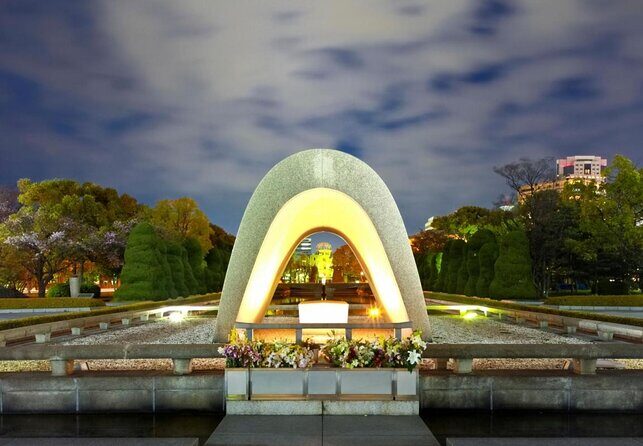
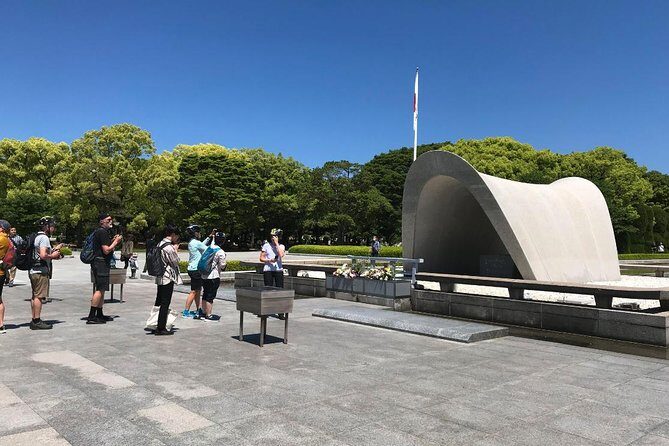
The first stop is Hiroshima Peace Memorial Park, and you’ll spend about 20 minutes there. This isn’t just a drive-by. You ride into the area slowly, then pause for quiet reflection alongside a short commentary and old photos that place Hiroshima before World War II in context.
That choice matters. A lot of visitors arrive knowing the headline facts, but the park experience hits harder when you understand what existed before. The commentary and images help connect the dots between daily life, the catastrophe, and what the memorial spaces are designed to do now.
What I’d watch for: your energy level. Even if the ride is easy, you’ll likely find this stop demands a slower, more respectful mood. Bring yourself back to the moment, not your camera. You can take photos near landmarks, but the tour’s structure signals that this is a place for quiet attention.
Stop 2: The Atomic Bomb Dome for pictures and a pause that feels real
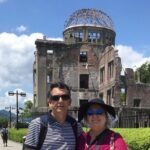
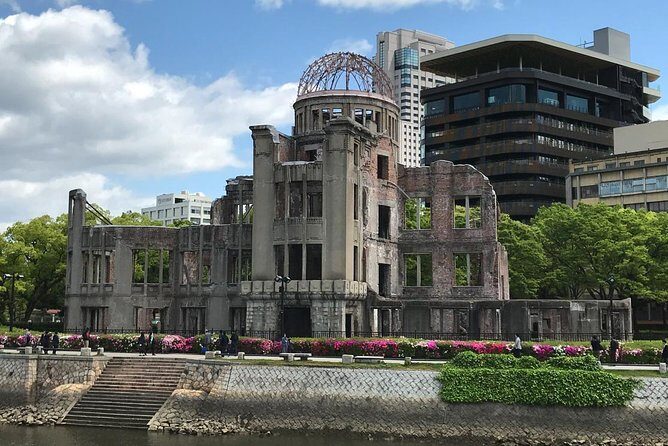
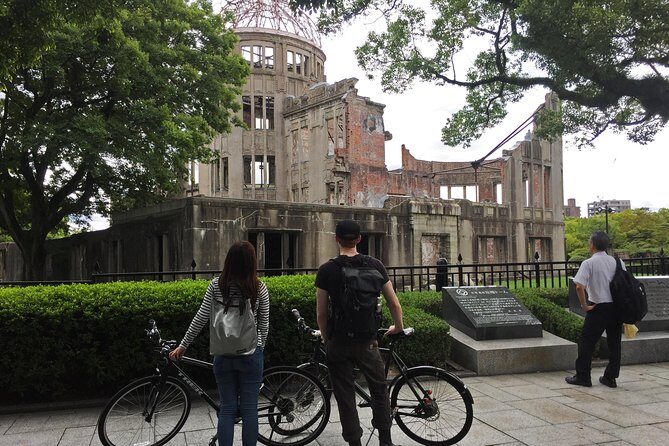
Next up is the Atomic Bomb Dome. You’ll have around 10 minutes here, with time to take photos and reflect on what happened years ago.
This stop is short on purpose. The dome is iconic, so everyone wants pictures, but the real point is the pause. The guide’s job here is to keep the meaning front and center without turning the stop into a long lecture. It’s enough time to get your bearings, frame a photo, and then settle your thoughts before moving on.
If you’re the type who gets restless during memorials, you might still be okay here. The time window is small, and the tour keeps you moving. If you’re the type who wants more time, you’ll at least have the advantage of knowing where you’d go back to later if you want a longer visit.
Stop 3: Hiroshima Castle by bike, where photos actually come out better
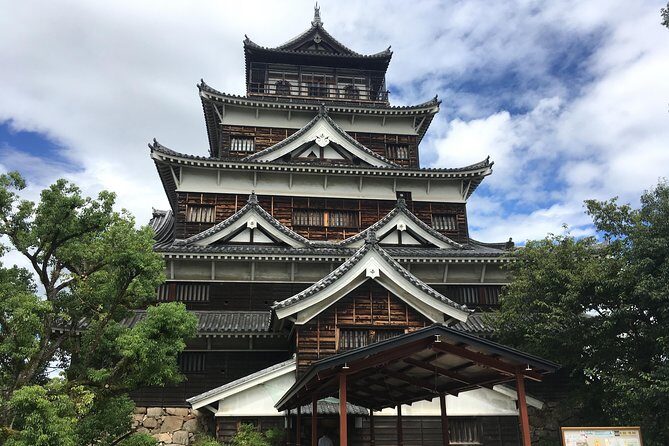
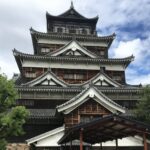
Then you ride to Hiroshima Castle, stopping for about 25 minutes. This is one of the more “active” segments of the day, because you’re cycling and then transitioning into castle-area views.
You’ll get close to the castle grounds, ride through the garden areas, and hear the castle history from the guide. The time allocation also helps: twenty-five minutes isn’t so short that you just snap one shot. It’s long enough to look around, compare viewpoints, and get the best photos you can without feeling rushed.
A practical benefit: the bike route helps you connect viewpoints faster than walking. On a solo day, it’s easy to spend your time moving between sights and never fully enjoy any one place. Here, you get the castle area as a real block of time.
One caution: the bike ride plus castle walking means you’ll feel some light leg work. Most of the route is manageable, but if you’re dealing with mobility limits, you’ll want to confirm comfort with cycling first.
Other cycling tours in Hiroshima

Stop 4: Shukkei-en Garden for admission-included calm and design talk
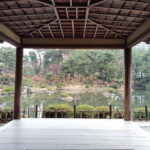
The final stop is Shukkei-en Garden, where you’ll spend about 25 minutes. Admission is included, so you don’t have to stop to buy tickets or figure out payment while your day is already moving.
This section balances the emotional weight of the Peace area with something quieter and more local. You’ll enjoy the greenery and also learn about the construction and the idea of balance that Japanese gardens use—how paths, views, and layouts create a sense of harmony.
If you like gardens, you’ll probably come out of this stop feeling like the day had a natural reset. If you don’t usually care about garden design, you can still appreciate the contrast: after memorial sites, Shukkei-en gives you space to breathe and take photos that feel lighter without ignoring what came before.
Bikes, pace, and safety: what I think you should plan for
The overall ride is designed to be doable for most people. The terrain is mostly flat, and the bike pace is described as steady rather than rushed. You also get bottled water, and your guide keeps the group together.
What stood out in multiple guide-led rides is how strongly they manage safety and group flow. You can expect explanations of hand signals and routine check-ins so riders know what to do. That matters because even in a small group, you’ll be cycling close enough to others that clear signals help prevent confusion.
Electric bikes come up as an option. In at least one shared experience, an electric upgrade was available for an extra fee (mentioned as 2000 yen), and there can be limited availability. If you think you might need an e-bike, I’d plan ahead instead of assuming you can switch at the last second.
Group size is capped at 8 travelers, which is a big deal for a bike tour. Smaller groups are easier to hear, easier to coordinate, and easier for the guide to adapt if someone needs a moment.
How much value you’re really getting for $72.96
At $72.96 per person, this isn’t the cheapest thing you’ll do in Hiroshima. But it’s also not overpriced when you look at what’s bundled.
You’re paying for:
- an English-speaking guide
- bike and helmet rental
- bottled water
- guided time at four major stops
- Shukkei-en admission included (so you’re not adding costs at the end of your day)
The Peace area and Atomic Bomb Dome stops are free to access, and Hiroshima Castle access is handled as part of the tour experience time. So your money mostly goes into transportation by bike plus the guided storytelling and timing.
If you’re a first-timer trying to cover top landmarks without turning your day into a transit puzzle, the value clicks quickly. Bikes make the route efficient. A walking-only plan often gets slower once you factor in distance between sites. A car or taxi plan often gets expensive. This lands in the middle: flexible and efficient without being chaotic.
Also, with a rating of 4.9 and 98% recommended, this tour has the rare combo: people feel it hits what they came for, and they feel guided rather than herded.
Who this tour suits best (and who should rethink it)
This is an excellent match if:
- you want an easy intro to Hiroshima’s top sights in a short window
- you like guided context, especially around the Peace Memorial area
- you want to see a mix of solemn memorial space plus castle-and-garden Hiroshima
- you’d rather ride than spend your time guessing transit routes
It’s less ideal if:
- you want a fully carefree, light-hearted morning. The Peace Park time includes quiet reflection and serious context.
- you need child-friendly cycling. The tour isn’t recommended for children aged 12 and under, and it’s not possible for riders under 140 cm.
If you’re an independent traveler who enjoys photos, this also works because the tour includes defined stops with time to take pictures, not just passing views.
What makes the guides matter in this experience
This kind of tour lives or dies by the guide’s pacing and tone. The experiences shared around this tour highlight a few consistent strengths: guides were friendly, carried strong English, and stayed attentive to the group.
You’ll see many different names tied to excellent days, including Ihsan, Awais, James, Melissa, Levi, and Yuki. While each guide has their own style, the common thread is that they explain what you’re looking at—rather than listing facts. One teacher-style approach even started with a history lesson vibe before cycling, which can be great if you want the story placed clearly before you move between locations.
If you’re someone who likes asking questions, you’ll likely enjoy the small-group setup. With only up to eight riders, it’s easier for your guide to hear you and for you to get answers instead of only listening from the back.
Should you book this Hiroshima morning bike adventure?
Book it if you want a smart, time-efficient way to get oriented in Hiroshima. This tour does a nice job balancing heavy reflection with lighter city sights, and the bike format is the reason it works: you cover major landmarks without burning your morning on transport logistics.
I’d skip it if you’re hoping for a strictly upbeat tour mood, or if cycling itself feels like a hassle for you. Also, if you can’t ride on a day with weather changes, keep in mind the experience depends on good weather and may switch dates if conditions are poor.
If you’re the kind of traveler who values clarity—where to go, why it matters, and how long you’ll be there—this is one of the better uses of a short Hiroshima stay.
FAQ
How long is the bike tour?
The tour runs about 3 to 4 hours.
What time does the tour start, and where does it end?
It starts at 10:00 a.m. and ends back at the same meeting point.
What’s included in the price?
Bike and helmet rental, an English-speaking guide, bottled water, and admission to Shukkei-en Garden are included. You’ll also get a mobile ticket.
Is the e-bike option available?
An electric-bike option is mentioned as an upgrade for an extra fee, and availability may be limited.
What stops are included?
The tour visits Hiroshima Peace Memorial Park, the Atomic Bomb Dome, Hiroshima Castle, and Shukkei-en Garden.
Is it suitable for kids?
It’s not recommended for children aged 12 and under, and it’s not possible for riders under 140 cm.