REVIEW · HIROSHIMA
Hiroshima City 4hr Private Walking Tour with Licensed Guide
Book on Viator →Operated by Japan Guide Agency · Bookable on Viator
Hiroshima can hit hard fast. That is why I like this private walking tour setup: you get local context and room to move at your pace. You cover major Hiroshima landmarks in about four hours, while your guide keeps the experience humane, clear, and practical.
Two things I really like are the licensed local English-speaking guide (you can ask questions as you go) and the straightforward pacing that fits the emotional weight of Peace Memorial Park. You also get the convenience of meeting near your hotel or train station area, with pickup offered on foot within Hiroshima.
The main thing to consider is that it is a walking tour and you’ll spend a lot of time outside. If heat, crowds, or mobility limits affect you, it’s smart to ask your guide how they plan breaks.
In This Review
- Key Highlights You’ll Actually Use
- Hiroshima in Four Hours: A Private Pace That Feels Human
- Peace Memorial Park and Museum: How Your Guide Keeps It Clear
- Hiroshima Castle: The City’s Rebuild Energy, Not Just a Photo Stop
- Shukkeien Garden: Peaceful Breather With Meaning
- Licensed English Guides: Why the People Make the Difference
- Walking Logistics for a Half-Day in Hiroshima
- Food During the Walk: Okonomiyaki as a Reset Button
- Value Check: Is $122.70 Per Person Worth It?
- Who Should Book This Hiroshima Walking Tour
- Should You Book This 4-Hour Private Walking Tour?
Key Highlights You’ll Actually Use
- Private guide, your questions welcomed: you control what you focus on during the day
- Morning or afternoon start times for easier schedule fitting
- Peace Memorial Park + museum first-class guidance when emotions and details pile up
- Contrast stops: museum seriousness, then garden calm and castle perspective
- Pickup on foot in Hiroshima means less hunting and more time on-site
- Lunch and transport cost extra, but guides often help you find an easy local rhythm
Hiroshima in Four Hours: A Private Pace That Feels Human
A lot of Hiroshima tours race. This one is different because it is designed around a private group and a realistic half-day rhythm. In four hours, the goal is not to check boxes—it’s to help you understand what you’re seeing without bulldozing your emotions.
You also get flexibility. You can choose a morning or afternoon start, and you meet your guide on foot within a designated area of Hiroshima. In real terms, that makes the day easier if you’re arriving by train, staying centrally, or starting from a cruise terminal area (some guides have coordinated onward transport in that situation).
The structure is simple: you’ll see around two sites on average, based on timing and how your guide fits the day. The itinerary includes Hiroshima’s Peace Memorial Museum area, Hiroshima Castle, and Shukkeien Garden—so you get the big triad of story, recovery, and place.
Other private guided tours in Hiroshima

Peace Memorial Park and Museum: How Your Guide Keeps It Clear
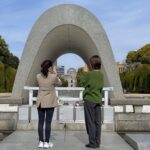
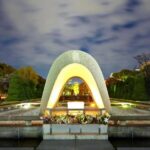
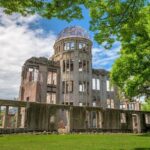
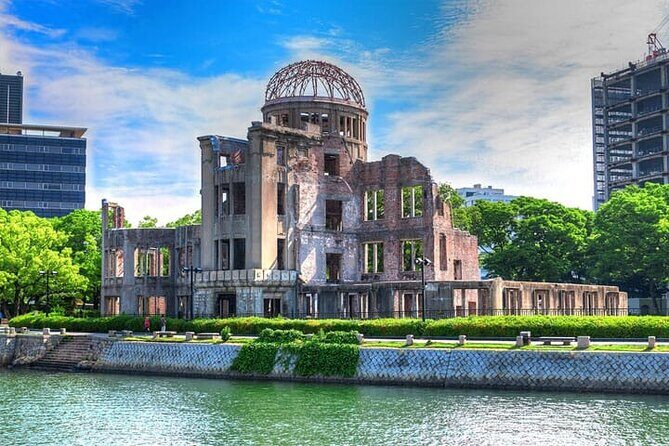
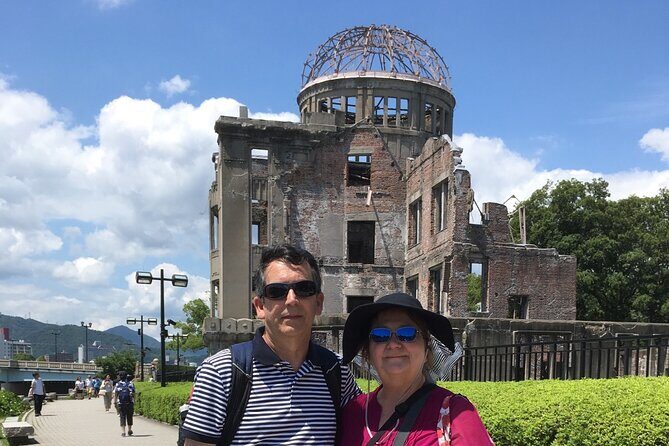
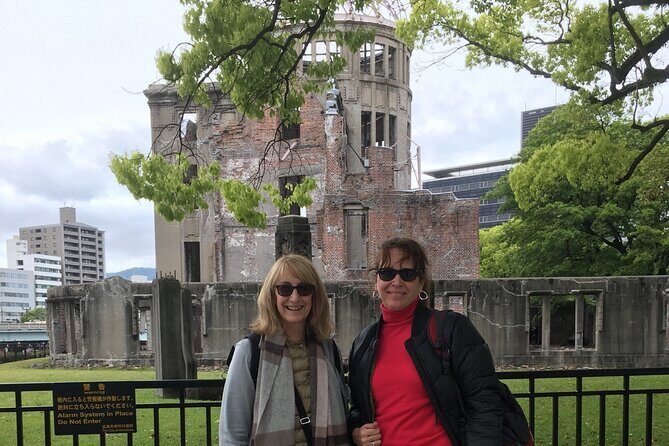
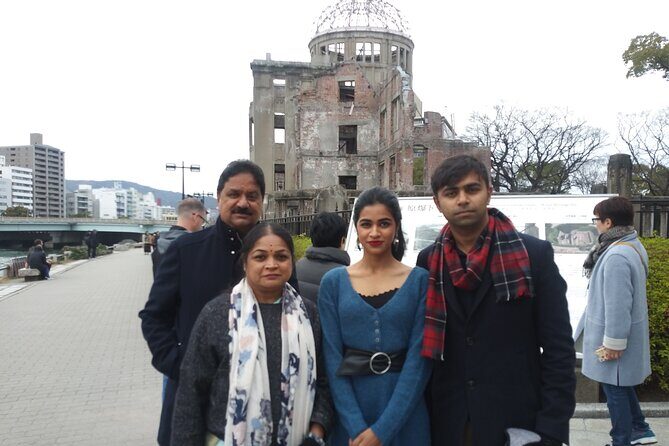
The Peace Memorial Park and the museum are the emotional center of Hiroshima. Even when you think you know the basics, the details hit differently when they are explained thoughtfully as you walk.
Here’s what makes the experience work in a private setting: your guide can set the pace and help you connect what you’re reading to what you’re standing in front of. People have praised guides for being able to explain the story well, handle difficult questions, and keep the tour moving at a comfortable speed.
Plan for the museum itself. Admission is not included, and the time on-site is about one hour. You’ll likely want the hour to be productive, not rushed—so it helps that a guide can also manage small logistics like ticket queues or giving you breaks when you need shade.
What to expect as you walk through the park area is a mix of memorials and “how this city remembers” moments. In many private tours, the guide also points out nearby sights connected to the peace message, not just the museum building itself—so the story lands as a pathway, not a single stop.
Practical tip: bring water, a hat, and a way to cool down. One review example mentioned stopping when heat got intense, and that is exactly the kind of thing a good guide will plan for with you.
Hiroshima Castle: The City’s Rebuild Energy, Not Just a Photo Stop
After the museum area, the day shifts. Hiroshima Castle (often called Carp Castle) gives you a different angle on the city: a sense of local identity, resilience, and how Hiroshima holds history in a living urban space.
This stop is about one hour, and like the others, admission is not included. The value here isn’t only the castle itself—it’s what your guide helps you notice about Hiroshima’s geography and why a castle in the city matters. Hiroshima Castle is described as a strong example of a plain-based castle, not a hilltop one, which is a useful contrast if you’ve seen other Japanese castles.
If you’re a history fan, you’ll likely enjoy how the guide ties the castle and surrounding viewpoints back to the broader Hiroshima story—before, during, and after the bombing. Several guide write-ups emphasize that they connect past events to the city’s later recovery, so the castle becomes more than architecture.
If you’re not a castle person, you still get something useful: a calmer walking break where the conversation can widen beyond WWII into broader Japanese history and local life.
Shukkeien Garden: Peaceful Breather With Meaning
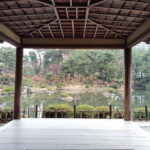
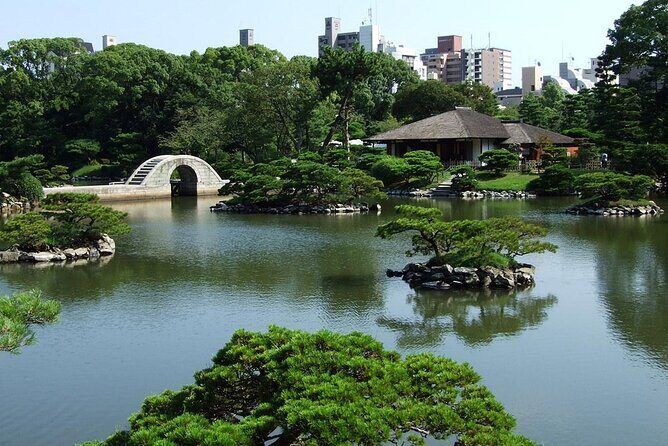
Shukkeien is a Japanese garden and one of Japan’s Top 100 Historical Parks, plus it’s recognized as a National Scenic Spot. It’s a great match after Peace Memorial Park because it changes the tempo without erasing the day’s theme.
This stop is also about one hour, and admission is not included. The guide value is how they explain what you’re seeing in plain language—what the garden design is doing, and how to read the space so you’re not just snapping pictures and moving on.
A few guides have even added small, memorable touches during the garden portion. One guest noted watching turtles together at Shukkeien, which sounds small, but that is the point: a garden visit can become personal when your guide slows down with you.
Practical tip: gardens are outdoor by nature, so wear shoes that work on paved paths and watch your footing. If the weather turns, a private guide can help you shift timing so you still get value from the stop.
Licensed English Guides: Why the People Make the Difference
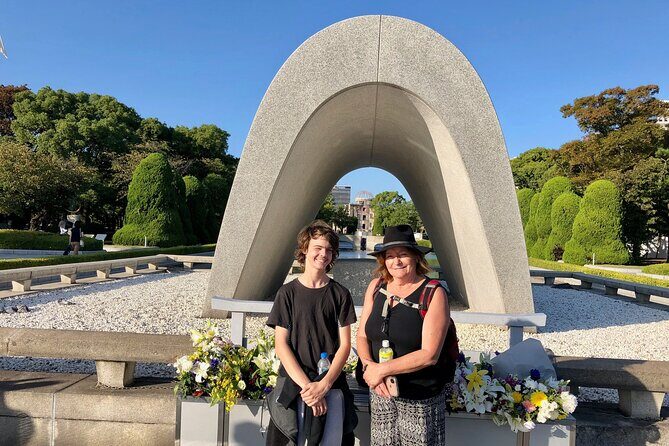
The biggest reason this tour earns a 5-star rating isn’t just the stops. It’s the guides. You’re working with a licensed local English-speaking guide, and that changes how the day feels—especially with such a heavy topic.
Names that have come up repeatedly include Kyoko, Mari, Yuko, Sei, Tomoyo, and Kahori, plus others like Eiji, Yoshi, and Yuji. The common thread is how they connect their knowledge to human stories. Some incorporate family connections to Hiroshima’s events. Others focus on practical explanations of Japanese life, how to get around, and how to make sense of what you’re seeing.
You can see this in real examples from past tours:
- One guide (Kyoko) has been praised for being warm and for making the day feel like a family experience.
- Mari has been noted for being deeply considerate and for weaving personal connections into the facts.
- Guides like Sei and Tomoyo have been praised for handling logistics smoothly and explaining monuments clearly.
- Kahori has been praised for adding a moving element connected to a surviving school that became a relief center, when time allows.
Not every tour will add the same extras, but the core stays consistent: you’re not stuck with a script. You get a real conversation.
Other Hiroshima walking tours in Hiroshima
Walking Logistics for a Half-Day in Hiroshima
This is a walking tour with pickup offered within Hiroshima, and pickup is on foot. That is great for efficiency, but it means you need to think like a walker, not a bus-rider.
Most of the experience is outside, so heat and weather matter. One review specifically mentioned that the guide helped handle museum ticketing logistics while the group rested in shade. That’s a strong sign of what you can look for: the guide should be actively reducing friction for you.
Also, understand what is included and what isn’t:
- Included: the licensed guide, meeting within the designated area on foot, and coverage of about two sites on average.
- Not included: transportation fees, entrance fees, lunch, and personal expenses.
So budget for museum and garden/castle admissions if you do all planned stops. The guide can still help you make the day work, but the ticket costs are your responsibility.
Finally, the “mobile ticket” mention matters for people who like to arrive ready. If you prefer less last-minute confusion, this tends to help.
Food During the Walk: Okonomiyaki as a Reset Button
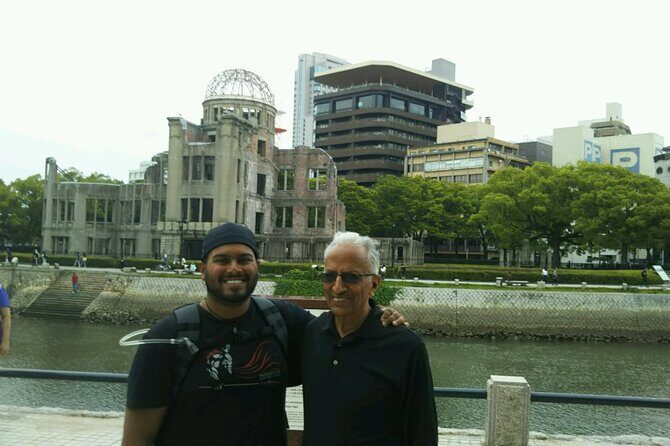
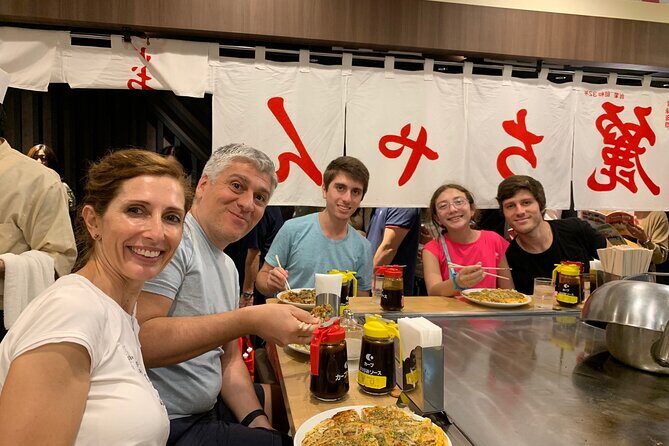
Lunch is not included, but a mid-tour food stop is a common part of how guides make the day feel balanced. One review highlighted a stop for Hiroshima-style okonomiyaki during the tour, and that is a smart way to create emotional breathing space.
Even if you don’t do okonomiyaki, you’ll probably appreciate the idea: you can eat simply, then return to the next stop with steadier energy. Your guide can point you toward an option that fits the walking schedule, especially if your time is tight.
If you have dietary needs, tell your guide early. Some guides have shown they can adjust the route when families needed shade, food, or water.
Value Check: Is $122.70 Per Person Worth It?
At $122.70 per person for about four hours, this is not a budget tour. But it can be good value if you compare it to two things:
1) the cost of admission plus the time you’d spend trying to understand what you’re seeing, and
2) the cost of paying for a guide who can translate history into human terms.
A self-guided visit to Peace Memorial Park can be powerful. Still, it often turns into reading-heavy navigation where you may miss the story thread. With a licensed guide, you’re paying for interpretation, pacing, and logistics support—especially helpful in places where details matter.
Also, because it’s private, you’re not giving up your questions to a group conversation. If your family has different interests, that flexibility matters. Several reviews describe guides who adjusted pace for heat or for family timing constraints.
If you want the best value from this tour, go in with one or two questions you genuinely want answered. You’ll get more out of the guided time, and the conversation will feel less like a lecture.
Who Should Book This Hiroshima Walking Tour
This is a strong match if:
- you want major Hiroshima sights in a focused half-day
- you want a private format so questions don’t get lost
- you care about understanding WWII history in a clear, contextual way
- you want contrast: Peace Park seriousness plus garden and castle sights
It can also be a good choice for families, since guides have been praised for adjusting timing for kids and accommodating needs like shade or food. One review even highlighted origami crane time as a sweet, gentle human touch that fit naturally into the day’s theme of peace.
It may be less ideal if:
- you prefer a minimal walking day and can’t handle lots of outdoor time
- you don’t want to engage with heavy WWII history at close range
- you’re only interested in quick photo stops without interpretation
Should You Book This 4-Hour Private Walking Tour?
If your goal is to understand Hiroshima—really understand it—this is a smart way to spend half a day. The private format, the licensed English-speaking guide, and the balance of museum + garden + castle make it more than a checklist.
I’d book it if you’re the kind of traveler who asks questions, reads closely, and wants your day to feel paced instead of rushed. If you’re worried about heavy emotions, you’ll likely appreciate that guides can adjust the flow and build in breaks when you need them.
On the other hand, if you want minimal walking or you prefer complete freedom with no structure at all, you may do just fine on your own. But you’ll likely miss the connective tissue your guide brings.
Bottom line: for first-time Hiroshima visitors who want both clarity and care, this tour is a solid pick.