REVIEW · HIROSHIMA
Hiroshima and Miyajima Full Day Private Tour
Book on Viator →Operated by 888tour · Bookable on Viator
That day can change how you see the world. This private Hiroshima and Miyajima tour strings together the Peace Memorial area with Hiroshima Castle and Shukkeien Garden, then finishes at Miyajima’s Itsukushima Shrine. I especially like that the guiding stays personal—you can steer the pace and focus—and that the big paid sights are covered by the tour price.
Two things I’d put at the top: the chance to spend real time inside the Peace Memorial Museum and the smooth, guided way to reach Miyajima’s shrine area without turning the day into a stressful transit puzzle. One consideration: it’s a lot of walking in heat, and the tour price does not include your transportation costs between your own starting point and the meeting spot (or any extra transit you may want on your own).
In This Review
- Key highlights that matter on this private day
- Why this private Hiroshima-to-Miyajima plan works
- The Peace Memorial Museum: give it time, not speed
- Atomic Bomb Dome: an icon, but keep it to the right length
- Hiroshima Castle and Shukkeien Garden: classic Japan between heavy moments
- Hiroshima Castle stop (and what to check for renovations)
- Shukkeien Garden: where pace slows down
- Moving to Miyajima: the day turns scenic fast
- The Torii viewpoint and Omotesandō: where photos meet real life
- Itsukushima Shrine: the UNESCO stop you’ll actually understand
- Price and tickets: where this tour feels like a good deal
- Logistics: walking time, heat, and how to stay sane
- Making it truly yours with a private guide
- Who should book this Hiroshima and Miyajima day
- Should you book? My decision guide
- FAQ
- How long is the Hiroshima and Miyajima full day private tour?
- Is this tour really private?
- What admission tickets are included?
- Are the Atomic Bomb Dome and the Torii area included?
- Do I need to bring lunch money?
- Where does the tour start and end?
- What about heat and walking in summer?
- Is Hiroshima Castle open all year?
- How does cancellation work?
Key highlights that matter on this private day

- Peace Memorial Museum time included: you get a full 2 hours to process the site at a human pace.
- Iconic Hiroshima landmarks with smart timing: the Atomic Bomb Dome stop is short (30 minutes), so you spend more time where it counts.
- Castle + garden + shrine are ticketed: Hiroshima Castle, Shukkeien Garden, and Itsukushima Shrine entrance are included.
- Miyajima by the sea, with photo-ready viewpoints: you’ll pass the Torii area and spend time at the shrine grounds where tides change what you see.
- Guides can tailor the day: multiple guides (like Masa and Aya) were praised for adjusting to interests and even helping with food needs.
- Private means you set the questions: if you want to ask a lot, a good guide has room to answer.
Why this private Hiroshima-to-Miyajima plan works
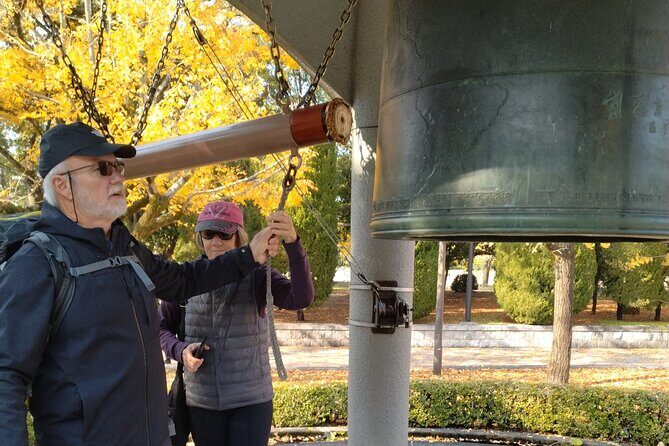
I like a full-day plan when it hits two goals: you see the headline sights, and you don’t feel rushed in the emotional ones. This tour starts at Hiroshima’s Peace Memorial Museum area, then moves through Hiroshima’s older landmarks and garden space before crossing to Miyajima for the iconic shrine scenery.
Because it’s private, you’re not stuck matching a big-group tempo. Guides named Masa, Aya, and Yoshiko showed up repeatedly in the feedback as the kind of people who keep the day moving while still answering questions. If you’re the type who likes context—why a building matters, what a symbol meant—this format tends to fit.
The practical side: it’s listed as about 8 hours, so you’ll want comfortable shoes and a plan for breaks, especially on hot days. One person noted the museum can get crowded, so going early when you can helps a lot.
Other Miyajima Island tours in Hiroshima
The Peace Memorial Museum: give it time, not speed
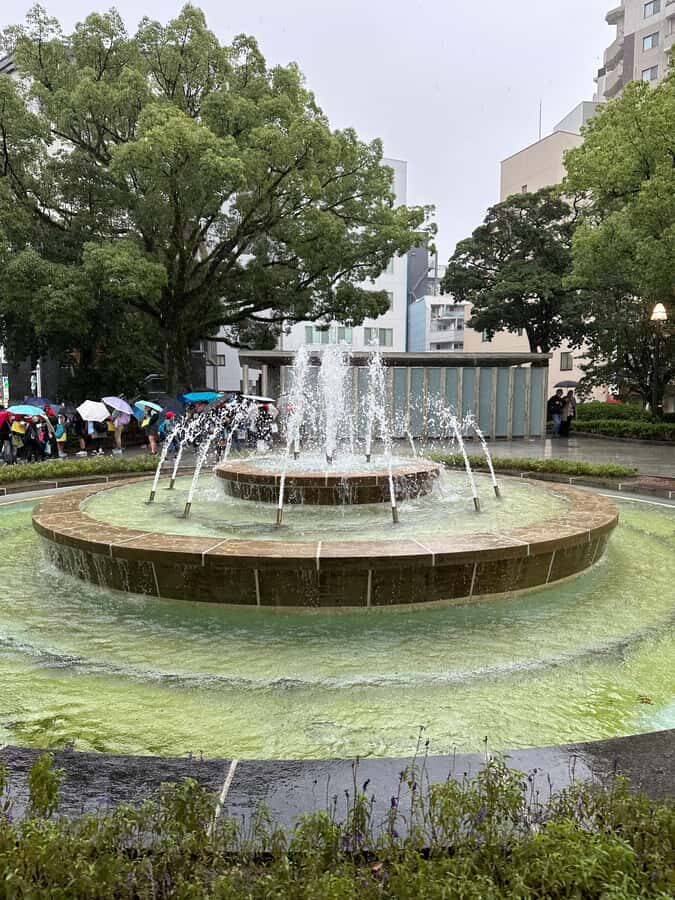
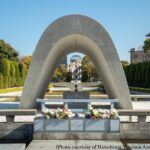
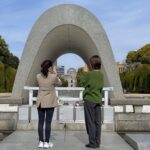
This is the heart of the Hiroshima portion. You start at the Hiroshima Peace Memorial Museum and you get 2 hours inside, plus you’re in the Peace Memorial Park area (a large park setting with trees and lawns) around it. That matters because the museum experience isn’t just about facts—it’s about absorbing what you’re seeing at a steady pace.
I recommend treating the museum like a slow walk through important rooms, not a checklist. The best way to get value from your time is to pick a few threads—like personal stories or explanations of what happened—and follow them, rather than trying to read everything at once.
A common heads-up from the experience: the museum can feel crowded. If you’re sensitive to tight indoor spaces, you might consider bringing a mask just in case, especially in busy seasons. Also, plan to be mentally ready; this is moving material, and you’ll want a calm rhythm.
Atomic Bomb Dome: an icon, but keep it to the right length
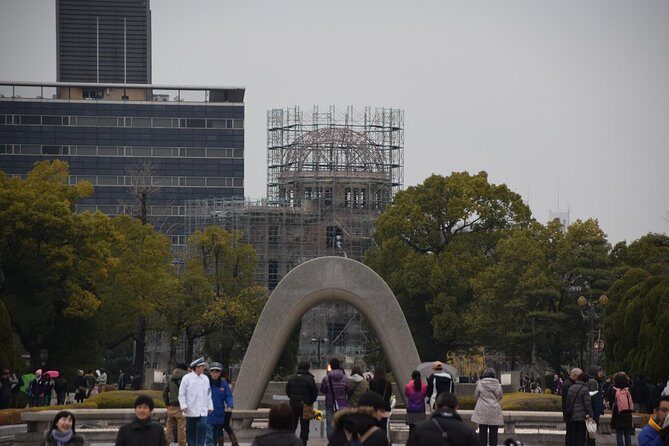
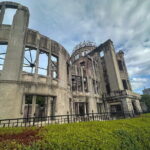
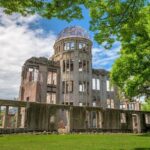
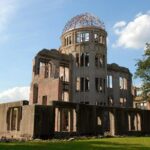
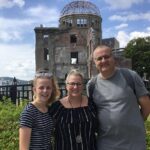
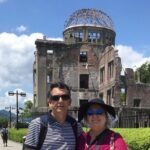
Next you head to the Atomic Bomb Dome. It’s one of Hiroshima’s most recognizable landmarks, and you’ll see why it carries such weight: it sits near where the blast epicenter was, yet the building structure still remains.
The stop is short—about 30 minutes—and that’s not a flaw. Think of it as a moment to orient yourself after the museum, then move on before the day turns into a fast drive-by. If you linger too long here, you may run out of energy for the later stops that need more calm time.
A smart approach is to spend your first minute just looking, then spend the next few minutes connecting what you saw in the museum to what you’re standing in front of. That’s where a guide’s context becomes most useful.
Hiroshima Castle and Shukkeien Garden: classic Japan between heavy moments

After the Peace sites, you shift to places that feel more “Japan” in the traditional sense—castle architecture and garden design.
Hiroshima Castle stop (and what to check for renovations)
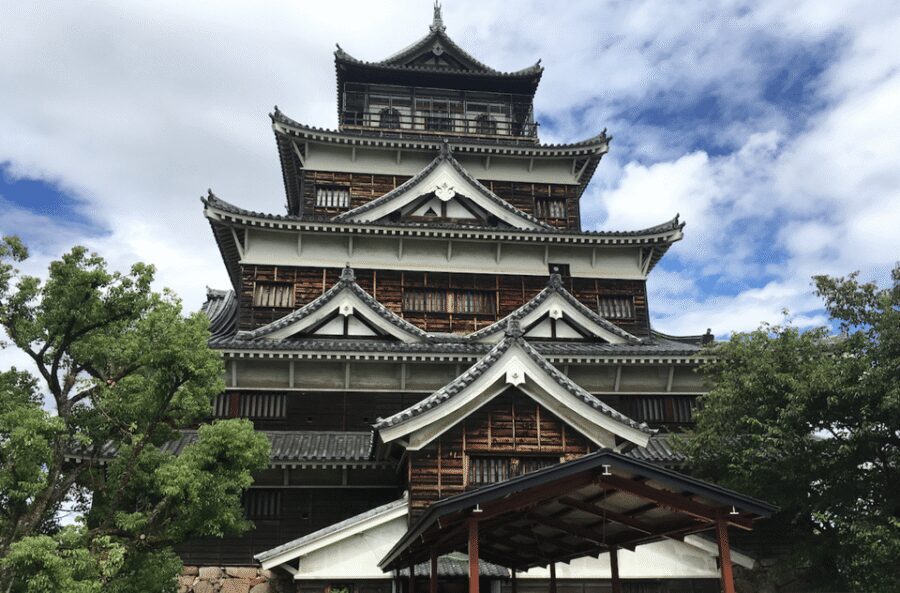
You’ll spend about 1 hour at Hiroshima Castle, with admission included. The castle reflects Japan’s traditional architectural style and connects to the Warring States period, so it’s a helpful contrast after the museum—history in a different key.
One key consideration: the castle admission is listed as included, but it’s also noted as closed for renovation from March 23, 2026. If you’re traveling around that time, you should confirm what replaces the castle visit or how the guide adapts.
If you can’t go inside on your dates, don’t panic. You can still get plenty from the grounds and views, but it’s best to know in advance so you can adjust expectations.
Other private guided tours in Hiroshima

Shukkeien Garden: where pace slows down
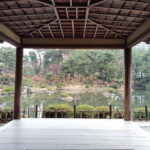
Then you reach Shukkeien Garden for about 1 hour. This is the kind of stop that makes the day feel less like a sprint. The garden is described as a fusion of traditional Japanese garden beauty and intricate design, and it offers seasonal landscapes depending on when you visit.
Gardens are also where a guide’s commentary shines. Even without going deep into technical terms, a good guide can point out what you should look for—how paths lead your eye, what design choices are meant to create a mood, and why the scenery changes as you walk.
My tip: bring your attention here. It’s a rare moment in Japan when “just looking” is the activity.
Moving to Miyajima: the day turns scenic fast
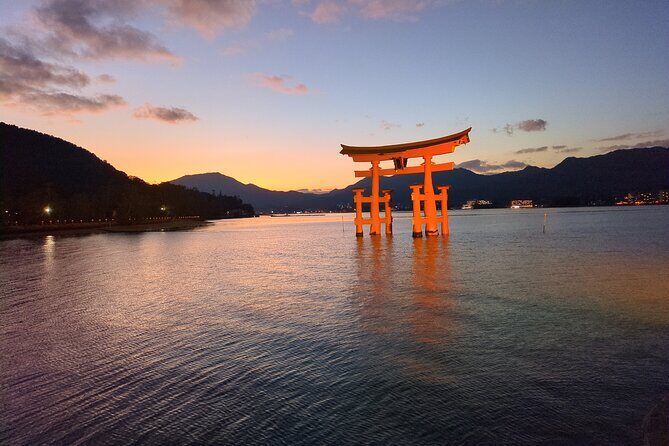
Once you’ve covered Hiroshima’s main cluster of sights, you head to Miyajima. Your tour ends at Miyajima pier, so you’ll want to think about how you’ll get onward after the tour finishes.
Miyajima is where the scenery starts doing the emotional work for you. The tour includes time around the shrine area, plus a stop at Omotesandō, the main shopping street on the island.
This is also where good guidance helps with timing. One theme from the feedback: guides helped people keep moving efficiently and made the day comfortable, even when routes and schedules shift.
The Torii viewpoint and Omotesandō: where photos meet real life
You’ll first get the Itsukushima Shrine Torii area viewpoint for about 30 minutes. The tour describes it as the floating Torii gate symbol—set in the sea—and the shrine landscape changes with the ebb and flow. That matters for your photos: if you’re there at a different tide, the “floating” effect can look different.
Then you’ll have about 1 hour at Miyajima Omotesandō Shopping Street. This is where you can actually enjoy the island pace rather than rushing between major sites. You’ll find traditional shops and local treats. Even if you don’t shop much, it’s a great place to refill snacks and water before you head into the shrine grounds.
If food matters to you, you’ll be glad the guides were praised for handling special needs. One guest mentioned their guide helped find a superb vegan restaurant for lunch. I wouldn’t assume every day will include the same exact dining win, but it’s a solid sign that your guide can help you solve food logistics while you’re in Miyajima.
Itsukushima Shrine: the UNESCO stop you’ll actually understand
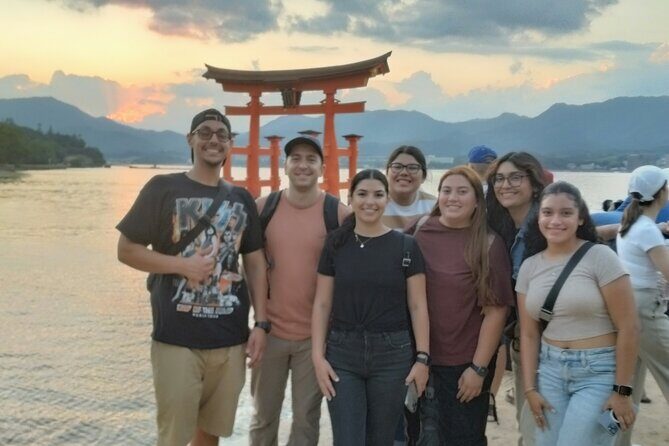
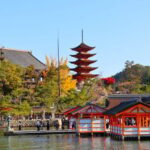
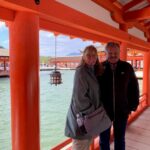
The final major sight is the Itsukushima Shrine (Itsukushima Jinja) for about 2 hours, with admission included. This is a UNESCO World Heritage site, built in 593 AD, and the big feature is the vermilion-painted great Torii gate standing in the sea.
Why that time matters: at Itsukushima, the “big photo” is only the start. The real value is being able to walk the grounds and notice how architecture and landscape interact. With tide changes, the shrine setting shifts how the shoreline and waterline look around you.
Here’s how I’d use your 2 hours:
- Start with the main sight long enough to orient yourself.
- Walk slowly enough that you can see details around the edges, not just the gate.
- If your guide explains what you’re looking at, ask one or two follow-up questions. That’s often where the shrine turns from pretty to meaningful.
One extra note: a few guests referenced having additional cultural moments during their day. That’s not guaranteed from the tour outline you provided, but it reinforces the idea that a private guide can sometimes work in small extras if timing and your interests line up.
Price and tickets: where this tour feels like a good deal
At $167.50 per person, this tour is priced for a full private guiding day plus multiple paid admissions. The key is that several ticket costs are included:
- Hiroshima Peace Memorial Museum admission
- Hiroshima Castle admission
- Shukkeien Garden admission
- Itsukushima Shrine entrance
The Atomic Bomb Dome and the Torii viewpoint are free stops, and the schedule is designed around that mix. So you’re not paying separately for every headline place.
Where the value can feel weaker (and you should plan for it): transportation costs. The tour does not include private vehicle transport, hotel pick-up/drop-off, and it notes transportation cost from the meeting place to your desired place isn’t included. In plain terms: you must handle getting to the meeting point, and you should budget for your own transit needs for your day.
That’s why it’s worth thinking like this:
- If you’re comfortable with public transit and you can show up ready at the meeting spot, the tour price looks easier to justify.
- If you need a lot of extra taxi rides to keep things comfortable, the total day cost can creep upward fast.
Logistics: walking time, heat, and how to stay sane
This is an outdoor-heavy day. The info specifically warns that Japan’s summer can be hot—especially in August, when temperatures can exceed 35°C—and because you’re walking for long stretches, you’ll want to prevent heatstroke. Bring hydration, and consider shade tools like a parasol if you have one.
One more practical detail: the Hiroshima museum area can be busy. If you can time your start earlier, you’ll likely face fewer crowds. In the feedback, a guide-led start around 8:30 am was linked with fewer crowds. That might not be available every day, but if your booking options include different start times, earlier can be a gift.
Also, keep expectations realistic about pacing. Even with a great guide, this is a full itinerary day. You’ll cover major sites and spend time inside a few of them, but it’s still a lot to fit into 8 hours.
Making it truly yours with a private guide
The private nature of this tour is where it can become more than sightseeing. Because it’s fully private, the guide can customize beyond the listed destinations based on your interests and timing.
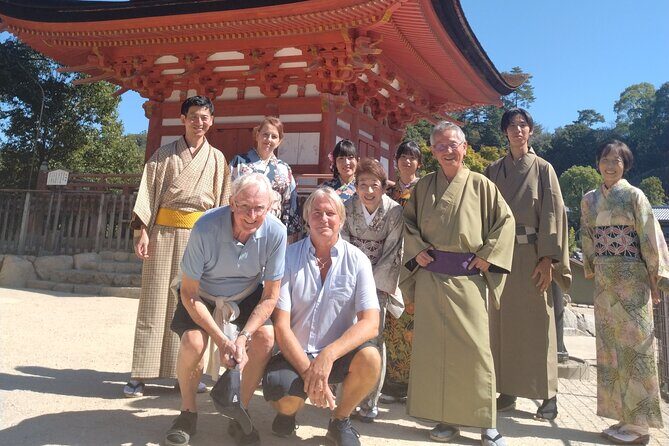
From the experience feedback, guides like Masa and Aya were praised for being communicative, adjusting pace, and helping with practical needs like vegan lunch options. Another guide, Yoshiko, was noted for keeping the group moving so everyone could see what they came for while still giving meaningful explanations.
So how do you take advantage of that? Before you start asking about details, ask one practical question: what’s the most efficient order for the rest of the day given your goals? If you want more museum time, say so. If you’d rather spend more time wandering in Miyajima’s shrine grounds, say so.
A quick caution: since this is private and guide quality can vary from person to person, try to communicate clearly about what you want most—language level, history depth, pace, and any food needs. That’s the best way to avoid the “checklist walk” feeling.
Who should book this Hiroshima and Miyajima day
This tour is a good fit if you want:
- A structured day with ticketed admissions that removes planning stress
- A guide who can explain what you’re seeing, not just point at it
- Time in Hiroshima that includes the museum (not just a photo stop)
- Time on Miyajima that goes beyond the main landmark view
It’s also a nice choice for couples and small groups who like to ask questions and set a comfortable rhythm. If you’re traveling with mobility limitations, you’ll want to think carefully about the walking and heat, since the core value is seeing multiple sites on foot.
Should you book? My decision guide
If your priority is a meaningful Hiroshima day plus a classic Miyajima shrine finale, and you’d rather spend your energy learning than organizing, I’d book this. The included admissions—especially the Peace Memorial Museum, Shukkeien Garden, and Itsukushima Shrine entrance—make it more than a “guide walks you around” arrangement.
Before you pay, I’d do two quick checks:
1) Confirm Hiroshima Castle access for your exact travel dates (renovation closure is noted starting March 23, 2026).
2) Budget for your own transit to and from the meeting point and from the end point at Miyajima pier.
If you’re bringing your own logistics and you can handle a long, walking-focused day, this private tour is a strong way to experience two of Japan’s most powerful places in one day.
FAQ
How long is the Hiroshima and Miyajima full day private tour?
It’s listed as about 8 hours.
Is this tour really private?
Yes. It’s described as a private tour/activity, and only your group participates.
What admission tickets are included?
The Hiroshima Peace Memorial Museum admission is included. Hiroshima Castle admission is included, along with Shukkeien Garden admission and Itsukushima Shrine entrance admission.
Are the Atomic Bomb Dome and the Torii area included?
The Atomic Bomb Dome stop is listed as free, and the Itsukushima Shrine Torii viewpoint stop is also listed as free.
Do I need to bring lunch money?
Lunch is not included, so you’ll need to plan where and when to eat.
Where does the tour start and end?
It starts at Hiroshima Peace Memorial Museum (1-2 Nakajimachō, Naka Ward, Hiroshima) and ends at Miyajima pier (宮島桟橋, Miyajimacho, Hatsukaichi, Hiroshima).
What about heat and walking in summer?
The tour info warns that summer can be extremely hot, especially August, with temperatures sometimes above 35°C. It recommends hydration and heat-protection items like parasols since you spend time outdoors.
Is Hiroshima Castle open all year?
The information notes Hiroshima Castle is closed for renovation from March 23, 2026, so you should check how that affects your dates.
How does cancellation work?
You can cancel for a full refund up to 24 hours before the experience starts. The experience requires good weather, and if it’s canceled due to poor weather you’ll be offered a different date or a full refund.