REVIEW · HIROSHIMA
Hiroshima/Miyajima: UNESCO Highlights Small-Group Day Tour
Book on GetYourGuide →Operated by AIDO · Bookable on GetYourGuide
Hiroshima and Miyajima, side by side, with the right guide. This small-group day turns Hiroshima history into something you can actually follow, then carries you out to Miyajima for the dramatic O-torii view with a guide like Kaku (and sometimes Erna) who knows where to stand and what to notice.
I especially like how the day mixes big, unforgettable sights with food and small local detours—without wasting time. I love the stop at Peace Memorial Park with real museum time, and I love the complimentary age-momiji maple cake fried fresh. The one drawback to plan for: transportation, lunch, and entry fees for museums and shrines are not included, so you’ll want some extra spending cash.
In This Review
- Key reasons this Hiroshima and Miyajima tour works
- Start at the Minamoa Starbucks, then get moving fast
- Peace Memorial Park: A-bomb landmarks and how to read the place
- The A-bomb Dome photo stop: quick, but not pointless
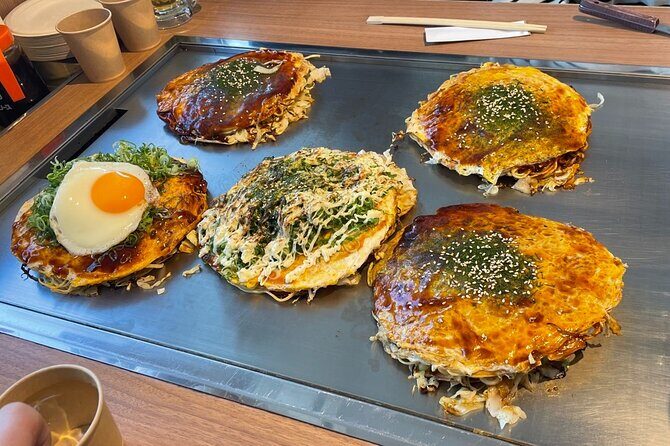
- Lunch at a teppan spot for Hiroshima-style okonomiyaki
- The ferry to Miyajima: instant scenery change
- Miyajima back lanes: walk past the crowds and eat like a local
- Itsukushima Shrine: guided meaning, not just a photo checklist
- Daisho-in Temple: lantern-lit stairs and a choice point
- How the tour’s “small-group” feel shows up in real pacing
- Price and value: what $135 includes (and what it doesn’t)
- What to bring for a smooth 7-hour day
- Rain or shine: the plan won’t fall apart
- Who should book this Hiroshima and Miyajima tour
- Should you book it?
- FAQ
- Where do I meet for the tour?
- How long is the Hiroshima and Miyajima tour?
- What languages is the guide available in?
- What is included in the price?
- What costs are not included?
- Is Hiroshima Peace Memorial Museum admission included?
- Are Itsukushima Shrine and Daishoin Temple entry fees included?
- Does the tour run in bad weather?
- Is the tour wheelchair accessible?
- What should I bring?
Key reasons this Hiroshima and Miyajima tour works
- Guide-led pacing that leaves enough time at Hiroshima’s memorial and the museum instead of rushing.
- Hiroden tram + train + ferry routing, with your guide helping you navigate between areas smoothly.
- Age-momiji maple cake included, straight from the fryer.
- Miyajima photo angles explained for the O-torii Gate at different tide moments.
- Itsukushima Shrine and Daishoin Temple handled with guided context, plus room for interest-based choices.
- Food stops that go beyond the obvious, including Hiroshima-style okonomiyaki options (vegetarian available).
Start at the Minamoa Starbucks, then get moving fast
You’ll meet at Starbucks Coffee Minamoa Hiroshima (on the second floor), right in front of the café entrance—by the outdoor chairs directly outside the store. It’s an easy landmark, and it sets the tone: this is a “go-go” day, but with a guide keeping you from wandering in the wrong direction.
From there, you’ll ride through the city on a nostalgic Hiroden tram. Your guide uses the ride to set context—what you’re seeing today, why it matters, and what will make the rest of the day click.
Other Miyajima Island tours in Hiroshima
Peace Memorial Park: A-bomb landmarks and how to read the place
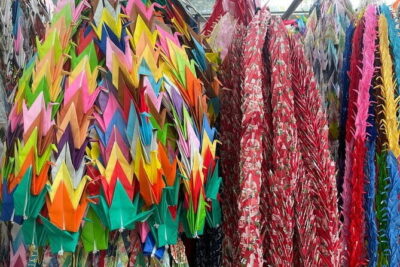
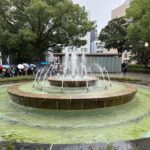
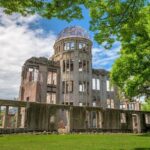
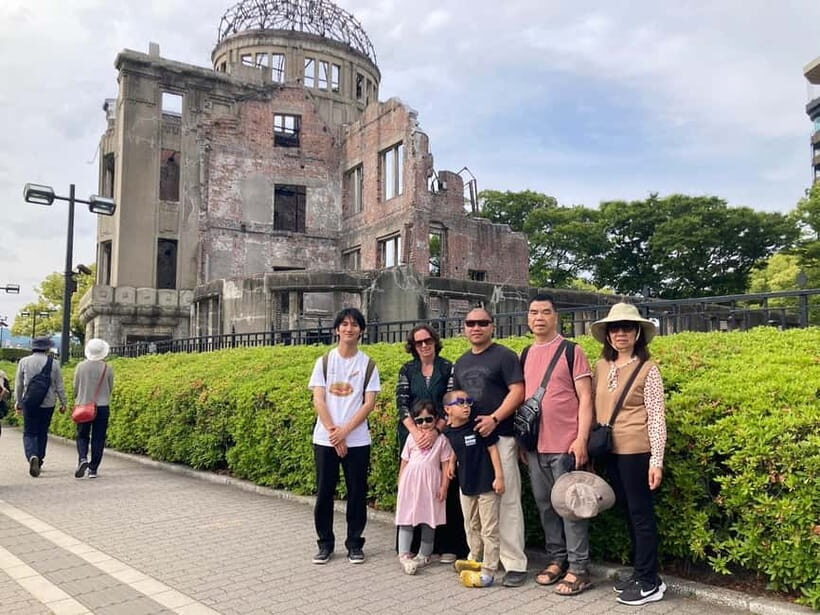
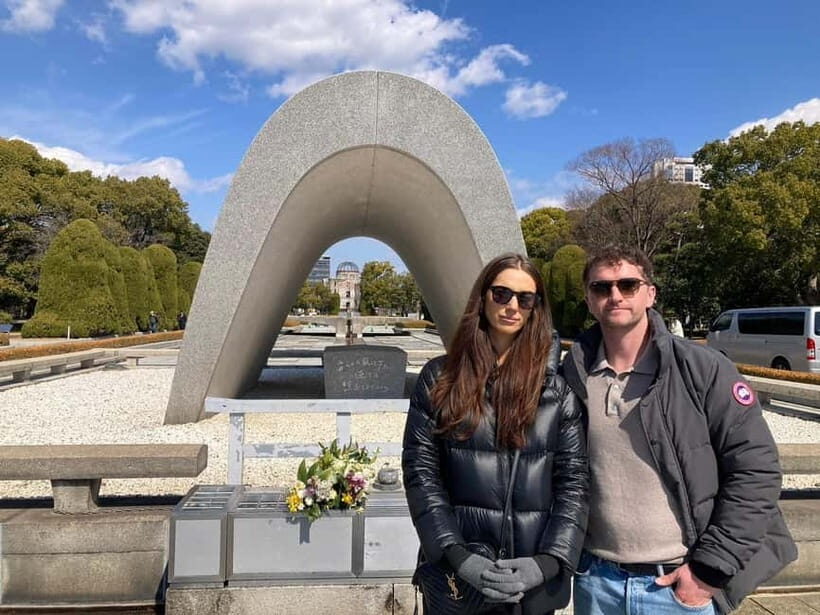
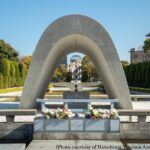
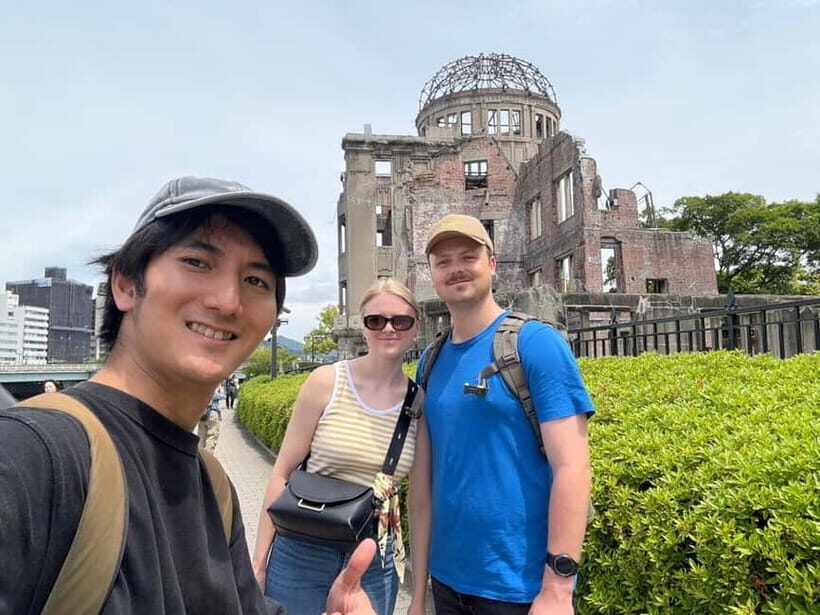
This is the heart of the day, and you’ll feel that immediately. You’ll walk tree-lined paths in Peace Memorial Park, with a photo stop for the A-Bomb Dome and time to explore the area on foot.
Then comes the museum. You get self-paced time inside the Peace Memorial Museum, which matters because the memorial is emotional and personal—there’s no prize for speed. A good guide doesn’t just list facts; they help you focus your eyes so you come away with a clearer understanding of the story being told there.
One small, practical win: the guide can help you handle crowds. Even when it’s busy, you’re not stuck guessing where to go next, or what’s worth your time versus what’s just a scenic bystander.
The A-bomb Dome photo stop: quick, but not pointless
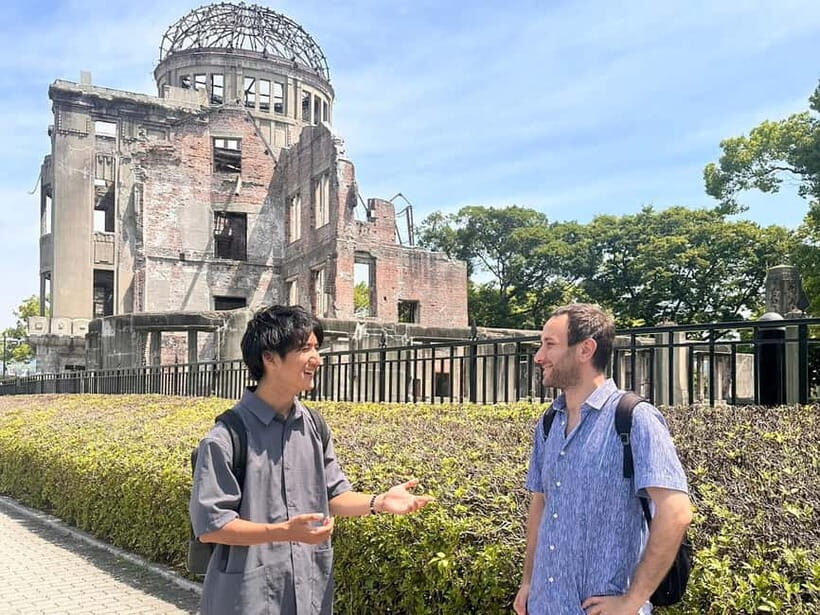
You’ll stop for photos around the A-Bomb Dome. Yes, it’s iconic. But the value of seeing it as part of a guided sequence is that you’re not photographing a symbol in isolation—you’re placing it inside the larger memorial context you’ll walk through right after.
Tip: bring your camera ready. You’ll want one steady shot and one angle that shows surroundings too, because that’s often what makes the image feel real later.
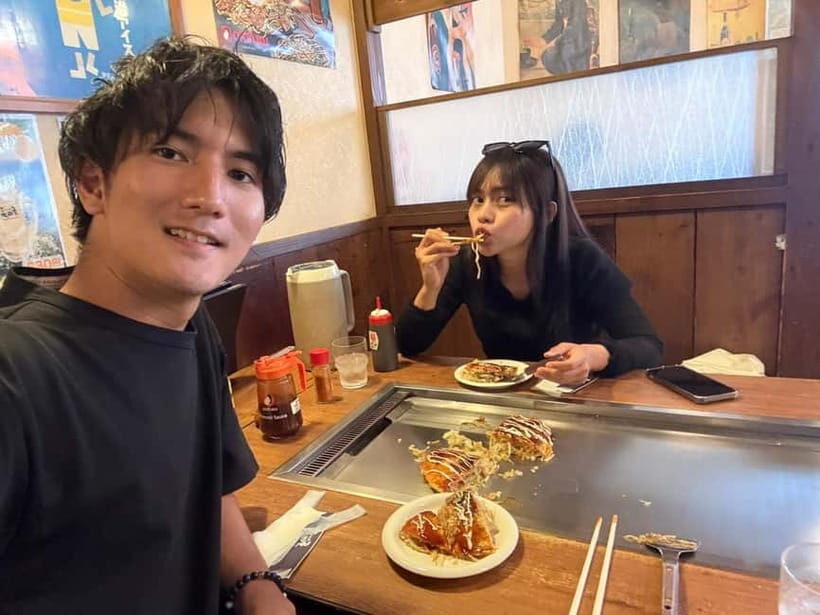
Lunch at a teppan spot for Hiroshima-style okonomiyaki
After Hiroshima’s memorial area, you’ll head toward a teppan restaurant for Hiroshima-style okonomiyaki. You sit at a sizzling table, and the big win here is that your guide helps set you up so you’re not figuring everything out mid-meal.
You pay for lunch on the day (so budget for it), and vegetarian options are available. If you’re picky about timing or allergies, it’s worth telling your guide early so they can steer you toward the right choice at the restaurant.
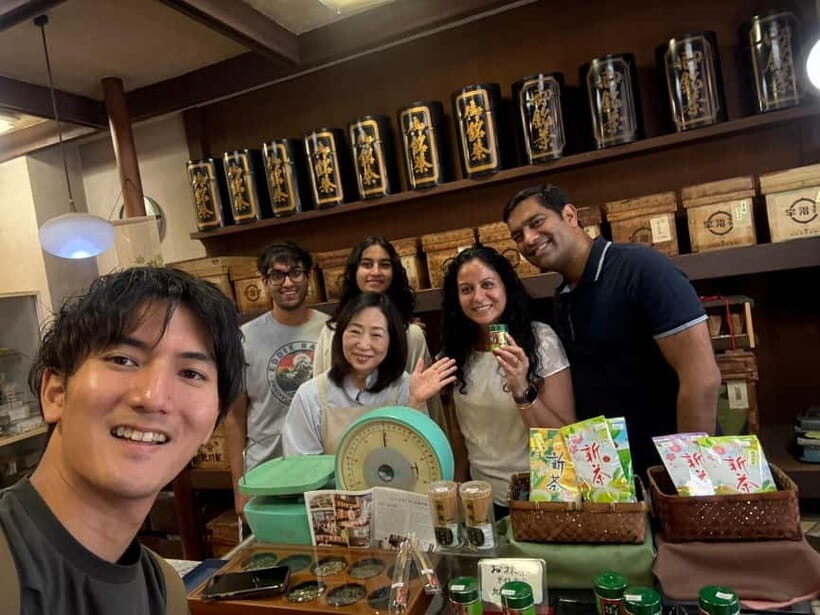
Also: your guide will often steer you toward what’s actually good in the area, not just what looks good on a flyer. Some days include extra snack-and-story stops too, like sweet shops, tea-house history lessons, or a juice stand—depending on your interests and how the day flows.
The ferry to Miyajima: instant scenery change
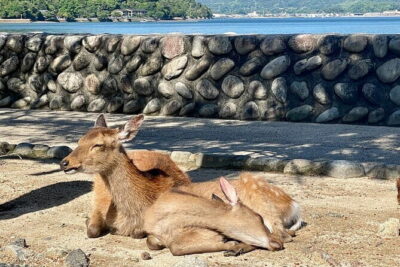
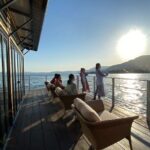
Once you’re done in Hiroshima, you’ll ride onward to Miyajimaguchi and take the ferry to Miyajima. The ride itself is part of the experience—short, scenic, and a clean break from the heavier mood of the memorial.
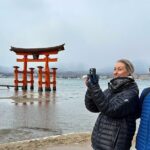
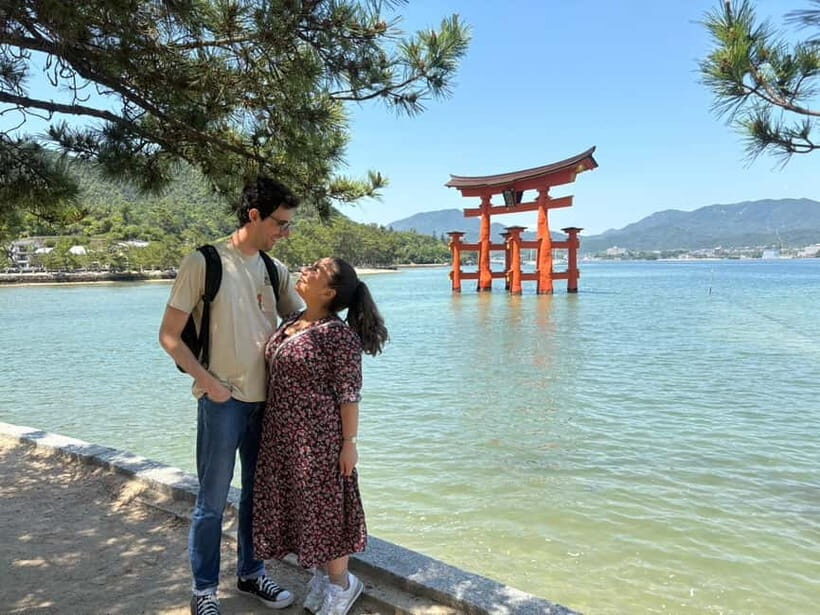
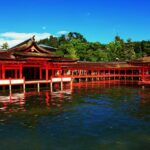
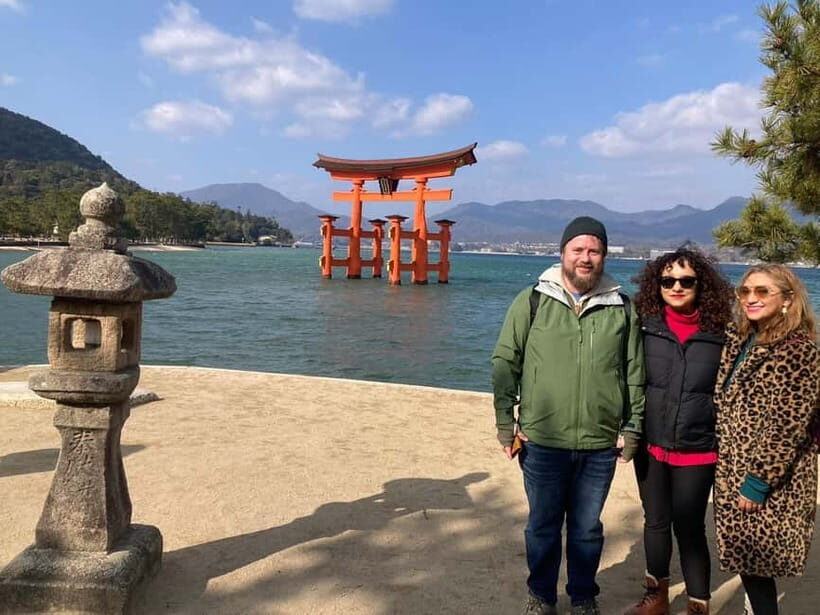
On the other side, you’ll get your first real reveal of Miyajima’s iconic look: the vermilion O-torii Gate appearing to float above the Seto Inland Sea. Your guide will point out where to stand and how timing matters, including the best angles at higher and lower tide moments.
If you care about photos, this is one of those times when a guide saves you. You don’t just get the view—you get the viewpoint.
Other Hiroshima and Miyajima combo tours in Hiroshima
Miyajima back lanes: walk past the crowds and eat like a local
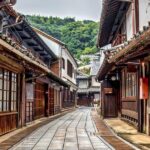
Miyajima is famous for a reason, but the main areas can get crowded. What makes this tour feel different is that you also get time for quieter back-lane walking away from the densest tourist flow.
And yes, you get to eat. After you’ve walked and reset your eyes from the big landmark views, you’ll enjoy a complimentary age-momiji maple cake straight from the fryer. It’s one of those foods that tastes best when it’s still warm, and you’ll get it as part of the flow instead of as an afterthought.
Some guides also help with small extras that turn the day more personal—like getting a custom stamp you’ve been looking for. If you’re into that kind of souvenir, mention it to your guide and see what’s possible.
Itsukushima Shrine: guided meaning, not just a photo checklist
Itsukushima Shrine is a guided highlight, with a photo stop and guided tour time. This is where the tour’s storytelling really earns its spot: your guide explains Shinto legends tied to the shrine and helps you connect what you see to what those traditions mean.
One useful thing: you’ll learn how to view the shrine from the right angles, rather than just following a line and hoping. That makes the experience feel more like understanding than sightseeing.
Museum and shrine entry aren’t included, so you’ll want to budget for those tickets if you plan to go inside areas that require admission.
Daisho-in Temple: lantern-lit stairs and a choice point
After Itsukushima, you’ll have another visit connected to Daishoin Temple. There’s a photo stop, plus guided tour time. The description includes the lantern-lit stairway feel, which is the kind of detail you only fully appreciate once you’re standing there.
Depending on group interest, you might also be offered a choice between tasting local sake and climbing Daishoin Temple’s stairway. Either way, you stay in control of the day’s flavor—literally and figuratively.
How the tour’s “small-group” feel shows up in real pacing
Even with the major stops packed in, the flow isn’t frantic. Peace Memorial Park gets enough time for a walk and photos. The museum is self-paced so you can go at your own emotional speed. Miyajima gets walking time plus shrine and temple time, with room for your guide to adjust based on interests.
In the best cases, your guide tailors the day more than you’d expect from a set itinerary. Guides like Kaku (and Erna) are praised for being attentive and close, and for quietly making sure you see what matters even when there are lots of other people around.
Price and value: what $135 includes (and what it doesn’t)
At $135 per person for a 7-hour day, this tour is built around guidance, not just transport. What you’re paying for is the bilingual human element—English or Indonesian—plus the age-momiji snack, and the fact that you don’t have to coordinate everything yourself.
What you should plan to pay separately:
- Tram, JR train, and ferry tickets
- Museum and shrine entry fees
- Lunch (the restaurant choice is guided, but it’s not included)
- Personal drinks
If you’d rather spend your own energy figuring out transit and admissions, you can do it independently. But if you want a guided route that keeps timing and context tight—especially for Hiroshima’s memorial areas—this price can feel fair.
What to bring for a smooth 7-hour day
A few practical items will make a big difference:
- Comfortable shoes (you’ll be walking in Hiroshima and on Miyajima)
- A camera (there are multiple photo moments, including the O-torii gate)
- Cash (some meals and paid entries require it)
- Weather-appropriate clothing (it runs rain or shine)
Rain or shine: the plan won’t fall apart
This tour operates rain or shine. If weather gets heavy, there’s an indoor cultural alternative offered. That’s important for a day like this, because it prevents the whole experience from turning into a cancelled-and-scrambled mess.
Who should book this Hiroshima and Miyajima tour
You’ll probably love it if:
- You want Hiroshima handled with care and context, not just a quick stop
- You care about food that’s local (okonomiyaki and sweets are built into the day)
- You want Miyajima’s O-torii view with better photo guidance
- You like the flexibility of a guide who can nudge the day based on your interests
It might not be the best fit if you’re the type who hates paying for anything out of pocket and wants every single ticket included. You’ll pay for transit and entries on your side.
Should you book it?
If your goal is a guided, meaningful day that covers UNESCO-level highlights without rushing through the parts that matter, I think this is a smart booking. The biggest reason: the day is organized around how to look at things, not just where to go.
Book it especially if you’re hoping for a guide who takes Hiroshima seriously, gives you enough museum time, and still keeps the energy fun on Miyajima—with snacks like age-momiji maple cake and a real shot at the O-torii gate from the right angles.
FAQ
Where do I meet for the tour?
Meet in front of the café entrance, on the outdoor chairs directly outside Starbucks Coffee Minamoa Hiroshima (2nd floor).
How long is the Hiroshima and Miyajima tour?
The tour runs about 7 hours.
What languages is the guide available in?
The live tour guide speaks English and Indonesian.
What is included in the price?
The tour includes a bilingual guide and a complimentary age-momiji maple cake snack.
What costs are not included?
Transportation costs (tram, train, and ferry tickets), museum and shrine entry, lunch, and personal drinks are not included.
Is Hiroshima Peace Memorial Museum admission included?
No, museum entry is not included.
Are Itsukushima Shrine and Daishoin Temple entry fees included?
No, shrine entry is not included.
Does the tour run in bad weather?
Yes. The tour operates rain or shine, and an indoor cultural alternative is offered in case of heavy rain.
Is the tour wheelchair accessible?
Yes, the tour is listed as wheelchair accessible.
What should I bring?
Bring comfortable shoes, a camera, cash, and weather-appropriate clothing.