REVIEW · HIROSHIMA
Hiroshima: Peace Cycling Tour with Local Guide
Book on GetYourGuide →Operated by Attractive JAPAN · Bookable on GetYourGuide
Memorials feel closer when you pedal. This Hiroshima Peace Cycling Tour uses electric bikes and an English-speaking local guide to connect the Peace Park story to the wider city, including the Atomic Bomb Dome.
I love the way the guide treats the history as living memory, not just dates, and that you’ll hear how Hiroshima residents felt around 70 years ago. On tours with guides like Shin and Kana, family stories make the facts land in a human way.
One key consideration: this is an emotional topic paired with real cycling time, and 145 cm is the height minimum for the adult electric bike, so it may not fit everyone.
In This Review
- Key things to know before you book
- Hiroshima by Electric Bike: Why This Tour Works
- Meeting at the Peace Park Rest House (and how to reach it)
- Bike Fit and Comfort: What to wear so the ride stays easy
- The 2-hour route: Peace Memorial Park and the A-Bombed Streetcars
- The 3-hour route: Hiroshima Castle to Peace Boulevard by ebike
- Hiroshima Castle
- Hiroshima Gokoku Shrine and shrine gate
- Hiroshima Central Park
- Aioi Bridge
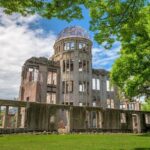
- Atomic Bomb Dome
- Motoyasu River and the Peace Bridge
- Higashisenda Park
- Hiroshima Red Cross Hospital
- Hiroshima Railway and the surrounding area
- Miyuki Bridge and Kobayashi River
- Surviving Weeping Willow Tree
- Peace Boulevard
- What your guide teaches you at every stop
- The emotional tone: moving, but also framed with hope
- Price and value: what you’re really paying for at $52
- Practical tips so you enjoy the ride (not just endure it)
- Should you book this Hiroshima Peace Cycling Tour?
- FAQ
- How long is the Hiroshima Peace Cycling Tour?
- Where is the meeting point?
- Is this tour on an electric bicycle?
- Are there height or age limits for riding?
- Do I need Japanese to join?
- Is food included?
- What should I bring and wear?
Key things to know before you book
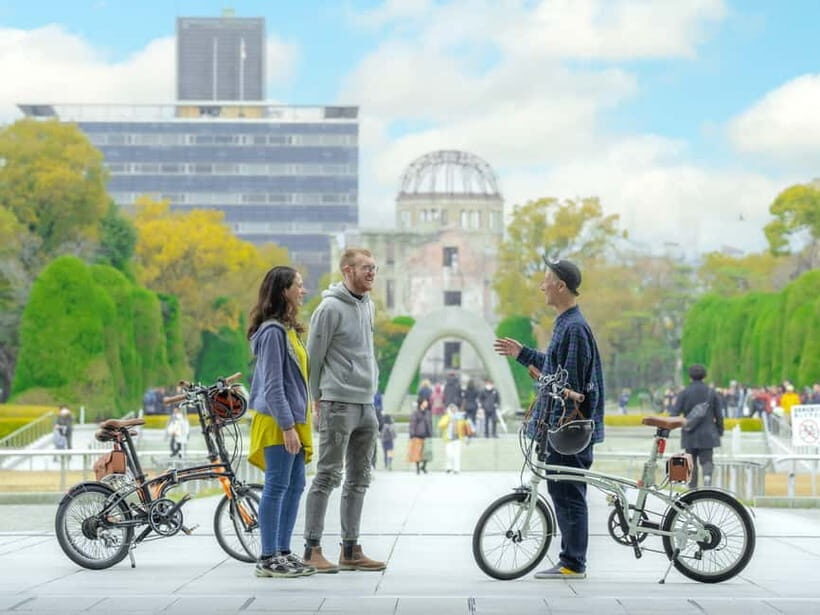
- Easy electric bicycles help you cover more ground without turning the ride into a workout
- Local voices then and now: you’ll hear how feelings around the Peace Park evolved over decades
- 2.5 km devastation area: the route is built to show how far the impact spread beyond the main memorial zone
- Atomic Bomb Dome and Peace Park monuments: you’ll get context for what you’re seeing
- A-Bombed Streetcars: you’ll learn about the surviving tram running even today
- Family-linked storytelling from guides such as Shin and Kana makes stops feel personal
Hiroshima by Electric Bike: Why This Tour Works
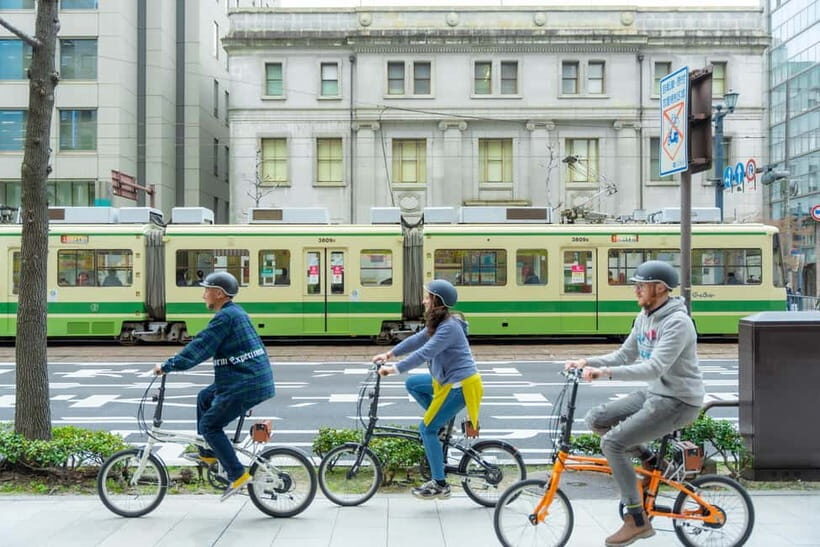
Cycling through Hiroshima changes how you take in the story. Walking keeps you in one lane of time. A bike moves you through the city like you’re simply out living your day—then the guide pulls you back to what happened, where it happened, and why it still shapes Hiroshima.
The big idea here is scale. The area within about a 2.5km radius of the hypocenter was severely damaged, but most visitors mostly experience the topic in one tight cluster near the Peace Memorial Park. This tour is designed to stretch that experience outward, into neighborhoods you’d otherwise glance past on a map.
And the electric bikes matter. They make it possible to keep a comfortable pace while you listen, stop, and look. You’re not sprinting from one monument to the next. You’re moving with intention, at a tempo your guide can actually teach.
Other private guided tours in Hiroshima
Meeting at the Peace Park Rest House (and how to reach it)
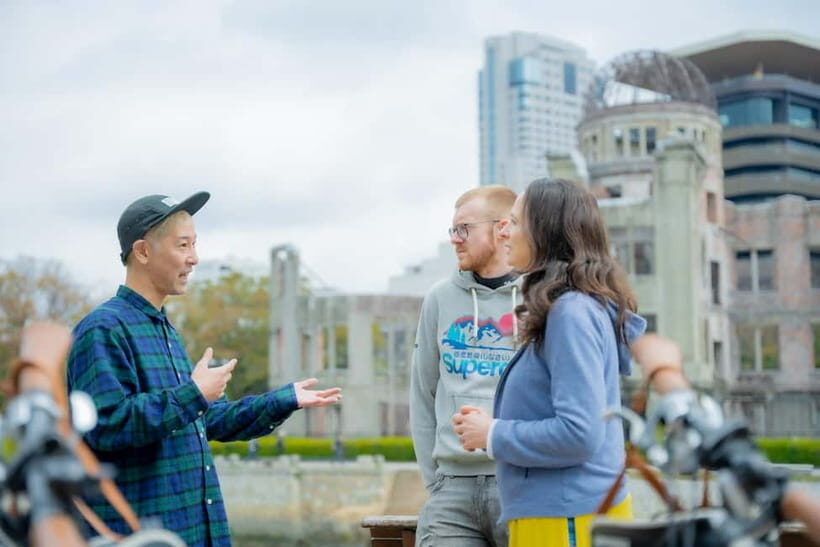
The meeting point is the Rest House of the Hiroshima Peace Park. From Hiroshima Station, you take the Hiroshima Electric Railway and get off at Atomic Bomb Dome Station. Plan about 20 minutes on the train, then add a 5-minute walk.
This matters because the tour is time-based and the topic is sensitive. You want to arrive early enough to get your bearings before the guide starts placing everything in context. If you’re late without prior notice, the tour can be canceled and the cost is not refunded, so treat the meeting time like an appointment.
Once you’re set, you’ll be rolling through the historic center and key memorial-linked spots, either on the shorter 2-hour flow or the longer 3-hour route.
Bike Fit and Comfort: What to wear so the ride stays easy
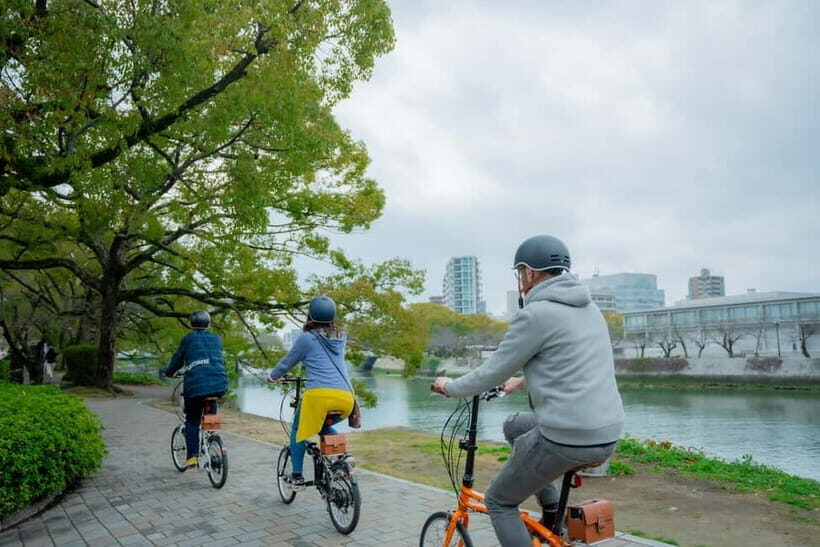
You ride an electric bicycle. That’s the comfort advantage, but there are still real fit rules.
- Adult electric bike use requires a height of 145 cm or more
- If you’re below that, this tour isn’t set up for you on the adult bike
- High-heeled shoes aren’t allowed
- You’ll want comfortable shoes, a towel, and drinks
- Wear comfortable clothes so you can stop often without fuss
Child seating and child bikes have their own limits (by weight and height), and there are options for kids who fit the criteria. If you’re traveling with children, it’s worth checking the exact seat/bike limits before you assume anyone can ride whatever bike is available.
One more small comfort detail: because the group can be up to 10 people on a shared format, the pace may be adjusted if someone isn’t accustomed to cycling, especially children. That flexibility is part of why the tour works for mixed groups.
The 2-hour route: Peace Memorial Park and the A-Bombed Streetcars
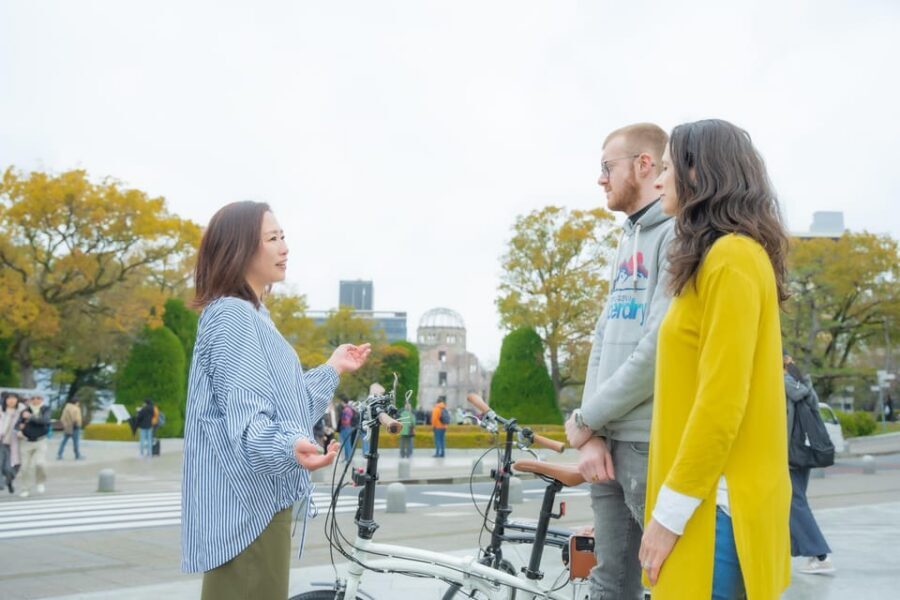
The shorter option is made for visitors who want the core story without turning the day into a marathon.
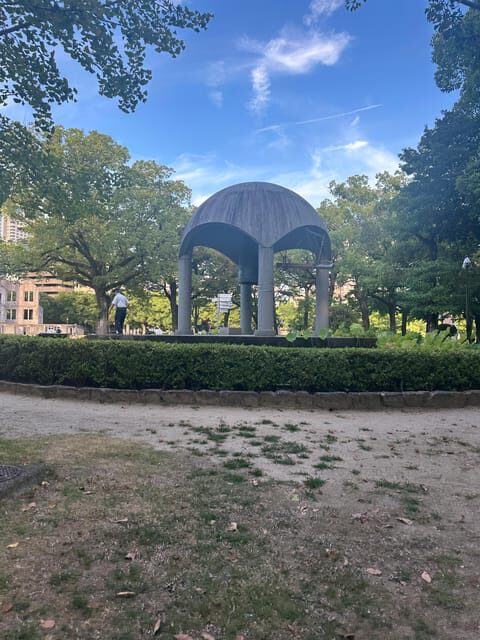
You start near the Peace Memorial Park (meeting and then heading there shortly after). At the Peace Memorial Park, the guide explains the memories contained in the monuments and the Atomic Bomb Dome, plus what happened about 70 years ago. This isn’t only about pointing out major landmarks. The value is in the framing: why those monuments exist, what they record, and how Hiroshima residents interpret them long after the moment passed.
Then you move toward the suburbs and other A-bomb-linked heritage sites, away from the busiest tourist flow. A highlight of this route is the story of the A-Bombed Streetcars—the surviving tram/tramway element that is still running today. It’s a powerful contrast: a city that absorbed a shock on August 6, 1945, yet continued moving forward, piece by piece.
The payoff is time efficiency. In two hours, you get the emotional core (Peace Memorial Park and the Dome) plus a wider look at how the city has been rebuilt and replanted over decades. The drawback is simple: you’ll see fewer “supporting chapters” than on the full 3-hour route.
The 3-hour route: Hiroshima Castle to Peace Boulevard by ebike
If you have the time, the longer route gives you more of what makes Hiroshima feel like a real city, not a museum. It strings the story through landmarks and corridors that help you understand how people lived, worked, and rebuilt after the bombing.
Here’s the flow, and what each stop adds:
Other Peace Memorial Park tours in Hiroshima
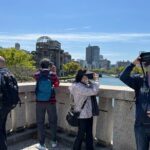
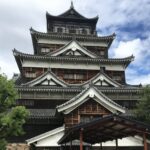
Hiroshima Castle
Starting near Hiroshima Castle gives you a strong sense of place. Even before you hit the heavier memorial moments, the guide can set up the idea that Hiroshima had a civic life and identity long before 1945—and then it had to rebuild that identity from the ground up.
Hiroshima Gokoku Shrine and shrine gate
This stop adds a spiritual and cultural layer. You’re not only tracking destruction. You’re seeing how belief systems and community institutions exist alongside the memorial narrative.
Hiroshima Central Park
Central green space is a reminder that the city changed. Your guide helps you read what you’re seeing: not just greenery, but the fact that the devastated city has been revitalized over time.
Aioi Bridge
Bridges are natural teaching tools in Hiroshima because they show connections—between districts, between neighborhoods, and between where you’re standing now and what the guide explains about the bombing impact. Expect explanation tied to the atomic bombing context.
Atomic Bomb Dome
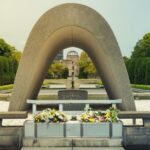
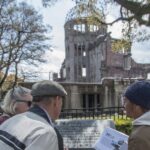
This is where the story becomes unavoidable. The guide ties together the Dome, the Peace Memorial Park themes, and the meaning behind the monuments. It’s moving in a way that tends to linger, because you can see it in daylight, framed by real streets, not just archived images.
Motoyasu River and the Peace Bridge
Following the route along the water is one of the best ways to grasp how Hiroshima is laid out. The guide helps you connect what happened nearby with how the city works now—crossings, movement, and everyday routines.
Higashisenda Park
This kind of park stop keeps the experience grounded. Instead of only hearing about the past, you’re also seeing how everyday public spaces exist after a catastrophe.
Hiroshima Red Cross Hospital
You’ll get the bombing-linked story element associated with this site. A hospital has a heavy role in any wartime history, and here it reinforces the human cost that sits behind every monument.
Hiroshima Railway and the surrounding area
Rail connections matter because they represent movement and survival. The guide will connect the place back to the bombing story and why the city’s transport systems and daily routines mattered in the aftermath.
Miyuki Bridge and Kobayashi River
More river and more crossing helps you understand the city’s geometry. You end up with a mental map, which is one of the biggest advantages of this format versus reading about the city later.
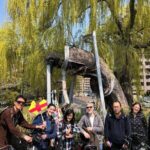
Surviving Weeping Willow Tree
This stop is a visual anchor. The guide helps explain why it matters as a surviving reminder, and it’s one of those places where the emotion shows up as quiet attention.
Peace Boulevard
You finish with a final corridor built around the Peace message. By then, you’ve moved through enough connected landmarks that the boulevard doesn’t feel abstract. It feels like the city’s present-day commitment to remembering.
The longer option is best when you want extra time with the “in-between” parts of Hiroshima—the areas that give the story context, not just highlights.
What your guide teaches you at every stop
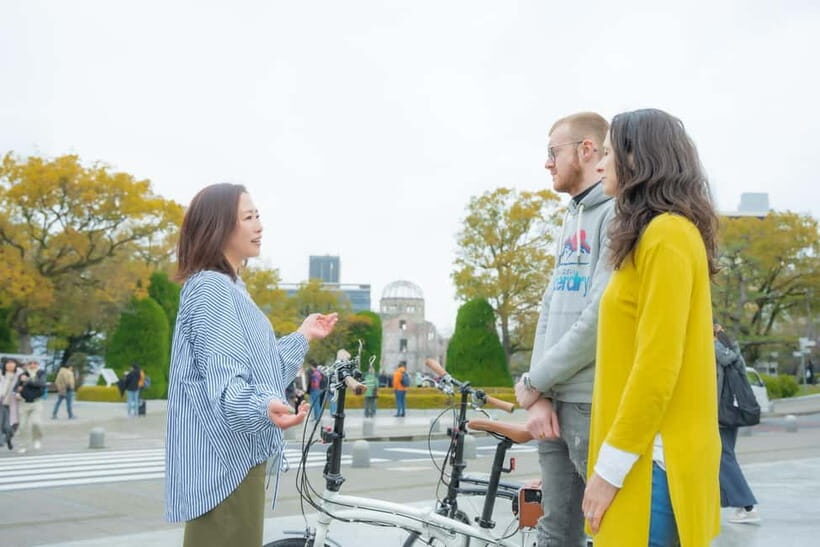
The guiding style is a big reason this tour rates so highly. The route isn’t only about seeing. It’s about learning how Hiroshima residents interpret the Peace Park story, including local feelings going back about 70 years.
In plain terms, your guide connects three things:
1) What you’re looking at (monuments, buildings, bridges, parks)
2) What the bombing changed nearby
3) How Hiroshima rebuilt and how people think about it now
Many guides also share personal family-linked stories. In particular, guides like Shin are noted for sharing a personal family connection to August 6, 1945, and others such as Kana, Moe, and Mai have shared family memories and the impact across generations. Those personal elements don’t replace the facts; they give the facts a voice.
One practical effect for you: you’ll likely leave with fewer random photos and more clear mental scenes. That’s the real souvenir.
The emotional tone: moving, but also framed with hope
This is not a light topic. It’s about the atomic bombing and the devastation that followed. You should expect moments that feel heavy, especially when the guide ties a landmark to what happened and why survivors and their families still talk about it.
But the tour’s structure also keeps a thread of hope and resilience. The guide often finishes stops with how Hiroshima learned, healed, and rebuilt—showing the “then and now” in the same ride window. You’ll notice it most in how the route flows from monuments into everyday civic spaces like parks and bridges.
If you’re the kind of traveler who needs silence and space for reflection, plan to slow down mentally. This tour moves at a comfortable pace, but it still packs a lot of meaning into a few hours.
Price and value: what you’re really paying for at $52
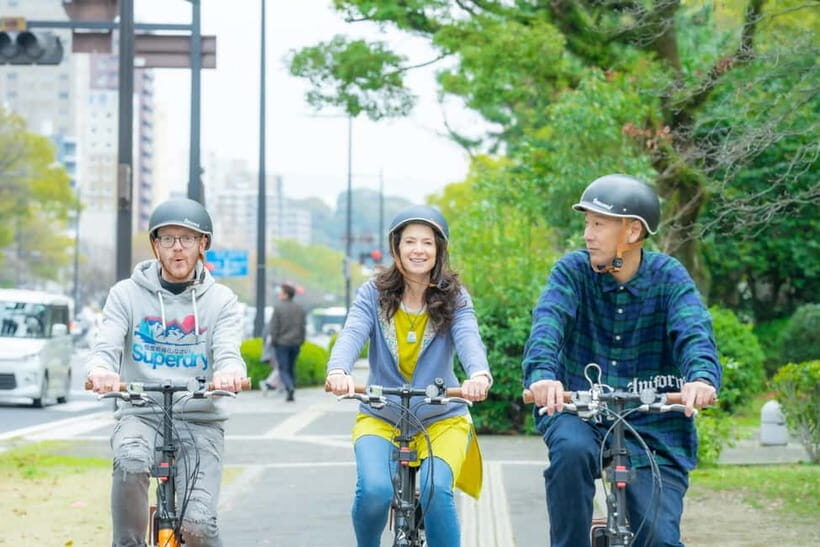
At $52 per person for about 2 to 3 hours, you’re buying more than a bike rental.
Your ticket covers:
- Rental bicycles (electric bikes)
- An English-speaking guide
- Insurance for bicycle accidents
Food and drinks are not included, so you’ll budget for water and any snacks you want. But the core value is the time with a local guide who can explain context at each stop and connect the Peace Park narrative to the broader city damage zone.
You’re also paying for efficiency that walking doesn’t deliver. With an e-bike, you can cover multiple memorial-linked sites and still arrive ready to understand them, not just chase them.
For short Hiroshima stays, this is the kind of experience that saves you from doing the research homework alone. You get the story organized in a route-shaped way.
Practical tips so you enjoy the ride (not just endure it)
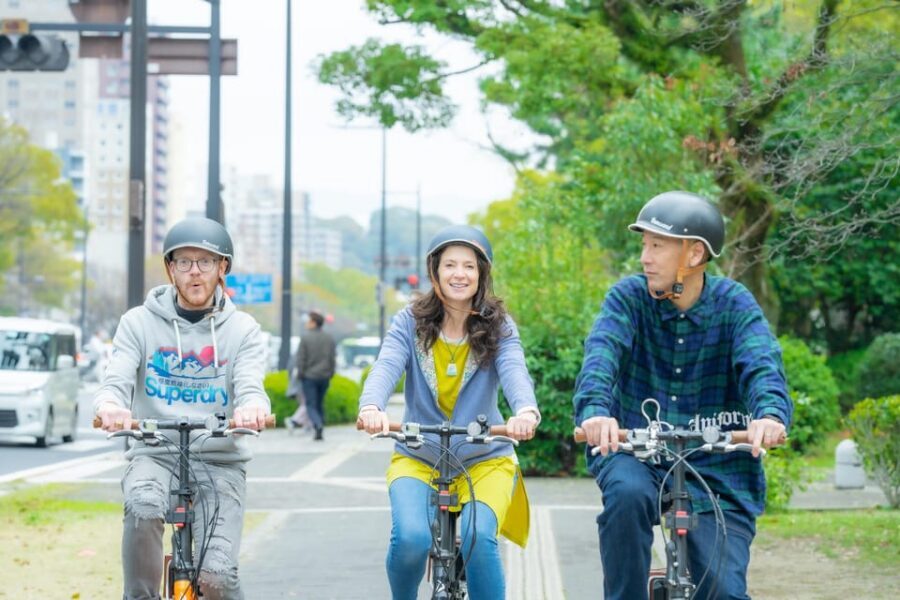
Here are the small choices that keep the day pleasant:
- Bring drinks and use the breaks. The route includes multiple stops, so hydration matters.
- Wear comfortable shoes. You’ll be on and off the bike often.
- Bring a towel. Even in mild weather, sweat and humidity happen.
- If you’re sensitive to emotion, you might want to prepare a little. This tour is designed to be reflective, not casual.
- Take a light mental note of questions. The guide’s pacing gives you moments to ask, especially once you’re through the core memorial area.
If you have a child, confirm the seat/bike limits ahead of time. The tour can support children starting from age 1, but only with the correct bike/seat setup.
Also, plan to be early to the meeting point. The tour can be canceled if you arrive late without notice.
Should you book this Hiroshima Peace Cycling Tour?
Book it if you want Hiroshima’s Peace story in a form that feels real and local. This is a smart choice if you:
- have limited time in Hiroshima
- want to see beyond the Peace Memorial Park area
- like learning from a guide with personal, family-connected storytelling
- can ride an electric bike comfortably for a couple of hours
Don’t book it if you:
- don’t meet the 145 cm height requirement for the adult electric bike options
- want a fully self-paced memorial visit without cycling time
- prefer food to be part of the ticket (it isn’t included)
FAQ
How long is the Hiroshima Peace Cycling Tour?
The tour runs about 2 to 3 hours, with routes that match that timing. The shorter option focuses on the Peace Memorial Park and then the A-Bombed Streetcars area, while the longer option includes additional stops like Hiroshima Castle and multiple bridge/park sites.
Where is the meeting point?
Meet at the Rest House of Hiroshima Peace Park. From Hiroshima Station, take the Hiroshima Electric Railway to Atomic Bomb Dome Station (about 20 minutes), then walk about 5 minutes.
Is this tour on an electric bicycle?
Yes. You’ll ride a comfortable electric bicycle with an English-speaking local guide.
Are there height or age limits for riding?
Adult electric bikes require a height of 145 cm or more. Children may use separate child bicycle or child seat options based on weight and height rules. Children under 15 can use both children’s bicycles and adult bicycles at the child rate, as long as they meet the bike/fit conditions.
Do I need Japanese to join?
No. This is an English guided tour.
Is food included?
No. Food and drinks are not included, so you’ll want to bring your own drinks.
What should I bring and wear?
Bring comfortable shoes, a towel, drinks, and comfortable clothes. High-heeled shoes are not allowed.