REVIEW · HIROSHIMA
An Amazing set of Cultural experience: Kimono, Tea Ceremony and Calligraphy
Book on Viator →Operated by Okeiko Japan · Bookable on Viator
You can turn a short stop on Miyajima into a full-on Japanese arts day. This experience bundles kimono, a tea ceremony with matcha, and calligraphy at Tokujuji’s Zen temple area, all in about 1.5 hours. And yes, you’ll get plenty of photos.
I especially like the way the session is structured: you start with dressing (including socks and obi help), then you move into the tea steps, and finish with calligraphy practice. The other big win is the small group size—up to 8 people—so the hosts can actually help you get comfortable, pick your outfit, and follow along.
One consideration: if you want total spontaneity, note that the activities are guided and time-based, so you’re trading free roaming for a set cultural program. And calligraphy can be trickier than it looks—your first strokes may feel clumsy, but that’s part of the learning.
In This Review
- Key things to know before you go
- Miyajima Tokujuji Arts in 90 Minutes: What You Actually Do
- Getting to Okeiko Japan Miyajima (and how the 5-minute walk matters)
- Kimono fitting at Okeiko: the photo part is also the skill part
- Matcha tea ceremony and your own whisking steps
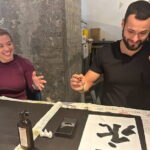
- Calligraphy at the Zen temple: names, kanji, and real practice
- Price and value on Miyajima: $132.14 for three traditions
- Morning vs afternoon start times: pick based on how you travel
- Who this experience fits best (and who might not love it)
- Should you book this Kimono, Tea, and Calligraphy session?
- FAQ
- How long is the Kimono, Tea Ceremony, and Calligraphy experience?
- Where do I meet for the experience?
- What’s included in the experience?
- Are there morning and afternoon options?
- How big is the group?
- What age is required to participate?
- Do I need an admission ticket for the temple stop?
- How do I receive my tickets?
- What’s the cancellation policy if my plans change?
Key things to know before you go
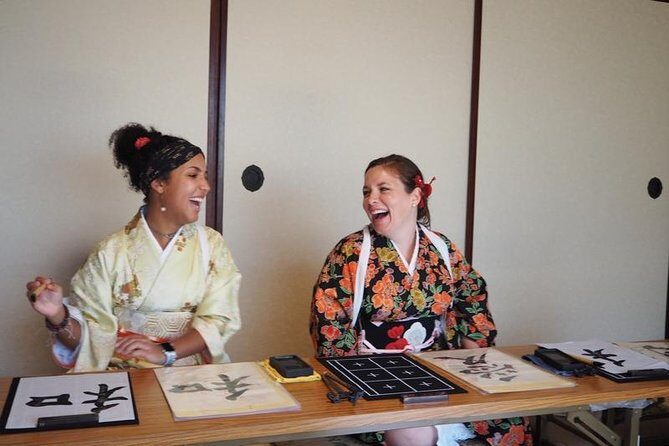
- Small group (max 8): more hands-on help during kimono, matcha, and calligraphy
- Miyajima Zen temple setting: Tokujuji area makes the arts feel grounded in place
- Make matcha, not just watch: you learn the steps and whisk it yourself
- Photo-focused kimono time: hosts help you look good while you’re learning
- Calligraphy includes names/kanji practice: you’re not limited to copy-the-symbol drills
- Local touches for souvenirs: some practice items may be wrapped to take home
Miyajima Tokujuji Arts in 90 Minutes: What You Actually Do
This isn’t a quick museum stop where you look and leave. It’s a compact workshop day with three classic Japanese traditions, tied to a historic Zen temple visit on Miyajima (Hiroshima).
You’ll start at Okeiko Japan Miyajima, then head in the direction of Tokujuji Temple. From there, the program flows like this: kimono dressing and photos, a tea ceremony where you’ll make your own matcha, and a calligraphy session with guided practice. The whole experience runs about 1 hour 30 minutes (approx.), and the on-site block you spend at the main activity location is often listed as around 2 hours, so I’d plan for a short, focused window rather than a half-day.
What makes the time work well for real trips: each activity builds on the next. Dressing in kimono makes the ceremony feel more meaningful, and the slow pace of tea helps you settle before calligraphy. It’s the kind of structured cultural experience that doesn’t require you to already know anything.
Other tea ceremony tours in Hiroshima
Getting to Okeiko Japan Miyajima (and how the 5-minute walk matters)
Location matters on Miyajima. The meeting point is at Okeiko Japan Miyajima, and it’s listed as a 5-minute walk from the Miyajima ferry port, moving toward Tokujuji.
That short walk is useful because Miyajima is the kind of place where you want to avoid logistical stress. You’re not trying to locate something hidden across town while you’re thinking about whether you’ll be late. Instead, you get a clear target near the ferry arrival point, and the temple route is basically the same direction you’d be walking anyway.
Practical tip: build in time for the ferry connection you’re using. Even if your session is only 90 minutes, your day still has the rhythm of island travel—boat schedules, pedestrian crowds, and walking speed. Showing up a little early helps you avoid rushing when you’re about to change into a kimono.
Kimono fitting at Okeiko: the photo part is also the skill part
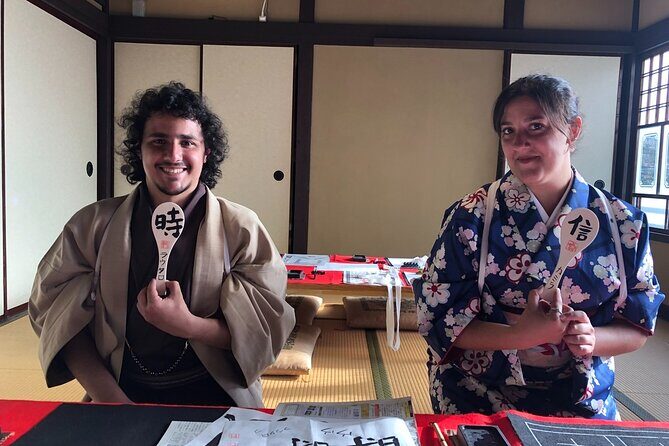
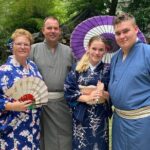
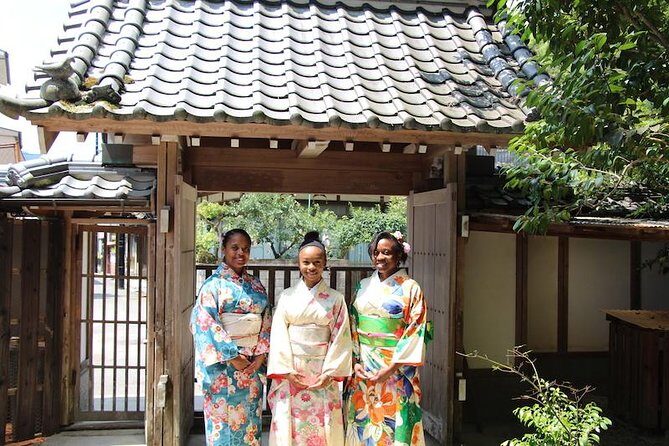
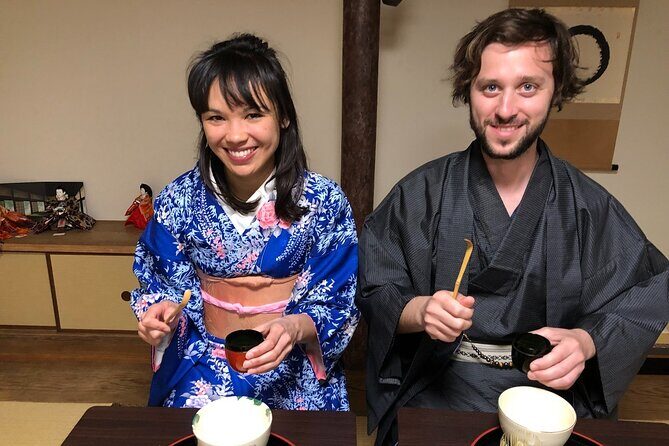
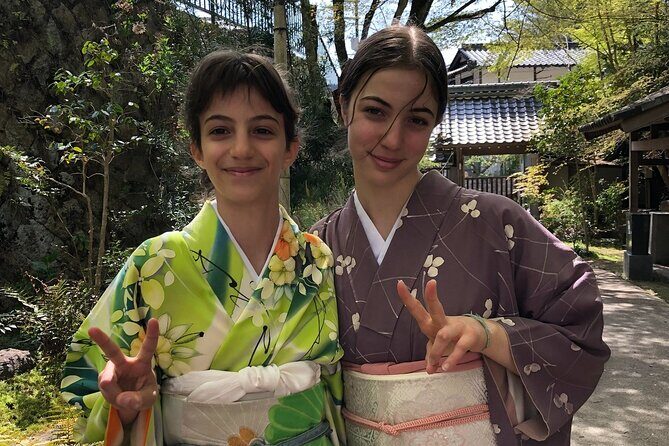
The kimono portion is often the moment people remember most, because it’s a real transformation, not just a costume handoff. The hosts help you choose a kimono from sizes available and handle the dressing process. Expect guidance on the details that make the outfit work—like putting on the obi and arranging accessories correctly.
Why this matters: kimono can look intimidating, especially if you don’t know how to wear one. With the staff helping you, the experience stays comfortable. One review-style detail I found useful is that sizes are available, so if you’re worried about fitting, you’re not walking in blind.
And yes, photos are a big part of kimono time. The hosts help with photos while you’re in the gardens/temple area, and multiple photos are taken throughout the session. That’s a win if you’re trying to capture Miyajima in a way that feels personal, not generic.
Possible drawback: if you’re uncomfortable with clothing adjustments or want minimal attention on yourself, this part may feel like a lot. But the tone described in feedback is warm and relaxed, with hosts that guide you step-by-step rather than just dressing you quickly and moving on.
Matcha tea ceremony and your own whisking steps
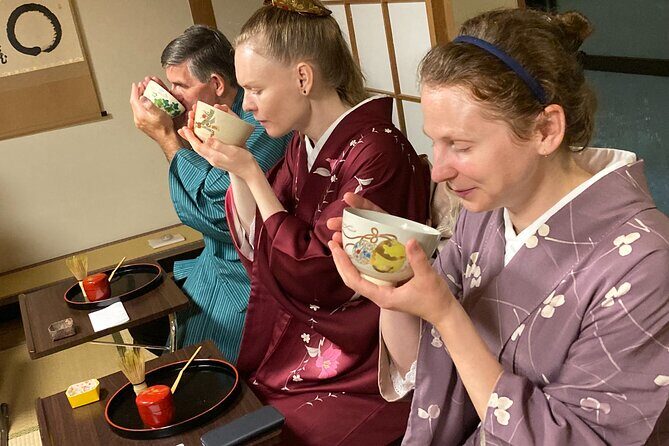
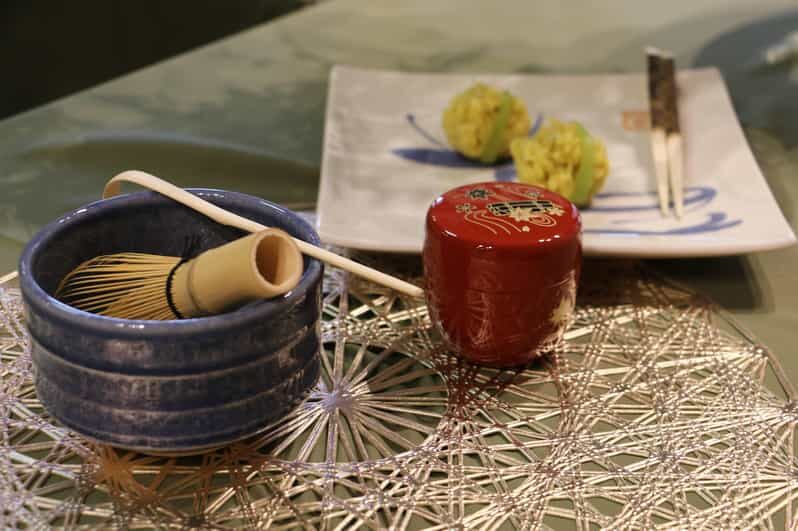
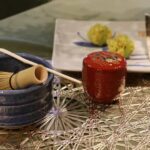
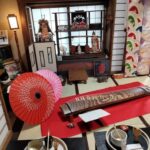
The tea ceremony here is designed to be more than a performance. The program includes a tea ceremony presentation, and then you also make your own matcha after learning the mannerisms and basics.
I like how this is taught. You typically watch first, pick up the flow—how to handle tea tools, how the actions line up—and then you try. That reduces the panic factor. You’re not expected to instantly perform a traditional sequence with perfect timing.
Another thoughtful detail: tea tools are part of the feel. Some feedback notes that the tea bowls are by local artisans. That’s the kind of practical authenticity you can sense in your hands: you’re not using identical tourist cups, you’re learning with items that have craft behind them.
Also, matcha whisking is surprisingly physical. Even when it looks simple in photos, getting the texture right takes a few tries. If your first attempt is a bit off, good—that’s how you learn. And you’ll understand the ceremony better because you participated, not just observed.
Calligraphy at the Zen temple: names, kanji, and real practice
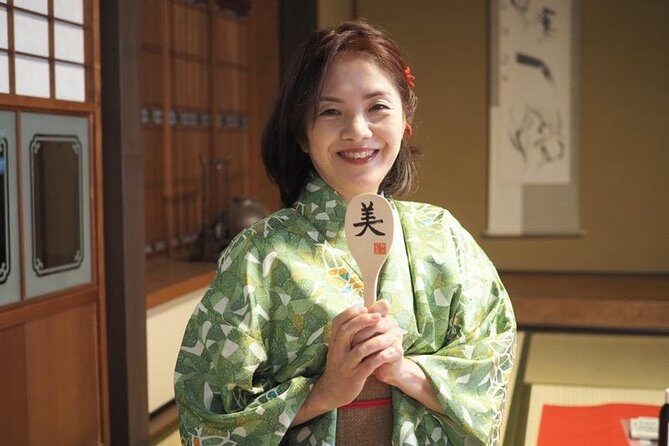
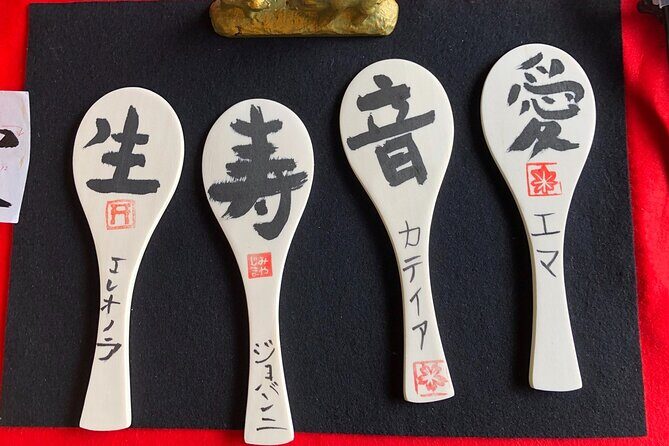
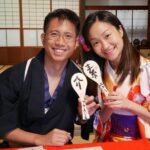
After tea, you shift to calligraphy. The lesson includes practice with kanji, and some participants also practice their names in calligraphy. That makes the lesson feel personal right away.
Calligraphy is where a guided workshop can go wrong—either it becomes too complicated, or it becomes too shallow. Here, the overall tone seems to be supportive and patient. Even when the strokes are harder than expected, you’re given a structure so you know what you’re aiming for.
If you’re worried you’ll be terrible: that worry is normal. The good news is that calligraphy is judged more on effort and guidance than on a one-time performance. One review noted how much harder it was than it looks, and that’s usually true. The value is in learning the basic moves, not in producing a perfect artwork.
One extra souvenir detail from feedback: practice results, including items like wooden spoons, may be wrapped as a take-home memory. It’s small, but it turns your participation into something you can keep.
Other kimono tours in Hiroshima

Price and value on Miyajima: $132.14 for three traditions
At $132.14 per person, this is not a budget freebie. But for what you get, it can be strong value—especially on Miyajima, where many experiences are shorter or cost extra for each separate activity.
Here’s the value logic I see:
- You’re paying for instruction and equipment, not just entry. Kimono fitting, tea ceremony coaching, and calligraphy practice all involve staff time and materials.
- You get multiple arts in one sitting. That saves time, and it’s efficient if your Miyajima window is limited.
- Small group size (max 8) matters at this price. In a bigger group, you’d spend more time waiting and less time getting help.
- Photos are part of the experience. If you’ve ever had to fumble your own kimono photos with a shaky phone, you’ll understand why this matters.
Also, the listed temple element is admission free for the specific stop listed. You’re not paying extra just to access the setting included with the activity block.
My take: if you want one “high-touch” cultural activity on Miyajima that covers kimono, matcha, and calligraphy without stitching together three separate tours, this price can pencil out well.
Morning vs afternoon start times: pick based on how you travel
The experience offers morning and afternoon start times, which is a real practical advantage on Miyajima. Your best choice depends on your day plan.
If you’re trying to see Miyajima sights in addition to this workshop, a morning start can help you avoid feeling like you’re losing the day to one scheduled block. If you’re traveling with slower mornings or you’ve already walked a lot earlier, the afternoon slot can work as a calm reset—especially since the activities are hands-on and guided.
Because Miyajima has weather swings, the start time also affects comfort. One piece of feedback described people arriving early to wait because it was hot outside, which hints that timing is worth thinking through. If it’s warm when you go, plan clothing and water before your kimono session.
Who this experience fits best (and who might not love it)
This is a good match if you want a structured cultural activity in Hiroshima’s Miyajima area and you like learning by doing. The program also lists most travelers can participate and a minimum age of 6, which suggests it’s approachable for families with kids who can handle guided instruction.
It’s especially suitable if:
- you want kimono and don’t want to figure out dressing rules yourself
- you care about matcha technique, even at a beginner level
- you’d like your calligraphy practice to include a personal element (like your name)
- you value small-group attention and photo help
It may be less ideal if you’re the type who wants to wander freely and build your own itinerary with no schedule. This is an experience with a set flow.
Should you book this Kimono, Tea, and Calligraphy session?
Book it if you want one high-touch cultural stop that gives you three traditions in a single, guided format—kimono, matcha tea, and calligraphy—with a small group and photo support. The Miyajima Zen temple setting also adds meaning that’s hard to fake with a generic workshop.
Hold off if you’re only interested in one of the three activities and don’t want the time trade-off. Also, if you strongly dislike structured lessons, calligraphy practice may feel like effort. But if you’re okay with learning slowly and making something imperfect, this kind of class experience tends to be the one you remember later.
Bottom line: if Miyajima is on your Hiroshima plan, this is the kind of guided culture session that turns a short visit into a story you can show off—especially with the kimono photos and your own matcha.
FAQ
How long is the Kimono, Tea Ceremony, and Calligraphy experience?
The experience is listed at about 1 hour 30 minutes (approx.), with the activity block at the main location also indicated as around 2 hours.
Where do I meet for the experience?
You meet at Okeiko Japan Miyajima, 741-1 Miyajimachō, Hatsukaichi, Hiroshima 739-0588, Japan. It’s described as a 5-minute walk from the Miyajima ferry port toward Tokujuji.
What’s included in the experience?
You can expect kimono try-on/dressing, a tea ceremony with making matcha, and a calligraphy lesson. The experience also includes entry to the Tokuji/Tokujuji Temple area setting as part of the program.
Are there morning and afternoon options?
Yes. The experience offers morning and afternoon start times for flexibility.
How big is the group?
This activity has a maximum of 8 travelers.
What age is required to participate?
The minimum age is 6. The experience also notes that most travelers can participate.
Do I need an admission ticket for the temple stop?
The itinerary stop at Okeiko Japan Miyajima is listed with Admission Ticket Free.
How do I receive my tickets?
You receive a mobile ticket. Confirmation is received at the time of booking.
What’s the cancellation policy if my plans change?
You can cancel for a full refund up to 24 hours in advance of the experience start time. After that window, the amount paid is not refunded.