REVIEW · HIROSHIMA
Hiroshima Miyajima and Bomb Dome Private Tour
Book on Viator →Operated by BE Hiroshima · Bookable on Viator
This day is heavy in the best way. You’ll pair Hiroshima’s WWII story with Miyajima’s iconic shrine views, all with a guide who keeps the pace human. I love how this is a true private experience, not a rush-through group stop.
Two things I really like: first, you get real time at the places that matter, including the Hiroshima Peace Memorial Museum and the Atomic Bomb Dome area. Second, your guide adds bombing-related side spots that many self-guided visitors miss, so you leave with a clearer picture than you can cobble together alone.
One possible drawback: it’s a long day (about 7–8 hours) with no lunch included, and the subject matter is emotionally serious, so you’ll want a steady mindset and your own food plan.
In This Review
- Key Highlights Worth Noticing
- A Day That Puts Hiroshima and Miyajima in the Right Order
- Atomic Bomb Dome: Start With the Site, Not the Soundbites
- Peace Memorial Park and the Museum: Where the Questions Actually Get Answered
- Hidden Bombing-Related Spots: Small Detours That Make the Big Difference
- Miyajima Island: Itsukushima Shrine and Kiyomori Souvenir Street
- The Torii Gate Over the Water: The Iconic Photo, Done With Meaning
- Hiroshima Station Return: Public Transit Done Smart
- Guide Quality Is the Main Selling Point Here
- Price and What You’re Really Paying For
- Practical Tips So the Day Feels Easy
- Who This Tour Suits Best
- Should You Book This Hiroshima Miyajima and Bomb Dome Private Tour?
- FAQ
- How long is the Hiroshima Miyajima and Bomb Dome private tour?
- Where do we meet for the tour?
- Is this a private tour?
- What tickets and entrance fees are included?
- Is lunch included?
- What transportation is used during the tour?
- Does the tour include photo support?
- What time does the tour usually start?
- Is there a cancellation window for a full refund?
Key Highlights Worth Noticing
- Private guide, your pace: You get your own questions answered and can move as a group.
- Museum time with context: Peace Memorial Museum is included and timed so it doesn’t feel like a checklist.
- Atomic Bomb Dome first: Start with the site that anchors everything that follows.
- Miyajima shrine + food street: Time to enjoy Kiyomori souvenir street and local bites before the torii viewing.
- Photo data included: Your guide takes pictures so you spend less time fiddling with your camera.
- Public transport return: You’re back to Hiroshima Station (or coordinated hotel drop-off in the Hiroshima city area).
A Day That Puts Hiroshima and Miyajima in the Right Order
Hiroshima hits different when you start where the story begins. This tour begins at the Atomic Bomb Dome area, so the rest of the day feels connected instead of two unrelated attractions stitched together.
Then comes the Peace Memorial Park and museum, where you get the depth that a quick stop never can. After that, the day softens with Miyajima: the red torii over the water and the slower rhythm of the island.
I also like that the tour is built for a real day out, not a half-day sprint. The timing is long enough to pay attention, and private enough that you can ask follow-up questions without feeling like you’re holding everyone up.
Other Miyajima Island tours in Hiroshima
Atomic Bomb Dome: Start With the Site, Not the Soundbites
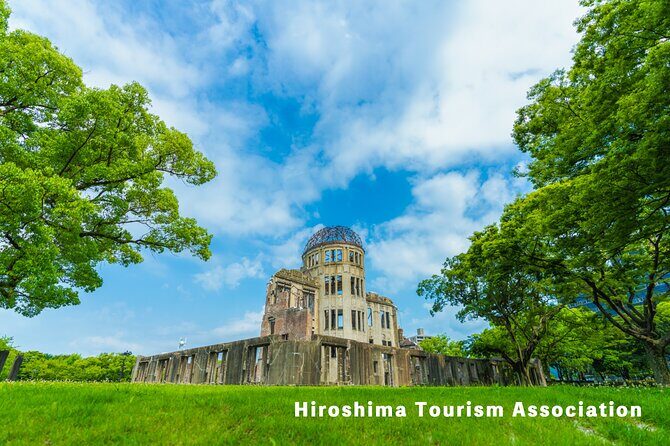
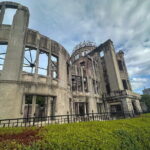
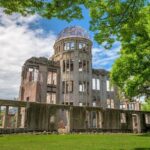
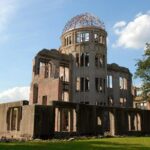
Your first stop is the Atomic Bomb Dome, with about an hour there. The focus isn’t just a photo. You’ll hear what happened in 1945 and how Hiroshima rebuilt itself afterward.
This matters for a simple reason: when you understand the why before you take the look, the place becomes more than a landmark. You’ll also see how the city’s survival and revival are part of the story you’ll keep carrying through Peace Memorial Park and the museum.
The admission ticket is included, which saves time and hassle when you’re already balancing multiple stops. The pace here is important too. One hour is enough for a careful walk and a few pauses, without feeling trapped indoors.
Peace Memorial Park and the Museum: Where the Questions Actually Get Answered
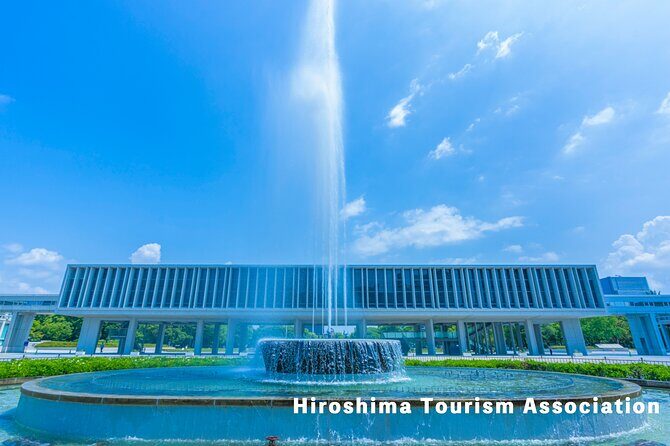
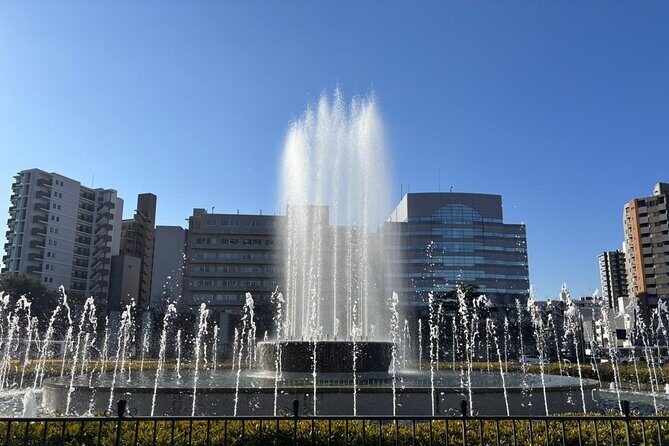
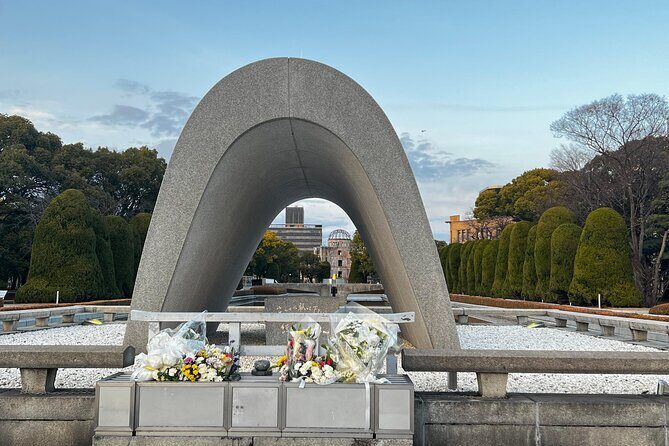
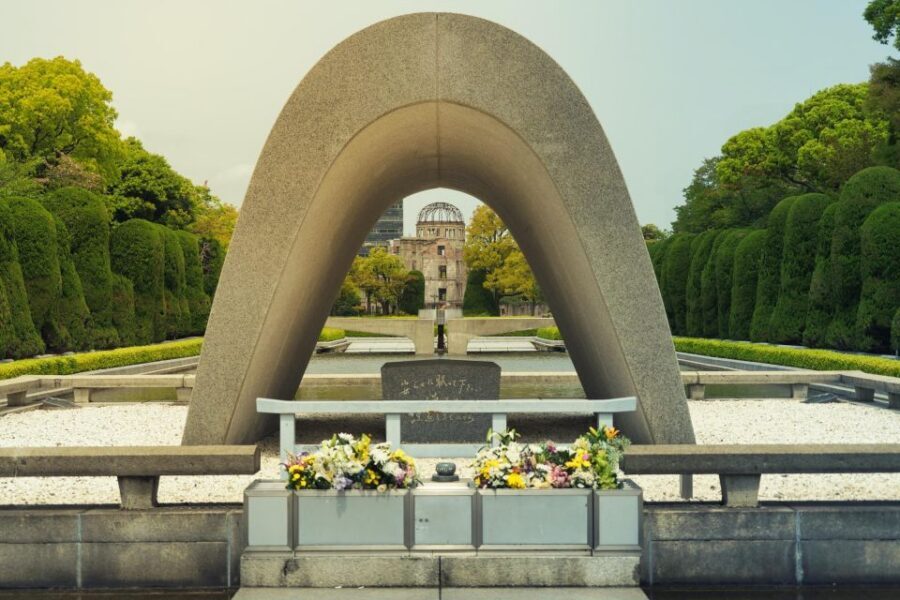
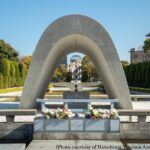
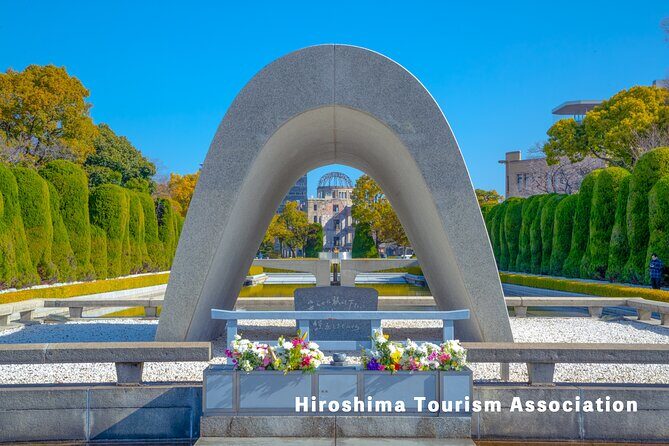
Next up is Peace Memorial Park. You’ll spend about 40 minutes here, and it’s free to enter. The tour notes that this is where many Japanese come to pray for peace, which you can feel when you slow down and watch how people move through the space.
This is also where you’ll likely notice how the guide frames everything. Instead of treating the park like a photo corridor, a good guide helps you connect memorials to the real human impact. You’re not just reading plaques—you’re learning the structure of the message.
Then you move to the Hiroshima Peace Memorial Museum for about 1 hour 30 minutes, with admission included. The big value is seeing real objects used during the war time and hearing the real stories around them. That combination—objects plus explanation—is what turns history into something you can understand, not just something you read once.
Practical note: museums can be tiring even when they’re important. The time here is long enough to absorb, but not so long that it turns into overload. If you tend to get emotionally drained in museums, you’ll still have time to recover later with Miyajima.
Hidden Bombing-Related Spots: Small Detours That Make the Big Difference
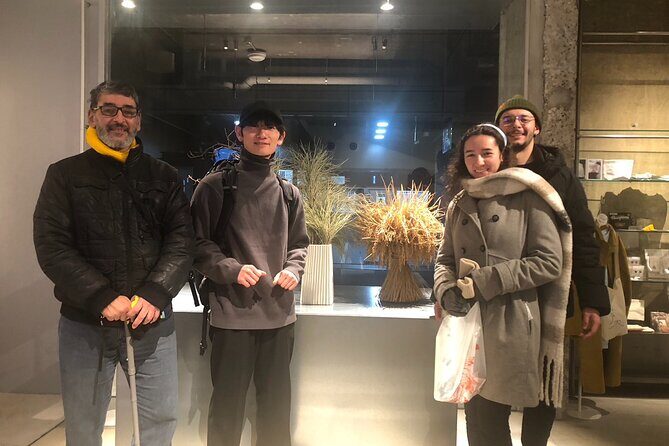
The tour also includes hidden places connected to the bombing that most visitors skip. The phrase hidden matters, because bigger routes tend to squeeze everyone into the same handful of areas.
What you gain from these side stops is context. You start to see Hiroshima as a city shaped by events and choices—not just a list of points on a map. It can also help you make sense of why certain streets feel different once you understand what happened around them.
I like this approach because it respects your time. You’re still hitting the major sites, but you’re also getting the kind of detail that makes you feel like you really learned something.
And yes, the guide’s personal stories can add another layer. In customer feedback, guides like Keiko and Yuta were called out for sharing personal angles that make the day feel less like a lecture and more like a conversation with someone who lives the culture.
Miyajima Island: Itsukushima Shrine and Kiyomori Souvenir Street
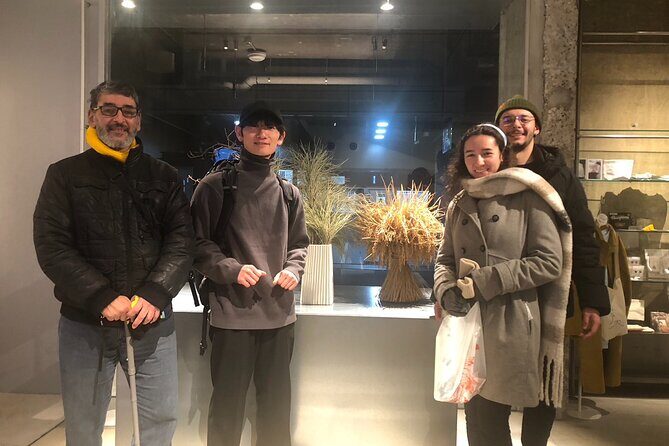
After Hiroshima, you’ll head to Miyajima (also called the island part of this combo) and visit Itsukushima. Expect about 2 hours at this stage.
This is where the day becomes lighter in pace, even though it follows hard history. The tour includes time at Itsukushima Shrine and at Kiyomori souvenir street, which is built for local snacks and casual strolling. The notes also call out local cuisine and beer, so you can treat this segment like a relaxed lunch window—or at least a snack-and-sip break if you prefer to keep lunch flexible.
Here’s what I’d plan for: because lunch isn’t included, you’ll want cash or a card ready for food. If you go during a busy time, having a guide can save you from wasting effort searching while hungry.
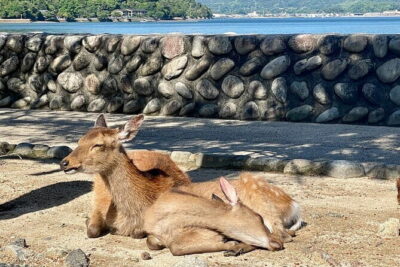
From the kinds of foods people often mention on Miyajima, this is a day where you may find yourself trying things like okonomiyaki, oysters, scallops, and local sweets shaped like maple leaves. The tour doesn’t promise a specific menu, but the street-style approach is exactly why this stop is fun.
Other private guided tours in Hiroshima

The Torii Gate Over the Water: The Iconic Photo, Done With Meaning
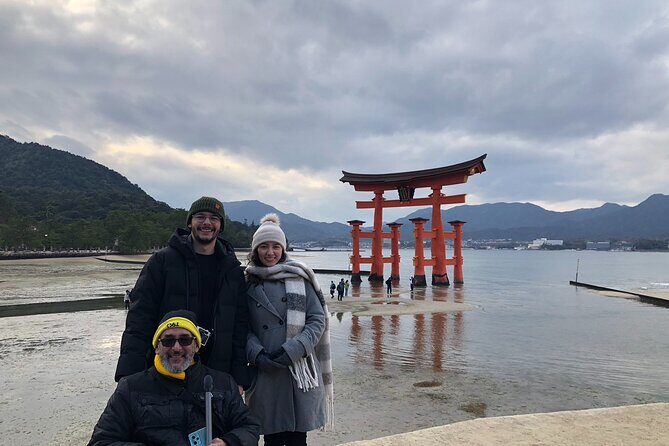
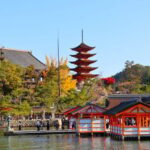
Your next stop is the Itsukushima Shrine torii gate above the water. You’ll spend about 40 minutes here, and admission is included.
The torii is the star. But the real value comes from slowing down enough to understand what you’re looking at: the shrine setting, the way the water frames the view, and why this place is so famous. A short time can produce a great photo. A little context helps produce a memory you actually care about.
Forty minutes is a sweet spot. You have time to find a comfortable viewing angle, take pictures without stress, and then linger as the scene changes around you.
If it’s raining, you’re still going to see the torii. Your guide’s job is to keep the day moving and help you avoid wasted waiting when weather changes your timing. People often highlight that the guide kept the day productive even on rainy days, which is reassuring if you’re traveling in a changeable season.
Hiroshima Station Return: Public Transit Done Smart
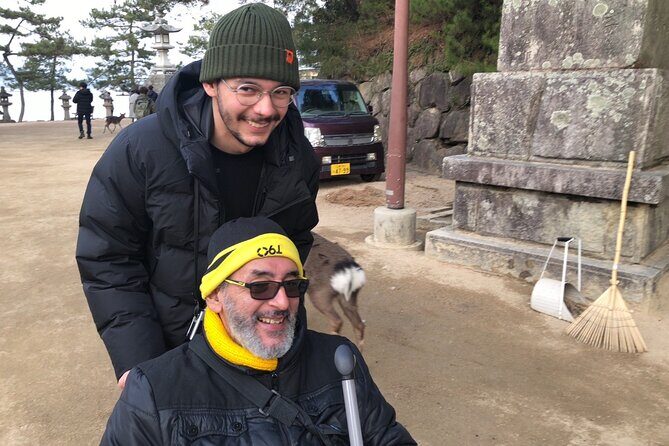
At the end, the tour returns to Hiroshima Station (or to your hotel in Hiroshima city). The walk back is done using public transportation and takes about 1 hour 10 minutes.
This is one of the reasons the tour makes sense even without private transport included. You’re not paying extra for an air-conditioned vehicle, and you’re using the local system with a guide who understands how to route you through the day’s timeline.
Still, plan for real-life commuting. You’ll be out for most of the day, and you’ll likely do some walking inside sites and while transferring. Comfortable shoes and a calm schedule help a lot, especially with a day that includes both waterfront viewing and museum time.
Guide Quality Is the Main Selling Point Here
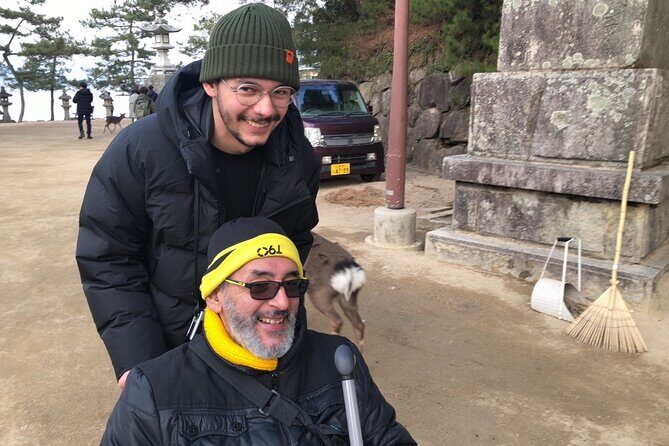
The guide is not a minor detail on this tour—it’s the product.
This is private, so you get undivided attention. That means you can ask questions as you go, and the explanation can match what you’re noticing in real time. In feedback, guides like Yuta and Keiko were praised for being professional, flexible, and fun, and for communicating clearly before the tour.
Another standout: photo help. The tour includes photo data, meaning your guide takes pictures for the group. When you’re doing multiple major sites in one day, that matters. You spend less time trying to line up shots and more time actually seeing.
And for families: one customer mentioned that the guide engaged 12- and 13-year-old boys in a way that kept them interested and even helped with learning Japanese along the way. If you’re traveling with teens, this is a smart way to keep the day from feeling like an adult-only lecture.
Price and What You’re Really Paying For
At $231.24 per person, this isn’t the cheapest way to visit Hiroshima and Miyajima. But you’re also paying for a certified guide, included admissions at major stops, and a private structure that prevents time-wasting.
What’s included:
- Certified guide fee
- Itsukushima shrine entrance fee
- Peace Memorial Museum entrance fee
- Photo data (your guide takes pictures)
- Admission tickets at the Atomic Bomb Dome and the torii gate stages, based on the tour schedule
What’s not included:
- Lunch (you’ll eat on your own, and the tour gives you a great opportunity to do that on Miyajima)
- Private transportation
- Air-conditioned vehicle
When I judge value, I look at the time you buy. A day like this can turn chaotic when you’re doing it solo—train and ferry timing, ticket lines, and deciding what to prioritize. Here, the guide handles the sequencing so you’re not guessing your way through the hard and soft parts of the day.
Also worth noting: group discounts are available. If you have a small group and can split the cost, this can feel more like a smart plan than an extra splurge.
Practical Tips So the Day Feels Easy
A few things you can do before you go to make the day smoother:
- Decide your food strategy early since lunch isn’t included. Use Kiyomori souvenir street as your main lunch/food hub.
- Bring patience for emotional density. Hiroshima Peace Memorial Park and museum are serious places.
- Keep your phone charged and your schedule flexible. This tour uses public transport, and you’ll appreciate having a working battery for maps and updates.
- Plan for lots of photos. Since the guide provides photo data, you don’t have to stop every five minutes to shoot.
If you’re the type who likes asking questions, this private setup is ideal. If you prefer silent sightseeing with zero structure, you may find the guided explanation uses time you’d rather spend wandering alone.
Who This Tour Suits Best
This tour is a great fit if you want:
- A private guide for Hiroshima’s most important sites and Miyajima’s biggest icon
- Enough structure to avoid decision fatigue
- Context that makes the memorial sites understandable, not just visible
- A day that includes both history and a genuinely enjoyable island stop with food options
It’s also a solid choice if you have limited time in Hiroshima. Doing the big Hiroshima stops plus Miyajima can be hard to string together well on your own, especially if you want to do more than scratch the surface.
Should You Book This Hiroshima Miyajima and Bomb Dome Private Tour?
Book it if you want a guided, coherent day: Atomic Bomb Dome, Peace Memorial Park, Peace Memorial Museum, and then Miyajima’s Itsukushima Shrine and torii gate, with included admissions and a guide who keeps the day flowing. The private format plus photo support makes it feel efficient, not just scripted.
Skip it or consider alternatives if you want total freedom, you hate emotional history on vacation days, or you can only do short walking times without a structured schedule. And because lunch isn’t included, you’ll want to be comfortable planning your own food stops.
If you’re asking one question—can this be worth the price?—my answer is yes, especially if you value time, context, and a guide who can help you connect what you see to what it means.
FAQ
How long is the Hiroshima Miyajima and Bomb Dome private tour?
The tour runs about 7 to 8 hours.
Where do we meet for the tour?
You start at Hiroshima Station, at 1-2-37 Matsubarachō, Minami Ward, Hiroshima.
Is this a private tour?
Yes. It’s private, so only your group participates.
What tickets and entrance fees are included?
Entrance fees are included for Peace Memorial Museum and Itsukushima Shrine. Tickets are also listed as included for the Atomic Bomb Dome and the torii gate stage on the schedule.
Is lunch included?
No. Lunch and any foods or drinks are not included.
What transportation is used during the tour?
You return by public transportation. Private transportation and an air-conditioned vehicle are not included.
Does the tour include photo support?
Yes. The guide provides photo data by taking pictures during the tour.
What time does the tour usually start?
The listed opening hours show a start window of 9:00 AM to 10:00 AM.
Is there a cancellation window for a full refund?
Yes. You can cancel up to 24 hours in advance for a full refund.