REVIEW · HIROSHIMA
Hiroshima History Tour : A-Bomb Dome, Peace Memorial & City
Book on GetYourGuide →Operated by Local Gem Tour Hiroshima · Bookable on GetYourGuide
Hiroshima hits hard, then changes how you see. This private walking tour connects the A-Bomb Dome, Peace Memorial Park, and the city’s everyday life, guided by Hiroshima locals.
I like two things most: first, the deeply personal guiding—some hosts are second-generation atomic bomb survivors or closely connected through family. Second, you get a steady, human pace with real time in key places, not just photo sprinting.
One heads-up: you’ll be on your feet for a while, and the route may use walking plus public transit or taxis depending on where you start and what fits your group.
In This Review
- Key things I’d circle on your Hiroshima map
- Why This Hiroshima Tour Feels Personal, Not Staged
- Your Guide: Hiroshima Locals With Real Ties (Often Masa-san)
- Peace Memorial Museum: Seeing More Without Feeling Rushed
- Date heads-up: museum closure
- Peace Memorial Park: Reflection Stops That Don’t Rush You
- Atomic Bomb Dome: A Photo Stop With Heavy Context
- Hiroshima Castle and Shukkei-en Garden: What Life Looks Like Now
- Timing, Walking, and How the Route Can Adjust
- What the Price Gets You (And Why It Can Be Worth It)
- Who Should Book This Hiroshima History Tour?
- Should You Book It?
- FAQ
- How long is the Hiroshima history tour?
- Is this tour private for just my group?
- What stops are included?
- What’s included in the price?
- What language is the guide?
- Is pickup included, and where does it pick up?
- What if I’m visiting during the Peace Memorial Museum closure dates?
- Do I need to pay for transportation during the tour?
Key things I’d circle on your Hiroshima map
- Second-generation survivor perspectives you won’t get from a script
- A focused 1-hour Peace Memorial Museum visit with time for questions
- A-Bomb Dome + Peace Park moments planned as reflection stops, not a drive-by
- Hiroshima Castle and Shukkei-en Garden so you also see what life looks like now
- Photography handled for you, with data provided after the tour
- Private group only, so your pace and interests actually matter
Why This Hiroshima Tour Feels Personal, Not Staged
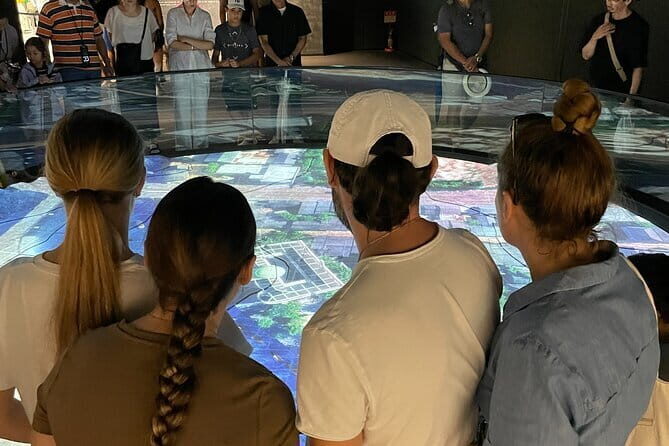
Some tours can feel like a slideshow with good lighting. This one is different because it starts with people, not facts. You’re walking through Hiroshima’s most important places with a Hiroshima-born guide who has family connections or grew up living with the city’s memory.
That family tie matters. It changes the tone from information to understanding. And it changes the questions you hear from your guide while you’re standing in front of the Peace Memorial Park, or pausing at the Atomic Bomb Dome.
This is also a practical tour style. It’s structured enough that you won’t miss the main sites, but flexible enough that you can linger when something catches your attention. That’s a big deal in Hiroshima, where the emotional weight can make time feel strange.
Other Peace Memorial Park tours in Hiroshima

Your Guide: Hiroshima Locals With Real Ties (Often Masa-san)
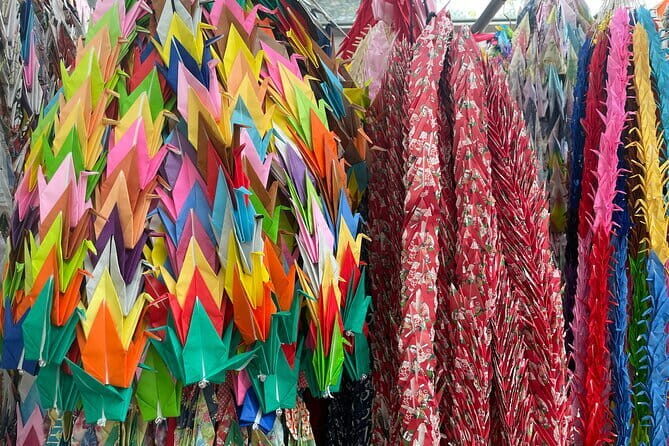
Many people book because they want the headlines: A-bomb history, peace messaging, the famous sights. That’s all included. But the main value is your guide’s point of view.
In the experiences I’ve read, guides like Masa-san are repeatedly praised for combining clear English with personal family context. You might hear how a survivor’s experiences were carried forward quietly across generations, and how those memories show up in daily life in Hiroshima today. It’s not scripted. It’s the kind of storytelling that lands because it’s been told at family dinner tables, not practiced for a tour brochure.
You can also expect side connections that help you see the city as a living place. Some guides weave in Japanese culture details and everyday context, so you understand what you’re looking at, not just where it is.
The other advantage of a guide with strong local roots: they can answer real questions on the spot. People mention that Q&A time feels natural, not forced, and that your guide stays patient even if you move slower or need extra explanation.
Peace Memorial Museum: Seeing More Without Feeling Rushed
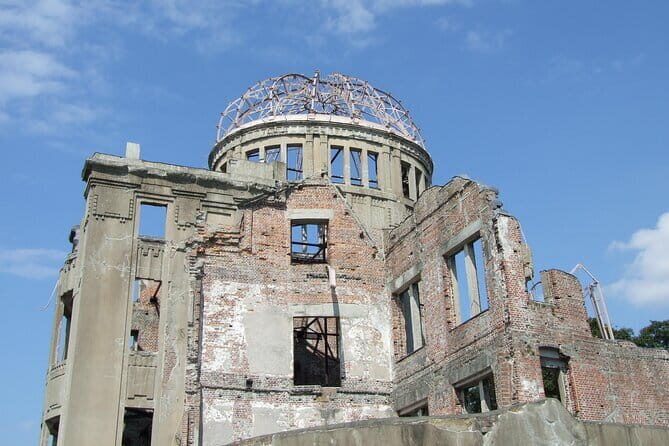
The museum visit is built as the tour’s anchor: about 1 hour with a guided tour. That time matters. You’ll still be able to take in the exhibits, but you won’t get trapped in the museum so long that the rest of Hiroshima becomes a blur.
Here’s how I’d approach it mentally: treat the museum like a compass. You’re there to understand the timeline, the impact, and the human scale of what happened. In one hour, you’re not going to absorb everything the museum has to offer, but your guide helps you focus on what connects to the places you’ll see immediately afterward.
People also note that the museum has so much to look at that it can easily swallow more time than you expect. The guide’s job is to help you keep moving while still taking in the key moments. If you’re sensitive to heavy topics, the pacing can help you avoid the feeling of being overwhelmed all at once.
Date heads-up: museum closure
If your trip lands in the Feb. 16–21 window, plan for disruption. The Peace Memorial Museum is closed Feb. 16–21 due to renewal, so you’ll need to adjust your day accordingly. Your guide can help you think through what to prioritize on that schedule.
Peace Memorial Park: Reflection Stops That Don’t Rush You
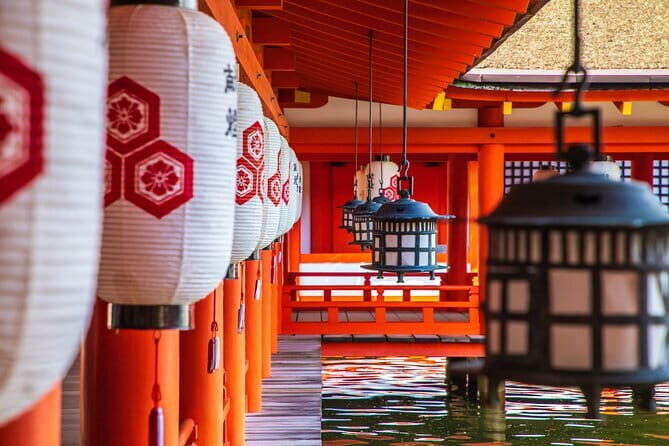
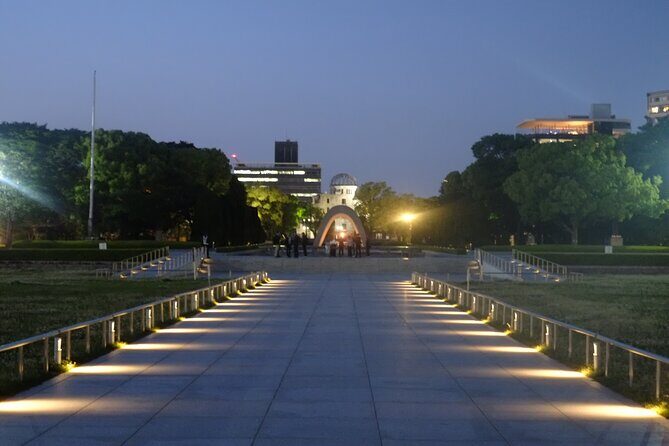
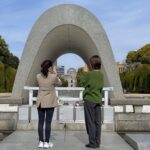
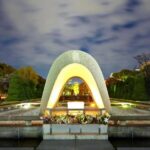
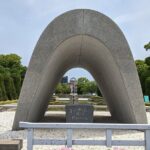
After the museum, you shift into Peace Memorial Park, where the mood changes from indoor exhibits to outdoor space and quiet. The tour includes guided time plus short photo stops, which keeps you from turning the area into a checklist.
The value here is in how your guide frames what you’re seeing. You’re not just reading plaques; you’re understanding why these spaces were built the way they were, and what the city asks people to carry with them after they leave.
The best part of this segment is that it gives you a rhythm. You can pause. You can look closely. You can ask a question without feeling like your guide is trying to “get you through” the hardest location as fast as possible.
If you’re the type who likes to take notes, bring a small notebook. Some visitors find it helps to write down questions to ask your guide, because those questions often arrive only after you’ve been standing there awhile.
Other Atomic Bomb Dome tours in Hiroshima


Atomic Bomb Dome: A Photo Stop With Heavy Context
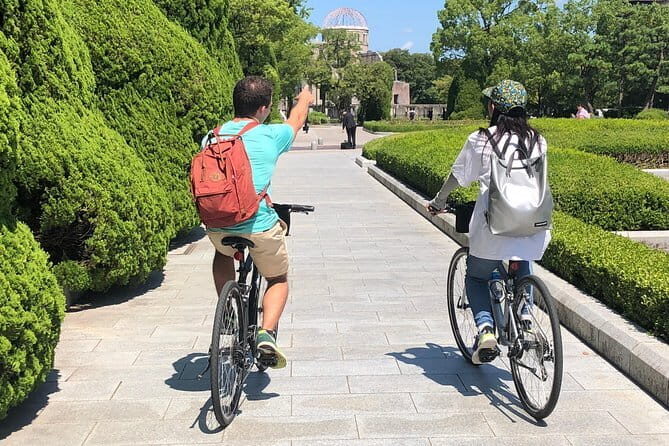
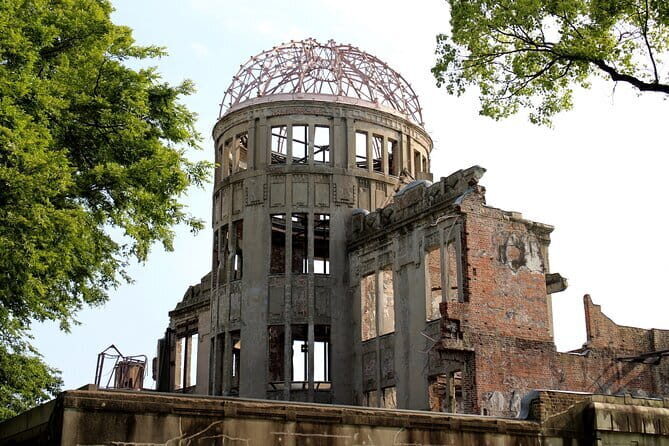
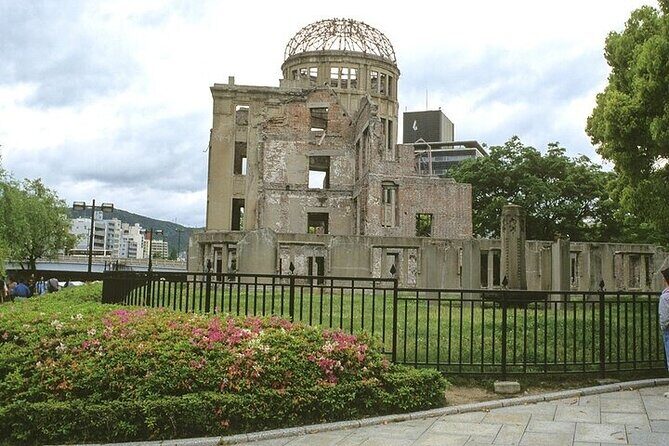
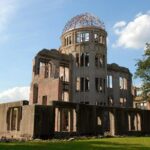
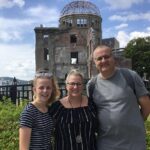
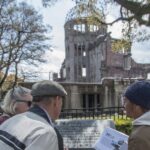
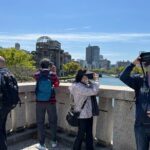
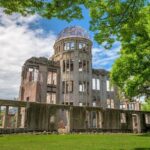
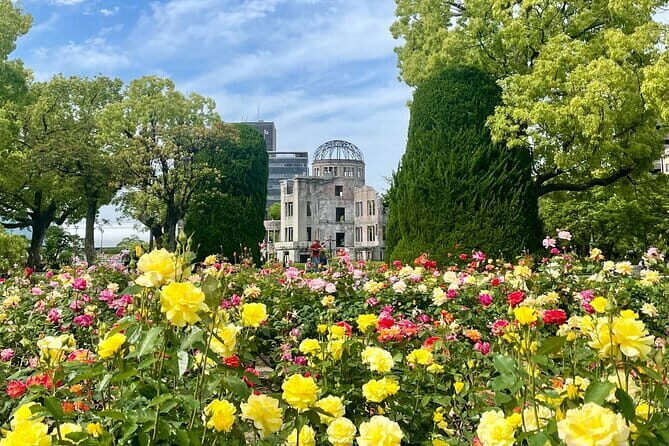
The Atomic Bomb Dome is the postcard target, but this tour treats it as more than a picture moment. You’ll have a photo stop, then a guided visit with context that connects what the dome represents to what you just learned in the museum.
This is one place where a tour with personal perspective makes a difference. A guide with Hiroshima family ties can point out details you might miss on your own—things about the setting, what survived, and what the city chose to preserve.
A practical tip: wear comfortable shoes and don’t try to “speed-run” your photos. Even if the area is busy, you’ll understand the dome better if you spend a minute looking slowly before you lift your camera.
Hiroshima Castle and Shukkei-en Garden: What Life Looks Like Now
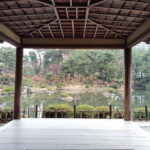
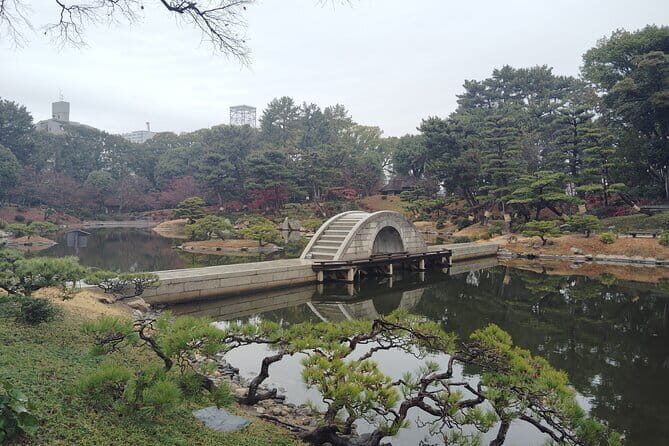
Here’s a smart twist: the tour doesn’t end at the trauma sites. It takes you to Hiroshima Castle and then to Shukkei-en Garden, with about 1 hour at the garden.
Why does this matter? Because Hiroshima is not only the day history happened. It’s also the decades since then. The castle stop gives you a sense of scale and place—what you’d call the city’s visual center of gravity. The garden adds a different kind of meaning: a calm pause where the pace of the surroundings pushes you back toward breathing and thinking.
People repeatedly mention that the gardens are worth protecting time for. If you skip them or treat them as an optional detour, you miss one of the most restorative parts of the experience. Even if you’re already familiar with Japanese gardens, Shukkei-en can feel like a reminder that life rebuilds, not just memories replay.
In the garden segment, it’s a break time as much as a sightseeing stop. You’ll likely walk, photograph, and ask questions, but you’ll also have room to sit with what you just learned earlier in the day.
Timing, Walking, and How the Route Can Adjust
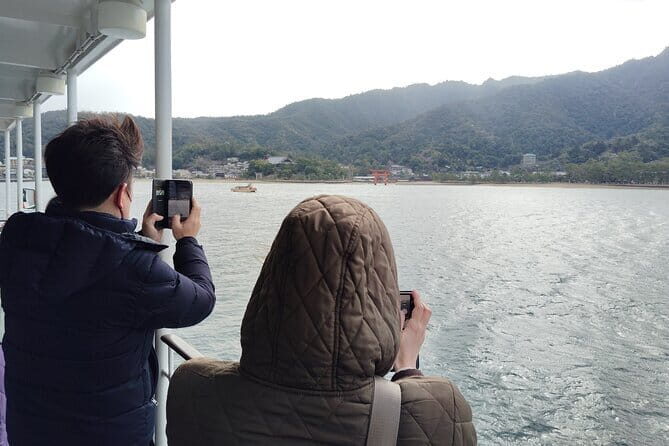
This is a 3 to 4 hour private tour, and it’s designed so your guide can adapt based on departure point and your group’s situation. Depending on where you start, the plan can include walking plus public transportation, and taxis if you prefer.
Pickup is set up across central Hiroshima. Your starting options include major hotels and landmarks such as Hiroshima Orizuru Tower, Hotel Granvia Hiroshima, Hilton Hiroshima, and Hiroshima Peace Memorial Museum, among others. If your hotel or Airbnb isn’t on the list, you can email and ask about pickup in central areas.
Plan for uneven pacing. You might be standing for reflection. You might be walking more than you expect between stops. Several people mention the walking load, and they also mention that rainy weather didn’t derail the tour because the guide adjusted the plan to fit seniors and changing conditions.
So my advice: dress for comfort first, then style. Keep water in your bag. If it’s wet out, wear shoes you can trust on pavement.
Also, transportation costs like taxi, tram, or bus are not included, so build a little flexibility into your day if you start outside the easiest walking zone.
What the Price Gets You (And Why It Can Be Worth It)
The tour costs $103 per person for a private group experience. At first glance, that sounds like you’re paying for a guide and a few stops.
But here’s what you’re actually paying for:
- A private tour with no other participants joining
- Entry tickets to Peace Memorial Museum and Shukkei-en Garden
- A guided visit inside the museum and guidance through the park and key landmarks
- Photography support, with photo data provided
- Skip-the-ticket-line for the museum experience
For Hiroshima, time and context are the hidden costs. Many people don’t realize how difficult it is to piece together a meaningful route on your own, especially when you want the emotional weight to be handled carefully. A good local guide reduces that friction fast.
Is it free to do this on your own? Sure. But if you care about understanding the why behind the sites, not just seeing the where, the value shifts quickly.
One more value point from the experience I read: food and local tips came up as part of the tour’s usefulness. That means the tour doesn’t end when the walking does. Your day continues with better choices.
Who Should Book This Hiroshima History Tour?
This is a great fit if you want:
- A private, small-format experience rather than a bus-style day
- Personal, family-connected storytelling tied to Hiroshima
- A balanced day that includes the Peace Memorial sites plus places that show post-war life
It may be less ideal if you:
- Want a short, light, purely sightseeing route
- Can’t handle emotionally heavy subject matter in a guided setting
- Have mobility limits that make prolonged walking hard (it is wheelchair accessible, but the walking still matters, so plan with your guide)
If you’re traveling with kids or multi-generational family, the tone can work well because the guide keeps things paced and answer-focused. People also mention that it works for seniors, with patience and route adjustments when needed.
Should You Book It?
If your goal is to understand Hiroshima with care, I think this tour is a strong choice. The combination of family-tied guidance, a guided museum visit, meaningful stops around the dome and Peace Park, and then the reset of Hiroshima Castle and Shukkei-en Garden makes it more than a checklist day.
Book it if you want your questions answered and you prefer walking with someone who knows how to frame what you’re seeing. Skip it only if you’re chasing a quick photo round-trip or you’re not ready for the emotional intensity of the Peace Memorial sites.
If you do book, go in with one mindset: you’re not just touring Hiroshima. You’re learning how a city remembers, rebuilds, and talks about the future through the choices it made after the past.
FAQ
How long is the Hiroshima history tour?
It runs about 3 to 4 hours.
Is this tour private for just my group?
Yes. It’s a private group tour, and no other guests will join.
What stops are included?
You’ll visit the Hiroshima Peace Memorial Museum, Peace Memorial Park, the Atomic Bomb Dome area, Hiroshima Castle, and Shukkei-en Garden.
What’s included in the price?
The tour includes a Hiroshima-born guide, Peace Memorial Museum and Shukkei-en Garden entry tickets, pickup on foot, photography (photo data provided), and advance communication if you need details handled.
What language is the guide?
The live tour guide speaks English and Japanese.
Is pickup included, and where does it pick up?
Pickup is included on foot from selected central Hiroshima locations. If your hotel or Airbnb isn’t on the list, you can indicate it via email for pickup in central Hiroshima.
What if I’m visiting during the Peace Memorial Museum closure dates?
The Peace Memorial Museum is closed Feb. 16–21 due to renewal, so your plan would need to adjust for those dates.
Do I need to pay for transportation during the tour?
Transportation fees (taxi, tram, bus, etc.) are not included. The tour may be done by public transportation, and it can use taxi if you want, but you’d cover those costs.