REVIEW · HIROSHIMA
Hiroshima and Miyajima Private Guided Tour
Book on Viator →Operated by coco · Bookable on Viator
A day of contrasts in Hiroshima and Miyajima.
What makes this tour interesting is the way it swaps between heavy memory and quiet beauty, with a guide who helps you connect the dots fast. You’ll move from the Hiroshima Peace Memorial Park to the shrine waters of Miyajima, using public transit so you spend less time figuring out how to get there.
I especially liked having time to take in the details at the Peace Memorial Museum, because that’s where the stories click into place. I also loved the human touch from guides like Kazuko Mensing and Gajender, who shared personal context and helped the day feel less like a checklist.
One consideration: this is a walking-heavy outing with steps, and it can feel long under hot weather. If mobility is a concern, you’ll want to plan carefully with your guide about pacing and priorities.
In This Review
- Key things that make this tour worth your time
- Entering Hiroshima Peace Memorial Park: where the day finds its center
- Atomic Bomb Dome plus Peace Museum: what to look for beyond the postcard
- Cenotaphs, children’s memorials, Peace Flame, and the Peace Bell
- Hiroshima city break: Hondori street and a smart rhythm
- Hiroshima Castle and Shukkeien Garden: worth it, but time-fee it
- Getting to Miyajima: the tram-and-ferry setup that saves your brain
- Itsukushima Shrine and the floating torii area: how to enjoy it without rushing
- Price and value: is $150 a good deal for this private day?
- Who should book this Hiroshima and Miyajima private guided tour
- Should you book it? My practical recommendation
- FAQ
- How long is the Hiroshima and Miyajima private guided tour?
- Is this tour private?
- What’s included in the tour price?
- Are Hiroshima Castle and Shukkeien Garden tickets included?
- Is lunch included?
- What additional boat costs should I know about?
- Is the Atomic Bomb Dome included?
- Is this tour mostly walking?
- Can I get a full refund if I cancel?
Key things that make this tour worth your time
- A guided pairing that actually makes sense: Peace Park first, then Miyajima’s floating torii area.
- Admissions and transit are handled for you: Peace Memorial Museum and Itsukushima Shrine tickets plus tram-and-ferry routing.
- Guide-led details you might miss alone: cenotaphs, Peace Flame and Bell, and better ways to get through crowded stretches.
- Flexible timing inside one long day: you may or may not fit Castle and Shukkeien depending on how the day runs.
- Real local flavor is part of the experience: you can get pointed toward Hiroshima-style okonomiyaki on the way.
Entering Hiroshima Peace Memorial Park: where the day finds its center
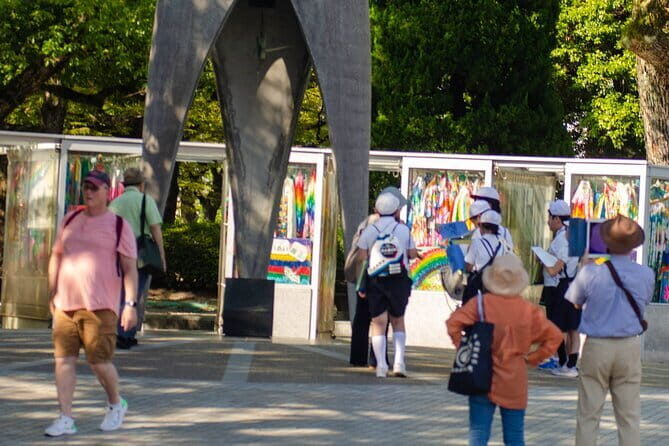
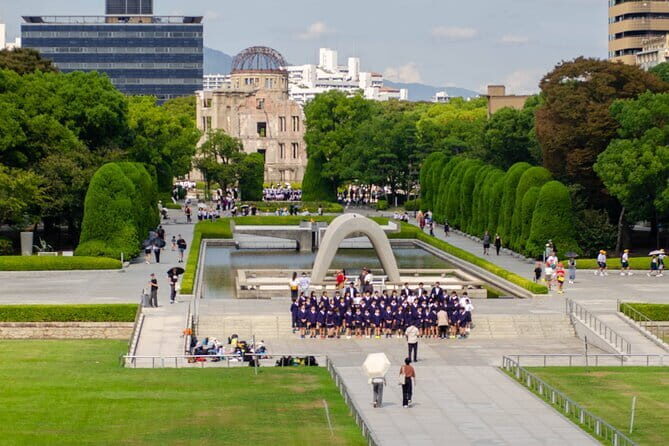
The Peace Memorial Park is the kind of place that makes you slow down without being told. Even if you’ve read about Hiroshima before, the park is different in person. You’ll see memorials arranged so they build meaning step by step, not all at once.
Your guide keeps it from feeling like a museum circuit. Instead, you’ll get a guided path through the major stops—starting with the A-bomb story—then moving into how Hiroshima remembers, teaches, and hopes. That guidance matters because this park is emotional. A good guide helps you focus on what you’re looking at rather than just moving onward.
If you care about context, this is where you’ll feel it most. One moment you’re looking at preserved structures; the next you’re listening to how people commemorate children and victims. It’s not just about history. It’s about how a city carries a message forward.
Other Miyajima Island tours in Hiroshima
Atomic Bomb Dome plus Peace Museum: what to look for beyond the postcard
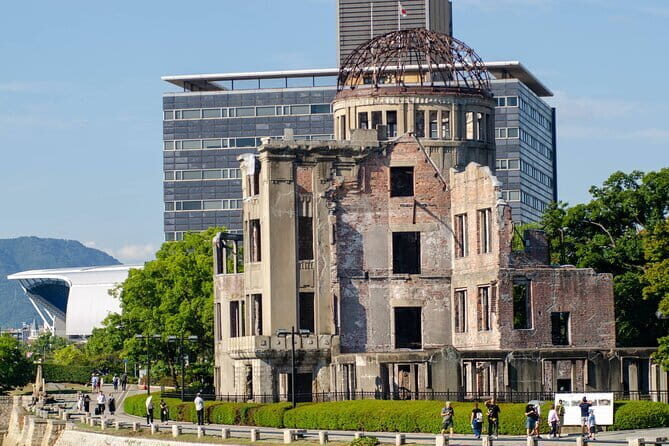
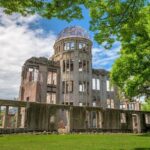
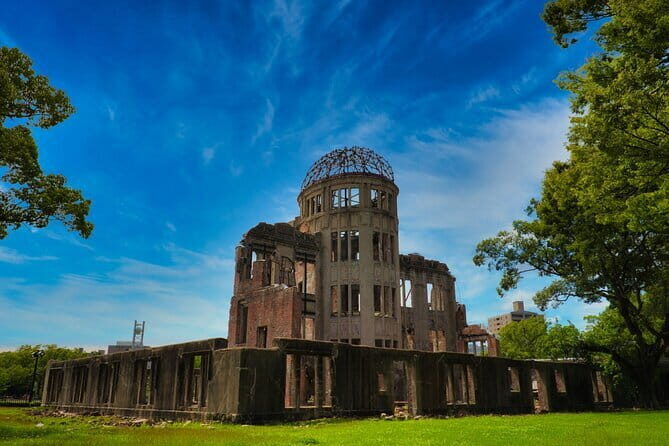
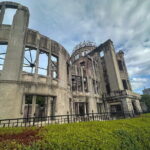
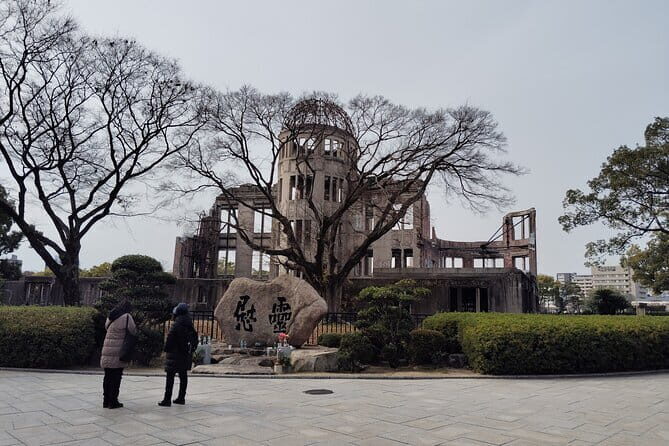
The A-bomb Dome (Genbaku Dome) is short and haunting. It’s preserved in a way that refuses to let you treat it like just another landmark. You don’t need a long stop to understand its power, but you do want time to really take in what’s being preserved and why.
Then you’ll head to the Peace Memorial Museum, and this is the point where the day becomes easier to understand. The museum is included, so you don’t have to hunt down tickets or add more time-consuming errands. This is also where your guide’s narration can do a lot of heavy lifting—turning dates, exhibits, and aftermath into something coherent.
Practical tip: wear shoes that handle long indoor-and-outdoor walking. You’ll likely be moving between memorial space and museum rooms, and the museum pacing can feel tighter than you expect. If you’re the type who likes to absorb in your own way, tell your guide you want short stops to re-center. Most guides will adapt.
Cenotaphs, children’s memorials, Peace Flame, and the Peace Bell
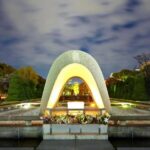
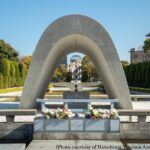
After the big anchor sites, the tour turns quieter, and that’s a good thing. You’ll spend time at the cenotaph area dedicated to A-bomb victims, and you’ll also see the Children’s Peace area. These are places where the focus narrows. You’ll notice names, symbols, and design choices that point your attention back to people—not just events.
Two of my favorite moments in this part of the day are the Peace Flame and the Peace Bell. The Flame is a steady symbol of hope, and the Bell adds a participatory element. The point isn’t performance; it’s the idea that remembrance can also be an action you take with your own body—standing close, noticing the inscription, and letting the moment land.
This section is where a guide can really help. If you get a guide like Kazuko Mensing or John—people who share personal connection and local perspective—you’ll come away with a better read on what each memorial is asking you to feel and carry with you.
Hiroshima city break: Hondori street and a smart rhythm
Between the big memorial sights and the later part of the day, you’ll likely have a chance to get your bearings in central Hiroshima. One highlight built into the day is Hiroshima Hondori, a pedestrian shopping street where you can grab a drink, browse, and reset your energy.
I like this stop because it keeps you from feeling like you’re trapped inside a single theme. You get a taste of daily life in the city. It’s also a useful way to recharge before you tackle the longer transit portion of the day heading toward Miyajima.
If you have time and energy, ask your guide about where to eat. In at least one example, John recommended Hiroshima-style okonomiyaki at a local place, and that kind of suggestion is more valuable than it sounds. A good guide knows where you can eat without turning your meal into a 30-minute logistics problem.
Hiroshima Castle and Shukkeien Garden: worth it, but time-fee it
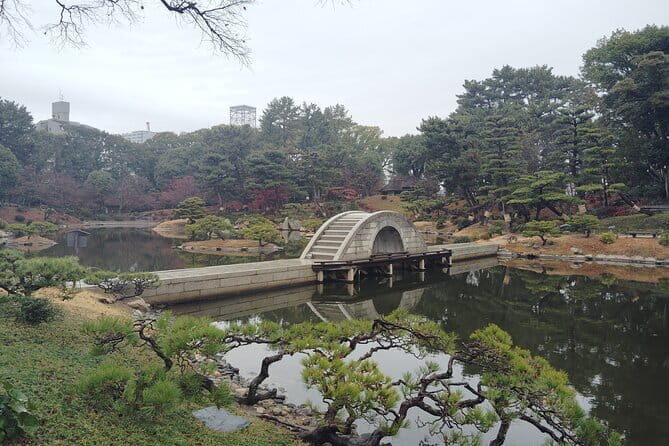
This is the part of the day that often depends on how your time gets shaped. Hiroshima Castle and Shukkeien are both included as stops on the day plan, but the entrance fees are not included. That means you’ll pay extra: Hiroshima Castle is 500¥, and Shukkeien Garden is 300¥.
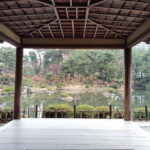
Here’s how I think about value. If you’re the type who enjoys gardens and historic grounds, Shukkeien can be a calm counterweight after the emotional intensity of Peace Park. Castle is more about city landmarks and views. Both can be great—but they can also eat time, especially if your group moves slower or if you hit crowds or heat later in the day.
Practical move: decide upfront with your guide what you’d rather protect—peace time, Miyajima time, or castle/garden time. One negative experience in the broader feedback history mentioned feeling rushed or missing parts due to timing. You can prevent that by setting expectations early: ask how the guide will manage time if the day runs long.
Other Hiroshima and Miyajima combo tours in Hiroshima
Getting to Miyajima: the tram-and-ferry setup that saves your brain
Miyajima is best done with a plan, and this tour’s included transit is a big deal. You’ll use public transportation (tram and ferry), and that coordination is part of what you’re paying for.
The practical advantage is simple: you don’t need to puzzle out routes on the fly, and you’re more likely to arrive at the right time window for shrine and torii-area views. You also avoid the common solo traveler headache—standing in the wrong line with the wrong ticket at the wrong moment.
Also, Miyajima tends to be crowded. Having a guide helps you navigate the busiest approach paths and timing. Some guides also help with photo timing and positioning, so you can spend less time fighting for a viewpoint.
Itsukushima Shrine and the floating torii area: how to enjoy it without rushing
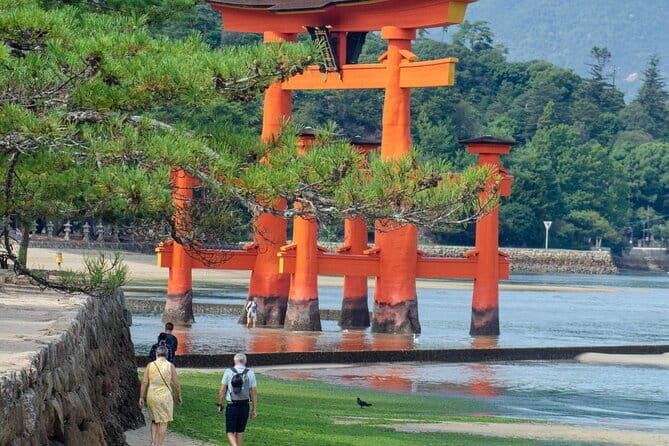
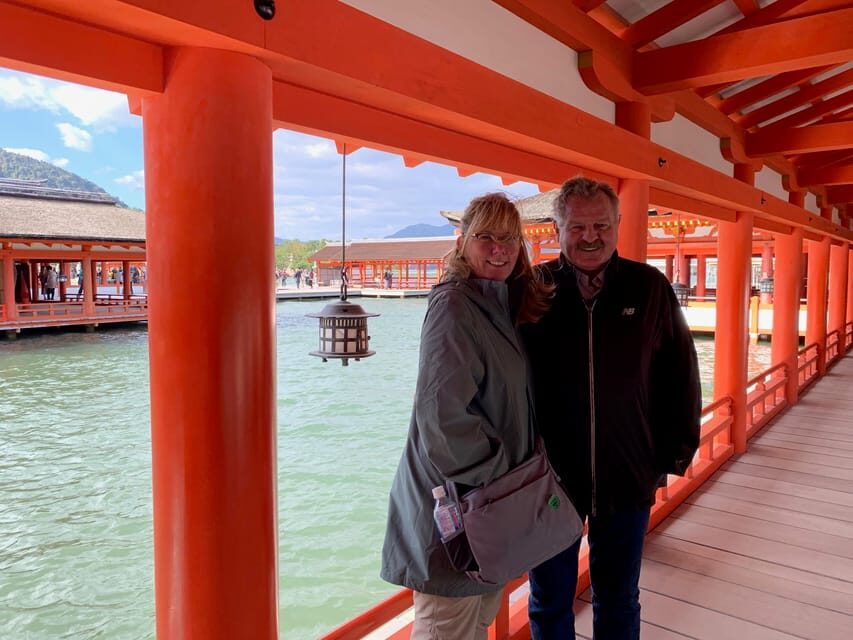
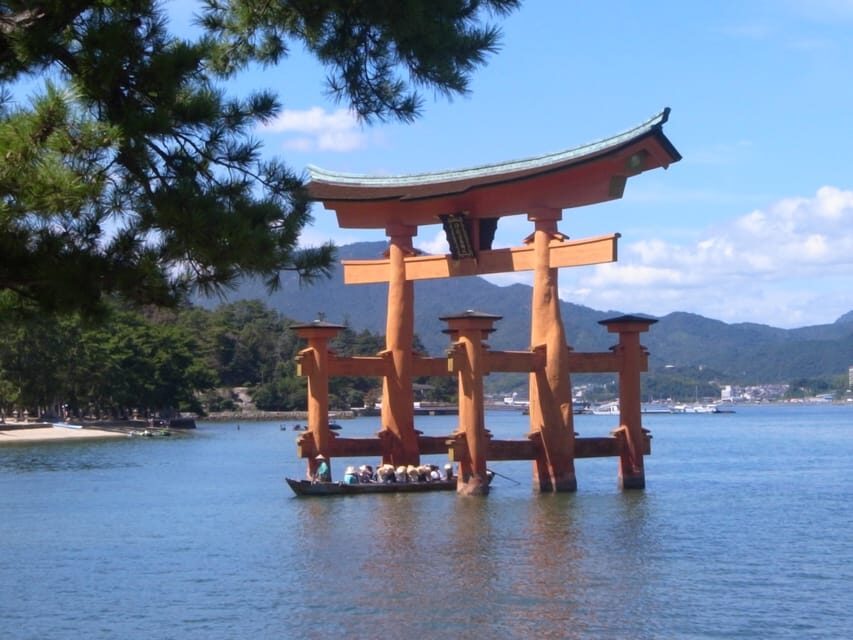
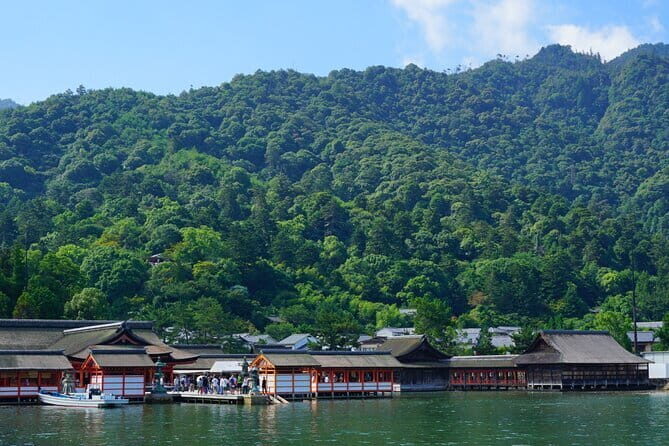
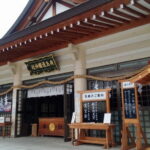
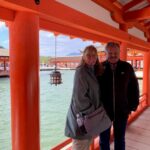
The headline at Miyajima is Itsukushima Shrine and the famous torii gate that appears to float at high tide. This tour includes Itsukushima Shrine admission, which removes one more small friction point.
What I like about doing this with a guide is that you’re not just looking for the big symbol. You’ll get help reading the setting—the water, the shrine layout, and the way the island feels different from the mainland. Your time is also structured, so you can still return to Hiroshima without the day turning into a scramble.
When it comes to photos, ask your guide for two things:
1) where they think you’ll get the best views without walking yourself into the thickest crowd, and
2) whether there are less-clogged paths nearby for a calmer look.
In one set of positive feedback, guides like Kazuko and John were praised for helping people avoid the busiest sections and for taking group pictures along the way. Even if you’re traveling solo, that kind of guidance can make your shrine visit feel smoother.
Price and value: is $150 a good deal for this private day?
At $150 per person, this tour isn’t cheap, but it can be good value if you use what’s included.
Here’s what you’re paying for that matters:
- A private experience (only your group), which makes it easier to go at your pace.
- An English-speaking guide, who interprets the sites and helps you move efficiently.
- Included admissions for the Peace Memorial Museum and Itsukushima Shrine.
- Included public transit through tram and ferry.
Then there are the extra costs to know before you budget:
- Shukkeien: 300¥
- Hiroshima Castle: 500¥
- Lunch is not included
- Boats that connect Miyajima directly with Hiroshima Peace Park are not included and cost 2200¥ one way or 4000¥ round trip.
That last point is key. Most itineraries use the standard ferry-and-shuttle rhythm. But if you want a more direct route to save time, it may add cost. Ask your guide what they recommend for your schedule, and if you’re offered options, confirm the extra fees before you commit.
In short: this is a guided day with major sites covered, and you pay extra only when you choose optional paid attractions or upgrade transport. For most people, that’s a fair trade.
Who should book this Hiroshima and Miyajima private guided tour
This tour fits best if you want:
- A guided day focused on Peace Memorial Park + Miyajima rather than random sightseeing.
- An English guide who can explain context, not just name buildings.
- Less stress with transit, tickets, and crowd navigation.
It may be less ideal if:
- You don’t do well with walking and steps. One piece of feedback specifically flagged discomfort for mobility limits and heat, and this tour is set up for moving between sights.
- You’re extremely time-tight, because the day can run long and depends on transit flow and how the group handles breaks.
If you’re traveling as a family, a couple, or a small group that prefers a private schedule, it’s a strong match. If you’re a solo traveler who wants to control every step on their own, you might find the structure less flexible. But for many people, the structure is the point.
Should you book it? My practical recommendation
If you want one well-guided day that combines Hiroshima’s memory and Miyajima’s iconic shrine landscape, I’d book this—especially if you care about understanding what you’re seeing. The included museum and shrine admissions, plus the tram-and-ferry logistics, remove a lot of the hassle that can drain the experience.
Just do two things to make it go smoothly:
- Decide early what matters most if time gets tight: Peace Park and Miyajima first, then consider Castle and Shukkeien.
- Ask your guide about any optional transport upgrades so you’re not surprised by extra boat costs.
With that, this tour can be a powerful, well-organized day—heavy when it needs to be, and beautiful when it’s time to breathe.
FAQ
How long is the Hiroshima and Miyajima private guided tour?
It runs about 4 to 8 hours.
Is this tour private?
Yes. It’s a private tour for only your group.
What’s included in the tour price?
The English-speaking guide, tickets for the Peace Memorial Museum and Itsukushima Shrine, and public transportation (tram and ferry) are included, along with pickup offered via public transportation.
Are Hiroshima Castle and Shukkeien Garden tickets included?
No. Hiroshima Castle costs 500¥ and Shukkeien Garden costs 300¥, and those are not included.
Is lunch included?
No. Lunch is not included.
What additional boat costs should I know about?
A direct boat option connecting Miyajima directly with Hiroshima Peace Park is not included, and costs 2200¥ one way or 4000¥ round trip.
Is the Atomic Bomb Dome included?
Yes. The A-bomb Dome stop has admission included.
Is this tour mostly walking?
Yes, it’s set up as a walking tour with a lot of steps, so plan accordingly.
Can I get a full refund if I cancel?
Yes. You can cancel up to 24 hours in advance for a full refund.