REVIEW · HIROSHIMA
Origami Experience in Hiroshima: Fold and Dedicate a Crane
Book on GetYourGuide →Operated by Nippon Journey · Bookable on GetYourGuide
A peace crane feels small, until you watch it mean something. In Hiroshima, this experience pairs hands-on origami instruction with a very real moment of reflection at the Children’s Peace Monument. I like that you get clear, friendly support to make your crane, not just a lecture, and you also get a guided stroll through the area.
The main thing to consider is the practical side: there’s a 20-minute walk involved, plus you’ll be working indoors on the 4th floor without an elevator, so plan around stairs and shoe removal.
In This Review
- Key things I’d bet you’ll care about
- A paper crane with a real-world purpose in Hiroshima
- How the 90-minute flow works, from folding to dedication
- Finding the meeting area near Peace Memorial Park
- The folding lesson: paper crane technique plus peace-minded reflection
- The walk to the Children’s Peace Monument: guided, meaningful, and scenic enough
- Materials included, and why the price feels fair
- Who this experience suits best (and who should skip it)
- Practical details that can make or break your comfort
- What you take home: a crane, a ritual, and a better day in Hiroshima
- Should I book this Hiroshima origami peace experience?
- FAQ
- How long is the origami experience in Hiroshima?
- Where does the activity start?
- Where does the activity end?
- Is there an origami experience required?
- What language is the instruction in?
- Is this experience indoor or outdoor?
- Are materials included?
- Do I need to remove my shoes?
- Is it suitable for young children?
- Is it wheelchair accessible?
- What is the main cultural moment at the end?
Key things I’d bet you’ll care about
- You fold a crane with guidance, not just instructions on paper
- You dedicate your crane at the Children’s Peace Monument, tying craft to place
- A guided walk through Hiroshima happens as part of the experience, about 20 minutes
- English instruction is available, with a private-group setup
- Materials are included, so you can show up and start folding right away
A paper crane with a real-world purpose in Hiroshima
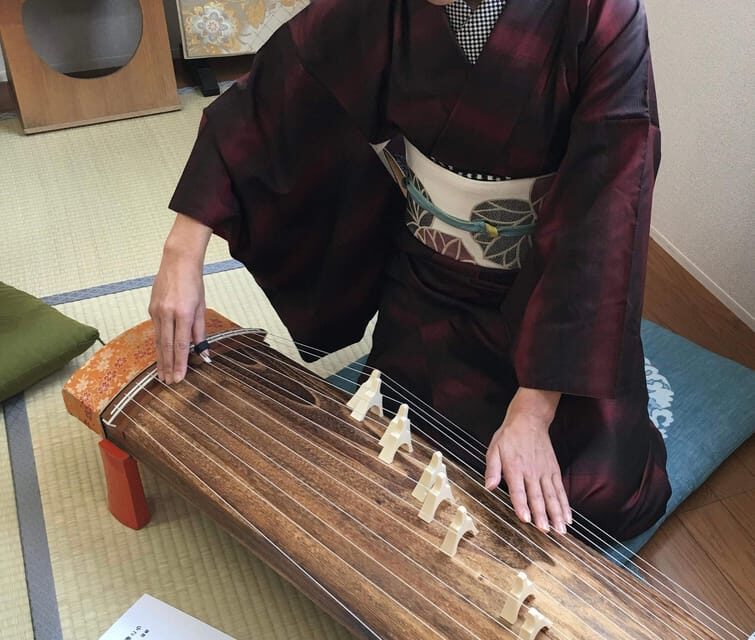
Origami is usually framed as calm, clever handwork. Here, it’s also a ritual with direction. You’re not only learning the traditional folds; you’re making a paper crane as a wish for peace, then offering it at the monument dedicated to that message.
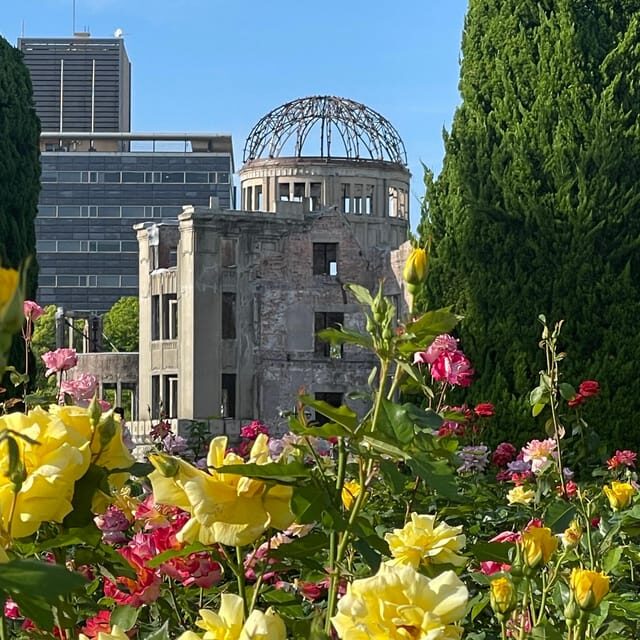
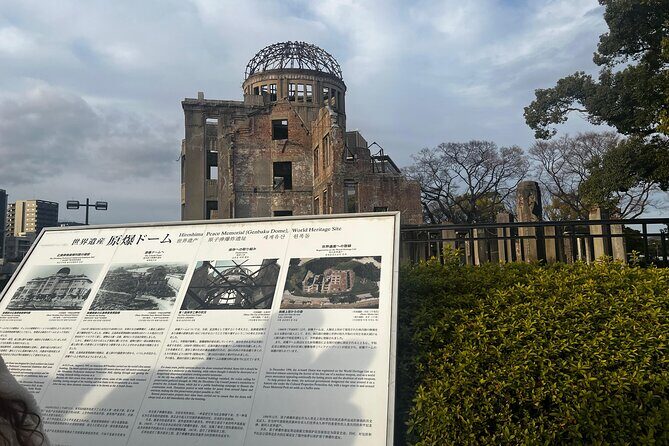
What makes this especially satisfying is the pacing. You build something with your hands first, then you take it into the real atmosphere of Peace Memorial Park. The crane becomes a physical takeaway, but it also becomes part of a wider symbol that gathers messages from around the world.
Other origami crane tours in Hiroshima
How the 90-minute flow works, from folding to dedication
The total experience runs about 90 minutes, with an included walk of around 20 minutes as you head toward the Children’s Peace Monument. The session is indoors for the folding part, then you move outside for the dedication.
Here’s the rhythm I’d expect you to follow:
First, you start with your instructor at the meeting point in the building. You’ll remove your shoes to enter, so wear footwear that’s easy to slip on and off later. Then you’ll fold your crane using colorful paper and step-by-step guidance in English.
After you finish, you bring your crane to the dedication point. Your walk to the monument takes about 20 minutes, and the guide uses that time to point out local shops and streets so it feels like a stroll with context, not just transportation.
Finding the meeting area near Peace Memorial Park
You’ll meet at a location convenient to the main Peace Memorial Park zone, but it’s important to remember the experience has different start and end points. That means you’ll want to plan your day so you’re not racing across town afterward.
Based on the provided directions, you can reach the meeting point in several ways:
- On foot: about 15 minutes (1.1 km) from Hiroshima Peace Memorial Park, or 5 minutes (450 m) from Hilton Hiroshima
- By streetcar (Hiroshima Electric Railway): about 8 minutes walk from Hiroden City Hall Station
- By taxi: roughly 12 minutes from Hiroshima Station (about ¥2,000–¥2,500), or 5 minutes from Hiroshima Peace Memorial Park (about ¥700–¥900)
If you’re visiting Peace Memorial Park earlier or later in the day, this is a great “connective tissue” experience. It links the museum-and-monument area with a calmer, creative activity.
The folding lesson: paper crane technique plus peace-minded reflection
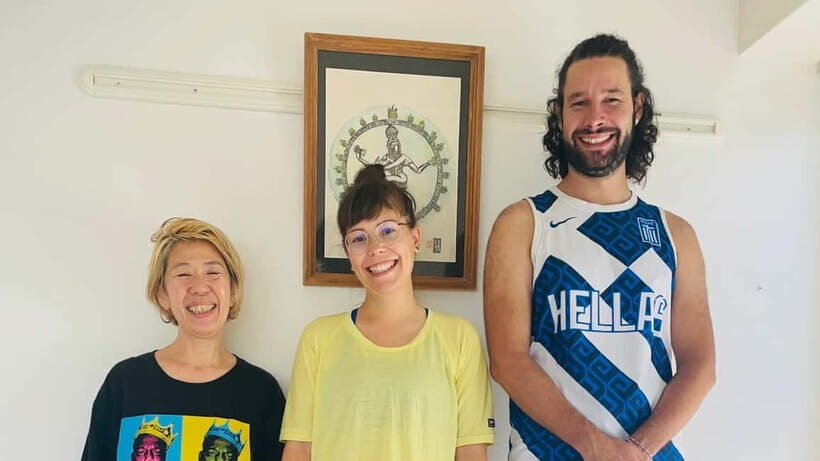
This isn’t a drop-in workshop where you copy diagrams silently. The point is to get help as you go. You’ll receive friendly, patient support while you work through the crane folds, and the vibe from prior participants is that people worked through challenges together and had a lot of laughs along the way.
You also learn more than how to make the finished bird. Origami here is presented as traditional Japanese craft, so you’re not just chasing a shape—you’re picking up why the crane is such a strong symbol. The instructor guidance matters because cranes can be fiddly: paper alignment, crisp creases, and patience all play a role. With support, the process feels doable even if you’ve never folded before.
And because you’re making it as a wish for peace, the tone shifts. When you’re concentrating on the folds, the dedication part later lands heavier—in a good way.
The walk to the Children’s Peace Monument: guided, meaningful, and scenic enough
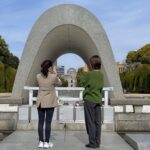
After folding, you head toward the Children’s Peace Monument. This walk is part of the experience, not an extra you squeeze in between things.
Expect about 20 minutes on foot. Along the way, your guide shares what’s around you—local shops and street details—so you get more than just a route. It’s a chance to slow down near the peace memorial area instead of treating it like a checklist.
The destination itself matters because the monument receives cranes filled with prayers from around the world every day. So when you offer yours, it’s not just a personal gesture done once. It’s joining a continuous stream of messages, created by people who came with the same intention: peace.
Practical note: because shoes come off for the indoor portion, you’ll want to check your walking comfort before heading out for the dedication.



Materials included, and why the price feels fair
At $46 per person for about 90 minutes, it’s not the cheapest thing you can do in Hiroshima. But for the experience type, the value checks out.
Here’s what you’re paying for:
- An instructor-led, English-supported folding session
- All necessary materials, including colorful origami paper
- A guided component that includes the walk to the monument
- A private group format, which usually means less time waiting and more time getting help
If you’ve ever tried to learn complex origami from diagrams alone, you’ll know why guided support is worth something. Cranes especially benefit from a real-time correction when your fold goes slightly off. Add the cultural and reflective element of dedication at the monument, and the price feels like it buys both technique and meaning.
Who this experience suits best (and who should skip it)
This works well for:
- Families looking for a structured, calm activity that still feels purposeful
- Couples who want something gentler than another museum stop
- Solo travelers who like guided interpretation and a clear plan
It’s also ideal if you like doing one hands-on thing instead of stacking multiple sites. It turns the Peace Memorial Park area into a more personal experience.
But there are clear limits:
- It’s not suitable for wheelchair users (there are also stairs involved since it’s on the 4th floor)
- It’s not suitable for children under 6 (though children may accompany for free)
If you’re traveling with very young kids, you’ll want to think carefully about the indoor shoe-removal setup and the pace of folding plus walking.
Practical details that can make or break your comfort
A few things are worth planning for so you’re not caught off guard:
You’ll be indoors on the 4th floor without an elevator, so expect stairs. You’ll also need to remove your shoes to enter, which changes the “what should I wear” equation. Choose something easy, like slip-on socks and footwear you can handle quickly after the session.
Also remember: the meeting point and ending point differ. That means you’ll likely finish closer to the Peace Memorial Park side than where you started, so align your next stop accordingly.
Finally, this is conducted as a private group. That usually means the pacing is friendlier and questions get answered in the moment. If your group includes beginners, that flexibility is a real win.
What you take home: a crane, a ritual, and a better day in Hiroshima
The obvious takeaway is the paper crane itself. But the experience’s real product is the connection between craft and place.
You start by learning a traditional technique and you finish by placing your wish where peace messages collect from people all over the world. That arc changes how Peace Memorial Park can feel. Instead of only absorbing information, you do something. You make something. Then you offer it.
And because the walk includes street-level context, you also get a small, human view of Hiroshima’s everyday side near the memorial area.
Should I book this Hiroshima origami peace experience?
I’d book it if you want a meaningful Hiroshima stop that’s hands-on, structured, and actually enjoyable even if you’re not an origami person. The guidance makes the crane achievable, the dedication gives it weight, and the included walk keeps it from feeling like a detached workshop.
Skip it if you need step-free access, if your group includes someone who can’t do stairs and shoe-off indoor entry, or if you’d rather spend your time only inside major sites. Also consider whether the 20-minute walk fits your day and energy level.
If you’re building a day around Peace Memorial Park anyway, this is a smart add-on. It gives you a calmer, reflective ending that turns the symbolism into something you can hold in your hands.
FAQ
How long is the origami experience in Hiroshima?
The experience lasts about 90 minutes, including a walk of about 20 minutes to the monument.
Where does the activity start?
You meet at a location that’s about 15 minutes on foot (1.1 km) from Hiroshima Peace Memorial Park, or about 5 minutes on foot (450 m) from Hilton Hiroshima. The meeting point is by streetcar as well (about 8 minutes walk from Hiroden City Hall Station).
Where does the activity end?
The meeting point and ending point are different. The dedication happens at the Children’s Peace Monument.
Is there an origami experience required?
No prior experience is needed.
What language is the instruction in?
The instruction is available in English (and also in Japanese).
Is this experience indoor or outdoor?
The origami part is conducted indoors, followed by a walk to the monument outdoors.
Are materials included?
Yes. All necessary materials, including colorful origami paper, are included.
Do I need to remove my shoes?
Yes. You must remove your shoes to enter the building.
Is it suitable for young children?
It is not suitable for children under 6 years old, though children may accompany free of charge.
Is it wheelchair accessible?
No. It is not suitable for wheelchair users.
What is the main cultural moment at the end?
After folding your crane, you dedicate it as a wish for peace at the Children’s Peace Monument.