REVIEW · HIROSHIMA
Hiroshima’s Historic Walk Private Tour: Castle, Dome & Peace Park
Book on Viator →Operated by Opatrip.com Japan · Bookable on Viator
Hiroshima hits hardest when you walk it. This private, 2-hour route connects Hiroshima Castle with the Atomic Bomb Dome and then carries you into Peace Memorial Park, in a way that makes the meaning feel closer than reading alone. I really like that it’s built around real places, not a rushed lecture, and that your guide can shape the pacing to your group.
Second, I like the way the stops work as a sequence: samurai culture and city views at the Castle, a calmer spiritual pause at Gokoku Shrine, and then the solemn shift to wartime memory and peace. You’ll also get the kind of practical side-notes that help you not just see, but understand.
One consideration: with only about 2 hours and roughly 30 minutes at each major stop, it can feel tight if you want to linger deep in Hiroshima Castle’s museum or take long, slow pauses at the memorial sites. The Hiroshima Castle entrance fee is also extra, so plan for that small add-on.
In This Review
- Key Things To Know Before You Go
- Hiroshima Castle To Kick Off The Story You’re Here To Understand
- A Calm Reset At Hiroshima Gokoku Shrine
- Atomic Bomb Dome: UNESCO Site With A Clear, Focused Visit
- Peace Memorial Park: Where “Seeing” Turns Into Remembering
- Private Guide Value: Practical Context And Real-Time Pacing
- Walking Route And Time Management From Castle To Peace Park
- Price And Value: Is $445.87 Per Person Worth It?
- Who This Hiroshima Walk Fits Best (And Who Might Want a Different Option)
- Timing Tips For A Respectful, Not-Rushed Visit
- Should You Book This Private Walk?
- FAQ
- How long is Hiroshima’s Historic Walk private tour?
- Is this tour private?
- What does the tour price include?
- Do I need to pay for admission at the stops?
- Where does the tour start and end?
- Is there a mobile ticket?
Key Things To Know Before You Go

- Private guide, not a group shuffle: you stay with your local guide and only your group participates.
- A well-aimed emotional route: Castle to Dome to Peace Memorial Park gives you a clear narrative arc.
- 30 minutes per major stop: that time can fly, so prioritize what you personally want to study.
- One paid admission stop: Hiroshima Castle costs $2.50, while the shrine, Dome, and Peace Park stops are free.
- Guides who handle pacing and logistics: guides like Waleed and Kumiko have a reputation for making limited time feel usable.
Hiroshima Castle To Kick Off The Story You’re Here To Understand
The tour starts right at Hiroshima Castle, so you can orient fast without guessing your way across town. Even though the walking segment is short, the stop is designed to give you context before you reach the heavier sites.
Hiroshima Castle isn’t just a photo spot. You get time to explore the museum focused on samurai culture, and you also have the option of getting city views from the tower area. For a lot of people, that view matters because it reintroduces scale: Hiroshima isn’t frozen in the past. It’s a real city people live in.
The main drawback here is time. Thirty minutes is enough to get a sense of the museum themes and enjoy the views, but it’s not enough for slow, detailed reading in every corner. If you know you’re the type who can spend an hour inside a museum, you’ll want to arrive with a game plan for what you want to learn first.
Also, don’t forget the Castle entrance fee. It’s listed separately and is currently $2.50, so you’re not stuck at the gate with an empty budget.
Other private guided tours in Hiroshima
A Calm Reset At Hiroshima Gokoku Shrine
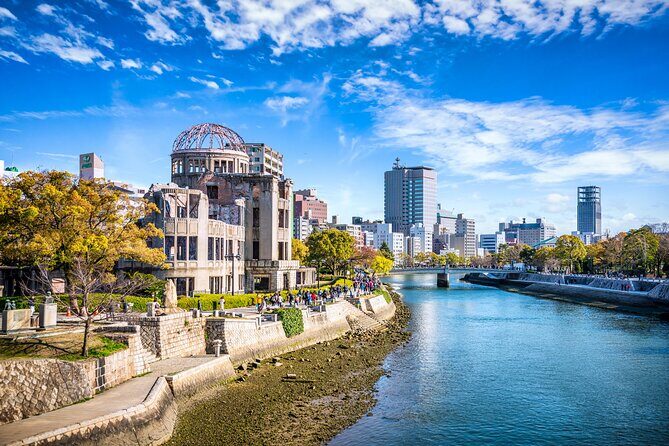
Right after the Castle, the route moves you to Hiroshima Gokoku Shrine. This stop feels like a breath between the historical and the memorial-focused sights.
The shrine’s whole tone is spiritual serenity and remembrance, centered on peace. That matters because it helps you transition from the museum and city viewpoints into a different kind of attention—less sightseeing mode, more reflective mode.
What I like about including a shrine like this is the rhythm it creates. It’s not a hard emotional pivot all at once. Instead, you get a moment where the mood shifts naturally, and your guide can explain the symbolism behind being present at sites like this.
Time is still limited to about 30 minutes, so aim for quality over quantity. If you want photos, grab them early. If you want the quieter feeling, slow down and just watch what’s around you.
Atomic Bomb Dome: UNESCO Site With A Clear, Focused Visit
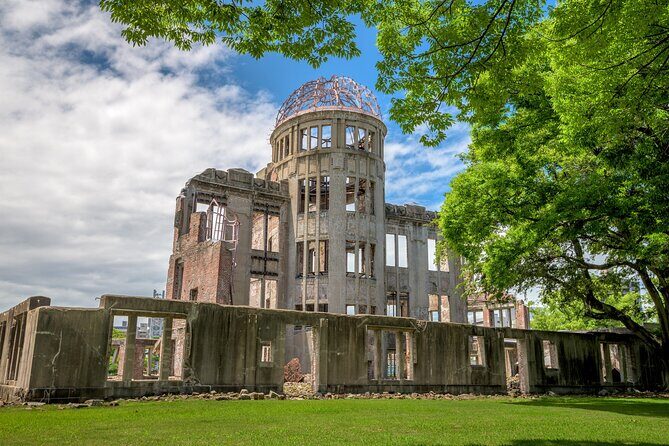
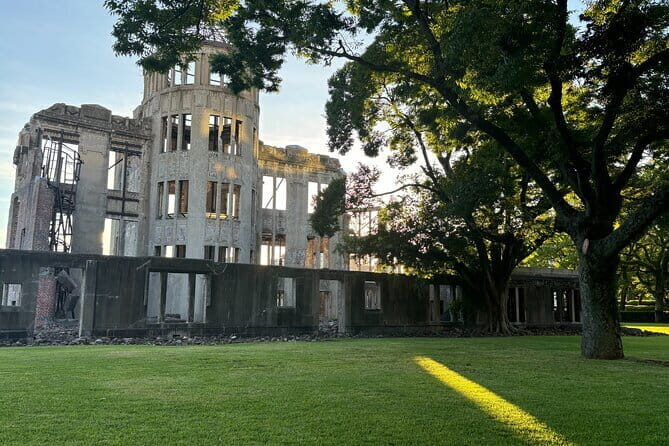
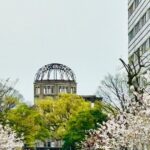
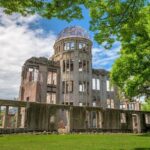
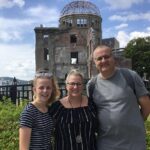
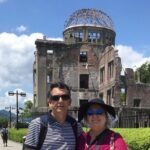
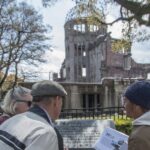
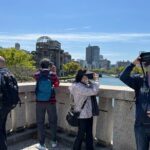
Next comes the Atomic Bomb Dome, a UNESCO World Heritage site and one of the most recognizable symbols in Hiroshima. This is the emotional centerpiece of the walk, and the tour’s structure makes sure you don’t treat it like just another landmark.
The Dome stop is free, which helps you stay focused on the experience rather than budgeting for yet another ticket. During your visit window, your guide helps you understand what you’re looking at and why the building is kept in place as a silent witness.
A key practical thing: at a site like this, your attention can wander if there’s no guidance. A good local guide helps you slow down and read the place correctly—what’s preserved, what it stands for, and how to think about it without turning it into a checklist.
The other practical side of this stop is crowds and pacing. The tour notes availability and access can shift depending on time of day and crowd conditions, so you should expect small timing changes. That’s normal in Hiroshima’s most visited memorial areas, and having a guide is the best way to keep the visit respectful and efficient.
Peace Memorial Park: Where “Seeing” Turns Into Remembering
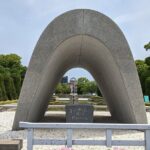
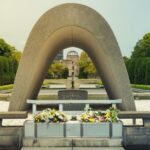
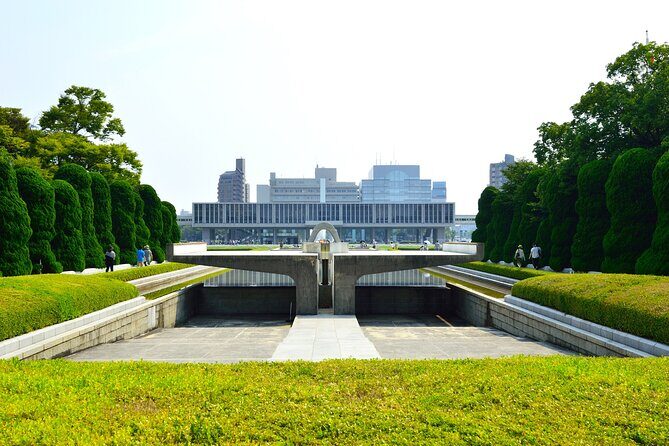
After the Dome, the tour heads into Peace Memorial Park, also for a free stop with about 30 minutes. This is where the story becomes more personal and more anchored in memory.
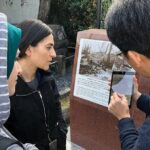
Peace Memorial Park is dedicated to atomic bomb victims, and it’s designed as a space for remembrance. Walking through it with guidance helps you connect the dots between what you saw at the Dome and what you’ll notice here—names, memorial structures, and the way the park is laid out for reflection.
This is the part of the tour where your guide’s explanation can make a real difference. Without context, a park like this can feel like you’re just walking between monuments. With context, you start to notice how the site communicates grief, resilience, and the idea of peace as a living responsibility.
Because the time is limited, you’ll want to make a simple decision before you enter the park: do you want to spend your time focusing on the memorial elements, or do you want to scan the park to get the overall geography? Your guide can help you pick a path that matches your preference.
Also, you’ll be ending your tour here, so treat this last stop like the finish line of your attention. Don’t save your questions for the very end; ask them while you’re still fresh.
Private Guide Value: Practical Context And Real-Time Pacing

This tour is private, meaning you’re not squeezed into a group rhythm. Your guide is there for your questions and your pace, and that matters a lot on a route like this where mood shifts at each stop.
Two guide examples stand out from experience on this route. Waleed is described as effective at presenting history with interesting side-notes, which is exactly what you need when you have only a couple hours. Kumiko is described as very obliging and flexible, including offering two ways to handle getting to the park area—transport or taxi—so you can choose what fits your comfort.
Even if you don’t need transportation help, the important lesson is the same: good guides adjust. If the day is busy, they keep you moving at a respectful pace. If your group wants more museum attention, they can usually steer how you use the time window.
You’ll also appreciate the local guidance in the small things—what to look at first, how to read the symbolism, and when to slow down. Those small choices add up, especially at Hiroshima’s memorial sites where the difference between quick scanning and meaningful observation is mostly about pacing.
Other Peace Memorial Park tours in Hiroshima

Walking Route And Time Management From Castle To Peace Park
The start point is Hiroshima Castle at 21-1 Motomachi, Naka Ward, Hiroshima, and the tour ends at Peace Memorial Park at 1 Nakajimacho, Naka Ward, Hiroshima. That start-to-finish flow is helpful because you don’t have to figure out separate meet-ups or reverse your day.
The tour is listed as about 2 hours, with each major stop around 30 minutes. That gives you a clear structure, but it also means you need to move with intention. If you spend 20 minutes reading everything at the Castle museum, you’ll feel it later at the Dome or Peace Park.
Here’s how I’d plan your headspace. At the Castle, focus on getting the big idea (samurai culture themes plus the tower view). At the Dome and Peace Park, focus on attention—where you look matters, and your guide will help you pick what to notice. At the shrine, focus on the mood shift. Those three modes keep the tour from feeling chaotic.
The tour also notes it’s near public transportation. That’s useful because if your day has other plans, you can connect easily rather than being stuck in a remote pocket of town.
Price And Value: Is $445.87 Per Person Worth It?
Let’s talk money plainly. The price is $445.87 per person for a private 2-hour walk. That’s not cheap, so the value question is real.
Here’s what justifies it. First, you’re paying for professional local guide services for a full private group experience, not just a ticketed entry. Second, most of the emotional heavy hitters on the route are free to enter—Atomic Bomb Dome and Peace Memorial Park are free stops, and the shrine is also free—so your spending mostly goes to interpretation, pacing, and guidance.
The Castle is the one paid admission at $2.50, so you’re not layering on multiple entry fees. You can treat that as a minor extra cost rather than a budget shock.
There are also group discounts available. If you’re traveling with companions, you may find it easier to justify the private format compared with paying for separate group tours.
One more practical angle: the tour is booked on average about 23 days in advance. That suggests it’s popular, and planning ahead usually helps if you want the time window that matches your energy level for the memorial sites.
If you’re the type who likes doing things at your own pace and asking questions, this can be a strong value. If you prefer self-guided walking and already know what you want to read in each place, you might feel the cost more sharply.
Who This Hiroshima Walk Fits Best (And Who Might Want a Different Option)
This tour is best for people who want a guided storyline across Hiroshima’s most important sites without spending half a day moving around. It’s also a smart fit for visitors who feel overwhelmed at memorial locations and want help choosing what to pay attention to.
You’ll likely enjoy it if you:
- Want a tight, guided route that covers Castle, Dome, and Peace Park in one go
- Prefer a private setting where you can ask questions without feeling rushed
- Like history with context, not just a list of stops
It may feel less ideal if you:
- Plan to spend long hours in museums or want very slow, unstructured time at memorial sites
- Have a very small attention window for emotional content and would rather spread it over multiple days
Timing Tips For A Respectful, Not-Rushed Visit
Because the tour runs about 2 hours with around 30 minutes per stop, timing is a real part of success.
If you want fewer interruptions, try to pick a time of day when the major sites aren’t at peak crowd pressure. The tour also warns that availability and accessibility can vary with time of day and crowd conditions, so choose wisely if you can.
Dress for comfort. You’ll be walking between notable sites in Hiroshima’s center, and you’ll want to stay comfortable enough to slow down when the moment asks for it.
Finally, come with one question in mind for your guide. It can be as simple as what to notice first at the Dome, or how to interpret the shift from museum themes to memorial meanings. That one question will give your time structure and help you absorb more.
Should You Book This Private Walk?
I think you should book this tour if you want a guided, respectful route that links Hiroshima Castle, the Atomic Bomb Dome, and Peace Memorial Park into one clear experience. The private format, the strong sequence of stops, and the fact that most major memorial areas are free make it a practical way to get meaning without turning your day into ticket math and map stress.
Skip it if you already know you want to spend long hours at one location or you prefer completely self-guided exploration. In that case, the fixed 2-hour rhythm may feel limiting.
If you’re deciding, here’s the best simple test: do you want help understanding as you walk? If yes, this private historic walk is a strong match.
FAQ
How long is Hiroshima’s Historic Walk private tour?
The tour is about 2 hours.
Is this tour private?
Yes. It’s a private tour/activity, and only your group participates.
What does the tour price include?
It includes professional local guide services. Hiroshima Castle entrance fee is not included.
Do I need to pay for admission at the stops?
Hiroshima Castle has an entrance fee of $2.50. Hiroshima Gokoku Shrine, the Atomic Bomb Dome, and Peace Memorial Park stops are listed as free.
Where does the tour start and end?
It starts at Hiroshima Castle (21-1 Motomachi, Naka Ward, Hiroshima) and ends at Peace Memorial Park (1 Nakajimacho, Naka Ward, Hiroshima).
Is there a mobile ticket?
Yes. The tour includes a mobile ticket. Confirmation is received at the time of booking.