REVIEW · HIROSHIMA
Discover the Soul of Hiroshima: A Peace-Themed Koto Workshop
Book on Viator →Operated by Experiential lesson of traditional Japanese instrument "Koto" · Bookable on Viator
A string instrument can carry a city’s grief. This Hiroshima workshop pairs hands-on koto lessons with a peace-focused performance, including a reflective piece created in memory of atomic bomb victims. Echo of Serenity turns practice time into something more meaningful than a quick photo stop, and you also leave with a performance video keepsake you can share later.
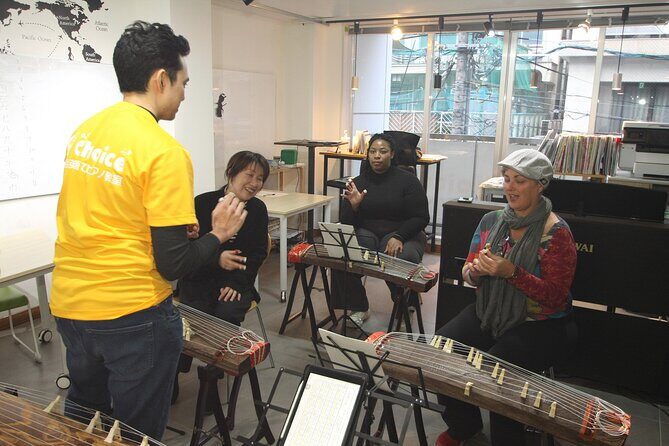
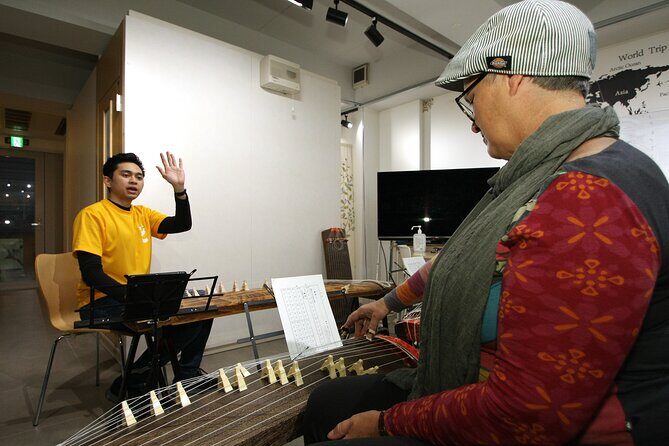
I like that it stays practical: you don’t need experience, and the English-speaking instructor guides you through posture and plucking technique step by step. One thing to keep in mind is that it’s a short 1 hour 30 minutes session in a small group (max 6), so you’ll want to arrive ready to focus and follow directions promptly.
In This Review
- Key highlights
- Why Hiroshima’s Peace Message Fits a Koto Lesson
- What You’ll Learn: 13 Strings, 1,300 Years, and Fukuyama Craft
- Echo of Serenity, a Musical Prayer You Can Play
- The Hands-On Class: Posture, Plucking, and Learning Without Experience
- Group Performance and Your Keepsake Video
- Origami Crane Peace Fold: Bringing Hiroshima Home
- Price, Inclusions, and Value for $46.24
- Location, Time, and How to Make It Go Smoothly
- Who This Workshop Suits (and Who Might Want Something Else)
- Should You Book This Hiroshima Koto Workshop?
- FAQ
- How long is the Hiroshima koto workshop?
- What is the price per person?
- Do I need any experience to play the koto?
- What will I receive at the end of the workshop?
- Is this workshop a small group?
- What’s included in the price besides the lesson?
- What are the cancellation rules?
Key highlights
- A peace-themed koto lesson tied directly to Hiroshima’s message of hope
- Echo of Serenity: a memorial composition you help perform
- Beginner-friendly teaching with guidance on posture and plucking
- Your performance video recorded with instructor accompaniment
- Origami crane peace fold as a take-home symbol
- Small group size for more personal attention
Why Hiroshima’s Peace Message Fits a Koto Lesson
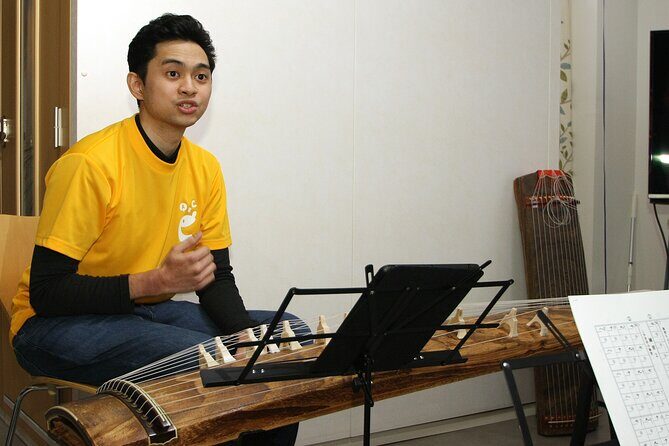
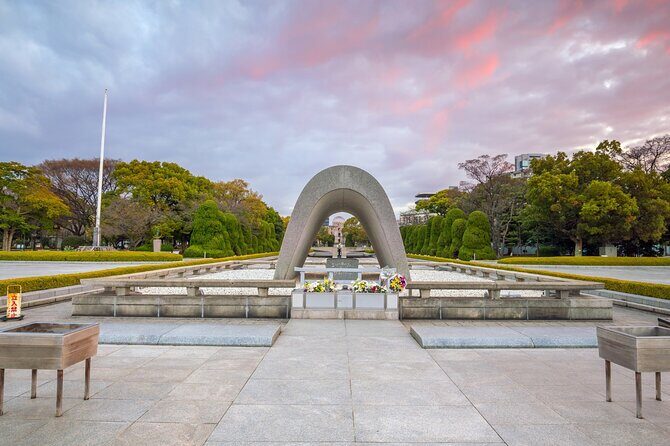
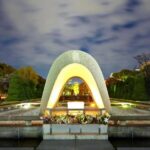
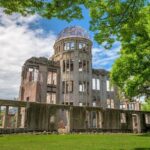
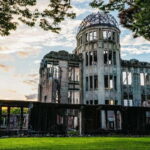
Hiroshima is a place where words can feel too small. That’s exactly why music works here. This experience uses the koto, a traditional 13-string instrument, to give people a way to practice, listen, and play something that carries remembrance and hope.
The workshop’s theme is not tacked on. You start by learning what the instrument is and why it matters, then you move into a composition that honors atomic bomb victims. By the time you’re seated with your koto, the message is already in your ears, not just in the background.
What also helps is the tone of the instruction. In particular, the teaching style matters for nervous first-timers, and the instructor named Hanz comes up as someone who makes students feel completely at ease. That’s a big deal when you’re trying to learn a physical technique you’ve never done before.
Other koto music tours in Hiroshima
What You’ll Learn: 13 Strings, 1,300 Years, and Fukuyama Craft
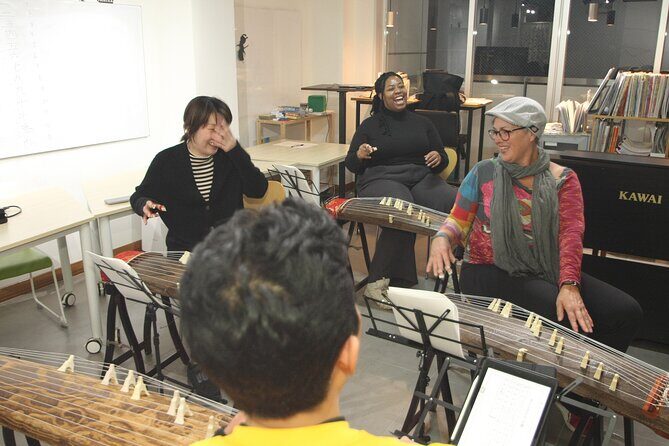
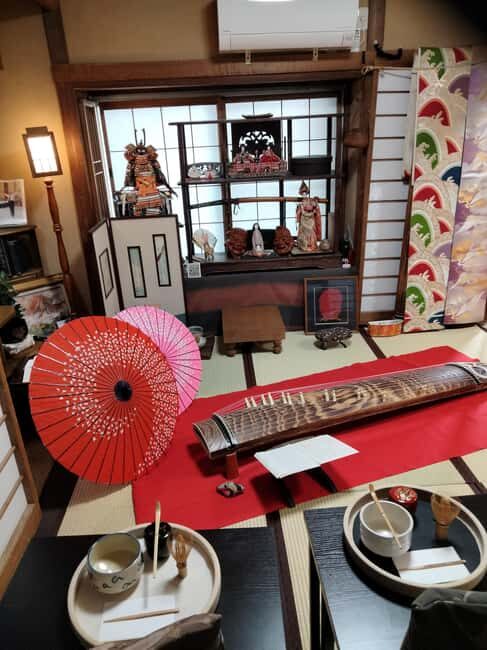
Before you pluck anything, you get the why behind the sound. The session introduces the koto’s legacy, including the instrument’s 1,300-year history. You’re not just asked to copy movements; you’re given context so the lesson feels intentional.
Then you get a very specific Hiroshima-adjacent detail: the workshop explains the role of Fukuyama City as a heartland of koto craftsmanship, where over 70% of Japan’s kotos are born. That kind of detail does more than teach trivia. It helps you understand that koto music is built on skilled making, not just performance.
You’ll also learn about the symbolism in the instrument’s design—what each part represents. Even if you don’t remember every detail later, it changes the experience. You tend to treat the koto more respectfully when you know there’s meaning built into the structure.
Echo of Serenity, a Musical Prayer You Can Play
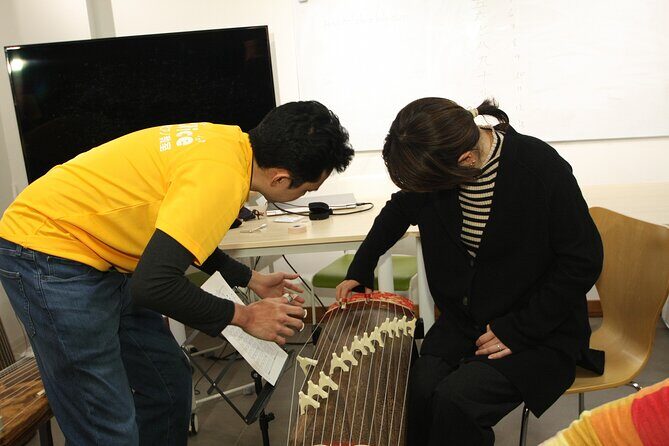
The centerpiece is a composition called Echo of Serenity. It’s described as a haunting piece, and the focus is clear: it honors atomic bomb victims. Instead of a generic soundtrack moment, you hear the composition as something close to a musical prayer.
Then comes the practical part. The workshop doesn’t stop at listening. You learn a special piece connected to that theme, and the English-speaking master guides you through the notes and techniques needed to play it.
One useful way to think about this: you’re not performing for an audience with stage pressure. You’re learning a shared pattern with others in the room, which turns a heavy theme into something you can actually do with your hands.
The Hands-On Class: Posture, Plucking, and Learning Without Experience
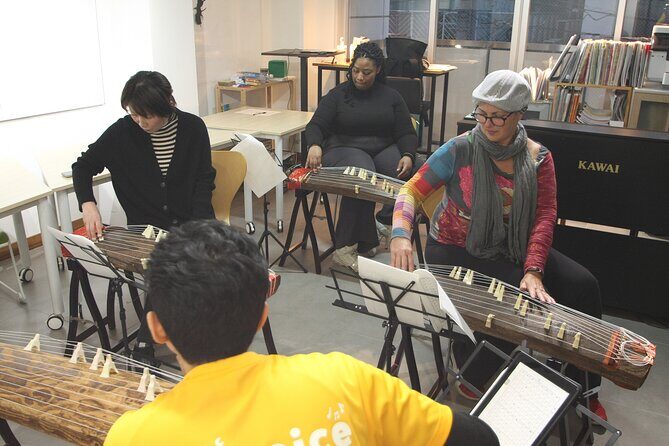
The biggest value here is that the lesson is built for beginners. The workshop explicitly says you don’t need prior experience. That matters because koto playing can look intimidating from the outside—long instrument, unfamiliar posture, and plucking that doesn’t match how Western string instruments feel.
Here, the instructor walks you through fundamentals:
- Proper posture so your body positions the instrument correctly
- Plucking techniques so your fingers and hands make the right motion
- How to approach the specific piece you’ll later play with the group
You’ll likely find this hands-on structure is the difference between an expensive souvenir activity and a real skill you can carry home. Even if you can only play a short segment at first, you gain the muscle memory and the basic control that lets you improve after you leave.
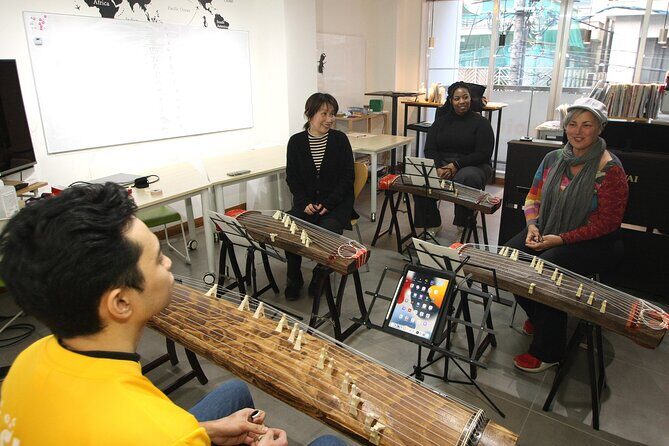
Because the class is capped at 6 travelers, you also have a better chance to get correction and reassurance when something feels off. That’s especially important for the physical stuff like wrist angle and hand placement.
Group Performance and Your Keepsake Video
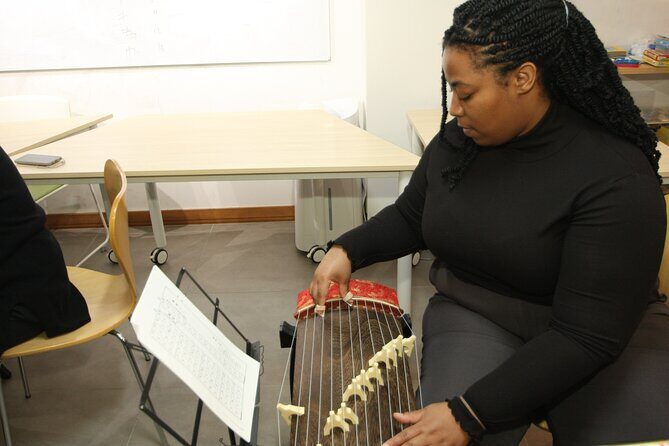
This is where the workshop becomes personal. After the individual practice phase, you join a small ensemble performance of Echo of Serenity with the group.
And then the workshop gives you a real keepsake: you receive a recording of your final piece performance. It’s described as a video with instructor accompaniment, which is a smart detail. Accompaniment matters because it helps the performance feel complete, even when you’re still learning.
For your own life after Hiroshima, this is the best type of memory: not a vague impression, but an artifact. You can play the video later and remember the posture, the tone, and the shared moment with other people who were also learning in real time.
If you care about meaningful travel souvenirs that don’t just sit in your phone, this is worth paying attention to. A video of you actually playing is far more powerful than a generic group photo.
A few more Hiroshima tours and experiences worth a look


Origami Crane Peace Fold: Bringing Hiroshima Home
After the music part, you get a thoughtful symbolic take-home: a handfolded origami crane. In Hiroshima, the crane is widely recognized as a symbol of hope, and the workshop includes the meaning so you can share it.
This matters because the crane isn’t just decorative. When you know what it represents, you can gift it with context. It becomes a conversation starter, not just paper art.
If you’re traveling with family or friends—especially people who weren’t able to come along—this kind of portable symbol makes it easier to explain why Hiroshima mattered. The crane plus the video gives you both an object and a story.
Price, Inclusions, and Value for $46.24
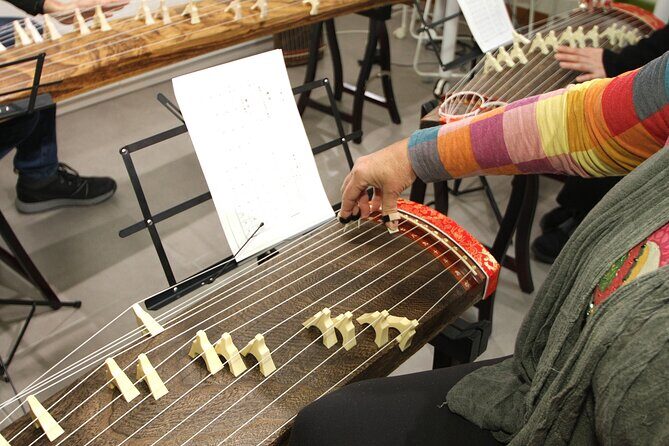
At $46.24 per person for about 1 hour 30 minutes, the price looks reasonable once you map what’s included. You’re getting:
- The koto used for the lesson
- Coffee and/or tea, plus soda/pop
- A recorded video of your final performance
- The origami crane peace keepsake
For a musical workshop, the video is the standout value. Recording is not free, and it’s usually what makes this kind of experience feel “real” rather than temporary. Add in the drinks and the fact that the group stays small, and you end up with a good balance of cost and payoff.
Also, the workshop uses mobile tickets, and it offers group discounts. If you’re traveling with a friend or small group, that can help you stretch value without turning it into a complicated plan.
Location, Time, and How to Make It Go Smoothly
The meeting point is in central Hiroshima: Hiroshima, Naka Ward, Hatchōbori, 84 石田第2ビル (postal code 730-0013). The activity ends back at the meeting point, so you’re not dealing with end-of-tour transportation surprises.
Duration is roughly 1 hour 30 minutes. That’s short enough that the workshop should fit neatly into a day of Hiroshima sightseeing, but long enough that you’ll feel the arc: instrument introduction, listening, learning the piece, and then performing together.
You won’t get private transportation here. The good news is it’s stated to be near public transportation, so you can plan your arrival and departure with the rest of your day’s routes.
Practical tip: since you’ll be focused on posture and technique, wear something comfortable. You’ll be seated and moving your hands in ways that feel awkward in restrictive clothing.
Who This Workshop Suits (and Who Might Want Something Else)
This workshop is a strong match if you want Hiroshima travel that’s active, not just observational. You’re learning an instrument and playing a piece connected to remembrance. That’s a great fit for music lovers, cultural learners, and anyone tired of “walk, look, take a photo” tourism.
It’s also a good choice if you’re anxious about skill. Beginners are welcome, and the instruction is described as guided from basics, including posture and plucking techniques.
You might think twice if you’re looking for a long, sightseeing-heavy experience. This is a concentrated session. You get meaning and hands-on learning, but you’re not here to cover multiple attractions.
If you like quiet, reflective activities with a structured learning arc, you’ll probably enjoy it. If you prefer large-group events with lots of free time to wander, the small-group format may feel more “lesson-like” than “tour-like.”
Should You Book This Hiroshima Koto Workshop?
Book it if you want a Hiroshima experience with real participation. The combination of peace-themed music, beginner instruction, and a tangible keepsake video is a winning mix. It turns respect into action: you listen, you learn, and you play.
Skip it only if you’re not interested in learning a technique, or if you want more sightseeing time. Otherwise, this is exactly the kind of cultural activity that gives you something to remember beyond the usual checklist.
FAQ
How long is the Hiroshima koto workshop?
It runs for about 1 hour 30 minutes.
What is the price per person?
The price is $46.24 per person.
Do I need any experience to play the koto?
No. The workshop is designed for beginners and teaches posture and plucking techniques.
What will I receive at the end of the workshop?
You’ll receive a performance video recording and an origami crane peace keepsake.
Is this workshop a small group?
Yes. The maximum group size is 6 travelers.
What’s included in the price besides the lesson?
It includes the koto, coffee and/or tea, and soda/pop.
What are the cancellation rules?
You can cancel for a full refund if you cancel up to 24 hours in advance of the experience start time. If you cancel less than 24 hours before, the amount paid is not refunded.