REVIEW · HIROSHIMA
Hiroshima: Kimono, Koto, and Simple Tea Ceremony Experience
Book on GetYourGuide →Operated by Kazuko Mensing · Bookable on GetYourGuide
Kimono and koto, right in Hiroshima. This hands-on cultural lesson is led by Kazuko Mensing, a second-generation bomb survivor, so the art you learn comes with real life context. You’ll spend 90 minutes in a warm Japanese home where the mood is calm, friendly, and surprisingly personal.
I love the kimono dressing portion because it’s both practical and photogenic. You’ll get help for both men and women, then you can try katana or umbrella holding for easy, fun pictures that still feel respectful.
One thing to consider: the space is not suitable for wheelchair users, and you’ll need to handle stairs.
In This Review
- Key highlights to look for
- Meeting Kazuko Mensing and stepping into her Japanese home
- Kimono dressing and photo time with katana or umbrella
- Koto playing with a 40-year teacher
- Simple tea ceremony: why the ritual feels calm
- Board games, katana/umbrella props, and extra hands-on touches
- Where it fits near the Atomic Bomb Dome
- Price and value: what you’re really paying for at $76
- Who this experience suits, and who should skip it
- Should you book this Hiroshima kimono, koto, and tea ceremony?
- FAQ
- FAQ
- How long is the Hiroshima kimono, koto, and tea ceremony experience?
- What does the experience include?
- Is it a private group?
- Where do we meet, and how can I recognize the guide?
- What languages are offered during the experience?
- How much does it cost?
- Is it LGBTQ friendly?
- Is it wheelchair accessible?
Key highlights to look for
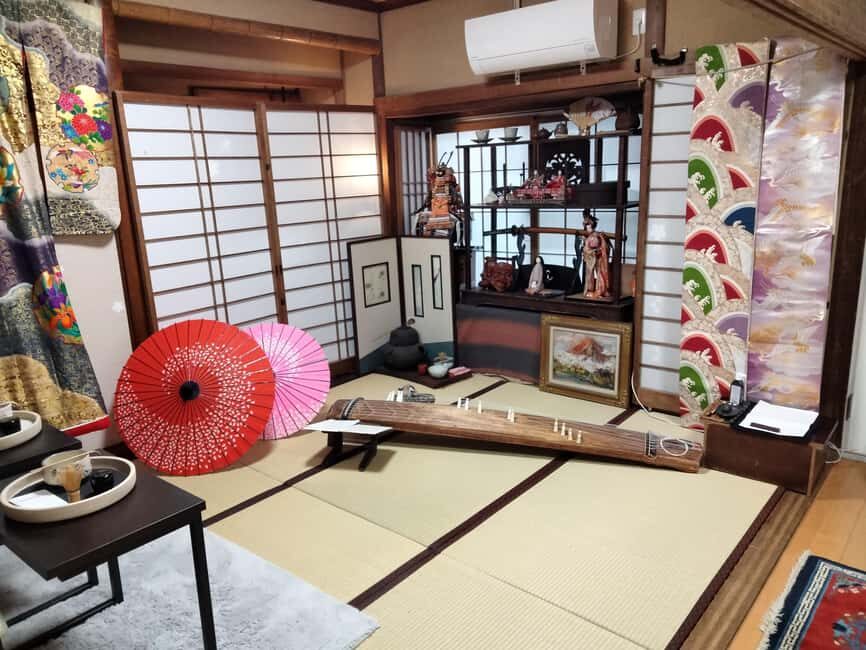
- Kazuko Mensing’s English and decades of koto practice (40 years of studying)
- A simple tea ceremony that explains what the ritual is for, not just what to do
- Japanese board games like igo or shougi as a low-pressure way to participate
- Photo moments with a katana or umbrella while wearing your kimono
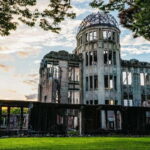
- A real neighborhood location, about a 15-minute walk from the Atomic Bomb Dome
- A private group format that keeps things flexible and comfortable
Meeting Kazuko Mensing and stepping into her Japanese home
The experience starts at a very local meeting point: outside Familymart by Toukaichi Station, with your guide recognizable in a short black kimono jacket. From the first moments, it feels less like a scripted show and more like you’re being welcomed into someone’s home.
Kazuko Mensing is a Hiroshima lifelong resident and a second-generation bomb survivor. That matters, because she doesn’t teach culture like it’s frozen in time. She teaches it like something lived, practiced, and carried forward—especially through music, tea, and everyday manners.
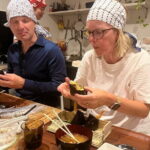
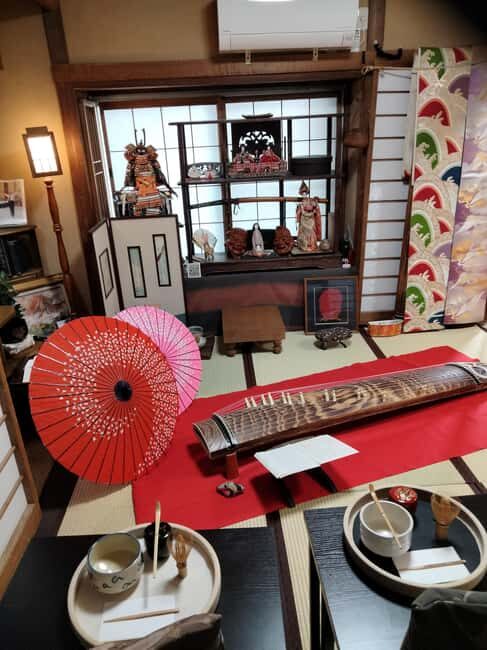
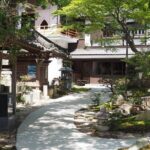
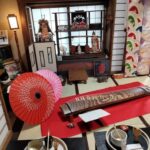
Inside, you’ll find a traditional-style space decorated with cultural masks, statues, and period touches that set the tone fast. After a long day of walking, that calmer atmosphere is a relief. You’re also not just “watching”—you’re holding objects, playing games, and doing the small steps that make the arts feel real.
Other tea ceremony tours in Hiroshima
Kimono dressing and photo time with katana or umbrella
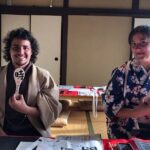
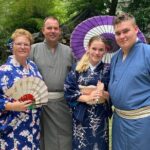
Kimono is one of those things that can look effortless from afar. Up close, the fit and structure matter, and that’s where the help becomes valuable. You’ll get assistance dressing in a traditional kimono, designed for both men and women, with a guided process that keeps it manageable.
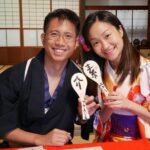
Once you’re dressed, the fun part is the photo session. You can hold a Japanese katana or an umbrella, and you get that classic kimono look without needing to figure out poses on your own. Keep it simple: stand square, relax your shoulders, and let the kimono do the work.
Practical tip: kimono fabric can feel structured, so plan for comfort over fashion-athlete posing. You’ll usually want to move slowly, especially when sitting or adjusting your sleeves. If you’re bringing a phone camera, check your battery before you start—90 minutes goes fast.
Koto playing with a 40-year teacher
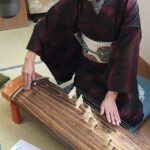
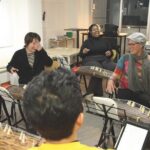
The koto is the star instrument of the session, and you’ll learn it in a way that actually fits a short class. Kazuko Mensing has studied koto for 40 years, and that shows in how she breaks things down: clear instructions, patience, and a steady focus on what you’re doing.
The goal isn’t perfection. It’s recognition and participation—hearing the tone, learning how to position your hands, and making a sound that feels like yours. In a short class format, that’s the difference between a “trying something” experience and real skill-building.
Because the instructor is fluent in English, you can ask questions without guessing at the meaning. If you’ve ever wondered why Japanese music sounds the way it does, this is where the curiosity gets answered through practice, not just explanation.
Also, koto isn’t loud or flashy like some instruments. It’s delicate, measured, and a little meditative. That makes it a great pairing with tea later in the program.
Simple tea ceremony: why the ritual feels calm
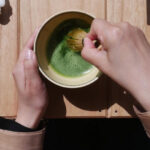
Tea ceremony often gets described like theater. Here, you’ll learn a simple tea ceremony with the point explained as you go: the ritual is about attention, respect, and slowing down to notice the moment.
You’ll drink matcha as part of the experience, and you’ll learn the basic flow rather than being overwhelmed by rules. The best part is that tea becomes something you can understand through action—how you receive it, how you handle it, and how you treat the space around you.
If you’re the type who rushes through museums and tours, this is a built-in reset. You don’t need to be a tea expert to enjoy it; you just need to be willing to follow gentle steps and take your time with them.
The cultural significance lands because you’re not learning it in isolation. You’re also wearing a kimono, surrounded by traditional decor, and sharing the room with an instructor who connects everyday practice with lived experience in Hiroshima.
Board games, katana/umbrella props, and extra hands-on touches
A big surprise for many people: you also get to play Japanese board games, specifically igo (Go) or shougi. These games are a low-stress way to join the experience because there’s no “performance pressure.” It’s interactive, social, and you can learn by doing.
Even if you don’t know the rules, the class format keeps it approachable. Think of it as culture you can touch—something that lives beyond tourist photos.
During this kind of session, you might also see optional hands-on extras. In recent experiences with this host, guests have had time for activities like origami cranes and trying their hand at writing Japanese characters. If those come up in your session, take them seriously—small crafts like these tend to become the most memorable souvenirs because they connect to meaning, not just objects.
And don’t skip the quiet moments. Holding the katana or umbrella is fun, but sitting back after play and tea helps everything click. That mix of active and calm is what makes the whole 90 minutes feel balanced rather than stuffed.
Other kimono tours in Hiroshima

Where it fits near the Atomic Bomb Dome
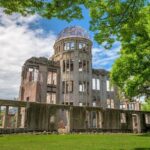
Location is one of the strongest practical perks here. The meeting point is about a 15-minute walk from the Atomic Bomb Dome, which makes it easy to build into a Hiroshima day.
If you plan your day well, you get a powerful contrast: memorial time outside, then hands-on culture inside a traditional home. The session doesn’t replace the memorial’s weight, but it adds another layer—how life continues, how people practice art, and how culture carries forward.
Timing-wise, 90 minutes is long enough to feel like a real class, but short enough that you won’t feel trapped. I’d treat it like a core cultural stop rather than a side activity. Try to schedule it when you’re not already running on empty—kimono dressing and board games are easier when you’re not rushing.
Price and value: what you’re really paying for at $76
At $76 per person, the price looks simple on paper, but the value comes from the structure. You’re not just renting a costume. You’re getting guided kimono dressing plus a set of cultural activities: koto playing, tea ceremony, board games, and photo time with katana or umbrella props—all in a private group setting.
That matters because private formats reduce waiting and awkward turn-taking. In a shared classroom with strangers, hands-on activities can get choppy. Here, the pace is calmer, and the instructor can adjust based on how you’re doing that day.
Language support is also part of the value. With English and Japanese available, you can actually understand what’s happening during tea and koto, not just copy motions. If you care about meaning—especially in a place like Hiroshima—being able to ask questions is worth something.
In short: you’re paying for access to a skilled teacher, a real home setting, and guided participation that feels respectful rather than rushed. For many people, that turns the session into one of the most memorable parts of the trip.
Who this experience suits, and who should skip it
This works especially well for people who want a slower, hands-on side of Hiroshima. If you enjoy crafts, music, and small rituals, you’ll have fun even if you’re not “good at” any of it.
Families can also fit. In one recent experience, a parent traveled with a child around elementary age, and the host adjusted easily so the kid could join in without feeling left out. That’s a good sign for anyone bringing younger travelers who still enjoy interactive activities.
It also suits solo travelers who like small conversation. The host’s English ability helps you connect in a natural way, and the discussion often adds depth without turning the class into a lecture.
The main drawback is mobility. The experience is disability friendly, but it requires that participants can go upstairs, and it’s not suitable for wheelchair users. If stairs are a no-go, skip this one and look for another Hiroshima activity with step-free access.
Should you book this Hiroshima kimono, koto, and tea ceremony?
If you want a Hiroshima experience that’s cultural, personal, and close to the big memorial sights, I’d book it. The best reason is the combination: kimono + koto + tea plus interactive games and photo moments, all taught by someone who has real ties to Hiroshima and a long history of studying koto.
If you’re mainly looking for a high-energy city tour, this won’t feel like that. But if you’d rather spend your time learning something hands-on and meaningful in a calm home setting, this is a strong choice.
Go for it if you like learning through doing, taking a few respectful photos, and slowing down for a tea ritual that actually has context.
FAQ
FAQ
How long is the Hiroshima kimono, koto, and tea ceremony experience?
It lasts about 90 minutes.
What does the experience include?
You’ll do kimono dressing, koto playing, a simple tea ceremony, hold a katana and/or umbrella for photos, and relax in a Japanese-style home setting. You’ll also have options to try Japanese board games like igo or shougi.
Is it a private group?
Yes. The experience is listed as a private group.
Where do we meet, and how can I recognize the guide?
Meet outside Familymart right by Toukaichi Station. Your guide will be wearing a short black kimono jacket.
What languages are offered during the experience?
The instruction is available in English and Japanese.
How much does it cost?
The price is listed as $76 per person.
Is it LGBTQ friendly?
Yes, it is listed as LGBTQ friendly.
Is it wheelchair accessible?
No. It’s not suitable for wheelchair users, and participants need to be able to go up stairs.