REVIEW · HIROSHIMA
Hiroshima: Miyajima Island & Peace Park Guided Tour
Book on GetYourGuide →Operated by Shah Quest · Bookable on GetYourGuide
Miyajima and Hiroshima’s Peace sites in one day. You get Miyajima’s Itsukushima Shrine and the Peace Memorial Museum under a real guide, not just a self-guided shuffle. I also like that transportation is handled for you with a JR train, a ferry, and a scenic tram ride.
Two things I especially liked were seeing the floating torii gate area through guide-led context and getting a structured visit at the Peace Memorial Park and museum with time to reflect. The only thing to consider is that this is a walking day and weather can shift fast, so comfortable shoes really matter.
If you end up with Shah (Shah Quest), you’ll likely notice the pacing. In the same day, he manages the flow between island sights and the heavier Peace memorial stops without rushing the important parts.
In This Review
- Key points worth planning for
- From Hiroshima Station to Miyajimaguchi: a smooth start
- Why this matters for you
- Ferry to Miyajima: quiet vibes before the crowds
- What I’d watch for
- Omotesando Shopping Street: snacks and pacing
- Practical tip
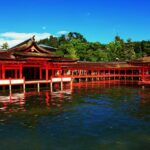
- Itsukushima Shrine and the floating torii gate: the big wow moment
- What’s great about having a guide
- One consideration
- Daishō-in Temple: Buddhist culture with a calmer pace
- Who will appreciate Daishō-in most
- Head back to Hiroshima: transit that keeps the day moving
- Why this pacing works
- Peace Memorial Park: the key monuments you’ll want to slow down for
- What to do in your own head during this stop
- Peace Memorial Museum: guided stories plus Q&A
- Time to think matters
- Atomic Bomb Dome viewing: brief stop, serious weight
- Price and value: why $137 can be fair for this exact structure
- Who gets the best value
- Packing and comfort: the small things that prevent big frustration
- Languages, group size, and flexibility with Shah Quest
- Who should book this Hiroshima Miyajima and Peace Park day?
- Should you book this tour?
- FAQ
- FAQ
- Where is the meeting point for this tour?
- How long does the Hiroshima: Miyajima Island & Peace Park Guided Tour last?
- What transportation is included?
- What is included in the tour price?
- Are there guided components at both Miyajima and Peace Memorial Park?
- Is the tour available in English or Hindi?
- What should I bring since food and drinks aren’t included?
Key points worth planning for
- Miyajima’s shrine experience plus a short climb to Daishō-in gives you two different spiritual viewpoints
- Ferry + tram logistics mean less stress and more time looking out the window
- Peace Park stops are specific: Atomic Bomb Dome, Cenotaph, Flame of Peace, and children’s monument
- Museum visit includes guided context and Q&A, not just entry tickets
- A private group with English or Hindi keeps the day flexible around your questions
From Hiroshima Station to Miyajimaguchi: a smooth start
The day kicks off at Hiroshima Station Shinkansen Exit, where you meet your guide and get on the JR train toward Miyajimaguchi. Even if you’ve been on trains in Japan before, I like this kind of setup because you don’t have to manage platform changes, timing, and ticket details when the itinerary is already time-linked to ferries.
The train ride is short enough to feel like a warm-up rather than a chore. You’ll also get your bearings quickly, which helps once you’re off the train and need to transition to the ferry without second-guessing where to go.
Other Miyajima Island tours in Hiroshima
Why this matters for you
If you’re the type who hates losing time to transit confusion, this is a big value lever. You’re paying for a guided day that connects the right dots, not just escorted walking.
Ferry to Miyajima: quiet vibes before the crowds
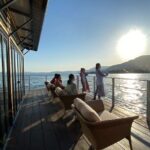
Once you reach the ferry, the trip over to Miyajima Island sets the tone. The island is known for spiritual significance, and the water crossing adds a sense of pause before the temples and shrine areas. Even the short ferry segment can help your brain switch modes: from city travel to island walking.
You can also use this time practically. If it’s warm, you’ll want water handy. If the weather is iffy, this is when a light jacket or umbrella becomes your best friend.
What I’d watch for
Ferries can make you feel like you’re “already there,” but there’s still walking afterward—so don’t burn your energy all at once. Save it for the shrine and temple sections where you’ll want to stop, look around, and take photos respectfully.
Omotesando Shopping Street: snacks and pacing
When you step into Miyajima Omotesando Shopping Street, it’s not just a pass-through corridor. It’s a good place to slow down, grab a snack, and enjoy the island rhythm. Your guide can point out what to try—like momiji manju—and there’s also the option of oysters (depending on what’s available and what you feel like eating that day).
This is a smart part of the day because it breaks up the heavier sightseeing rhythm. It also gives you a moment to regroup before you get into the main shrine area and the temple stop.
Other Hiroshima and Miyajima combo tours in Hiroshima
Practical tip
Plan to eat lightly here if you’re doing both shrine and museum later the same day. You don’t want a heavy meal to make museum time uncomfortable.
Itsukushima Shrine and the floating torii gate: the big wow moment
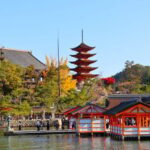
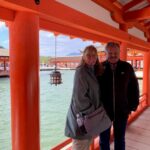
The highlight for many people is Itsukushima Shrine, especially the area associated with the floating torii gate. A guide helps here because it’s easy to see the famous structure and miss the meaning behind what you’re looking at.
You’ll get a guided visit that includes time to take photos. Your guide will also keep you moving in a way that makes sense for a short day—so you’re not stuck waiting in the wrong spot or rushing to the next corner.
What’s great about having a guide
The value isn’t just interpretation. It’s also timing and on-the-ground navigation. You’ll know what to prioritize, what’s meaningful to notice, and where you should slow down for the best viewing angles and respectful viewing behavior.
One consideration
Shrines and sacred areas tend to have rules and social expectations. Photography is allowed, but you’ll want to stay respectful and follow any on-site guidance without trying to outsmart signage.
Daishō-in Temple: Buddhist culture with a calmer pace
After the shrine, you’ll climb a short path to Daishō-in Temple. This is the kind of stop I love on guided days because it adds variety. You’re no longer just seeing the iconic photo moment—you’re stepping into a more focused temple experience tied to Buddhist culture.
One of the stronger points from Shah’s style (when he’s your guide) is pacing. You’re given enough time that Daishō-in feels like more than a quick walk-by. People who previously visited Miyajima often wish they’d spent more time noticing smaller details, and this stop is where you can do that.
Who will appreciate Daishō-in most
If you like cultural context—how places differ within the same destination—Daishō-in is where you’ll feel rewarded. It’s also a good change of tempo if the shrine area felt crowded.
Head back to Hiroshima: transit that keeps the day moving
Back on the island side, you’ll take the ferry back to Miyajimaguchi. Then the plan shifts to a scenic tram ride through Hiroshima city to the Peace Memorial Park area.
I like this transit section because it gives you a visual break. After Miyajima, you’re not immediately hit with the museum and memorial energy—you’re guided through a real city ride that helps the day transition naturally.
Why this pacing works
Going from an island shrine environment straight into a museum can feel abrupt. The tram ride softens that jump, so you arrive ready to focus rather than already mentally tired.
Peace Memorial Park: the key monuments you’ll want to slow down for
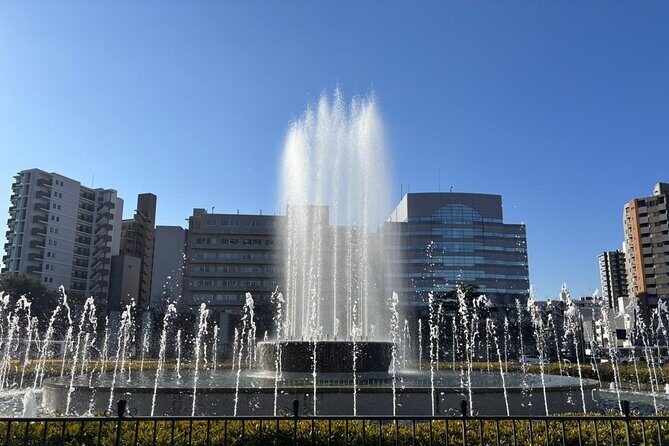
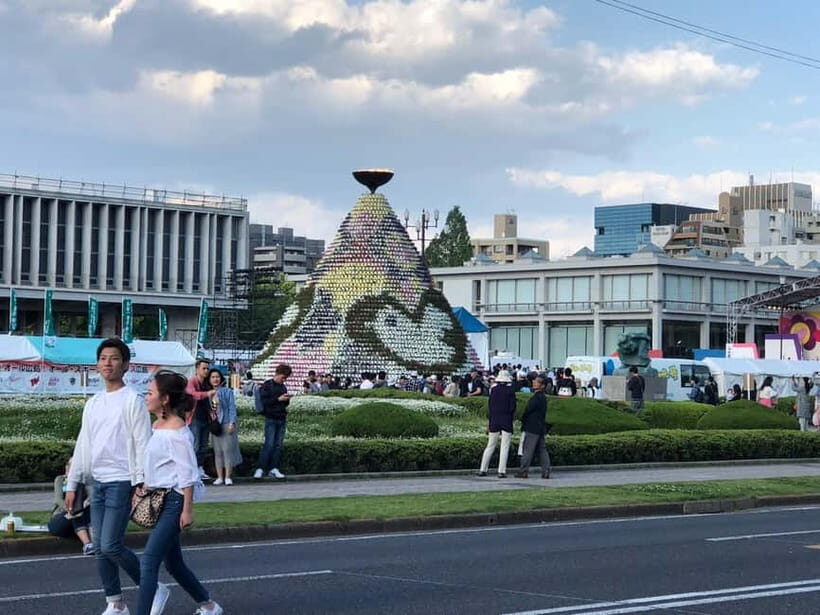
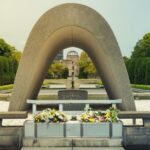
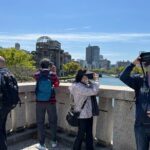
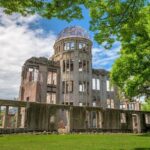
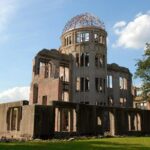
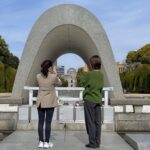
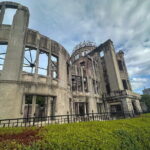
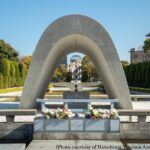
At Peace Memorial Park, the guided visit helps you focus on the major elements without turning the day into a checklist. You’ll visit key sites including the Atomic Bomb Dome, the Hiroshima Victims Memorial Cenotaph, and the Flame of Peace. There’s also time at the Children’s Peace Monument.
This part of the tour is emotionally heavier than the Miyajima section, so having a guide matters. You’re not just walking between monuments; you’re getting context about memory and the meaning of the space. The guide also encourages quiet reflection—something you’ll appreciate if you find yourself feeling overwhelmed.
What to do in your own head during this stop
Try to slow your pace for the most symbolic sections. Don’t let your camera be the first priority. The most meaningful moments here often happen when you pause, stand still, and let the place land.
Peace Memorial Museum: guided stories plus Q&A
The Peace Memorial Museum visit is a key reason this tour works as a full day. The museum visit isn’t treated like a quick box-check. You’ll hear stories connected to survival, memory, and peace, and you’ll have a chance for Q&A with your guide.
That Q&A piece is underrated value. If you’re someone who reads about events but still has questions about what you’re seeing, the ability to ask directly is a big part of why a guided visit can feel more complete than going solo.
Time to think matters
Even with a guide, you’ll be given space for quiet reflection. That balance is what keeps the museum from becoming a stressful rush.
Atomic Bomb Dome viewing: brief stop, serious weight
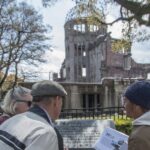
Your time at the Atomic Bomb Dome area is guided and short. That’s intentional: the place is powerful, and the day has other memorial stops and the museum.
Because the visit is time-limited, your best move is to arrive mentally ready. Look first, then take photos if appropriate. If you feel emotions running high, give yourself permission to step back and breathe. The guide’s job here is to keep you on track while letting you experience the moment.
Price and value: why $137 can be fair for this exact structure
At $137 per person for a 6-hour guided day, the value depends on what you’d otherwise pay in time and hassle.
Here’s what’s included that drives the cost:
- A local guide
- JR train ticket to Miyajimaguchi
- Ferry ticket to Miyajima
- Tram ticket to Peace Memorial Park
- Guided visits for Itsukushima Shrine and Daishō-in
- Guided visit for Peace Memorial Park and the museum
For a route like this, transportation isn’t trivial. You’re paying for planning and smooth transitions between modes of travel—train, ferry, tram—plus the guidance that helps you understand what you’re seeing.
Who gets the best value
You’ll probably feel the price is worth it if you:
- want a guided day with minimal transit friction,
- care about cultural meaning (not just photo stops),
- and prefer a structured timeline over self-navigation.
If you enjoy designing your own day and you’re comfortable handling multiple tickets and directions, you might pay less independently. But you’d also be trading away the guided context and the time-saving coordination.
Packing and comfort: the small things that prevent big frustration
This tour has a lot of walking, so plan for it. Bring:
- Comfortable shoes
- Water
- A camera if you want photos
- Snacks if you tend to get hungry between stops
Weather can change quickly in Japan, so a light jacket or umbrella is smart insurance. And if you want to try island snacks like momiji manju or oysters, keep your snack budget flexible since food and drinks aren’t included.
Languages, group size, and flexibility with Shah Quest
The tour is offered in English and Hindi, and it’s described as a private group. That matters because you’re less likely to feel like a number in a big crowd. In a day combining island sightseeing and Peace memorial reflection, having room for questions and a guide who can adjust pacing is a real quality-of-day factor.
From the feedback tied to Shah Quest, one of the strongest themes is how well the guide managed pacing. The day moves, but it doesn’t feel like constant sprinting, especially on the Miyajima temple section where time is needed to notice details.
Who should book this Hiroshima Miyajima and Peace Park day?
I think this tour fits best if you:
- want to see both Miyajima and Hiroshima Peace sites without juggling transportation,
- like guided interpretation for cultural and memorial locations,
- and prefer a private-group feel with the option to ask questions.
It’s also a strong choice for first-timers who might have visited Hiroshima before but want a better structure this time—especially at Peace Memorial Park and the museum.
If you’re traveling with someone who gets overwhelmed by too much walking or too many transfers, the guided transit help is a plus. Just don’t underestimate the walking component, and plan accordingly.
Should you book this tour?
I’d book it if you want a guided, time-managed day that connects Miyajima’s shrine culture with Hiroshima’s Peace memorial focus in one clean loop. The biggest selling points for me are the handled transport, the guide-led context, and the fact that the museum visit includes Q&A plus reflection time.
Skip it if you want a totally self-directed day where you can linger freely with no structure. This tour runs on a set rhythm, and it’s designed to cover major highlights within about 6 hours.
FAQ
FAQ
Where is the meeting point for this tour?
You meet at Hiroshima Station Shinkansen Exit.
How long does the Hiroshima: Miyajima Island & Peace Park Guided Tour last?
The tour duration is 6 hours.
What transportation is included?
It includes a JR train to Miyajimaguchi, a ferry to Miyajima Island, and a tram to Peace Memorial Park.
What is included in the tour price?
The price includes a local guide, JR train ticket, ferry ticket, tram ticket, and guided visits for Itsukushima Shrine, Daishō-in, and Peace Memorial Park & Museum.
Are there guided components at both Miyajima and Peace Memorial Park?
Yes. You get guided visits at Itsukushima Shrine and Daishō-in, then a guided visit at Peace Memorial Park and the Peace Memorial Museum.
Is the tour available in English or Hindi?
Yes, the live guide offers English and Hindi.
What should I bring since food and drinks aren’t included?
Bring comfortable shoes, a camera, snacks, and water.