REVIEW · HIROSHIMA
Hiroshima Peace Park & Atomic Bomb Dome Guided Walk
Book on GetYourGuide →Operated by Adina · Bookable on GetYourGuide
Hiroshima makes time feel sharp. This guided walk hits hardest at the Fountain of Prayer and the story of Dr. Marcel Junod, a Swiss doctor who helped survivors. One possible drawback: this is not light sightseeing, so if you need a more upbeat atmosphere, the emotional weight may feel like a lot in just two hours.
I like that the guide, Adina, keeps the facts clear while still making the stops feel personal. The tour runs in English, Urdu, and Hindi, and in my experience with this kind of format, having someone explain the logic behind the memorial layout can save you from feeling lost.
At $21 per person for a tight 2-hour route through major sites, you’re paying for guidance and focus, not for transport or meals. You’ll do a fair bit of walking, and the museum has rules about food and drink, so come ready.
In This Review
- Key highlights you’ll feel quickly
- Starting at the Gates of Peace: where the tour sets its rules
- The Fountain of Prayer and the Flame of Peace: remembrance as a ritual
- Dr. Marcel Junod’s monument: one name that changes the story
- Peace Memorial Museum + Rest House: the August 6 timeline you can actually follow
- Who is remembered: children’s memorials and Korean victims
- Hiroshima National Peace Memorial: turning facts into a message
- Ring the Peace Bell and visit the Peace Tower
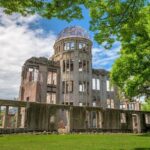
- Atomic Bomb Dome and Hypocenter Monument: the end point that changes how you see the city
- Price, timing, and walking: what $21 buys you in real terms
- Languages, pace, and how to get the most from Adina’s guiding style
- Should you book the Hiroshima Peace Park & Atomic Bomb Dome guided walk?
- FAQ
- How long is the Hiroshima Peace Park & Atomic Bomb Dome guided walk?
- Where does the tour meet?
- What languages are offered?
- Is the Peace Memorial Museum included, and can I bring food into the museum?
- What should I bring for the tour?
- Is this tour wheelchair accessible?
- What is the cancellation policy?
Key highlights you’ll feel quickly
- A stop-by-stop guided path through Hiroshima Peace Memorial Park, built for understanding, not rushing
- The Junod connection to real help and care for survivors, not just dates and headlines
- Prayer + ritual moments like the Fountain of Prayer and the Flame of Peace
- Museum context for August 6, 1945, plus the Rest House as a “witness” point
- Memorials that widen who gets remembered, including children and Korean victims
- A full arc to the Atomic Bomb Dome and Hypocenter Monument, so you leave with a complete mental picture
Starting at the Gates of Peace: where the tour sets its rules
You begin at the Gates of Peace, right by the main park entrance area. The meeting point is by the Gates of Peace in front of an Italian restaurant, so it’s easy to orient yourself when you arrive.
The guide’s first move is to frame what you’re about to see. You’ll get quick context on why Hiroshima Peace Memorial Park is designed the way it is: the spaces aren’t random. They guide you from unity and hope toward remembrance and, finally, the point in the city where the blast changed everything.
This start matters. If you walk in without a plan, you can easily treat the park like a list of attractions. Starting here helps you read the park like a message.
Other Peace Memorial Park tours in Hiroshima

The Fountain of Prayer and the Flame of Peace: remembrance as a ritual
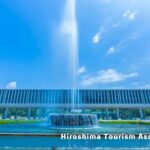
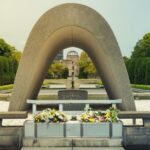
Next you’ll move into the Prayer Fountain area, where reflection becomes part of the experience. The idea is simple: pause, think, and treat the names of the victims and the scale of the disaster with the seriousness they deserve. This stop isn’t about scenery. It’s about attention.
Right after, you’ll be taken to the Flame of Peace. The flame represents a commitment to a nuclear-free world, and the guide helps translate what that symbol means in practical terms. It’s a reminder that peace isn’t only a feeling. It’s a direction.
If you’re the type who takes photos fast, slow down here. You don’t need a long meditation routine, but you should give yourself a minute to let the place do its work.
Dr. Marcel Junod’s monument: one name that changes the story
One of my favorite parts of this walk is the visit to the Monument of Dr. Marcel Junod. Most people know Hiroshima through the bomb and the aftermath. Junod’s name pulls you toward the human effort to help survivors—specifically a Swiss doctor who aided them.
The guide’s explanations make this stop more than a plaque-reading exercise. You’ll connect the medical reality of the aftermath with the global medical and humanitarian response that followed. It’s a useful correction to the usual pattern of thinking about Hiroshima only as a single event and not as a long emergency.
If you want a tour that includes meaning beyond the obvious memorial sites, this is one of the reasons why.
Peace Memorial Museum + Rest House: the August 6 timeline you can actually follow
After the quieter reflection points, you head into the heavy information zone: the Hiroshima Peace Memorial Museum. You’ll get a guided walkthrough designed to make the history of August 6, 1945 feel chronological instead of chaotic.
The museum is included, and you’ll also visit the Rest House, which is treated as a witness to what happened. That matters, because it gives you a physical reference point while you’re absorbing details. Instead of just hearing about events, you’re also orienting them to a real place in the park.
Two practical notes that help your experience:
- Food and drinks are not allowed inside the museum, so you’ll want water outside your visit.
- This is where you’ll need comfortable shoes, because museum time doesn’t mean “sit time.” You’ll still be moving through spaces and viewpoints.
This section is intense, but it’s also the part that turns vague understanding into something you can explain to others.
Who is remembered: children’s memorials and Korean victims
Hiroshima Peace Memorial Park doesn’t only honor the moment of the blast. It also highlights how the disaster hit different groups, including young lives and people from outside Japan.
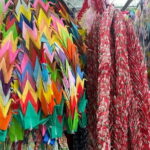
You’ll visit the Children’s Peace Monument. It’s a hard stop, but a necessary one. The point isn’t to shock you; it’s to make sure the scale of loss includes those who weren’t old enough to understand what was happening.
Then you’ll go to the Korean Victims Memorial Cenotaph, which pays tribute to Koreans who perished. This is one of the most important expansions in the route because it challenges the idea that Hiroshima is only a story for one nation. The guide helps connect the memorial to the broader truth of how war reaches far beyond the battlefield.
If you care about a memorial being honest and wide enough to include everyone affected, you’ll appreciate that the tour doesn’t keep the focus too narrow.
Other Hiroshima walking tours in Hiroshima
Hiroshima National Peace Memorial: turning facts into a message
Next you’ll visit the Hiroshima National Peace Memorial area. By this point, you’ve already gathered the emotional weight and the historical timeline. The guide uses this stop to tie the message together: remembrance plus a forward-looking commitment.
This is one of those sections where the pacing matters. The tour keeps the walking time tight, but it still gives short guided tours at each stop (think about about 10 minutes per major site). For most people, that’s enough time to absorb the meaning without spending the whole day in one place.
If you’re traveling with someone who wants to skim, you’ll likely have to nudge them to actually listen here. This is where the tour becomes more than sightseeing.
Ring the Peace Bell and visit the Peace Tower
You’ll then reach the Peace Bell experience and the Peace Tower. The bell moment feels ceremonial, and the guide frames it as a gesture for global harmony.
The Peace Tower visit follows, and again, the guide’s job is to keep it from turning into a quick photo moment. You’ll learn how the symbolism fits into the overall story of peacebuilding—less about slogans and more about what people want the world to learn.
Practical tip: if you’re photographing, you’ll want to switch between wide shots (to capture the tower and surroundings) and close shots (for signage and plaques). The tour moves in a set rhythm, so plan to spend extra attention here without trying to do everything.
Atomic Bomb Dome and Hypocenter Monument: the end point that changes how you see the city
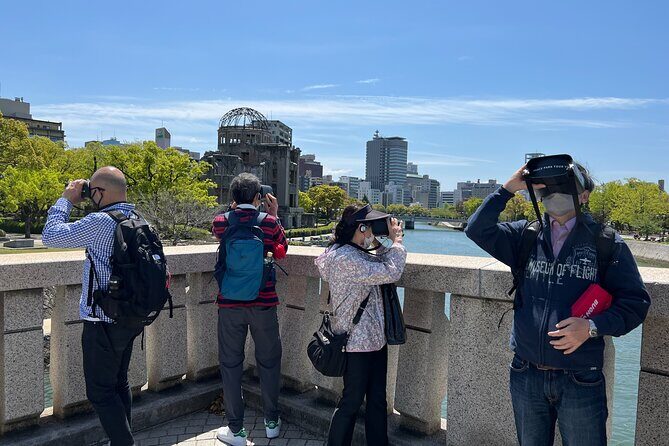
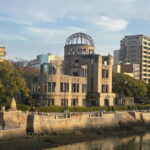
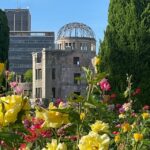
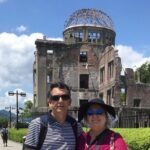
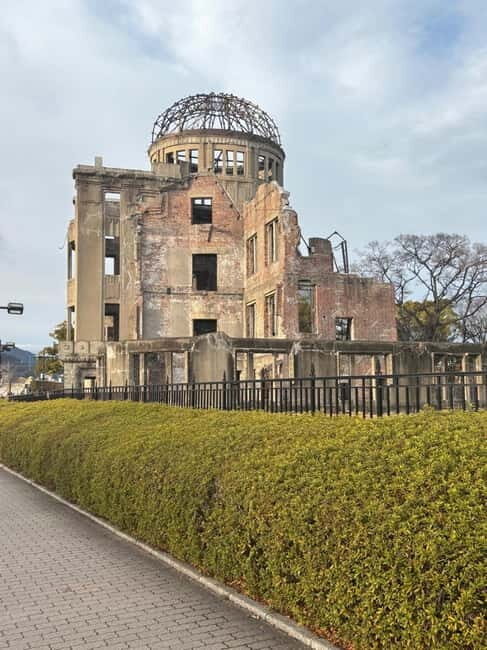
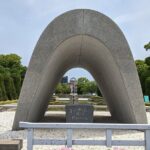
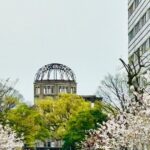
The tour culminates at two of the most iconic and sobering reminders: the Atomic Bomb Dome and the Hypocenter Monument.
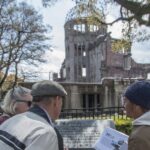
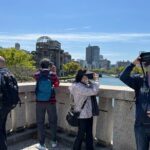
The Atomic Bomb Dome is a visual anchor. It’s the kind of place that makes you stop talking. Even if you’ve seen pictures before, the scale and presence feel different in person. The guide keeps the focus on what the dome represents and why it’s preserved.
After that, you’ll pause at the Hypocenter Monument, marking the moment that changed history. The timing of this stop is important because it closes the loop: earlier you learned about the timeline and aftermath, and now you’re standing near the geographic point tied to the blast.
If you’re deciding what to photograph, I’d prioritize the hypocenter area and the dome over random park corners. The tour is short, and these are the two places you’ll remember long after your camera storage fills up.
Price, timing, and walking: what $21 buys you in real terms
This is a 2-hour guided walk, priced at $21 per person. That sounds modest, and honestly, it’s one of the best ways to spend a short Hiroshima visit. You’re not paying for private transfer. You’re paying for someone to connect the dots across multiple memorials.
The value is in the order:
- You start with the symbolic entry (Gates of Peace).
- You move into reflection and survival stories (Prayer Fountain and Junod).
- You get historical structure (museum and Rest House).
- Then you broaden remembrance (children and Korean victims).
- You finish at the blast-linked sites (Atomic Bomb Dome and Hypocenter Monument).
That arc is hard to recreate on your own in two hours, especially if you don’t know what each stop is meant to communicate.
The trade-off is physical stamina. Two hours in Hiroshima Peace Memorial Park is not “easy stroller pace.” Wear comfortable walking shoes, bring water, and add sunscreen if you’ll be there in warm weather. Also, camera time is real time. If you plan to take lots of photos, keep your pace respectful so you don’t fall behind the group.
Languages, pace, and how to get the most from Adina’s guiding style
The tour guide provides live interpretation in English, Urdu, and Hindi, and the guidance style is clear and patient. From the way the tour is structured, the guide has a rhythm: short guided segments that explain what you’re seeing, then you get a minute to absorb it on your own.
One detail I really appreciate about tours in places like this: a good guide explains the why, not just the what. In this case, the guide can also get into technical clarity when appropriate. That helps if you’ve heard vague descriptions of nuclear effects and want something more concrete, while still keeping it respectful.
If you’re the type who likes questions, this is a good moment to ask. The guide’s explanations are designed to help you connect symbols, names, and dates.
Should you book the Hiroshima Peace Park & Atomic Bomb Dome guided walk?
Book it if you want a focused 2-hour route that turns memorials into meaning. The mix of survivor-aid history (Dr. Junod), reflective spaces (Prayer Fountain and Flame of Peace), and the full sweep to Atomic Bomb Dome and Hypocenter Monument makes it hard to beat for a short visit.
Skip it only if you need a lighter tone or you’re worried about emotional intensity. Also take care with mobility expectations: the tour is listed as wheelchair accessible, but it’s also marked as not suitable for wheelchair users. If you use a wheelchair or have mobility limits, I’d contact the provider first to confirm what that means in practice for your situation.
If you’re traveling with limited time in Hiroshima, this tour is a strong choice because it helps you leave with a clear story, not just a collection of photos.
FAQ
How long is the Hiroshima Peace Park & Atomic Bomb Dome guided walk?
It lasts about 2 hours.
Where does the tour meet?
You meet at the Gates of Peace in front of an Italian restaurant.
What languages are offered?
The live guide speaks English, Urdu, and Hindi.
Is the Peace Memorial Museum included, and can I bring food into the museum?
Peace Memorial Museum entry is included. Food and drinks are not allowed inside the museum.
What should I bring for the tour?
Bring comfortable walking shoes, a camera, sunscreen, and water.
Is this tour wheelchair accessible?
The activity information lists wheelchair accessibility, but it also says it is not suitable for wheelchair users. If that applies to you, it’s smart to confirm details with the provider before booking.
What is the cancellation policy?
You can cancel up to 24 hours in advance for a full refund.