REVIEW · HIROSHIMA
Day Tour Explore Port City Kure Cruise Battleships and Submarines
Book on Viator →Operated by Snow Monkey Resorts Tours (Machinovate Japan Ltd.) · Bookable on Viator
A submarine tour near Hiroshima feels almost unreal. This one-day trip to Kure mixes guided museum time with a mini-cruise on Kure Bay, so you see Japan’s wartime naval story from more than one angle. You’ll also connect the dots between the famous Yamato, Kure’s role as a major military port, and Japan’s navy presence that continues today.
Two parts I especially like are the guided walkthroughs at the Yamato-focused stop, and the chance to step inside a real, decommissioned submarine. If you care about ships and how they were built and used, this is the kind of outing where details finally make sense. One thing to keep in mind: it’s about a 9-hour day with no lunch included, so plan for a steady pace and some walking.
In This Review
- Key Highlights You’ll Actually Care About
- Getting From Hiroshima Station To Kure’s Naval Port Town
- Yamato Museum: Where the Story Starts With Japan’s Biggest Battleship
- JMSDF Kure Museum: Stepping Inside a Decommissioned Submarine
- Irifuneyama Memorial Hall: The Commander-in-Chief Residence and Command Life
- The Kure Bay Mini-Cruise: Visualizing the Port for Real
- Price and Value: What $148.92 Buys You in a Full Day
- Who This Tour Fits Best (and Who Might Want to Skip It)
- Practical Tips for a Smooth Day in Kure
- Should You Book This Kure Battleship and Submarine Day Tour?
- FAQ
- What is the duration of the tour?
- Where does the tour start and end?
- What time does the tour start?
- How much does the tour cost?
- What’s included in the price?
- Is lunch included?
- Will I receive a mobile ticket?
- How big is the group?
- What is the cancellation policy?
- What should I know about physical requirements?
Key Highlights You’ll Actually Care About
- Yamato Museum context: guided explanations that connect the shipbuilding story to Kure’s naval base role
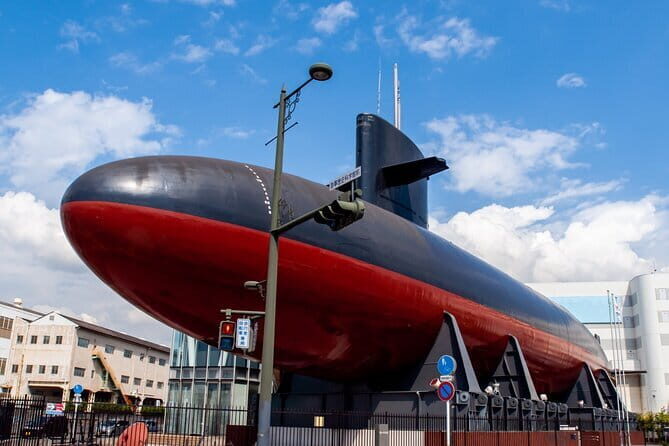
- Walk-through access: stepping inside a real decommissioned submarine at the JMSDF Kure Museum
- Commander-in-Chief residence: a preserved official home that gives you a human scale to command life
- Kure Bay mini-cruise: a boat ride that helps you visualize the port and naval setting
- Small group size: up to 20 people, which keeps the day feeling controlled, not chaotic
Getting From Hiroshima Station To Kure’s Naval Port Town
The tour starts back at Hiroshima Station at 9:30 am, at the address listed for the meeting point. You’ll use a mobile ticket, and the day is run with public transport between activities. That matters because it keeps your day realistic: you’re not relying on a private shuttle for the whole route, so you get to see how locals move through the area.
Group size is capped at 20 travelers. That usually means you get a smoother guide rhythm. Also, with an English-speaking guide and included admission fees at each stop, you’re not wasting time figuring out tickets, entrances, or what goes where.
This is a long day on purpose. With a total duration of about 9 hours, you’re getting multiple sites plus the cruise and transit. The trade-off is that you won’t linger for hours at a single exhibit. If you like slow museum wandering, you’ll want to focus on the parts that grab you most.
Other Hiroshima cruises and boat tours in Hiroshima

Yamato Museum: Where the Story Starts With Japan’s Biggest Battleship
Your first stop is the Yamato Museum for about 1 hour, and the visit is guided. This is the moment where the tour gives you the framework: why Kure is tied to shipbuilding, how the Japanese Navy shaped the area, and why Yamato matters beyond being a name you’ve heard in passing.
I like that this stop isn’t just a photo-and-label museum experience. A guided talk helps you connect exhibits to the bigger picture: the scale of battleship construction in that era, what Kure was built to support, and how a port town becomes an engine of national capability.
What to watch for: look for the details that explain not only what the ships were, but how a shipbuilding city functions—where knowledge, labor, and logistics all meet. That kind of context becomes gold later, when you’re standing next to submarine hardware and seeing it from the bay.
Possible drawback: because the stop is timed at about an hour, you’ll want to pay attention early. If you drift during the explanation, it can be hard to get the full meaning before the group moves on.
JMSDF Kure Museum: Stepping Inside a Decommissioned Submarine
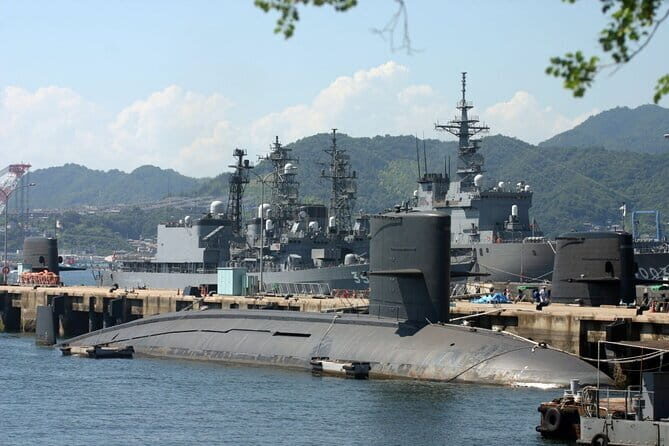
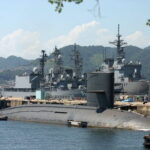
The biggest “wow” moment is at the JMSDF Kure Museum, where you’ll spend about 50 minutes and you get the unique experience of walking inside a real, decommissioned submarine. This is the part that turns history from something you read into something you can feel.
Even if you have zero technical background, you’ll pick up what the designers had to solve: tight passageways, practical layouts, and the reality that submarines are engineered spaces, not just vehicles. Being inside also changes how you interpret the rest of the day. After this, the Kure Bay cruise is no longer just sightseeing. You start mentally mapping what you saw to the naval setting.
The tour also makes it clear you’re not just touring a static exhibit. It’s more like you’re getting a controlled look at a working environment that’s been retired. That’s why this stop is so highly praised.
What to consider: walking through a submarine can feel physically restrictive. The tour notes a moderate physical fitness requirement, so wear comfortable shoes and be ready for cramped indoor movement. If claustrophobia is an issue for you, treat this stop as the main decision point of the whole tour.
Irifuneyama Memorial Hall: The Commander-in-Chief Residence and Command Life
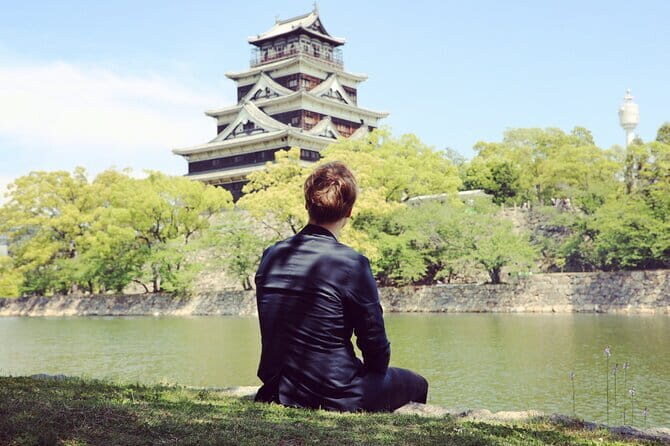
Next up is Kure City Irifuneyama Memorial Hall for about 55 minutes. Here, you enter the former official residence of the Kure Naval Station Commander-in-Chief. This is a different type of learning than ship hardware, and I think it’s an important balance.
Ships can tell you about strategy and technology. But a residence tells you how leadership lived, how official life looked, and how command structures shaped the culture of the naval base. Even if you only catch a few standout rooms or architectural details, you’ll still gain a sense of scale: who had access, what mattered, and how the town’s naval mission shaped daily life.
This stop also helps answer a question many visitors have: what does “naval history” mean beyond vessels? The commander residence gives you a human lens. It’s not only about tanks and steel. It’s about decisions, organization, and the people who ran the system.
Practical note: like the other timed stops, it’s efficient rather than slow. If you’re the type who loves photographing architectural details, go in with a game plan—spend your time on the rooms and features the guide points out first.
The Kure Bay Mini-Cruise: Visualizing the Port for Real
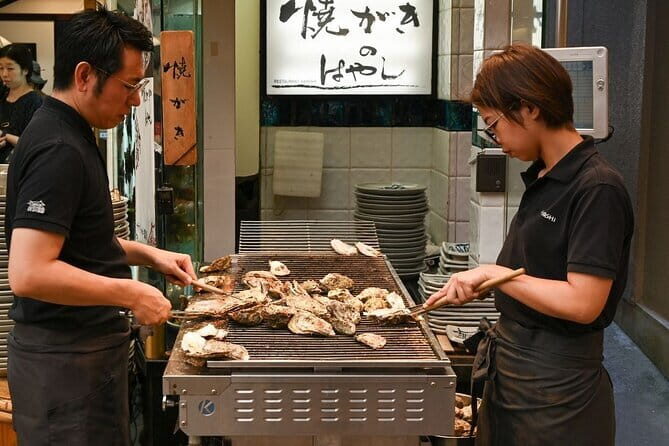
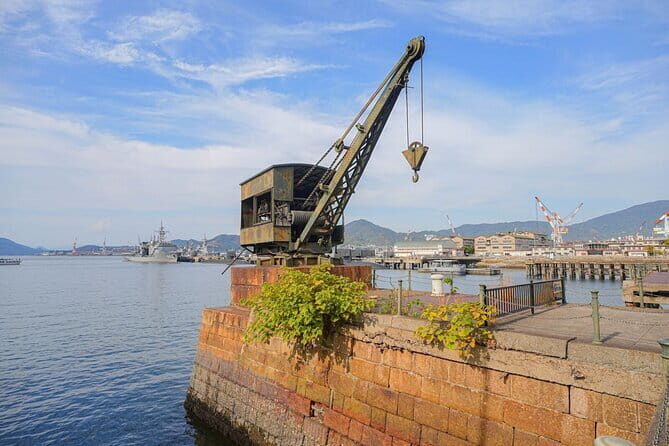
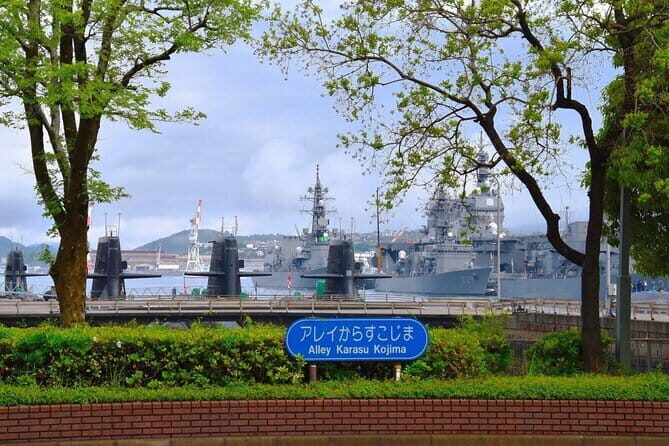
A key part of the experience is the mini-cruise around the Kure Bay area. This isn’t a long sightseeing cruise; it’s meant to connect you to where the ships actually operated.
The benefit is obvious: from the water, you understand why Kure became such a major naval port. You see the layout and imagine the movement of vessels. The cruise also gives you a clearer sense of scale than you can get from land-based exhibits.
One review highlight emphasized getting close to ships and submarines during the boat portion. That’s exactly the value you want from this tour segment: not just distant views, but a sense of being in the same physical world as the naval facilities.
Two practical things to think about:
- You’ll likely want a light layer, because sea air can feel cooler than the station area.
- Bring a steady phone camera grip or be ready for quick repositioning. Boat angles change fast.



Price and Value: What $148.92 Buys You in a Full Day
At $148.92 per person, this tour is not a bargain-price casual outing. But it can still feel like good value if you care about the specific access points: guided museum visits plus the walking-in-a-submarine experience.
Here’s what you’re paying for that matters:
- English-speaking guide throughout the stops
- Admission fees at all tour locations
- Transportation to/from activities using public transport
- A day structured around Kure’s key naval sites and the bay cruise
What you’re not paying for: lunch. That’s common on day tours, but it does affect value because you’ll need to plan where to eat near the end of the day. If you skip lunch, you’ll feel it by mid-afternoon.
Group size (max 20) and the fact that admissions are included also help. You’re not paying small surprise costs across several venues. And since the most memorable parts are scheduled access experiences, you’re buying certainty more than just travel.
Who This Tour Fits Best (and Who Might Want to Skip It)
This tour is ideal if you’re the kind of person who gets excited by:
- submarines and how they’re built and used
- shipbuilding cities and how they support national defense
- WWII-era naval history plus what continued after the war
- learning through a mix of technology exhibits and command-era context
It also suits people who like a guided day with focused stops. You’ll get enough time to feel oriented, then see the main exhibits without getting lost in logistics.
Who might want to reconsider:
- If you want a long, slow, free-form museum day, the timed segments may feel rushed.
- If you need frequent breaks or have strong mobility limits, the submarine walk-through and indoor movement could be tough. The tour only states a moderate physical fitness level, so you should judge honestly for yourself.
Practical Tips for a Smooth Day in Kure
Here’s how I’d set yourself up for an easier experience, based on how the day is structured.
Wear shoes you can walk in comfortably. You’ll be moving between multiple stops, and one of them is inside a submarine where your stride may be constrained.
Bring a small bag with essentials (water, a phone charger if you use maps, and a light layer). Even though the cruise is short, sea air and indoor museum temperatures can shift.
For timing: the tour starts at 9:30 am in Hiroshima Station and ends back there. That means you should plan your day around it, not around side trips.
Finally, if you care about getting the most out of the cruise and submarine walk-through, pay attention during the guided explanations at the museums. Those talks give you a lens, and you’ll notice more once you’re physically on-site.
Should You Book This Kure Battleship and Submarine Day Tour?
If your top priorities are Kure’s naval story and especially the real, inside-a-submarine experience, I think booking makes sense. The tour’s value comes from access plus guidance, not from generic sightseeing.
I’d particularly recommend it to history and ship fans who want more than captions. You get the Yamato angle up front, then you see the submarine in your own space, and you finish with the bay cruise that ties everything back to the port setting.
If you’re on the fence because of time or lunch, solve it before you go. Eat before you start if you can’t handle a long gap, or plan what you’ll do for lunch once you’re out on your own. Do that, and the day becomes smooth.
FAQ
What is the duration of the tour?
The tour lasts about 9 hours.
Where does the tour start and end?
It starts at Hiroshima Station (1-2-37 Matsubarachō, Minami Ward, Hiroshima) and ends back at the meeting point.
What time does the tour start?
Start time is 9:30 am.
How much does the tour cost?
The price is $148.92 per person.
What’s included in the price?
An English-speaking guide, entry fees at all tour locations, and transportation to/from activities using public transport.
Is lunch included?
No, lunch is not included.
Will I receive a mobile ticket?
Yes, the tour uses a mobile ticket.
How big is the group?
The tour has a maximum of 20 travelers.
What is the cancellation policy?
You can cancel for a full refund up to 24 hours before the experience’s start time.
What should I know about physical requirements?
The tour notes a moderate physical fitness level, which is important to consider for movement during museum visits and the submarine walk-through.