REVIEW · HIROSHIMA
Amazing Hiroshima: Private City Tour with a Local Guide
Book on GetYourGuide →Operated by ABU · Bookable on GetYourGuide
Hiroshima hits hard, and Miyajima calms. This private tour strings together the big, emotional stops in Hiroshima Peace Memorial Park with the quiet magic of Miyajima’s Itsukushima Shrine. You also roll through classic city sights in between, so the day feels like one connected story, not separate checklists.
I love the way the guide can shape the day into something personal without losing the facts. In the best moments, that means A-bomb history gets explained with heart, the way Kazuko’s empathetic, thoughtful approach is described, and the pacing stays respectful. I also like the logistics: Zun and others get you where you need to be on tram and ferry with minimal stress, leaving room for photos and breaks.
One consideration: the itinerary timing is tight and guide styles vary, so if you’re traveling with kids or you want a more story-driven guide, ask how they’ll handle that before you go. Also, the famous floating torii gate depends on tide, and the day’s schedule may or may not line up.
In This Review
- Key points worth knowing before you book
- Why this Hiroshima and Miyajima combo makes sense
- Peace Memorial Park, the Dome, and the museum: what to watch for
- Peace Memorial Park: more than a monument wall
- The Peace Memorial Museum: plan for emotional stamina
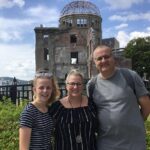
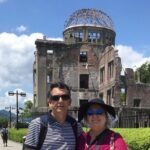
- Atomic Bomb Dome: the photo stop that should also be a pause
- Children’s Peace Monument: where the tone shifts
- The Hiroshima city loop: Hondōri, Hiroshima Castle, and Shukkei-en
- Hondōri: your break between heavy and spiritual
- Hiroshima Castle: reconstruction, but still worth the story
- Shukkei-en Garden: a slower pace that helps you absorb
- Getting to Miyajima and planning for the floating torii gate
- First: Miyajima time blocks you can feel
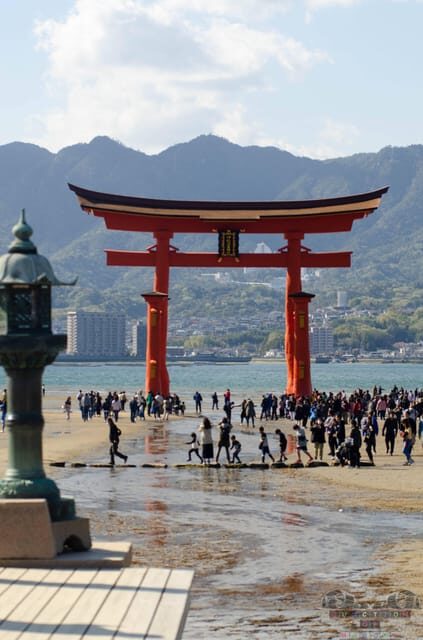
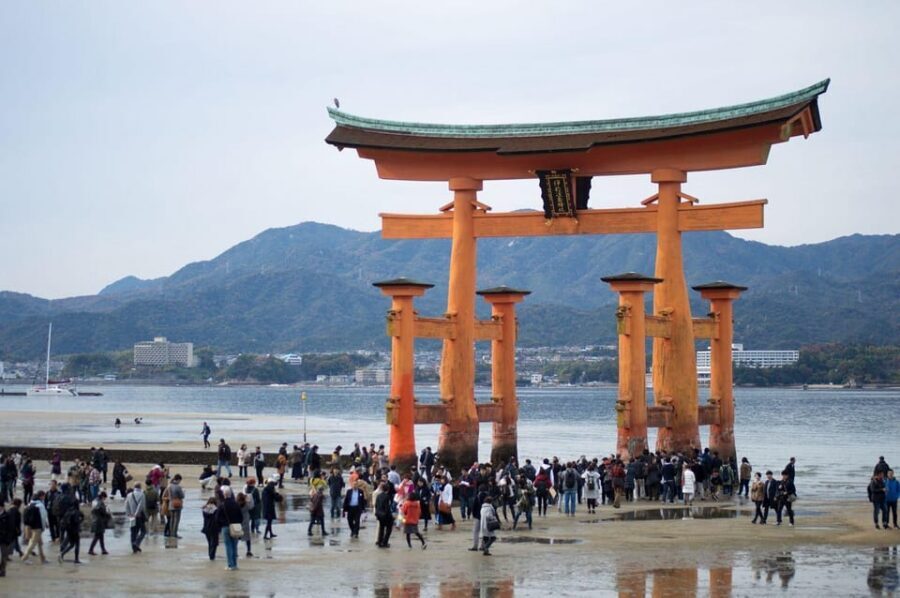
- The torii gate at Itsukushima: when you’ll see the famous look
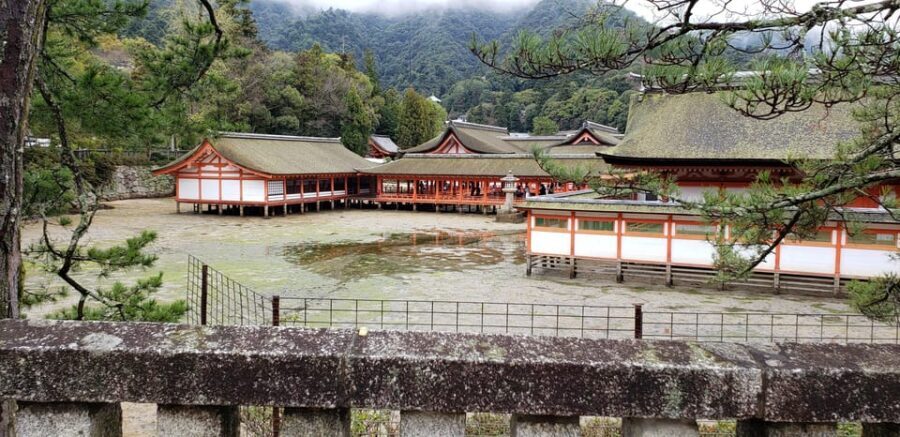
- Itsukushima Shrine: serenity with structure
- Daisho-in Temple and Mount Misen option
- What to eat, buy, and do in Miyajima without losing your day
- About ferries and optional extra boat connections
- Price and value: is $129 fair for what you get?
- What’s included
- What’s not included
- The flexibility that matters
- Guide style, group size, and what to request up front
- Wheelchair accessible
- Who should book this tour, and who might want a different plan
- Should you book this private Hiroshima and Miyajima tour?
- FAQ
- How long does the Hiroshima and Miyajima private tour take?
- Is the tour guide English-speaking?
- What are the main Hiroshima stops included?
- Do you visit the Peace Memorial Museum and the Children’s Peace Monument?
- Does the tour include Hiroshima Castle and Shukkei-en Garden?
- How much time do you get on Miyajima?
- Does the tour include Itsukushima Shrine and the torii gate?
- Is lunch included in the price?
- Is the tour wheelchair accessible, and can pickup be arranged in Hiroshima?
Key points worth knowing before you book
- Private, small-group energy with real guide personalities (people like Kazuko, Zun, Nick, and John are specifically mentioned for how they teach and move through the day).
- Peace Memorial Park + Museum + Dome = the core emotional arc, with planned breaks and photo stops so you don’t feel rushed.
- A full Hiroshima loop: Hondōri stroll, Hiroshima Castle reconstruction, and Shukkei-en garden.
- Miyajima isn’t a one-stop sprint: you get time for the torii gate, Itsukushima Shrine, Daisho-in Temple, and optional views from Mount Misen if time allows.
- Budget for lunch and any extra boats: entrance fees and transport are covered, but meals and some alternate boat options are not.
Why this Hiroshima and Miyajima combo makes sense
Hiroshima can be heavy in a way that’s hard to describe to a friend. Then you land on Miyajima, and the mood shifts fast: salt air, shrines, and that sense of old ritual. What I like about this tour is that it doesn’t treat those two places as competing destinations. It treats them like two halves of the same day—history first, then a slower, spiritual palate cleanser.
You also get a city sightseeing spine inside Hiroshima itself. Between the Peace Memorial area and the Miyajima ferry, you’ll see Hondōri (a main shopping street), Hiroshima Castle, and Shukkei-en Garden. That matters because it helps you understand the city’s everyday life now, not just its tragedy in the past.
And because it’s a private or small-group format, your guide can manage pace. That shows up most in the way you’re given structured time at each stop—guided moments plus breaks—rather than walking until you’re too tired to absorb anything.
Other private guided tours in Hiroshima
Peace Memorial Park, the Dome, and the museum: what to watch for
This tour starts in Hiroshima, then moves through the core Peace Memorial area with a mix of guided time, photo stops, and breathing room.
Peace Memorial Park: more than a monument wall
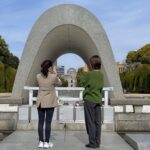
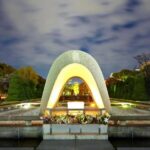
Peace Memorial Park is where the message of resilience and peace becomes visible in plain sight. The schedule is designed to let you actually look at what’s in front of you, not just pass through.
You’ll visit:
- the Peace Memorial Park grounds
- the A-Bomb Dome area
- the Peace Memorial Museum
- the Children’s Peace Monument
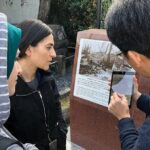
What you should do here is simple: slow down for the details, especially the memorial statements and how the layout forces sightlines. The A-bomb story is not only in the museum; it’s built into the park’s wayfinding and scale. Taking photos is fine, but treat the photos as reminders for later, not the point of being there.
The Peace Memorial Museum: plan for emotional stamina
The museum visit is scheduled as guided time plus free time. That’s smart. Museums like this can be information-dense, and you’ll want moments where you can decide what to linger on.
If you’re the type who prefers context before images, lean on your guide to frame the museum content. If you’re the type who prefers your own pace, use the free time to step away for a minute. Either way, you’ll feel better if you’re not trying to power through everything at the same intensity.
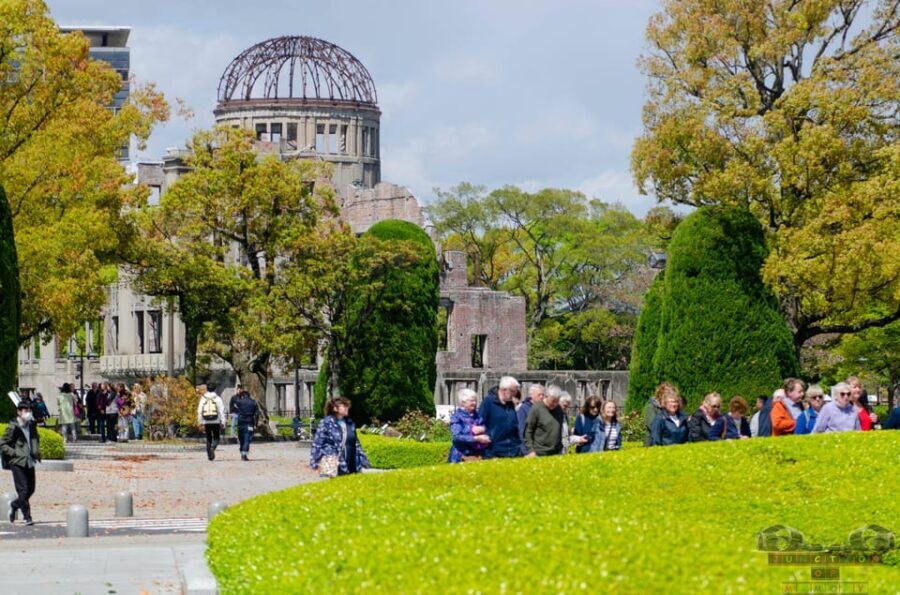
Atomic Bomb Dome: the photo stop that should also be a pause
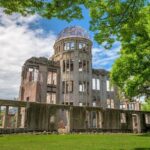
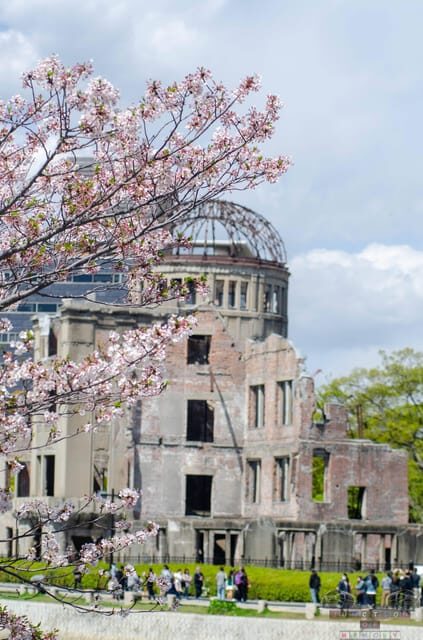
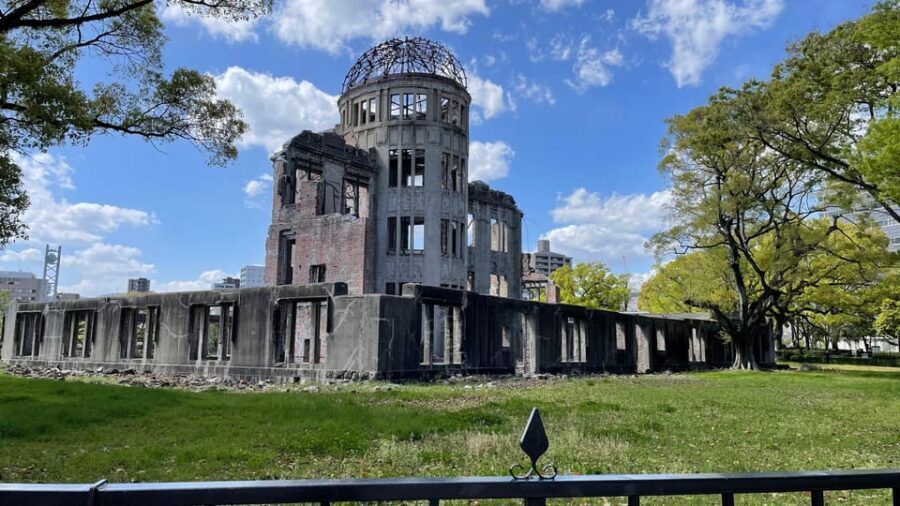
The Atomic Bomb Dome time is shorter than the museum, but it’s still built in with guided explanation and walking time. Don’t rush it. Even if you’ve seen it in pictures before, the scale hits differently in person.
A practical move: after the guide’s overview, take 1-2 minutes where you don’t look at the guide at all. Just stand where you can see the dome and surrounding buildings. That quiet moment helps your brain connect the image to real place and real time.
Other guided tours in Hiroshima

Children’s Peace Monument: where the tone shifts
This stop is brief, but it’s an important one. The Children’s Peace Monument is designed to make the future feel present, not just the past. If you’re traveling with teens or older kids, this is often the moment where the visit stops being abstract and becomes personal.
The Hiroshima city loop: Hondōri, Hiroshima Castle, and Shukkei-en
After the Peace Memorial area, you’ll pivot into “how Hiroshima works” sightseeing. This is where the tour gives you a rounded sense of the region instead of only one theme.
Hondōri: your break between heavy and spiritual
Hondōri is a main street with shops and energy. It’s scheduled with guided time plus free time, which is perfect for a reset. Use it for a quick snack search, people-watching, and photos without the solemn pressure of a memorial site.
A tip: if you’re sensitive to crowded walking areas, use your free time intentionally—walk a few blocks, then step aside for a breather.
Hiroshima Castle: reconstruction, but still worth the story
Hiroshima Castle here is a reconstruction, and that’s exactly why your guide matters. The guide can connect the castle to regional samurai history, so it feels like a living reference point rather than a theme-park rebuild.
You’ll get about an hour here with breaks, photo stops, and guided time. If you’re short on stamina, focus on the viewpoints and the areas your guide points out as especially meaningful for the story of Hiroshima and the broader area.
Shukkei-en Garden: a slower pace that helps you absorb
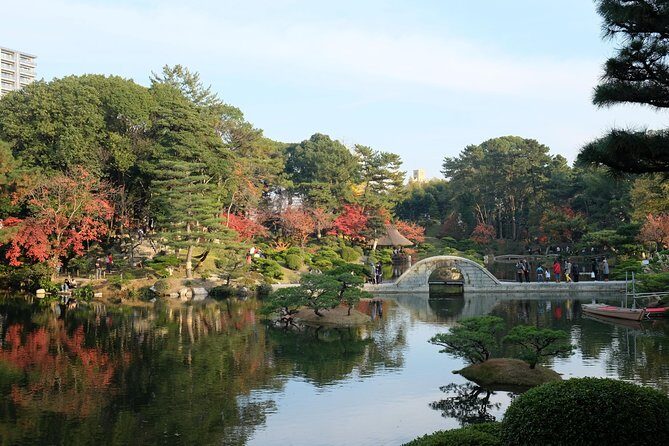
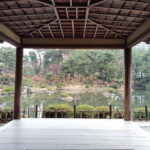
Shukkei-en is a restored traditional garden, scheduled with guided time and walking time. Gardens like this are not just pretty. They’re a way to slow your senses down after places that demand big emotions.
In practical terms, give yourself permission to move slowly. Sit for a moment if there’s a place to do it. Notice how paths and views are composed, because that kind of structure makes the next day’s shrine atmosphere on Miyajima feel natural instead of out of nowhere.
Getting to Miyajima and planning for the floating torii gate
Once the Hiroshima city portion is done, you transfer and head over to Miyajima by ferry (tram and ferry fares are included). Miyajima’s whole reputation is about spiritual calm, and the tour gives you enough time for that calm to actually happen.
First: Miyajima time blocks you can feel
On the schedule, you get a couple of segments on the island: time for walking and photos, then focused time at Itsukushima sights, plus additional free time later. That setup helps you avoid the common problem of arriving, seeing the top highlight, and then rushing to the ferry while you’re still getting your bearings.
What you’ll likely enjoy doing with that freedom:
- wandering toward the shrine area and taking photos
- exploring nearby temple grounds
- stopping for small bites
The torii gate at Itsukushima: when you’ll see the famous look
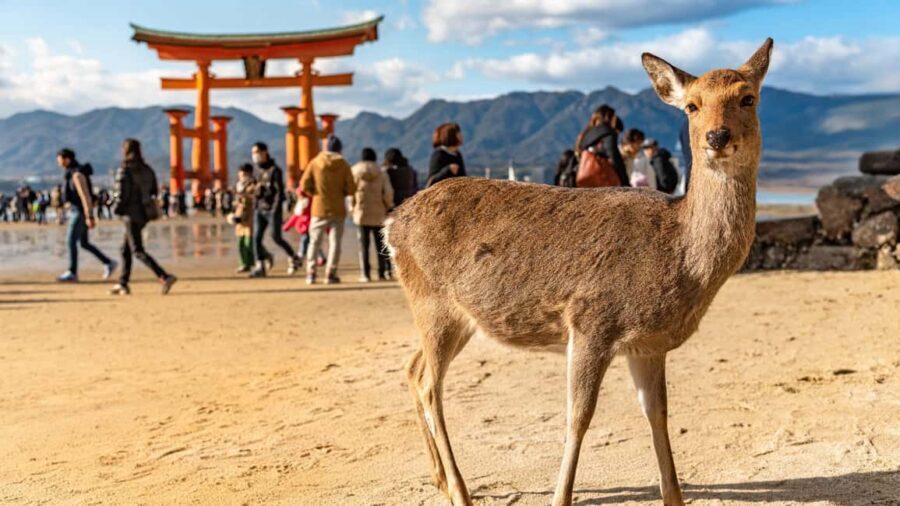
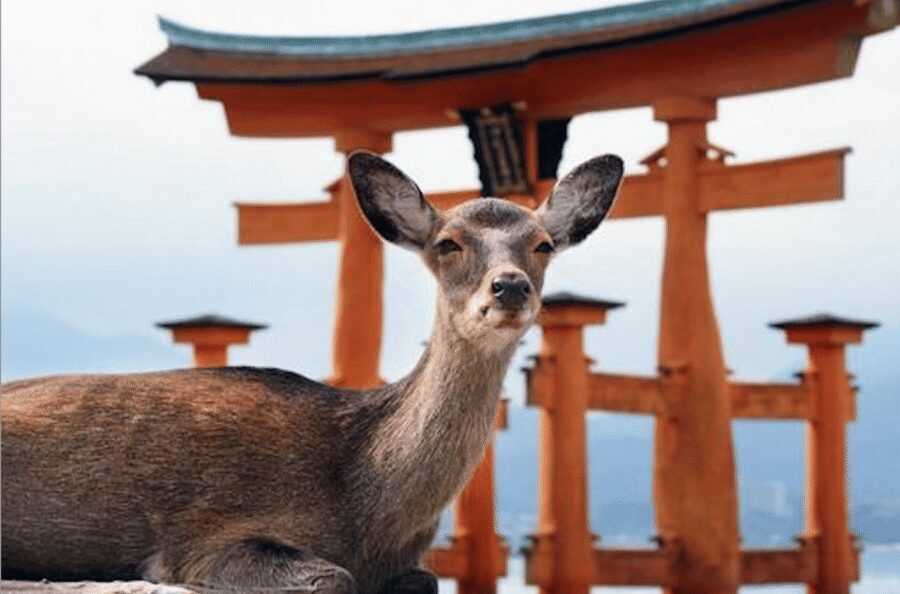
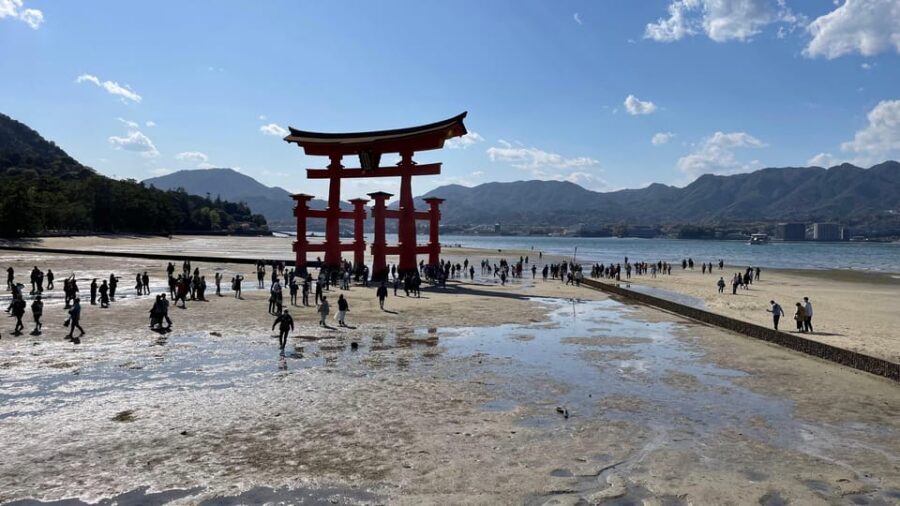
The iconic torii gate at Itsukushima Shrine is famous for appearing to float at high tide. Here’s the practical reality: you can’t control the tide, and you might not get perfect conditions depending on timing.
Still, even off-peak tide it’s striking. The bigger win is that your guide can help you aim for the best viewing moments during your walk, and you’re given a full, guided structure instead of a five-minute photo scramble.
Itsukushima Shrine: serenity with structure
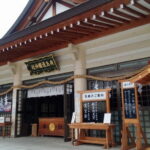
The shrine visit is scheduled with guided time and walking time, so you can see it in layers—approach, key views, then slower exploration.
If you care about UNESCO-level sites, this is one of those places where the guide’s context helps you understand why it’s protected. You’ll feel the difference between “a shrine building” and “a cultural landscape with rules, ritual, and meaning.”
Daisho-in Temple and Mount Misen option
You’ll also have the chance to explore Daisho-in Temple, which is significant in Shingon Buddhism. And if time permits, you can hike or ride up to Mount Misen for views over the Seto Inland Sea.
If you want this extra viewpoint, prioritize it early in your Miyajima time planning. Once you’ve spent energy around the shrine and torii areas, a steep climb can feel like a bonus only if you still have reserves.
What to eat, buy, and do in Miyajima without losing your day
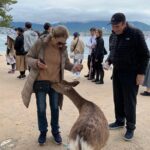
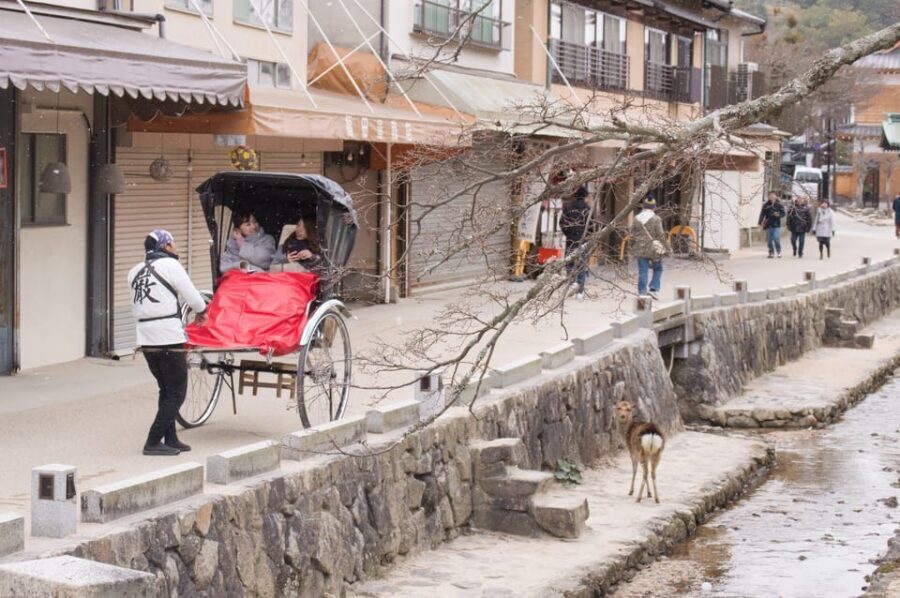
Miyajima is one of the rare places where you can eat your way through the atmosphere. Your tour time includes breaks and free time segments, which is exactly when food and small shopping work best.
You’ll have opportunities for local snacks like:
- grilled oysters
- momiji manju (sweet maple-leaf shaped cakes)
Here’s how to make it work well:
- If you see a short line for food, consider it sooner rather than later. Miyajima can get busy around the shrine corridor.
- Don’t plan a big meal at the expense of torii viewing time. That torii gate moment is the centerpiece.
- Buy small things you can carry. Avoid heavy souvenirs if you expect walking.
Also, note that the tour includes entrance fees to Itsukushima Shrine, but lunch isn’t included. So treat food as your flexible budget line. It’s part of the experience here, not a chore.
About ferries and optional extra boat connections
The tour includes tram and ferry fares. There’s also a note about boats that can connect Miyajima directly with Hiroshima Peace Park at additional cost and with certain travel times. In real life, that kind of add-on can be tempting, but it can also add cost and time pressure.
My advice: stick with the transportation plan built into the tour unless you have a clear reason not to. If you’re considering an alternate boat route, ask your guide how it changes your time on Miyajima, because that time is what makes the day feel relaxed.
Price and value: is $129 fair for what you get?
At $129 per person, the value comes from three places: your guide, the transportation coverage, and the paid entrances.
What’s included
You’re covered for:
- a tour guide (English)
- public transportation fares (tram and ferry)
- entrance fees to Peace Memorial Park and Itsukushima Shrine
That’s a solid bundle. Peace Memorial Park + the shrine area are not free, and getting across Hiroshima efficiently takes more effort than most people expect. Having a guide do the routing means you spend your mental energy looking at the places, not figuring out which line goes where.
What’s not included
- lunch
- the direct boat connection option between Miyajima and Hiroshima Peace Park (listed as an additional cost)
So you’ll want to plan to pay for lunch yourself. If you want to keep your day smooth, decide in advance what kind of meal you’ll look for on Hondōri or after arriving on Miyajima.
The flexibility that matters
The tour duration is listed as 3 to 8 hours depending on availability, and pickup can be arranged anywhere within Hiroshima city at no extra cost after booking. That flexibility is genuinely useful if you’re juggling an arrival time, a hotel check-in, or another reservation.
Guide style, group size, and what to request up front
This tour is private or small groups, and you’ll be dealing with an English-speaking guide. The experience can feel very different depending on the guide’s teaching style and how they handle tone at emotional sites.
From the guide impressions shared, names like Kazuko, Zun, Nick, and John come up as highlights for their approach—empathy, logistics, and thoughtful discussion. That pattern suggests you should treat the guide as a major part of the product, not a bonus.
Before you go, you can ask the coordinator about:
- a Japanese-English speaking guide or a specialized historical guide (if that’s your preference)
- how they’ll handle pacing if you have kids
- whether you want extra time for Mount Misen views
One more practical note: most guides are non-Japanese city guides and may not hold a licensed city guide certification. If you specifically need a licensed city guide, make that clear ahead of time.
Wheelchair accessible
The tour is listed as wheelchair accessible. If mobility is a concern, tell the coordinator so the guide can plan walking sections with your pace in mind.
Who should book this tour, and who might want a different plan
This is a great fit if you want:
- one day that covers Hiroshima Peace Memorial Park and Miyajima’s Itsukushima Shrine without stress
- a private guide who can adjust pace and add context
- both solemn history and quieter spiritual scenery in the same outing
You might want a different plan if:
- you’re extremely schedule-tight and can’t handle a long, structured day
- you only want one side of the story (either Hiroshima alone or Miyajima alone)
- you prefer full free-roam time with no guided structure (this tour is guided, with breaks but still planned)
Should you book this private Hiroshima and Miyajima tour?
If you’re going to Hiroshima and you want Miyajima too, I’d lean toward booking. The value at $129 comes from the guide doing the heavy lifting on transport and context, plus the fact you get paid entrance stops at the places that matter most. The schedule also gives you room to breathe, which is key when one half of your day is emotionally intense.
My final checklist before you book:
- Are you okay handling a day that mixes memorial reflection, city sightseeing, and shrine wandering?
- Do you want a guide to shape the story, not just point out sights?
- Will your timing allow you to catch the torii gate under the best tide conditions possible?
If your answers are yes, this private tour is one of the cleaner ways to get both Hiroshima and Miyajima right in a single run.
FAQ
How long does the Hiroshima and Miyajima private tour take?
The tour duration is listed as 3 to 8 hours, depending on availability and the starting time you choose.
Is the tour guide English-speaking?
Yes, the tour includes an English live tour guide.
What are the main Hiroshima stops included?
You’ll visit Hiroshima Peace Memorial Park, the Peace Memorial Museum, the Atomic Bomb Dome, Children’s Peace Monument, Hondōri, Hiroshima Castle, and Shukkei-en Garden.
Do you visit the Peace Memorial Museum and the Children’s Peace Monument?
Yes. The schedule includes the Peace Memorial Museum and the Children’s Peace Monument, both with guided time and breaks.
Does the tour include Hiroshima Castle and Shukkei-en Garden?
Yes. Hiroshima Castle and Shukkei-en Garden are part of the Hiroshima portion of the tour.
How much time do you get on Miyajima?
The full schedule includes time on Miyajima in multiple segments, including a guided visit around the shrine area and additional free time later in the day.
Does the tour include Itsukushima Shrine and the torii gate?
Yes. You’ll visit the Itsukushima Floating Torii Gate and Itsukushima Shrine, with guided time and breaks.
Is lunch included in the price?
No. Lunch is not included.
Is the tour wheelchair accessible, and can pickup be arranged in Hiroshima?
Yes, the tour is listed as wheelchair accessible. Pickup is optional, and after booking you can change the pickup point to anywhere within Hiroshima city at no additional cost.