REVIEW · HIROSHIMA
3 Departures: Hiroshima & Miyajima Trip with Indian Lunch
Book on GetYourGuide →Operated by H.I.S. Co Ltd(TIC) · Bookable on GetYourGuide
One day, two places that hit you differently. This full-day Hiroshima and Miyajima tour links Hiroshima Peace Memorial Park with the UNESCO island shrine of Miyajima for a day that’s both reflective and scenic. You’ll also get a proper break with an included Indian curry lunch.
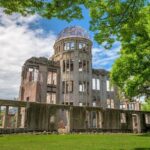
Two things I really like: you see the A-Bomb Dome and you get real time with the Peace Memorial Museum, not just a quick stop. And you spend time on Miyajima after a ferry crossing, so you can actually look for the famous red torii that looks like it’s floating in the water.
The main drawback to plan for is the pace. It’s a packed 8–12 hours, and your Miyajima time is only about an hour, so you’ll want to focus on the shrine sights rather than wandering forever.
In This Review
- Key highlights and what makes them worth your time
- The route: Hiroshima memory plus Miyajima shrine views
- Getting there: Shin-Osaka, Kyoto, or Hiroshima starts
- Atomic Bomb Dome and Peace Memorial Park: what to focus on
- The Peace Memorial Museum: don’t treat it like a formality
- Lunch in Hiroshima: included Indian curry (with vegetarian options)
- Ferry time to Miyajima: why the crossing is part of the experience
- Itsukushima Shrine visit: UNESCO, national treasure status, and the O-Torii moment
- Miyajima free time: make the most of your hour
- The guide and the human touch: Joe, Miyuki, and Masa
- Price and value: what $116 includes, and what you need to pay for yourself
- Who should book this, and who should skip it
- Practical things to know before you go
- Should you book 3 Departures: Hiroshima & Miyajima Trip with Indian Lunch?
- FAQ
- Where does the tour start?
- What’s included in the price?
- Is lunch included, and are there vegetarian options?
- What happens if the Hiroshima Peace Memorial Museum is closed?
- How long do I spend at each major stop?
- Is the tour guide available in English?
Key highlights and what makes them worth your time
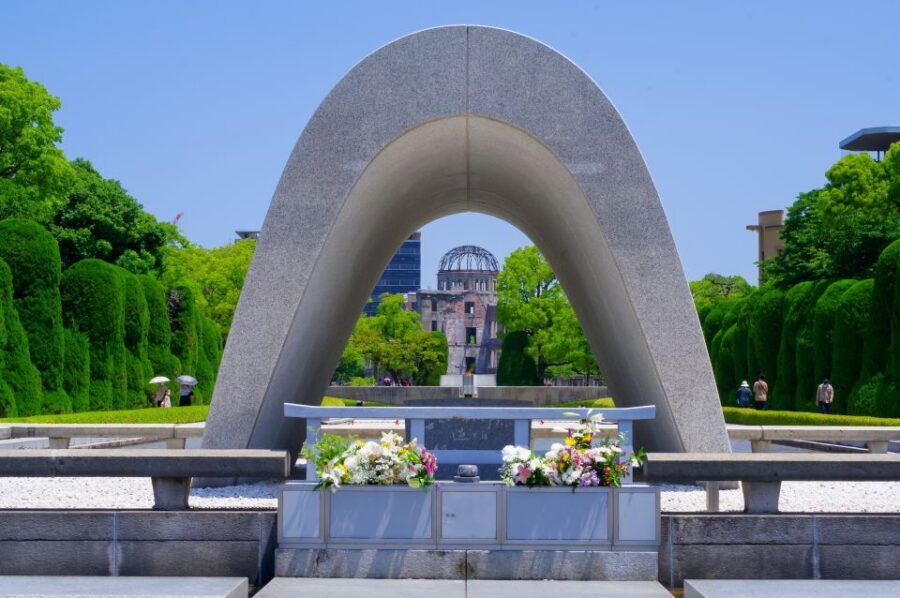
- A-Bomb Dome on site: you’ll see the landmark memorial tied to the atomic blast area.
- Peace Memorial Museum time: about an hour to connect the history to what you saw at the dome.
- Ferry to Miyajima: roundtrip ferry ticket included for the short water break and island feel.
- Itsukushima Shrine + UNESCO setting: entry fee included, national treasure status noted for visitors.
- Floating O-Torii views: the famous gate that appears to float over the sea.
- Indian curry lunch with vegetarian options: included, and the past food praise is strong.
The route: Hiroshima memory plus Miyajima shrine views

This tour is built as a straight shot between two emotional poles: Hiroshima’s peace memorial sites and Miyajima’s Shinto shrine landscape. It starts by putting you in front of the A-bomb-era reality first, then shifts you to Miyajima, where the visual focus is an iconic shrine and its sea-facing torii.
The value of this structure is simple: it avoids doing Miyajima first, then arriving to Hiroshima too late in the day when your attention tends to fray. Here, you get the most serious stop while your morning energy is intact, and you still finish with an experience that feels lighter even while you carry what you learned.
Other Miyajima Island tours in Hiroshima
Getting there: Shin-Osaka, Kyoto, or Hiroshima starts
You can choose one of three departure points: Shin-Osaka Station, Kyoto Station, or Hiroshima Station. From Osaka or Kyoto, roundtrip bullet train tickets are included. If you pick the Hiroshima departure, you’re likely closer to a true “local day trip” feeling.
Once you arrive at the Hiroshima side of the route, you’ll ride an air-conditioned coach for transfers inside the region. The timing is set up so you’re not spending the whole day fighting transit lines. That matters because this is a long day already, even though the itinerary reads like just a few stops.
One practical note: return planning matters if you’re connecting on the Shinkansen after the tour. The guidance you’re given is to book a schedule after 6:30 PM for your next trip, which is a smart buffer for a day with multiple timed visits.
Atomic Bomb Dome and Peace Memorial Park: what to focus on
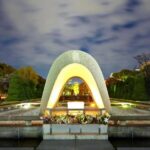
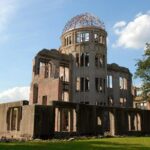
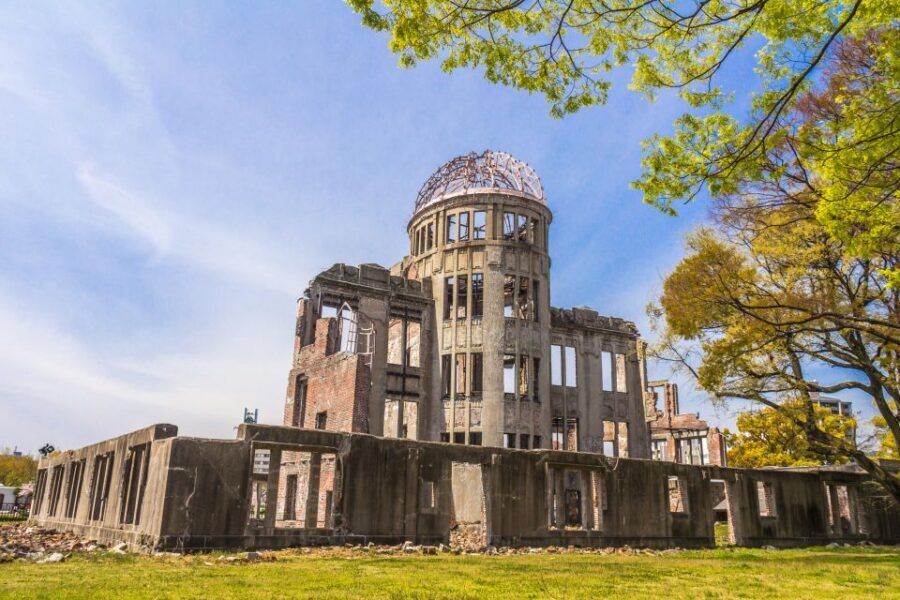
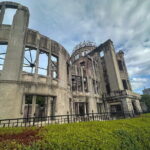
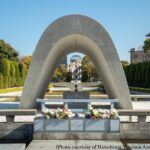
The tour begins in the Hiroshima Peace Memorial Park area with time at the Atomic Bomb Dome. You’ll have about an hour here, which is enough to do two things without rushing: look at the structure itself and also take in how it sits within the memorial park setting.
A big reason this stop lands is that it’s not a museum or a photo backdrop. You’re seeing the building ruin preserved as a memorial. The tour framing explicitly connects this with reflection and the importance of peace, so it’s worth walking slowly and reading what’s around you instead of trying to absorb everything in one glance.
The Peace Memorial Museum: don’t treat it like a formality
Right after the dome, you’ll visit the Hiroshima Peace Memorial Museum with another hour on the schedule. The museum visit is included, and there’s a contingency plan: if the museum is closed, you go to the Hiroshima National Peace Memorial Hall for the Atomic Bomb Victims instead.
This kind of backup matters because the emotional arc of the day depends on structured context. The dome shows the physical ruin; the museum gives you the human and historical background that makes the memorial meaning clearer. If you’ve only got one serious education block in Hiroshima, this tour is basically choosing the best one for you.
Lunch in Hiroshima: included Indian curry (with vegetarian options)

Lunch is built into the plan with about 45 minutes in Hiroshima, and it’s Indian curry with vegetarian options available. The good news is that the meal is included in the price, so you’re not hunting for food right in between timed sightseeing.
This is also one of those “small” parts of a day trip that affects how you experience the rest. If you’ve ever had the wrong meal timing on a long tour, you know how quickly your energy drops. Here, you get a scheduled break and a confirmed food option, with clear rules: the provider says they can’t accommodate menu changes on the day of the tour, and you should refrain from bringing your own food and drinks into the restaurant.
If you’re the type who needs dietary flexibility, double-check your comfort with the vegetarian options as listed. If you’re good with curry and can work within that menu, this is a reliable lunch stop.
Other Hiroshima and Miyajima combo tours in Hiroshima
Ferry time to Miyajima: why the crossing is part of the experience
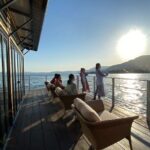
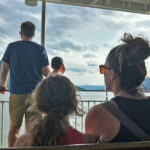
After Hiroshima, the plan shifts you toward Miyajima Island by ferry, and you have the return ferry ticket included. The sailing across Hiroshima Bay isn’t just transportation. It’s your mental reset between the gravity of Hiroshima and the distinctive Shinto shrine atmosphere.
Even if you’ve seen photos of Miyajima’s famous gate, the ferry gives you context: you start seeing how the island sits in the water, how the shoreline plays into the shrine’s layout, and why that O-Torii visual works as more than a postcard shot.
This part is also helpful practically. Instead of being in a bus for the entire day, you get time on the water and a change of pace that makes the shrine visit feel less like another timed stop.
Itsukushima Shrine visit: UNESCO, national treasure status, and the O-Torii moment
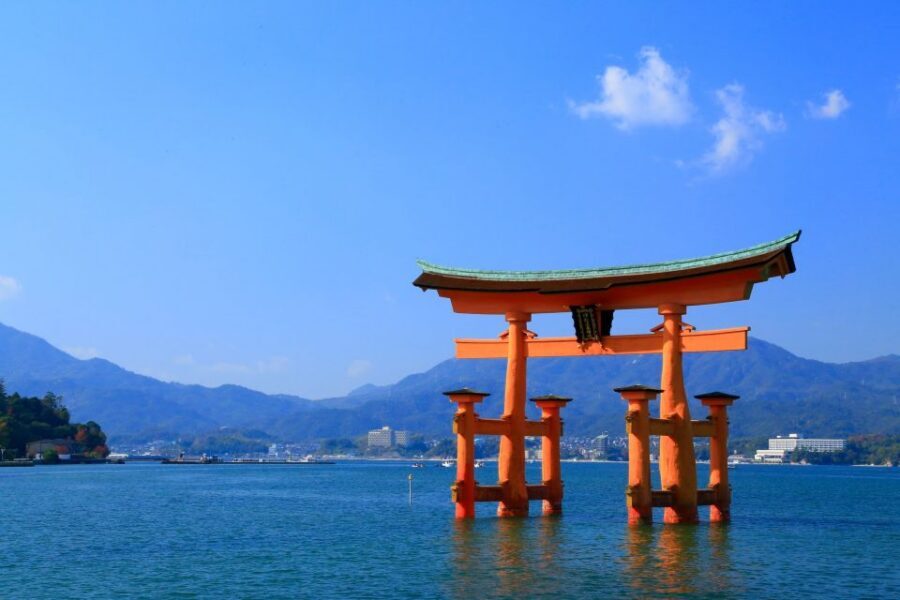
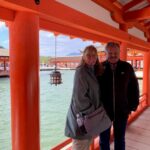
Your key Miyajima stop is Itsukushima Shrine, with about one hour on site and the entry fee included. The shrine is described as a national treasure and registered as a UNESCO site, and that matters because it helps explain why the place draws such attention from around the world.
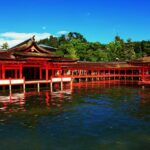
The tour also makes the most important visual target explicit: the O-Torii, often called the Grand Torii Gate, appears to float in the sea. The itinerary timing is set so you reach the shrine area and can experience that view as part of a guided day rather than trying to coordinate your own ferry, entry, and schedule.
Here’s what I’d focus on during that hour:
- First, get your eyes on the shoreline relationship—where the gate sits in relation to the waterline.
- Then, look at the shrine spaces themselves, not just the red gate. The shrine complex is the point, and the gate is the headline.
- Finally, keep track of the time so you don’t get stuck taking photos and lose the chance to actually read the shrine areas and signage.
If you’re the type who likes quiet observation, you’ll still have enough time to slow down here. It’s not a rushed “five minutes then move on” situation.
Miyajima free time: make the most of your hour
After the guided shrine visit, you get about one hour of free time on Miyajima. That’s not long, but it’s enough to do two sensible things: walk nearby at an easy pace and take a second look at the gate area from a slightly different angle.
Since the schedule is tight, it helps to choose what you want most from that hour. If your top priority is scenery and photos, stay close to the main sights. If you want a more local vibe, you’ll still have a short window to explore beyond the immediate shrine area, but keep your watch close.
A good way to use this hour is to treat it like a repeat viewing session. The shrine looked one way on the first pass; now you can check how your angle and pacing change what you notice.
The guide and the human touch: Joe, Miyuki, and Masa
This is an English-language tour with a live guide. The most praised part across the experience is not just the list of stops, but the explanations. In past runs, guides such as Joe and Miyuki have been highlighted for clear storytelling and a warm teaching style.
You may also notice the difference that a punctual, helpful driver makes. Masa has been specifically mentioned for being on time and easy to work with, which sounds small until you’re on a day trip where every minute matters.
Why does this matter for your experience? Because Hiroshima and Miyajima aren’t places where “audio guide-only” usually works as well. You’ll understand more if someone can connect the visuals—like the preserved dome ruin—to why the memorial exists. And you’ll appreciate the shrine setting more if the guide explains what you’re seeing, not just where to stand for photos.
Price and value: what $116 includes, and what you need to pay for yourself
At $116 per person, the value here is mostly in the bundled logistics. You’re not just paying for entry tickets—you’re paying to remove the hassle of coordinating transit and timed admission.
Included costs cover:
- Air-conditioned coach transportation inside Hiroshima
- Roundtrip bullet train tickets for the Osaka and Kyoto starting options
- Entry fees for Itsukushima Shrine and the Hiroshima Peace Memorial Museum
- Roundtrip Miyajima ferry ticket
- Indian curry lunch (with vegetarian options)
Not included: drinks. That’s it. Keeping drinks separate isn’t unusual, but it does affect your day budget slightly—so plan to bring funds for bottled water or a soft drink.
Here’s the simple way I’d judge value: if you were to DIY Hiroshima + Miyajima in one day, you’d still have to solve train timing, ferry timing, and ticket entry. This tour bundles the major pieces and keeps you moving on schedule. You pay more than a do-it-yourself backpacking approach, but you trade that for fewer decision points during a long day.
Who should book this, and who should skip it
This tour fits best if you:
- Want a one-day Hiroshima and Miyajima plan without piece-by-piece planning
- Prefer an English guide for context at the memorial sites
- Like the idea of an included meal that keeps your schedule predictable
- Are okay with a tight schedule and limited free time on Miyajima
You might want to skip it if you:
- Want a long, slow Miyajima day. The hour of free time won’t satisfy serious wanders.
- Need guaranteed diet accommodations beyond the listed vegetarian options, because menu changes on the day aren’t accommodated.
- Are looking for a highly flexible itinerary. This is timed and structured.
Also keep in mind: the tour is for international travelers, and Japanese nationals can’t join.
Practical things to know before you go
A few logistics notes to keep your day smooth:
- Japanese-language nationals can’t join the tour; it’s meant for international travelers.
- The Peace Memorial Museum has a substitute option if it’s closed: you’ll visit the Hiroshima National Peace Memorial Hall for the Atomic Bomb Victims.
- You shouldn’t bring your own food and drinks into the lunch restaurant.
- The tour runs 8 to 12 hours, so check availability for starting times before you commit.
- In case of a natural disaster like a typhoon, the tour is canceled with a full refund.
Should you book 3 Departures: Hiroshima & Miyajima Trip with Indian Lunch?
If you’re choosing between options for a first-timer day trip, I think this is a strong choice because it gives you the big hitters in a single shot: A-Bomb Dome + museum context, then ferry + Itsukushima Shrine + O-Torii.
Book it if you want guidance and a schedule that protects your time at the memorial sites and still delivers the iconic Miyajima view. You’ll get decent value for the money because entry fees, ferry, and key transportation are included.
Skip it if you’re the type who needs hours of free time on Miyajima to feel satisfied. With only an hour there, you’ll need to be ready to focus. If that sounds fine, you’ll likely feel like your day had shape: serious in Hiroshima, unforgettable in Miyajima.
FAQ
Where does the tour start?
The tour offers three starting points: Shin-Osaka Station, Kyoto Station, or Hiroshima Station. Drop-off is at Kyoto Station, Shin-Osaka Station, or Hiroshima Station depending on your option.
What’s included in the price?
It includes air-conditioned bus transportation in Hiroshima, roundtrip bullet train tickets for the Osaka and Kyoto departure options, entry fees for Itsukushima Shrine and the Hiroshima Peace Memorial Museum, a roundtrip Miyajima ferry ticket, and Indian curry lunch.
Is lunch included, and are there vegetarian options?
Yes. Lunch is included and is Indian curry, with vegetarian options available.
What happens if the Hiroshima Peace Memorial Museum is closed?
If the museum is closed, you’ll visit the Hiroshima National Peace Memorial Hall for the Atomic Bomb Victims instead.
How long do I spend at each major stop?
You’ll spend about 1 hour at the Atomic Bomb Dome, about 1 hour at the Hiroshima Peace Memorial Museum, about 1 hour at Itsukushima Shrine, and about 1 hour of free time on Miyajima.
Is the tour guide available in English?
Yes. The live tour guide is listed as English-speaking.