REVIEW · HIROSHIMA
Hiroshima Local guided Hiking Tour&Open-air Tea Ceremony
Book on Viator →Operated by Attractive JAPAN · Bookable on Viator
The Futaba Mountains make Hiroshima feel quieter.
This small-group guided hike mixes shrine culture, forest bathing, and a mountaintop tea ceremony with views over the city. It’s a morning plan that ends early, so you keep the rest of your day.
I like that the route is built around meaningful stops—Hiroshima Toshogu Shrine, Kinko Inari Shrine (including 500 steps), and the Futabayama Peace Pagoda. I also like the human touch: guides explain the Shinto side in plain language, and the tea break isn’t stuck inside a building.
One thing to consider: you’ll be walking uphill on stairs and trails, so bring sensible shoes and a patient pace.
In This Review
- Key points to know before you go
- A morning in the Futaba Mountains that keeps Hiroshima close
- Hiroshima Station to the shrine route: how the timing feels
- Stop at Hiroshima Toshogu Shrine: culture first, then the climb
- Kinko Inari Shrine and the 500 steps: the workout part
- Futabayama Peace Pagoda: big views and a calmer mind
- The second Kinko Inari stop: returning through the route
- Nodate open-air tea ceremony at Okumiya Shrine: matcha with a view
- What the guided part does better than self-guiding
- Fitness reality check: what “500 steps” means for you
- Price and value: why $109.43 can make sense
- Who should book this hike and tea ceremony
- Should you book? My practical take
- FAQ
- How long is the Hiroshima Local guided Hiking Tour & Open-air Tea Ceremony?
- What does the tour cost?
- Where do I meet and where does the tour end?
- What’s the main physical challenge?
- What’s included?
- How many people are in a group?
- Does the tour run in bad weather?
Key points to know before you go
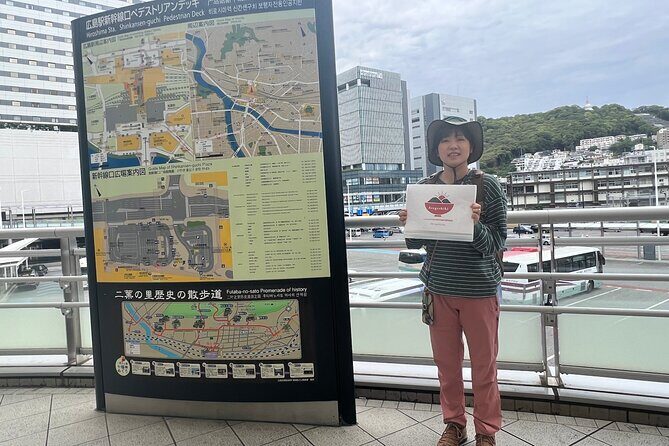
- Small group size (max 6): better questions, more guide attention, and a calmer pace.
- You start at Hiroshima Station: easy to reach, and you’re back at the station after about 3 hours.
- 500 steps to Kinko Inari: it’s not a long distance, but it’s real climbing.
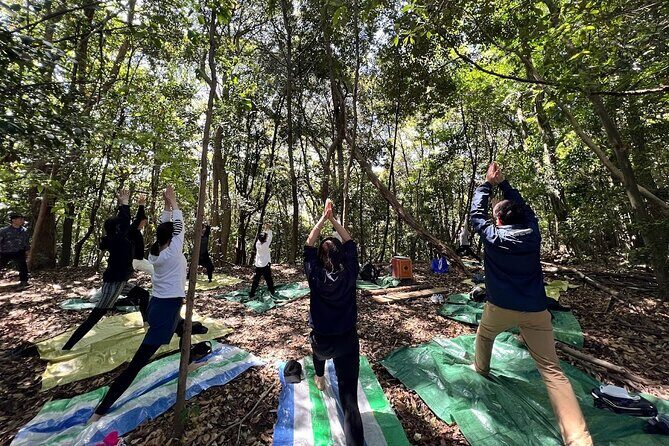
- Shinrinyoku (forest bathing): you get an official pause to slow down in the woods.
- Nodate open-air tea on the mountaintop: a break with big views and a very specific ritual style.
- Route includes peace and shrine stops: Hiroshima’s story comes at you from a spiritual and local angle, not just monuments.
A morning in the Futaba Mountains that keeps Hiroshima close
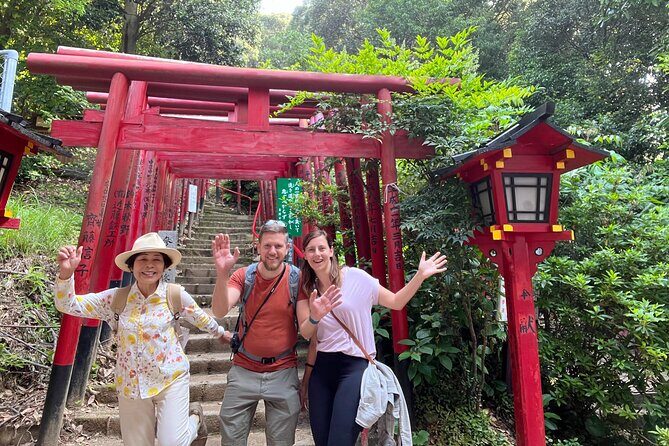
This tour is designed around the idea that the best Hiroshima moments aren’t only in the city center. You’ll head out early from Hiroshima Station and move through a shrine pilgrimage route in the Futaba Mountains, where the pace is slow enough to actually notice details.
The biggest advantage for your day plan is timing. At about 3 hours total, you’re not stuck on a full-day tour. Start early, hike and learn, and then you can spend the afternoon on whatever you’re most curious about.
You also get a mix that’s hard to find in one package: walking in the woods, Shinto context at shrines, and then a tea ceremony with a view.
Other tea ceremony tours in Hiroshima

Hiroshima Station to the shrine route: how the timing feels
You meet at Hiroshima Station at the Shinkansen exit area (1–2番37号, Matsubarachō, Minami Ward). The schedule offers start times around 07:30, 10:00, or 13:00, and the tour ends back at the station.
That matters more than you might think. Starting from the station keeps the logistics simple, and ending back at the same place helps you avoid the “now what?” feeling after hiking.
The guide also uses the first meeting to set expectations for the route. You’ll get a plan for where you’re going and how the day will flow before you start climbing.
Stop at Hiroshima Toshogu Shrine: culture first, then the climb
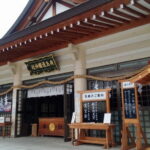
Your first real stop is Hiroshima Toshogu Shrine. You’ll spend about 30 minutes there, with time to appreciate the site and learn cultural context.
This stop is useful because it sets the tone. Instead of rushing straight into the hike, you begin with a place that frames why people come to these sacred locations in the first place.
A practical note: shrine visits are often a lot of standing, walking on uneven ground, and looking up. Wear shoes that feel stable even when the path is textured or slightly sloped.
Kinko Inari Shrine and the 500 steps: the workout part
Next comes Kinko Inari Shrine, where you’ll do the signature climb. You’ll need to go up 500 steps, and you’ll also spend about 25 minutes in that area as part of the route.
This is the section that turns a “morning stroll” into actual effort. The stairs can feel long if you go too fast, and some paths are steep or uneven depending on the section of trail. The good news is the hike is broken up with stops and explanations, so you’re not just pushing yourself nonstop.
I’d treat this as a moderate hike. You’re not committing to hours of steep climbing, but you are moving uphill. If you’re someone who gets winded on stairs, build in a slower rhythm from the beginning.
You’ll also get Shinto practice context as you go. The best part here isn’t only the physical climb—it’s what the guide explains along the way about how worship works in this setting.
Futabayama Peace Pagoda: big views and a calmer mind
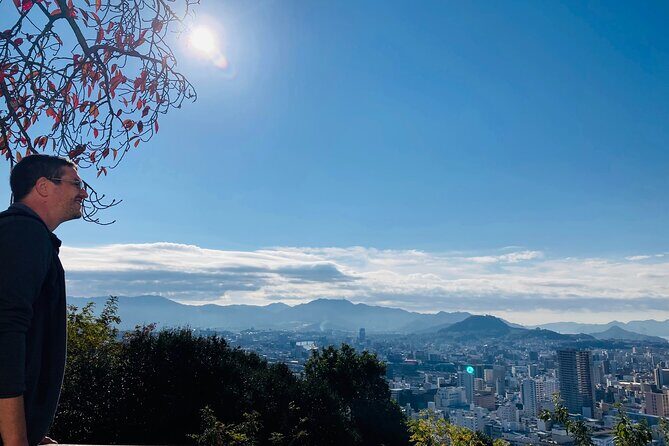
After the Kinko Inari climb, you’ll reach Futabayama Peace Pagoda. This stop includes a viewpoint where you can see Hiroshima City, the Seto Inland Sea, and Miyajima from up on the mountain.
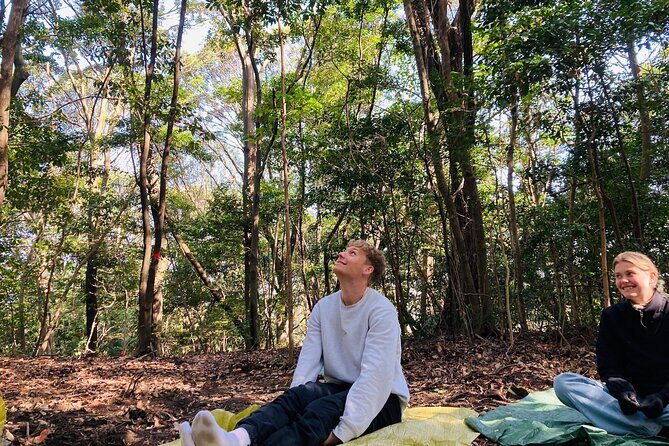
You’ll also get time for shinrinyoku, also known as forest bathing. In plain terms, that’s a guided pause to slow down in the forest so the hike becomes about awareness, not just steps.
This combo works well. You get the wide skyline view from the mountain top, then you switch gears to quieter, slower attention in the trees. A few people also mention this as a mental reset—especially on hot days—because the breaks keep you from turning the day into a sweat-burn mission.
Other guided tours in Hiroshima


The second Kinko Inari stop: returning through the route
There’s another Kinko Inari Shrine segment later in the program. You’ll be back in that area before the tea ceremony part of the tour.
That repetition sounds odd on paper, but it helps with pacing. It also gives your legs a moment to settle after the main climb and brings you back into the shrine area before you head for the ritual at the mountaintop.
Think of this stage like a “transition” section. You’re moving from hiking and sightseeing into something slower and more participatory.
Nodate open-air tea ceremony at Okumiya Shrine: matcha with a view
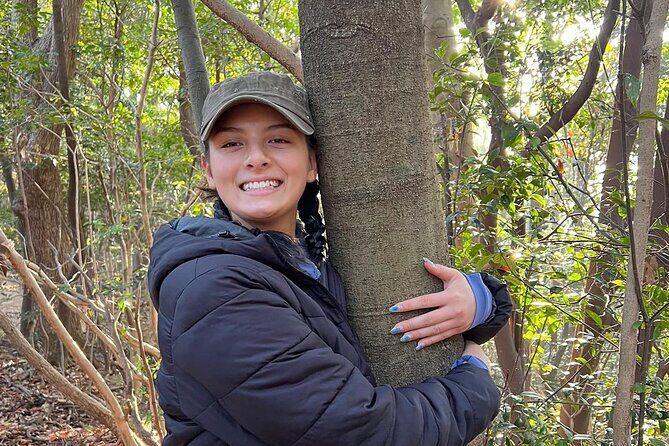
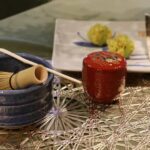
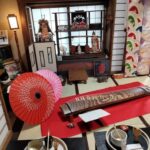
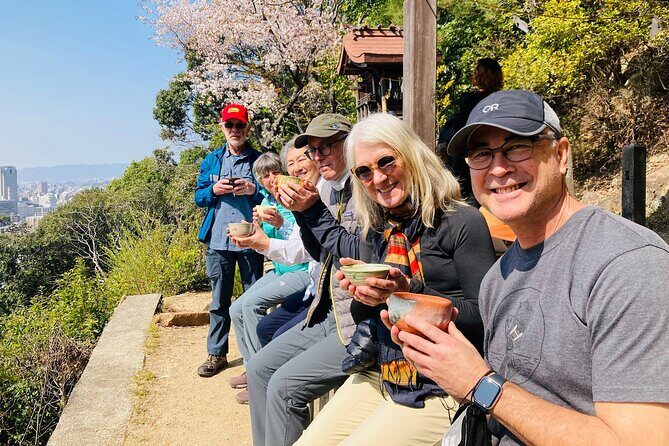
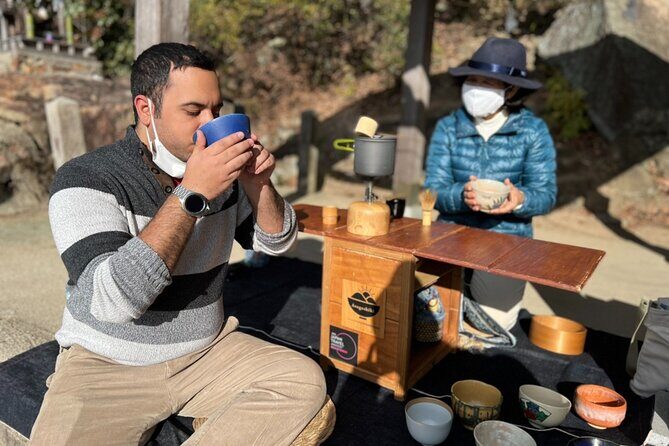
The highlight for many people is the Nodate open-air tea ceremony. You’ll do it at Okumiya Shrine, and the ceremony time is about 1 hour.
Nodate here means the tea setup is outside, not in a formal indoor tea room. That changes the feeling of the ritual. You’re tasting matcha in fresh air with a view over the city, and the experience tends to feel more grounded and less staged.
Also, the guide plays an active role. The ceremony isn’t just a demo—it’s something you’re guided through as you learn how to do it properly. People really notice the feeling of being “at the top,” especially when you can look over Hiroshima and then sip something warm or cooling depending on what’s served.
Because tea comes after the climbing, it functions like a reward and a reset. You’ll likely appreciate how it breaks up the physical effort with something calm and social.
What the guided part does better than self-guiding
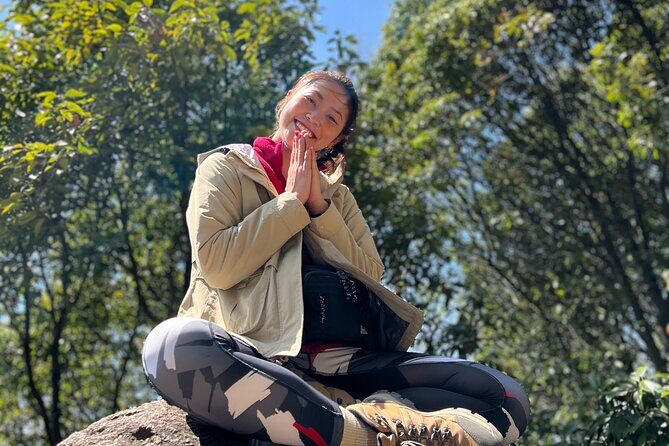
You could technically hike parts of this area on your own. But the guided format is the value. The guide is the difference between seeing shrines and understanding what you’re seeing.
In particular, this tour is strong on Shinto explanations from a unique perspective. People mention that the guide explains Shinto practices and the meanings behind them, with clear storytelling instead of dry facts.
You also get a smooth pace. The hike is described as easy-to-moderate, but with enough stops that climbing stays manageable. If you’ve ever done a “pay and go” hike where you constantly play catch-up, this small-group, pause-friendly structure is a relief.
Fitness reality check: what “500 steps” means for you
The official requirement is 500 steps on the route. In practice, that step count can be the difference between comfortable hiking and suffering, depending on your pace and the heat.
From the way the tour is described, it’s not a race. The stops matter. The guide also helps people manage the climb with hydration reminders and frequent breaks, which is especially important in summer.
What I’d do before booking: be honest with your ability on stairs. If you can handle regular uphill steps at a steady pace, you’ll likely be fine. If stairs regularly stop you, consider whether you want to spend a big chunk of the tour climbing before tea.
Price and value: why $109.43 can make sense
At $109.43 per person for about 3 hours, this is not a bargain-basement activity. But it isn’t just “a guide and a walk,” either.
Here’s what you’re paying for:
- A guided hike on a defined shrine route with time at multiple sites
- Entrance/admission included for each stop
- A scheduled mountaintop Nodate tea ceremony
- Forest bathing time (shinrinyoku), not just a random break
- A small group (maximum of 6), which reduces crowd friction
- A portion of fees directed to Futaba Mountain conservation activities (5%)
For me, the value comes from the combination. One ticket gives you the full package: walking + sacred context + a ritual tea moment with a view. If you tried to DIY all of that, you’d spend time figuring routes, finding the right tea experience setup, and piecing together interpretation on the fly.
Who should book this hike and tea ceremony
This tour fits best if you want a different side of Hiroshima than the usual monument circuit. It’s ideal when you like:
- mornings that feel peaceful, not rushed
- learning how local religious practices work in daily life
- viewpoints, but also a slower pause in nature
It’s also a good family-friendly option in the sense that many people manage it with a reasonable pace, as long as they’re comfortable with stairs.
If you hate climbing, want zero steps, or dislike uneven trails, this likely won’t be your favorite. On the flip side, if you can handle uphill stairs with breaks, it’s a strong choice.
Should you book? My practical take
Book this tour if you want a guided, culturally focused morning in Hiroshima that ends early and leaves you with energy for the rest of your trip. The big payoff is the mix: shrines you can understand, a forest moment that slows you down, and an outdoor Nodate tea ceremony with serious views.
Skip it if your priority is a flat, easy walk with no stairs. Also skip it if you only want the most famous Hiroshima sites and don’t care about the smaller local sacred route.
If you’re on the fence, lean toward booking when you’ll be able to enjoy the outdoors in good weather. This experience requires good conditions to run well, and the view part is part of the point.
FAQ
How long is the Hiroshima Local guided Hiking Tour & Open-air Tea Ceremony?
The tour lasts about 3 hours.
What does the tour cost?
It costs $109.43 per person.
Where do I meet and where does the tour end?
You meet at Hiroshima Station Shinkansen Exit (1–2番37号 Matsubarachō, Minami Ward) and the tour ends back at the meeting point.
What’s the main physical challenge?
You need to go up 500 steps as part of the hike.
What’s included?
Admission tickets are included at the stops, and the tour includes a Nodate open-air tea ceremony and shinrinyoku (forest bathing).
How many people are in a group?
The maximum group size is 6 travelers.
Does the tour run in bad weather?
It requires good weather. If it’s canceled due to poor weather, you’ll be offered a different date or a full refund.