REVIEW · HIROSHIMA
From Hiroshima: Rabbit Island and Takehara Town Tour
Book on GetYourGuide →Operated by Machinovate Japan Ltd. · Bookable on GetYourGuide
Rabbits and ruins in one long day. This Hiroshima day trip pairs the Takehara townscape walk with a guided look at Rabbit Island ruins, then gives you time to feed the rabbits and explore Ōkunoshima at your own pace. I love how the guide ties what you see in Takehara to real everyday life, and I also love that the island story is explained before you start snapping photos. One drawback: it’s a long day (570 minutes), and you’ll do real walking, so heat and footwear matter.
I went in expecting a silly rabbit outing. I came out valuing the historical context and how smoothly the schedule moves, especially with guides like Isabella and even her trainee Shoh showing up ready to help and keep things moving. With a small group capped at 15 people, you’re not squeezed into a herd and you can actually hear the story.
Plan for basics up front. You won’t have lunch included, and food on Rabbit Island is available for purchase, so bring water and pace yourself. If you’re coming from Hiroshima Station, the meeting spot is easy to miss if you don’t look for the guide holding the SNOW MONKEY RESORTS tour sign.
In This Review
- Key things I’d put on your must-do list
- Hiroshima to Takehara: a day that starts with old streets
- Saihoji and the Matsusaka Residence: Edo-era buildings you can actually understand
- The Okakae Jizō Statue: a local wish legend with real “story energy”
- Getting to Ōkunoshima: Tadanoumi Port and the ferry moment
- Rabbit Island ruins: understanding the island’s dark past before the rabbits
- Free time on the island: feed rabbits, then choose your pace
- Lunch, food, and what you should bring for the day
- Price and value: what $170 buys you (and what it doesn’t)
- Small group logistics: why capped groups feel easier
- Who should book this Hiroshima to Ōkunoshima day trip
- Where to meet your guide at Hiroshima Station
- Should you book this tour?
- FAQ
- Where is the meeting point in Hiroshima Station?
- Is the guide available in English?
- How long is the tour?
- What’s included in the price?
- Is lunch included?
- What’s not included besides lunch?
- Can I buy food and drinks on Rabbit Island?
- What can I do during the free time on the island?
- Is this tour suitable for wheelchair users or people with animal allergies?
- Can I get a full refund if I cancel?
Key things I’d put on your must-do list
- Guided ruins first, rabbit photos second so you get context before you relax
- Takehara’s Edo-period stops like Saihoji and the Matsusaka family residence
- A wish legend at the Okakae Jizō Statue that makes the town feel human and local
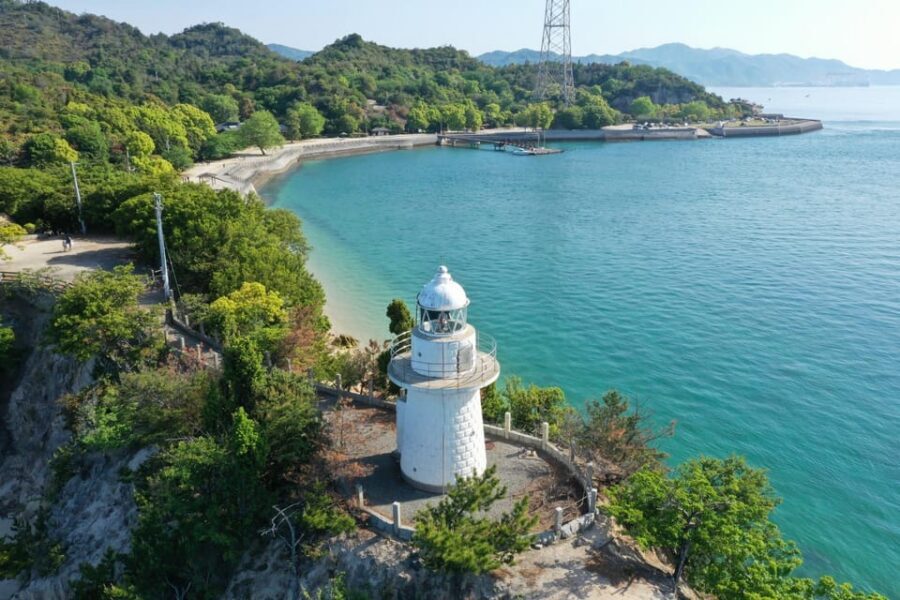
- Free time on Ōkunoshima to choose hot springs, biking, a lookout, or the lighthouse
- Small group (max 15) with English guidance and time to ask questions
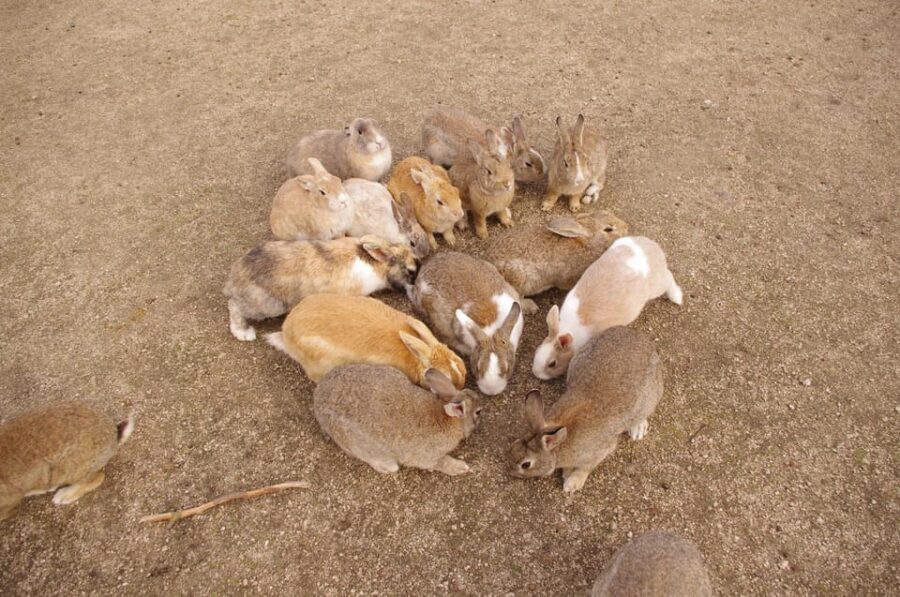
- Rabbit food provided so you can feed them right away without hunting around
Hiroshima to Takehara: a day that starts with old streets
This is a full-day tour built for people who like more than one side of Japan in a single trip. You start at Hiroshima Station and head toward Takehara, a town known for its preserved streets and historic buildings. The timing matters here: you’ll cover the town sights earlier, then shift gears to Ōkunoshima once you’ve got the context of the region.
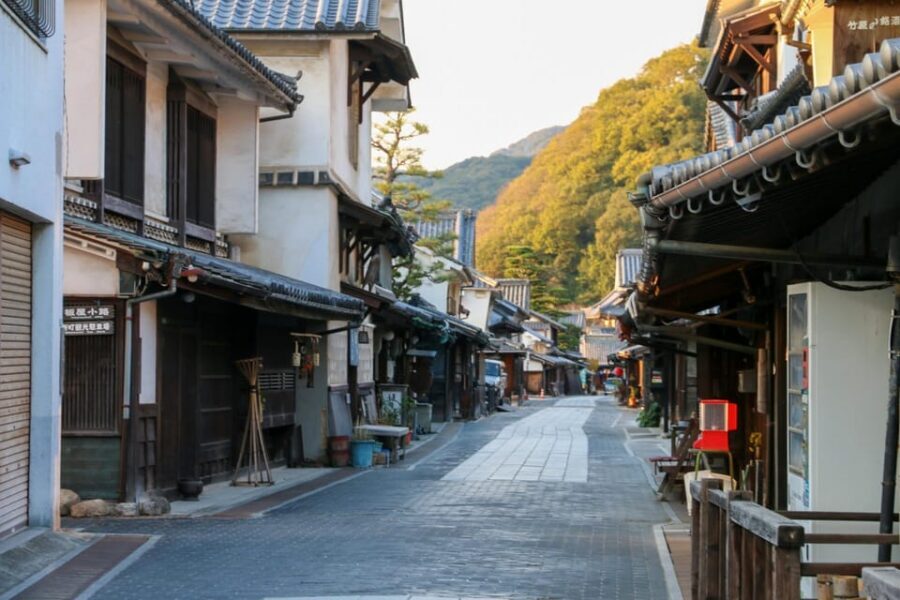
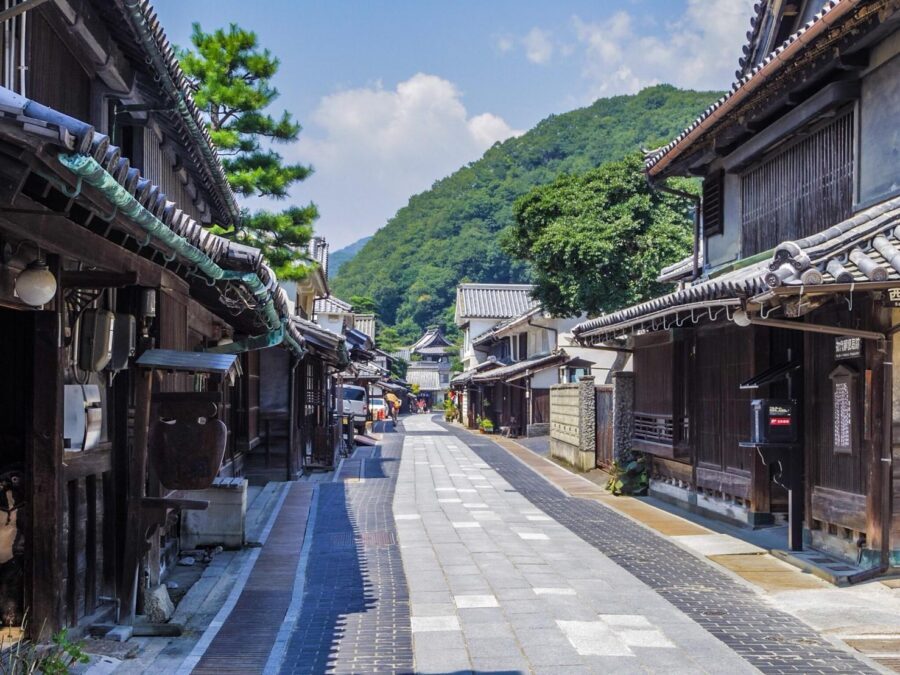
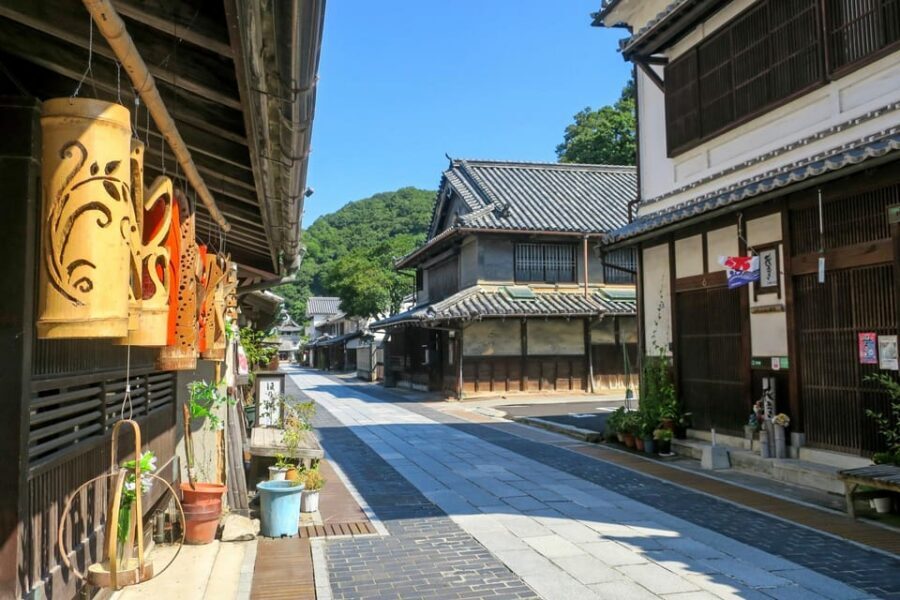
The Takehara Townscape Conservation Area is where you begin to see why the area is protected. You’re not just walking past pretty streets—you’re moving through a setting that helps explain how merchants and visitors would have experienced the town. It’s an easy pace, but it’s still walking, so comfortable shoes are not a suggestion.
If you’re worried about being bored on the “history part,” don’t. The stops are chosen to show how people lived and traveled, not only what buildings look like from a postcard distance. And since the guide is English-speaking, you’re meant to understand the details as you go, not later on your own.
Other Okunoshima Rabbit Island tours in Hiroshima

Saihoji and the Matsusaka Residence: Edo-era buildings you can actually understand
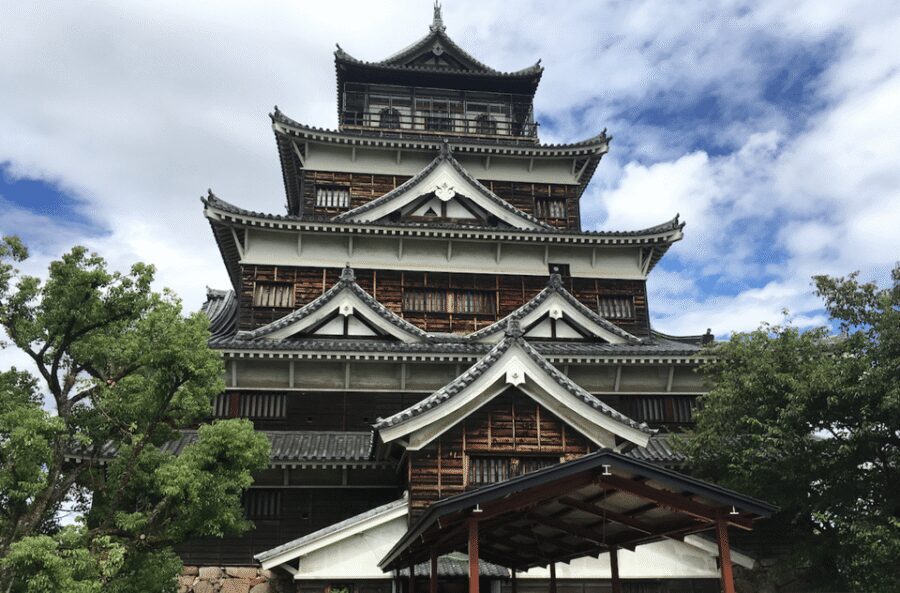
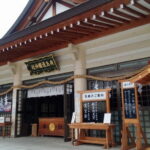
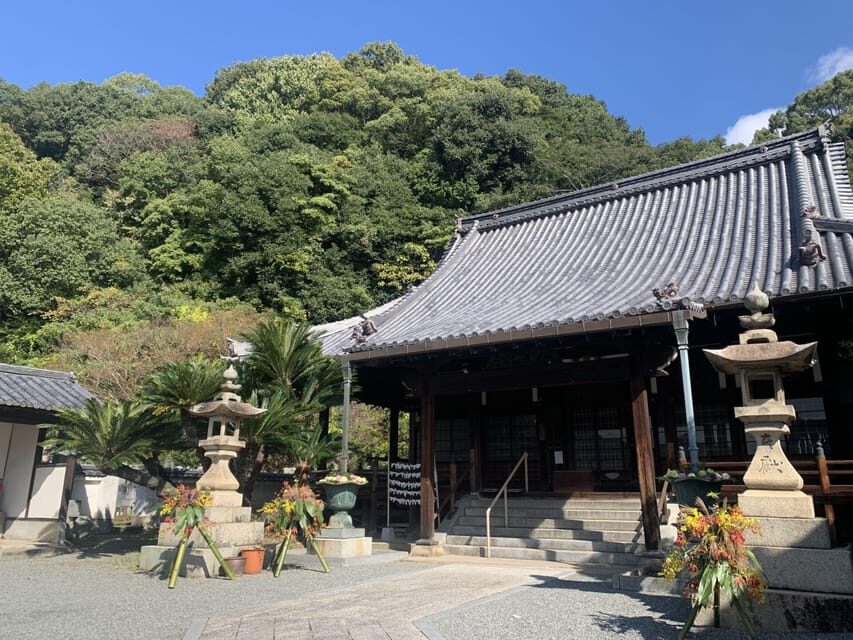
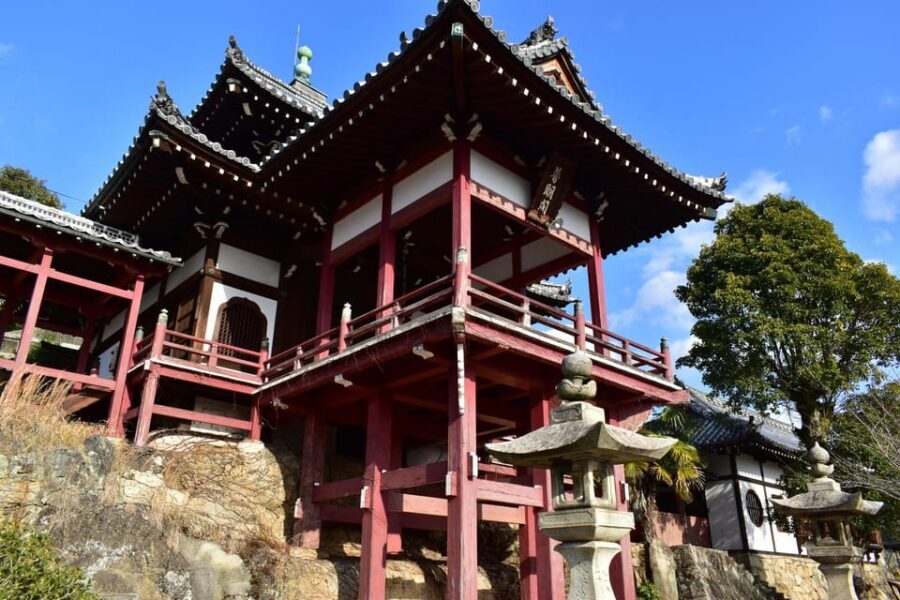
Your first meaningful landmark stop is Saihoji, a Zhen Buddhist temple with architecture from the mid-Edo period. This is a place where the guide’s job is to translate stone-and-timber details into something you can picture. You’ll get a sense of the architecture’s age without needing a degree in temple studies.
From there, you visit the former Matsusaka family residence, described as a typical example of Takehara’s architecture and the kind of housing wealthy merchants had during the Edo period. Inside, you’ll observe artifacts from previous inhabitants. That’s what makes this stop work: it’s not only external sightseeing, it’s a glimpse into daily life.
I like this portion because it keeps moving from religious space to domestic/merchant space. It gives you a fuller mental model of Takehara as a living town—where commerce, worship, and travel all intersected in the same geography.
The Okakae Jizō Statue: a local wish legend with real “story energy”
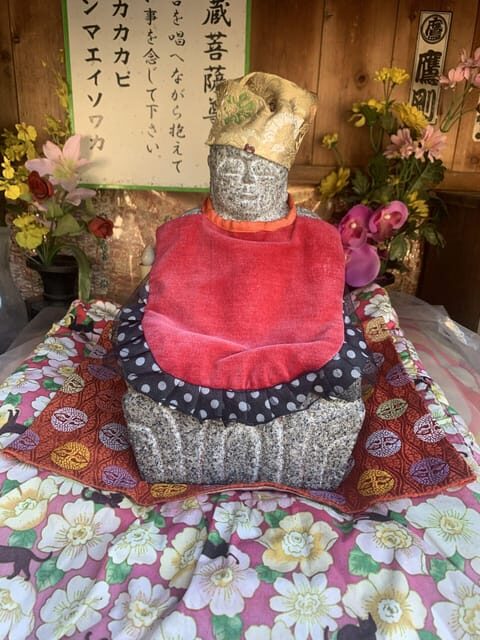
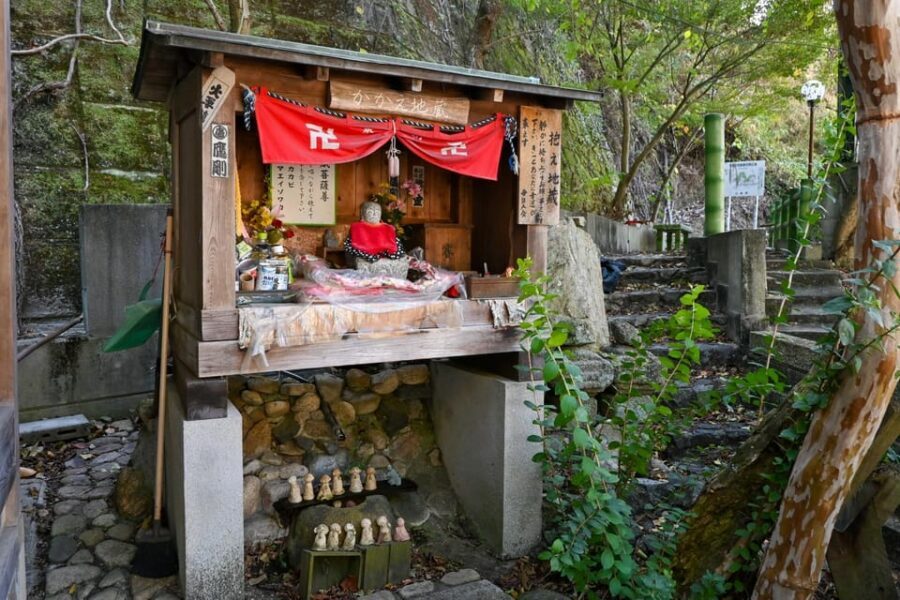
Next you’ll head to the Okakae Jizō Statue, housed in a small nearby hut. Jizō statues are said to protect children and travelers, and this one carries extra importance because of a specific local legend.
Here’s the heart of it: if you pick up the Okakae Jizō, make a wish, and the statue feels lighter than expected, then your wish is said to come true. Even if you treat legends as legends, the point is that it’s interactive and community-connected. It turns the town walk from a checklist into a moment where you feel the local imagination at work.
This stop also helps break up the day emotionally. After temple and merchant life, you get something playful—still rooted in belief—but less formal and more personal.
Getting to Ōkunoshima: Tadanoumi Port and the ferry moment
Once you reach Tadanoumi Port, you board the ferry to Rabbit Island (Ōkunoshima). This transit isn’t wasted time. The water crossing gives you a clear shift between mainland history and the island experience, and it also sets expectations: once you’re on the island, you’re in a different rhythm.
I always find that ferry days change the way you explore. You start with a mental reset, you pay attention to the coastline, and you’re ready for the guided portion that explains what happened here.
When you return later in the day, you’ll ride the ferry again and then take a bus back to Hiroshima Station. Your guide finishes with goodbyes in front of the Shinkansen gates, so you won’t be left wondering what comes next.
Rabbit Island ruins: understanding the island’s dark past before the rabbits
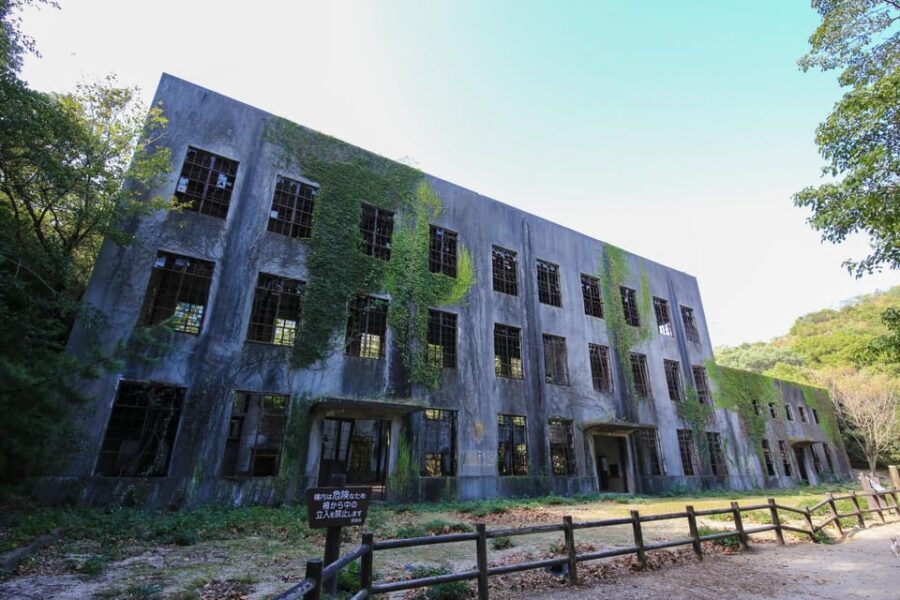
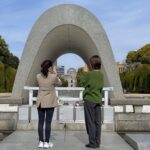
When you arrive, you start with a brief stroll along the coast and you stop at ruins while learning the island’s dark past. This is the part I’d call the “value engine” of the tour. The rabbits are cute, sure—but the guide’s job is to make sure you understand the serious story tied to the island.
From the ruins walk, you’ll get a guided narrative that helps connect why Ōkunoshima matters. One highlight from recent experiences is how the explanation includes context that people often find informative, including the sort of background associated with the island’s Poison Gas Museum story. In other words, the tour doesn’t treat Rabbit Island as a joke. It frames the rabbits within a real historical setting.
That’s also why the sequence is smart: you learn first, then you feed rabbits without losing the plot. If you’re the kind of person who gets uncomfortable skipping tough history, this pacing works.



Free time on the island: feed rabbits, then choose your pace
After the guided ruins portion, you get plenty of free time to explore Ōkunoshima on your own. Most people spend their first chunk walking around feeding the rabbits and taking pictures. Rabbit food is provided, so you can focus on the experience instead of scrambling for supplies.
What makes this free time feel worth it is that it’s actually flexible. You can do a simple loop and keep things relaxed. Or if you want more movement, you’ve got options.
Here are some of the activities you can choose from during free time:
- Hot springs at the Kyukamura Ōkunoshima hotel
- Renting a bicycle to cover more ground without racing your legs
- Hiking to an observation desk for views
- Visiting the lighthouse
- Eating at the restaurant within the hotel
If you’re visiting during hot weather, prioritize shade breaks and water. One reason people rate this tour highly is that the day stays organized even when conditions are tough, so you can spend your energy on the island instead of worrying about logistics.
Lunch, food, and what you should bring for the day
Lunch is not included. That’s not automatically a deal-breaker, but it does mean you should plan your calories and timing. Food and drinks can be purchased on Rabbit Island, and you can also count on being able to get something once you’re there, but you won’t have a pre-arranged lunch stop listed.
I recommend bringing a small daypack with water, sunscreen, and a hat. The tour notes recommend sunscreen and hats for sun protection, and it’s easy to see why once you’re out on the island. You’ll also want a camera, because once the rabbits are in front of you, you don’t want to be fumbling for settings or battery life.
And for comfort, wear shoes you don’t mind getting a little tired in. This is a day of walking in town areas and along the island grounds.
Price and value: what $170 buys you (and what it doesn’t)
At $170 per person, you’re paying for a guided, structured full day—not just transportation to rabbits. The cost includes an English-speaking guide, entry fees at tour locations, rabbit food, transportation between activities using public transport, and ferry tickets.
That’s a lot bundled together, especially if you’d otherwise have to piece together ferries, entry tickets, and a guide for the history portion. The tradeoff is that you’re not paying for a provided lunch or accommodation. So your “true total” cost is more than the base price if you eat during the day.
My practical take: this is good value if you want the historical framing and the convenience of not dealing with ferry timing and multiple transfers on your own. If you only care about feeding rabbits and taking photos, you might decide the ruins tour adds more explanation than you need.
Small group logistics: why capped groups feel easier
This is limited to 15 participants, which changes the vibe immediately. You spend less time waiting for people, and questions don’t get lost in a crowd. Several experiences tied to this tour specifically praise how guides kept everything running smoothly and on schedule, even in tough weather.
It also helps that the guide team can bring a friendly teaching style. In past departures, Isabella worked with a trainee (Shoh), and the combination shows up as calm organization plus clear explanations.
If you’re the type of traveler who likes to ask why something matters, small-group touring is worth it. You can hear the guide, and you can keep up without turning the day into a sprint.
Who should book this Hiroshima to Ōkunoshima day trip
This tour is a strong match if you want:
- a Hiroshima day trip that goes beyond a single attraction
- guided history in Takehara and on Rabbit Island ruins
- time for rabbit feeding plus free exploration afterward
- an English-speaking guide in a group that stays manageable
It’s less of a match if you’re dealing with mobility limits or have to avoid animal situations. The tour notes say it’s not suitable for wheelchair users, people with animal allergies, or pregnant women. Pets and smoking are also not allowed during the tour, so keep that in mind if you’re traveling with anyone with specific needs.
Where to meet your guide at Hiroshima Station
Meet your guide outside the Shinkansen gates, under the Tourist Information sign. If you enter Hiroshima Station via Shinkansen, the sign is directly to your left as you exit the gates. If you arrive by JR lines, follow signs directing you toward the Shinkansen gates.
If you’re coming from outside the station, use an underground passage and follow signs to Hiroshima Station, then follow signs directing you to the Shinkansen gates. If you arrive via streetcar, Hiroshima Station is right there, and you’ll still follow signs for the Shinkansen gates.
When you arrive, look for the guide holding a SNOW MONKEY RESORTS tour sign.
Should you book this tour?
Book it if you want the most sensible way to combine Takehara town history with Ōkunoshima’s rabbit experience and the serious context behind the island’s ruins. The small group size, English guidance, included ferry tickets, and rabbit food all point to a day designed for convenience and understanding, not just animal selfies.
Skip it if you hate long walking days or you only want a light, carefree outing. Since lunch isn’t included and the day is long, you’ll feel the effort more than people who enjoy full-day touring.
If you’re on the fence, my advice is simple: go for it if history and story matter to you. Rabbit Island is cuter with context—and Takehara gets way more fun once you see it through a guide’s eyes.
FAQ
Where is the meeting point in Hiroshima Station?
You meet under the Tourist Information sign outside the Shinkansen gates, and you should look for the guide holding a SNOW MONKEY RESORTS tour sign.
Is the guide available in English?
Yes, the tour includes an English-speaking guide.
How long is the tour?
The duration is 570 minutes.
What’s included in the price?
The tour includes an English speaking guide, entry fees at all tour locations, rabbit food, transportation between activities (public transport), and ferry tickets.
Is lunch included?
No, lunch is not included.
What’s not included besides lunch?
The tour does not include accommodation or transportation to reach the meet-up point.
Can I buy food and drinks on Rabbit Island?
Yes, food and drinks can be purchased on Rabbit Island.
What can I do during the free time on the island?
You can explore the island, feed the rabbits, and choose activities like soaking in hot springs at Kyukamura Ōkunoshima hotel, renting a bicycle, hiking to an observation desk, visiting the lighthouse, or eating at the hotel restaurant.
Is this tour suitable for wheelchair users or people with animal allergies?
No. It’s not suitable for wheelchair users, people with animal allergies, or pregnant women.
Can I get a full refund if I cancel?
You can cancel up to 24 hours in advance for a full refund.