REVIEW · HIROSHIMA
Miyajima: Cultural Experience in Zen Temple
Book on GetYourGuide →Operated by okeiko Japan Miyajima · Bookable on GetYourGuide
Tea, ink, and a kimono in a temple garden. This experience pairs Tokujuji Temple tradition with hands-on arts you can actually take home, plus the kind of slow, respectful tea ritual you don’t get in a hurry on Miyajima.
I especially love the kimono choice and dressing experience, because you get to pick what you wear and the obi help is clearly taken seriously. I also love the calligraphy lesson: step-by-step guidance, time to practice, and a finished piece you wrap up to bring back.
One consideration: the activity is not recommended for people with mobility impairments, and you’ll need to remove your shoes to enter the temple spaces.
In This Review
- Key highlights you’ll feel right away
- Tokujuji Temple on Miyajima: a calmer side of the island
- Choosing your kimono and getting the obi to sit right
- Tea ceremony in Ryurei style: matcha, sweets, and etiquette you can follow
- Calligraphy workshop: writing your name in Kanji and kana
- Amulet making option: Kumihimo, mini rice scoops, and Kinseki Jizou
- The garden photo session: more than a backdrop
- Timing, group size, and how long it actually takes
- Price and value: what $90 buys beyond the photo
- Who should book this experience (and who may not love it)
- Should you book this temple tea, calligraphy, and kimono experience?
- FAQ
- What’s the duration of the experience?
- What activities are included?
- Is the tea ceremony served at tables and chairs?
- What language are the instructors?
- Will I get help with writing my name?
- Can I take my calligraphy work home?
- Is amulet making an option?
- How do the photos work?
- Do I need to remove my shoes?
- Is it suitable for young children?
Key highlights you’ll feel right away
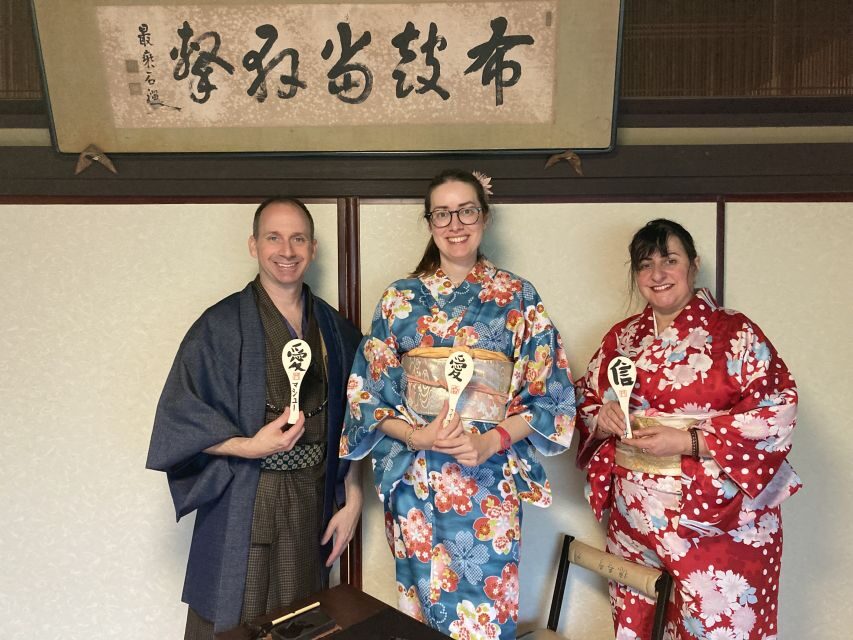
- Pick your own kimono (and get help with the fit, especially the obi)
- Ryurei-style tea ceremony with strict steps, plus sweets and matcha
- Calligraphy with both Kanji and kana practice, including your own name
- Amulet making option with hand-made kimono bags and a wish-setting ritual
- Garden photos with lots of help from the staff on posing and timing
Tokujuji Temple on Miyajima: a calmer side of the island
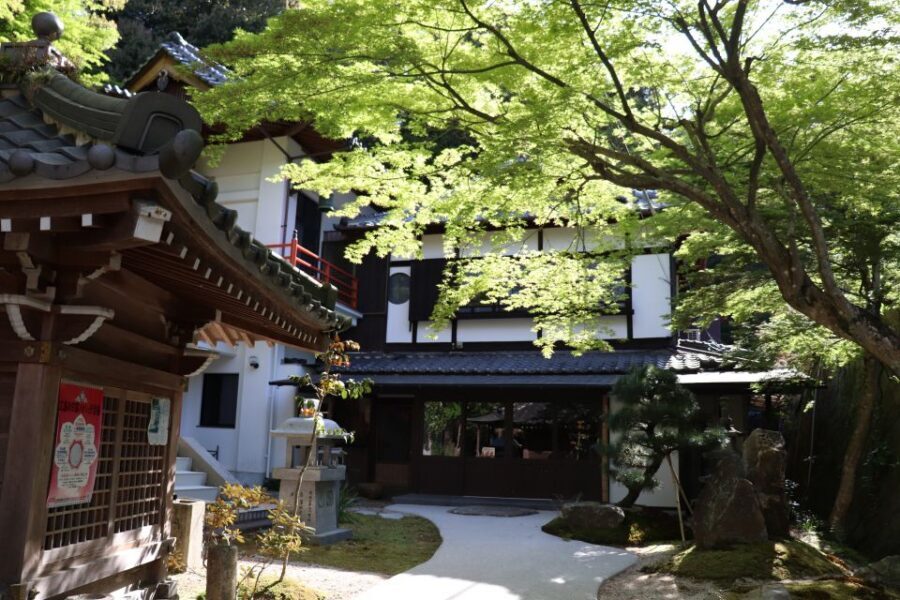
Miyajima can be loud at the main sights, but this temple-based cultural session gives you a quieter pocket of the island. You start by entering Tokujuji Temple, then shift from sightseeing mode into something more structured and respectful—like the place itself is setting the pace for you.
That matters because the best part isn’t just that you’ll do tea, calligraphy, and photos. It’s the way those activities create a mini “day in miniature” of how Japanese arts connect: clothing, etiquette, brush technique, and even the act of making a wish all follow patterns and small gestures.
The group stays small, and the instruction is offered in English and Japanese, which makes it easier to relax into the steps instead of translating everything in your head.
Other Miyajima Island tours in Hiroshima


Choosing your kimono and getting the obi to sit right
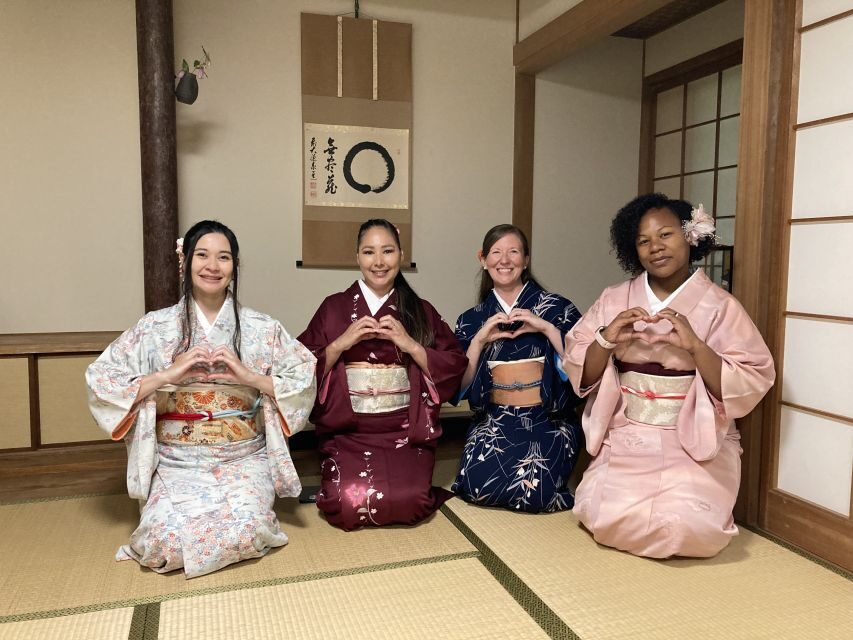
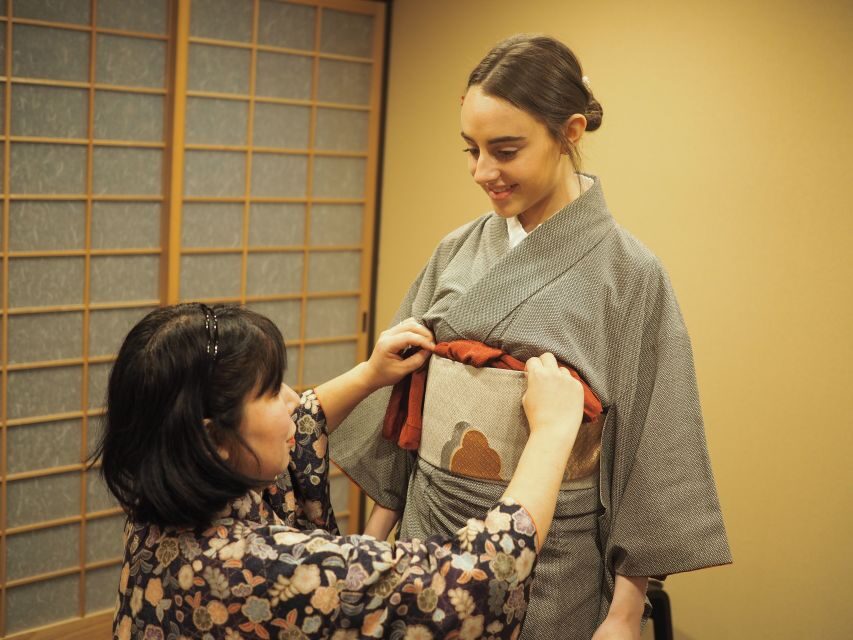
Wearing a kimono here isn’t treated like a quick costume photo. The staff helps you choose a kimono you actually want, then supports you through dressing so you look (and feel) put together.
The obi—the wide belt that controls the whole look—gets special attention. Multiple participants highlight how patiently the ladies helped them, and one review specifically called out how much they enjoyed seeing the obi tied beautifully. That’s a big deal, because an obi that’s too loose or sitting wrong can make you fidget the whole session.
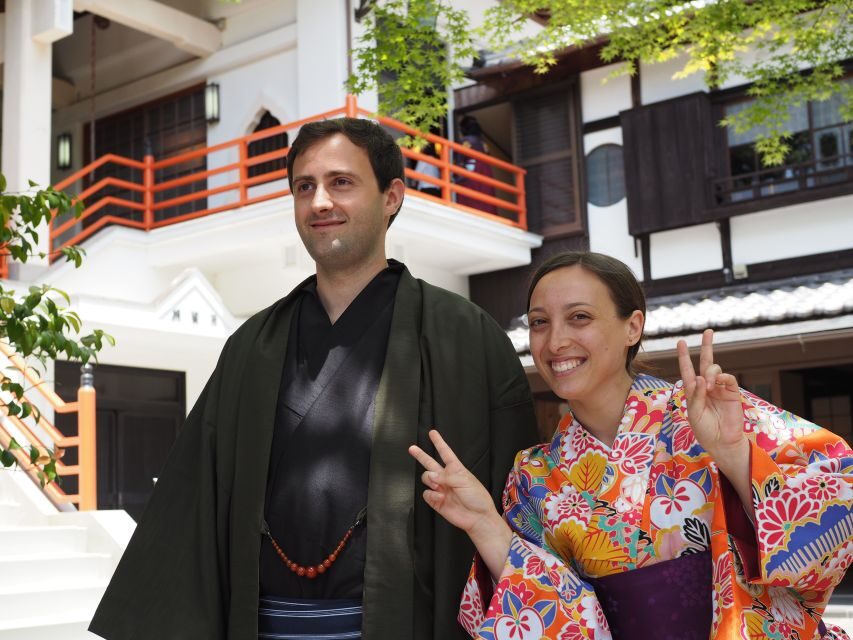
You also get time for photos during and after dressing. The garden setting is a strong bonus here, because you’re not doing picture time in a parking-lot mood. You’re dressed up in a temple environment, with the right calm backdrop.
Practical note: plan to move carefully once you’re dressed. A kimono adds fabric bulk and changes your stride, so treat it like a new outfit with its own rules.
Tea ceremony in Ryurei style: matcha, sweets, and etiquette you can follow
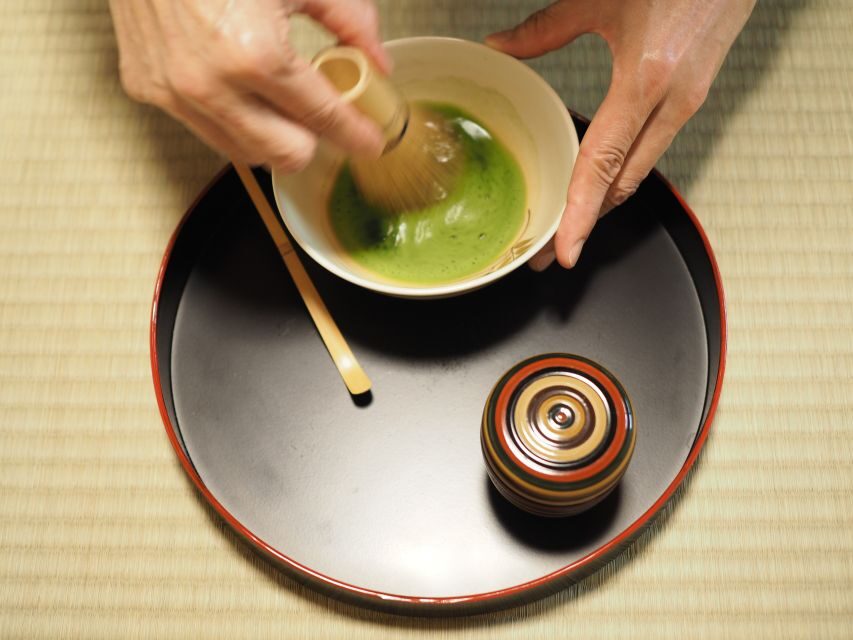
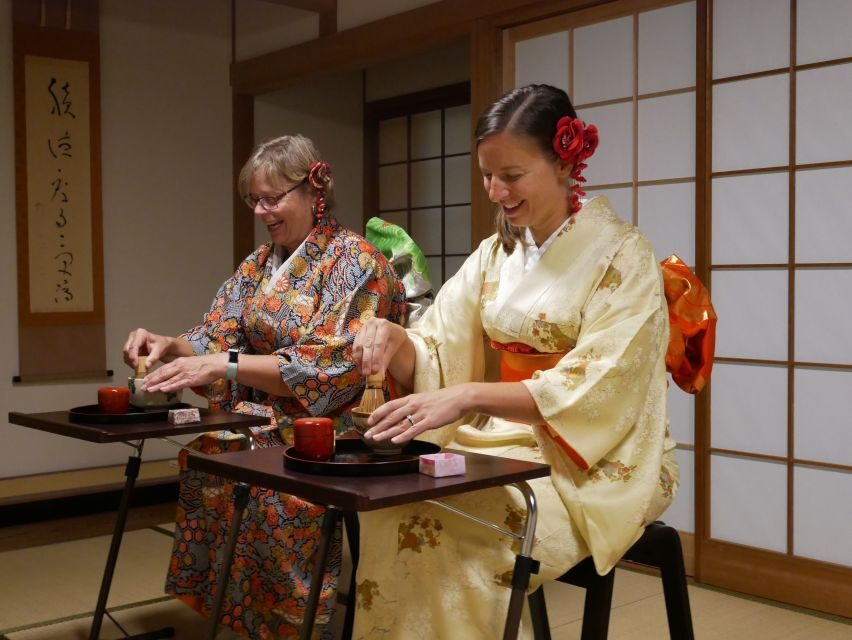
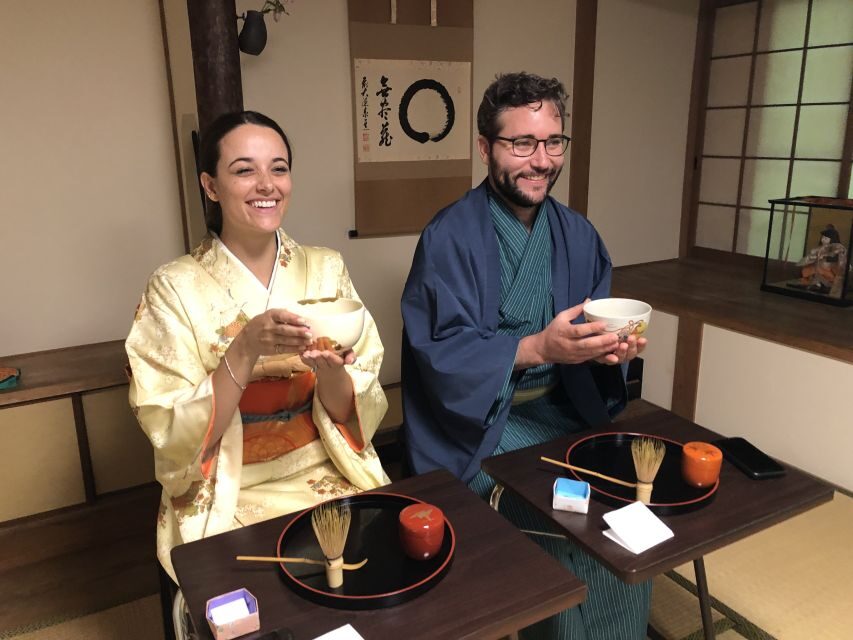
The tea ceremony is run with strict procedures, and that’s exactly why it feels authentic rather than like a performance for tourists. You’re guided through the flow: greeting, tool purification, making the tea, cleaning up the utensils, and closing the ceremony.
You’ll drink matcha and also eat two types of sweets as part of the ritual. The staff explains both how to prepare the tea and how to drink it in the correct manner. Even if you don’t memorize every detail, you’ll understand the idea behind the process: each step has a purpose, and the pace slows you down.
One important detail: this version of the tea ceremony uses table and chairs (Ryurei style). That’s great if you don’t want to worry about kneeling or floor seating. You still get the formal choreography—just with a more traveler-friendly setup.
If you’ve only ever had matcha in a cafe, this is the difference-maker. You don’t just taste tea; you learn what’s happening around the tea.
Calligraphy workshop: writing your name in Kanji and kana
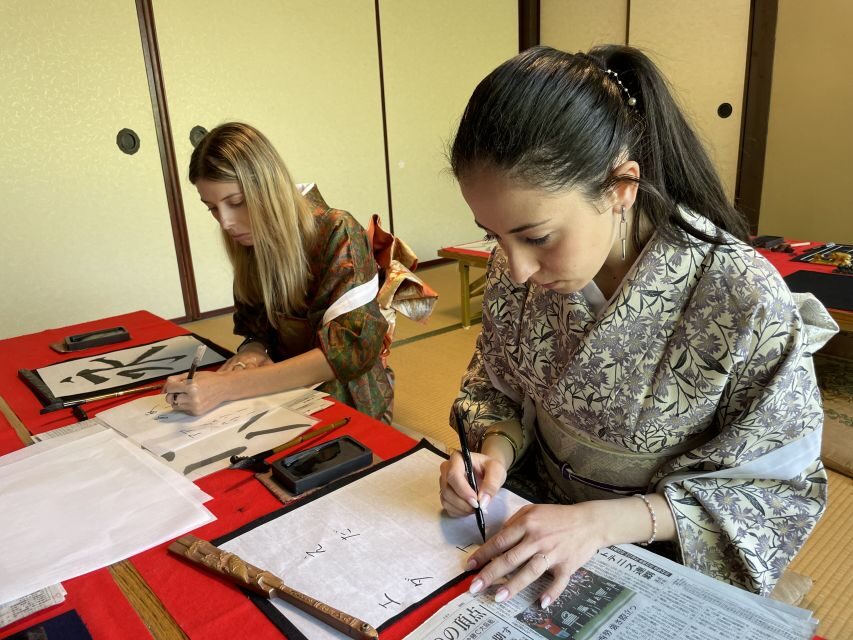
The calligraphy part is one of the most satisfying pieces of the whole experience because you produce a personal souvenir, not just a quick photo.
Here’s what you can expect: during the lesson, you’ll learn how to draw the lines with step-by-step instruction. You’ll have time to practice one or more Kanji (Chinese characters). While you practice, your instructor makes a sample of your name, and then helps you copy it carefully.
After you practice the Kanji, the lesson moves to writing your name in Japanese scripts—Hiragana or Katakana—depending on what you’re doing and what the instructor guides you toward. Finally, you sign your work with Japanese, then wrap it so you can take it home safely.
This is also a “use your hands” activity in a good way. Several people mention how patient the staff is, and how calm it feels once you’re focused on the strokes. If you like activities that make you slow down and concentrate (even a little), this part hits.
If you’re traveling with kids, note that the activity isn’t suitable for children under 6, so check family fit before you book.
Amulet making option: Kumihimo, mini rice scoops, and Kinseki Jizou
Not every booking includes amulet making, but it’s offered as an option and it’s memorable. The process is done in the temple’s main hall, which keeps it feeling grounded in the place rather than like a craft booth.
You start by choosing from 300+ amulet bags, and the bags are hand-made from kimono fabric. That selection matters because the bag isn’t just packaging. You’re picking something with character, color, and pattern.
Then you add the wish mechanism. You choose Kumihimo, a code tied in a special way. You write or stamp your wish onto a mini rice scoop, and then put everything together to create your own amulet.
The ritual moment comes at the end: once your amulet is assembled, you greet Buddha Kinseki Jizou to report that you’re here to make a wish.
What’s worth knowing is the emotional tone. This isn’t just making a token. The way it’s structured gives the wish-setting a real ceremony feel.

The garden photo session: more than a backdrop
The Japanese garden is part of why this works so well. While you’re on-site, you get time for photo taking, and the staff helps with pictures in addition to allowing you to take your own.
A couple practical tips come straight out of the experience pattern. First, lighting matters in the garden—one participant noted their photos had uneven light on faces and suggested they could test best spots for light. So if you care about sharp, bright portraits, ask the staff for the best angles while you’re there.
Second, build your schedule around the “slow down” feel. People mention that sessions don’t feel rushed, and some ended up staying longer than the stated time window. So don’t plan tight transfers right after—give yourself some buffer.
Also, staff sends the photos to you afterward by email or on-site via airdrop. That’s a nice convenience because you’re not stuck sorting shots at the exact moment you want to enjoy the temple grounds.
Timing, group size, and how long it actually takes
The experience typically runs 1–2 hours, and it’s offered in a small group format. For most people, that’s a sweet spot: long enough to do real instruction (tea steps, calligraphy practice), short enough that you don’t feel drained afterward.
Even so, pay attention to the realistic rhythm. Multiple participants emphasize the relaxed pace and the fact that there are plenty of moments for photos. That can stretch the visit a bit.
If you’re trying to connect this with other Miyajima plans, I’d give yourself a generous gap after. That way, if your kimono fitting takes a little extra time or your instructor wants you to practice one more line, you won’t feel rushed.
Price and value: what $90 buys beyond the photo
At about $90 per person, this isn’t a “cheap craft.” But the value isn’t just that there’s a hands-on component. It’s what’s included and how much instruction time you actually get.
From the included items:
- All tools for calligraphy
- Two types of sweets
- Two bowls of matcha tea
And beyond the listed “stuff,” you’re also getting:
- kimono dressing and selection help
- instruction in tea ceremony procedures
- a calligraphy keepsake you can take home
- optional amulet making, depending on what you book
- photos taken by the staff plus your own photo time
In other words, you’re paying for access to a structured cultural moment, not just for materials. If you want a souvenir that’s personal (your writing) and a story you can explain later (how the tea steps flow), the price starts to feel fair for what you get.
If you’re the type who prefers free-form shopping and doesn’t want to follow steps, this might feel like you’re paying for a schedule. But if you want guided tradition, it’s a strong use of time.
Who should book this experience (and who may not love it)
This is a great fit if you want:
- a cultural activity you can do in a short window
- real instruction in calligraphy (not just a demo)
- a matcha experience that comes with etiquette
- a kimono moment with real dressing help
- photos handled by someone who understands the best angles
It’s also family-friendly in spirit—one participant even described it as a favorite family activity, with a wide age range mentioned. Just keep the key rule in mind: children under 6 years old can’t participate.
It may not be the right fit if you:
- have mobility impairments (the experience is not recommended)
- don’t want shoe-removal temple etiquette as part of the visit
Should you book this temple tea, calligraphy, and kimono experience?
If you want a genuinely hands-on Miyajima experience, I’d book it. The combination is what makes it work: you wear the kimono, you learn the tea ritual, you practice calligraphy, and you leave with something you made yourself. Add the garden photos and the staff sending images afterward, and it becomes a tidy package of culture with practical payoffs.
If you’re short on time but still want something more meaningful than walking around sights, this is a smart use of your hours. Just go in expecting instruction, calm rules, and a bit of slow focus—this isn’t a grab-and-go activity.
FAQ
What’s the duration of the experience?
The experience lasts about 1 to 2 hours, depending on the option you book and how the session flows.
What activities are included?
Depending on your booking, you may do a tea ceremony (with sweets and matcha), calligraphy (with tools provided), and/or amulet making, all while wearing a kimono.
Is the tea ceremony served at tables and chairs?
Yes. The tea ceremony is described as Ryurei style, which uses table and chairs.
What language are the instructors?
The lesson is held in English or Japanese, with instructors who can teach in those languages.
Will I get help with writing my name?
Yes. During calligraphy, the instructor makes a sample of your name and you practice writing Kanji and then write your name using Hiragana or Katakana.
Can I take my calligraphy work home?
Yes. After you finish, your artwork is wrapped so you can safely take it home.
Is amulet making an option?
Yes. Amulet making is offered as an option, including choosing from many kimono-made amulet bags and setting a wish.
How do the photos work?
Photos are taken during the session, and the photos are sent to you by email or via airdrop on site.
Do I need to remove my shoes?
Yes. You must remove your shoes to enter.
Is it suitable for young children?
No. Children under 6 years old cannot participate in the activities.