REVIEW · HIROSHIMA
Hiroshima: Miyajima Peace Memorial Icons of Peace and Beauty
Book on GetYourGuide →Operated by Pinpoint Traveler · Bookable on GetYourGuide
Memory and beauty share one 8-hour day. This tour pairs the emotional core of Hiroshima with the sea-hugging calm of Itsukushima Shrine, so your day moves from history to hope without whiplash.
I love how the Hiroshima Peace Memorial Park and Atomic Bomb Dome are treated with care, not rushed sightseeing energy. I also love the contrast of Miyajima, where you get a real chunk of island time for tea houses, handicrafts, and maple-leaf snacks.
One consideration: the day involves a lot of walking, and you’ll be on public transport plus ferry time. If mobility is a concern, plan for uneven stone and outdoor steps.
In This Review
- Key highlights worth clocking
- Where the day starts: walking into Hiroshima’s meaning fast
- Hiroshima Peace Memorial Park and the Atomic Bomb Dome
- The Cenotaph, cranes, and the Flame of Peace
- Hiroshima Peace Memorial Museum: where facts meet emotion
- The practical magic of getting to Miyajima by tram and ferry
- Itsukushima Shrine: the sea, the torii, and careful timing
- Tenshinkaku and Senjokaku: peaceful spaces after the main shrine
- The Miyajima walkabout: tea houses, momiji manju, and crafts
- Lunch timing: what’s included and how to plan for your food
- Professional photo option: turning landmarks into real keepsakes
- Price and value: why $163 can make sense
- Who this tour is best for
- The one “read this before you book” caution
- Should you book this Hiroshima and Miyajima tour?
- FAQ
- How long is the tour?
- Where do I meet the guide?
- Is lunch included?
- What’s included in the price besides the guide?
- Do I get any free time on Miyajima?
- Is the shrine visit affected by the tide?
- What languages are available?
- Is there an option for professional photos?
- What if I’m traveling solo and the minimum group size isn’t met?
- Is free cancellation available?
Key highlights worth clocking
- Atomic Bomb Dome: a UNESCO World Heritage Site that anchors Hiroshima’s story in a single, unforgettable view.
- Cenotaph, cranes, and Flame of Peace: symbolic stops that slow your pace and sharpen your focus.
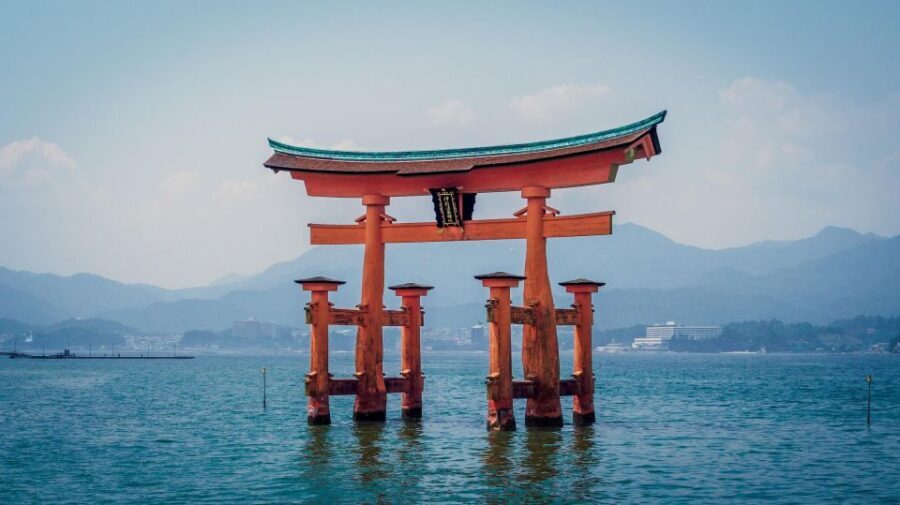
- Itsukushima’s high-tide look: the shrine can appear to float when the tide is right.
- Public transport plus ferry: you’ll ride tram and ferry, including a relaxing boat crossing to Miyajima.
- Guides like Ken (Kensuke) and Alex: frequently praised for smooth pacing, clear explanations, and crowd timing.
- Optional professional photos: photo framing help so you don’t just point and shoot.
Where the day starts: walking into Hiroshima’s meaning fast
You meet at a 7-Eleven just outside Hiroshima Peace Memorial Park, which is a smart way to get your bearings quickly. From there, the tour wastes less time on logistics and more time on what you’re actually there to see.
The mood changes as soon as you enter the grounds. You’re moving through a place designed for reflection, so you naturally slow down—and that makes the rest of the day land better.
Other Miyajima Island tours in Hiroshima
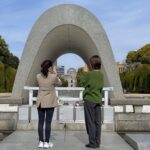
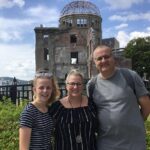
Hiroshima Peace Memorial Park and the Atomic Bomb Dome
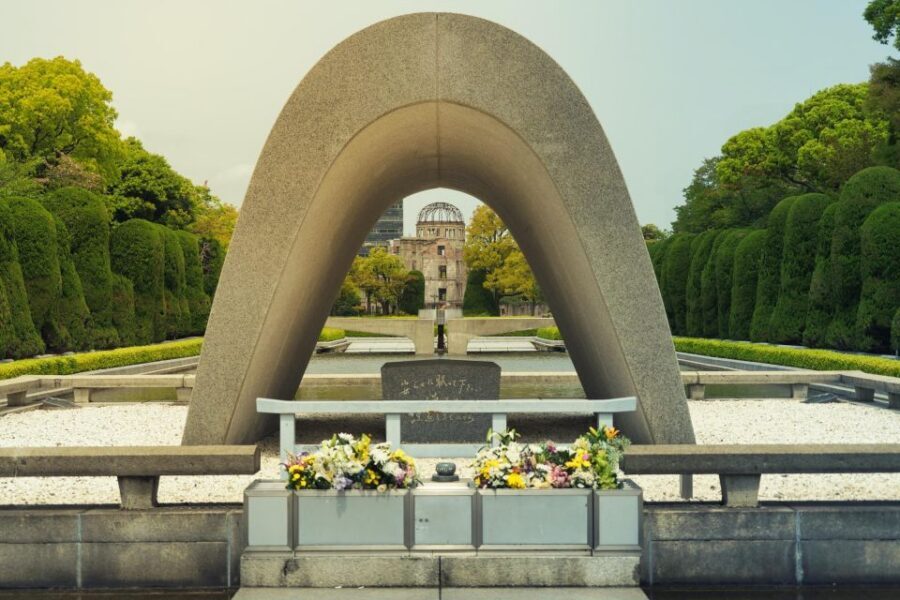
The Hiroshima Peace Memorial Park section is the emotional engine of the day. You spend guided time in the key areas, then you’re set up to take it in on foot at your own pace.
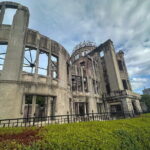
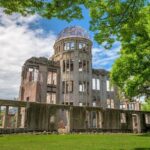
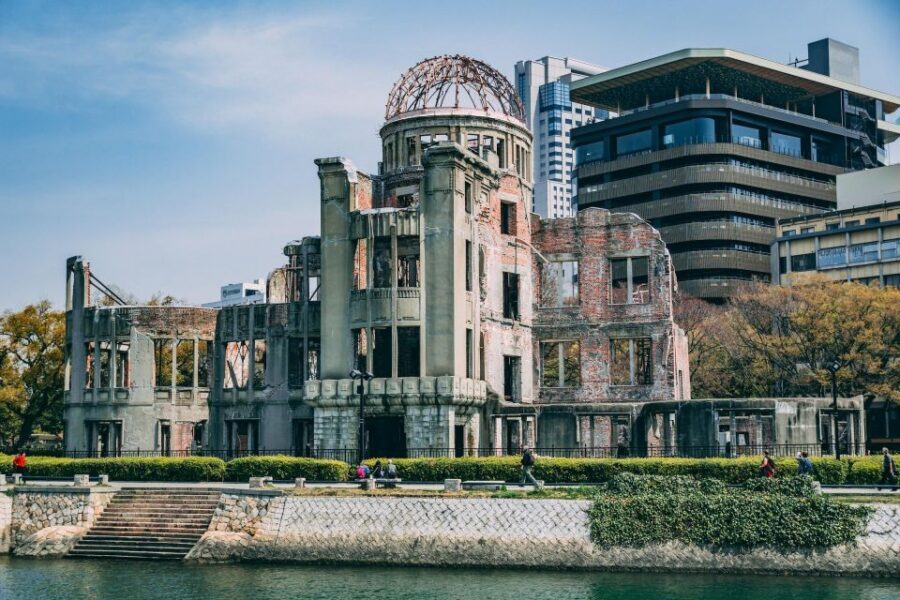
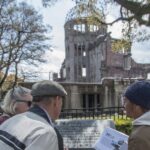
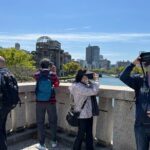
The Atomic Bomb Dome is the visual anchor. Seeing the building preserved in place—surrounded by greenery and daily life—creates a strange, hard-to-forget contrast. It’s also UNESCO World Heritage, which adds an extra layer of cultural and historical weight.
The Cenotaph, cranes, and the Flame of Peace
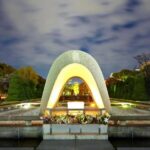
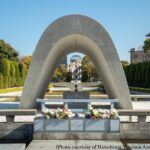
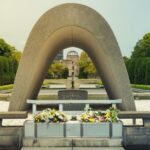
Right in the memorial space, you’ll come across the Cenotaph for the A-bomb Victims. Nearby, the paper cranes are a powerful, human-scale symbol of the wish for peace, and they change how you read the whole site.
You’ll also see the Eternal Flame of Peace, which keeps the message moving forward. It’s one of those stops where you can feel the intention behind the design, not just the information on signs.
Hiroshima Peace Memorial Museum: where facts meet emotion
The museum visit is guided and runs long enough to matter—about an hour. This is where the day stops being scenery and starts being details: what happened, how it affected people, and why the world still pays attention.
You may find the museum emotionally heavy, but that heaviness is part of why the tour format works. Having a guide helps you keep context while you’re absorbing hard material, so your attention doesn’t scatter.
The practical magic of getting to Miyajima by tram and ferry
After Hiroshima, you shift gears and move toward Miyajima using public transport. The day includes tram and ferry fares, so you’re not solving ticket math while also trying to enjoy the transfer.
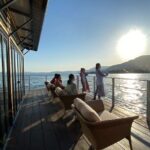
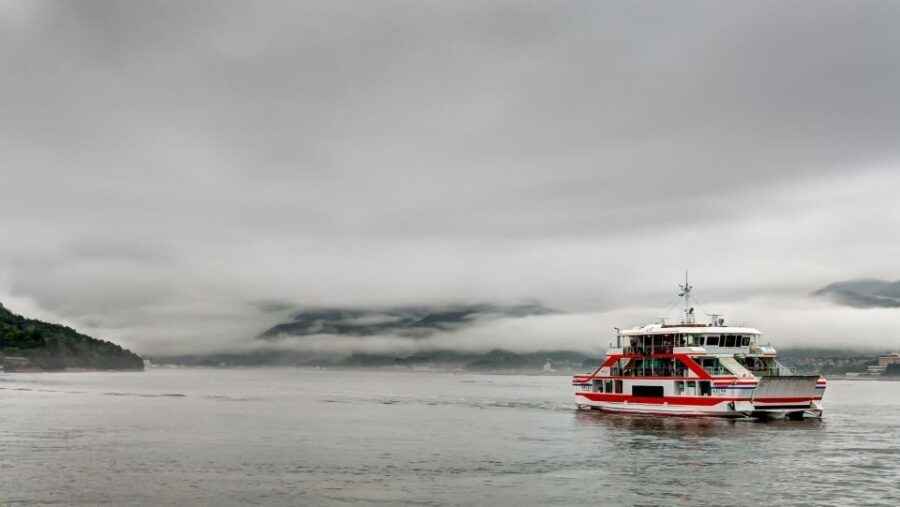
The boat ride is genuinely pleasant. You get time to look out over the Seto Inland Sea while the day becomes less solemn and more scenic.
Other Peace Memorial Park tours in Hiroshima

Itsukushima Shrine: the sea, the torii, and careful timing
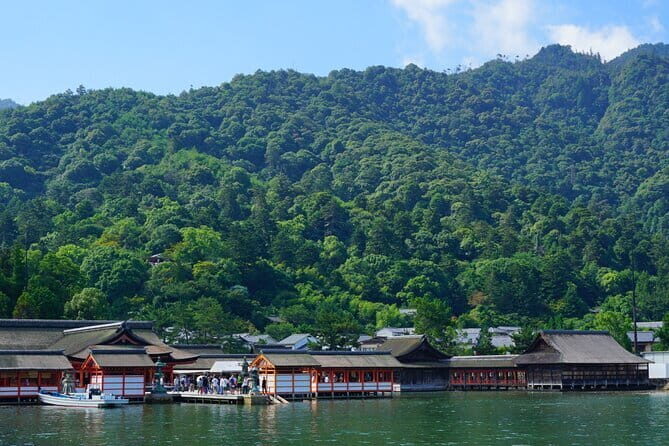
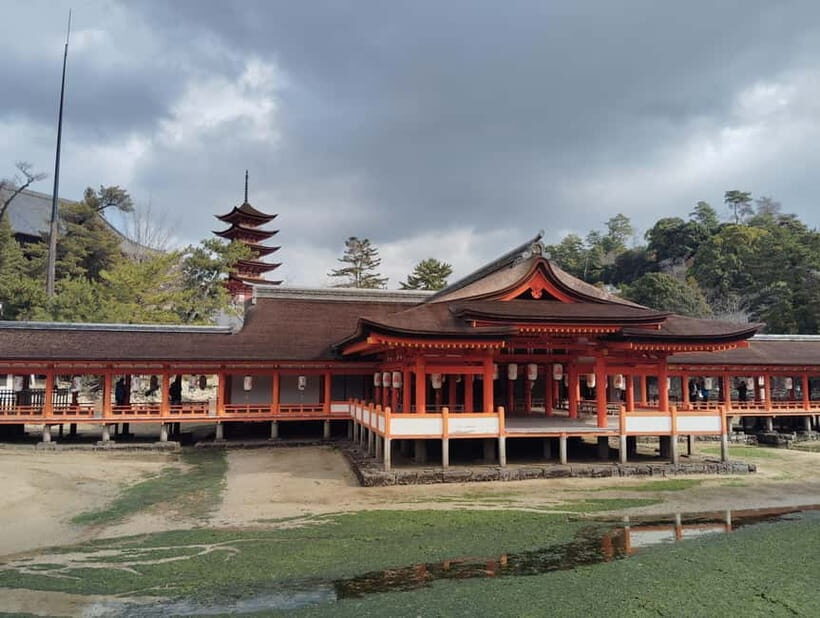
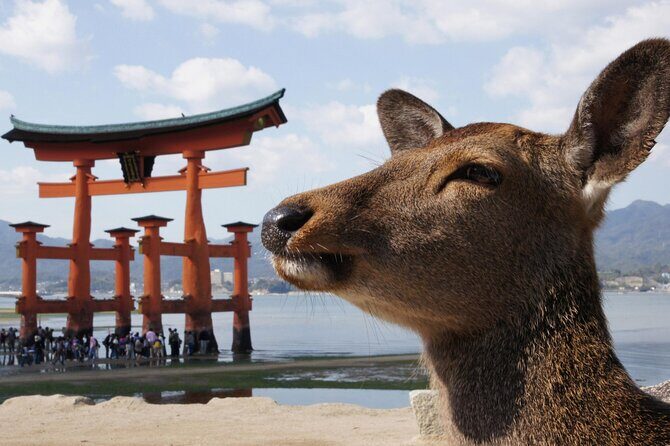
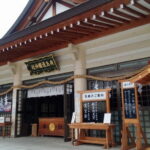
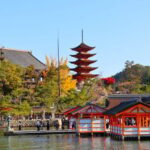
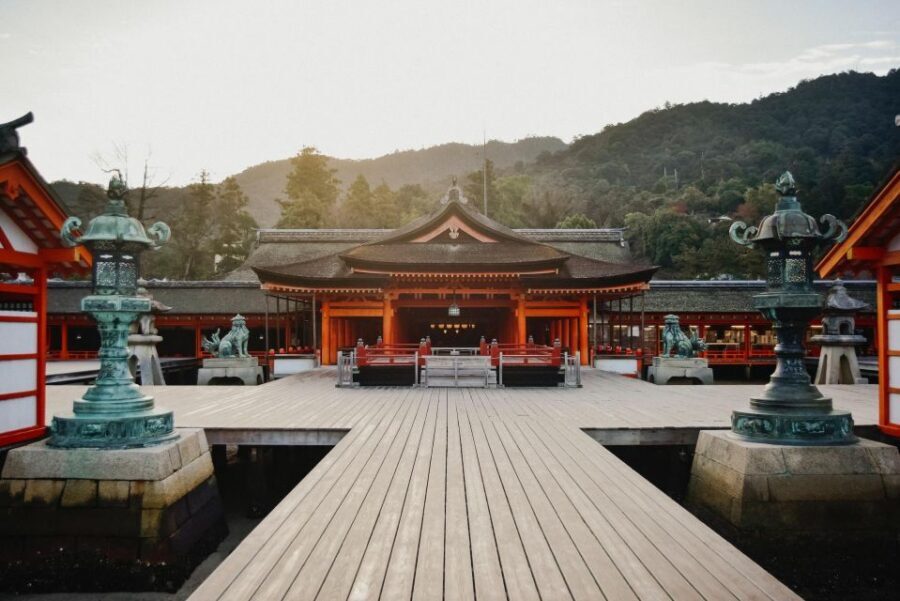
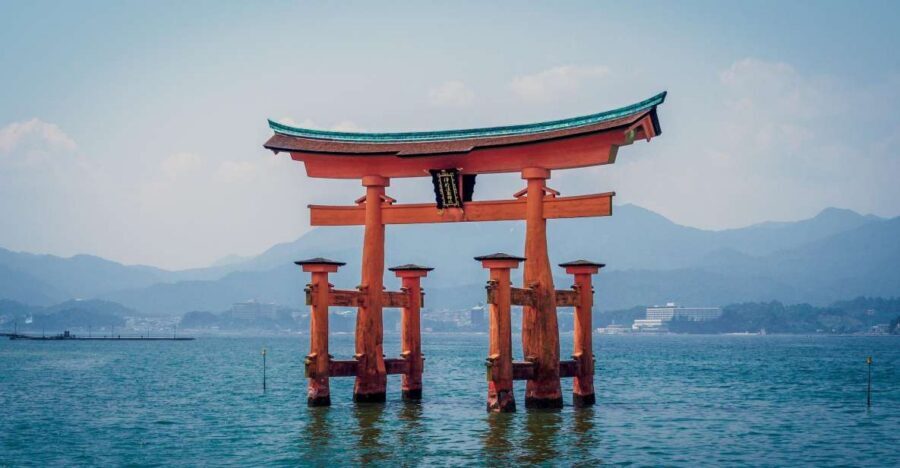
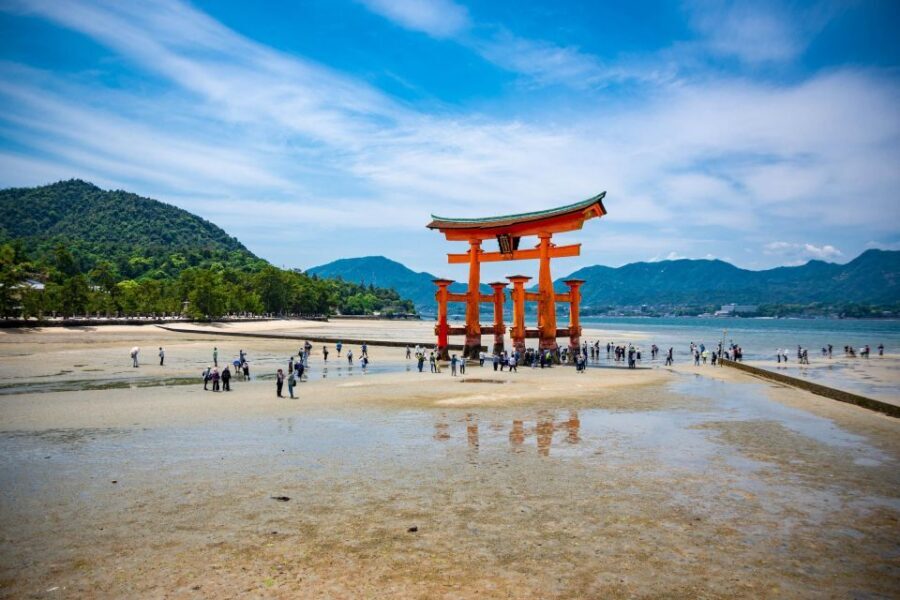
Itsukushima Shrine is the big Shinto centerpiece of Miyajima. You’ll have guided time here, including time to take in the famous views from the water’s edge.
A fun detail to watch for: during high tide, the shrine can appear to float. Even if you don’t get the exact tide moment, the setting still feels special because it’s built to sit with the sea as part of the experience.
You’re also visiting a place with strong craft details—woodwork, shrine architecture, and interiors in spaces like the Tenshinkaku (the Pavilion of Heavenly Spirits). You don’t need to be a design nerd to appreciate it; it’s readable even at a glance.
Tenshinkaku and Senjokaku: peaceful spaces after the main shrine
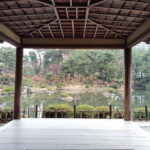
Beyond the main shrine area, you’ll visit Tenshinkaku and Senjokaku Pavilion. These are calmer, less rushed-feeling stops that give your eyes and your brain a breather.
Tenshinkaku is described as a serene retreat with intricate wooden design and traditional tatami interiors. Senjokaku adds another architectural highlight, and it’s a nice way to connect the shrine’s spiritual mood to the physical layout of the island.
The Miyajima walkabout: tea houses, momiji manju, and crafts
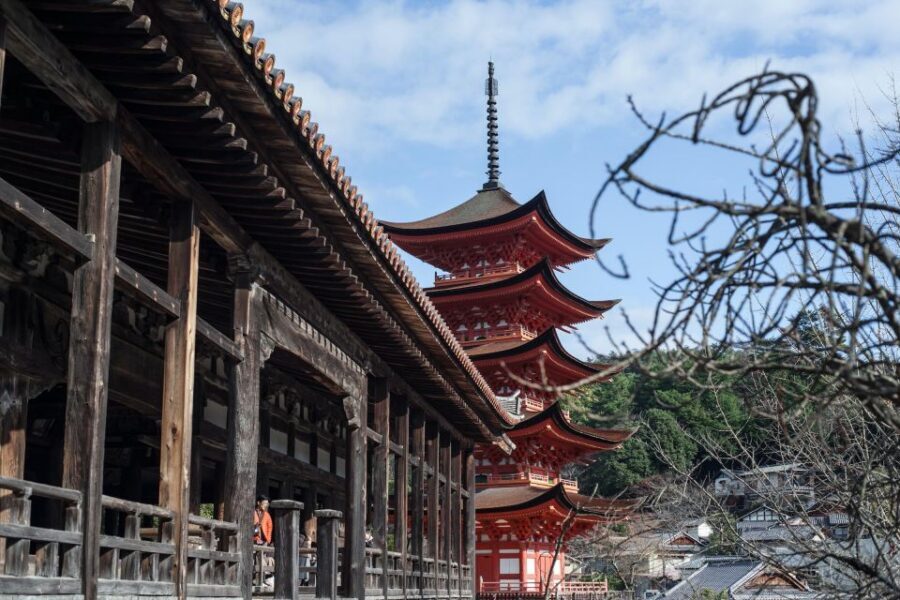
Miyajima isn’t only about big monuments. The tour gives you a proper stretch of personal time—about an hour—so you can wander the streets at your own speed.
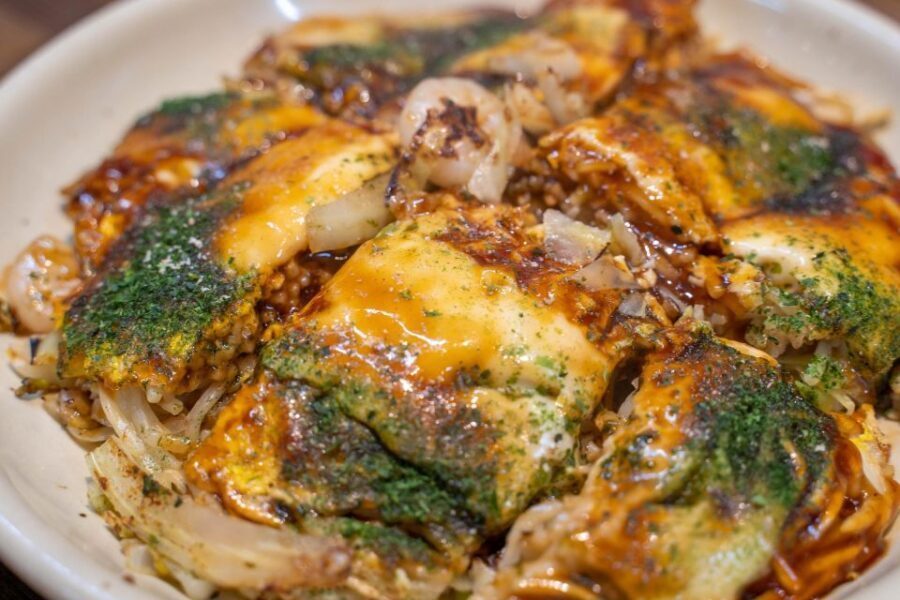
Look out for momiji manju, the maple-leaf-shaped cake that comes with sweet or savory fillings. It’s a classic island snack, and it’s easy to grab while you’re browsing shopfronts and stalls.
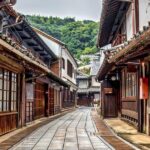
This is also where tea houses and handicrafts come in. You’ll get a chance to shop for small souvenirs and take your own photos without feeling like you’re dragging behind a group.
Lunch timing: what’s included and how to plan for your food
Lunch isn’t included, but the schedule builds in a lunch window on Miyajima. That’s helpful because it means you can choose something that fits your appetite and dietary needs.
In practice, guides like Ken (Kensuke) have helped coordinate lunch options such as vegan-friendly choices when possible. If food needs matter to you, ask your guide what nearby places work best.
Professional photo option: turning landmarks into real keepsakes
If you choose the professional photo option, your guide-photographer support helps you capture moments of reflection at Hiroshima and the key shrine views on Miyajima. The value here is not fancy editing—it’s that someone is helping with framing and timing so your pictures feel intentional.
This can be especially useful at Itsukushima Shrine, where the best shots depend on where you stand and how you angle the waterline. Even if you’re a confident photographer, you’ll likely appreciate not having to “figure it all out” while the day is moving.
Price and value: why $163 can make sense
At around $163 per person for an 8-hour day, this isn’t a budget-only tour, but it’s also not overpriced for what’s included. You’re paying for a live guide, public transport fares (tram and ferry), and entrance fees for major stops like Peace Memorial Park and Itsukushima Shrine.
That matters because the day is mostly “high friction” sightseeing. You’ll spend energy finding routes, buying transit tickets, and timing entrances unless someone else handles it. When a guide also keeps the pace tight and helps reduce waiting time, the cost starts to look less like a markup and more like buying back your attention.
Who this tour is best for
This tour is ideal if you want one day that covers the Hiroshima core and then gives you a beautiful counterweight in Miyajima. It’s also a strong pick if you’d rather not stress about transit and crowd timing while reading emotionally heavy sites.
You’ll especially enjoy it if you like guided context. Many people find that learning how the memorial pieces connect—like the Cenotaph, cranes, and Flame of Peace—helps the sites make sense instead of just passing through your eyes.
The one “read this before you book” caution
Plan for uneven walking surfaces and outdoor steps. There’s enough movement that mobility issues could make the day harder than it looks on paper.
If you’re sensitive to emotional intensity, also know the Hiroshima portion includes both the memorial spaces and a museum. You don’t have to be a history buff to handle it, but you do want your stamina for a heavy half-day.
Should you book this Hiroshima and Miyajima tour?
Yes, if you want a guided day that treats Hiroshima with respect and still delivers a scenic, rewarding afternoon on Miyajima. The guide-led pacing, included transport, and time on the island for browsing make it feel efficient without becoming rushed.
I’d skip it only if you strongly prefer total independence, or if walking volume could be a serious problem for you. For most first-time visitors to this region, this is a smart “two-worlds” day that lands.
FAQ
How long is the tour?
The tour runs for 8 hours.
Where do I meet the guide?
You meet at the 7-Eleven Hiroshima Motoyasubashi East Store.
Is lunch included?
No, lunch is not included. There is time set aside for lunch on Miyajima.
What’s included in the price besides the guide?
Entrance fees to Peace Memorial Park and Itsukushima Shrine are included, along with public transportation fares (tram and ferry).
Do I get any free time on Miyajima?
Yes. You’ll have about an hour of free time to explore Miyajima on your own, plus a separate lunch window.
Is the shrine visit affected by the tide?
Itsukushima Shrine can appear to float during high tide, so tide conditions can change how the view looks.
What languages are available?
The live guide is available in English and Spanish.
Is there an option for professional photos?
Yes, there is a professional photo option with guide-photographer support for Hiroshima and Miyajima moments.
What if I’m traveling solo and the minimum group size isn’t met?
If the minimum isn’t met for solo travelers, you’ll be offered an alternate date, a solo supplement of 16,000 yen, or a full refund.
Is free cancellation available?
Yes. You can cancel up to 24 hours in advance for a full refund.