REVIEW · HIROSHIMA
Hiroshima & Miyajima: UNESCO A-Bomb Dome & Itsukushima
Book on GetYourGuide →Operated by Local Gem Tour Hiroshima · Bookable on GetYourGuide
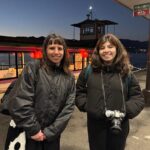
Hiroshima lands differently with family stories. This fully private day pairs Miyajima (Itsukushima Shrine and temple scenery) with Hiroshima’s Peace Memorial sites, guided by Japanese locals who bring lived memory—sometimes passed down through survivor families. You’re also moving on a timetable that can flex for tides, so the famous floating torii may look its best.
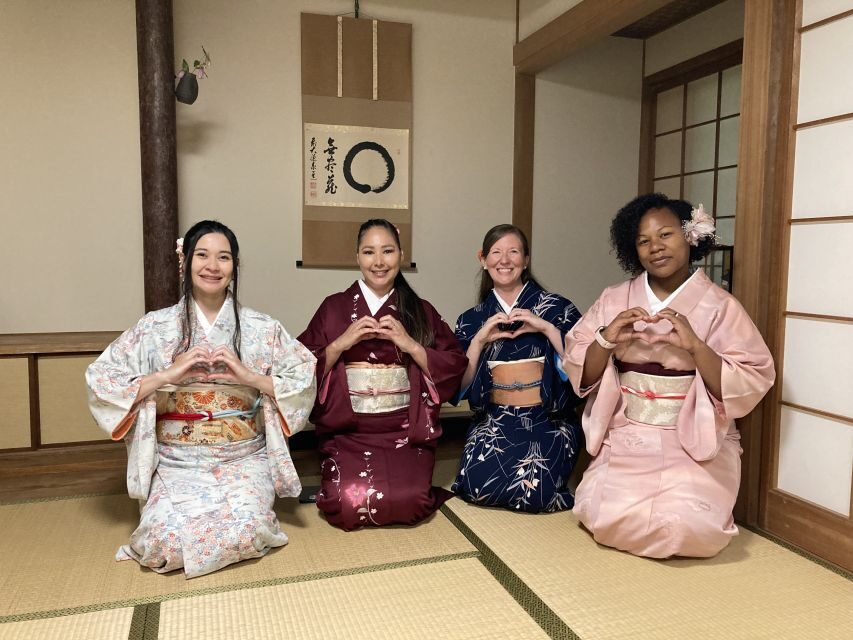
I especially love the way Miyajima starts calm and spiritual, then shifts into Hiroshima’s solemn center with context you won’t get from a quick walk-through. I also love the personal angle: guides like Masa (Masayo) and Yuka share stories rooted in Hiroshima families, including second-generation atomic bomb survivor perspectives.
One consideration: this is an emotionally heavy itinerary, and the Peace Memorial Museum is closed Feb. 16–21 for renewal—so if your dates land there, plan your visit around what’s open.
In This Review
- Key things to know before you go
- How a Private Guide Changes Miyajima and Hiroshima
- Miyajima Opening Scene: Floating Torii Gate and Itsukushima Shrine
- Daisho-in, Senjokaku, and the Omotesandō Rhythm
- Eating and Snacking on Omotesandō (Without Overpaying)
- Moving to Hiroshima: Shukkei-en and Hiroshima Castle Stops
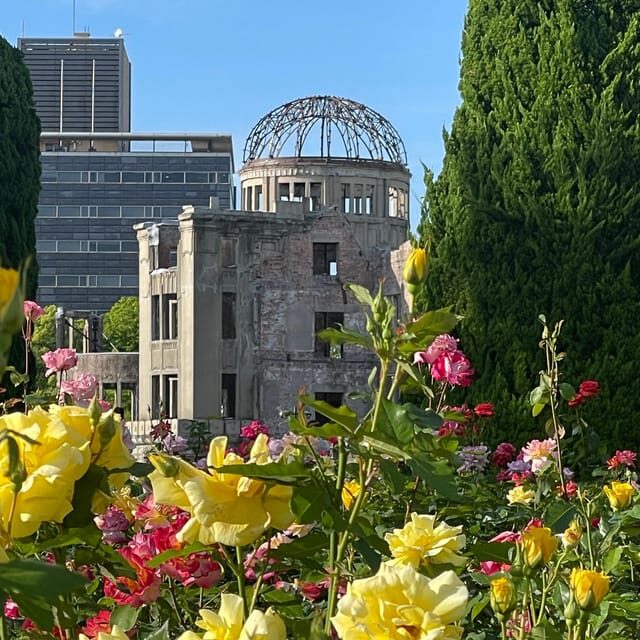
- Atomic Bomb Dome and Hypocenter: What You’re Really Looking At
- Peace Memorial Park and Museum: Planning Your Emotional Time
- Getting Around in 7 Hours Without Losing Your Mind
- Price and Value: What You Get for $177 Per Person
- Who Should Book This Hiroshima and Miyajima Tour
- Should You Book This Hiroshima and Miyajima Day Tour?
- FAQ
- How long is the Hiroshima and Miyajima private tour?
- Is pickup included, and where does it work from?
- What sites are included in the itinerary?
- Are entry tickets included?
- What about the Peace Memorial Museum closure?
- What costs are not included in the tour price?
Key things to know before you go
- Second-generation atomic bomb survivor family perspectives from Japanese local guides
- Tide-aware timing for the Itsukushima Floating Torii Gate photo stop
- Miyajima’s shrine-to-temple flow with Daisho-in and Senjokaku included in the rhythm
- Peace Memorial Park sites plus museum entry with guided framing for meaning
- Photo support with photography data provided by your guide
- Private pacing so you can pause, reflect, and go at your comfort level
How a Private Guide Changes Miyajima and Hiroshima
A private guide does more than save you transit time. Here, it changes the tone of the day. On Miyajima, you’ll get symbolism explained as you walk; in Hiroshima, you’ll get context explained as people remember.
Most of the guidance is practical: where to stand for the best views, how to move between public transport legs, and when the group should slow down. But the biggest value is personal. Guides such as Masa (Masayo Kobayashi) and Yuka often connect history to family memory, including accounts shaped by second-generation atomic bomb survivors. That adds a human layer to the usual set of facts.
The tour is also designed to be flexible. The itinerary can change depending on your departure point and tide conditions at Miyajima, and you’ll use either public transportation or taxi if you want.
Other Miyajima Island tours in Hiroshima
Miyajima Opening Scene: Floating Torii Gate and Itsukushima Shrine
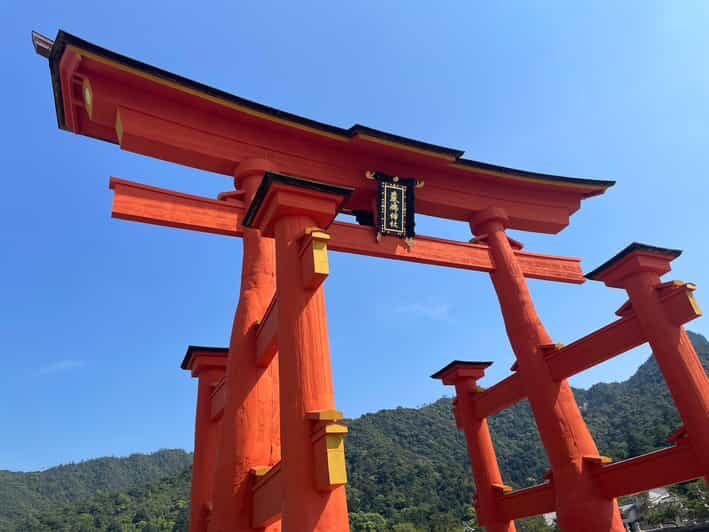
You start on Miyajima for a reason: the day begins with beauty and calm, then later becomes heavy. The schedule typically includes ferry time, then stops that build from landmark to meaning.
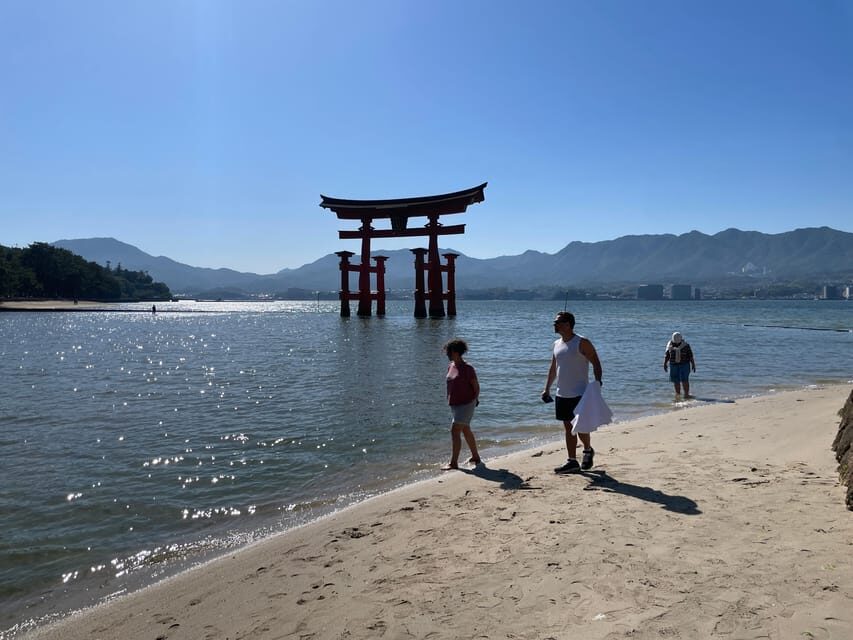
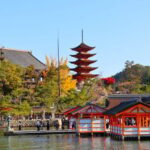
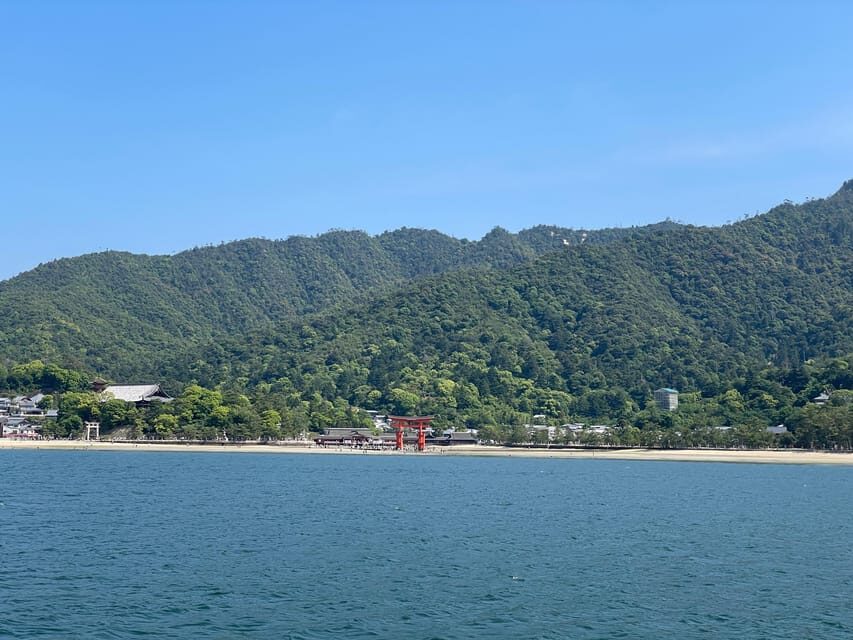
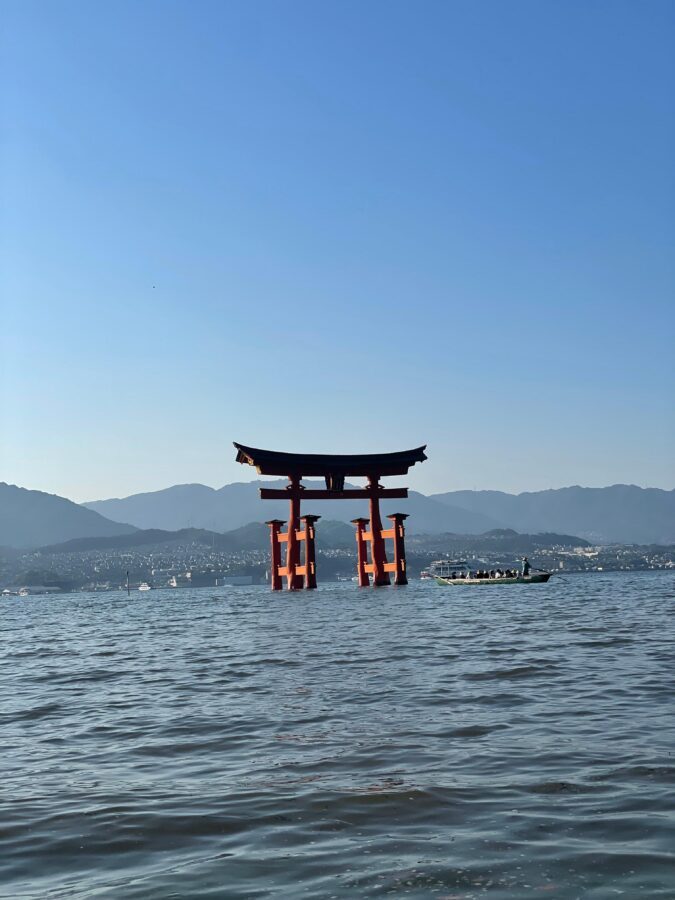
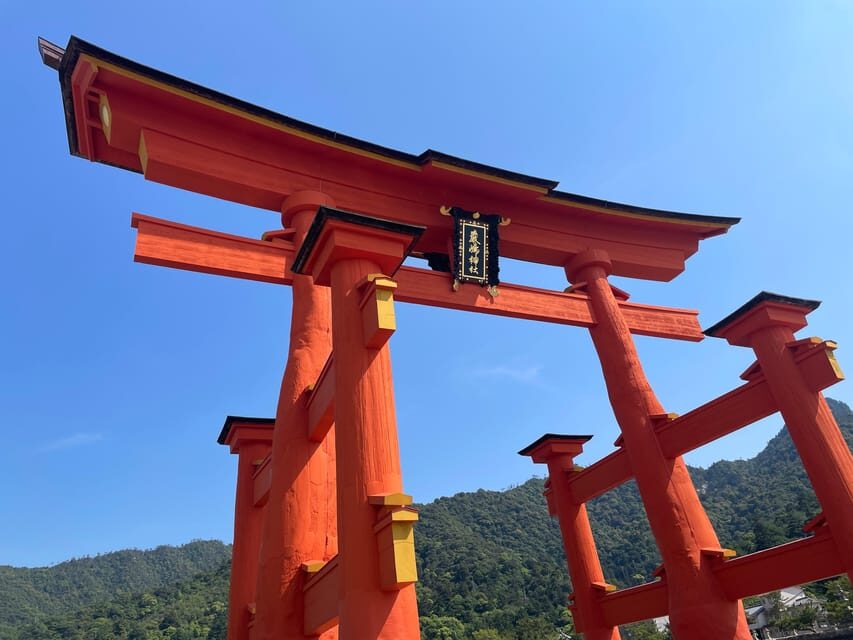
First comes the Itsukushima Floating Torii Gate. This is the “postcard” moment, but the tour treats it like more than a photo. Your guide will time the view based on tides, which can affect how much of the torii looks to float. In real life, tides matter. If you’ve only ever seen it on the internet, you’ll notice the difference here.
Then you reach Itsukushima Shrine, a UNESCO World Heritage site. You’ll get guided time plus free time for scenic views, so you can wander without feeling pushed. The shrine area is also where the day starts to make sense spiritually: you’ll hear how the site’s relationship to water and worship works, and you’ll see how people move through the space.
A big plus is pace. Miyajima is crowded sometimes, but the structure of this tour makes it easier to breathe—so your mind is ready for Hiroshima later.
Daisho-in, Senjokaku, and the Omotesandō Rhythm
After the shrine, the itinerary shifts into the older-temple and pilgrimage-side of Miyajima. Daisho-in is next, with both a photo stop and guided visit time. This is where the day goes beyond the torii-and-deer loop. You’ll get explanations that turn a walk into a story about tradition and symbolism, and you’ll likely spot the wild deer people talk about.
Then comes Senjokaku Pavilion. Even if you’re not a “temple expert,” your guide can help you read what you’re seeing—why it’s here, how it’s perceived, and what it means in the wider Miyajima picture. The stop is short, but it’s paced so it doesn’t feel like rushed boxes on a checklist.
Next you hit Miyajima Omotesandō Shopping Street. This is where the tour becomes very Japanese in a practical way. You’ll have workshop time, then a long stretch for lunch, street food, and shopping (your meals are on your own). This portion is valuable because it breaks up the “sightseeing mode” and gives your day texture—smells, snacks, and choices.
One tip: if you’re hungry, plan to eat here without waiting for a later meal. The schedule gives you enough time to try local items, and the mid-day energy helps when you’re heading into Hiroshima afterward.
Eating and Snacking on Omotesandō (Without Overpaying)
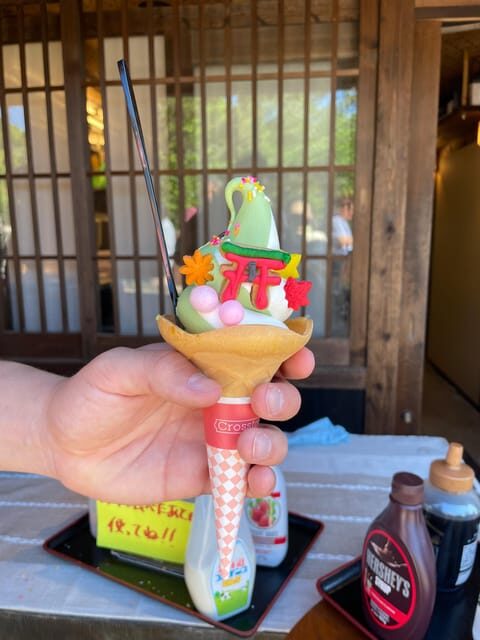
Your lunch window on Omotesandō is generous—about 1.5 hours—and you’ll be able to sample street food and regional treats. Since drink or food isn’t included, your guide’s job is mainly to help you choose well, not to sell you anything.
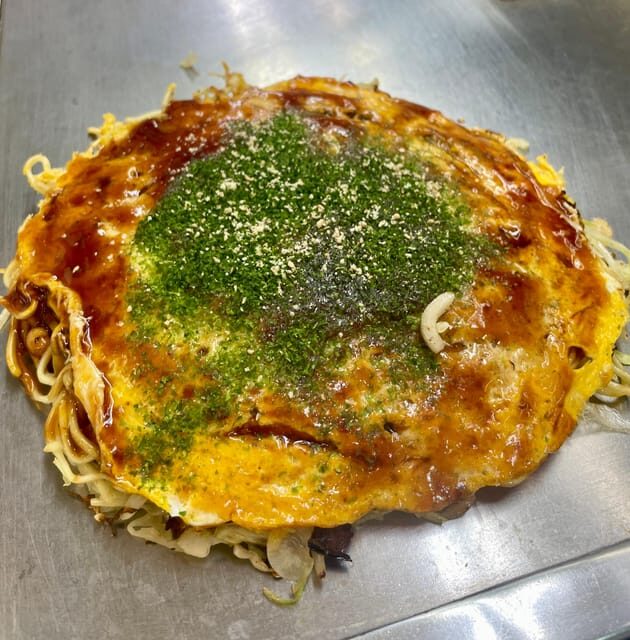
If you want to eat like a local, ask your guide for what’s worth ordering right now and where the line usually moves fastest. Based on what I’ve seen in this kind of guided setup, you may also get suggestions for island specialties. Some people specifically mention things like momiji manju and Hiroshima-style okonomiyaki, though you should treat those as ideas your guide can point you toward rather than guaranteed inclusions.
This is also a smart time for shopping. Souvenirs here are tightly linked to the island’s identity, so you’re not just buying trinkets—you’re buying a small piece of the day’s setting.
Moving to Hiroshima: Shukkei-en and Hiroshima Castle Stops
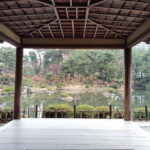
Once you’re back toward Hiroshima, the itinerary adds a breath of green and city texture. Shukkei-en Garden is a photo stop plus guided visit time. It’s included because it balances the day: after Miyajima’s shrine atmosphere, you get a calmer land-based setting that helps you reset.
Then you’ll pass Hiroshima Castle for a photo stop and a short guided visit. The time there is brief—about 15 minutes—so think of it as a snapshot of the city’s layers rather than a full castle day. It’s useful, though, because it anchors Hiroshima beyond the tragedy sites. Your guide can also help you connect what you see to the broader story of the city’s rebuild and identity.
At this stage, the day starts tightening toward the atomic sites. You’ll feel it in the pacing: fewer detours, more meaning per stop.
Other Hiroshima and Miyajima combo tours in Hiroshima
Atomic Bomb Dome and Hypocenter: What You’re Really Looking At
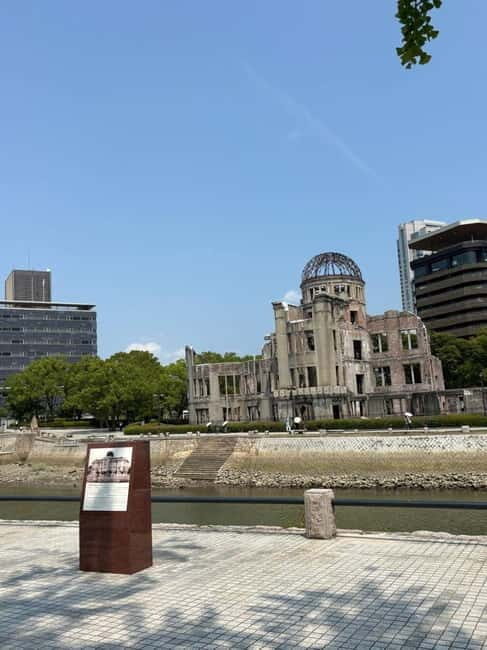
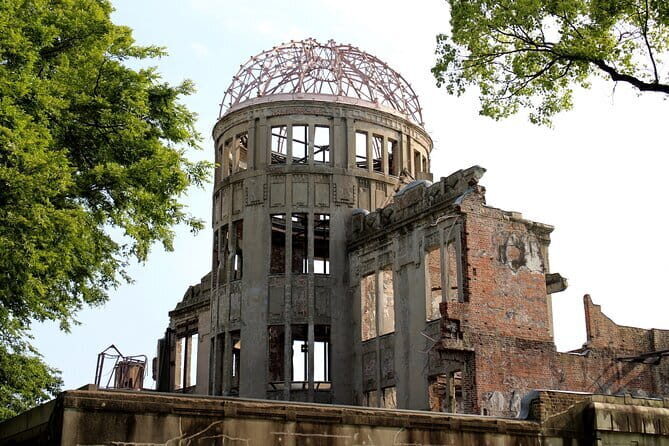
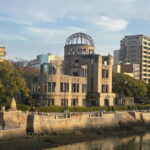
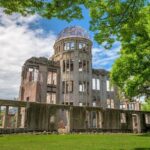
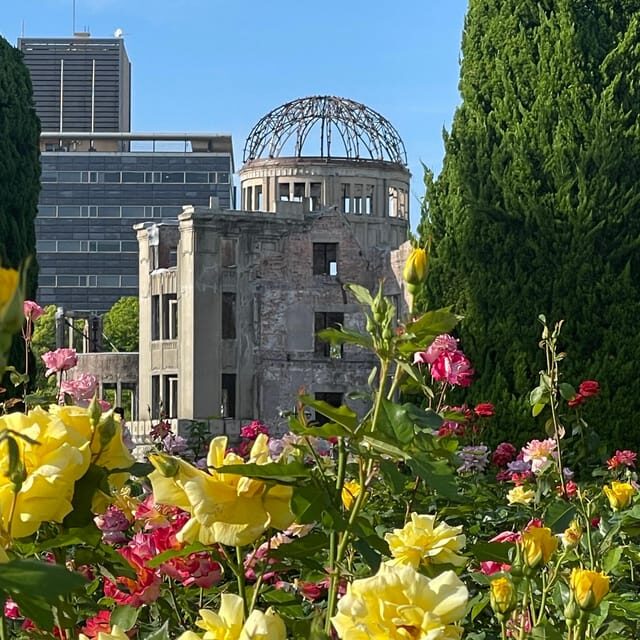
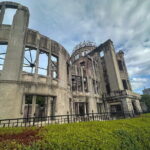
Then comes the hard part, in the best possible way. The itinerary includes the Atomic Bomb Dome (photo stop + guided visit) and the Hypocenter (photo stop + guided visit time).
You might think you already know what the Dome is. That’s the trap. A guide with family memory perspective can change what the Dome represents, not just where it is. The structure becomes a symbol with context—what it survived, how people interpret it, and why it remains so central to Hiroshima’s public remembrance.
The Hypocenter stop is smaller and quieter, but it carries weight. You’ll likely get a clear explanation of the site’s meaning and why it’s treated with care. Expect this part of the day to slow your thoughts down. Even with a guide’s pacing, you’ll probably want a minute to just stand there and look.
This is also where your photo timing matters. If your guide points out where to stand for the framing, take it. These sites are photographed from many angles, but only some angles help you understand scale.
Peace Memorial Park and Museum: Planning Your Emotional Time
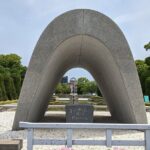
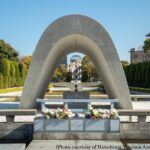
The heart of the day is Hiroshima Peace Memorial Park—with photo stop and guided visit time—and then the Peace Memorial Museum, with about 1 hour inside.
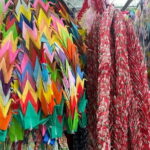
The park visit includes key stops such as the Children’s Peace Monument. Your guide will help you connect what you’re seeing with the human cost. The museum then supplies details that deepen the understanding you’ll form from the outdoor memorials.
Here’s the practical advice: don’t schedule anything right after this tour if you can avoid it. The museum is designed to hit you, not entertain you, and it’s the kind of content that can stick with you for days. If you’re sensitive, give yourself quiet time afterward.
Also, watch your dates. The Peace Memorial Museum is closed Feb. 16–21 due to renewal. If you’re traveling during that window, your guide may need to adjust your plan—so bring it up early so you know what your day will look like.
In a tour like this, the guide’s framing matters a lot. You’re not just moving from sign to sign; you’re hearing how Hiroshima families carry memory and why public remembrance matters.
Getting Around in 7 Hours Without Losing Your Mind
This is a 7-hour private experience, and it uses a mix of legs: trains, ferry, and trams. The good news is that transportation is handled smoothly. Your guide navigates the public transit steps and keeps the day organized, so you’re not stuck figuring out connections while you’re tired.
In the itinerary, you’ll see patterns like:
- Train time on the way from Hiroshima areas
- Ferry time to Miyajima (about 15 minutes in the planned segments)
- Tram time within Hiroshima (about 45 minutes in the planned flow)
If you prefer less walking, you can ask about using taxi for portions of the route. The tour notes that it will use public transportation, or taxi if you want it. That flexibility matters on days when you don’t feel like playing stairs-and-stops.
If you’re using a wheelchair or mobility support, the tour says it’s wheelchair accessible with advance notice. That’s a big deal because shrine steps, slopes, and crowded sidewalks can turn a sightseeing plan into a hassle.
One more logistics note: transportation fees are not included, and you’re responsible for them. So budget a bit for tram/train/taxi as needed, even though your guide makes the moves easy.
Price and Value: What You Get for $177 Per Person
At $177 per person for a 7-hour private day, the value isn’t just the sights. It’s the combination of:
- Private local guidance in English or Japanese
- Family-rooted perspectives from survivor-family guides
- Included admissions where it counts (Peace Memorial Museum and Shukkeien-garden)
- Photo support, with photography data provided
Tickets matter here. The tour includes entry to the Peace Memorial Museum and Shukkeien-garden, so you’re not paying separately for those key pieces. On top of that, the guide helps you get meaning out of the places—especially at the atomic sites, where context is everything.
Where the price doesn’t fully cover everything is also clear. Visitor’s tax to Miyajima Island isn’t included, and food/drinks aren’t included. You’ll also pay your own transportation costs for local transit like trams and trains.
So the honest way to judge value is this: if you care about history plus human perspective, and you want someone to manage timing (including tides) and navigation, this price is reasonable. If you just want a quick checklist, you’d probably do fine on your own. But this tour is built for those who want understanding, not just stamps.
Who Should Book This Hiroshima and Miyajima Tour
This is a strong fit for you if you want:
- A private day with pacing that matches your comfort
- Miyajima first, then Hiroshima’s memorial center without rushing
- A guide who can answer questions and share personal context
- Help with timing sights like the Floating Torii Gate
It’s also a good match if you care about photography. Multiple guide stories emphasize finding good spots and taking photos for you, not just pointing at landmarks.
This isn’t the best choice if you’re not up for emotional content. The Peace Memorial sites and museum are heavy by design. Also, the tour isn’t suitable for people with a cold, so consider your health and energy before booking.
Should You Book This Hiroshima and Miyajima Day Tour?
If you’re visiting Hiroshima and want more than a basic sightline day, I’d book it. The standout advantage is the human layer: guides who connect what you see to family memory—sometimes rooted in second-generation atomic bomb survivor experience. That makes the landmarks feel less like history panels and more like living testimony.
Also, the structure is smart. Starting on Miyajima helps you land in the day gently, and the later shift to Peace Memorial Park gives you time to shift gears emotionally. Add in guide-managed transit and tide-aware timing, and you get a day that feels intentional rather than chaotic.
If you’re sensitive to difficult topics or your travel dates fall between Feb. 16–21, double-check what happens with the museum closure. Otherwise, this is the kind of Hiroshima day that you’ll remember for the right reasons.
FAQ
How long is the Hiroshima and Miyajima private tour?
The tour lasts 7 hours.
Is pickup included, and where does it work from?
Pickup is included on foot, with multiple Hiroshima-area hotel options listed. If your accommodation isn’t on the list but you are in central Hiroshima City, you can indicate your location for pickup by email.
What sites are included in the itinerary?
You’ll visit Miyajima and Hiroshima, including Itsukushima Shrine (and a photo stop at the Floating Torii Gate), Daisho-in, Senjokaku Pavilion, Omotesandō Shopping Street (including workshop time and lunch time), Shukkei-en Garden, Hiroshima Castle (photo stop and visit), Atomic Bomb Dome (photo stop and visit), Hypocenter (photo stop and visit), Hiroshima Peace Memorial Park (photo stop and visit), Children’s Peace Monument (photo stop), and Hiroshima Peace Memorial Museum.
Are entry tickets included?
Yes. Entry tickets are included for the Peace Memorial Museum and Shukkeien-garden.
What about the Peace Memorial Museum closure?
The Peace Memorial Museum is closed on Feb. 16–21 due to renewal.
What costs are not included in the tour price?
Not included are transportation fees (taxi, tram, bus etc.), Miyajima Island visitor’s tax, drinks or food, and any optional events or workshops beyond what’s in the itinerary.