REVIEW · HIROSHIMA
Hiroshima & Miyajima: UNESCO A-Bomb Dome & Itsukushima with Local
Book on Viator →Operated by Local Gem Tour Hiroshima · Bookable on Viator
Tides decide the famous torii view. This private Hiroshima and Miyajima tour pairs UNESCO sights with a local guide who brings the places to life through family-linked memory, not just facts. You’ll visit Miyajima first for the Itsukushima shrine area, then head into Hiroshima for the Atomic Bomb Dome and Peace Memorial Park, with the order adjustable so you can better catch the floating torii look.
I really like two things here. First: the guide-led pacing. It’s private, your route can be customized, and guides like Yuka, Massa, and Ally are praised for adapting to the day and answering questions with clear English. Second: key admissions are included, including Hiroshima Peace Memorial Museum and Itsukushima shrine, plus you get tour photo data.
One consideration: it’s a walking day built around public transportation. The tour notes it’s not recommended if you can’t walk long distances, and lunch isn’t included, so you’ll want to plan your meal stops.
In This Review
- Key highlights worth planning around
- Why Miyajima and Hiroshima belong on the same itinerary
- Hotel pickup and a private format that actually feels local
- Miyajima: Itsukushima Shrine and the floating torii gate
- Daishoin, Senjokaku, and Omotesando’s real-food Japan
- The ride over to Hiroshima: transit you can handle
- Atomic Bomb Dome and the hypocenter: seeing what survived
- Hiroshima Peace Memorial Museum: where evidence meets human detail
- Children’s Peace Monument and Sadako’s story
- Price and value: what your $181.19 actually buys
- Tips for a smooth day: shoes, tide plans, and what to bring
- Should you book this Hiroshima & Miyajima tour?
- FAQ
- How long is the Hiroshima and Miyajima tour?
- Is hotel pickup included?
- Which entrance fees are included?
- Do I have to pay for transportation during the tour?
- Can I see the floating torii gate if the tide is wrong?
- Is lunch included?
Key highlights worth planning around
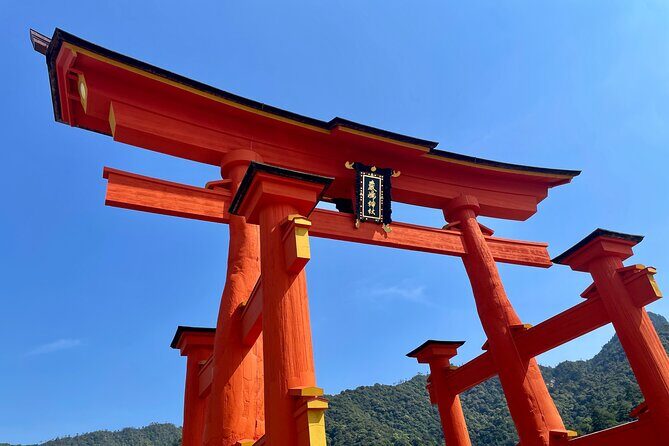
- Floating Torii timing by tide so the shrine gate looks like it’s hovering over the sea
- Private, customizable day with guides praised for adjusting pace and answering questions
- Hiroshima Peace Memorial Museum included to pair monuments with real documentation
- Atomic Bomb Dome + Hypocenter monument for quick, meaningful context
- Miyajima temple stops plus Omotesando for spiritual sites and local snacks
- Hotel pickup service on foot to reduce the hassle before you start moving
Why Miyajima and Hiroshima belong on the same itinerary
I like that this tour treats Miyajima and Hiroshima as one story. Miyajima brings you to a spiritual island where the Itsukushima shrine complex is famous worldwide, then Hiroshima shifts the mood toward remembrance, evidence, and rebuilding. Going from one to the other in the same day helps you notice how memory and culture can sit side by side in Japan.
You’re not only ticking boxes either. The tour is described as focused on deeper understanding, shaped by family history, cultural memory, and lived experience. That matters at places like Peace Memorial Park, where the details can feel heavy unless someone helps you connect the dots.
Also, because the tour is private, I find it easier to keep your own emotional pace. You won’t have to sprint with a large group to avoid falling behind.
Other Miyajima Island tours in Hiroshima
Hotel pickup and a private format that actually feels local
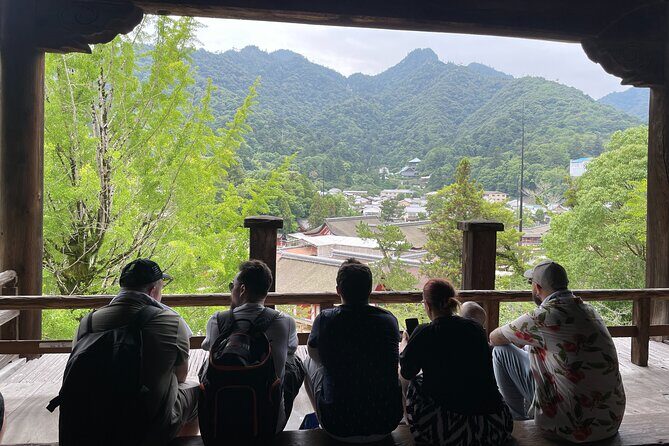
This is set up as a private tour, meaning it’s just your group. That sounds like marketing until you feel the difference: guides can slow down for your questions and adjust the order between Miyajima and Hiroshima to help with the floating torii gate timing.
Pickup is included, on foot, from your Hiroshima hotel or a train station area in the city. That’s useful if you’re staying slightly outside the center and don’t want to spend your morning figuring out where to meet.
A few practical notes you’ll thank yourself for:
- It’s essentially a walking tour with public transit between areas.
- Tour time is about 7 hours, so comfort and shoe choice matter.
- Lunch is not included, so build in time to eat when you want.
Guides in the reviews mention they’ll help with ticket purchases and keep you on track without rushing you. That balance is the best part of a good private guide: you get structure, but not stress.
Miyajima: Itsukushima Shrine and the floating torii gate
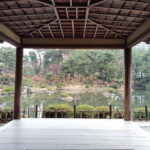
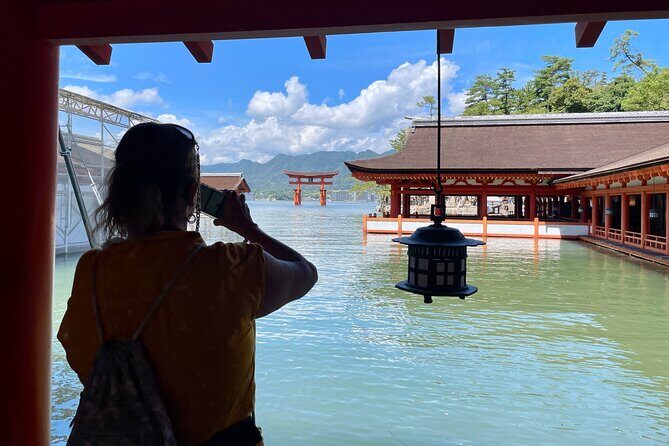
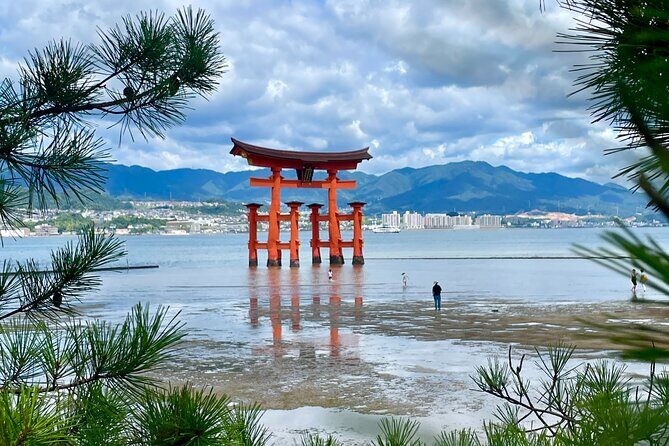
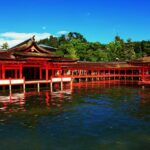
Miyajima’s centerpiece is the UNESCO-listed Itsukushima shrine area, and the “floating torii” is the headline because it looks like the gate hovers when the tide is right. The tour specifically calls out that the torii floats depending on the tide, so planning around high tide is the right move.
Even if you’re not a shrine person, you’ll probably notice the atmosphere right away. The island is known as an island of God and has been worshipped since ancient times. That long continuity shows up in the way the shrine grounds are arranged and in the sense that you’re stepping into a ritual space, not just a photo spot.
What I like about this stop:
- It’s short but focused. You’re not forced to spend hours wandering aimlessly.
- You get a guide to explain why the torii looks different, and how the sea interacts with the shrine complex.
Possible drawback: the timing of the torii view depends on natural conditions. The tour notes the order can be changed between Miyajima and Peace Park to help you see the floating torii gate, but tides can still shift. If you get there and it’s not perfectly high, you won’t be able to “fix” it on your own. Just go with the shrine experience rather than only the photo.
Daishoin, Senjokaku, and Omotesando’s real-food Japan
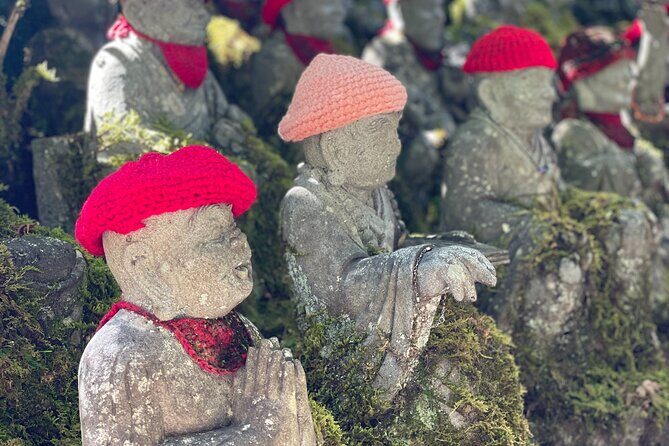
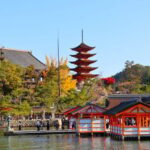
After the main shrine area, you head into the richer texture of Miyajima. This tour includes Daishoin Temple, which is described as Miyajima’s oldest temple and over 1,200 years old. That long timeline is more than a number. Older temple grounds tend to feel calmer and more layered, and they give you a break from the busiest parts of the island.
Next up is Senjokaku, also part of the Itsukushima shrine UNESCO listing. It’s described as having large halls and wall-less spaces that can feel quiet and peaceful. The tour also notes it was built under Shogun Hideyoshi’s order in the 16th century. If you like context, this kind of stop helps you understand what you’re walking through.
Then there’s Omotesando Shopping Street, where the tour gives you time to browse for local specialties and souvenirs. You’ll see items like oysters, conger eel rice, momiji manju (maple leaf-shaped sweets), and other island foods. This is where Miyajima starts to feel practical and fun: you can snack, shop a little, and reset your energy before moving toward Hiroshima.
One more honest detail: the Miyajima reviews include mention of lots of deer roaming around. That’s common on the island, so don’t be surprised if you spot them near walkways and snack areas. Just keep an eye on where you’re stepping and follow any guidance from locals.
The ride over to Hiroshima: transit you can handle
Once you’re finished with Miyajima’s core sights, the tour moves you toward Hiroshima. The plan is built around public transportation and ferry options. The tour notes it takes about 1 hour using ferry, JR, or train.
There’s also an option to take a direct boat (about 45 minutes) to Peace Memorial Park. The listing frames this as an optional choice, so if you want to reduce walking time and stay focused on the memorial sites, it’s worth asking about at booking or on the day.
This transit section matters because it affects your arrival energy. Peace sites can take a lot out of you mentally. If you arrive already worn out from transit, you’ll feel it in the museum and monuments. If you can reduce the strain with the faster boat option, you may enjoy the Peace Park portion more.
Other Hiroshima and Miyajima combo tours in Hiroshima
Atomic Bomb Dome and the hypocenter: seeing what survived
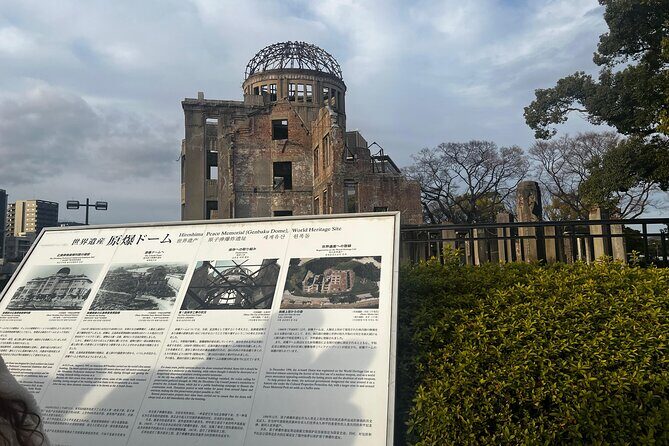
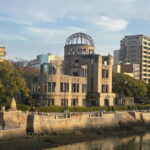
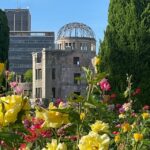
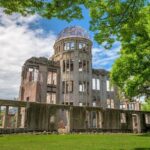
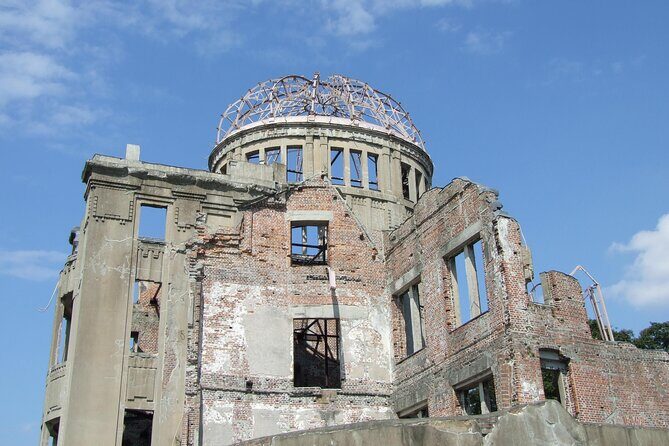
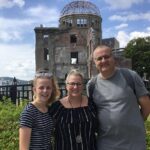
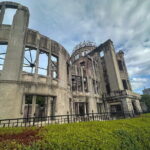
Hiroshima’s most famous visual is the Atomic Bomb Dome, a World Heritage historical structure that conveys the devastation of the atomic bombing. The tour gives you a short, intentional stop here.
I like that the itinerary doesn’t drag out the dome visit. At a site like this, long staring is understandable, but it can also turn into a blur if you don’t have context. A guide can help you notice what’s still standing, what it implies about the blast, and how the city chose to remember it.
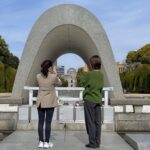
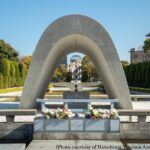
From there you move to the Hypocenter monument, marking where the atomic bomb exploded about 600 meters above a hospital. Standing near this point gives the scale of the event in a way that’s hard to feel just from a photo.
Then you walk through Peace Memorial Park and see multiple monuments that relate to the facts of the bombing and the city’s reconstruction. This is where Hiroshima becomes more than a museum subject. The layout makes you experience remembrance as a city practice.
A drawback to know up front: these stops are emotionally intense, and the tour is fairly paced. You can’t expect a lot of downtime built in. If you need extra breaks, tell your guide early. The private nature of the tour is one of its best advantages.
Hiroshima Peace Memorial Museum: where evidence meets human detail
The Hiroshima Peace Memorial Museum is included, and the tour allots about 1 hour. The museum is described as showing photos and documents and offering a glimpse into the reality of radiation exposure.
This is one of those experiences where having a guide can change how you read the room. The reviews you shared include notes like guides walking people through the museum and explaining why the bomb was dropped and what the effects were. That kind of framing helps you avoid getting lost in information overload.
What to expect:
- You’ll likely see both images and written documentation, not just displays.
- You may encounter sections that feel difficult to look at, especially if you’re sensitive to medical or survivor-related content.
- The guide can help you connect the museum content to what you saw outside in Peace Park.
If you’re doing this as a couple or family group, the museum is a good place to slow down and talk. If you’re solo, it’s a place where your questions can matter. I’d encourage you to ask your guide what to look at first, because the exhibits are easier to process with a suggested path.
Children’s Peace Monument and Sadako’s story

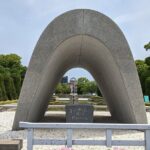
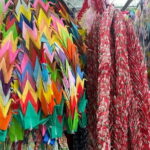
The tour also includes the Children’s Peace Monument, connected to the famous story of Sadako, where many origami cranes are visible. This stop is shorter (about 10 minutes), but it carries a strong emotional punch because it turns a massive tragedy into something intimate and human-scaled.
I like that it comes after the museum. The museum brings the evidence and background, then the children’s monument gives the human side a focal point you can carry with you when you leave.
If you’re pressed for time, this is the kind of stop you shouldn’t rush. Even if you only spend a few minutes quietly looking, it can be the moment your day finally settles.
Price and value: what your $181.19 actually buys
The price listed is $181.19 per person for a 7-hour private tour. That sounds like a “premium” amount until you break down what’s included.
Included:
- Live local tour guide
- Pickup on foot from your Hiroshima hotel area (as described)
- Entrance fees for Itsukushima shrine and Hiroshima Peace Memorial Museum
- Tour photo data
- Advance customization consultation
Not included:
- Public transportation costs (listed as ¥1,340 per person)
- Lunch
- Tips
- Optional private transport like fast/direct boats or taxis (with wide price ranges)
So is it good value? For me, it comes down to two things:
1) You’re paying for time and context. For Peace Park and the museum, a guide can help you process what you’re seeing in a way self-guided apps often can’t match.
2) You’re saving friction. Entrance fees are covered where they matter most, and the pickup + private pace reduces the biggest hassle of planning two UNESCO areas in one day.
If you’re traveling with someone who wants a thoughtful day rather than a speed-run, the cost is easier to justify.
Tips for a smooth day: shoes, tide plans, and what to bring
Because this is a walking tour with public transit, your comfort budget is real. I’d plan on:
- Comfortable walking shoes with good grip
- A light layer, since weather in Japan can change through the day
- Water and snacks you can grab near Omotesando if you need it (lunch isn’t included)
Plan around the tide for the floating torii gate, but don’t treat it like a pass/fail test. Even when the gate’s look changes, the shrine complex and island experience are still the point.
Finally, note the tour asks you not to participate if you have cold symptoms, and it’s weather dependent. If it’s raining or conditions are poor, you may be offered a different date or a refund.
Should you book this Hiroshima & Miyajima tour?
I’d book this if you want a day that mixes UNESCO sights with real context, and you’d rather move at your own pace than get swept along by a large group. The private format, included admissions, and guide skill (including English ability mentioned for Yuka and support like ticket help mentioned for Massa) are exactly what make Hiroshima feel understandable without becoming simplified.
I’d skip it or think carefully if:
- You don’t handle lots of walking well.
- You need long breaks and a very light emotional schedule.
- You want lunch planned for you, because you’ll choose your own food along the way.
If you’re ready for a meaningful, well-paced day across Miyajima’s spiritual world and Hiroshima’s remembrance spaces, this tour is a strong fit.
FAQ
How long is the Hiroshima and Miyajima tour?
The tour runs about 7 hours.
Is hotel pickup included?
Yes. Pickup is offered from your Hiroshima hotel area on foot.
Which entrance fees are included?
Entrance fees are included for Hiroshima Peace Memorial Museum and Itsukushima shrine.
Do I have to pay for transportation during the tour?
Yes. Public transportation costs are not included, and the tour lists ¥1,340 per person as a reference. Transportation costs are excluded so you pay on your own.
Can I see the floating torii gate if the tide is wrong?
The torii gate floats depending on the tide, and the tour specifically suggests planning around high tide. The order between Miyajima and Peace Park can be adjusted, but tide timing still depends on natural conditions.
Is lunch included?
No. Lunch isn’t included, and you’ll need to buy food or drinks separately.