REVIEW · HIROSHIMA
Hiroshima; Hiroshima Peace Memorial Museum and Castle Tour
Book on GetYourGuide →Operated by Fukuhara tours · Bookable on GetYourGuide
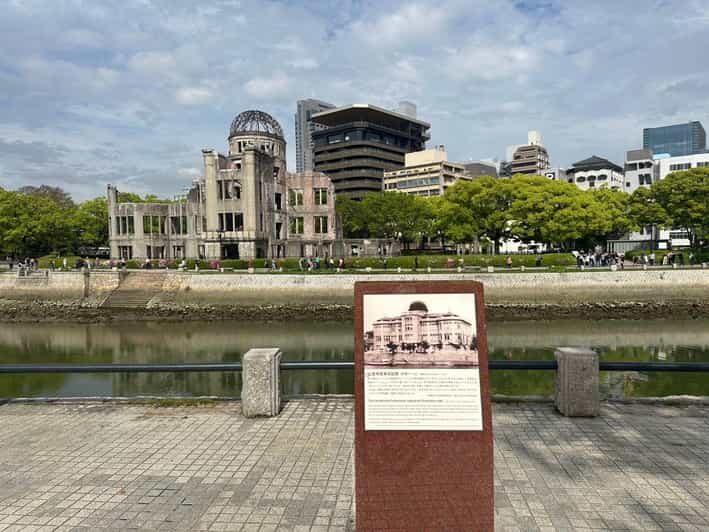
Hiroshima changes your pace of thinking. This guided walk links the Hiroshima Peace Memorial Museum, Peace Memorial Park, Ground Zero sites, and Hiroshima Castle, with guides like Maria or Ihsan helping you connect the dots fast. In three hours, you’ll move from tragedy to memory to modern-day resilience.
I especially like two things: the way the museum visit is paced for real understanding, and the fact you get expert guidance through the Peace Park before you start piecing it together on your own. Add in the included Hiroshima snacks and the fact that the museum line is skipped, and it feels like you’re paying for time saved and meaning gained, not just footsteps.
One drawback to consider: the topic is heavy, and some exhibits can be graphic. If you’re sensitive, ask ahead about what you’ll see and plan short breaks, because this tour includes walking and close-up viewing.
In This Review
- Key things I’d center in your planning
- A walk that makes the meaning stick
- Starting near Nakajimachō and getting oriented fast
- Hiroshima Peace Memorial Museum: why the guide is worth it
- Peace Memorial Park and the hypocenter: how the layout carries a message
- Atomic Bomb Dome and the walk toward other blast sites
- Hiroshima Castle: a lighter contrast that still fits the story
- Price and value: is $67 reasonable for this route?
- Who should book, and who should rethink it
- How guides shape the experience (Maria, Ihsan, and others)
- A simple game plan for your Hiroshima day
- Should you book this Hiroshima Peace Memorial Museum and Castle tour?
- FAQ
- How long is the Hiroshima Peace Memorial Museum and Castle tour?
- Where do I meet for the tour?
- What’s included in the price?
- Is the Peace Memorial Museum optional audio guide included?
- Is Hiroshima Castle included with tickets?
- What languages are available for the live guide?
- Is food and drink included?
- Is the tour wheelchair accessible?
- Is this tour suitable for elderly visitors?
Key things I’d center in your planning
- Guided museum time that turns artifacts into a clear timeline
- Peace Memorial Park + hypocenter stops with meaning explained
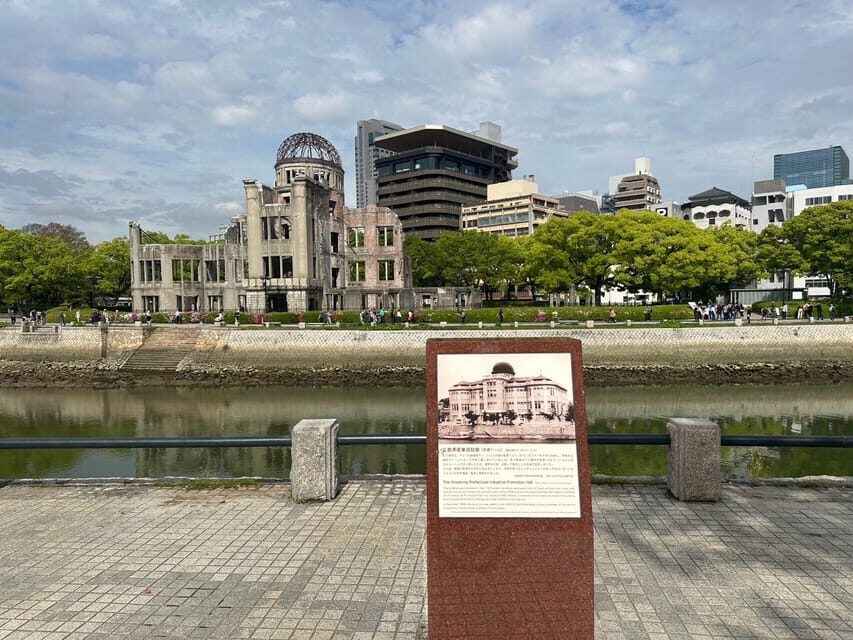
- Atomic Bomb Dome viewed with context, not just photos
- Stops that connect destruction to everyday Hiroshima (including possible add-on sites)
- A short Hiroshima Castle visit for historical contrast
- Traditional Hiroshima snacks included, which helps keep you moving
A walk that makes the meaning stick
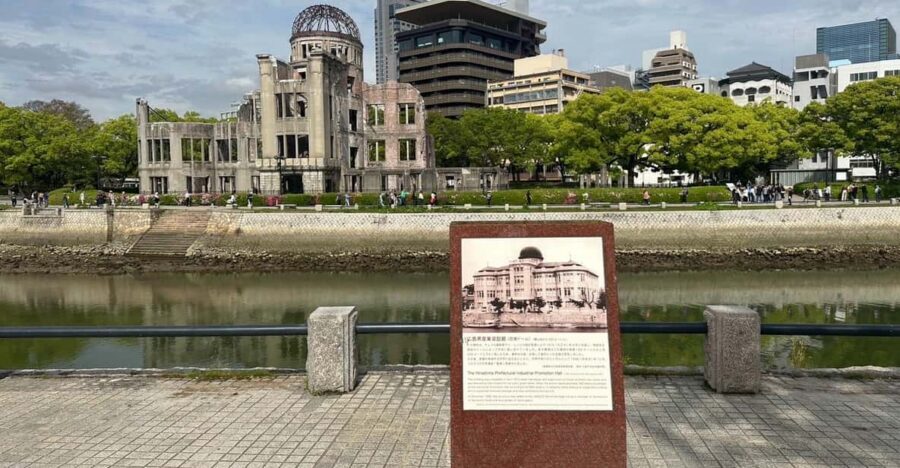
Hiroshima is the kind of place where reading a few signs won’t fully do it justice. What helps here is the guided flow: you see an exhibit or monument, then you get the story behind it right away. That pacing matters because the site asks you to remember details, not just feel sad for a moment.
I like that the tour gives you a structure you can follow. You’re not bouncing randomly around town—you’re walking a path that builds understanding step by step, from the museum into the park, then onward to the castle.
Other Peace Memorial Park tours in Hiroshima

Starting near Nakajimachō and getting oriented fast
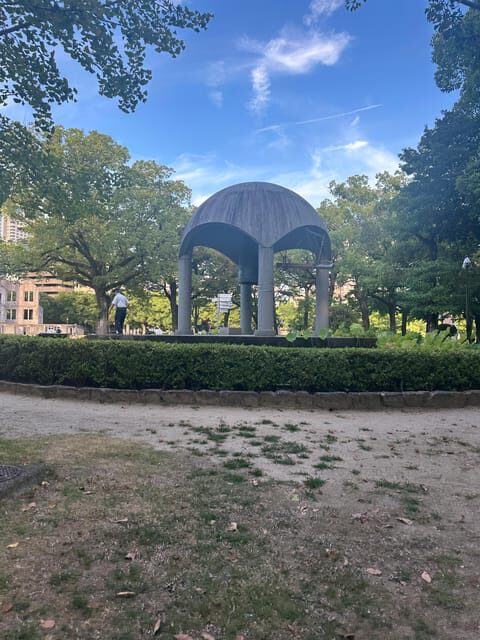
You’ll meet at a taxi stand close to the Peace Memorial Museum, and the tour route begins around Nakajimachō. That location is practical: it puts you right where you need to be, with minimal fuss before you enter the main memorial area.
The whole tour is designed for a compact schedule—about 3 hours total. That makes it a great option if you’re also trying to fit in Hiroshima’s train times, food stops, and maybe another museum later in the day.
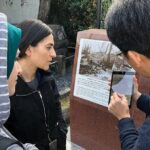
If you’re the type who asks questions (or needs a minute to process), you’ll likely appreciate that guides adjust to the group’s pace. People often mention guides who keep things moving without rushing, and who answer questions with care.
Hiroshima Peace Memorial Museum: why the guide is worth it
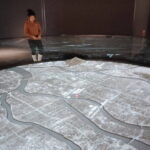
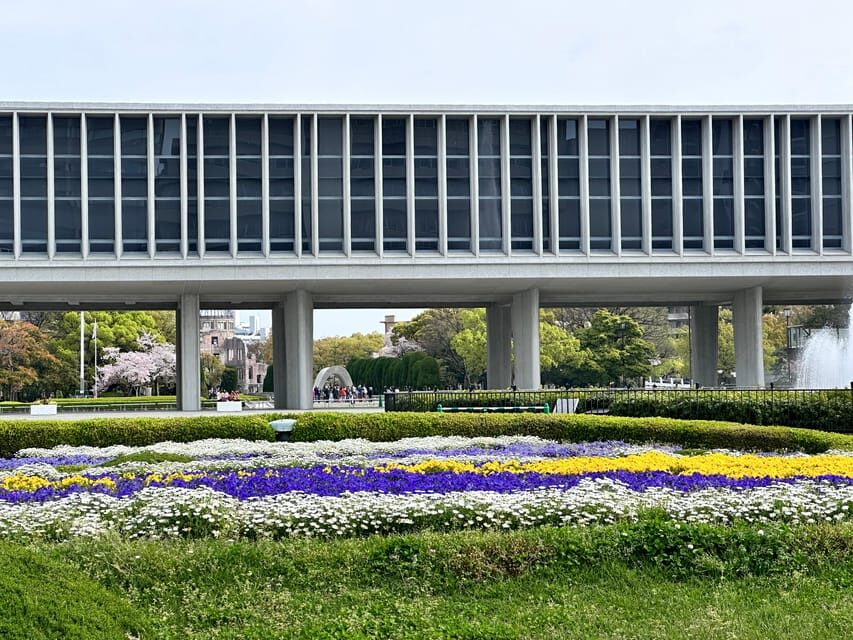
The museum is where the story becomes concrete. You spend about 1 hour here, and the tour includes your museum entry plus guidance with the exhibits. It’s not just facts on a screen; it’s objects, photographs, and displays that help you understand the impact on real lives.
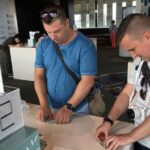
Two practical perks matter. First, the tour helps you avoid wasting time in lines with a skip-the-line setup. Second, there’s an optional audio guide you can add later if you want, but you’re not required to use it to understand what you’re seeing.
One thing to plan for: some exhibits can be shocking. Before you go in, decide what you’re comfortable with. The tour doesn’t avoid the subject—it explains it—and that can be emotionally draining in a way that surprises people.
Peace Memorial Park and the hypocenter: how the layout carries a message
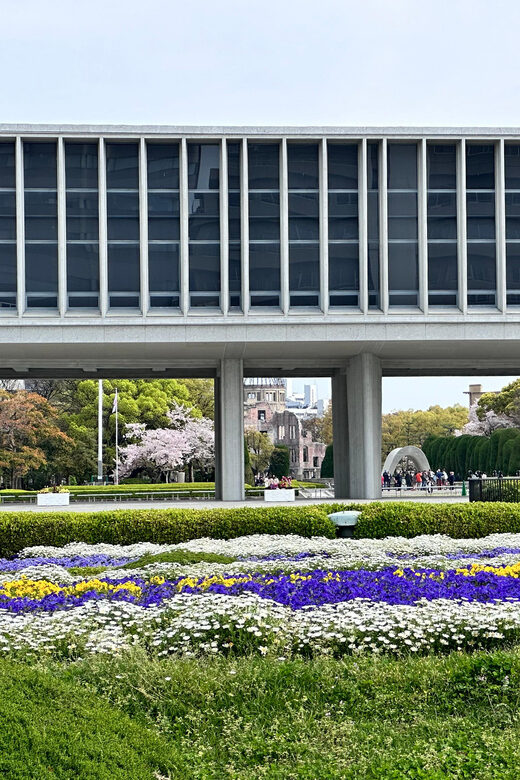
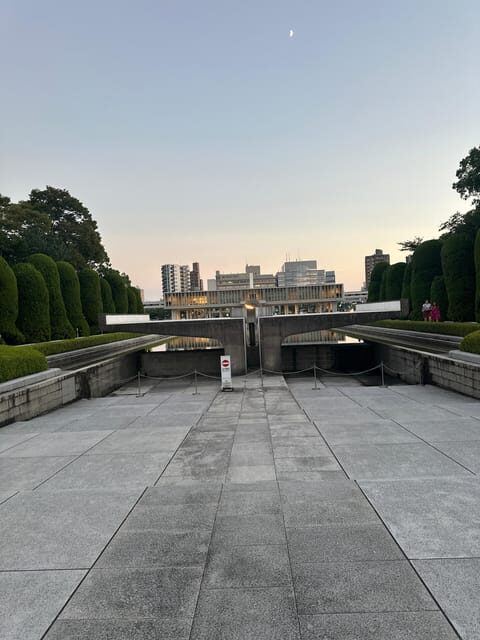
After the museum, you shift to Peace Memorial Park for about 1 hour with a specialist guide focused on peace and memorial symbolism. This is where many first-time visitors realize that the park is not just scenery. The placement of monuments, the sightlines, and the memorial’s design all work together to shape how you remember the event.
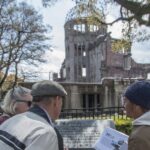
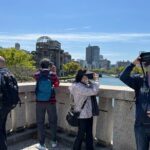
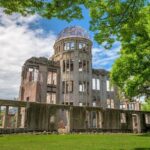
You also get to the Atomic Bomb Dome area for a short photo stop and a guided visit (about 10 minutes). The dome is famous, but context makes it more than a photo opportunity—it becomes evidence of what was left standing, and what that meant for people nearby.
Just as important, the tour includes a visit to the hypocenter with a guide. Even if you’ve read the basics before coming, having someone point out the significance helps you connect the story to the geography. It’s the difference between knowing what happened and understanding where it hit.
Atomic Bomb Dome and the walk toward other blast sites
Between the dome area and the castle segment, you’ll have a short on-foot stretch (about 10 minutes). That walking time matters because the Ground Zero area is dense with meaning. You’re not trying to cover the city—you’re moving through key checkpoints.
The tour also includes time at other atomic bombed buildings to learn about daily life in Hiroshima at the time. This is one of the most important shifts in the experience. The story stops being only about dates and damage maps and starts showing what people faced day after day.
Some guides may also take you to additional, less-frequented locations connected to survival and destruction, such as a surviving hospital, a school, or a bank tied to the blast. You shouldn’t count on every add-on for every group, but it’s a real possibility depending on your guide and the flow that day.
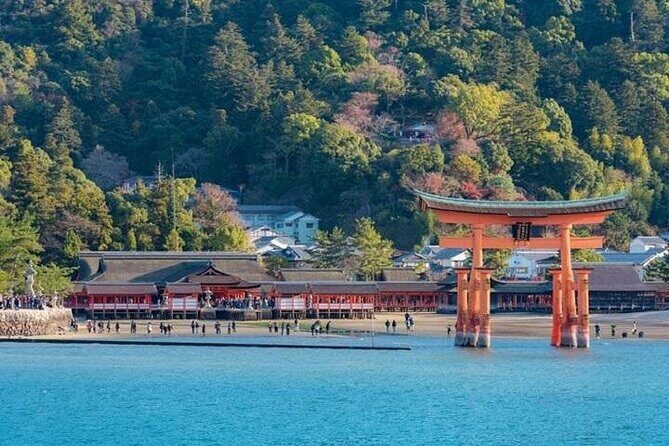
Then there’s Hiroshima Gokoku Shrine in the itinerary. It changes the tone slightly. It reminds you this is still a living city with ongoing traditions, not a closed-off memorial set.
Other Hiroshima Castle tours in Hiroshima

Hiroshima Castle: a lighter contrast that still fits the story
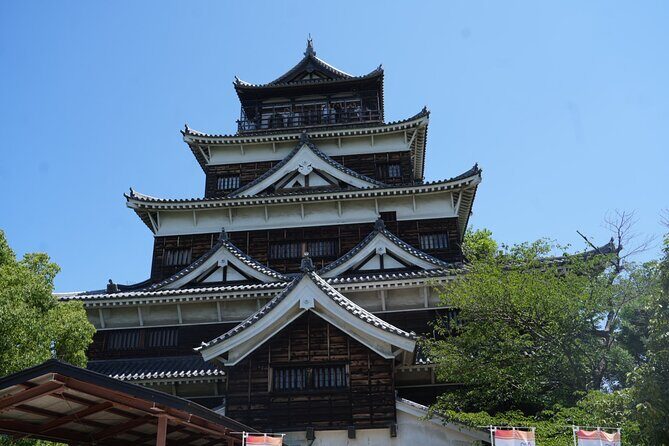
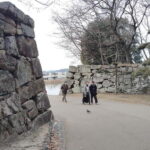
Hiroshima Castle is included as a shorter stop with photo time and sightseeing for about 40 minutes. Castle visits can sometimes feel like a detour after a place as intense as the museum—but in this case, it works as contrast.
You’ll see samurai-themed displays and key objects like swords and helmets. Even if you’re not a hardcore history buff, it’s a chance to step into a different layer of Hiroshima’s identity: the city’s older cultural imagery and the idea of leadership, protection, and survival.
One caution: castle admission tickets are not included. So if you want to go inside, budget the extra cost and time for entry. If you’d rather keep your schedule tight and just enjoy the exterior view and nearby viewpoints, you can do that too.
Price and value: is $67 reasonable for this route?
At $67 per person for about 3 hours, this is priced for guided meaning, not just transportation. Your ticket into the Peace Memorial Museum is included, and the tour also includes a guide plus traditional Hiroshima snacks.
You still pay separately for a few items:
- food and drink
- the Peace Memorial Museum optional audio guide (if you want it)
- Hiroshima Castle tickets (if you plan to enter)
When I look at value, I focus on where time savings matter most. Here, the skip-the-line museum setup and the guided pacing are the big wins. You don’t want to spend your one morning hour wandering while the most important context goes missing.
For solo travelers, this can also help you avoid the common problem of reading signs too slowly and missing key sites. For families, a good guide can keep teens and kids engaged by switching between war facts and human-scale stories.
Who should book, and who should rethink it
This tour is a strong fit if you want a guided path through Hiroshima’s most emotionally demanding sites and you don’t want to plan the sequence yourself.
It’s also a good match if you like asking questions. People frequently mention guides who tailor pacing to what the group needs—whether that’s extra time for reading, handling kids, or slowing down after heavier exhibits.
On the other hand, there are two important limitations you should notice:
- It’s listed as not suitable for people over 95 years.
- Accessibility notes conflict: one part says wheelchair accessible, while another note says not suitable for wheelchair users. If you use a wheelchair, you should confirm directly before booking so there’s no surprise on arrival.
Also, if you’re sensitive to graphic content, go in with eyes open. The tour includes parts that depict the horror of the atomic bomb, and you should ask beforehand what’s in the most intense sections.
How guides shape the experience (Maria, Ihsan, and others)
A recurring theme in the experience is guide quality and respect. Names that come up often include Maria and Ihsan, and guests also mention other guides like Léo, Mehak, Bilal, and Ali.
What matters isn’t celebrity-guide trivia; it’s how the guidance feels in motion. People describe guides as:
- friendly while handling a serious topic
- able to explain history clearly
- responsive to group needs, including adjusting pace
- willing to answer questions instead of rushing past them
If your style is interactive, this tour is built for conversation. If your style is quieter, you can still benefit from having someone point out what to notice and why.
A simple game plan for your Hiroshima day
Here’s how I’d set yourself up so the tour lands well instead of feeling like information overload.
Start with comfortable shoes. This route involves real walking around the memorial area, plus a climb-and-stroll style museum experience.
Have a snack strategy. Traditional Hiroshima snacks are included, but you may still want water and a small plan for when you’ll refuel. After the museum, your focus can dip, so a quick break can help.
Decide in advance how you want to handle the heavier exhibits. If you’d like a gentler flow, tell your guide at the start. Many guides will try to match the group’s emotional pacing, because they can see when someone needs a slower moment.
Should you book this Hiroshima Peace Memorial Museum and Castle tour?
Yes—if you want meaning, not just landmarks. The museum + park + dome + hypocenter sequence is intense, and having a guide is the difference between collecting photos and actually understanding what you’re looking at.
Book it if you value:
- Skip-the-line museum entry
- guided context across the park and Ground Zero sites
- a short castle add-on that gives you contrast without eating your whole day
Think twice if you can’t handle graphic material, or if accessibility needs are central and you haven’t confirmed the wheelchair situation directly. Also remember the castle ticket is separate, so plan for that if you care about entering the grounds.
If you’re doing Hiroshima in a short window, this tour is one of the cleanest ways to get your bearings fast—and to leave with a real grasp of Hiroshima’s past and its message for the future.
FAQ
How long is the Hiroshima Peace Memorial Museum and Castle tour?
It lasts about 3 hours.
Where do I meet for the tour?
You meet at a taxi stand near the Peace Memorial Museum.
What’s included in the price?
The tour includes a walking tour, the Peace Memorial Museum ticket, traditional Hiroshima snacks, and a live tour guide. It also notes that you skip the ticket line for the museum.
Is the Peace Memorial Museum optional audio guide included?
No, the optional audio guide is not included.
Is Hiroshima Castle included with tickets?
The castle visit is included as a stop, but castle tickets are not included.
What languages are available for the live guide?
English, Hindi, Malay, and Urdu are listed.
Is food and drink included?
Food and drink costs are not included.
Is the tour wheelchair accessible?
The information includes wheelchair accessibility, but it also lists that it is not suitable for wheelchair users. You should confirm before booking.
Is this tour suitable for elderly visitors?
It’s listed as not suitable for people over 95 years.