REVIEW · HIROSHIMA
Miyajima Highlights: Itsukushima Shrine & Island Nature
Book on GetYourGuide →Operated by Local Gem Tour Hiroshima · Bookable on GetYourGuide
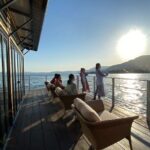
A good day starts on water. This private Miyajima walk connects you to Hiroshima through Japanese guides who bring local stories to life, while you also get time for quieter corners beyond the main crowds. One thing to plan around: the floating torii gate may look different depending on tide.
What I like most is how personal the explanations feel—family memory, cultural symbolism, and why these places matter to people who lived through Hiroshima’s history. The pace stays relaxed and flexible too, so you’re not forced to sprint between photos. Just know you spend real travel time getting there and back, so the day is Miyajima-focused rather than a jam-packed Hiroshima sightseeing plan.
In This Review
- Key Highlights I’d Prioritize
- Private Miyajima Walking Tour: Why It Feels Different
- Getting to Miyajima from Hiroshima Without Losing the Day
- The Floating Torii Gate: Beautiful, But Tide-Dependent
- Itsukushima Shrine: The Spiritual Core You Can Actually Read
- Daisho-in Temple: More Time, Better Understanding
- Senjokaku Pavilion and the Visual Storytelling Stops
- Miyajima Omotesandō Shopping Street: Everyday Life, Not Just Souvenirs
- Flexible Pace and Real Comfort: The Hospitality You’ll Notice
- Optional Add-Ons: Mt. Misen and Momiji Manju
- Price and Value: What $138 Really Buys
- Who This Tour Fits Best (and Who Might Skip It)
- Should You Book This Private Miyajima Tour?
- FAQ
- FAQ
- How long is the Miyajima Highlights tour?
- Is this a private tour or a group tour?
- What languages does the guide speak?
- How do we travel from Hiroshima to Miyajima?
- Does the tour include pickup in Hiroshima?
- Will the floating torii gate be visible?
- Are meals included?
- What’s included in the price?
- Can I add Mt. Misen or baking momiji manju?
Key Highlights I’d Prioritize
- Hiroshima-native private guides with English support and family-shaped context
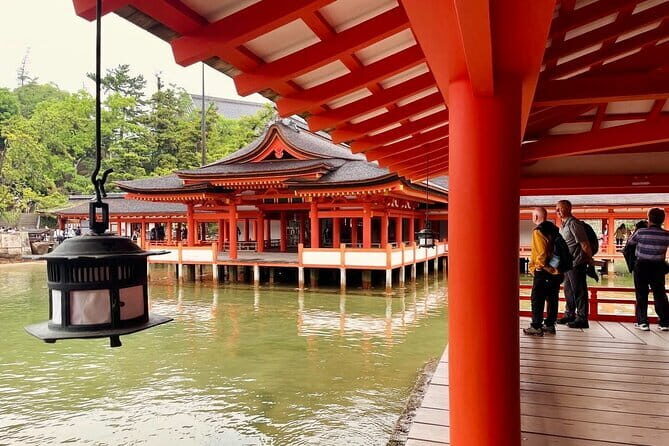
- Itsukushima Shrine UNESCO grounds, including the iconic floating torii gate area
- Daisho-in time that’s long enough to actually understand what you’re seeing
- Quieter Miyajima routes beyond the obvious stops
- Thoughtful hospitality, including practical comfort help for hard weather days
- Photo stops with photo data provided, so you don’t have to play photographer all day
Private Miyajima Walking Tour: Why It Feels Different
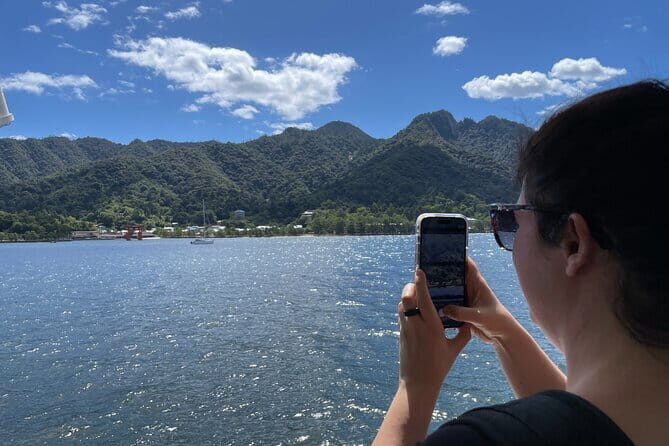
Miyajima can look simple on a map: torii gate, temple, shopping street, done. But on this tour, the island becomes a living place instead of a checklist. The big difference is the guide. You’re not just hearing general facts—you’re hearing how people from Hiroshima see these shrines, and why the meanings stuck around for centuries.
You get a fully private walking format with Japanese local guides deeply connected to Hiroshima. That connection shows up in the way they explain symbolism and traditions—stories shaped by local life, and not just by museum labels. In plain terms: you’ll know what you’re looking at, and you’ll also understand why locals care.
There’s also a “don’t rush the island” feeling. The tour is structured, but the pace is flexible. If you want more time for history, photography, or a reflective visit, your guide can shift the order and timing within the day.
Other Miyajima Island tours in Hiroshima
Getting to Miyajima from Hiroshima Without Losing the Day
This is not a quick hop. Plan for about an hour getting to Miyajima, and then you still have to return. The schedule is built on public transit: train (about 45 minutes) plus ferry (about 15 minutes) to reach Miyajima, and the same back again.
That matters because it affects expectations. If your mental plan was to squeeze in Miyajima and the Hiroshima Peace Memorial Museum during the same outing, the tour explicitly warns that everything becomes halfway and the day can stretch longer than you think. So my practical advice is simple: if you want real time on Miyajima, keep the focus on Miyajima for this one day.
Your pickup is also designed to make the start smoother. There are multiple pickup options in central Hiroshima—hotel and station areas are included, and if your place isn’t on the list, you can message ahead so they can pick you up from your location if you’re in central Hiroshima. Pickup is on foot, which sounds small, but it helps you avoid the “wait for a shuttle” headache.
The Floating Torii Gate: Beautiful, But Tide-Dependent
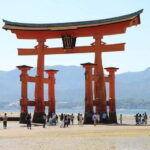
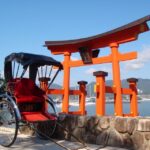
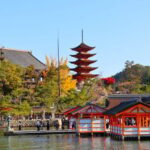
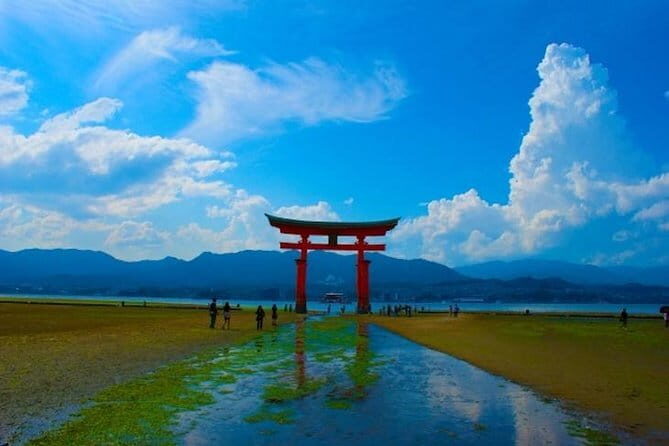
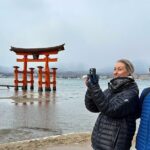
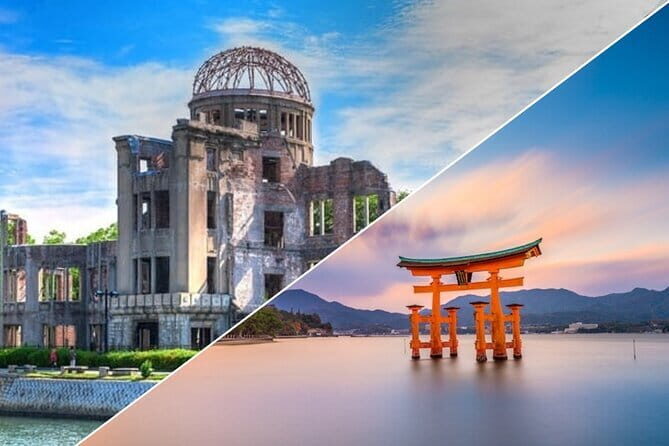
Miyajima’s star attraction is the Itsukushima Floating Torii Gate. Your tour includes a photo stop in the torii gate area, with guided context so you understand what you’re seeing instead of just snapping pictures.
Here’s the practical catch: the tour notes that they’ll do their best to see the floating torii gate, but visibility depends on tide. So don’t treat the torii as guaranteed “floating water shot.” Treat it as a chance to see how the island’s sacred landscape changes throughout the day.
What I’d do with this information: bring patience. If you arrive when water is low, the view shifts. You’ll still get the meaning and the shrine connection—your guide can explain why the gate and the shoreline relationship matter. That way, the day still feels complete even if the classic photo looks slightly different.
Itsukushima Shrine: The Spiritual Core You Can Actually Read
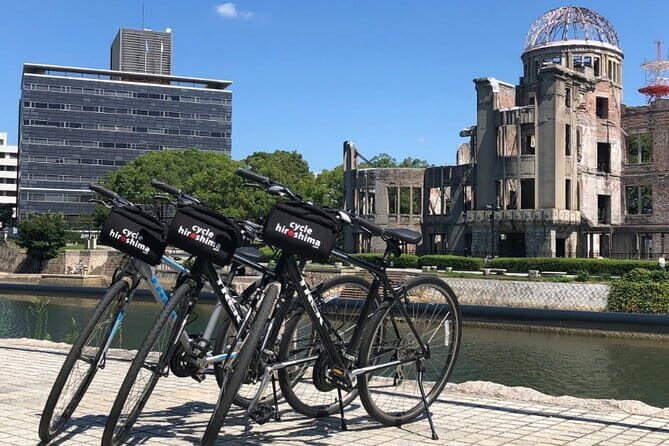
After the torii gate area, you move into Itsukushima Shrine itself. This is where the tour earns its time. You get about 30 minutes for sightseeing with guided help, which is enough to understand the site without feeling like you’re being rushed through.
What makes this stop valuable on a guided private format is interpretation. The tour is designed to explain the shrine’s spiritual traditions, symbolism, and why Miyajima has been considered sacred for centuries. You’re not only walking through impressive architecture—you’re learning how people read the space as part of daily life and long-held belief.
Also, shrine etiquette and pacing tend to be easier when you’re with a guide. You’ll know where to pause, when to move, and what details are worth your attention. That matters a lot on Miyajima, where sightlines can tempt you to move too quickly.
Daisho-in Temple: More Time, Better Understanding
Next comes Daisho-in, and this is one of the best-value sections of the day because it’s the longest temple block: about 1 hour with guided time plus photo opportunities.
This is where you’ll get a more layered sense of what the island’s sacred life looks like beyond the single iconic image. Your guide connects Daisho-in to the wider shrine ecosystem and helps you understand what’s significant about the temple experience here.
A bonus is that you get both a guided visit and photo stops, which keeps the site from turning into “just walking until you’re done.” If you like photography, this structure helps. If you don’t, the time still feels meaningful because the guide keeps the focus on symbolism and context.
Other Hiroshima highlights tours in Hiroshima

Senjokaku Pavilion and the Visual Storytelling Stops
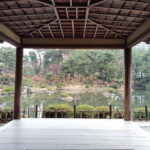
Then you’re taken to Senjokaku Pavilion for a photo stop and guided explanation (about 10 minutes). It’s shorter, but it works because you’re already warmed up on the island’s sacred geography.
This part is often where guided interpretation pays off. A quick stop can feel flat if you only see it as a photo location. But with context, even a short time block becomes part of the bigger story of what Miyajima represents.
In a private tour, these shorter segments don’t feel like filler. You can ask questions, and your guide can point out what to look for right now, not later when you’re tired and trying to remember everything.
Miyajima Omotesandō Shopping Street: Everyday Life, Not Just Souvenirs
You’ll finish the main sightseeing loop with Miyajima Omotesandō, a visit of about 40 minutes.
This matters because it shifts the day from “holy site only” to “island community.” Your guide’s job here is to help you understand traditions in everyday settings, not just within temple walls. It’s a chance to see how visitors and locals intersect on Miyajima.
I also like that the tour gives you time here without forcing it into a frantic last-minute sprint. Forty minutes is enough to browse slowly, ask questions, and reset your energy before the ferry back.
Flexible Pace and Real Comfort: The Hospitality You’ll Notice
A lot of tours say private, but the experience still feels rigid. This one is built to stay flexible. Your guide can adjust the day toward what you care about most—history, photography, or a more reflective visit.
Comfort details also show up. One guide example includes being prepared for harsh heat with extra parasols and neck coolers. You might not see that exact kit on every day, but the point is clear: guides plan ahead so you can keep walking and looking instead of spending the day suffering.
And for photo lovers: you get photography support, with photo data provided. That’s a small line item, but it changes the day. You’re more likely to relax into the moments rather than always coordinating your camera position.
Optional Add-Ons: Mt. Misen and Momiji Manju
If you want to go beyond the core Miyajima sacred route, the tour mentions optional choices you can ask for in advance:
- Hiking Mt. Misen
- Trying baking momiji manju by hand
Important practical point: you need to tell them ahead of time. That’s because adding options changes the pacing and timing of a 5-hour day.
Also, the tour notes that they focus on Miyajima during this outing. That’s good for depth, but it also means you shouldn’t treat it as a multi-stop Hiroshima full-day plan unless you’re ready for the day to run longer.
Price and Value: What $138 Really Buys
The price is $138 per person for a 5-hour private experience. Transportation fees and Miyajima visitor’s tax are not included, and food and drink are also on you.
So what’s the value beyond the iconic sites?
You’re paying for:
- A Hiroshima-native guide with English/Japanese support and local cultural storytelling
- A private format, meaning time for questions and pacing that fits your group
- Time in multiple key spiritual stops—Itsukushima Shrine, Daisho-in, Senjokaku
- Access to quieter corners of Miyajima beyond the main sightseeing routes
- Photo stop guidance plus photo data after the tour
If you’ve ever done Miyajima alone, you know the common problem: you see a lot, but you don’t always understand why it’s sacred. This tour directly tackles that. You’ll still see the must-do icons, but the “why” is what you’re really buying.
Who This Tour Fits Best (and Who Might Skip It)
This is a strong fit if you want more meaning than a quick photo run. It also works especially well if you value a guide who can handle a group smoothly, ask and answer questions, and bring cultural context through personal stories.
It’s also a good choice if you appreciate flexibility—history-focused, photography-focused, or simply a slower reflective day.
If you’re the kind of traveler who wants to wander independently with zero structure, you might feel constrained by the set order and the ferry/train timing. In that case, you could still enjoy Miyajima on your own, but you’d lose the “Hiroshima-connected interpretation” that’s central to this experience.
Should You Book This Private Miyajima Tour?
I’d book it if you want Miyajima to feel like more than scenery. The combination of Hiroshima-native guidance, shrine-level stops, time for Daisho-in, and the chance to step off the main routes is exactly the kind of structure that turns a famous island into a memorable day.
Choose a different option if you’re mainly hunting for a cheap, fast sightseeing loop. This tour isn’t positioned as that. It’s positioned as a culturally sensitive, story-driven walk that still hits the icons.
If tide matters for your dream torii-gate photo, keep a flexible mindset. Even when conditions shift, the guide-centered context is designed to make the day work anyway.
FAQ
FAQ
How long is the Miyajima Highlights tour?
The tour duration is 5 hours.
Is this a private tour or a group tour?
It’s a private group tour.
What languages does the guide speak?
The live guide speaks English and Japanese.
How do we travel from Hiroshima to Miyajima?
The plan uses public transportation: about 45 minutes by train and about 15 minutes by ferry, then the same route back.
Does the tour include pickup in Hiroshima?
Yes. Pickup is included on foot from listed central Hiroshima locations. If your hotel or Airbnb is not listed, you can indicate it by email, and they’ll pick you up if you’re in central Hiroshima City.
Will the floating torii gate be visible?
They do their best, but visibility can depend on the tide, and the torii may appear different when the tide is low.
Are meals included?
No. Food and drink are not included.
What’s included in the price?
Included items are a Hiroshima native guide, communication support if needed, pickup on foot, and photography (photo data is provided). Transportation fees and Miyajima visitor’s tax are not included.
Can I add Mt. Misen or baking momiji manju?
You can request optional add-ons like hiking Mt. Misen or baking momiji manju, but you need to let them know in advance.