REVIEW · HIROSHIMA
Hiroshima & Miyajima 6.5h Guided Tour – Dome, Park & Shrine
Book on GetYourGuide →Operated by Cornwall Ltd · Bookable on GetYourGuide
Torii gates, then sobering peace history. This guided day links two very different sides of Japan—Miyajima’s spiritual shoreline scenes and Hiroshima’s UNESCO-coded reminders of August 1945, all with a live English guide to tie it together. You’ll hit Atomic Bomb Dome and Itsukushima Shrine, plus a walk through Peace Memorial Park monuments that makes the story feel immediate.
I especially like how the day is built around real movement: train and ferry out to Miyajima, then back into the city for the memorial core. On Miyajima, Omotesando Street gives you a break with snacks and shopping (oysters and momiji manju are the obvious favorites), while Hiroshima focuses your attention on the key sights. One consideration: the Peace Memorial Museum visit is only about an hour, and from February 16–21 it’s skipped because the museum is closed.
In This Review
- Key Points Worth Knowing
- Getting Oriented at Hiroshima Station (North Exit, 2F)
- Train and Ferry to Miyajima: The Best Part Is the Shift
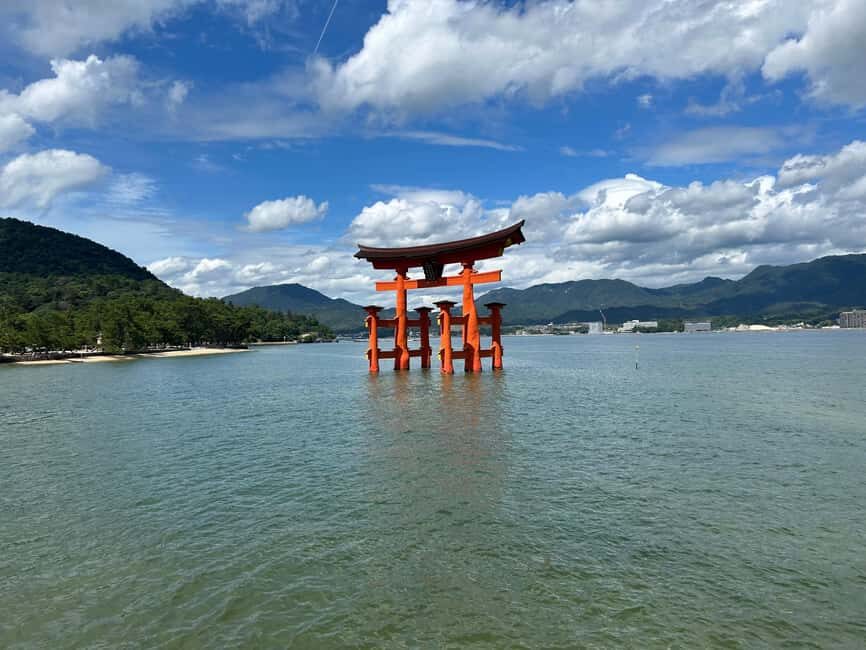
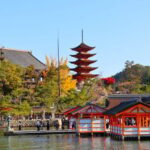
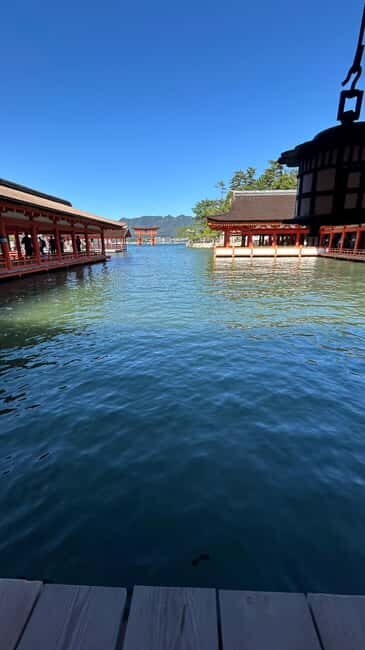
- Itsukushima Shrine: Where the Torii Gate Feels Like It’s Floating
- Omotesando Street on Miyajima: Shopping, Snacks, and Breather Time
- Back to Hiroshima: Atomic Bomb Dome Stops Your Brain
- Peace Memorial Park: Monuments You Walk Through, Not Past
- Peace Memorial Museum: Powerful, but Plan for Limited Time
- Pacing and Group Size: Why Small Feels Better Here
- Price and Value: What $96 Covers (and What It Doesn’t)
- What to Bring and What to Leave Behind
- Who This Tour Fits Best (and Who Might Want a Different Plan)
- Should You Book This Hiroshima & Miyajima Guided Tour?
- FAQ
- Where do I meet the guide in Hiroshima?
- Which exit should I use at Hiroshima Station?
- How do I recognize my guide?
- What language is the tour guide speaking?
- How long is the tour?
- Is transportation included in the price?
- Are admission fees included?
- What happens if I’m traveling between February 16 and 21?
- Do I need cash?
- Is the tour suitable for wheelchair users or people with mobility impairments?
Key Points Worth Knowing
- Small group (up to 10) means more chances to ask questions without feeling rushed.
- UNESCO World Heritage hits both sides of the day: Itsukushima Shrine and the Atomic Bomb Dome.
- Tide can change the torii gate look at Itsukushima—nature affects the iconic photo.
- You get a real ferry ride moment on the way to Miyajima, not just a quick stop.
- Peace Memorial Park monuments come in a guided sequence so you’re not reading everything alone.
- Your day ends at Peace Memorial Museum, so plan to continue from there (not back to the station).
Getting Oriented at Hiroshima Station (North Exit, 2F)
The tour starts where you can actually find it: Hiroshima Station, North Exit (Shinkansen Exit, 2F level). Use the North Exit, not the South side near the tram/bus area. Your meeting spot is on the benches in front of Midori no Madoguchi (the JR Green Ticket Office), with a Starbucks directly opposite—so you’re basically hunting for two fixed landmarks.
This matters more than it sounds. In Japan, stations are big and signage can feel like a puzzle when you’re on a clock. The good part: the guide is easy to spot, too. They carry a bag with a bright fluorescent green band attached, so you can confirm you’ve found the right person fast.
Other Miyajima Island tours in Hiroshima
Train and Ferry to Miyajima: The Best Part Is the Shift
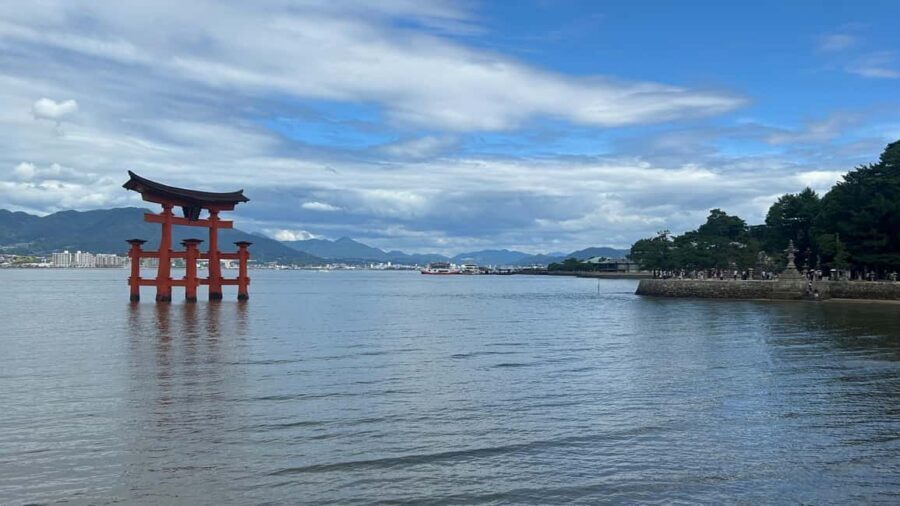
The day has a built-in mood change. You’ll take public transport (a short train ride, then a ferry) to Miyajima Island, and that travel time is part of the experience. It’s not just logistics—it’s how you go from city noise to an island pace.
Two practical things to keep in mind. First, public transportation means you’re moving with the rhythm of other passengers, so wear comfortable shoes and keep your schedule flexible. Second, Miyajima is a popular day trip, so you can expect crowds at the most famous photo spots.
Itsukushima Shrine: Where the Torii Gate Feels Like It’s Floating
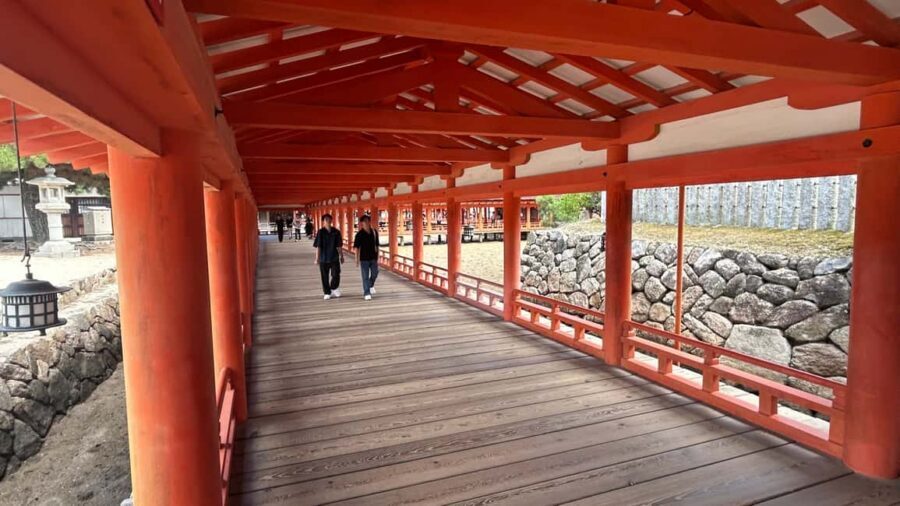
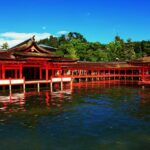
Itsukushima Shrine is the headline for many people, and the tour treats it like more than a quick photo. You get a photo stop plus a guided visit (about 80 minutes total), which gives you enough time to look around and still hear the story behind what you’re seeing.
The iconic red torii gate is the main visual hook. You’ll learn why it’s so famous—and also why it might look slightly different on your day. The tour notes that tide levels affect the torii gate appearance, and that’s real-world travel logic: plan on the sea level shaping the view.
One more reason I like a guided stop here: the shrine is visually striking, but it’s also layered with meaning. A guide helps you connect the art and setting to why it’s treated as spiritual space. And if you’re lucky with timing, you may spot quiet island life in the mix—like monks training mentioned by some past guests.
When it’s a bit crowded, don’t panic. A guide can help you find the best angles and timing so you still get your photos without spending the whole visit behind someone’s phone.
Omotesando Street on Miyajima: Shopping, Snacks, and Breather Time
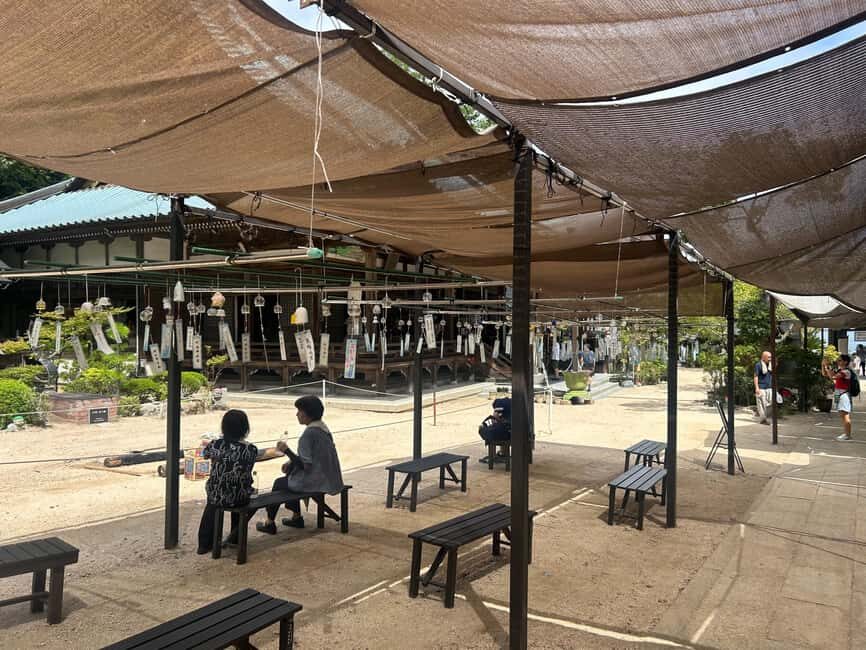
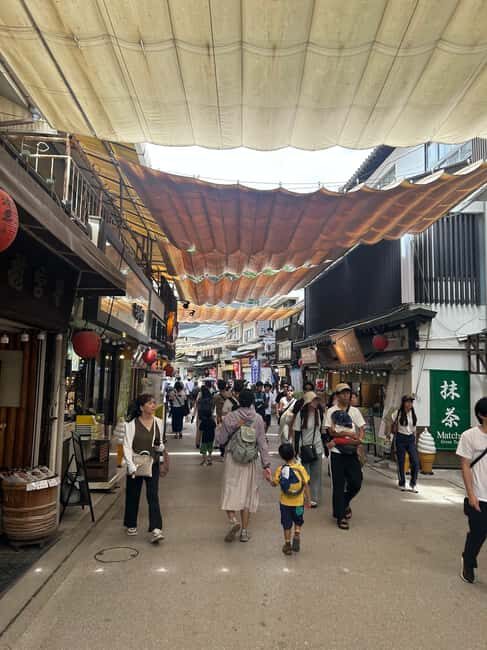
After the shrine, you get a break on Miyajima at Omotesando Shopping Street. This is about 45 minutes of guided sightseeing plus free time, which is a smart design choice. It prevents the day from turning into a nonstop museum marathon, and it lets you actually do something fun with your legs and stomach.
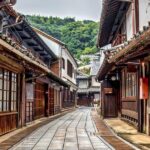
This is also where the food highlights show up. The tour points out local favorites like oysters and momiji manju. Even if you don’t eat everything, you’ll get the texture of the island: shop fronts, snack smells, and that slightly chaotic-but-friendly crowd flow that makes busy places feel alive.
Two tips so you enjoy this section:
- Pace yourself. You’re coming from shrine walking and you’ll walk again back in Hiroshima, so don’t turn free time into a food coma.
- Use the free time to buy small souvenirs you can carry easily. The tour restricts oversized luggage and large bags, so keep it light.
Back to Hiroshima: Atomic Bomb Dome Stops Your Brain
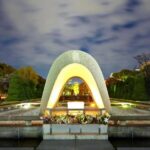
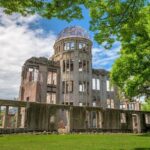
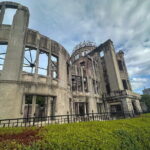
Once the ferry journey is done and you’re back in Hiroshima, the tone shifts quickly. The first big stop is the Atomic Bomb Dome, with about 30 minutes for photo stops and guided touring.
I like that the tour doesn’t rush through this. A guided visit helps you understand what you’re looking at beyond the postcard image. The Dome isn’t just a structure; it’s a physical reminder placed into the modern city, and hearing the context makes your eyes slow down in a good way.
If you’re the type who hates information overload, this is still manageable. The guide gives you the key story points and points you toward what to notice, instead of turning the visit into a lecture.
Other Hiroshima and Miyajima combo tours in Hiroshima
Peace Memorial Park: Monuments You Walk Through, Not Past
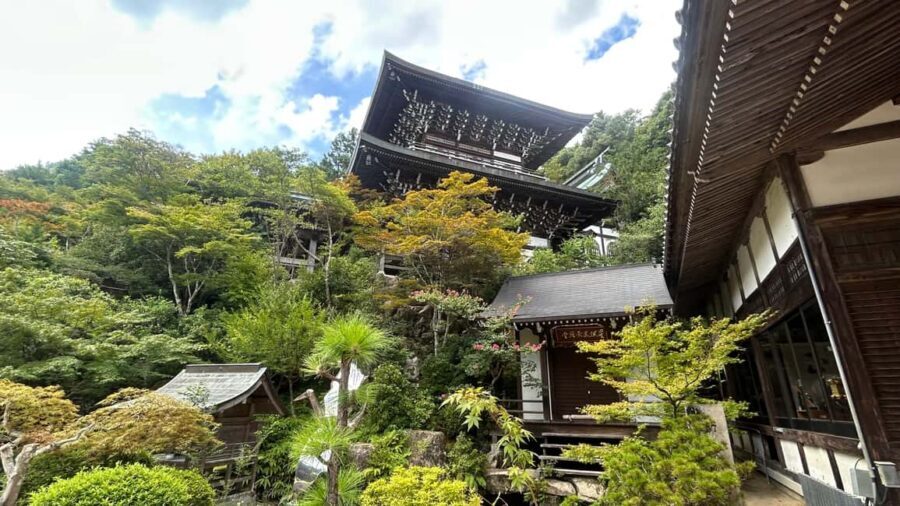
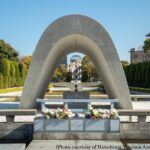
Next is Peace Memorial Park (about 40 minutes). This is where the day turns from history lessons into something more personal—because the park layout makes you move from one remembrance point to the next.
You’ll get photo stops and guided sightseeing, with time to pause at monuments dedicated to victims. That guided sequencing helps a lot. Without it, it’s possible to see the space but miss the emotional “thread” the city has intentionally arranged.
Here’s what I’d watch for: don’t treat it like a checklist. Even if you’re not a natural museum reader, walking through the park gives you moments to feel the scale of what happened and what Hiroshima asks the world to remember.
Peace Memorial Museum: Powerful, but Plan for Limited Time
The tour includes the Peace Memorial Museum with about 1 hour on-site, and this is often the emotional peak of the day. You’ll have time for guided touring and sightseeing at the museum, plus photo stops.
One important operational note: the museum is closed from February 16 to 21. During that window, the visit is skipped, but the tour still continues as planned to the other locations. So if your trip lands in that date range, you’re not getting a “full” museum experience—just the rest of the memorial stops.
Even when open, the hour can feel tight if you’re the type who wants to read every display and really take notes. The tour structure is designed for breadth: you see the main memorial story, but you don’t get unlimited time to go deep. If you know you’ll want more, consider pairing this tour with a self-paced return visit later.
Pacing and Group Size: Why Small Feels Better Here
This is a 6.5-hour guided day (about 390 minutes) with a small group capped at 10. That matters because this isn’t a casual sightseeing loop. You’re dealing with heavy subject matter and famous places that attract crowds.
A smaller group usually means:
- more efficient transitions between transport and stops
- more flexibility if you want to ask a question
- less time spent trying to “catch up” to your guide
You’ll walk a fair bit, and you’ll be on public transportation, so bring the right shoes and be ready for weather. The tour operates rain or shine, so pack light rain gear if the forecast looks moody.
Price and Value: What $96 Covers (and What It Doesn’t)
The price is $96 per person for a guided day of major UNESCO sites. The included items are the local guided tour and admission fees for the sights included on the route.
The parts not included are crucial for budgeting: transportation and meals are not included. That means you should expect to pay separately for train and ferry fares and for food you buy during the day (especially on Miyajima, where you’ll want snacks).
Is it worth it? Usually, yes—because you’re paying for two things that are hard to DIY smoothly:
- someone to guide you through meaning at the memorial sites, not just take you to them
- admission coverage plus a tight schedule that helps you see a lot in one day
Also, the tour’s structure saves you time. If you’re only in Hiroshima for a short window, a guided day trip is a practical way to hit Miyajima and Hiroshima’s most important memorial spots without turning the day into a planning project.
What to Bring and What to Leave Behind
The tour asks you to bring cash. That’s not just for fun shopping—it’s also for transportation and purchases since transportation fares aren’t included in the price.
A few other “respect the rules” notes:
- pets are not allowed
- oversized luggage and large bags aren’t allowed
- electric wheelchairs are not allowed
- the tour is not suitable for children under 6
If you’re traveling with lots of gear, pack like you’re going for a long city walk. Keep it simple so you don’t fight with station crowd flow and ferry boarding.
Who This Tour Fits Best (and Who Might Want a Different Plan)
This tour fits best if you want the big highlights handled for you: Itsukushima Shrine, Omotesando Street, Atomic Bomb Dome, Peace Memorial Park, and the Peace Memorial Museum in one guided sweep.
It’s also a good pick if you’re new to Japan logistics and want a clear meeting point and a live guide who can help you keep moving. With a small group and an English live guide, it’s built for people who prefer answers over guessing.
It may not fit if you have mobility limitations. The tour is explicitly not suitable for wheelchair users and people with mobility impairments, and the restrictions on electric wheelchairs make it a harder match.
Should You Book This Hiroshima & Miyajima Guided Tour?
I’d book it if you want a structured, one-day connection between Miyajima’s spiritual coastal view and Hiroshima’s Peace Memorial message—with the comfort of a small group and an English guide to keep the story clear. The value comes from guided context plus admission coverage, and the overall time mix is good: shrine first (beautiful and easy to enjoy), then Hiroshima (serious and focused).
I’d think twice if you’re traveling in February 16–21 and museum time is a deal-breaker, or if you already know you’ll want more than an hour at the Peace Memorial Museum. In that case, you may prefer a plan that gives you a longer independent return window.
If you’re ready for a day that includes both awe and reflection, this is a strong way to do it—without scrambling between locations or missing the point of what you’re seeing.
FAQ
Where do I meet the guide in Hiroshima?
Meet your guide at Hiroshima Station – North Exit (Shinkansen Exit, 2F level). The meeting spot is on the benches in front of Midori no Madoguchi (JR Green Ticket Office).
Which exit should I use at Hiroshima Station?
Use the North Exit, not the South Exit (tram/bus side).
How do I recognize my guide?
The guide will have a bright fluorescent green band attached to their bag for easy identification.
What language is the tour guide speaking?
The tour is English.
How long is the tour?
The duration is 390 minutes (about 6.5 hours).
Is transportation included in the price?
No. Transportation fares are not included.
Are admission fees included?
Yes. Admission fees are included along with the local guided tour.
What happens if I’m traveling between February 16 and 21?
The Peace Memorial Museum will be closed from February 16 to 21, so the museum visit will be skipped during that period while the tour continues to other stops.
Do I need cash?
Yes. You should bring Japanese yen in cash for transportation and purchases.
Is the tour suitable for wheelchair users or people with mobility impairments?
No. It is not suitable for wheelchair users, and electric wheelchairs are not allowed.