REVIEW · HIROSHIMA
Hiroshima:Private lacquer workshop experience tour(gift included)
Book on Viator →Operated by 一般社団法人My Japan · Bookable on Viator
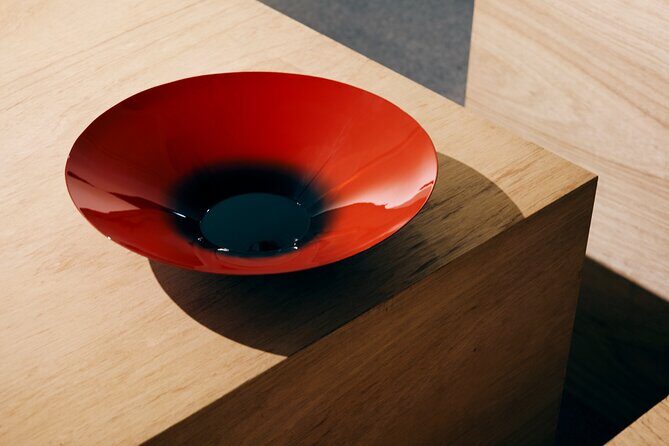
Lacquer has a slow, living glow. In Hiroshima, you get a private-style workshop with master artist Naoya Takayama, learning how techniques from Hiroshima Buddhist altars become everyday tableware. It’s craft as story: origin, method, and the pressure traditional skills face today.
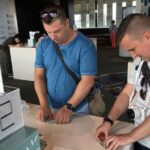
I especially love the hands-on part—lacquer painting—because you don’t just watch. You work in the studio setting, try techniques yourself, and get a clearer sense of why this material takes patience. And I like that the workshop is small (up to 6 people), so you get real attention rather than a rushed demo.
The main drawback is the time: at about 2 hours, it’s a focused taste of the process, not a long, multi-day deep study of urushi craft. If you want hours and hours at a bench, plan something else too.
In This Review
- Key highlights you’ll care about
- Hiroshima Buddhist altar lacquer: why this workshop feels different
- The artist behind the bench: Naoya Takayama and his roiro touch
- Arriving in Hiroshima: where to meet and what to expect on timing
- Inside the studio: the flow of the 2-hour workshop
- What you actually do: lacquer painting, not just watching
- The gift included: what “take home” really means here
- Price and value: is $287.41 per person reasonable?
- Who this is best for (and who should think twice)
- Practical notes to plan your day smoothly
- Should you book it? My honest recommendation
- FAQ
- How long is the Hiroshima private lacquer workshop experience?
- How many people are in the group?
- Who teaches the lacquer workshop?
- What will I do during the session?
- What do I receive as part of the tour?
- Where is the meeting point?
- Is the tour near public transportation?
- Is there a free cancellation window?
Key highlights you’ll care about
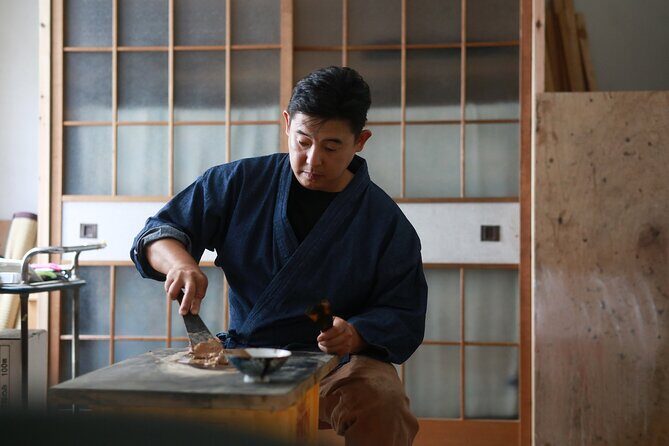
- Master-led instruction: Hiroshima lacquer artist Naoya Takayama teaches the origins and techniques tied to Buddhist altar craftsmanship.
- Roiro (wax color) technique taught through his work: Expect discussion of the original methods he developed, including roiro.
- Conversation about craft survival: You’ll learn what decline looks like and what ideas exist for sustaining tradition.
- Hands-on lacquer painting: You get to try techniques yourself, not just observe the finished work.
- Gift included at the end: You receive lacquer works made by the instructor to take home.
- Small group cap (max 6): Better pacing and more chance to ask questions during the session.
Hiroshima Buddhist altar lacquer: why this workshop feels different
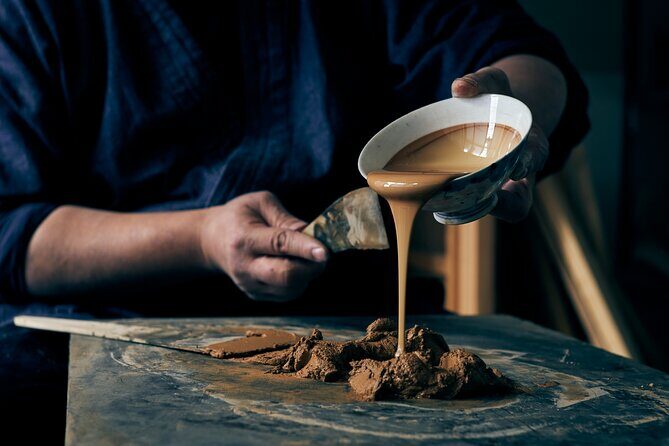
I like workshops that respect your time and still deliver something real. This one does. It’s not “watch lacquer being made” with a quick souvenir moment. The teaching centers on how Hiroshima’s Buddhist altar lacquer tradition shaped practical, everyday objects—tableware you’d actually use.
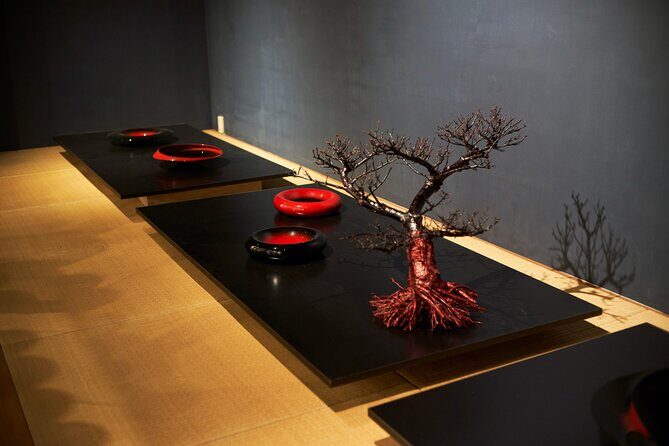
That framing matters. When a craft starts life on a religious altar, it’s usually made with a high bar: durability, detail, and a deep sense of care. Here, you learn how those same ideas can translate into the refined texture people associate with lacquerware for daily life. And the materials are described as natural, which helps you understand why lacquer isn’t just decoration—it’s a craft language.
You also get the honest part of the story. The session includes what’s happening now: the decline in traditional crafts and the techniques and ideas needed to keep them going. That kind of conversation makes the experience feel connected to the present, not trapped in old photos.
If you're still narrowing it down, here are other tours in Hiroshima we've reviewed.


The artist behind the bench: Naoya Takayama and his roiro touch
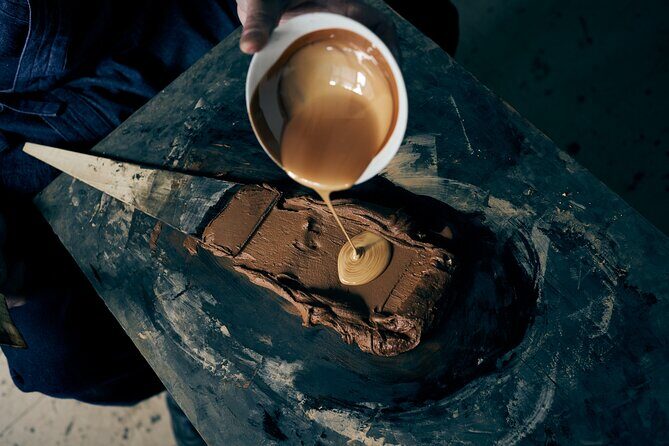
The instructor is Naoya Takayama, and the workshop doesn’t hide his credentials. He learned traditional techniques of Kyoto lacquer painting, then refined his lacquering skills before incorporating the roiro (wax color) technique to create original pieces.
You’ll hear how his craft connects to a broader lineage: he inherited the skills and spirit of Kiyoshi Takayama, the company founder. That background isn’t just resume padding. It explains why he’s serious about technique and transmission—how the knowledge gets handed down, and how it adapts without losing its roots.
One detail I appreciate is the mention that his works were selected as a gift at the G7 Summit. That signals recognition beyond a local craft circle. In practical terms for you, it suggests the workshop is taught by someone who performs at a professional level, not just as a hobbyist.
Arriving in Hiroshima: where to meet and what to expect on timing
The meeting point is at 2-17 Horikawachō, Naka Ward, Hiroshima, 730-0033. The activity ends back at the meeting point, so you’re not stuck figuring out your next hop.
It’s also described as near public transportation. That’s a small detail, but it’s a big deal in Hiroshima, where you’ll likely be balancing tram and bus time with museum and food stops. If you can walk to the start, you’ll waste less time with transit stress.
Expect about 2 hours total. That timing shapes everything: you’ll cover origins and technique clearly, then shift into hands-on lacquer painting. It’s designed for focus, not wandering.
Inside the studio: the flow of the 2-hour workshop
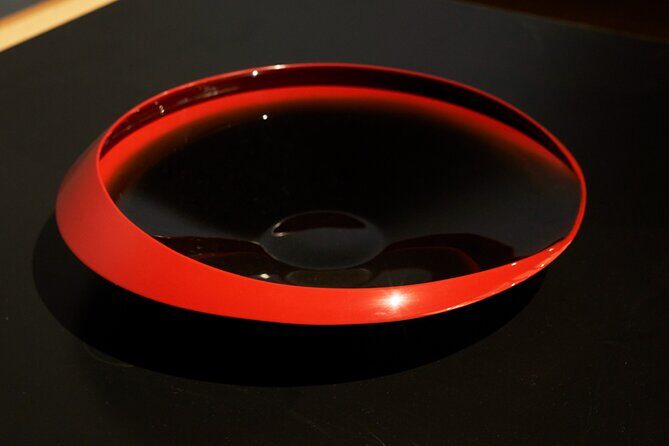
Here’s the rhythm I’d plan around. First, you learn the origins and techniques behind the traditional Hiroshima Buddhist altar craft. The aim is to help you understand what makes this lacquer tradition distinct, and why the steps matter—not just what the tools are.
Then you shift into context: the current state of decline in traditional crafts, and the kinds of ideas people are using to sustain them. This part can feel heavier than a typical souvenir workshop, but it’s also what makes the experience feel honest and grounded.
After that, you get a more specific look at the instructor’s own approach, including the award-winning Hiroshima lacquer technique associated with Naoya Takayama’s work. The roiro (wax color) technique is part of that story. Even if you don’t fully recreate a master-level finish during your session, understanding what roiro is used for helps you connect the dots between raw materials and artistic effects.
Finally comes the part most people book for: the lacquer painting experience. You’ll try techniques yourself. From what’s been shared by guests, the most satisfying moment is usually the transition from watching to doing—seeing how steady your hands need to be and how the craft rewards patience. It’s also where studio staff warmth matters, because hands-on work can make people feel clumsy. A welcoming studio makes a difference.
One name that shows up in guest experiences is a guide called Michi. In at least some sessions, Michi is described as kind and professional. Even when the artist is leading the craft side, a guide like that can help you follow the steps and move smoothly through the material process.
What you actually do: lacquer painting, not just watching
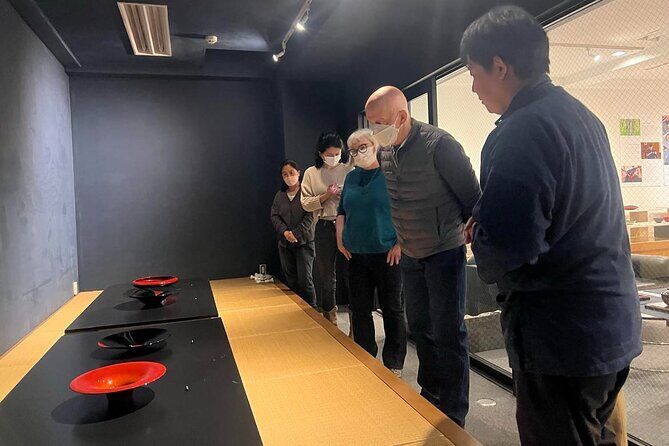
A lot of lacquer experiences stop at a demo. This one includes a real attempt at lacquer painting. That means you’ll leave with more than a story—you’ll leave with muscle memory, even if it’s basic.
Because you only have about two hours, the goal isn’t to manufacture a showpiece. It’s to learn the method’s logic: how the technique is built step-by-step and how the craft’s patience shows up in real time. You’ll also see why lacquer isn’t a quick surface finish. It’s technique + restraint.
You should also expect your senses to get involved. Lacquer work is tactile. You’re handling materials tied to a natural craft process, and that affects how you perceive the end result. If you like crafts where the process is the product, you’ll enjoy this.
Other private tours in Hiroshima



The gift included: what “take home” really means here
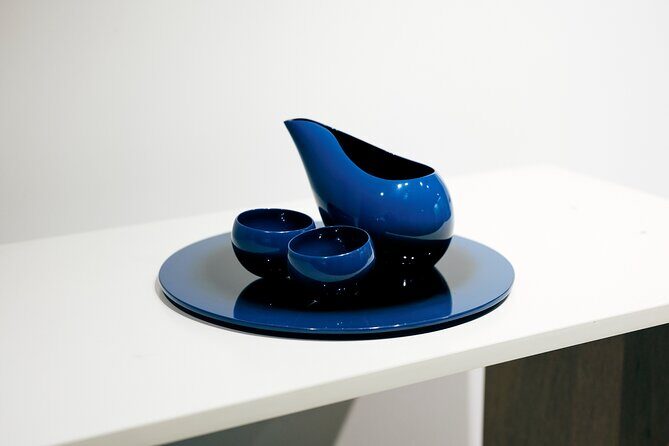
The workshop includes a gift of works made by the instructor. That’s one reason the experience can feel like better value than you might expect from the price.
Lacquer works aren’t cheap because labor and care are baked into the craft. Even if the gift is not a giant statement piece, it’s a real output from a master workshop context, not a generic factory item. And the workshop narrative ties the gifted work to the techniques you learned about—Buddhist altar origins, natural materials, and the refined lacquer texture associated with daily-use lacquerware.
There’s also a symbolic link: Naoya Takayama’s works have been recognized at major international levels (like the G7 Summit gift selection). For you as a buyer, that means the gift has artistic intention behind it, not just workshop packaging.
So when you’re deciding if it’s worth it, don’t compare it to the cheapest souvenir stall. Compare it to the value of a real craft item tied to real instruction.
Price and value: is $287.41 per person reasonable?
At $287.41 per person, this isn’t a budget activity. But here’s the value logic I use.
First, it’s a small group experience with a listed max of 6 travelers, and it’s centered on a named master artist, Naoya Takayama. Workshop pricing rises when instruction is personalized and the teacher is directly involved.
Second, you’re getting both:
- instruction about origins and technique (plus context about decline and preservation), and
- hands-on lacquer painting.
Third, there’s a gift included made by the instructor. That can offset cost in a way that “watch-only” workshops can’t.
Where the price may feel harder is if you’re hoping to buy a lacquer bargain or if you’re not the type to enjoy technique-focused art. In that case, you might prefer a museum or a general craft shopping stroll.
But if you want something thoughtful, hands-on, and tied to Hiroshima’s craft identity, the price starts to make sense.
Who this is best for (and who should think twice)
You’ll likely love this if you:
- care about craft technique and want the why behind the steps
- enjoy small-group workshops where you can ask questions
- want to learn Hiroshima lacquer through Buddhist altar roots and see how it becomes daily tableware
- appreciate discussion about tradition and how people keep it alive
You might think twice if you:
- want a long, multi-session workshop
- prefer experiences that are mostly sightseeing
- are expecting a fully “finished” take-home item you can use as a functional dish set (this session is described as a lacquer painting experience and includes a gift, but the exact form and function aren’t detailed)
Practical notes to plan your day smoothly
This is a 2-hour activity, and the session ends where it starts. That makes scheduling easier: you can slot it between museum time and dinner.
It also uses a mobile ticket, which helps on travel days when paper tickets become annoying. And since it’s near public transportation, you can plan without building your day around a single taxi ride.
Finally, since it’s a private lacquer workshop experience with a max group size, it’s a good choice when you want something more personal than a big tour bus day.
Should you book it? My honest recommendation
Book it if you want a craft experience with a clear story: Hiroshima Buddhist altar origins, a master instructor’s techniques (including roiro), hands-on lacquer painting, and a gift included at the end. It’s the kind of tour that gives you something to remember beyond a photo: a sense of how technique and meaning connect.
Skip it if your schedule is tight and you’d rather spend time on Hiroshima’s major sights and food markets, or if you only want low-cost shopping. This workshop isn’t trying to be that.
If you fall in the middle—interested in Japanese craft, willing to pay for a small-group master-led session—then this is a very strong pick.
FAQ
How long is the Hiroshima private lacquer workshop experience?
It lasts about 2 hours.
How many people are in the group?
The workshop has a maximum of 6 travelers.
Who teaches the lacquer workshop?
The instructor is Naoya Takayama.
What will I do during the session?
You’ll learn the origins and techniques of the traditional Hiroshima Buddhist altar craft, discuss the decline of traditional crafts and ideas for sustaining them, learn about Naoya Takayama’s award-winning lacquer technique, and take part in a lacquer painting experience.
What do I receive as part of the tour?
You receive a gift of works made by the instructor.
Where is the meeting point?
The start location is 2-17 Horikawachō, Naka Ward, Hiroshima, 730-0033, Japan. The activity ends back at the meeting point.
Is the tour near public transportation?
Yes, it’s near public transportation.
Is there a free cancellation window?
Yes. You can cancel up to 24 hours in advance for a full refund. If you cancel less than 24 hours before the start time, the amount you paid is not refunded.