REVIEW · HIROSHIMA
Hiroshima & Miyajima Island Private Tour: History & Culture
Book on GetYourGuide →Operated by GoWithLocals · Bookable on GetYourGuide
A-bomb memories meet island calm in 6 hours. I like that this private tour pairs Hiroshima’s Peace Park with Miyajima’s shrine-and-deer atmosphere, then ties it all together with a local, English-speaking guide. It’s history you can feel, plus a day that stays practical and paced for real people, not tour robots.
Two things I especially like: first, the Peace Memorial Museum and Peace Park stop is handled with sensitivity and context, so you understand what you’re seeing instead of just staring. Second, the food and walking breaks around Miyajima matter—fresh oyster bites, okonomiyaki, and momiji manju are built into the day through your guide’s local picks.
One possible drawback: this is mostly walking plus transit (train and ferry), and the day is designed around that rhythm. If your group needs lots of long, sit-down breaks, you’ll want to tell the guide up front so they can adjust the pace.
In This Review
- Key Highlights Worth Marking
- Private Time in Hiroshima and Miyajima: What Makes It Feel Different
- Peace Memorial Museum and Peace Park: How to See It the Right Way
- A-Bomb Dome Short Stop: Small Timing, Big Impact
- When the Museum Visit Doesn’t Match the Plan
- Train and Ferry: The Easy Way to Get from City to Island
- Itsukushima Floating Torii Gate and Shrine: Sacred Views, Calm Timing
- Daisho-in and Omotesando: Nature, Ritual Details, and a Food-Friendly Break
- Food on This Tour: Oysters, Okonomiyaki, and Momiji Manju
- Meeting Points, Pace Control, and Staying Sane
- Price and Value: Is $69 a Good Deal?
- Who This Tour Suits Best
- Should You Book This Hiroshima and Miyajima Private Tour?
- FAQ
- How long is the Hiroshima & Miyajima Island Private Tour?
- Is this tour private?
- What’s included with the ticket price?
- Is food or drinks included?
- Is pickup available?
- Where should I meet my guide if I choose Hiroshima Station?
- What language is the tour guide?
- Is the tour wheelchair accessible?
- What are the cancellation and payment options?
Key Highlights Worth Marking
- English-speaking private guide who adjusts pace for families, teens, and slower walkers
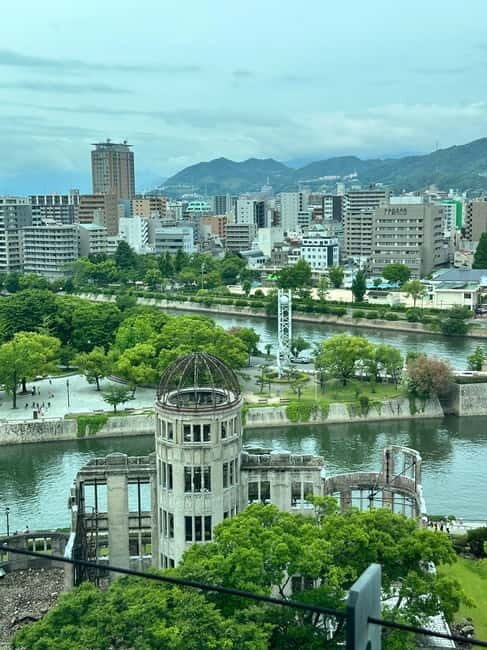
- Peace Memorial Park focus on personal stories and respectful context near the A-Bomb Dome
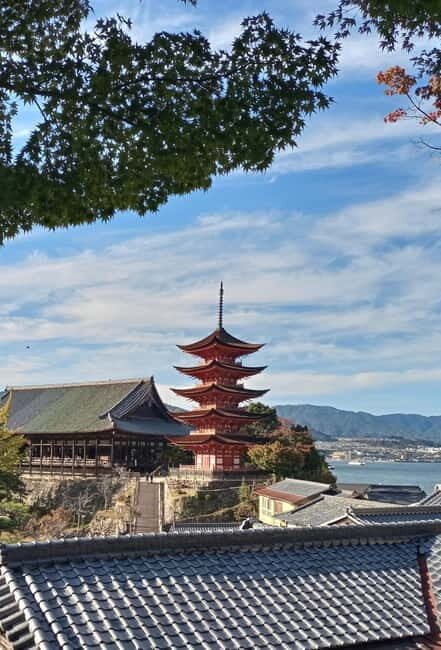
- UNESCO Itsukushima Shrine visit plus Daisho-in for a fuller Miyajima experience
- Miyajima ferry ride and floating torii gate views in a gentle, scenic way
- Local food stops guided toward oysters, okonomiyaki, and momiji manju (food not included)
- Deer on Miyajima Island wandering freely near the shrine area
Private Time in Hiroshima and Miyajima: What Makes It Feel Different
This tour is built for people who don’t want to race. You get a private guide, and that changes everything about how the day feels. Instead of being herded, you can ask questions, slow down when something hits emotionally, and move faster when you’re just eager to get to the next view.
I also like that the plan mixes the big, must-see landmarks with small course corrections. Your guide can tailor what you focus on, which is handy because Hiroshima can feel heavy if you’re not ready for it, and Miyajima can feel overwhelming if you don’t know where to step next.
Finally, it’s an English tour, which sounds basic but matters a lot for places like this. In Hiroshima, meaning isn’t only in signs. It’s in the way someone explains what happened, why the memorial looks the way it does, and how local people frame remembrance today.
Other Miyajima Island tours in Hiroshima
Peace Memorial Museum and Peace Park: How to See It the Right Way
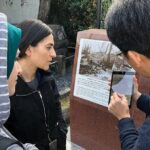
You’ll start with the Hiroshima Peace Memorial Museum (about 40 minutes). The tour includes the entrance ticket and aims to make the visit feel coherent, not random. The museum is confrontational by design, but your guide’s job is to help you connect the dots: what you’re looking at, why it was saved, and what Hiroshima chose to preserve afterward.
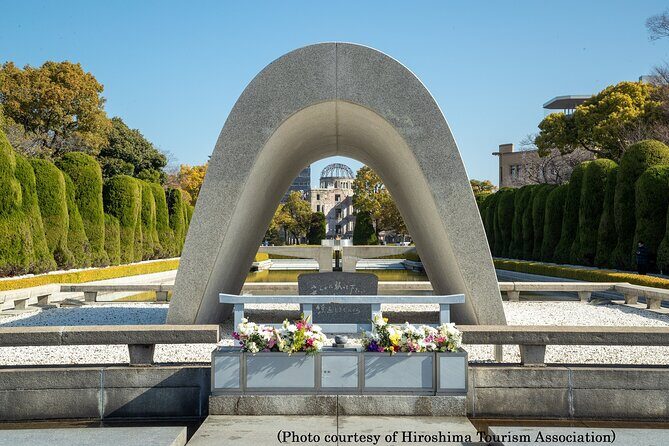
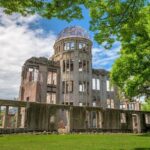
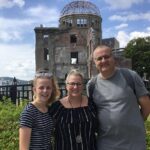
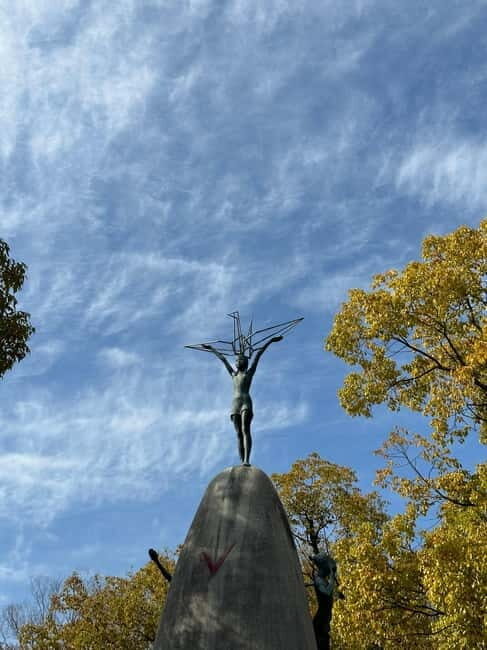
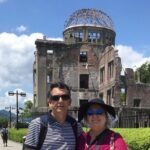
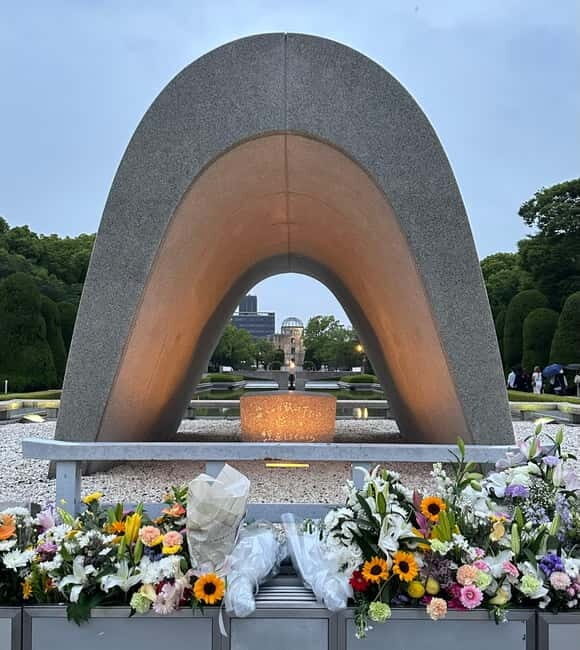
Next comes Hiroshima Peace Memorial Park (around 50 minutes). This is where the day shifts from exhibits to place. The park is carefully arranged, and the A-Bomb Dome sits nearby like a fixed point in time. This isn’t a stop where you’ll want to check your phone every two minutes. The better move is to listen first, then look slowly.
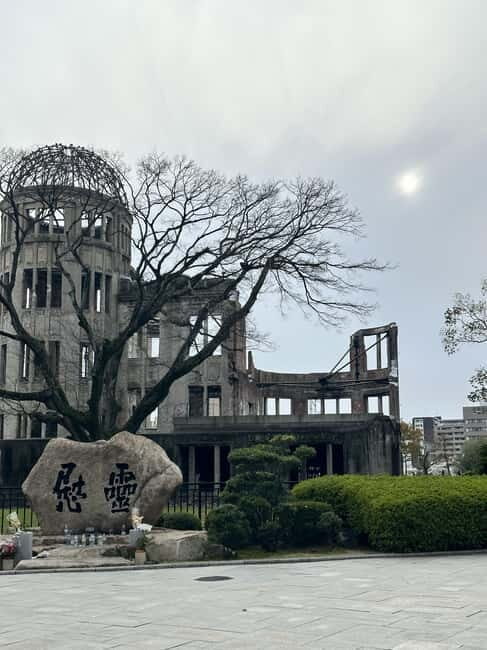
Your guide also spends a brief period near the Atomic Bomb Dome (about 10 minutes). In this format, it works well: you get enough time to understand why it matters, without it turning into a long, difficult stare that drains everyone.
If you’re traveling with kids or teens, I think this structure is strong. Short guided blocks at each site can keep attention from wandering while still respecting the subject.
A-Bomb Dome Short Stop: Small Timing, Big Impact
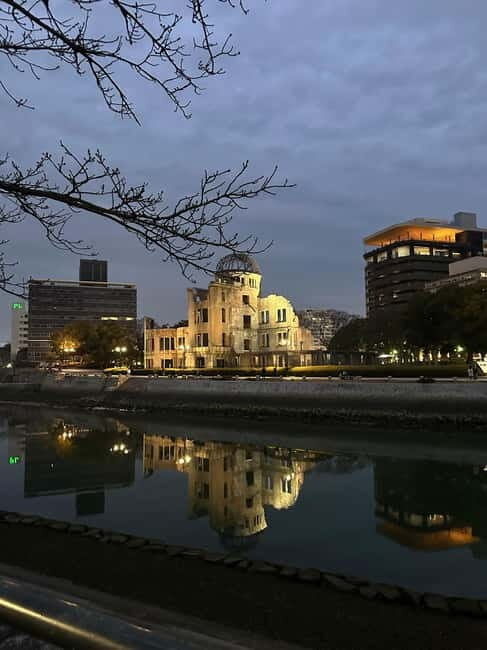
That 10-minute A-Bomb Dome segment may look brief on paper, but it’s intentional. You don’t need half an hour to recognize what’s in front of you. You need context so the moment lands.
I like the way this tour handles the emotional weight: you’re not rushed out the second you get quiet. You get a short guided window, which can help you settle your thoughts before you move back into the flow of the day.
If you’re sensitive to the topic, this style is a plus. You can pause when you need to, and your guide can keep the tone respectful if the group is quiet, overwhelmed, or just processing.
When the Museum Visit Doesn’t Match the Plan
One practical thing to know: the Peace Memorial Museum can sometimes be closed due to circumstances beyond anyone’s control. On those days, the guide’s role becomes even more important, because you still need a way to understand what the site represents.
I appreciate that this tour isn’t only about ticking off rooms. It’s about interpretation. So if the museum doors are closed, you can still expect your guide to fill the time with on-site storytelling and directional insights so you don’t feel like you lost the point of the day.
That said, your experience will depend on the specific day’s operations. If this stop is your top priority, I’d still plan some flexibility in your expectations so you don’t go in stressed.
Train and Ferry: The Easy Way to Get from City to Island
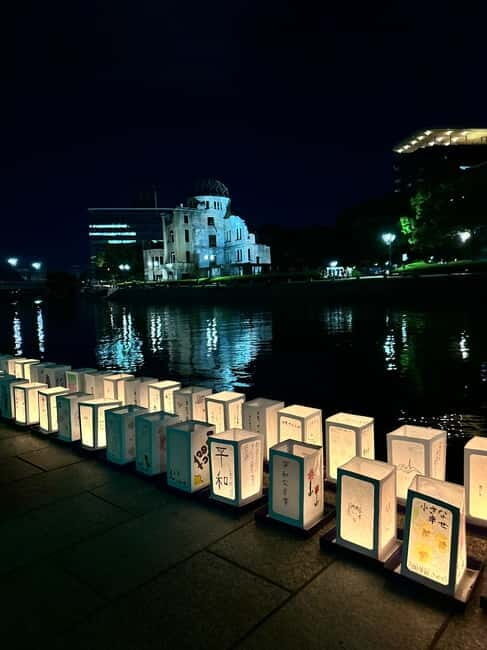
Once Hiroshima city stops are done, you move to Miyajima using public transit: a train ride (about 35 minutes), then a short ferry (about 10 minutes). Later, you’ll take the return route with another ferry (about 10 minutes) and another train segment (about 25 minutes).
Why I like this transport setup: it keeps the day realistic and stress-free. You’re not waiting for private car logistics, and the route itself is part of the experience. The ferry gives you a visual reset after memorial sites—water, air, and a different tempo.
There’s also a small walking stretch on the island (about 15 minutes on foot plus some time in the shopping street). Wear shoes you can move in comfortably. Hiroshima and Miyajima days are not the place for fashion sneakers that feel like punishment.
Other private guided tours in Hiroshima

Itsukushima Floating Torii Gate and Shrine: Sacred Views, Calm Timing
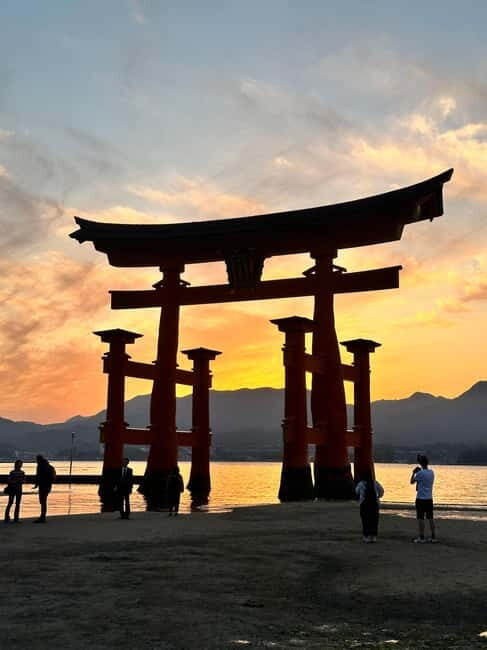
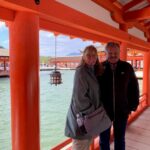
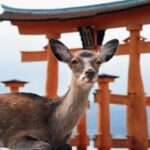
Miyajima is famous for a floating torii gate, and this tour brings you close enough to appreciate it in context. You’ll have a guided visit to the Itsukushima Shrine area (about 20 minutes) after time at the floating torii gate (about 20 minutes).
What makes this work is pacing. You’re not only hunting for a photo. Your guide’s explanations help you understand why the shrine connects so strongly to sea travel and pilgrimage. Then you get just enough time at each point to look up, look around, and feel the setting.
If you’re the kind of person who wants to learn the “why” behind the “what,” this is a good rhythm. You’ll see the iconic sight, then connect it to the sacred space around it.
Daisho-in and Omotesando: Nature, Ritual Details, and a Food-Friendly Break

After the main shrine area, you’ll visit Daisho-in (about 40 minutes). This is where Miyajima starts to feel less like a checklist and more like an outing. Your guide’s commentary can help you notice details you might otherwise skip.
Then comes Miyajima Omotesando Shopping Street with a break (about 30 minutes). This is smart timing because you’ll likely be ready for a snack, a warm drink, or a sweet souvenir. Your guide can point you toward local favorites—think fresh oyster options, sizzling okonomiyaki, and momiji manju.
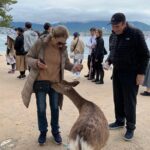
One more note: Miyajima is known for deer that wander around. Your guide can help you navigate that calmly, so you don’t spend your time worrying about where to step next.
Food on This Tour: Oysters, Okonomiyaki, and Momiji Manju
Food isn’t included, but it’s very much part of how the day is shaped. Your guide will suggest local places and insider-style options based on what’s available and what you like.
I like that this approach respects your appetite and timing. You’re not forced into one set meal, and you can choose how adventurous you want to be. If you want to try Hiroshima-area staples, your guide can steer you toward them.
Here’s what to look for based on the tour focus:
- Fresh oysters (often the standout on this kind of Miyajima day)
- Okonomiyaki (the savory pancake you’ll see people ordering with confidence)
- Momiji manju (the maple-shaped sweet that makes a good takeaway)
Bring an open mind. This isn’t fine-dining. It’s comfort food with local pride.
Meeting Points, Pace Control, and Staying Sane
Because it’s private, meeting logistics matter. You can meet your guide at built-in options when you book. If you choose Hiroshima Station as your meeting place, the instructions are specific: meet at the Shinkansen Exit on the 2nd floor, in front of Starbucks.
Your guide will also reach out the day before to confirm the exact meeting point. That kind of confirmation is more than convenient. It cuts stress, especially when you’re juggling trains and ferries.
In at least some real scenarios, the guide’s communication has helped when timing shifted unexpectedly. That’s the kind of professionalism you want on a day with public transit. You don’t want to wonder where the plan went.
As for pacing, multiple guides on this tour style have been described as patient and adaptable. That’s exactly what I’d want if I were traveling with teens who get bored fast, or with kids who need more attention and shorter segments.
Price and Value: Is $69 a Good Deal?
At $69 per person for a 6-hour private tour, the value comes from three places.
First, you get a private guide for the full time, not a shared audio headset. That’s meaningful in Hiroshima and Miyajima, where context changes how you experience the sights.
Second, entrance isn’t added on top of everything. The Peace Memorial Museum ticket is included, which saves hassle and ensures you spend time on what matters instead of figuring out lines.
Third, the tour includes practical time-saving perks like skipping the ticket line. Small thing, big effect when you’re on a schedule.
What’s not included is also clear: food or drinks and private transportation. Since the tour uses train and ferry, you’ll still cover those transit segments as part of the plan, but you won’t be paying for a taxi or private car.
If you’re comparing options, I’d think of this as paying for interpretation plus smooth routing. For many people, that’s worth more than a cheaper group tour where you can’t ask questions.
Who This Tour Suits Best
This works especially well if:
- You want history with a local explanation, not just photos
- You’re traveling with teens and want the day to stay engaging
- You prefer a private pace for family needs or personal comfort levels
- You care about both solemn sites and a quieter island atmosphere
It may be less ideal if your group hates walking, dislikes public transit, or wants a heavily restaurant-based schedule with minimal movement. This is a sights-and-stroll day. You’ll be on your feet more than in a showroom.
Should You Book This Hiroshima and Miyajima Private Tour?
Yes, if you want a respectful Hiroshima day that doesn’t feel mechanical, and a Miyajima portion that feels guided instead of chaotic. The combination of Peace Park storytelling and UNESCO shrine time, plus local food suggestions, is a strong pairing.
Book it when you value:
- Private guide attention
- Clear pacing through key stops
- English interpretation for sensitive history
- A mix of big landmarks and human-scale moments
Skip it or adjust expectations if you need lots of long downtime, or if your budget is tight enough that paying for a private guide feels hard. In that case, you might prefer a shared tour and add food on your own.
Either way, bring comfortable shoes and plan to keep your focus on the places you’re visiting. Hiroshima is not a day for rushing, and Miyajima rewards people who slow down too.
FAQ
How long is the Hiroshima & Miyajima Island Private Tour?
The tour duration is 6 hours.
Is this tour private?
Yes. It’s offered as a private tour, with private or small groups available.
What’s included with the ticket price?
A private guide is included, along with the entrance ticket to the Hiroshima Peace Memorial Museum. The tour also includes skip the ticket line.
Is food or drinks included?
No. Food and drinks are not included, though your guide may suggest local places to eat.
Is pickup available?
Pickup is optional and only available from your accommodation if it’s within a reasonable walking distance. There’s no pickup by car.
Where should I meet my guide if I choose Hiroshima Station?
Meet at the Shinkansen Exit on the 2nd floor, in front of Starbucks.
What language is the tour guide?
The live tour guide provides the tour in English.
Is the tour wheelchair accessible?
Yes, the tour is wheelchair accessible.
What are the cancellation and payment options?
Free cancellation is available up to 24 hours in advance for a full refund. You can also reserve now and pay later.