REVIEW · HIROSHIMA
Hiroshima Saijo Sake Tasting Tour with visit to 7 Breweries
Book on Viator →Operated by Higashi Hiroshima City Tourism Association · Bookable on Viator
Saijo sake is one of Japan’s smartest drinks routes. This tour strings together seven breweries in the Saijo area so you can compare styles in real time, not just on a brochure. You get a relaxed small-group format, plus an English guide who keeps the experience practical and easy to follow, even when the sake alphabet gets confusing.
I really like two things about it: the focus on difference between styles (Daiginjo, Junmai, Nigori) and the fact that the pours are spread across seven breweries with eight tastings along the way. The guide name Ione shows up in the feedback, and that matters because it’s the kind of tour where your explanations can make or break the fun.
One possible drawback: it’s still a walking tasting tour—about 1.5 km total—so if you prefer zero-foot movement, or you’d rather avoid alcohol completely, this might feel like a lot for the time.
In This Review
- Quick take: what makes this Saijo sake tour worth your time
- Saijo’s sake route: why this format makes sense
- Meeting point and walking plan: where you start and what to expect
- Seven breweries, eight tastings: what you’ll learn stop by stop
- Kamotsuru Sake Brewery: ginjo focus and a quick intro
- Fukubijin Sake Breweries: Junmai and warm-sake season
- Kamoizumi Sake Brewery: purity of ingredients and a signature label
- Saijo Sakaguradori Tourist Information Center: regroup, restroom, and local context
- Kirei Sake Brewery: dry profile and a monthly limited sake blend
- Saijotsuru Brewery: traditional techniques and an award-holding pour
- Hakubotan Brewery: unfiltered sake and the fresh-frozen idea
- Sanyotsuru Brewery Inc.: cloudy sake and a west-of-station twist
- How to taste sake like the guide is trying to teach you
- English guide value: more than translation
- Price and value: what $50.87 really buys you
- Logistics you should know before you go
- Who this Saijo sake tour fits best (and who should skip it)
- Should you book the Hiroshima Saijo Sake Tasting Tour with 7 Breweries?
- FAQ
- How long is the Saijo sake tasting tour?
- How many breweries and sake types are included?
- What is the walking distance like?
- Is there an English guide, and can Spanish be arranged?
- Can I skip drinking alcohol and still take the tour?
- Where do I meet the group?
- What if the tour is canceled due to weather?
Quick take: what makes this Saijo sake tour worth your time
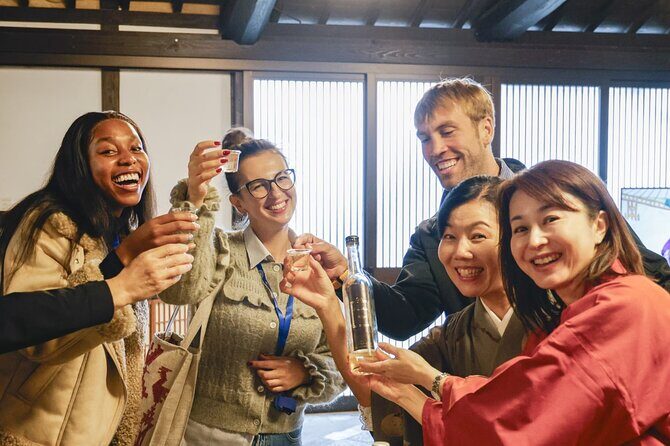
- Eight sake tastings at seven breweries, so you’re comparing styles quickly and clearly
- Small group (max 10) means more Q and easier pacing at each stop
- Real variety: you’ll see both crisp styles (like Junmai) and cloudier options (like Nigori/cloudy sake)
- Two info stops give you a breather plus local street context, not just nonstop pouring
- English guide included, with Spanish-speaking guides possible if you ask in advance
Saijo’s sake route: why this format makes sense
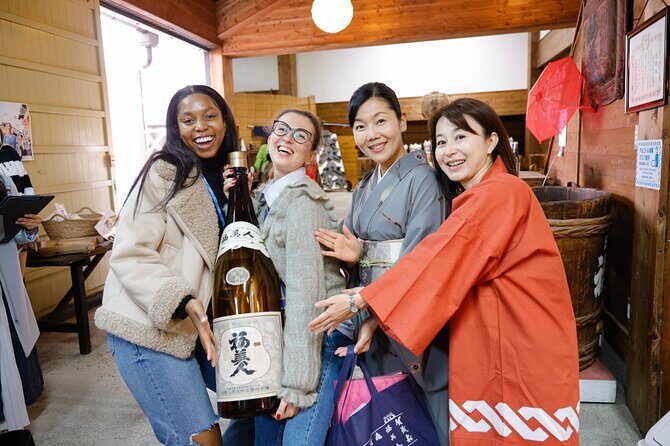
Saijo is one of Japan’s three major sake brewing areas, which already tells you this isn’t a random side street experiment. The smart part is how the tour is built: in about two hours, you move brewery to brewery and taste, then you move again. That keeps your palate busy and your brain engaged.
Also, it’s not a marathon. The tour runs around 2 hours with a laidback feel, and you’re walking roughly 1.5 km total while tasting. You’ll want comfortable walking shoes, but it’s not the kind of sightseeing that turns into a leg workout.
The guide also frames what you’re tasting in plain language: what’s behind Daiginjo vs Junmai, and how cloudy sake fits into the lineup. The goal is that you leave with a sense of how styles differ, not just a collection of cups.
Other sake tours in Hiroshima
Meeting point and walking plan: where you start and what to expect

The tour start details point you to Higashihiroshimashi Information Centre (12-3 Saijōhonmachi, Higashihiroshima). Then the first scheduled rendezvous is right outside Saijo Station’s ticketing gate, in front of the Tourist Information Center at Saijo Station.
Either way, the practical takeaway is the same: get there early, get oriented fast, and keep your feet ready. The tour is designed for a group size of up to 10 travelers, so late arrivals can throw off the rhythm.
You’ll be moving between stops for short stretches—think brief brewery visits and short transitions—so don’t plan a heavy lunch right before. If you need a restroom break, there’s a built-in pause at the Saijo Sakaguradori Tourist Information Center, where you can also grab souvenirs and local info about Sakagura-dori Street.
Seven breweries, eight tastings: what you’ll learn stop by stop
This is the heart of the experience. Each location isn’t just a place to taste; it’s a chance to connect a style name to a flavor and a brewing angle.
Kamotsuru Sake Brewery: ginjo focus and a quick intro
At Kamotsuru, you’ll start with a short video introduction to sake making and tasting a Daiginjo-type, specifically Daiginjo Gold Kamotsuru. That first stop is useful because it gives you vocabulary before you get hit with variety.
It’s also a good place to notice how Daiginjo tends to feel more refined, even when the exact flavor differs by bottle. You won’t be watching the brewing process in detail, but you’ll get a quick orientation so the tasting makes more sense.
Fukubijin Sake Breweries: Junmai and warm-sake season
Next is Fukubijin, known as the Saijo Brewing School and tied to many standout master brewers. Here you’ll taste Fukubijin Junmai-shu. There’s also a season note: you can try warm sake during winter season, which is a nice reminder that sake isn’t only about temperature—it’s part of how people enjoy it.
This stop helps you anchor Junmai as a style you can recognize without needing fancy guessing games.
Other Saijo sake brewery tours in Hiroshima
Kamoizumi Sake Brewery: purity of ingredients and a signature label
Kamoizumi leans into a “simple ingredient” idea for junmai-shu: using rice and koji mold as the ingredients. You’ll taste their signature product, Junmai Ginjoshu 朱泉 Honjikomi.
Even if you’re not a fermentation nerd, this is the kind of explanation that sharpens your tasting. When a brewery highlights ingredient choices, you can start thinking: is the flavor coming from the method, the rice/koji focus, or both?
Saijo Sakaguradori Tourist Information Center: regroup, restroom, and local context
Between breweries, you’ll stop at the Saijo Sakaguradori Tourist Information Center. It’s practical: brochures, info about Sakagura-dori Street, stocked souvenirs, and a restroom break.
This is one of those “small” parts that makes the rest smoother. It gives your palate time to reset and gives you some local street context—so you’re not just hopping inside buildings and back out again.
Kirei Sake Brewery: dry profile and a monthly limited sake blend
At Kirei Shuzo, the key framing is that it’s characterized by a dry taste compared to other Saijo sake. You’ll taste Yoshidaya’s Sake, described as a limited sake blended by the brewery with sake ready to drink in that month.
What I like about this stop is that it teaches you the idea of “seasonal readiness.” Sake isn’t only a style name; it’s also a timing thing. A monthly-limited blend is a reminder that breweries release expressions when they’re at their best, not just whenever someone orders.
Saijotsuru Brewery: traditional techniques and an award-holding pour
Saijotsuru uses traditional techniques passed down through generations of Hiroshima sake brewers. Here you’ll taste Junmai Daiginjo Genshu Shinzui, a sake repeatedly awarded.
Even if you don’t care about medals, an award-holding product is helpful for comparison because it gives you a benchmark. You’ll likely notice how the Daiginjo/Junmai Daiginjo territory can feel more polished than the more straightforward Junmai notes you tasted earlier.
Hakubotan Brewery: unfiltered sake and the fresh-frozen idea
Hakubotan is one of the oldest sake breweries in Hiroshima Prefecture, funded in 1675. That’s a long time for an old-world brand—but what you’ll notice is that history here is tied to a specific tasting moment: you’ll taste Hyoka, an unfiltered sake fresh frozen in a special way.
Unfiltered sake tends to taste different from polished, filtered styles. The fresh-frozen angle is a big clue that the brewery is trying to preserve freshness and texture. This is a great stop to focus on mouthfeel, not just aroma.
Sanyotsuru Brewery Inc.: cloudy sake and a west-of-station twist
Finally, Sanyotsuru is the only sake brewery located west of Saijo Station. You’ll taste cloudy sake (often in the Nigori neighborhood) and there’s sake ware available for sale.
This ending makes sense because it rounds out the range. If you’ve been tasting clearer styles, moving to cloudy sake helps you build a complete map of what “sake variety” really means in Saijo—not just light-and-dry.
How to taste sake like the guide is trying to teach you
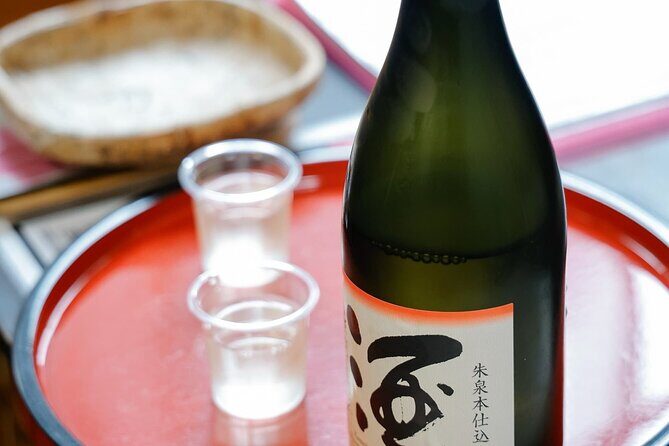
The tour is explicitly built as a learning tasting. You’ll sample multiple styles and learn what makes them different, from Daiginjo and Junmai to cloudy Nigori-type sake. The English guide keeps it on track, and that matters because sake tasting can turn into random sipping if nobody gives you a framework.
When I’m on tours like this, I focus on three things you can do right away:
- Compare each pour to the previous one in your mind, especially the dryness and texture.
- Pay attention to temperature if you’re offered warm sake in season; it can change how aromas come through.
- Ask simple questions while you’re there. Since the group is small, you can usually get direct answers rather than a lecture.
Also remember: this is a tasting tour. You won’t be there to observe the brewing process itself. That’s not a downside if you want the flavor comparison experience more than factory viewing.
English guide value: more than translation
You’re paying for more than cups. The tour includes an English guide, and you’re meant to understand the differences between sake styles as you go. That’s why the structure matters: short brewery stops, then immediate tastings, then explanations that connect the two.
If you’re traveling with a language need beyond English, Spanish-speaking guides can be arranged if you inquire in advance. That’s a useful option because it can keep you from losing the “why” behind each style.
One guide name that appears in the feedback is Ione, and the recurring praise is basically the same theme: the guide makes the Saijo story and brewing techniques understandable without turning it into a technical test.
Price and value: what $50.87 really buys you
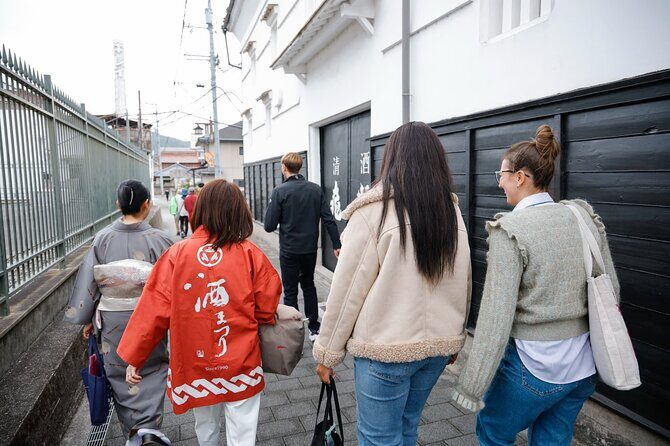
The price is $50.87 per person for an experience that lasts about two hours and includes alcohol tastings: eight different types of sake across seven breweries, plus an English guide. You’re also getting organized stop times and a route that keeps transfers minimal.
So the value isn’t just the sake. It’s the guidance, the ability to compare multiple styles back to back, and the convenience of having seven breweries lined up for you inside a tight walking window.
Two practical notes on value:
- Even if you choose not to drink alcohol, the fee doesn’t change. So decide your comfort level before booking.
- You’re tasting enough variety that it’s worth going with a lighter snack mindset. Don’t arrive starving, but don’t arrive stuffed either.
Logistics you should know before you go
This tour is built for people with moderate physical fitness and includes walking. You’ll be on your feet for about 1.5 km total. Comfortable shoes aren’t optional if you want to enjoy the tastings without thinking about your legs.
It’s also a mobile-ticket format. Have your ticket ready on your phone.
Timing matters: if you’re more than 15 minutes late of the tour start time, it’s treated as cancellation and your payment won’t be refunded. Keep a little buffer.
On the safety front, take normal travel care—keep your belongings close. The tour provider doesn’t take responsibility for injuries or theft.
If weather cancels things, you’ll be contacted by your registered email by 5 pm the day before. And if the tour order changes based on the number of groups that day, that’s normal; you’ll still hit the same core breweries and tasting theme.
Who this Saijo sake tour fits best (and who should skip it)
This is a great fit if you want:
- A short, guided way to learn the difference between major sake styles
- A route that covers multiple breweries without turning into a full-day trek
- A group setting capped at 10 so you can actually ask questions
It might be less ideal if:
- You hate walking or you’re dealing with mobility limits
- You’re planning to drink zero alcohol and you don’t feel the learning component alone is worth the price (the fee still applies)
- You’re expecting a hands-on brewing workshop; this tour is tasting-focused, not an observation of the brewing process
Should you book the Hiroshima Saijo Sake Tasting Tour with 7 Breweries?
I’d book it if you want the quickest route to real understanding of Saijo sake. The best part is that the tour doesn’t just name styles—it gives you chances to taste them close together, including clearer and cloudy options, plus a mix of Daiginjo and Junmai-focused stops.
If you’re choosing between a super-short tasting with just a couple breweries and this seven-breweries approach, I’d lean toward this one. You get variety without ballooning the time commitment.
Final practical check: wear comfy shoes, arrive on time, and go into it ready to compare flavors in your own notes—because that’s when the whole “style differences” lesson finally clicks.
FAQ
How long is the Saijo sake tasting tour?
It runs for about 2 hours.
How many breweries and sake types are included?
You visit seven sake breweries and sample eight different types of sake.
What is the walking distance like?
You’ll walk about 1.5 km during the tour.
Is there an English guide, and can Spanish be arranged?
An English guide is included. Spanish-speaking guides can also be arranged if you ask in advance.
Can I skip drinking alcohol and still take the tour?
Yes. You can choose not to drink, but the tour fee stays the same.
Where do I meet the group?
Your start location is listed as Higashihiroshimashi Information Centre. The first scheduled meet point is outside the ticketing gate at Saijo Station in front of the Tourist Information Center.
What if the tour is canceled due to weather?
If canceled due to bad weather or similar issues, the provider contacts you by 5 pm the day before via your registered email.