REVIEW · HIROSHIMA
Sake Town Tour in Saijo Hiroshima
Book on Viator →Operated by Arigato Japan KK · Bookable on Viator
A day in Saijo smells like fermenting rice. This 3-hour small-group walk turns a historic sake district into a real tasting route, with stops at temples, shrines, gardens, and several breweries. I like how the tour mixes sake tasting with the look-and-feel of Saijo’s brewery streets—white-walled buildings, tall red brick chimneys, and the everyday rhythm of a working alcohol town. The guide experience also matters here: you’ll get local English support so you can ask questions instead of just holding a cup.
Two things I really like: you’ll taste multiple sake styles (from crisp and dry to smoother, fruitier pours), and you also get food time built in—lunch and dessert are included, plus two food stops during the walk. One consideration: you’re walking a fair bit with a moderate fitness requirement, and the tour notes that actual active brewing areas are inaccessible, so you’re getting the story and tastings, not a full behind-the-vat view.
In This Review
- Key highlights to look for on this Saijo sake town tour
- Saijo’s sake street vibe: why this walk works
- Meeting point and the route flow from start to Saijo Station
- Kyozenji Temple: starting calm, then turning toward craft
- Mitate Shrine: a short cultural pause with real walking energy
- Saijosakaguradori Information Centre: where the brewery story becomes visible
- The brewery tastings: 4–6 pours, plus how the differences add up
- Senseki Garden and Kagamiyama Park: the breathing space that improves your tasting
- Food stops, lunch, and dessert: when to plan your appetite
- Is $209 worth it for Saijo sake tastings?
- Guide energy and language help: what Masa brings to the day
- Practical tips so your Saijo day feels easy
- Who should book this Saijo sake town tour
- Should you book this Saijo sake town tour?
- FAQ
- How long is the Sake Town Tour in Saijo?
- What time does the tour start?
- Where do I meet the guide?
- Where does the tour end?
- Is a mobile ticket used?
- How many breweries will we visit for tastings?
- What’s included in the price?
- What is not included?
- Is there an age requirement for drinking sake?
- Is the tour good for dietary restrictions?
Key highlights to look for on this Saijo sake town tour
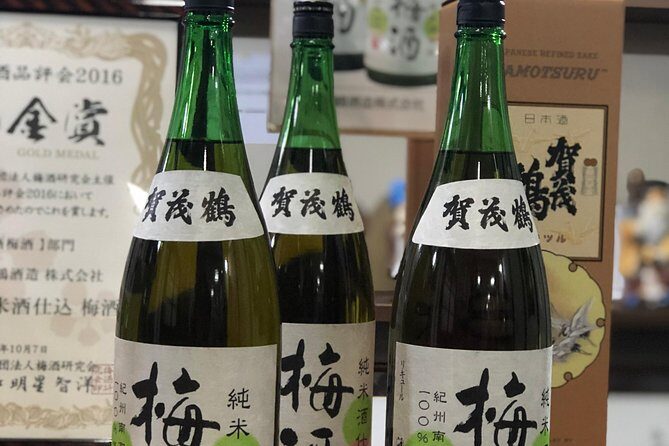
- Small group size (max 10) keeps the tasting line moving and makes questions easy
- 4–6 brewery tastings planned with the exact number shifting by season and opening hours
- English-speaking local guide who can explain how sake culture works on the ground
- Temple, shrine, garden, and park stops so the day feels like more than just drinking
- Lunch, dessert, and shopping time so you can eat, snack, and buy bottles if something clicks
Saijo’s sake street vibe: why this walk works
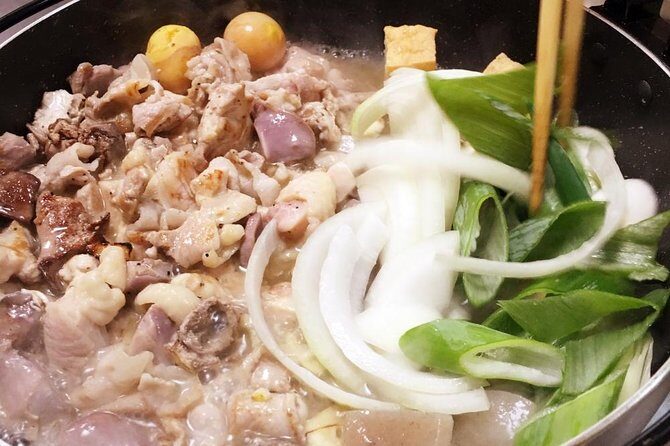
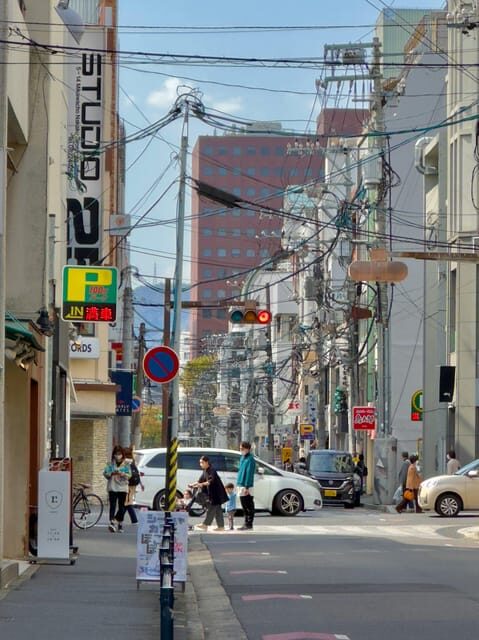
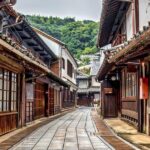
Saijo is one of those places where sake isn’t a museum topic. It’s part of the neighborhood. As you move through the district, you notice the visual cues first—white-walled brewery buildings and tall red brick chimneys—and then the smell catches up, the warm, earthy aroma of fermenting rice floating around the streets.
This tour works because it doesn’t treat sake tastings like a single loud event. Instead, you step through the area at a walking pace and the tastings happen alongside the sights. That pacing helps you make sense of what you’re tasting, instead of going from drink to drink with no context.
Also, the scale is right. With a maximum of 10 people, you’re not stuck watching someone else talk while you guess what’s in your cup. You get local English support, so you can ask practical questions like what kind of brewing approach you’re tasting, or how a particular bottle differs from the last one.
Other sake tours in Hiroshima
Meeting point and the route flow from start to Saijo Station
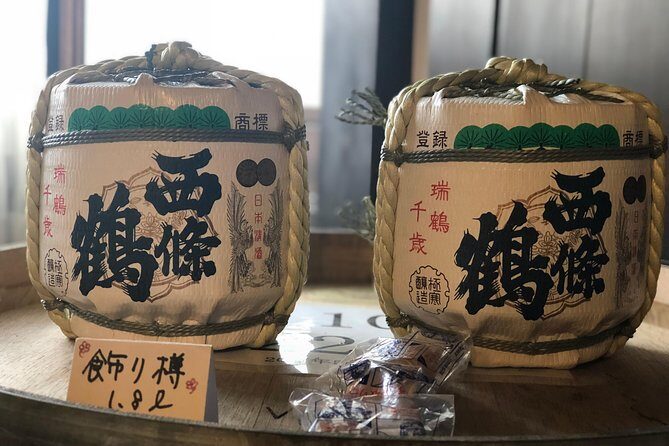
The day starts at 11:00 am near public transportation, meeting at Higashihiroshima Information Centre by the Saijōhonmachi area (the address given is Saijōhonmachi, plus the J Front Building reference). The tour ends at Saijo Station, which is convenient if you want to keep exploring afterward.
Plan your timing around a 3-hour experience. It’s long enough to feel like a mini-adventure, but short enough that you won’t end the day exhausted. Still, the tour asks for moderate physical fitness, so wear comfortable shoes and expect a bit of walking between the religious sites and the brewery-area streets.
One more practical note: this is a mobile ticket experience, which usually means you’ll check in digitally. It’s simple, but make sure your phone battery stays charged.
Kyozenji Temple: starting calm, then turning toward craft
The first big sight stop is Kyozenji Temple. You’re not there for a long guided lecture about temple architecture—this is more about setting a tone before the tasting portion. Kyozenji helps you slow down. The area gives you a contrast to the brewery world that comes later.
I like using a temple stop this early because it puts you in the right mental mode. You’re less likely to treat the day like a party, and more likely to notice differences in the sake you taste afterward. Even the way you move matters: quiet places help you focus on the smells and flavors that follow.
Mitate Shrine: a short cultural pause with real walking energy
Next up is Mitate Shrine. Like the temple stop, this is a cultural reset built into the walking route. You get a chance to stretch your legs, step away from the tasting rhythm for a moment, and take in the local scenery.
Because it’s still a walking tour, you’ll want to keep your day tidy. Bring a light layer for shade or breeze, and keep any purchases ready to carry. If you plan to buy bottles later, you’ll be happier if you travel with a small bag or tote that can handle weight.
Saijosakaguradori Information Centre: where the brewery story becomes visible
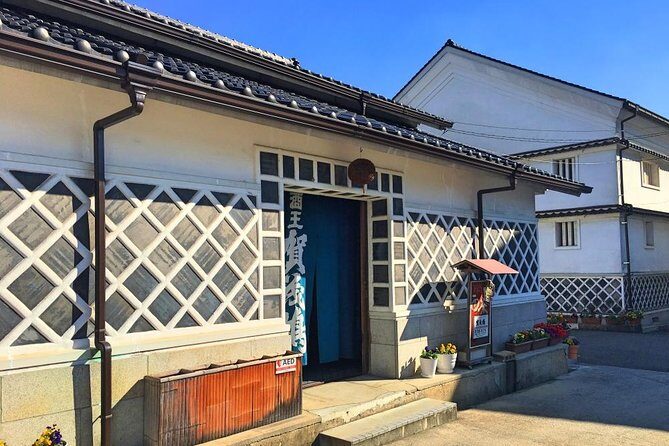
The route then brings you to the Saijosakaguradori Information Centre area. This is where Saijo’s sake identity becomes easier to read. You can see the brewery structures that define the district, and that matters because the tasting choices later feel less random.
This is the part of the day where you start thinking like a sake shopper. You’re not just tasting because it’s included—you’re tasting so you can decide what to buy at the end. The tour specifically notes that if a brew delights your palate, the brewery shops offer bottles you can take home, including bottles that aren’t always easy to find elsewhere.
Other Saijo sake brewery tours in Hiroshima
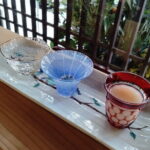
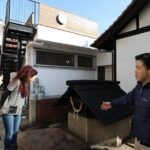
The brewery tastings: 4–6 pours, plus how the differences add up
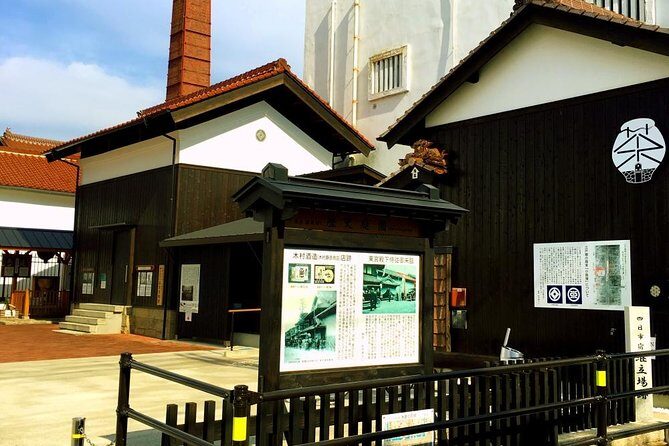
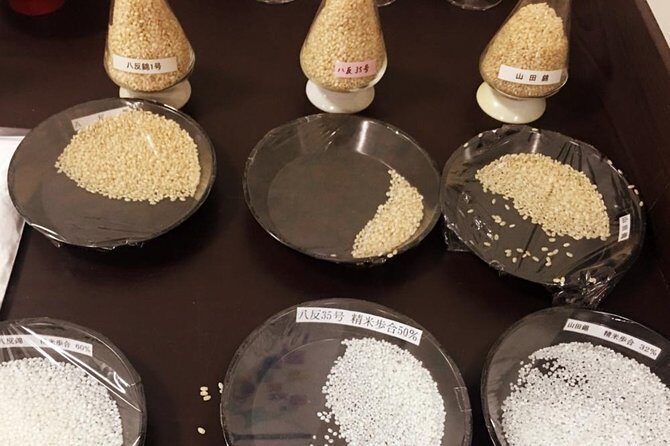
The heart of the experience is the sake tasting run through local breweries. The tour is designed to cover 3–4 brewery visits during the tour based on opening hours and season, while the tastings are described as happening at 4–6 local sake breweries. Translation: the exact number of brewery stops can shift day to day, but you should expect multiple distinct brewery experiences and a decent range of sake styles.
Here’s what you’re aiming to catch:
- Crisp, dry notes if you like a clean finish
- Smooth, fruity flavors if you lean toward aromatic sake
- Differences that are influenced by each brewery’s methods and the local water profile
The tour also points out something important for tasting in Hiroshima: the region’s sakes can use special soft mountain water, which affects how flavors feel in the glass. You don’t have to be a sake expert to notice the result. What you’re really learning is how similar-sounding drinks can taste very different once you compare breweries side by side.
One consideration you should keep in mind: actual active brewing areas are inaccessible. So you’re not expecting a full operational walkthrough of fermentation tanks and production floors. Instead, you’ll get tastings, learning moments, and a view into how the district’s brewery culture works for visitors.
And yes, shopping is part of the experience. If you find a bottle you love, you’ll have time to pick up something you can bring home. That turns the tour from a one-time taste into a souvenir with flavor.
Senseki Garden and Kagamiyama Park: the breathing space that improves your tasting
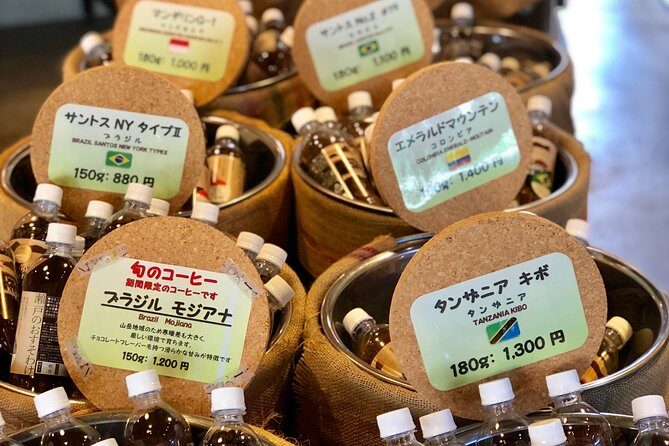
Between brewery moments, the tour also includes Senseki Garden and Kagamiyama Park. This matters more than it sounds. After a couple of sips, your palate needs a reset, and outdoor spaces do the job without breaking the flow of the day.
I like when tours build in pauses like this because you don’t leave feeling you were dragged from one tasting to another. The garden and park stops help you pace yourself. They also give you a chance to re-check what you’re buying—especially if you’re deciding between a crisp style and something smoother.
Just remember: this is still a walk-through tour. If you’re sensitive to weather, dress for it. The experience is described as weather-dependent, and the provider notes that good weather is required.
Food stops, lunch, and dessert: when to plan your appetite
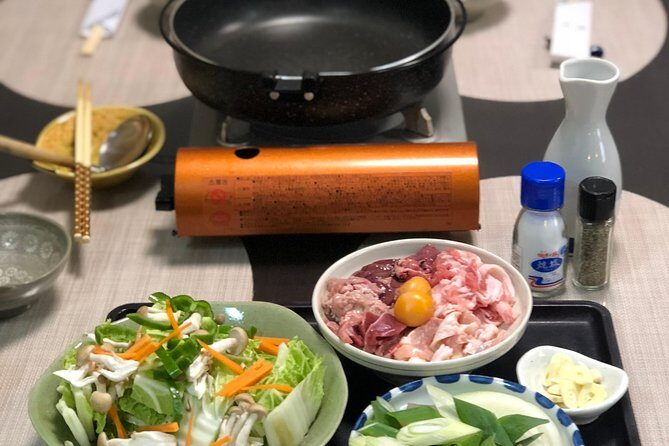
This tour includes lunch and dessert, plus two food stops during the day. It’s a smart setup for a tasting tour. Sake is easier to enjoy when you’re not running on empty, and food time also helps you slow down and think about what you like.
One dish note: Bishu nabe is ordered in advance. That means you’re not scrambling to choose at the last minute, and it also suggests the meal is prepared around the group schedule. If you have dietary needs, this is where you should pay close attention.
Diet details are important here:
- Not recommended if you’re vegan or vegetarian
- Not recommended if you avoid seafood or pork
- The tour says it is pescetarian and gluten-free friendly
If you’re anywhere near those categories, don’t wait—confirm your needs when you book so your meal matches your restrictions.
Is $209 worth it for Saijo sake tastings?
At $209 per person for about 3 hours, you’re paying for a lot more than a few free pours. Here’s what makes the value feel real:
- Guided tasting experience with local English support: This is often the difference between collecting sips and understanding what you’re tasting.
- Sake tastings at multiple breweries (4–6 planned, with day-to-day variation): Multiple breweries matter because you can compare styles and approaches directly.
- Lunch, dessert, and shopping time: Food reduces the “tasting on an empty stomach” problem, and shopping time turns tasting into a purchase decision while your preferences are fresh.
- A small group (max 10): You’re paying for time and attention, not just access.
You might think, why not do this on your own? You can in many cities. But Saijo’s brewery district is exactly the kind of place where having a local guide helps you line up stops and make sense of differences. Also, the tour is built around opening hours and season, which is tough to DIY if you don’t already know the flow.
Guide energy and language help: what Masa brings to the day
One review specifically calls out a guide named Masa, describing them as kind, patient, and affable, and praising the way Masa introduced people to breweries and local favorite restaurants. That matches what I look for in a tasting tour guide: the calm confidence to explain what’s happening and the patience to help you understand without rushing you.
Even if you don’t get Masa, the tour’s promise of an English-speaking local guide is the practical advantage. When you can ask follow-up questions and get clearer answers, you’ll taste more intentionally and buy more wisely if you choose to purchase bottles.
Practical tips so your Saijo day feels easy
A few simple things will make this tour more comfortable and more fun:
- Bring ID if you’re tasting. The tour lists a minimum drinking age of 21.
- Wear comfortable walking shoes. You’ll be moving between temple, shrine, garden, park, and the brewery area.
- Keep your phone ready for mobile ticket check-in, and don’t let the battery die.
- Have a plan for purchases. The tour includes shopping time at brewery shops, and you’ll likely want to carry any bottles you buy.
- Dress for the weather. The provider notes the experience requires good weather and may be changed or refunded if weather is poor.
Also worth knowing: transportation costs aren’t included, and hotel pick-up isn’t included (though it can be arranged for an additional charge). If you’re staying nearby, you’ll probably enjoy the easy independence of arriving under your own steam.
Who should book this Saijo sake town tour
This is a great fit if:
- you like sake tastings and want a guided comparison across breweries
- you’re curious about how the district’s brewery culture works, even if you can’t access active brewing areas
- you enjoy walking with a built-in rhythm of sights and food
- you want an experience with lunch, dessert, and shopping time rather than only a tasting
You may want to skip if:
- you don’t do well with walking in the heat or on uneven ground
- you need vegan/vegetarian meals
- you avoid seafood or pork, since the tour says it’s not recommended for those dietary constraints
Should you book this Saijo sake town tour?
If you want a tasting day that feels like a real neighborhood stroll—not a bus ride full of samples—this tour is a strong choice. The combination of multiple brewery tastings, built-in food and dessert, and cultural stops like Kyozenji Temple and Senseki Garden helps you understand Saijo without turning it into a checklist.
I’d book it if you’re the type who enjoys comparing flavors, likes asking questions, and wants the option to buy bottles while your tastes are still fresh. If you’re sensitive to walking, or your diet falls into categories the tour flags as not recommended, pick another option or confirm carefully before booking.
FAQ
How long is the Sake Town Tour in Saijo?
It’s approximately 3 hours.
What time does the tour start?
The start time is 11:00 am.
Where do I meet the guide?
You meet at Higashihiroshimashi Information Centre in the Saijōhonmachi area (listed address includes the J Front Building reference).
Where does the tour end?
The tour ends at Saijo Station.
Is a mobile ticket used?
Yes, the tour uses a mobile ticket.
How many breweries will we visit for tastings?
The tour is designed to visit 3–4 breweries based on opening hours and season, with sake tastings at 4–6 local sake breweries depending on the day.
What’s included in the price?
Lunch and dessert are included, along with shopping time, two food stops, and sake tastings at local breweries. A local English-speaking guide is also included.
What is not included?
Hotel pick-up is not included, and transportation costs, additional drinks/food, and gratuity are not included.
Is there an age requirement for drinking sake?
Yes. The minimum drinking age is 21.
Is the tour good for dietary restrictions?
It’s not recommended for vegans, vegetarians, or people who avoid seafood or pork. It is stated to be pescetarian and gluten-free friendly.