REVIEW · HIROSHIMA
Hiroshima:Visit Tourist Pass(1, 2, 3day and 3day middlearea)
Book on GetYourGuide →Operated by Hiroshima Electric Railway · Bookable on GetYourGuide
Freeing up your day is the real win here. The Visit Hiroshima Tourist Pass turns getting around in central Hiroshima into a simple routine, with unlimited boarding options across the city’s main public transport. It’s especially appealing if your trip includes Miyajima and the Atomic Bomb Dome area.
I like that the pass is built for actual sightseeing pacing, not a strict itinerary: you can hop on and off as you go. I also like the extra value from the built-in digital discount coupons, which can knock down costs for museums and attractions while you’re already paying to get around. One drawback to plan for: you may need to hunt down the right spot to exchange or redeem your voucher, and that can slow you down if you arrive and just wander.
In This Review
- Key points to know before you buy
- Why a Hiroshima Tourist Pass can be the easiest way to move around
- Pick the right option: 1-day, 2-day, 3-day, or Middle Area 3-day
- How the Petit Suburban unlimited rides really work (and where you should watch out)
- Miyajima day trip: World Heritage island plus the 100-yen visitor tax
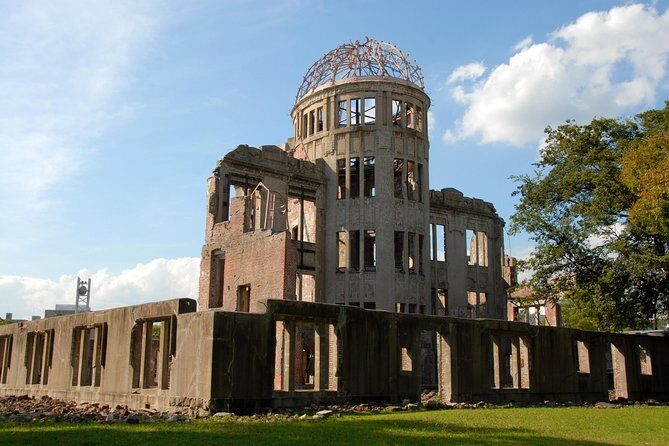
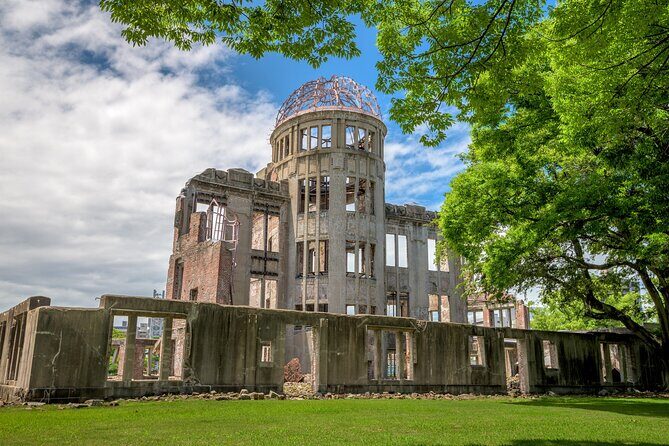
- Hiroshima’s most famous sights: getting to the Atomic Bomb Dome area without timetable stress
- Coupons and discount value: how they can offset your sightseeing costs
- Middle Area 3-day pass: when express buses make sense (and when they don’t)
- Outlet Hiroshima and other out-of-range headaches
- Price and logistics: is the $6 pass worth it?
- Who this pass is best for (and who should skip it)
- Should you book the Visit Hiroshima Tourist Pass?
- FAQ
- What kinds of passes are available?
- How much does the Visit Hiroshima Tourist Pass cost?
- What public transportation can I use with the pass?
- Can I go to Miyajima with the pass?
- Is the Miyajima Visitor Tax included?
- Can I use the pass on JR trains, airport limousine buses, or highway buses?
- Does the Middle Area pass cover express buses?
- Are all nearby areas covered, like Outlet Hiroshima?
- What if I need to cancel my booking?
Key points to know before you buy

- Unlimited streetcar rides across Hiroshima Electric Railway lines within the designated network
- Ferry access to Miyajima from Miyajimaguchi with participating operators
- Pick your validity (1, 2, or 3 days) and choose the Middle Area 3-day option if you’re going farther
- Coupon value is real for sightseeing spots and restaurants, depending on what you choose
- There are boundaries: not every bus, rail service, or out-of-range stop is covered
Why a Hiroshima Tourist Pass can be the easiest way to move around
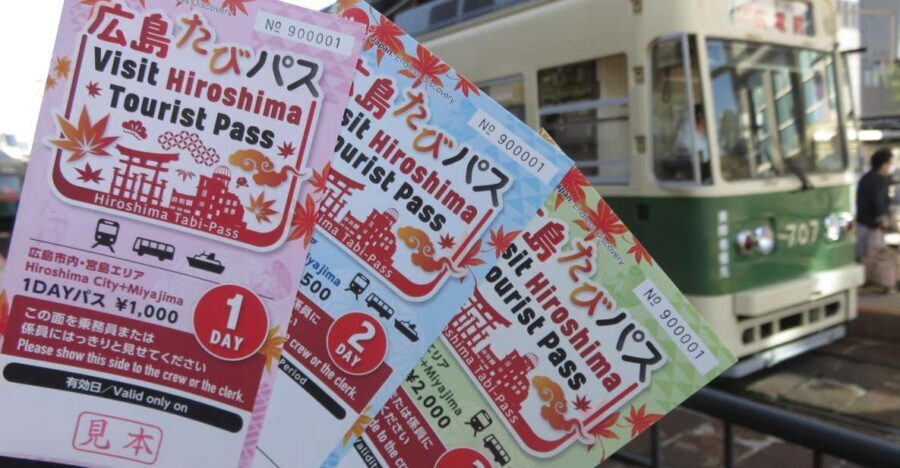
Hiroshima has a way of making you want to slow down. The tourist pass is useful because it removes one annoying stress: fare math. If you plan to ride more than a couple times, the pass can make your day feel lighter.
Instead of thinking about where your next yen comes from, you can focus on your stops. A tram ride to a new neighborhood, a bus to a viewpoint, then a ferry to Miyajima—this pass is designed for that rhythm.
If you're still narrowing it down, here are other tours in Hiroshima we've reviewed.


Pick the right option: 1-day, 2-day, 3-day, or Middle Area 3-day
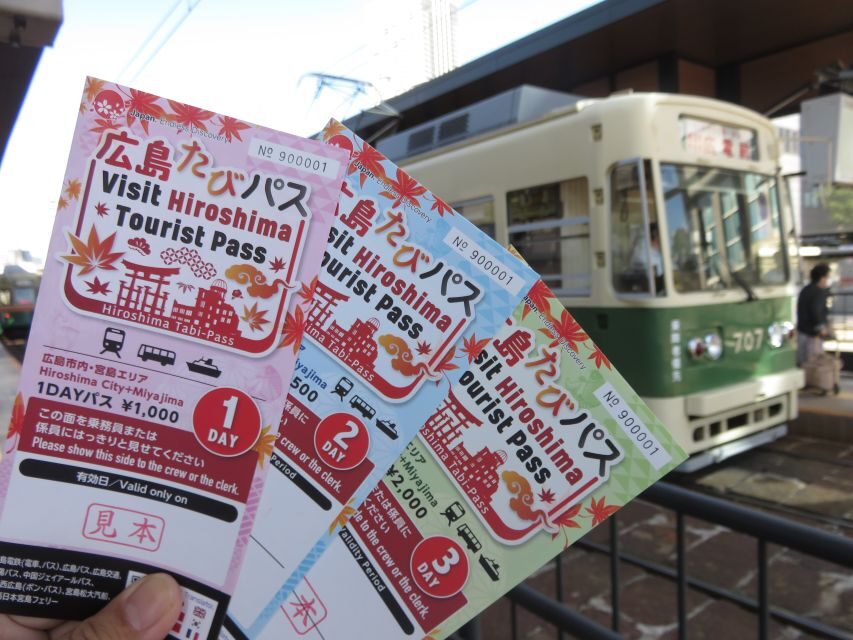
You’re offered four types: one-day, two-day, three-day, plus a Middle Area three-day pass. The simple rule is to match validity with how many times you’ll ride public transport across Hiroshima and beyond.
If your plan is mostly Hiroshima city plus one major day trip, a 1- or 2-day pass can work. If you’re serious about moving around (and want flexibility without recalculating costs each time), the 3-day pass is where the value usually lands best.
If you’re going beyond the core areas, the Middle Area three-day pass matters because it can add coverage on certain express bus routes. That can help if you’re combining Hiroshima with places like Kure, Takehara, Miyoshi-Shobara, or Iwakuni.
How the Petit Suburban unlimited rides really work (and where you should watch out)
The pass gives you unlimited boarding and disembarking within the designated routes. That’s the key detail: it’s not unlimited public transport everywhere in Japan. It’s unlimited within the network shown on the route map included with your ticket.
You can use it on:
- Streetcars on Hiroshima Electric Railway lines, including Inner-City and Miyajima lines
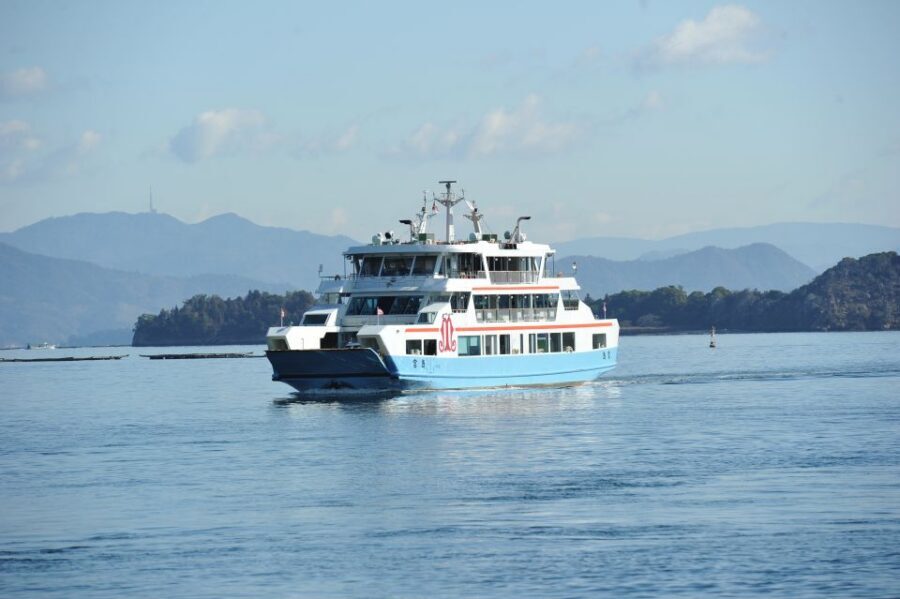
- Ferries from Miyajimaguchi station to Miyajima island (operators listed include Miyajima Matsudai Kisen and JR West Miyajima Ferry)
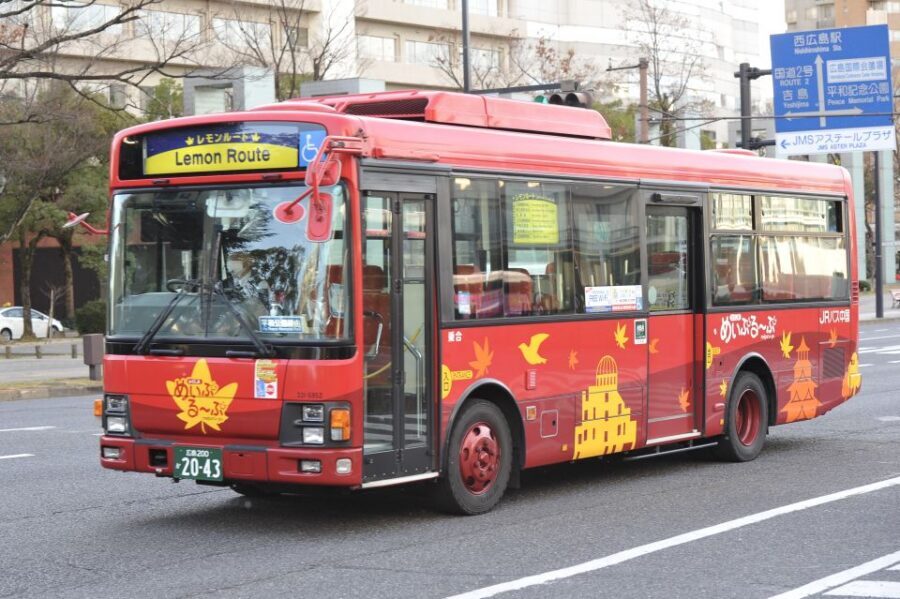
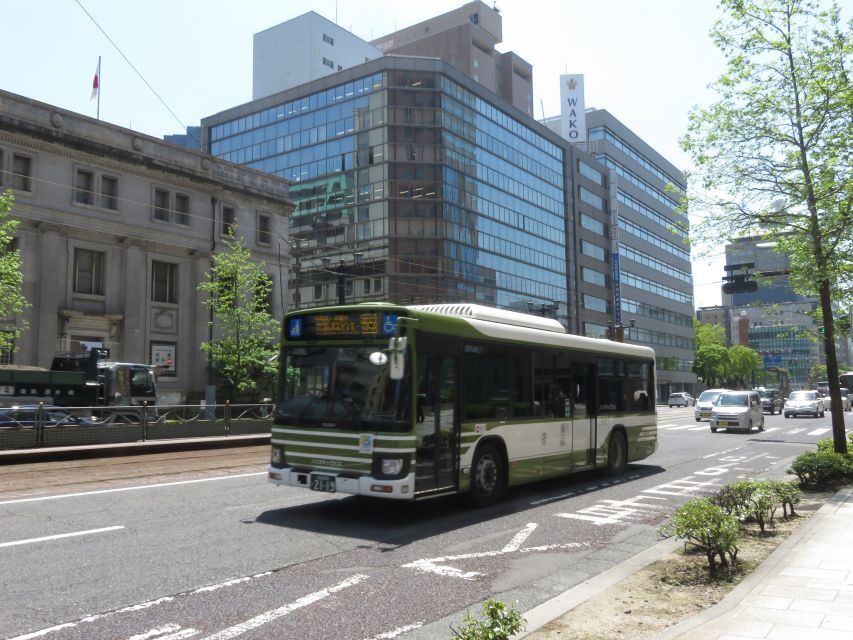
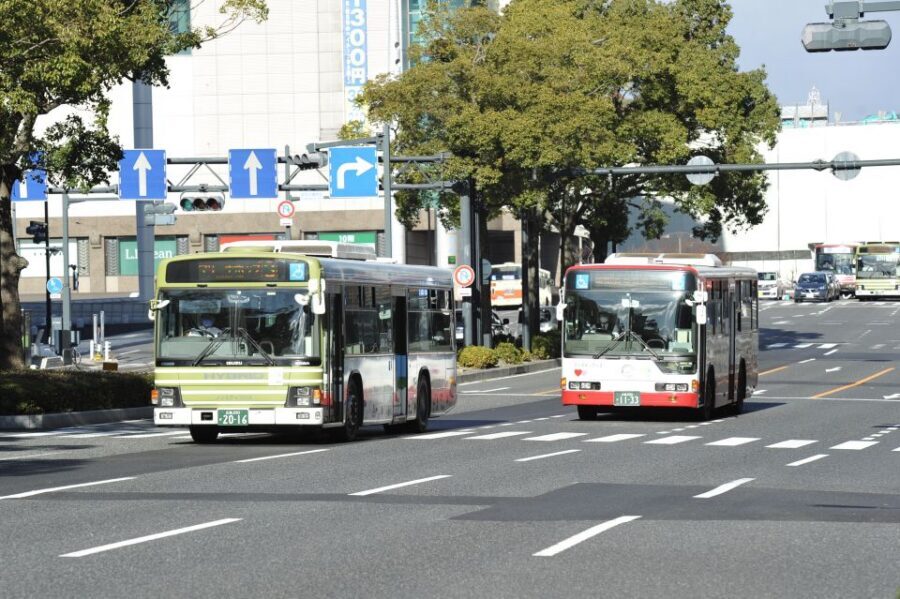
- Buses that run on the covered route map on the back of your ticket, including Hiroshima Sightseeing Loop Bus (Hiroshima meipuru~pu)
There’s also a practical tip from my point of view: keep your pass handy while riding. If you’re constantly digging it out, it chips away at the convenience you bought.
Miyajima day trip: World Heritage island plus the 100-yen visitor tax
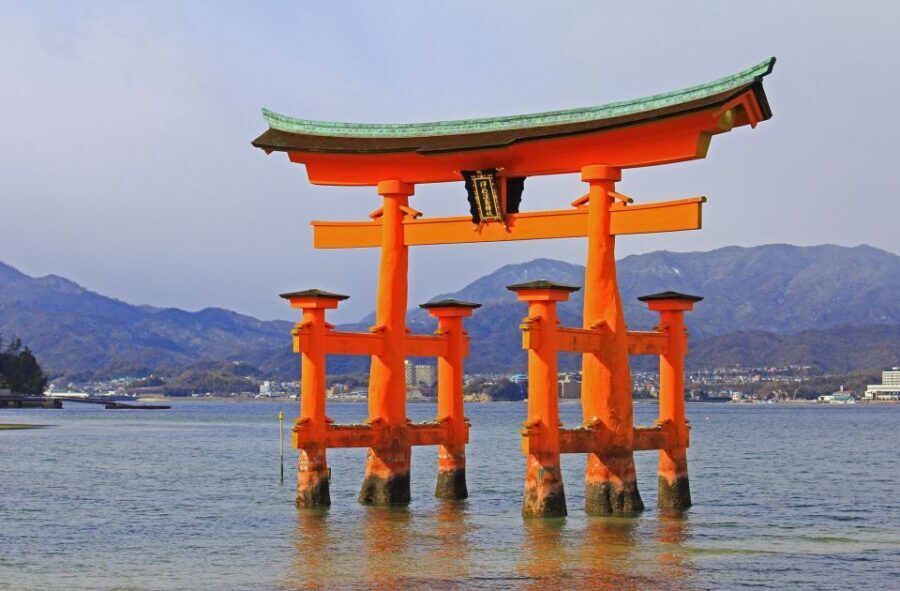
Miyajima is the big magnet for a reason. Being able to roll straight into the island ferry part of your day without thinking about ticketing is a major time-saver.
With the pass, you can ride the ferry from Miyajimaguchi. You’ll also connect smoothly to the tram lines serving the Miyajima area.
One extra cost to plan for: the Miyajima Visitor Tax (100 yen). It’s required for all visits to Miyajima Island starting October 1, 2023. Before you board the ferry, you’ll need to purchase a Miyajima visitor ticket at a vending machine.
That small step matters because it can create a bottleneck if you don’t expect it. Build a little buffer time before you board, especially during busy hours.
Hiroshima’s most famous sights: getting to the Atomic Bomb Dome area without timetable stress
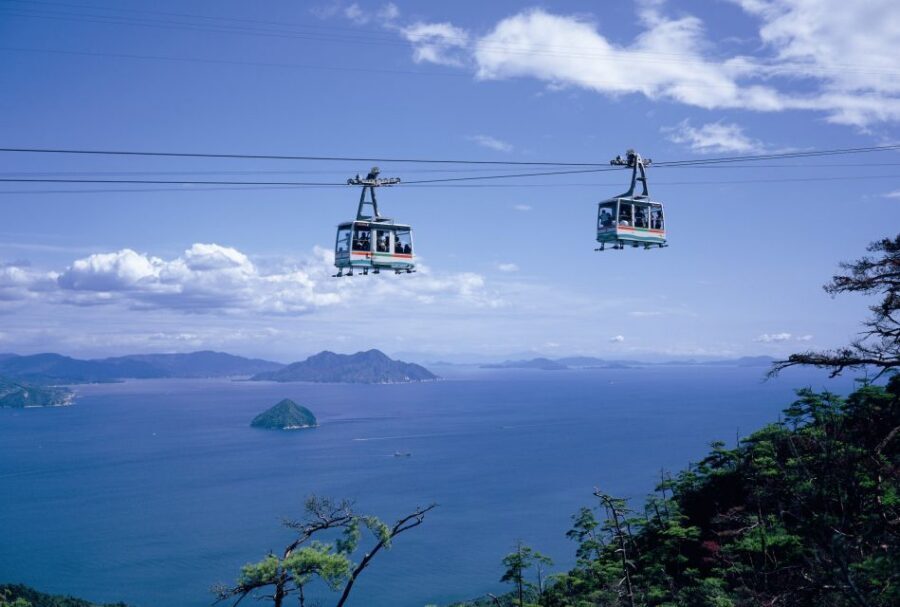
Hiroshima’s iconic landmarks aren’t spread out like a theme park—they’re close enough that you’ll likely bounce between viewpoints, museums, and memorial spaces.
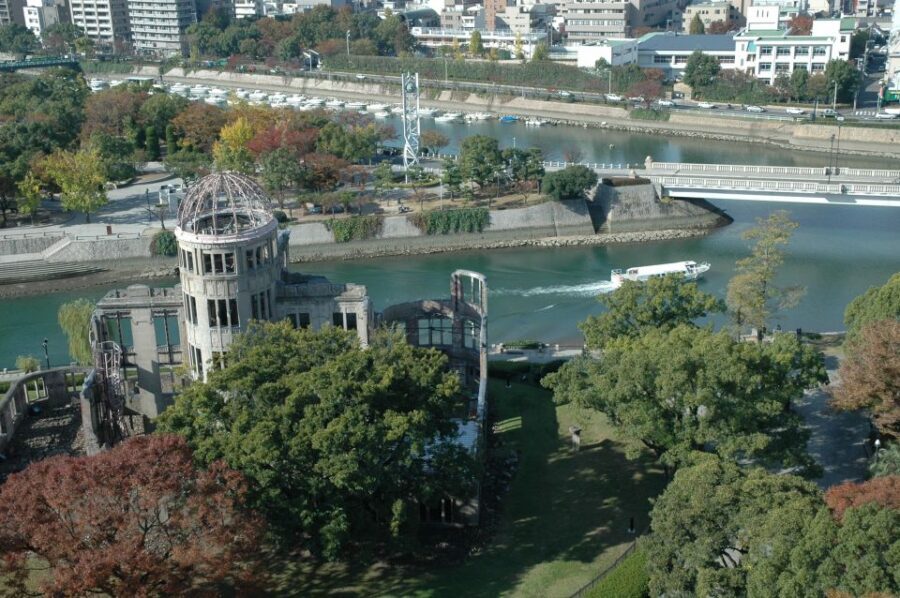
The pass helps because it supports the core transport you’ll rely on day after day. The Atomic Bomb Dome area is the kind of place where you might walk a lot, then ride a short hop to your next stop. A pass that covers streetcars and buses makes those in-between moves painless.
Here’s the practical advantage: you can adjust on the fly. If you spend longer at one memorial site or want to circle back for photos, you’re not stuck trying to decide whether that extra ride is “worth it.”

Coupons and discount value: how they can offset your sightseeing costs
This pass isn’t just about transportation. You also receive digital discount coupons tied to sightseeing spots, restaurants, and cultural experiences. The coupon you get at redemption time can include discounts you can use during your stay, making the trip more affordable.
One strong value pattern shows up in how people use the coupons: they help reduce the bite of paid attractions. For example, you might find discounted entry linked to places like the castle area and the Peace Museum zone.
My advice: don’t treat coupons as an afterthought. Before you commit to an expensive ticket, check whether a coupon is available so you can stack savings on top of your transport cost.
Middle Area 3-day pass: when express buses make sense (and when they don’t)
If you selected the Middle Area three-day pass, there are extra rules that can broaden your day trips. The pass can be used on express buses for routes such as Hiroshima–Kure, Hiroshima–Takehara, Hiroshima–Miyoshi-Shobara, and Hiroshima–Iwakuni, and it’s limited to up to two times.
That limit is important. If you’re tempted to use express buses repeatedly, you’ll want a plan so you don’t hit the cap halfway through.
Also watch the ride-type exclusions: highway buses, airport limousine buses, midnight buses, community buses, and JR trains are not included. So if your farther destinations rely on those services, you’ll pay separately or reroute.
Outlet Hiroshima and other out-of-range headaches
Not everything nearby is necessarily within the pass coverage. The pass is out of range for Outlet Hiroshima, so you’ll need to pay the fare if you go there.
The guidance is specific: when you visit Outlet Hiroshima, you can show your Visit Hiroshima Tourist Pass to the driver, then pay the fare from Koi-Shiroyama Memorial Hills (Koi Shiroyama Cemetery). The fare example listed is 190 yen as of April 2024.
This is exactly the kind of detail that turns a good deal into a surprise. If Outlet Hiroshima is a must for you, check how you’ll get there before you assume the pass covers the whole trip.
Price and logistics: is the $6 pass worth it?
The pass is listed at $6 per person, and the real question is whether your rides and stops add up fast enough to justify it.
Here’s how to decide in a practical way:
- If you’ll do at least several tram/bus rides across central Hiroshima, it usually starts paying off.
- If Miyajima is on your list, the ferry + transit coverage often pushes the value higher.
- If you can use the digital coupons for paid attractions and meals you already planned, that adds a second layer of savings.
One caution from real-world use: it can be a little tricky to figure out where to exchange or redeem a voucher. If you’re booking in advance and arriving with a voucher in hand, build in time to handle that first step. People have found the exchange point at the tourism office in the bus terminal, so it’s smart to look for the correct location quickly rather than improvising.
Also, the pass is valid only for the exact period stamped on the ticket. Don’t wait until day two if you’re already moving on day one.
Who this pass is best for (and who should skip it)
This pass is a strong fit if you want independence. You like freedom to choose stops, take breaks, and adjust your route without doing fare calculations each ride.
It’s also ideal if you’re sightseeing in the Hiroshima city core plus a Miyajima day trip. The transport mix—streetcar, bus, and ferry—matches what most people actually need.
You might skip it if your plan is mostly walking between nearby points, or if you expect to rely heavily on JR trains or excluded bus types. In that case, you may end up paying fewer fares directly instead.
Should you book the Visit Hiroshima Tourist Pass?
Book it if:
- Miyajima and the Atomic Bomb Dome area are both in your plan
- you expect multiple rides using the covered tram/bus/ferry network
- you’ll use the digital coupons for at least one or two paid stops
Consider skipping it if:
- you’re mostly moving by walking or you’re using JR trains and excluded services
- you’re arriving with a voucher and you don’t have any buffer time to exchange it first
If your goal is a smooth, low-stress way to get around Hiroshima for a couple of days, this pass is one of the simplest tools you can use to keep your days flexible.
FAQ
What kinds of passes are available?
You can choose a one-day, two-day, three-day pass, or a Middle Area three-day pass.
How much does the Visit Hiroshima Tourist Pass cost?
It’s listed at $6 per person.
What public transportation can I use with the pass?
You can use it on Hiroshima Electric Railway streetcars (Inner-City Line and Miyajima Line), participating ferries to Miyajima, and buses on the covered route map.
Can I go to Miyajima with the pass?
Yes. The pass includes ferry access from Miyajimaguchi station to Miyajima island.
Is the Miyajima Visitor Tax included?
No. You must pay a Miyajima Visitor Tax of 100 yen by purchasing a visitor ticket at a vending machine before boarding the ferry.
Can I use the pass on JR trains, airport limousine buses, or highway buses?
No. It does not include JR trains, highway bus services, Hiroshima Airport limousine buses, or other excluded categories listed with the pass.
Does the Middle Area pass cover express buses?
Yes, the Middle Area three-day pass allows use on certain express bus routes (Hiroshima–Kure, Hiroshima–Takehara, Hiroshima–Miyoshi-Shobara, Hiroshima–Iwakuni) up to two times.
Are all nearby areas covered, like Outlet Hiroshima?
No. Outlet Hiroshima is out of range, and you would need to pay a fare when visiting it.
What if I need to cancel my booking?
You can cancel up to 24 hours in advance for a full refund.