REVIEW · HIROSHIMA
Mitaki Peace Tour Beyond Central Hiroshima
Book on Viator →Operated by 株式会社成研 · Bookable on Viator
Hiroshima, but quieter. This small-group Mitaki Peace Tour links the sites around Peace Memorial Park with the mountainside Mitaki-dera temple (founded in 809), using short walks and a guide to connect history to peace today.
I especially like how the guide ties what you see in Hiroshima to what remains at Mitaki-dera: preserved atomic-bombed structures, stone Buddhist statues, and peace-related monuments that you can actually stand in front of. I also like the practical value of the package—Mitaki Temple admission is included, plus the bus and train fares, so you’re not juggling tickets mid-day.
The main trade-off is walking. This isn’t a sit-down museum day, and it’s not recommended if you have walking difficulties.
In This Review
- Key Highlights You’ll Actually Feel
- How the Mitaki Peace Tour Works (and Why It’s Good Value)
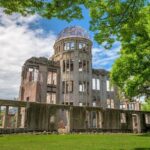
- Peace Memorial Park Start: Rest House and the Atomic Bomb Dome
- The Local Bus to Mitaki: Getting Out of Central Noise
- Mitaki-dera Temple: Founded in 809 and Focused on Peace
- Short Walks, Quiet Stops, and Photo-Friendly Peace
- The Real Value: What Your $88.68 Covers
- Timing, Pace, and What to Bring
- Who This Tour Suits Best (and Who Should Skip It)
- Should You Book Mitaki Peace Tour Beyond Central Hiroshima?
- FAQ
- How long is the Mitaki Peace Tour?
- What’s included in the price?
- Will I be able to see the hypocenter?
- Where does the tour start and end?
- Is bottled water provided?
- What if the weather is bad?
Key Highlights You’ll Actually Feel
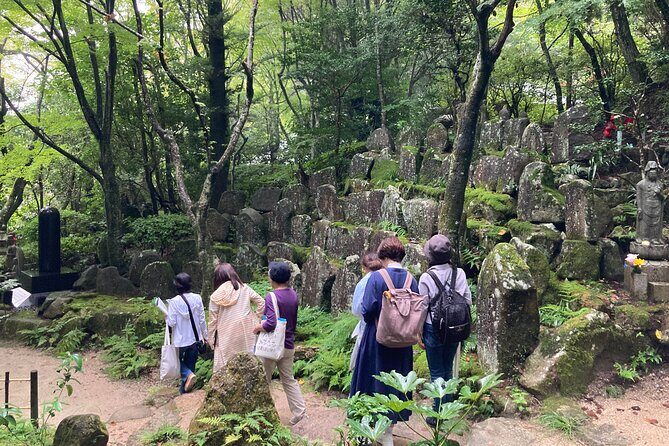
- Small group size (max 6): you get a calmer pace and more space on the paths.
- Peace Memorial Park orientation first: Rest House and the Atomic Bomb Dome set the context before you go to Mitaki.
- Mitaki-dera is a real temple experience: pagoda, bell hall, statues, and quiet wooded grounds.
- Transit is handled for you: bus from the Peace Memorial Park area to Mitaki, then train back.
- A peace-themed keepsake: a postcard featuring a recycled paper crane plus a stamp.
How the Mitaki Peace Tour Works (and Why It’s Good Value)
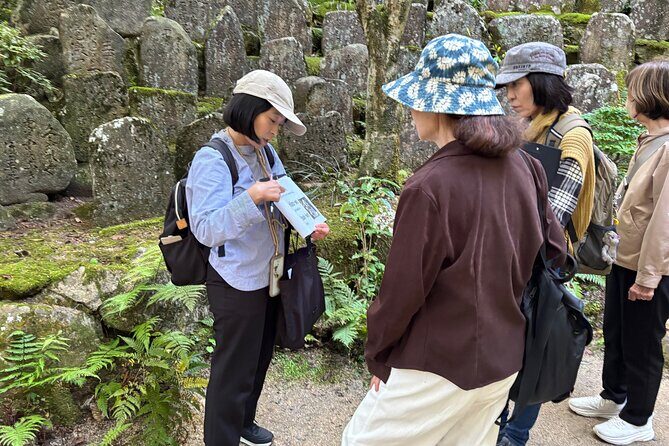
This is a 3 hours 25 minutes to 4 hours guided outing built around one smart idea: don’t treat Hiroshima as a checklist. You start with the heavy, public-facing story near the Peace Memorial Park, then you move into a quieter mountainside temple where remembrance feels slower and more personal.
The price is $88.68 per person, which sounds like you’re paying for a guide and transport rather than entry fees. That’s exactly what you’re getting. You’ll cover the bus fare (Atomic Bomb Dome area to the Mitaki area) and train fare (Mitaki Station back toward central Hiroshima), and you’ll also have a licensed local guide and Mitaki Temple entrance included.
Group size matters here. With a max of 6 people, the tour doesn’t feel like you’re rushing through narrow lanes with a crowd. You’re more likely to hear the guide’s explanations clearly, take photos without shoulder-to-shoulder shoving, and pause when your brain needs a minute.
Practical note: it’s a mobile ticket tour, so have your phone ready and your confirmation handy.
Other Peace Memorial Park tours in Hiroshima

Peace Memorial Park Start: Rest House and the Atomic Bomb Dome
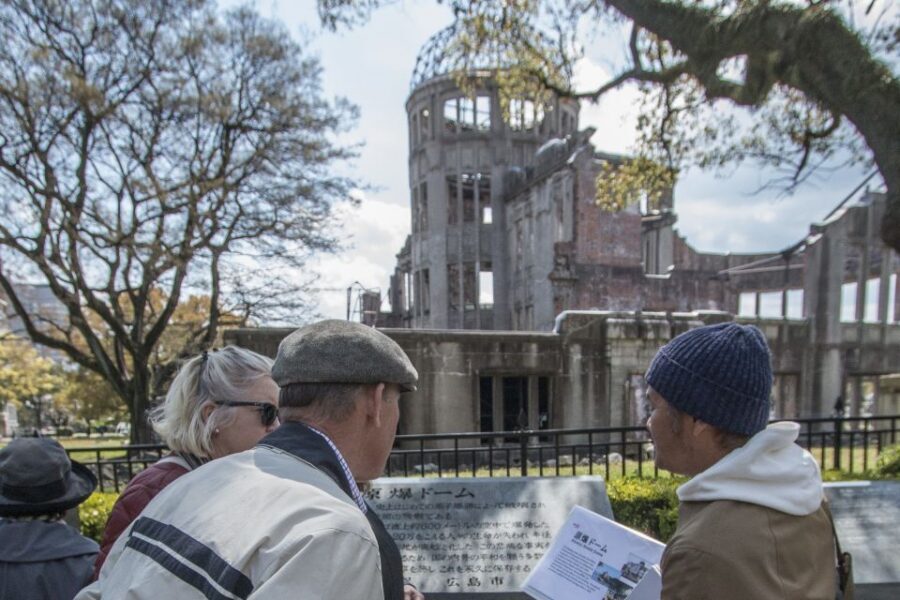
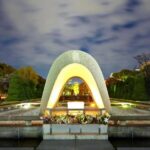
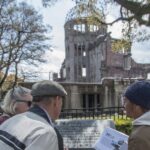
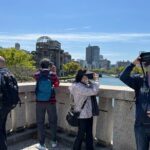
You begin at the Fuel Kaikan / Hiroshima Peace Memorial Park Rest House area, around 1:00 pm. The tour starts with a guide-led introduction at key sites connected to the atomic bombing. The big win is that you don’t arrive at Mitaki-dera still wondering what you’re looking at.
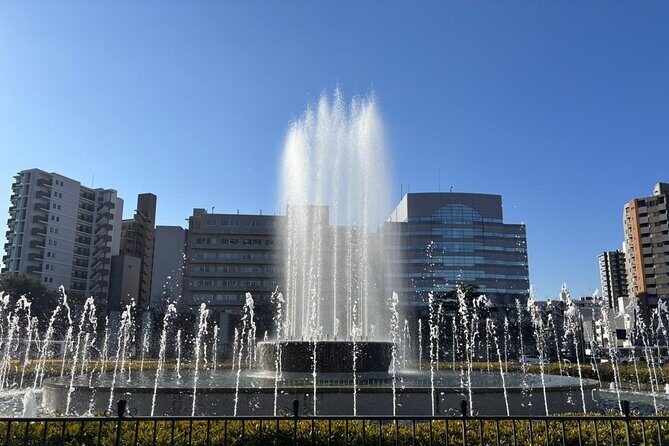
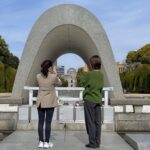
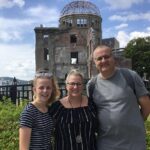
At this first stop, you’ll visit places including the Rest House (a building damaged by the atomic bomb) and the Atomic Bomb Dome. Depending on time, you may also include the hypocenter. That optional piece matters because it can help you connect the story to geography, not just to memory.
This portion is doing three jobs at once:
- Set the context for what comes next.
- Help you interpret what you’ll later see at Mitaki-dera.
- Ground the day in reality, so the temple stops aren’t abstract.
One small consideration: this start area can feel intense. Even if you’re mentally prepared, you may want a moment to collect yourself before heading onward. The tour’s pacing helps, because once you’ve got the basics, you don’t keep staring at the same type of memorial. You move on.
The Local Bus to Mitaki: Getting Out of Central Noise
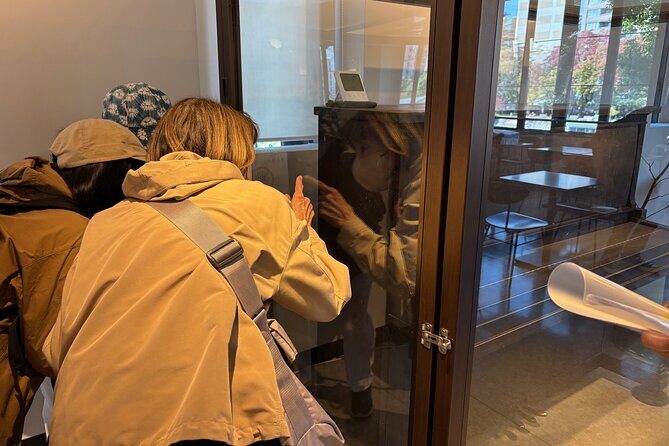
After the Peace Memorial Park walk, the tour shifts gears with local transportation. You’ll take a local bus from the Atomic Bomb Dome area to the Mitaki area, then continue on foot.
This isn’t just logistics. It’s a rhythm change. In central Hiroshima, everything feels direct and public. The bus ride helps you transition from the wide memorial space to a quieter setting where temples and trees do part of the emotional work for you.
If you like a day that doesn’t feel like a one-speed march, you’ll appreciate this shift. It also makes the whole tour feel more local and less theme-park-y.
Mitaki-dera Temple: Founded in 809 and Focused on Peace
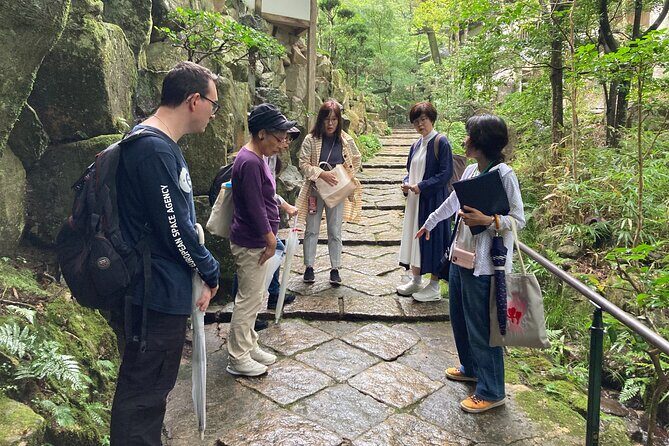
Once you arrive, you’ll walk to Mitaki-dera at a relaxed pace. The walk is short—about 10 minutes—and it’s paced so you’re not sprinting up a hill while trying to process heavy history.
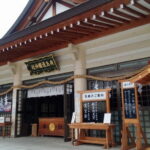
At Mitaki-dera (with admission included), your guide leads you through quiet, wooded temple grounds. This is where the tour changes from “museum explanation” to “human scale reflection.”
Here’s what you can expect to see:
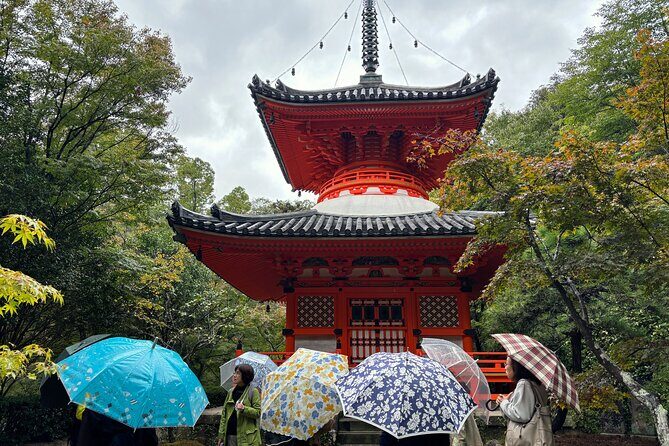
- A striking pagoda
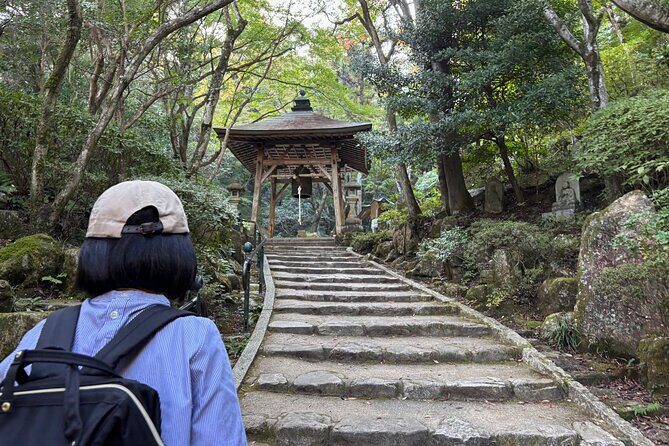
- A bell hall
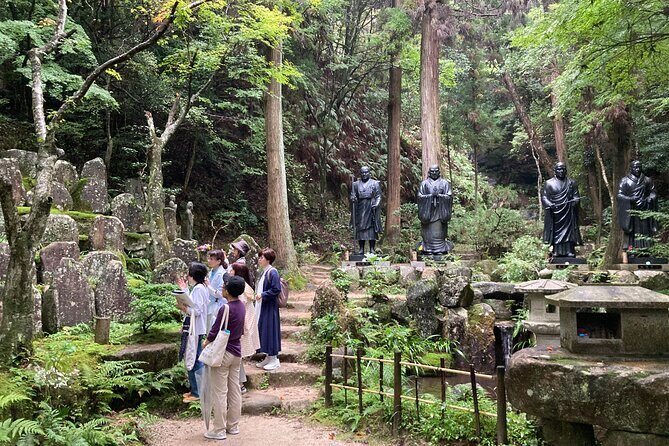
- Many stone Buddhist statues
- Monuments related to peace and remembrance
- Preserved atomic-bombed structures (a major reason this temple is so important)
This is the tour’s core lesson in physical form. Hiroshima’s story isn’t only in one famous park. It’s also in a mountainside place locals have cherished for centuries—where the aftermath of the atomic bomb and the ongoing message of peace can be understood together.
That connection is easy to miss if you only visit Mitaki on your own. The guide’s job is basically translation: turning what could look like ordinary temple grounds into a readable map of meaning.
Short Walks, Quiet Stops, and Photo-Friendly Peace
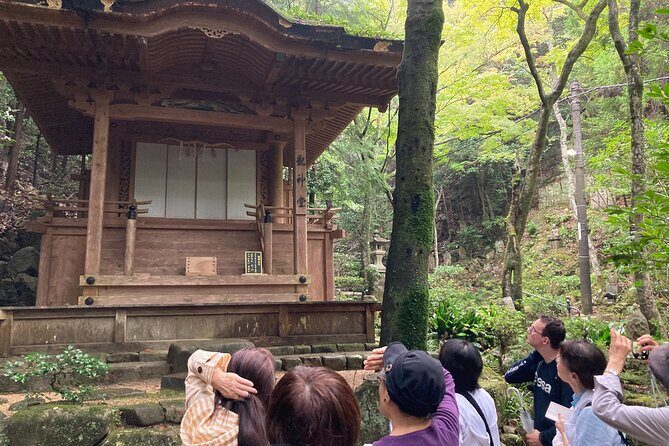
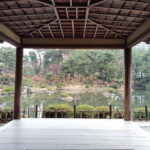
Mitaki-dera is not built for big tourist energy. The paths are more intimate, and the atmosphere is noticeably calm compared with the more crowded parts of Hiroshima. That’s why the tour’s small-group setup feels like the right match.
You’ll take easy walks and pause at points of interest, with the guide explaining what you’re seeing and why it mattered in Hiroshima’s aftermath. The route includes photo-friendly spots too—especially around the preserved structures, the pagoda area, and the temple monuments tied to remembrance.
A useful way to think about this section: it’s built for both the head and the heart. Your brain gets facts and interpretation. Your body gets to slow down among trees and stone, which helps the message of the day land.
If you’re visiting in early December, you might catch last-season autumn leaves scattered around Mitaki-dera. That timing can make the whole place feel even more gentle, like history is being held in winter light rather than hammered into a timeline.
Other Mitaki Temple tours in Hiroshima
The Real Value: What Your $88.68 Covers
Let’s talk straight value. At $88.68 per person, you’re paying for more than a temple entry.
You’re also covered for:
- Mitaki Temple entrance fee
- Bus fare from the Atomic Bomb Dome area to the Mitaki area
- Train fare from Mitaki Station back toward central Hiroshima (you may get off at Hiroshima Station, Yokogawa Station, or Hakushima Station)
- A licensed local guide
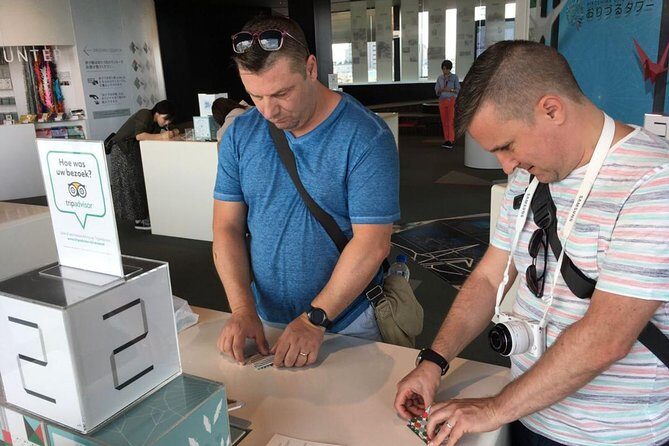
- A postcard featuring a recycled paper crane and a stamp
That last detail is small, but it’s the kind of thoughtful touch that makes you feel like you’re not just consuming landmarks—you’re taking away something handmade in spirit. And since the postcard is included, you don’t need to remember to stop at a souvenir counter mid-walk.
If you compare this to piecing together transit plus temple entry plus a guide, the bundled approach keeps your day from getting messy. You’ll still walk, but you won’t have to figure out where to go next.
Timing, Pace, and What to Bring
This tour runs about 3 hours 25 minutes to 4 hours and begins at 1:00 pm. The return ends at Hiroshima Station (with optional drop-offs at Yokogawa or Hakushima). The day is long enough to feel meaningful but short enough that it doesn’t drain your whole afternoon.
Bring comfortable walking shoes. The tour includes easy walks at both the Peace Memorial Park area and around Mitaki-dera, and the temple paths can feel narrow and uneven in places.
Also bring something to drink. Bottled water isn’t included, and the mountainside walking can make you thirsty even on mild days. If you forget water, you’ll feel it later in the tour.
Weather matters. The experience requires good weather, so if you book for a rainy period, you might see rescheduling or a full refund offer if conditions force a change.
Who This Tour Suits Best (and Who Should Skip It)
This Mitaki Peace Tour is ideal if you want a Hiroshima day with two tones: first, direct context at major memorial sites, then quiet reflection at a temple that locals have valued for generations.
It also suits you if:
- You prefer a small group over big crowds
- You like guided interpretation instead of reading signs alone
- You want a break from the most famous memorial crowds while still staying in the Hiroshima story
It’s not the best choice if:
- You have walking difficulties, since it’s not recommended for mobility limitations
- You’re looking for a fully indoor, fully seated experience
Should You Book Mitaki Peace Tour Beyond Central Hiroshima?
I think you should book it if you want Hiroshima to feel real, not just famous. The combination of the Peace Memorial Park orientation and the mountainside quiet of Mitaki-dera is a strong pairing. You leave with a clearer understanding of how the message of peace continues in places that aren’t the biggest tourist magnets.
Skip it if you can’t handle walking or if you prefer a self-paced plan with no guide. This is a structured, guided flow, and it works best when you can move comfortably and stay mentally present.
If your goal is thoughtful peace, local atmosphere, and a guide who helps you connect the dots between what happened and what people value now, this tour earns its spot on an Hiroshima itinerary.
FAQ
How long is the Mitaki Peace Tour?
It lasts about 3 hours 25 minutes to 4 hours.
What’s included in the price?
The tour includes the licensed local guide, Mitaki Temple entrance fee, bus fare from the Atomic Bomb Dome area to the Mitaki area, train fare from Mitaki Station back toward central Hiroshima, and a postcard with a recycled paper crane plus a stamp.
Will I be able to see the hypocenter?
Depending on time, the tour may include the hypocenter along with other Peace Memorial Park sites.
Where does the tour start and end?
It starts at the Fuel Kaikan / Hiroshima Peace Memorial Park Rest House meeting point area, and it ends at Hiroshima Station. You may also be able to get off at Yokogawa Station or Hakushima Station.
Is bottled water provided?
No. Bottled water is not included, so you’ll want to bring something to drink.
What if the weather is bad?
The experience requires good weather. If it’s canceled due to poor weather, you’ll be offered a different date or a full refund.