REVIEW · HIROSHIMA
Hiroshima Country Cycling: Explore Rural Life 1 HR from City
Book on Viator →Operated by Oasa Mobility Station · Bookable on Viator
Steep hills, smooth pace. This ride uses an electric bike that turns hard climbs into easy spinning, and the small-group format keeps things calm while Jonah shares what daily rural life is really like. One catch: it’s a full outdoor cycling day, so weather matters, and you’ll want to show up able to pedal on your own.
I like that the route is built around real towns, not just photo stops. You’ll cycle through Kakeyama and Doitaya farming areas, then slow down in Oasa’s quiet streets, with a lunch break at Ainosato Herb Garden (or a farm-house sushi option in winter).
This is also one of those tours where small practical details make the experience easier: helmets are provided, you get water refill points along the way, and the group is capped at 8 people. If you want Hiroshima beyond the city center, this is a smart way to spend a half day.
In This Review
- Key things I’d clock before you go
- Hiroshima countryside on an e-bike: why Oasa works
- Electric bikes for real people: what they change for you
- Your half-day route, stop by stop
- Stop 1: Kakeyama and the hill-climb payoff
- Stop 2: Doitaya farming community
- Stop 3: Ainosato Herb Garden lunch stop
- Stop 4: Oasa’s quieter main street
- Price and value: what $85.39 really buys
- Timing and how the day feels in motion
- The practical stuff you’ll want to plan for
- Who should book this and who should pass
- Should you book Hiroshima Country Cycling: Explore Rural Life?
- FAQ
- How long is the Hiroshima countryside e-bike tour?
- Where does the tour start, and when?
- Is lunch included in the price?
- What does the tour include?
- Do I need to be able to ride a bike?
- Is there a height requirement?
- Is vegan lunch available?
Key things I’d clock before you go
- Electric assist for hills: the bike does the heavy lifting, especially on steeper stretches around Kakeyama.
- Small-group pacing: you won’t feel rushed; you’ll get time to ask questions and look closely.
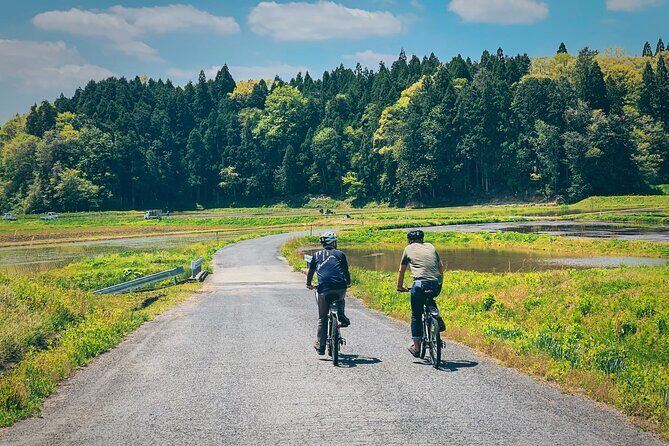
- Rural stops with purpose: rice fields, streams, traditional-looking homes, and a quieter main street in Oasa.
- A guided food break: lunch is tied to locally grown produce at Ainosato Herb Garden (or winter sushi).
- Easy-to-follow logistics: you start and finish back at the same Oasa meeting point near public transit.
- Bring a rain plan: the tour depends on good weather, and you should come prepared for wet conditions.
Hiroshima countryside on an e-bike: why Oasa works
Most Hiroshima trips focus on what happened in the city—and that’s important. But once you’ve done the major sights, you still need contrast. That’s where this Oasa-based cycling tour shines. It takes you away from the usual visitor route and into a daily-life pace: narrow roads, quiet homes, working fields, and small shop streets that feel lived-in.
I love that you’re not just watching scenery. You’re moving through it, with a guide who can explain what you’re seeing. And because this is a small group, the conversation doesn’t get swallowed by a big-tour scramble.
The big value here is perspective. Hiroshima County cycling is a chance to understand how people structure an ordinary day in rural Japan—where farming, water, and seasons shape daily routines.
Other Hiroshima cycling and bike tours in Hiroshima

Electric bikes for real people: what they change for you
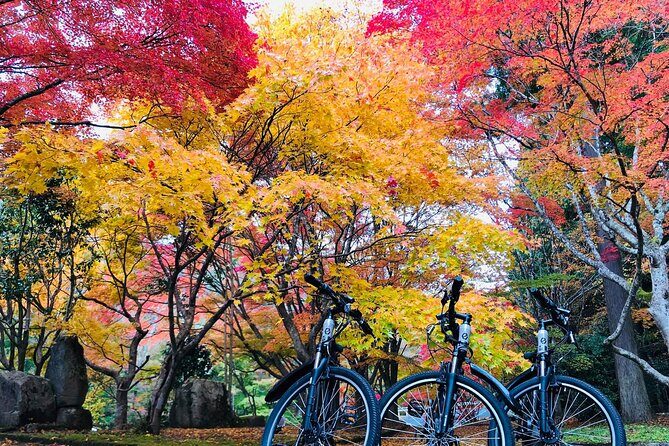
If you’ve ever stared at Japanese hill climbs and thought, I’ll pass on that, this is the fix. The ride is specifically designed around steep hills, and the electric assist makes those climbs manageable even if you’re not super fit.
The essentials:
- You’ll use an electric bike and a helmet is provided.
- The tour requires moderate physical fitness level.
- You must be able to ride the bike on your own.
- Minimum height is 140 cm (4 ft 6 in).
That last part matters. If you’re close to the limit, you should double-check fit when you arrive. And if you’re the type who gets nervous balancing on a bike, practice confidence first—this tour can’t slow down for learning.
Also pay attention to water. The route includes multiple water refill stations, but you’re asked to bring your own bottle. That’s a practical detail that keeps you from having to scramble mid-ride.
Your half-day route, stop by stop
The whole experience runs about 4 hours, with scheduled time at four stops. Each stop is around an hour, which gives you enough time to ride, look around, and learn without feeling like you’re being rushed.
Stop 1: Kakeyama and the hill-climb payoff
Kakeyama is where the e-bike earns its keep. You’ll ride up steep hills with help from the electric motor, and the goal is simple: make the climb enjoyable instead of exhausting.
This is a smart first stop because it sets the tone. By the time you reach Kakeyama, you’ve had a little time to settle into the bike. Then the guide can show you how to use the assist effectively so you’re not burning energy too early.
Possible drawback: if you expect a flat ride, Kakeyama might surprise you. The assist helps a lot, but it’s still cycling outdoors and you’ll still feel the rhythm of the road.
Stop 2: Doitaya farming community
Doitaya shifts you from effort to atmosphere. This area is described as a farming community that still keeps a traditional look. Think quaint houses, rice fields, and streams that support wildlife.
What you’ll likely notice here is how the land and water work together. Rural Japan isn’t just “pretty fields.” It’s daily infrastructure—routes people walk, water channels, and farm areas connected by small roads.
This stop is also where a guide really matters. When someone points out how the community is laid out, you understand the geography better than you would from a quick photo.
Possible drawback: if it’s pouring rain, time outdoors can feel tighter. The tour is weather-dependent, and you should plan to keep moving.
Other cycling tours in Hiroshima
Stop 3: Ainosato Herb Garden lunch stop
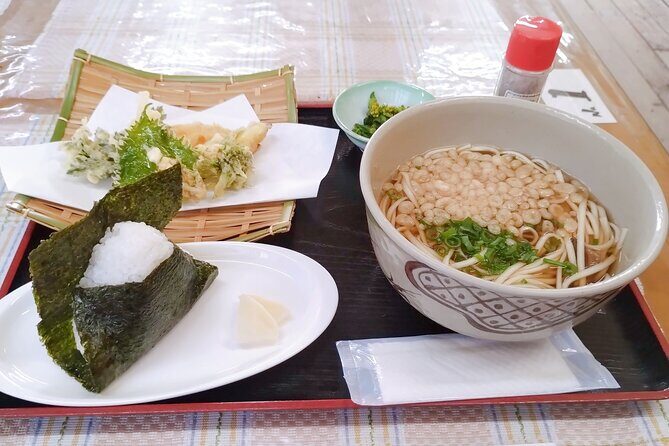
Lunch is built into the experience at Ainosato Herb Garden. The restaurant serves fresh locally grown vegetables and edible flowers, and the food is described as free of harmful pesticides.
Here’s an important practical note for your budget: the tour includes the lunch stop, but lunch itself is not included in the base price. You should expect to pay:
- 900–1,250 JPY per person for the herb garden lunch
- Or, from December to March, a sushi lunch at the farm house for 2,000 JPY per person
If you need vegan food, that’s available on request, but you must book it 3 days in advance.
I like this lunch approach because it doesn’t feel like a random “tour lunch.” It’s tied to the local growing theme, and you get a break that matches the countryside focus of the ride.
Stop 4: Oasa’s quieter main street
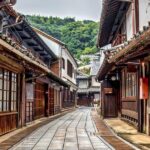
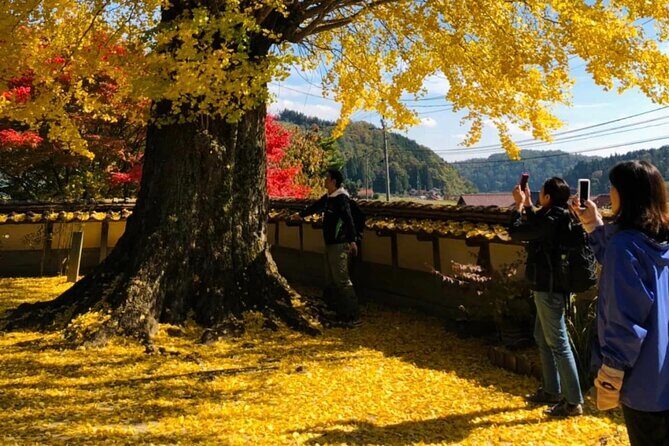
The last stop is Oasa. This is where the pace slows down in a different way. The main street is described as once busy, now quiet and unhurried, with old buildings that still show the area’s earlier prosperity. You’ll also find a handful of shops that are still operating.
This is a good capstone because it helps you stitch the day together. Earlier stops showed the farming side; Oasa shows the people-side—small businesses, familiar routines, and the calm you only notice when you’re not sprinting between city sights.
Possible drawback: if you mainly want big-ticket sights, Oasa is more about everyday texture than attractions.
Price and value: what $85.39 really buys
The listed price is $85.39 per person, and that covers the core experience: bicycle use, helmet, guide fee, and accident insurance coverage. There’s also mention of group discounts and mobile ticket use.
What it does not cover is lunch. That’s the one extra line item you should plan for:
- Herb garden lunch: 900–1,250 JPY per person
- Winter sushi: 2,000 JPY per person
So the value math looks like this: you’re paying for a guided electric-bike outing plus transportation-like cycling time through rural areas, and then you add a food budget based on season and what you choose to eat.
If you were planning to rent an e-bike yourself, you’d still need a guide to interpret what you’re seeing and to organize the flow between stops. That’s where the guide fee earns its keep.
Timing and how the day feels in motion
The tour starts at 10:00 am and returns you to the same meeting point. The start is at Oasa I.C. Bus Stop (2310 Shinjō, Kitahiroshima, Yamagata District, Hiroshima 731-2103, Japan). It ends back at the meeting point.
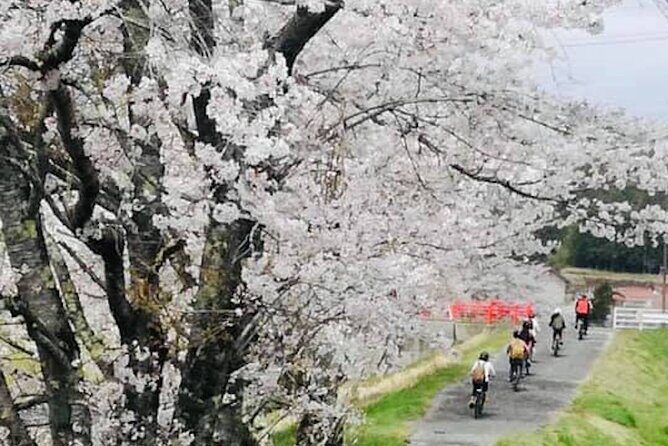
The time structure is tight enough to feel productive but relaxed enough to enjoy. You’re not spending the whole day in the saddle; each stop gives a break for viewing and conversation.
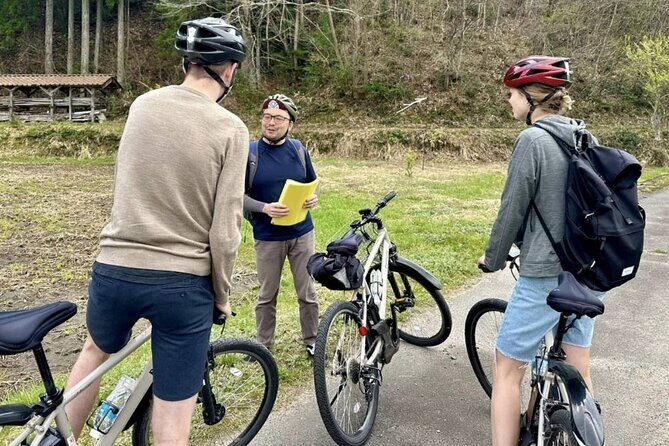
One detail I really like from the tour experience style is how the guide handles rainy-day reality. Even when conditions aren’t great, you’re not left guessing what to do. On a wet day, Jonah helped by bringing a poncho for one guest, which tells you the team plans for real weather, not ideal brochures.
Group size matters too. With a maximum of 8 travelers, you can hear the guide, move at a human pace, and get questions answered.
The practical stuff you’ll want to plan for
A few things can make or break your comfort level:
- Bring your own water bottle even though there are multiple refill points.
- Wear rain gear if there’s any chance of wet weather. The tour is dependent on good weather, but you could still ride in damp conditions if it’s acceptable.
- Come ready to pedal. The electric assist helps, but the ride still assumes you can cycle confidently.
- Dress for outdoor time. This isn’t just a walk between indoor stops.
- Confirm your lunch needs ahead of time if you’re vegan (3 days advance).
Also, double-check the height requirement (140 cm). If your party includes kids or teens, this is the kind of detail that prevents last-minute disappointment.
Who should book this and who should pass
This tour is a great fit if you:
- Want to see rural Hiroshima rather than only the city highlights
- Like active travel with a guide explaining what you’re seeing
- Prefer small groups over big bus energy
- Are curious about everyday farming communities and quiet town streets
It might not be for you if you:
- Cannot ride a bike on your own
- Prefer sightseeing that is mostly off-bike and mostly indoors
- Have very limited mobility or aren’t comfortable with moderate physical effort
Also, if you’re traveling during December to March, note that the lunch changes to a winter sushi option at the farm house. That can be a nice seasonal perk rather than a compromise.
Should you book Hiroshima Country Cycling: Explore Rural Life?
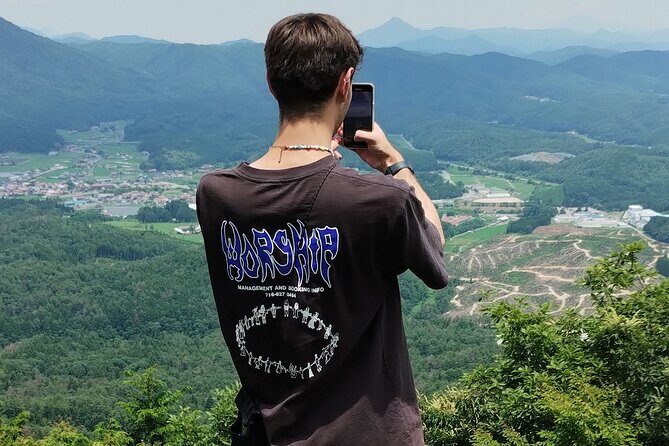
My honest take: yes, if you want a real rural look at Hiroshima and you’re open to being outside for a half-day ride. The electric bike changes the difficulty level in a way that makes countryside cycling possible for more people than you’d think.
Book it when you can match the weather. This tour requires good conditions, and while plans exist for rain in the moment, you’ll enjoy it more if the roads are safer and the views feel crisp.
One final tip: treat lunch as part of your planning budget. The base price covers the ride and guide, but you’ll pay for the herb garden lunch (or winter sushi). That makes it easier to enjoy the experience instead of doing math in your head mid-tour.
If your goal is to get beyond the obvious Hiroshima postcard and see how countryside communities actually look and feel, this is a strong, value-minded way to do it.
FAQ
How long is the Hiroshima countryside e-bike tour?
The experience is approximately 4 hours.
Where does the tour start, and when?
It starts at Oasa I.C. Bus Stop and begins at 10:00 am.
Is lunch included in the price?
Lunch at the herb garden is not included in the base price. The tour also offers a winter sushi lunch option, which is separately priced.
What does the tour include?
You get bicycle use, a helmet, the guide fee, and accident insurance coverage. There are also multiple water refill stations along the route (bring your own bottle).
Do I need to be able to ride a bike?
Yes. You must be able to ride a bike on your own.
Is there a height requirement?
Yes. The minimum height is 140 cm (4 ft 6 in).
Is vegan lunch available?
Vegan lunch is available on request if you book it at least 3 days in advance.