REVIEW · HIROSHIMA
Miyajima Island Day Tour in Sacred Sites and Mount Misen
Book on Viator →Operated by LironGuidesHiroshima · Bookable on Viator
A day on Miyajima feels like a switch flips. You go from sea-level shrine views to a mountain summit, and the stops are timed so you can see the spiritual side of the island without racing. I like how the tour handles the move between sites for you, and I especially like the Mount Misen Ropeway and summit viewpoints.
What I really value is the guide’s pacing and know-how. With LironGuidesHiroshima leading the day, the route stays organized and the explanation adds meaning fast, from shrine architecture to mountain-side religious sites.
One consideration: it is a full day (about 7–8 hours), so you’ll want comfortable shoes and a little stamina for walking between viewpoints and temples.
In This Review
- Key highlights at a glance
- From Hiroshima to Miyajima: getting there without the stress
- Miyajima Ferry Terminal and the Visiting Center: warm-up before the big sights
- Floating Torii Gate and Itsukushima Shrine: the sea-level spiritual star
- Daishō-in Temple at the base of Mount Misen: where the mountain story starts
- Momijidani Park: a nature break that also keeps the day realistic
- Mt. Misen Ropeway: the quick lift into primeval-forest views
- Summit & Reikado Pavilion: the views and the reason you climbed
- Five-Storied Pagoda: red structure, mountain backdrop, and a strong photo hit
- Omotesandō shopping street: local snacks and the merchant past
- Price and value: what $234.55 gets you on this full-day route
- How the guide makes the day work (and why it matters)
- Who should book this Miyajima sacred sites and Mount Misen tour
- Should you book it?
- FAQ
- What time does the Miyajima tour start?
- Where is the meeting point in Hiroshima?
- How long is the tour?
- Is this tour private?
- Are tickets included for main attractions?
- Is pickup available?
- Is there a mobile ticket?
- Can I bring a service animal?
- What is the cancellation policy?
Key highlights at a glance
- Private group experience: only your group participates, with a guide managing the flow.
- Sea to summit in one day: torii gate views plus Mt. Misen ropeway and summit deck.
- Key admissions included: Itsukushima Jinja, Mt. Misen Ropeway, and the summit/pavilion portion are marked as included.
- Multiple scenic breaks: Momijidani Park and planned pauses help on hot days.
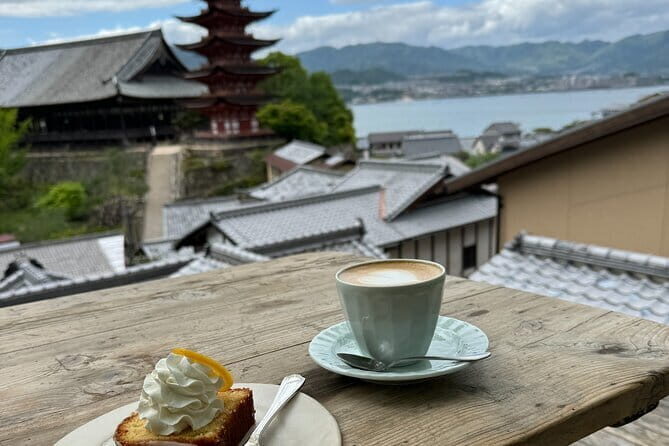
- Easy photo and story stops: from the famous torii gate area to the Five-Storied Pagoda backdrop.
From Hiroshima to Miyajima: getting there without the stress

This tour starts from Hiroshima Station (1–2–37 Matsubarachō, Minami Ward) with a 9:00 am departure. If you’re staying near the station, it’s a clean way to begin—less “what train do I take?” and more “let’s get to the island and start seeing.” Pickup is also offered, which can help if you’re not near the station.
In practice, the first big win here is timing. You take a short train ride and then head to the Miyajima Ferry Terminal. The day is structured so you’re not stuck waiting around for long stretches. And because it’s a private format, you’re less likely to feel separated from the group when you’re trying to line up at transit points.
Other Miyajima Island tours in Hiroshima
Miyajima Ferry Terminal and the Visiting Center: warm-up before the big sights
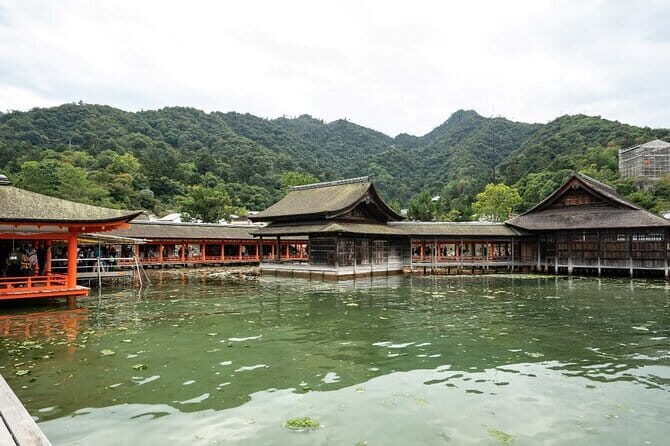
The route begins at the Miyajima Ferry Terminal, followed by a stop at the Miyajima Island Visiting Center. This is the kind of early start that helps you get your bearings fast.
Why this matters: Miyajima can feel like one long chain of “must-sees.” A quick orientation early makes the later stops click—especially when you transition from the shrine area to the temple complex at the base of Mount Misen. The visiting center admission is marked free, so you’re not losing time or money, just setting yourself up.
If you like having context (instead of just following a checklist), this first stop earns its place.
Floating Torii Gate and Itsukushima Shrine: the sea-level spiritual star
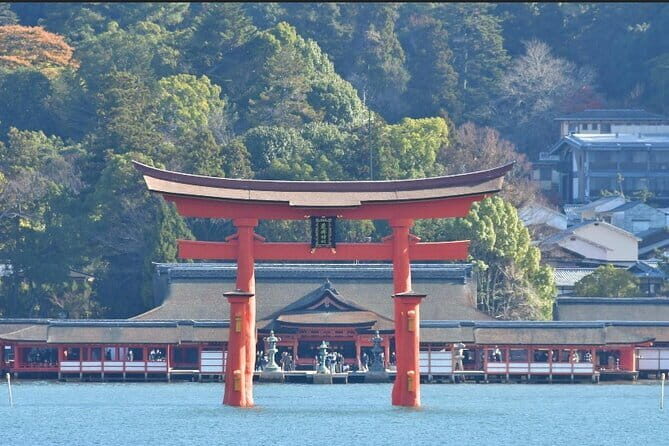
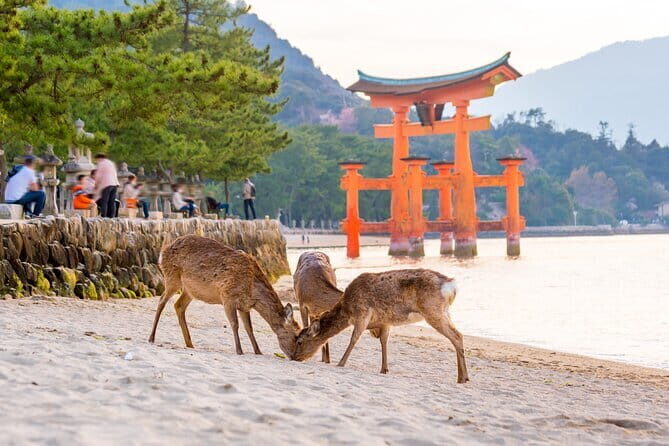
Next up: Miyajima’s Floating Torii Gate. The famous vermillion gate looks like it’s sitting on the water, and it’s still one of the best photo moments on the island. Since the torii gate area is marked free, you can spend your time focusing on angles, timing, and where the tide effects are easiest to see.
Then the tour steps into Itsukushima Jinja (Itsukushima Shrine). This is a UNESCO World Heritage site, and the architecture built over water is the real reason to come. The stop is marked 30 minutes with admission included, which is a thoughtful balance: enough time to walk, look up, and soak in the details without feeling trapped in a long line.
What I like about this pairing is that you’re not just looking at a landmark—you’re moving from the gate (the iconic entry image) into the actual shrine space. If you enjoy religious sites that feel tied to their setting (rather than separate from it), this is the heart of the day.
Practical note: the shrine area can be busy and walking surfaces can be uneven. Give yourself a little extra care around the water-edge paths.
Daishō-in Temple at the base of Mount Misen: where the mountain story starts
After the shrine, you head toward the base of Mount Misen for Daishō-in Temple. This temple complex is associated with Shingon Buddhism, and it’s tied to Kūkai (also spelled Kūkai in many sources). The stop is marked free and about 30 minutes.
Why this is a smart move on a one-day plan: it bridges the “sea shrine” feeling into the “mountain pilgrimage” mindset. You go from the water’s edge up toward the sacred high point, and Daishō-in acts like a spiritual on-ramp.
If you prefer sites that aren’t just photo backdrops, you’ll likely appreciate the temple atmosphere here more than you expect—quiet, grounded, and clearly part of the island’s long religious rhythm.
Momijidani Park: a nature break that also keeps the day realistic
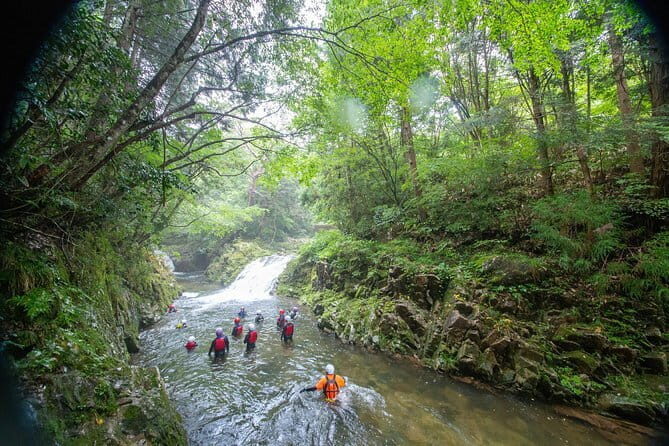
At Momijidani Park, you get a gentler-paced walk through a seasonal scene of maple trees, streams, and traditional red bridges. The admission is free, and the stop is about 30 minutes.
This part of the itinerary is more than a pretty pause. On a hot day, you need a break that isn’t “sit on a bus.” A park stop gives you an easy reset: shade when you can find it, cooler air from the stream areas, and a change of pace after temple walking.
Based on the guide’s style, the timing also supports rest. The day includes breaks for sitting and water when needed, which matters more than many people think until they’re sweating and trying to keep moving.
Other Mount Misen tours in Hiroshima
Mt. Misen Ropeway: the quick lift into primeval-forest views

Then comes the big altitude change: Mt. Misen Ropeway. The ropeway ride is marked as included, about 30 minutes, and it’s one of the most efficient ways to reach the mountain’s higher viewpoints without turning your day into a major hike.
You’re gliding over Miyajima’s primeval forest—this is where the island starts feeling less like a shoreline attraction and more like a full-on mountain experience. If you’re traveling with anyone who prefers scenic transport over steep climbs, this is the stop that will make them glad you booked a guided plan.
A practical tip: ropeway days can bring sudden weather shifts. Bring a layer you can tolerate if temperatures change between the lower shrine area and the top.
Summit & Reikado Pavilion: the views and the reason you climbed
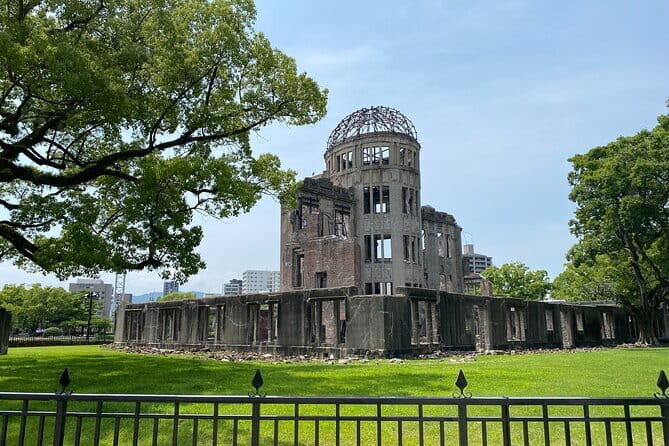
From the ropeway you continue up to the summit area, where you reach Mt. Misen Summit & Reikado Pavilion. This portion is marked included and runs about 1 hour, with the viewing deck noted as Shishiwa.
This is the part you’ll remember later when you think of Miyajima. From the summit observation area, you get celebrated views over the Seto Inland Sea and the scattered islands. It’s the payoff for all the earlier walking and the reason the tour scales from sea to mountain in one day.
Even if you don’t feel like a “view person,” the summit stop helps you understand Miyajima’s geography in a single look. The island stops being a list of attractions and starts feeling like a place with real depth.
Five-Storied Pagoda: red structure, mountain backdrop, and a strong photo hit
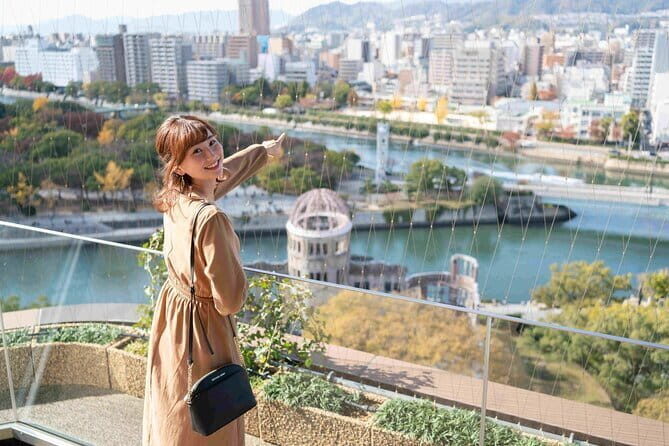
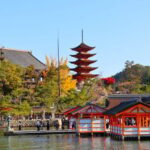
After the summit, you return to a key viewpoint area with the Five-Storied Pagoda, described as an enduring symbol of Miyajima since 1407. Admission here is free, and the stop is around 30 minutes.
This pagoda works as a visual anchor. You’ve already climbed up to the highest area; now you look back toward a landmark that visually ties the mountain setting to long religious tradition. If you like taking photos with a sense of scale, this is a good spot to do it calmly—especially because you’re not rushed straight from one big attraction to another.
Omotesandō shopping street: local snacks and the merchant past
To finish, you head to Miyajima Omotesandō Shopping Street, about 1 hour. This is where the day turns from temples and views into everyday island life.
The street is known for long-standing shops and traditional architecture. It’s also the easiest way to handle one of the trickiest things on Miyajima: food. The tour specifically points out local culinary traditions and notes vegetarian options, which is valuable if you eat vegetarian or want options that are actually available rather than “maybe something works.”
Even if you’re not on a shopping spree, give yourself time to browse. Gift shops and snack stops are often where you find small souvenirs that don’t feel mass-produced, plus you can grab water and a treat for the ride back.
Price and value: what $234.55 gets you on this full-day route
The price is $234.55 per person, and this tour is commonly booked about 87 days in advance. That advanced booking pattern usually signals two things: demand for popular Miyajima days, and limited convenience if you try to stitch everything together alone.
Here’s the value equation as I see it:
- You get a private day, so you’re not squeezed into a large group pace.
- You get transport help built into the schedule, from Hiroshima Station to ferry terminal timing and back.
- Key admissions are marked included: Itsukushima Jinja, the Mt. Misen Ropeway, and the summit/reikado portion.
- Other stops are marked free, like the torii gate area and several temple/park/shopping street stops.
That combination matters because Miyajima can be expensive if you buy everything separately and still end up paying for wasted time. With this format, you’re paying for time management and a guide to keep transitions smooth.
Is it “cheap”? No. But for a one-day sea-to-summit plan, it’s priced like convenience plus good direction.
How the guide makes the day work (and why it matters)
The name that stands out in the experience is Liron from LironGuidesHiroshima. The biggest difference a guide like this makes is not facts—it’s flow.
I like the way the plan covers the essentials in an efficient route while still giving you breaks. On hotter days, the day includes pauses for sit-down time and water, which is the kind of detail that can make the difference between enjoying Miyajima and feeling drained halfway through.
And because it’s private, the guide can adjust to your interests. If you’re more photo-focused, you’ll likely spend more time at key view angles. If you prefer temples, the explanation can shift to what’s important there. That flexibility is hard to get with a rigid group bus plan.
Who should book this Miyajima sacred sites and Mount Misen tour
This fits best if you:
- Want a one-day Miyajima plan that still feels complete.
- Prefer a guide who handles route timing and key stops.
- Want the ropeway + summit experience without turning it into a grueling hike.
- Like having context for shrine and temple sites, not just walking past them.
It may feel less ideal if you:
- Want a slow, independent day where you wander without structure.
- Plan to spend many hours shopping and eating in Omotesandō and beyond. This itinerary gives time, but it’s still built around the sacred sites and summit.
Should you book it?
If you want the best of Miyajima—Itsukushima Shrine, Mt. Misen, the Five-Storied Pagoda, and a realistic stroll through nature and shopping—this is a strong choice. The biggest reason to book is the way the day is shaped: sea-level, mountain lift, summit views, then back down to culture and snacks.
My call: book this when you only have one day and you want it to feel planned rather than stressful. If you have extra days and love roaming independently, you might mix self-guided wandering with a targeted summit visit. But for a first-timer one-day plan, this one is built to deliver.
FAQ
What time does the Miyajima tour start?
The tour starts at 9:00 am.
Where is the meeting point in Hiroshima?
The meeting point is listed at Hiroshima Station (1–2–37 Matsubarachō, Minami Ward, Hiroshima).
How long is the tour?
The tour runs about 7 to 8 hours.
Is this tour private?
Yes. It is listed as a private tour/activity, so only your group participates.
Are tickets included for main attractions?
Some are marked included in the plan: Itsukushima Jinja, Mt. Misen Ropeway, and Mt. Misen Summit & Reikado Pavilion. Other stops are marked as free (like the torii gate area and several temple/park/shopping stops).
Is pickup available?
Yes, pickup is offered.
Is there a mobile ticket?
Yes, the tour includes a mobile ticket.
Can I bring a service animal?
Yes. Service animals are allowed.
What is the cancellation policy?
You can cancel for a full refund if you cancel up to 24 hours in advance of the experience start time.